青岛啤酒

Search documents
【转|太平洋食饮-26年度策略】底部向阳,寻找结构性亮点
远峰电子· 2026-01-18 11:38
Overall Sector Review - The food and beverage sector significantly underperformed the market, with a year-to-date decline of -0.62%, lagging behind the Shanghai Composite Index by 15.0 percentage points [2] - The sector experienced a deep correction after an initial rebound driven by expectations of consumption recovery and supportive policies, but the actual recovery rate was lower than anticipated, leading to a consensus on weak domestic demand [2] Subsector Performance - The snack sector outperformed with a year-to-date increase of 28.88%, driven by channel expansion and a revenue growth rate of 30.97% in the first three quarters [4] - Soft drinks also showed resilience with a 10.11% stock price increase, benefiting from strong travel demand and low-cost, high-frequency consumption [4] - The restaurant chain sector saw a rebound with gains of approximately 10.34% and 10.29% for pre-processed and baked goods, respectively [4] - The liquor sector, particularly high-end liquor, faced challenges with weaker sales and declining prices, while beer performance was supported but affected by high-end market constraints [4] Investment Insights - The sector is under pressure from deflationary trends and a weak recovery, with consumer confidence remaining low, indicating a shift to a "new normal" of low growth [8] - High-end consumption has shown slight recovery due to stock market wealth effects, but sustainability remains a concern [9] - The food and beverage sector's valuation is at historical lows, with a current PE (TTM) of 21.9X, indicating potential investment opportunities in undervalued segments [12] Fund Holdings - As of Q3 2025, the food and beverage sector's fund holdings decreased to 6.38%, nearing levels seen in 2016, with the liquor segment comprising 5.52% of this [14] - Fund holdings in the liquor sector increased for certain subsectors, including white liquor and seasoning products, while others saw declines [16] Long-term Trends - The liquor industry is undergoing its longest adjustment period since 2003, with significant price corrections and a potential bottoming out of valuations [21] - The white liquor sector has underperformed the market with a year-to-date return of -4.87%, reflecting weak demand and a divergence from broader market trends [24] - The third quarter of 2025 saw a significant decline in revenue and net profit for the white liquor sector, indicating a deep adjustment phase [27] Pricing Dynamics - The white liquor market is experiencing a general decline in prices, particularly in high-end segments, while lower price segments show resilience [29] - The average price of high-end products like Moutai has dropped significantly, while mid-range and lower-range products have maintained stability or slight increases [31] Investment Recommendations - The white liquor sector is advised to focus on inventory reduction and demand recovery, with a preference for leading brands that can maintain pricing power and product stability [32]







资本重新“酿”酒:黄酒能否讲出千亿故事
经济观察报· 2026-01-18 05:54
Core Viewpoint - The article discusses the significant growth and potential of the Huangjiu (yellow wine) industry, highlighting a shift in investor interest from traditional Baijiu (white liquor) to Huangjiu, driven by successful high-end, youth-oriented, and national strategies by companies like Kuaijishan and Guyuelongshan [1][3][10]. Group 1: Market Performance - In 2025, Huangjiu stocks experienced a remarkable surge, with Kuaijishan (601579.SH) achieving a 90.15% increase, making it the top-performing liquor company for the year [2]. - The Huangjiu index saw a 51.67% increase in the first five months of 2025, outperforming other liquor segments and popular sectors like robotics and pet economy [2][3]. - As of January 16, 2026, Kuaijishan's market capitalization reached 9.86 billion, while Guyuelongshan's was 8.32 billion, still significantly lower than leading Baijiu companies [2]. Group 2: Industry Trends - The Huangjiu industry is projected to grow, with a market size expected to exceed 30 billion by 2025, up from approximately 20 billion in 2024 [3]. - The production of Huangjiu in China was around 4 million tons in 2024, with a 3.5% year-on-year increase [3]. - The market share of the top two Huangjiu companies increased from 14.9% in 2017 to 37.4% in 2023, indicating a consolidation in the industry [9]. Group 3: Strategic Shifts - Companies like Kuaijishan and Guyuelongshan have implemented price adjustments and high-end product strategies, with Kuaijishan's mid-to-high-end sales reaching 1.065 billion in 2024, accounting for 67.26% of its revenue [5][9]. - The introduction of innovative products, such as sparkling Huangjiu, has shown potential for attracting younger consumers, with 70% of buyers being under 35 years old [6][10]. - The entry of cross-industry players, such as Qingdao Beer acquiring a Huangjiu factory, indicates a growing interest in the Huangjiu market and its potential for complementary sales [7]. Group 4: Challenges and Opportunities - Despite the growth, Huangjiu faces challenges such as a limited consumer base and a lack of premium products in the mid-price range [12][13]. - Analysts suggest that for Huangjiu to reach a market size of 100 billion, it must overcome structural issues and establish strong consumer scenarios [15][16]. - The historical context shows that while Huangjiu has potential, it must innovate and create national-level products to compete effectively with Baijiu [16][17].



金星啤酒赴港IPO:过度依赖单一品类及分销渠道 递表前分红2.29亿元全部进了实控人父子口袋
Xin Lang Cai Jing· 2026-01-16 10:12
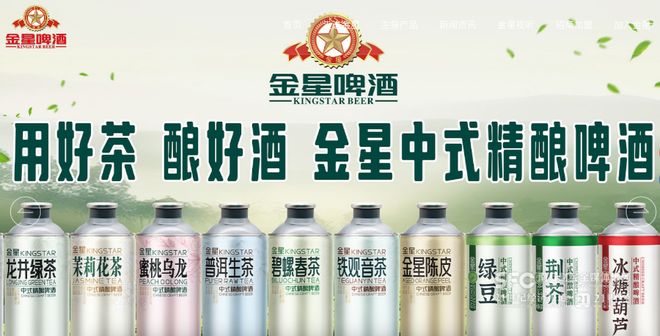
Core Viewpoint - Henan Jinxing Beer Co., Ltd. has submitted its main board listing application to the Hong Kong Stock Exchange, showcasing explosive growth in revenue and net profit driven by the "Chinese craft beer" concept, but faces significant risks from over-reliance on a single product category, family governance issues, and increasing industry competition [1][8] Business Structure Risks: Over-reliance on Chinese Craft Beer and Channel Imbalance - The company's revenue growth is heavily dependent on the "Chinese craft beer" single category, with the "Jinxing Maojian" tea beer series contributing 78.1% of revenue in the first three quarters of 2025, while traditional beer products dropped to 16.6% [2][9] - Over 94% of revenue relies on distributors, with only 4.1% from direct sales, and 61.5% of distributors concentrated in Central China, leading to potential issues like price chaos and inventory mismanagement [2][9] Financial and Governance Concerns: Aggressive Dividends and Social Security Arrears - The company implemented large dividends before the IPO, totaling 229 million yuan, which accounted for 182.6% of the 2024 net profit, while simultaneously facing three years of social security and provident fund arrears exceeding 21.9 million yuan [3][10] - High concentration of ownership, with family members holding 100% of shares, raises governance risks, as the management team is predominantly family members, potentially sidelining minority shareholders [3][10] Industry Competition Pressure: Encroachment by Giants and Lack of Standards - The Chinese craft beer sector is growing rapidly but has low barriers to entry, with major companies like China Resources and Tsingtao launching similar products, and competitors using aggressive pricing strategies [4][11] - The absence of national standards for craft beer allows for easy imitation of the company's "flavor craft" concept, risking the erosion of its first-mover advantage [4][11] Sustainability Challenges: Seasonal Fluctuations and Valuation Disputes - The company's sales exhibit significant seasonality, with a notable decline after October, necessitating production cuts, despite attempts to introduce winter specialty drinks [5][12] - The overall valuation of the Hong Kong beer sector is low (P/E ratio of 15-18 times), and if the company cannot be categorized as "new consumption," its financing scale may fall short of expectations [5][12] Conclusion - The IPO attempt by Jinxing Beer represents a typical case of traditional regional breweries leveraging product innovation for breakthrough, but transitioning from a "viral hit" to a "sustainable enterprise" requires overcoming challenges in product diversification, governance modernization, and building competitive barriers [6][13]
食品饮料行业双周报(2026、01、02-2026、01、15):茅台发布市场化运营方案,关注春节备货-20260116
Dongguan Securities· 2026-01-16 07:56
Investment Rating - The report maintains an "Overweight" rating for the food and beverage industry, expecting the industry index to outperform the market index by over 10% in the next six months [57]. Core Insights - The report highlights that Kweichow Moutai has released a market-oriented operation plan, with a focus on inventory preparation for the Spring Festival. The white liquor sector is experiencing a weak recovery in demand, prompting Moutai to implement various measures to adapt to market and consumer trends [4][52]. - The SW food and beverage industry index rose by 0.64% from January 2 to January 15, 2026, but underperformed the CSI 300 index by approximately 1.98 percentage points [11][12]. - Approximately 76% of stocks in the industry recorded positive returns during the same period, with notable gainers including Ziyuan Food (+33.73%) and Haoxiangni (+21.90%) [14]. - The overall price-to-earnings (PE) ratio for the industry is approximately 20.47 times, which is below the five-year average of 31 times, indicating a potentially undervalued sector [15][18]. Summary by Sections Market Review - The SW food and beverage industry index underperformed the CSI 300 index, with a rise of 0.64% from January 2 to January 15, 2026, ranking 28th among Shenwan's primary industries [11]. - Most sub-sectors also lagged behind the CSI 300 index, with the pre-processed food sector showing the highest increase of 4.91%, while the dairy sector experienced the largest decline of 3.70% [13]. Industry Data Tracking - **Liquor Sector**: The price of Feitian Moutai decreased to 1520 RMB per bottle, down 20 RMB from January 1, while the prices of other brands remained stable [21]. - **Condiment Sector**: Prices for soybean meal and white sugar increased slightly, while glass prices saw a decrease [24]. - **Beer Sector**: The price of aluminum increased significantly, while the price of corrugated paper decreased [31]. - **Dairy Sector**: The average price of fresh milk was 3.02 RMB per kilogram, showing a slight decrease [39]. - **Meat Sector**: The average wholesale price of pork rose to 18.00 RMB per kilogram, reflecting a month-on-month increase [41]. Important News - The report notes a 3.4% year-on-year decline in retail sales of tobacco and alcohol in November 2025, indicating potential challenges in consumer demand [43]. - A slight decrease in the national white liquor price index was reported for December, suggesting price stabilization in the market [44]. Company Announcements - Kweichow Moutai announced a share repurchase plan and a market-oriented operation strategy aimed at adapting to market changes [50]. - Eastroc Beverage projected a significant increase in annual net profit for 2025, indicating strong performance in the soft drink sector [51].
中国必需消费 - 12 月跟踪及企业日总结:2026 年展望谨慎,关注人民币走势与分化的业绩基数-China Consumer Staples_ Dec Check-in & Corp Day Wrap_ Cautious outlook into 2026, eyeing CNY trends with mixed comps
2026-01-16 02:56
Summary of Conference Call Records Industry Overview: China Consumer Staples Key Themes and Trends 1. **Cautious Outlook for 2026**: The industry is observing a cautious outlook into 2026, with a focus on the trends surrounding the Chinese New Year (CNY) [2] 2. **Mixed Performance in Beverages**: - Nongfu and Eastroc maintained strong momentum with double-digit growth despite being in a slack season, driven by strong product cycles [1] - Tingyi and UPC beverages experienced a decline in December due to heightened competition, although subsidies for freshly-made drinks have retreated [1] 3. **Beer Demand**: - Overall beer demand remains subdued, particularly in on-trade channels, with Bud China seeing a deeper sequential decline [1] - CR Beer and Chongqing Brewery managed slight volume growth, while Tsingtao's volume increased by 12% on easier comparisons [1] 4. **Condiments and Frozen Foods Recovery**: - Haitian reported sustained growth in the mid-single to high-single digits, with a faster quarter-on-quarter growth in Q4 [1] - Anjoy's growth accelerated in December despite a higher base, indicating a favorable setup for Q1 [1] 5. **Dairy Sector Stabilization**: - Liquid milk demand is stabilizing after a period of destocking, with herd downsizing settling at a 4.5% year-over-year decline [1] - Raw milk prices held steady at approximately Rmb3.03/kg in December, with a 3.0% year-over-year decline in average prices for Q4 [1][24] Company-Specific Insights 1. **Yili**: - Management highlighted an improving raw milk supply-demand balance supported by herd downsizing, although demand remains lackluster [2] - The company is focusing on channel inventory discipline and targeted marketing to sustain performance [8] 2. **Haitian**: - Noted a sequential acceleration in Q4 and sees potential for consumption upgrading in chained restaurants [2] 3. **Anjoy**: - Resumed double-digit sales growth since September, driven by enhanced execution and channel strategies [8] 4. **CR Beer**: - Expects no incremental SG&A investment impact in 2026, focusing on maintaining margins amid cost pressures [8] Market Dynamics 1. **Expense Outlook**: - The expense outlook remains cautious, with a focus on margin expansion for beer, dairy, and food & beverage sectors amid diminishing cost benefits [8] 2. **Channel Health**: - Companies are making efforts to sustain channel health throughout 2025, which is expected to underpin recovery in 2026 [8] 3. **New Product Cycles**: - A sequentially improving outlook for both Yili and Mengniu is anticipated, supporting volume and margin accretion [8] Investment Preferences 1. **Preferred Sectors**: - Beverage, pet foods, and condiments/prepared foods are highlighted as sectors with potential for growth [9] 2. **Key Stock Ideas**: - Recommendations include Eastroc, Nongfu, Weilong for visible growth, and Haitian H-shares/Anjoy as early beneficiaries of on-trade recovery [9] Additional Insights 1. **Snacks Performance**: - Weilong sustained strong sales growth in December, with vegetable snacks up over 30% year-over-year [1] 2. **Pet Foods**: - China Pet Foods led in year-over-year growth in December, while other covered names weakened compared to previous months [32] This summary encapsulates the key points from the conference call records, providing insights into the current state and future outlook of the China consumer staples industry.
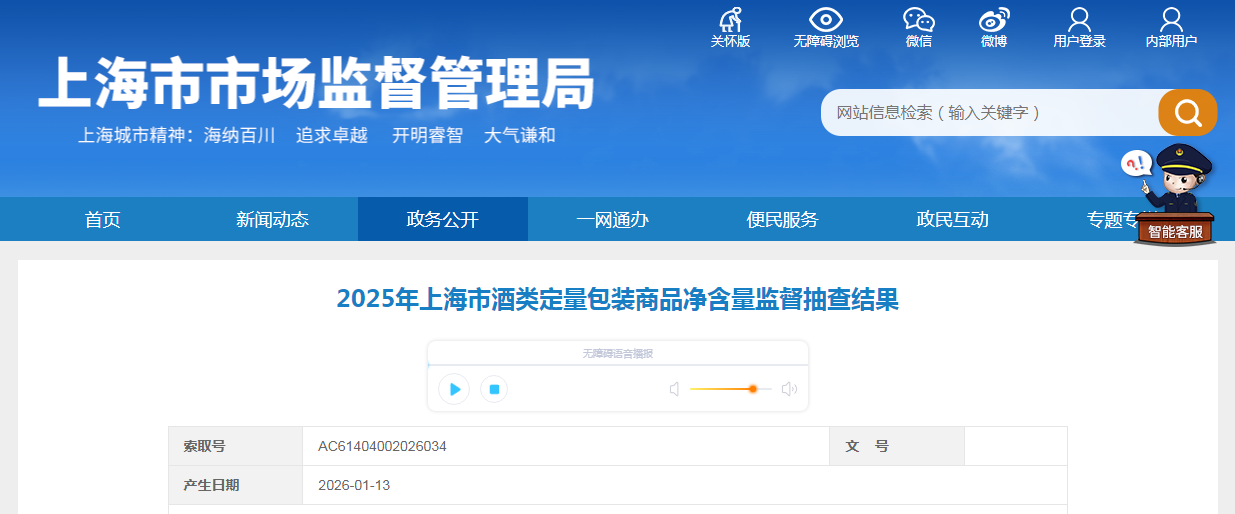
2025年上海市酒类定量包装商品净含量监督抽查结果公布
Zhong Guo Zhi Liang Xin Wen Wang· 2026-01-15 08:37
Core Insights - The Shanghai Municipal Market Supervision Administration conducted a quality inspection of alcoholic beverages, revealing that all 20 sampled products met the required standards for net content labeling and measurement [3]. Group 1: Inspection Results - All 20 batches of alcoholic beverages inspected were found to be compliant with the relevant standards [3]. - The inspection was based on JJF 1070-2023 "Measurement Inspection Rules for Net Content of Quantitative Packaged Goods" [3]. Group 2: Sampled Products - Notable compliant products included: - Qingdao Beer Classic (330ml) produced by Qingdao Beer Shanghai Songjiang Manufacturing Co., Ltd. [3] - RIO Strong Refreshing White Peach Flavored Cocktail (330ml) produced by Shanghai Bacchus Wine Co., Ltd. [3] - Chinese Jin Liquor (520ml) produced by Jinpai Co., Ltd. [3] - The inspection covered various types of alcoholic beverages, including beer, wine, and cocktails, indicating a diverse market presence [3].
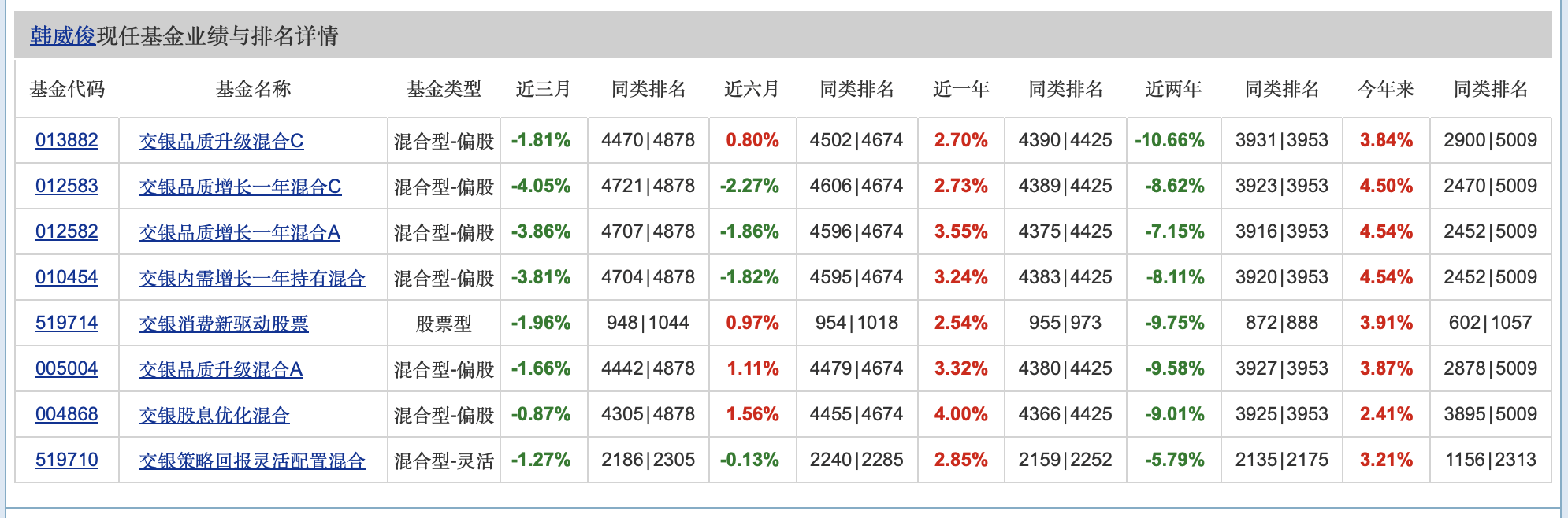
为何“躺平式投资”?交银施罗德“海豹”韩威俊旗下产品全线亏损引争议
Sou Hu Cai Jing· 2026-01-15 03:25
2026年1月,交银施罗德的韩威俊即将迎来担任基金经理的十年关口,但近年来围绕这位"老将"的舆论不再是"爆发"或者"进攻",而是"躺平":不追热点、 换手率低、重仓股高度稳定并且产品之间持仓趋同。 这带来的结果是,虽然2025年股市呈现"硬科技+创新药"双主线行情,带动权益类基金大面积飘红,超2000只权益类基金净值创历史新高,但韩威俊管理的 六只产品在2025年全部录得负收益,其代表性产品交银内需增长一年持有期混合基金已连续五年亏损。截至2025年底,韩威俊管理的6只基金合计规模仅剩 48.71亿元,相较于巅峰期近200亿元的规模,三年内缩水了75%以上。 | | 韩威俊现任基金业绩与排名详情 | | | | | | | --- | --- | --- | --- | --- | --- | --- | | 基金代码 | 基金名称 | 基金类型 | 近三月 | 同类排名 | 近六月 | 同类 | | 013882 | 交银品质升级混合C | 混合型-偏股 | -1.81% | 4470 4878 | 0.80% | 4502 - | | 012583 | 交银品质增长一年混合C | 混合型-偏股 | -4. ...
业绩翻倍增长,中式精酿啤酒开创者冲击IPO
Zhong Guo Ji Jin Bao· 2026-01-14 14:13
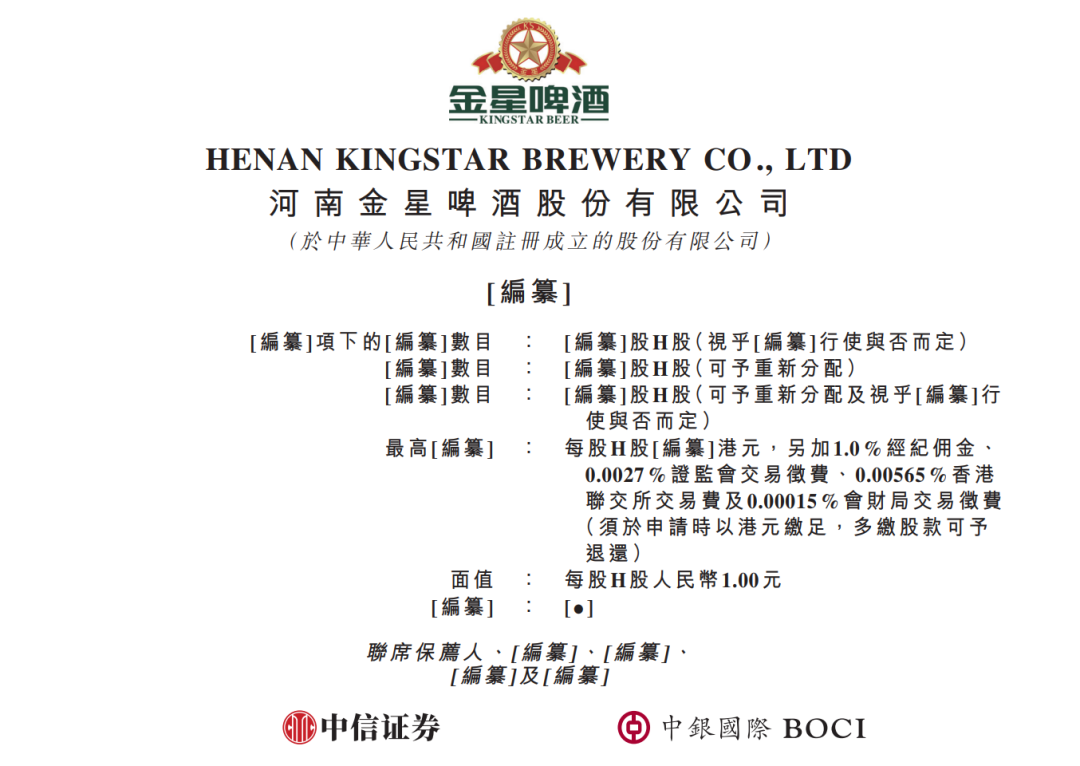
Core Viewpoint - Jin Xing Beer is preparing for an IPO on the Hong Kong Stock Exchange, capitalizing on its recent success in the craft beer market with innovative products like the "Xinyang Maojian Chinese Craft Beer" [1][2]. Company Overview - Founded in 1982, Jin Xing Beer has transitioned from producing industrial beer to becoming a leader in the Chinese craft beer segment, particularly with its introduction of tea-infused beers [4][5]. - The company has seen significant growth, with revenue increasing by 191.34% year-on-year to 1.11 billion RMB in the first nine months of 2025, and net profit soaring by 1095.84% to 305 million RMB [4][8]. Financial Performance - In 2023, the company reported revenue of 356 million RMB, with a gross profit of 97 million RMB and a net profit of 12 million RMB [6][10]. - The introduction of the "Jin Xing Maojian" beer in 2024 marked a turning point, leading to a revenue of 730 million RMB and a net profit of 1.25 million RMB in 2024 [8][10]. - By 2025, the revenue from craft beer reached 867 million RMB, accounting for 78.1% of total revenue [11]. Market Position - Jin Xing Beer is the third-largest craft beer company in China and the largest in the flavored craft beer segment, holding a market share of 14.6% [4][7]. - The Chinese flavored craft beer market is projected to grow from 15 billion RMB in 2019 to 111 billion RMB by 2024, with a compound annual growth rate (CAGR) of 49.3% [7]. Ownership Structure - The ownership of Jin Xing Beer is highly concentrated, with the Zhang family controlling over 90% of the shares, which allows for governance aligned with family interests [13][15]. - The company has distributed significant dividends, totaling 229 million RMB, which is 182.6% of the net profit for 2024 [17][18]. Industry Dynamics - The craft beer market in China is rapidly expanding, with the market size expected to reach nearly 200 billion RMB by 2029, driven by competition from traditional beer giants and new entrants [20][21]. - The lack of established standards for craft beer in China poses challenges, as many products labeled as craft still resemble industrial beer [20]. - Seasonal sales fluctuations are a common issue, but innovative product offerings can help mitigate these challenges [22]. Future Outlook - Jin Xing Beer plans to use the funds raised from the IPO to enhance production capacity, strengthen its distribution network, and invest in marketing and digital capabilities [23].
金星啤酒闯关港股,中式精酿黑马面临估值之问
2 1 Shi Ji Jing Ji Bao Dao· 2026-01-14 09:29
Core Viewpoint - Henan Jinxing Beer Co., Ltd. has submitted its listing application to the Hong Kong Stock Exchange, marking its official entry into the public market, with a focus on its innovative "Chinese craft beer" products that have driven significant revenue growth [1][2]. Company Overview - Founded in 1982, Jinxing Beer has evolved from a regional brand to the eighth largest beer company in China, and the fifth largest domestic beer producer [1][2]. - The company has experienced a transformation in the past two years, particularly with the launch of its innovative products like "Jinxiang Maojian," which has contributed to its rapid growth [5][7]. Financial Performance - Jinxing Beer reported revenues of 356.4 million yuan in 2023, projected to reach 730.2 million yuan in 2024, and 1.109 billion yuan for the first nine months of 2025, with net profits increasing from 12.2 million yuan in 2023 to 305.3 million yuan in 2025 [2][7]. - The revenue contribution from "Chinese craft beer" has surged to 78.1% by the first three quarters of 2025, compared to 0% in 2023 [7][10]. Market Position - Despite its growth, Jinxing Beer still lags behind major competitors, with the sixth largest competitor, Zhujiang Beer, generating over 5 billion yuan in revenue, significantly more than Jinxing Beer [8][9]. - The company aims to maintain a growth rate above the industry average to close the gap with leading brands [8]. Product Innovation - Jinxing Beer has successfully created a new category of "Chinese craft beer," with over 50 SKUs, including unique flavors like ice sugar hawthorn and sugar orange [5][10]. - The pricing strategy for "Chinese craft beer" is significantly higher, with products priced around 20 yuan per can, compared to traditional products priced between 3 to 6 yuan [10][11]. Market Sentiment and Valuation - The capital market's interest in alcoholic beverage stocks is currently low, which may affect Jinxing Beer's valuation despite its growth potential [15][16]. - Comparatively, Jinxing Beer is expected to achieve a higher valuation than its peers in the Hong Kong market due to its growth trajectory and innovative product offerings [14]. Distribution and Sales Channels - Jinxing Beer relies heavily on traditional distribution channels, with over 90% of its revenue coming from offline sales, indicating a need for further development in e-commerce and direct sales [17]. - The company has expanded its distribution network to 29 provinces, but still faces competition from established brands in the market [18]. Ownership Structure - The largest shareholder of Jinxing Beer is Jinxing Holding Group, which holds 74.56% of the company, with key figures Zhang Tieshan and Zhang Feng holding significant stakes [19].
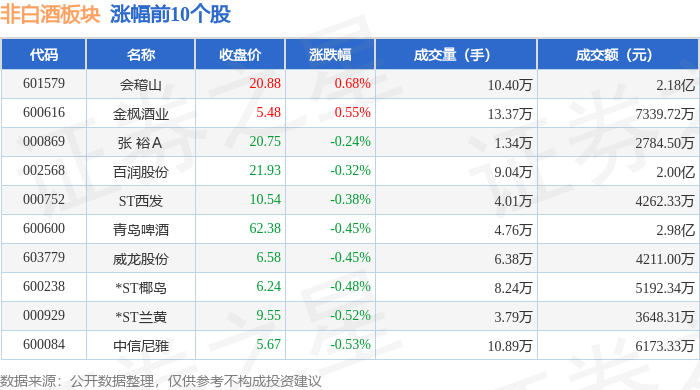
非白酒板块1月14日跌0.63%,燕京啤酒领跌,主力资金净流出7660.75万元
Zheng Xing Xing Ye Ri Bao· 2026-01-14 08:50
Market Overview - The non-baijiu sector experienced a decline of 0.63% on January 14, with Yanjing Beer leading the drop [1] - The Shanghai Composite Index closed at 4126.09, down 0.31%, while the Shenzhen Component Index closed at 14248.6, up 0.56% [1] Stock Performance - Key stocks in the non-baijiu sector showed varied performance, with Kuaijishan closing at 20.88, up 0.68%, and Zhangyu A at 20.75, down 0.24% [1] - Other notable declines included ST Xifa at 10.54, down 0.38%, and Qingdao Beer at 51.80, down 0.97% [2] Trading Volume and Value - Kuaijishan had a trading volume of 104,000 shares and a transaction value of 218 million yuan, while ST Xifa had a volume of 40,100 shares and a value of 42.62 million yuan [1] - The non-baijiu sector saw a total net outflow of 76.61 million yuan from main funds, with retail investors contributing a net inflow of 43.96 million yuan [2] Fund Flow Analysis - Main funds showed a net inflow of 10.61 million yuan for Kuaijishan, while Zhangyu A experienced a net outflow of 2.52 million yuan [3] - The overall fund flow indicates a mixed sentiment, with retail investors showing interest in certain stocks despite the overall outflow from main funds [3]