Figure AI

Search documents
AI与机器人盘前速递丨优必选与卓世科技计划联合部署1万台机器人,优地机器人在港交所发行上市计划获证监会备案
Sou Hu Cai Jing· 2025-12-03 01:21
Market Review - The Huaxia Sci-Tech AI ETF (589010) experienced a decline of 1.68%, closing at 1.346 yuan, amidst significant stock differentiation, with Zhongke Xingtai and Jingchen Co. showing resilience while major stocks like Chipone and Cambricon faced controlled declines [1] - The ETF saw strong capital inflow, attracting nearly 200 million yuan in a single day and over 300 million yuan in net inflows over three trading days, indicating active capital repositioning during the adjustment period [1] - The Robot ETF (562500) fell by 1.46%, with a trading volume exceeding 812 million yuan, maintaining high trading activity despite the market adjustment [1] Key News - UBTECH announced a strategic cooperation framework agreement with Zhaosheng Technology, focusing on "industry models + embodied intelligence" to promote the deployment of humanoid robots and industry large models, aiming for 10,000 robot deployments and several billion yuan in commercial orders over the next five years [2] - The China Securities Regulatory Commission issued a notice regarding the overseas issuance and domestic full circulation of shares for Yudi Robotics (Wuxi) Co., Ltd., proposing to issue up to 73.6 million overseas listed ordinary shares [2] - Amazon's cloud division launched its latest AI chip, Trainium3, which aims to provide cost-effective and efficient computing power for AI models, although it lacks the extensive software library that supports Nvidia's GPUs [2] Institutional Insights - Minsheng Securities highlighted the potential for valuation reconstruction among leading automotive robotics manufacturers, noting that Figure AI's valuation reached 39 billion USD after its C round financing, with a target valuation of at least 10 billion USD for 1X [3] - The Robot ETF (562500) is recognized as the only ETF in the market with a scale exceeding 20 billion, offering the best liquidity and comprehensive coverage of the Chinese robotics industry chain [3] - The Huaxia Sci-Tech AI ETF (589010) is positioned as the brain of robotics, capturing the "singularity moment" in the AI industry with a 20% price fluctuation range and small to mid-cap elasticity [3]

人形机器人行业都能扎堆上市了?
佩妮Penny的世界· 2025-12-02 07:20
Core Viewpoint - The humanoid robot industry is experiencing a surge in product launches, with a call from the National Development and Reform Commission to avoid homogeneous products to maintain profitability and invest in R&D [1][2]. Industry Policies and Standards - In the first half of 2025, various local governments have introduced numerous policies to encourage the development of the humanoid robot industry, which has been included in the national "14th Five-Year Plan" as a key direction for future industrial innovation [2]. - The Ministry of Industry and Information Technology announced the members of the Humanoid Robot Standardization Technical Committee, including key figures from leading companies [3]. Market Dynamics and Production - The humanoid robot industry is still in its infancy, with current production levels being low. Estimates suggest that the industry could reach a shipment volume of 100,000 units by 2026, although many of these may only be framework orders [6]. - Current orders for humanoid robots in China are estimated to be less than 10,000 units this year, with projections of 20,000 to 25,000 units for next year, translating to a market size of less than 10 billion yuan at an average price of 300,000 yuan per unit [6]. - Orders are primarily concentrated in three sectors: industrial applications (manufacturing, logistics, inspection), commercial services (hotels, shopping malls, office buildings), and data centers, with a significant focus on government projects [6]. Technological and Economic Considerations - The humanoid robot's design aims for versatility and adaptability to human environments, with the goal of achieving a "perfect ultimate form" that can be sold globally. However, the current cost of humanoid robots remains prohibitively high compared to simpler robotic solutions [9]. - The industry is characterized by a significant disparity between companies that focus on storytelling and vision versus those that have established profitable products. The latter often struggle to achieve high valuations in the B2B sector [17]. Investment Trends - The robot industry has seen a surge in interest, with nearly 30 companies in the robotics supply chain filing for listings on the Hong Kong Stock Exchange in the first 11 months of the year, primarily in industrial applications [17]. - The robot ETF has attracted significant capital, with the E Fund Robot ETF (159530) surpassing 10 billion yuan in scale and achieving a peak return of nearly 70% since its inception, driven by the high representation of humanoid robot-related stocks [17][18]. Conclusion - The humanoid robot industry is at a critical juncture, with a mix of optimism and caution as companies navigate the challenges of production, market demand, and technological advancement. The focus on unique product offerings and the ability to adapt to market needs will be essential for long-term success [20].

大摩:人形机器人“短期过热、长期低估”,商业化落地成关键胜负手
美股IPO· 2025-12-01 10:38
Core Insights - Morgan Stanley highlights the humanoid robot market as "overheated in the short term but undervalued in the long term," indicating a significant disparity between current market excitement and future potential [4][21] - The report predicts that by 2050, the global market size for humanoid robots could reach $5 trillion, far exceeding the current automotive industry [8][21] Short-term Overheating - The Chinese market is expected to show remarkable growth, with announced orders exceeding 2 billion RMB (approximately $300 million) by the second half of 2025, primarily from industrial, commercial services, and data center sectors [6][21] - However, many of these orders may not be fulfilled, as they include "framework orders" with low execution certainty, leading to a cautious outlook on recent growth [6][21] - Companies are setting aggressive shipment targets, with some expecting to deliver 100,000 units by 2026, but Morgan Stanley maintains a conservative estimate based on "limited working capacity" [6][21] Long-term Undervaluation - The long-term market potential for humanoid robots is significantly underestimated, with a projected global stock of 1 billion units by 2050 and a revenue market size nearing $5 trillion [8][12] - This potential is compared to the total revenue of the top 20 global automotive manufacturers, which is about $2.5 trillion in 2024, suggesting that the humanoid robot market could be twice that size [8][12] - The report anticipates that by 2050, commercial applications will dominate the market with approximately 935 million units, while household applications will account for around 84 million units [11][12] Commercialization as a Key Factor - The success of the humanoid robot industry hinges on effective commercialization, with a consensus emerging that return on investment (ROI) will be the critical metric for evaluating success [5][13] - Current industry players are moving away from merely showcasing technological advancements to demonstrating real value creation in practical scenarios [13] - Positive commercialization examples include Figure AI's robot contributing to the production of 30,000 cars at BMW's Spartanburg plant and Booster Robotics delivering over 700 humanoid robots to more than 200 clients globally [14][15] Policy and Capital Support in China - The development of the humanoid robot market in China is strongly supported by policies and capital, with approximately 187 billion RMB allocated to various funds aimed at industry development [18][20] - The Chinese government has introduced numerous supportive policies since 2023, including the establishment of a standardization committee for humanoid robots [18][19] - This "policy + capital" dual-drive model provides China with a unique advantage in the global humanoid robot competition, signaling a shift from technological exploration to commercial promotion [19][21]

一口气融资40亿,最强机器人大脑诞生,谁能跑通终局?
创业邦· 2025-12-01 04:09
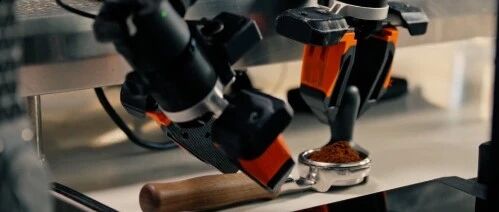
Core Insights - The article discusses the rise of Physical Intelligence (PI), a startup in the field of embodied intelligence, which has achieved a valuation of approximately 56 billion yuan (around 8 billion USD) after raising 600 million USD in its latest funding round [2] - PI's approach emphasizes a "software-first" strategy, aiming to create a universal robotic brain that can control various robot bodies without being hardware-dependent [5][6] - The competition in the global "universal robotic brain" arena is intensifying, with both international players like PI and domestic innovators like Qianjue Technology emerging rapidly [9] Funding and Valuation - PI's latest funding round was led by CapitalG, with participation from existing investors such as Lux Capital, Thrive Capital, and Jeff Bezos, as well as new investors like Index Ventures and T. Rowe Price [2] - The company's valuation surged from 2 billion USD to 5.6 billion USD in a short period, making it the highest-valued player in the universal robotic brain sector [2] - The funding history of PI includes a seed round of 70 million USD in March 2024 and an angel round of 400 million USD in November 2024 [11] Team and Expertise - PI has assembled a high-profile team, including CEO Karol Hausman from Google DeepMind and co-founder Sergey Levine, a leading academic in reinforcement learning [4] - The team comprises top talents from institutions like Google, Tesla, and Stanford, creating a strong research and development matrix that integrates academia and industry [4] Technological Advancements - PI aims to overcome the technical bottleneck of creating truly universal robots that can adapt to diverse scenarios and make autonomous decisions [5] - The newly released robotic foundation model π*0.6 significantly enhances the robot's generalization ability in complex tasks, showcasing impressive performance in real-world applications [6][8] - The model's capabilities include making espresso, folding clothes, and assembling industrial boxes with a success rate exceeding 90% [8] Competitive Landscape - The competition between PI and Skild AI highlights two distinct approaches: PI focuses on real-world training, while Skild AI emphasizes large-scale simulation environments [17][18] - Skild AI has also seen rapid valuation growth, reaching approximately 45 billion yuan (around 6.3 billion USD) within a year [13] - Both companies are vying to establish themselves as leaders in the robotic brain sector, with differing strategies for commercialization and technological development [21][34] Domestic Innovations - Qianjue Technology, similar to PI, is focused on developing a universal robotic brain and has formed partnerships with various hardware manufacturers [22] - The company aims to create a clear commercialization path by initially targeting household robots and gradually expanding into service and industrial applications [22] - The competition among domestic players like Qianjue Technology and international firms like PI reflects a broader trend in the robotics industry towards developing versatile and capable robotic systems [24]

图灵奖得主 Yann LeCun:大模型是“死胡同”,下一步押在哪一条路?
3 6 Ke· 2025-11-28 01:43
Core Insights - Yann LeCun, a Turing Award winner, announced his departure from Meta to establish a new company focused on Advanced Machine Intelligence (AMI), marking a significant shift in his career and the AI landscape [1][2] - LeCun criticizes large language models (LLMs), labeling them as a "dead end" for achieving human-like intelligence, emphasizing their lack of real-world understanding and limitations in reasoning and action [3][4] Group 1: Critique of Large Language Models - LeCun argues that while LLMs perform well in language tasks, they do not possess true understanding of the world, lacking common sense and causal reasoning [5][6] - He highlights that the performance of LLMs is reaching a saturation point, where increasing model size does not equate to enhanced intelligence [6][7] - The training data and computational costs are approaching their limits, leading to diminishing returns in understanding [7][8] - LLMs are described as being unable to plan or take action effectively, with LeCun providing examples of how human-like intelligence involves more than just language skills [12][13] Group 2: The Concept of World Models - LeCun proposes that the next generation of AI should focus on building "world models" that allow AI to understand and interact with the physical world [14][15] - He introduces the Joint Embedding Predictive Architecture (JEPA) as a new learning paradigm that contrasts with LLMs by enabling AI to learn from multi-modal inputs and develop an internal representation of the world [16][17] - JEPA emphasizes the importance of action and planning, moving beyond mere language processing to a more holistic understanding of the environment [18][19] Group 3: Diverging Paths in AI Development - Both LeCun and former OpenAI chief scientist Ilya Sutskever are questioning the current trajectory of AI, but they propose different solutions: LeCun focuses on world models, while Sutskever emphasizes safety and control in AI systems [25][26] - The industry is witnessing a shift towards new architectures and approaches, as evidenced by significant investments and developments in embodied intelligence and robotics [34][35] - The future of AI is seen as a marathon rather than a sprint, with both LeCun and Sutskever acknowledging that their proposed directions will take years to mature [38][40] Group 4: Implications for Entrepreneurs and Developers - LeCun's transition signals that larger models do not necessarily equate to better intelligence, highlighting the need for architectural innovation [41] - There are opportunities in vertical applications, particularly in fields requiring physical interaction, such as robotics and autonomous driving [42] - The importance of open-source development is emphasized, as LeCun's new company will continue to support this approach, allowing smaller teams to contribute to new paradigms [43]
估值超390亿元,头部具身智能大模型创企发布最强VLA模型!
Robot猎场备忘录· 2025-11-27 05:06
Core Viewpoint - The article discusses the launch of the latest visual-language-action (VLA) model π*0.6 by Physical Intelligence (PI), which has achieved a significant breakthrough in robotic learning and performance, enabling robots to learn from mistakes and improve in real-world environments, achieving over 90% success rates in complex tasks [2][12]. Summary by Sections Model Development - Physical Intelligence has released the π*0.6 model, which is built on the previous π0.5 model, and is valued at over $39 billion [2]. - The new model utilizes an innovative RECAP training method that allows robots to learn from errors and evolve through practice, significantly enhancing their task success rates [2][4]. Key Features of π*0.6 - The RECAP training framework combines offline reinforcement learning with online advantage-conditioned reinforcement learning, allowing robots to absorb large amounts of historical data while continuously improving in real deployments [8]. - The advantage-conditioned policy explicitly incorporates "advantage values" as input, simplifying the learning process and enabling effective policy iteration [10]. - A distributed value function and sparse rewards mechanism help the model accurately assess which actions lead to success in complex tasks, thus improving performance beyond that of human demonstrators [11]. Real-World Application - The model has been tested in three challenging real-world tasks: folding diverse clothing, assembling boxes in a factory setting, and making espresso, achieving over 90% success rates and doubling throughput while reducing failure rates by 50% [12]. - This marks a significant transition from merely demonstrating capabilities in laboratory settings to proving practical utility in real-world applications [14]. Industry Context - Since 2025, the dual-system architecture of VLA models has become mainstream in the field of embodied intelligence, with leading companies adopting this approach to tackle more complex and varied tasks [14]. - The article highlights the competitive landscape, noting that major tech companies like Google, OpenAI, and others are increasingly investing in embodied intelligence and robotics, indicating a shift towards practical applications and commercialization in the sector [19][20].
我们被远远甩在后面:西方高管亲睹中国“黑灯工厂”后的集体震撼与深层恐惧……
Xin Lang Cai Jing· 2025-11-26 02:14
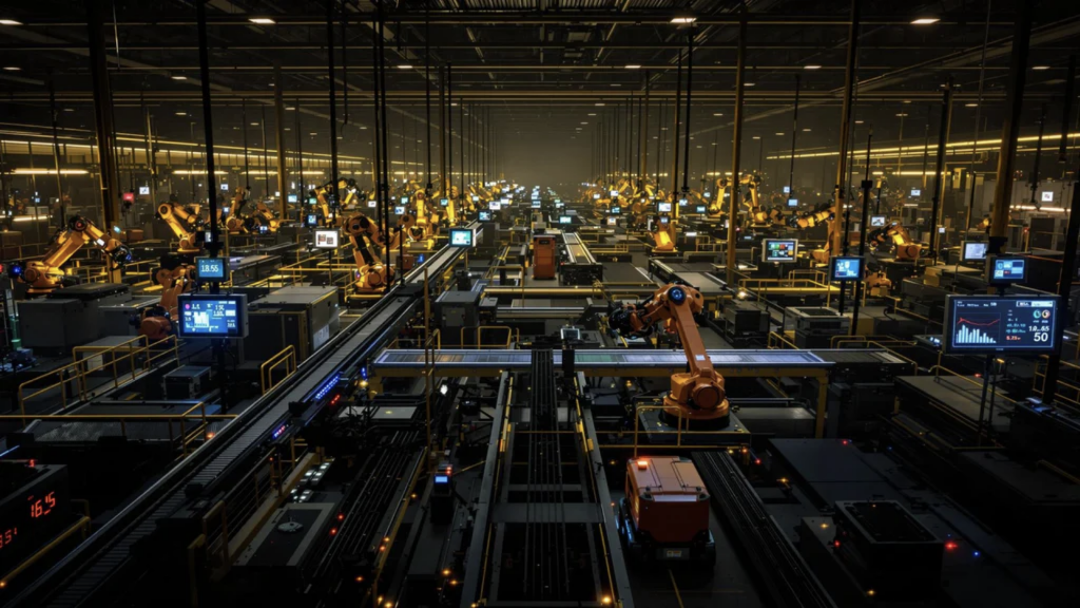
Core Insights - The article highlights the profound impact of China's advanced manufacturing capabilities, particularly in automation and robotics, on global industry dynamics and competition [4][10][24]. Group 1: Automation and Robotics in China - Western executives express a mix of awe and fear after witnessing China's "dark factories," which utilize AI, IoT, and robotics for fully automated production processes with minimal human intervention [4][5]. - Companies like Xiaomi and NIO demonstrate the effectiveness of automation, with Xiaomi's factory producing 30,000 smartphones daily with fewer than 100 engineers [7][9]. - China's industrial robot market is projected to install nearly 300,000 units by 2024, surpassing the total installations in other regions combined, and is expected to have over 2 million operational industrial robots by the same year [12][15]. Group 2: Global Competitive Landscape - The shift in China's manufacturing strategy from low-cost labor to high-skilled engineering and innovation is reshaping global competition [5][10]. - The "robot density" in China has increased nearly 19 times over the past decade, reaching 470 robots per 10,000 manufacturing workers, outpacing the U.S. and Germany [15][18]. - China's domestic robot manufacturers have gained a market share of 57% in 2024, up from 28% a decade ago, indicating a significant shift in the competitive landscape [20]. Group 3: Geopolitical Implications - The automation revolution in China is seen as a potential game-changer in global economic competition and geopolitical balance, with implications for U.S. manufacturing and supply chain control [22][24]. - The U.S. views AI and robotics as critical to revitalizing its manufacturing sector, with potential efficiency gains of over 40% [22][24]. - The development of autonomous systems and robotics is perceived as a new arms race, with significant implications for national security and military capabilities [26][27]. Group 4: Strategic Responses from the West - The U.S. is urged to develop a national robotics strategy and enhance workforce skills to adapt to the changing landscape of automation [37][38]. - Key strategies include fostering technological alliances, focusing on differentiated innovation, and addressing the challenges of energy consumption and infrastructure [38][39]. - The need for a cohesive national effort, akin to the "Apollo program," is emphasized to unify resources and drive innovation in robotics and AI [37][39].
产能竞赛前夜抢先布局供应链,优必选31亿港元配售夯实“链主”地位
Ge Long Hui· 2025-11-25 10:32
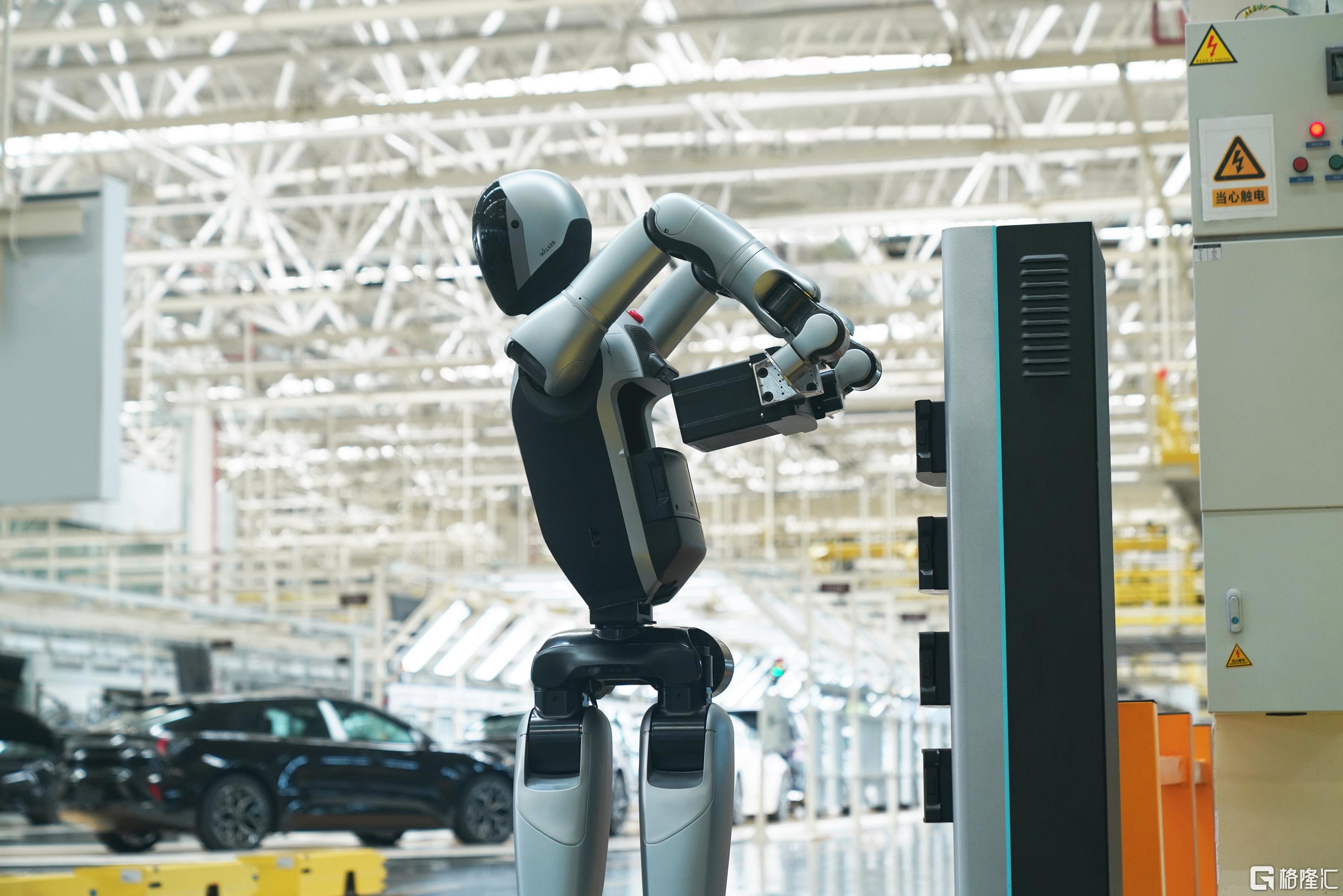
Core Viewpoint - The market's reaction to the recent share placement by UBTECH deviated from the typical negative sentiment associated with such actions in the Hong Kong stock market, indicating a structural shift in investor perception towards the company and the humanoid robotics industry [1][3][10]. Group 1: Market Reaction - The share placement involved 31.468 million new H-shares at a price of HKD 98.80, representing an 11.39% discount from the previous closing price of HKD 111.50 [1]. - Contrary to expectations, the stock price remained stable and even rebounded after an initial dip, suggesting that investors are reassessing their valuation logic [1][3]. - The inclusion of UBTECH in the MSCI China Index indicates that international funds are not avoiding the stock, reflecting a change in risk appetite among investors [1][3]. Group 2: Industry Sentiment Shift - The industry has undergone three emotional phases: a high expectation premium period, a value correction phase, and the current rational observation phase where investors focus on delivery capabilities and cost reduction [5][6]. - UBTECH is seen as a leader in the industry, having transitioned from a focus on technological superiority to cost and delivery leadership, which aligns with the market's evolving valuation criteria [9][10]. Group 3: Implications of the Share Placement - The share placement is not merely a financial necessity but is positioned within the broader context of the commercialization window for humanoid robots, aiming to accelerate delivery capabilities [12][14]. - The funds raised, approximately HKD 3.109 billion, will primarily be used for investments in supply chain integration and industry consolidation, signaling a proactive approach to scaling production [12][14]. - UBTECH's Walker S2 has reached mass production, with a target of over 1,000 units in 2025 and plans to scale to 10,000 units by 2027, emphasizing the importance of supply chain readiness for commercial success [14][19]. Group 4: Commercialization Acceleration - The company has secured over RMB 1.1 billion in cumulative orders for the Walker series, with a significant portion expected to be delivered within the year, indicating a rapid acceleration in commercialization [16][19]. - The demand for humanoid robots spans various sectors, including automotive manufacturing and smart logistics, showcasing a diversified market approach [19][20]. - UBTECH's production capacity is currently operating at full throttle, with a monthly output of 300 units, and the company is achieving high yield rates for the Walker S2 [19][20]. Group 5: Financial and Technological Advancements - UBTECH's financial performance is improving, with a 27.5% year-on-year revenue growth in the first half of 2025, alongside a narrowing loss, indicating a positive trend in financial health [21][22]. - The company has invested heavily in R&D, with expenditures reaching RMB 218 million, representing 35.1% of revenue, focusing on optimizing mechanical structures and control algorithms [21][22]. - UBTECH has established a robust supply chain and technological capabilities, including proprietary advancements in servo motors and AI systems, which are critical for meeting industrial demands [22][23].
机器人险会和车险一样普及吗?
机器人大讲堂· 2025-11-25 09:18
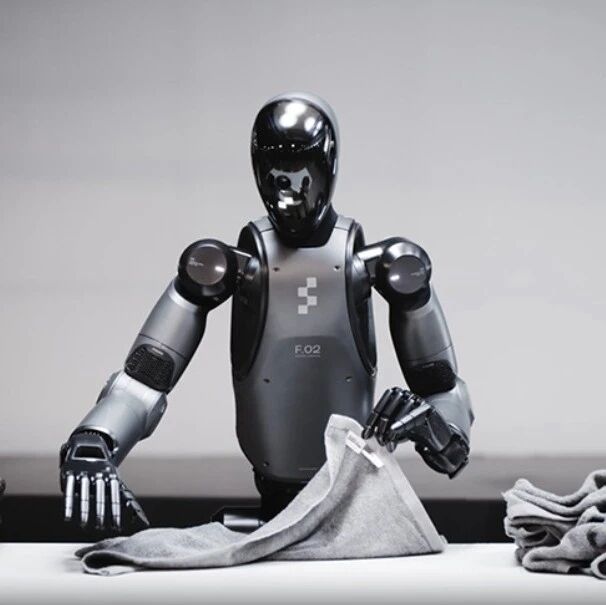
Group 1 - Figure AI's former product safety chief Robert Grendel has filed a lawsuit claiming that the company's humanoid robots could cause skull fractures and alleges he was fired for raising safety concerns [1] - Grendel warned CEO Brett Adcock and chief engineer Kyle Edelberg about the robots' deadly performance, highlighting an incident where a robot caused a quarter-inch crack on a steel refrigerator door [1] - After submitting documented safety complaints, Grendel was terminated in September, claiming he was asked to prepare a safety roadmap for potential investors, which was later abandoned [1] Group 2 - The emergence of humanoid robots in crowded public events raises significant safety risks due to the lack of comprehensive international or industry standards, leading to compatibility and safety issues [3] - An incident at the 2025 World Humanoid Robot Games involved a robot colliding with an engineer, emphasizing the risks associated with humanoid robots [3] - The insurance industry faces challenges in providing risk coverage for robot companies, including complex risk assessments due to rapid technological advancements and the dynamic nature of risk characteristics [3][4] Group 3 - The lack of long-term risk data in the emerging field of robot insurance complicates accurate risk assessment and premium pricing, as traditional actuarial models are not directly applicable [6] - Insurers are developing innovative financial products to mitigate risks in the robot industry, with major companies like Ping An and China Pacific Insurance launching specialized insurance products for humanoid robots [6][7] - The insurance products available include property insurance, machinery damage insurance, third-party liability insurance, and cybersecurity insurance, aimed at covering various risks associated with robot operations [7] Group 4 - The first breakthrough in robot insurance occurred in early 2022 with the launch of the "Mobile Robot Quality Liability Insurance" by PICC, addressing various product quality issues [8] - In 2023, a pilot project in Changzhou provided insurance for local robot companies, demonstrating regional support for the robot insurance market [8] - By 2025, the insurance industry is transitioning from policy formulation to implementation, with various events and initiatives promoting insurance coverage for robots [10] Group 5 - Local governments are responding to the need for robot insurance, with policies in cities like Ningbo and Hainan promoting the development of humanoid robot application insurance [10][11] - Insurance products are being tailored to cover risks from design defects, operational failures, and cyberattacks, with a focus on third-party liability [11][12] - New insurance offerings include specialized products for exoskeleton robots and smart agricultural robots, indicating a growing market for tailored insurance solutions [12][14] Group 6 - The insurance industry views robot insurance as a means to provide comprehensive risk coverage across the entire lifecycle of humanoid robots, addressing various operational scenarios [15][16] - Insurers are adapting their pricing and claims processes based on accumulated data from existing industrial robots, but face challenges due to the rapid evolution of humanoid robots and the lack of historical data [16]


机构调研揭示行业矛盾:机器人爆单之后将迎交付大考
Bei Jing Shang Bao· 2025-11-25 01:32
Core Insights - Goldman Sachs' supply chain report highlights a significant gap between optimistic production capacity plans and actual confirmed orders in the humanoid robot industry, indicating a typical characteristic of the current market [1] - The report titled "Capacity Optimism Ahead of Actual Orders" suggests that while key supply chain companies have planned annual production capacities ranging from 100,000 to 1,000,000 units, none have secured large, confirmed orders [1] Group 1: Industry Challenges - The release of a production video by UBTECH, showcasing their humanoid robot Walker S2, has sparked controversy due to prior skepticism from Goldman Sachs and public doubts about delivery authenticity [3] - Criticism from industry peers, such as Brett Adcock from Figure AI, claims that parts of the video were digitally altered, raising questions about the credibility of the demonstration [3] - Despite these challenges, UBTECH claims to have established partnerships with major companies like BYD and Foxconn to promote the commercial application of humanoid robots in various sectors [3] Group 2: Positive Signals - The humanoid robot sector is witnessing a surge in orders and investment, with over 18 significant contracts exceeding 10 million yuan since 2025, indicating a shift from concept validation to industrialization [5] - Investment activity has intensified, with over 100 financing events in the first half of 2025, totaling more than 15 billion yuan, and major firms like JD and Alibaba making substantial investments in the sector [6] - UBTECH has publicly disclosed multiple large orders, including a 1.59 billion yuan project for a humanoid robot data collection center, although details on operational specifics remain vague [7] Group 3: Delivery Strategies - UBTECH aims for large-scale delivery by focusing on key sectors such as automotive manufacturing and logistics, with a production capacity plan targeting 5,000 units by 2026 and 10,000 units by 2027 [8] - In contrast, Accelerated Evolution adopts a "small steps" approach, prioritizing single-unit deliveries to refine production and service capabilities before scaling up [9] - The competition in the humanoid robot sector is expected to intensify by 2025, with a focus on achieving large-scale commercial deployment and improving cost efficiency [9]