极氪

Search documents
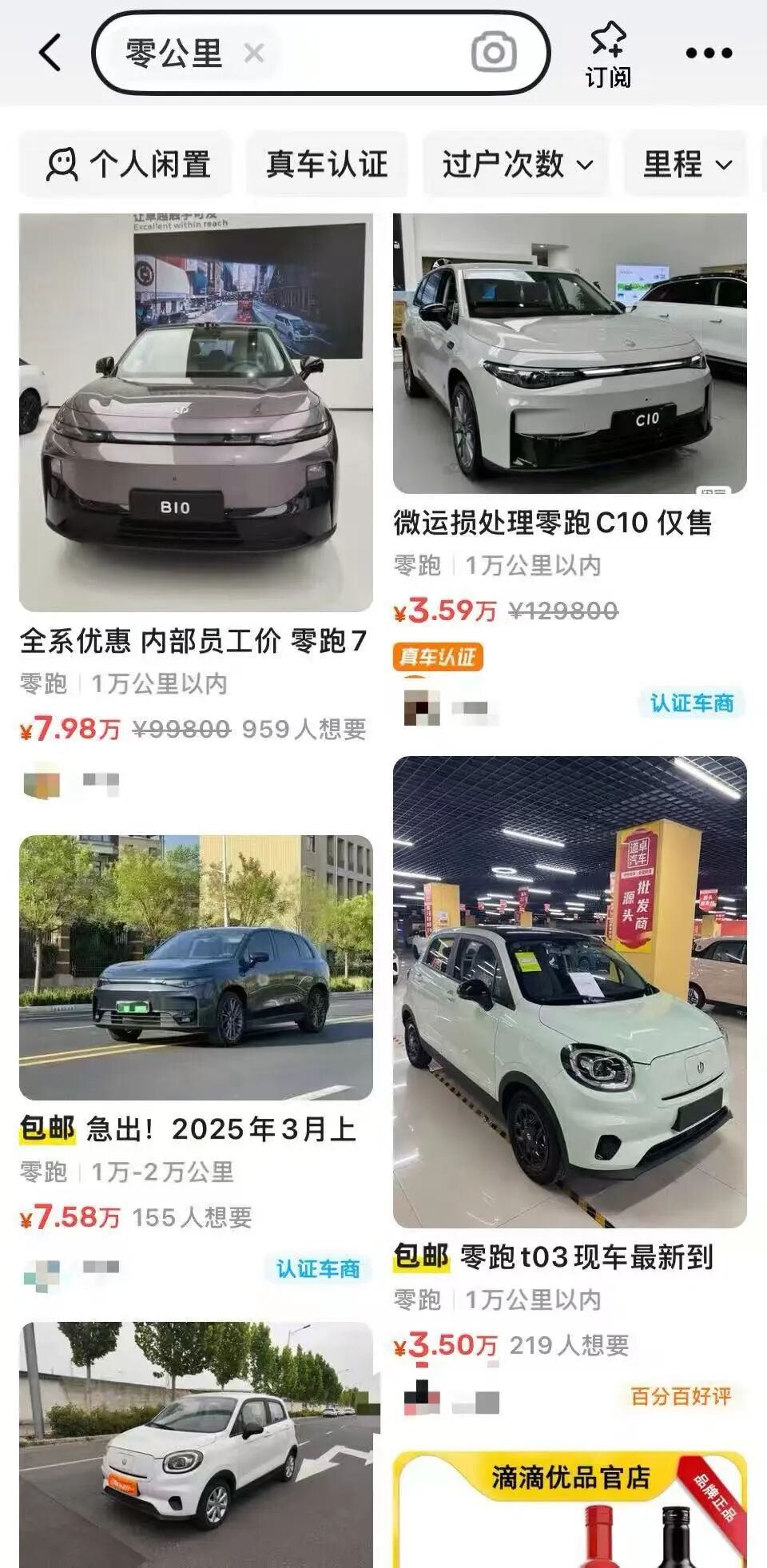
零公里二手车的坍塌
3 6 Ke· 2025-09-02 10:43
Core Viewpoint - The emergence of "zero-kilometer used cars" in China's second-hand car market, primarily consisting of nearly new vehicles with minimal mileage, is creating a distorted market dynamic that poses risks to consumers and the industry as a whole [1][4][5]. Group 1: Market Dynamics - A significant portion of the second-hand car market consists of vehicles with a registration date of less than three months and mileage under 50 kilometers, accounting for 12.7% of the market, with over 60% being new energy vehicles [4]. - The pricing of these zero-kilometer used cars is 15% to 30% lower than that of new cars, making them attractive to consumers [1][4]. - The practice of registering new cars under employee or affiliated company names to create a false sales record is a common strategy among dealers to manage inventory and sales data [5][6]. Group 2: Financial Pressures - Automotive companies face significant inventory and cash flow pressures, leading them to adopt quick turnover strategies, even at reduced profit margins, to avoid further depreciation of unsold vehicles [5][6]. - Some dealers resort to registering new cars as used cars to meet sales targets and obtain manufacturer rebates, despite the lower profit per vehicle [6]. Group 3: Consumer Risks - Consumers purchasing zero-kilometer used cars lose essential warranties, particularly on critical components like the battery, which can lead to high replacement costs [9]. - The quality of these vehicles is often questionable, as some may include test drive or display models, which could have hidden issues [9]. Group 4: Market Disruption - The proliferation of zero-kilometer used cars disrupts the traditional used car market, making it difficult for legitimate used car dealers to compete [11]. - The pricing chaos leads to a situation where new cars are priced lower than used cars, undermining the market's pricing structure and brand value [11]. Group 5: Regulatory Response - The Ministry of Commerce has initiated measures to regulate the zero-kilometer used car phenomenon, including establishing a traceability system for vehicles throughout their lifecycle [13]. - Proposed regulations aim to restrict the immediate resale of newly registered vehicles as used cars, addressing the short-term arbitrage opportunities [13]. Group 6: Industry Recommendations - The industry is encouraged to shift focus from sales volume to product quality and technological innovation, moving away from a sales-centric evaluation system [15]. - Consumers are advised to consider vehicle quality and after-sales service rather than solely focusing on price when purchasing cars [15].

果然财经|纯电六座SUV扎堆“抢滩”,车市新风口已至?
Qi Lu Wan Bao· 2025-09-02 09:35
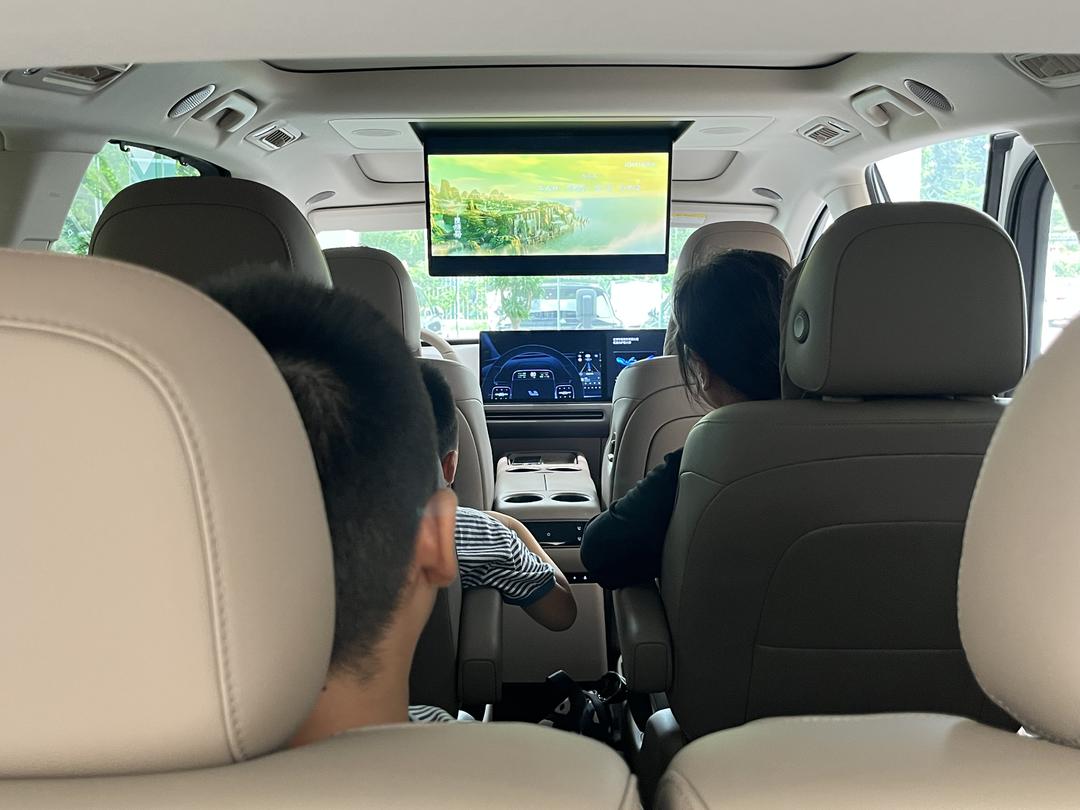
Core Insights - The market for six-seat pure electric SUVs is rapidly growing, driven by changing family dynamics and increasing consumer demand for spacious and comfortable vehicles [1][2][7] - Major automotive companies like Li Auto, Tesla, and Geely are launching new models to capture this emerging market segment, highlighting the competitive landscape [3][6][7] Market Demand - By the end of 2023, families with two or more children in China accounted for 33.7% of households, a nearly 10 percentage point increase since 2016, indicating a rising need for larger vehicles [1] - The demand for six-seat SUVs is expected to grow by 47% year-on-year in 2024, with the share of pure electric models increasing from 12% to 29% [2] Consumer Preferences - Consumers are increasingly prioritizing comfort and experience, with features like touch screens, independent seating with massage functions, and adjustable third-row seating becoming standard in six-seat SUVs [2] - The importance of space comfort for middle-class families aged 30-45 has surged from 23% in 2020 to 41% by 2025 [2] Competitive Landscape - NIO's brand, Ladao, has launched the L90, a family-oriented SUV with a length exceeding 5.1 meters and a spacious interior [3] - Li Auto's i8 features a unique "refrigerator + TV + large sofa" cabin concept, with a range of up to 720 km and rapid charging capabilities [3] - Tesla's Model Y L offers strong performance with a 0-100 km/h acceleration in 4.3 seconds and a range of 750 km [6] - Geely's Galaxy M9 is a plug-in hybrid SUV with a comprehensive range exceeding 1500 km and advanced AI features [6] Future Outlook - The competition in the six-seat pure electric SUV market is expected to intensify as more models are introduced, driven by family needs, technological advancements, and favorable policies [7] - The ability of companies to differentiate their offerings and meet consumer demands will be crucial for success in this increasingly crowded market [7]


纯电六座SUV扎堆“抢滩”,车市新风口已至?
Qi Lu Wan Bao Wang· 2025-09-02 09:03
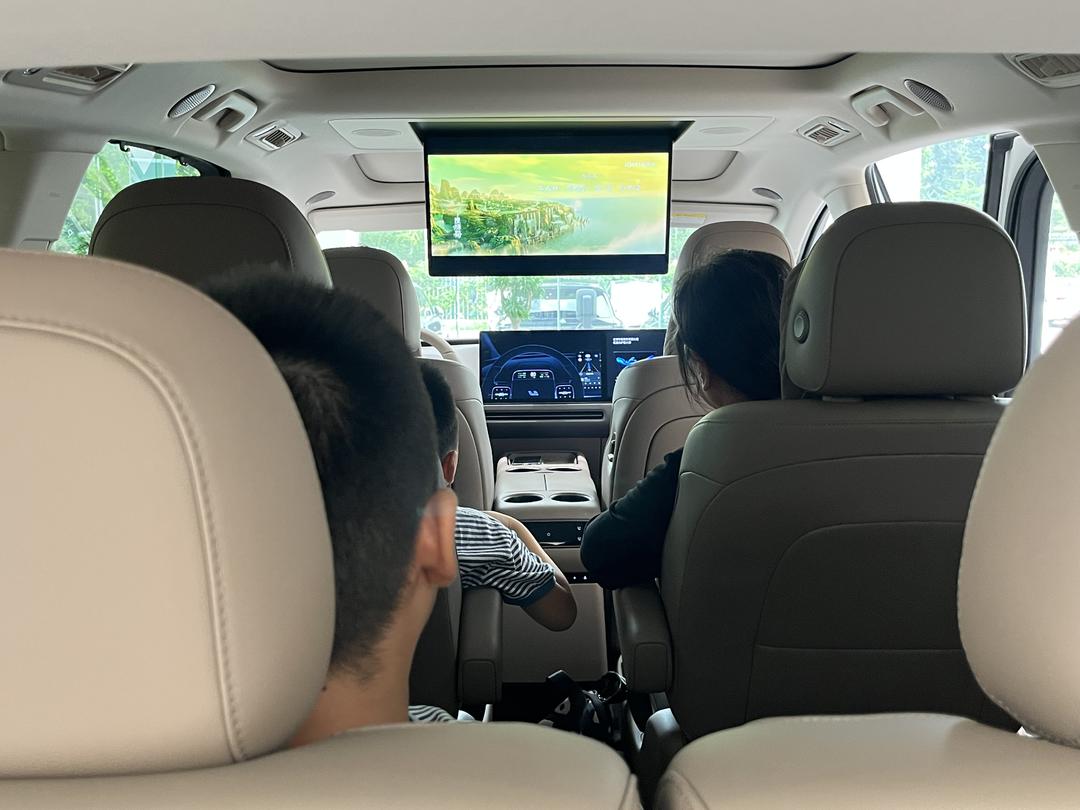
Core Insights - The market for six-seat pure electric SUVs is rapidly expanding, driven by changing family dynamics and increasing consumer demand for spacious and comfortable vehicles [1][2][7] - The proportion of families with two or more children in China has risen to 33.7% by the end of 2023, highlighting the need for larger vehicles [1] - Consumer preferences have shifted towards enhanced comfort and experience, with a significant increase in the importance of space comfort from 23% in 2020 to 41% by 2025 among middle-class families aged 30-45 [2] Industry Trends - Major automakers like Li Auto, Tesla, and Geely are launching new six-seat pure electric SUVs to capture this emerging market segment [1][4][6] - The demand for six-seat SUVs is projected to grow by 47% year-on-year in 2024, with the share of pure electric models increasing from 12% to 29% [2] - New models such as the Li Auto i8 and Tesla Model Y L are designed to meet family needs, featuring spacious interiors and advanced technology [4][6] Competitive Landscape - NIO's brand, Ladao, has introduced the L90, which offers a spacious interior and high storage capacity, targeting family-oriented consumers [4] - Li Auto's i8 features a unique entertainment-focused cabin and fast charging capabilities, appealing to families looking for convenience [4] - Tesla's Model Y L combines performance and technology, attracting tech-savvy family users [6] - Geely's Galaxy M9 offers a hybrid option with extensive range and advanced features, further diversifying the market [6] Future Outlook - The competition in the six-seat pure electric SUV segment is expected to intensify as more models enter the market, providing consumers with a wider range of choices [7] - The combination of family needs, technological advancements, and favorable policies is likely to position this market segment as a new growth engine for the automotive industry [7]

民生证券:8月车市平稳向上 新势力销量环比增长
智通财经网· 2025-09-02 08:56
Core Insights - The retail market for narrow passenger vehicles in August is estimated at approximately 1.94 million units, showing a year-on-year growth of 2.0% and a month-on-month growth of 6.2%, with new energy vehicle (NEV) sales expected to reach 1.1 million units, achieving a penetration rate of around 56.7% [1] - Six sample new force car companies (excluding Xiaomi) delivered a total of 199,279 vehicles in August, representing a year-on-year increase of 20.0% and a month-on-month increase of 5.9% [1] - The market is experiencing a stabilization in pricing due to the reduction of terminal discounts and the arrival of new subsidy funds, which are expected to further release consumer potential [1] Group 1: New Force Companies Performance - Leap Motor delivered 57,066 vehicles in August, a year-on-year increase of 88.3% and a month-on-month increase of 13.8%, driven by strong product offerings in the under 200,000 yuan segment [2] - Xiaopeng Motors reported deliveries of 37,709 vehicles in August, a year-on-year increase of 168.7% and a month-on-month increase of 2.7%, with significant contributions from the MONA M03 model [3] - NIO delivered 31,305 vehicles in August, reflecting a year-on-year increase of 55.2% and a month-on-month increase of 15.9%, with the ET5T model being a key contributor [3] Group 2: Market Trends and Innovations - Li Auto delivered 28,529 vehicles in August, a year-on-year decrease of 40.7% and a month-on-month decrease of 7.2%, attributed to market price wars and a slowdown in the high-end market [4] - Zeekr delivered 17,626 vehicles in August, with a month-on-month increase of 3.8%, and is set to launch the Zeekr 9X, a luxury plug-in hybrid SUV [5] - Xiaomi reported over 30,000 vehicle deliveries in August, with the new YU7 SUV expected to be a competitive product in the 200,000 to 300,000 yuan price range [6] Group 3: Technological Advancements - The end-to-end technology is accelerating the application of intelligent driving, with companies like Xiaopeng and Huawei leading the charge in promoting intelligent driving capabilities [7] - The advancements in intelligent driving technology are expected to lower hardware barriers and expand applications in the mainstream market under 200,000 yuan, providing a competitive edge against joint venture brands [7]
养电车比造电车难,特斯拉换电池22万,但车只值16万……
3 6 Ke· 2025-09-02 05:36
Core Insights - The high cost of battery replacement for electric vehicles (EVs) is creating significant challenges for early adopters, with replacement costs often exceeding the vehicle's residual value [1][2][3] - The number of out-of-warranty EVs is projected to rise sharply, reaching 720,000 by 2032, indicating a growing issue for EV owners [1] - The complexity and high costs associated with battery production and maintenance are driven by raw material prices, manufacturing processes, and limited repair options [4][5][6] Group 1: Battery Replacement Costs - Owners of early Tesla models face replacement costs ranging from 12 to 22 million yuan, while the resale value of these vehicles is significantly lower, creating a financial dilemma [2][3] - The average cost of battery packs for various EV models can be as high as 98.72% of the vehicle's price, highlighting the disproportionate cost of battery replacement [3] - The cost of battery replacement is not decreasing despite falling lithium prices, indicating underlying complexities in the supply chain and production costs [5] Group 2: Repair and Maintenance Challenges - The design of many EV batteries, such as Tesla's 4680, limits repairability, forcing owners to replace entire battery packs rather than repair them [6] - The lack of widespread third-party repair options for EV batteries further exacerbates maintenance costs, contrasting sharply with the extensive network available for traditional fuel vehicles [6] - Warranty policies often leave owners with significant out-of-pocket expenses once the warranty period expires, contributing to the overall high maintenance costs of EVs [6] Group 3: Industry Response and Developments - The domestic battery recycling system is gradually improving, with over 10,500 service points established and a comprehensive management platform for battery lifecycle tracking [7] - Companies are exploring new service models and training technicians to enhance battery maintenance capabilities, while battery manufacturers are investing in the development of longer-lasting batteries [9] - The increasing penetration of EVs in the market, now exceeding 50%, underscores the urgency for solutions to the high costs associated with battery maintenance [8]
智界及问界秋季新品发布会召开,英伟达发布全新机器人计算平台 | 投研报告
Zhong Guo Neng Yuan Wang· 2025-09-02 02:06
Core Insights - The retail volume of narrow passenger cars in August is estimated at approximately 1.94 million units, representing a month-on-month increase of 6.2% and a year-on-year increase of 2.0%, with new energy vehicle (NEV) retail expected to reach around 1.1 million units, achieving a penetration rate of 56.7% [1][2] Passenger Vehicles - From August 1 to 24, retail sales of passenger vehicles reached 1.285 million units, showing a year-on-year growth of 3% and a month-on-month growth of 3%; cumulative retail sales for the year stand at 14.031 million units, up 10% year-on-year [3] - Related stocks include BYD (002594), Geely Automobile (0175.HK), Xpeng Motors (9868.HK), Li Auto (2015.HK), Changan Automobile (000625), and Leap Motor (9863.HK) [3] New Energy Vehicles - During the same period, NEV retail sales were 727,000 units, reflecting a year-on-year increase of 6% and a month-on-month increase of 7%, with a penetration rate of 53.0%; cumulative retail sales for the year are 7.182 million units, up 27% year-on-year [3] - Related stocks include BYD (002594), Geely Automobile (0175.HK), Xinquan Co., Ltd. (603179), Xingyu Co., Ltd. (601799), Doli Technology (001311), Chuanhuan Technology (300547), and Wuxi Zhenhua (605319) [3] Smart Vehicles - On August 25, the launch event for new smart vehicles was held, introducing new models such as the Zhijie R7, Zhijie new S7, and the AITO M8 electric version; the new M5 was also unveiled [4] - The Smart Car Conference 2025 took place on August 28, focusing on new business opportunities, technological breakthroughs, and ecosystem development in the smart vehicle industry [4] - Related stocks include Seres (601127), Xpeng Motors (9868.HK), and Li Auto (2015.HK) [4] Heavy Trucks - In July, the actual sales of new energy heavy trucks reached 16,600 units, marking a year-on-year increase of 151.6%; from January to July, cumulative sales reached 95,900 units, up 179.3% year-on-year [5] - Related stocks include Weichai Power (2338.HK/000338), China National Heavy Duty Truck Group (000951/3808.HK), and Foton Motor (600166) [5] Robotics - NVIDIA launched the new Jetson Thor robotics computing platform, enabling real-time processing of high-speed sensor data and executing visual reasoning while running multiple generative AI models, enhancing the capabilities of robots for intelligent interaction with humans and the physical world [6] - Related stocks include Top Group (601689), Sanhua Intelligent Control (002050), Aikodi (600933), Zhongding Sealing Parts (000887), Jingzhan Technology (300258), Fuda Co., Ltd. (603166), Junsheng Electronics (600699), Haoneng Co., Ltd. (603809), and New Coordinates (603040) [6]

特斯拉8月遭遇“滑铁卢”
3 6 Ke· 2025-09-02 01:29
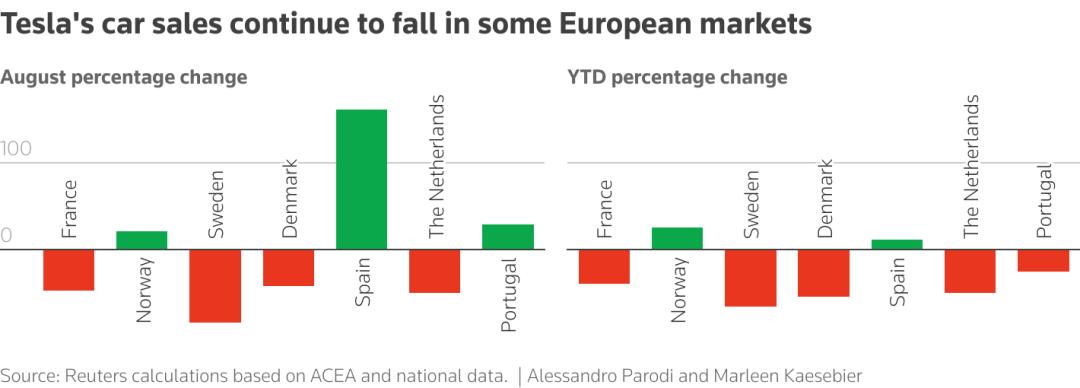
Core Viewpoint - Tesla is losing its competitive edge in the European electric vehicle market, facing declining sales and increasing competition from companies like BYD, which is rapidly gaining market share [1][6][11]. Sales Performance - In August, Tesla's sales in key European markets plummeted, with France experiencing a 47.3% year-on-year decline while the overall market grew by 2.2% [2] - Sweden saw an extreme drop of 84% in Tesla's sales, contrasting with a 6% increase in the local automotive market [2] - Denmark and the Netherlands also reported significant declines of 42% and 50% respectively, indicating a clear trend of market shrinkage for Tesla [2][6]. Regional Highlights - Norway and Spain are exceptions where Tesla saw growth, with a 21.3% increase in Norway, although BYD's growth was significantly higher at 218% [3] - In Spain, Tesla's sales surged by 161% due to government subsidies, but BYD's sales skyrocketed over 400% [3]. Competitive Landscape - Tesla's declining sales reflect its passive position in the European market, attributed to an aging product line and lack of new models since the launch of Model Y in 2020 [7] - Competitors, particularly Chinese companies like BYD, NIO, and Xpeng, are continuously introducing new models, intensifying competition [7]. Market Share Decline - Tesla's market share in Europe has dropped dramatically from 2.5% in 2024 to 1.7% in 2025, highlighting a significant loss of presence [8]. Brand Image Issues - Tesla faces a "brand image crisis" due to Elon Musk's political activities, which have led to consumer backlash in Europe [9] - Over half of surveyed consumers indicated they are unwilling to purchase Tesla vehicles due to Musk's actions, marking a shift in the brand's perception [9]. Pricing Strategy Consequences - Tesla's frequent price cuts to maintain sales have resulted in a sharp decline in the resale value of its vehicles, with Model Y prices dropping by 41% year-on-year [10] - This depreciation creates a perception of risk for potential buyers, further impacting new car sales [10]. Summary of Challenges - Tesla is grappling with multiple challenges in Europe, including outdated product offerings, fierce competition, collapsing resale values, and damage to its brand image due to Musk's controversies [11].
背刺首发大定车主是一种蠢
Hu Xiu· 2025-09-02 00:47
Core Viewpoint - The automotive industry, particularly the new energy vehicle sector, is still immature and faces significant challenges related to pricing strategies, technology planning, and customer trust [1][2][3] Pricing Backstab - Pricing backstab has become a common issue in the new energy vehicle market, with significant damage to brand reputation [2][5] - There are two types of pricing backstab: generational and contemporaneous, with contemporaneous being more damaging as it affects early adopters who have made substantial financial commitments [10][12] - Companies should avoid contemporaneous price reductions, especially for models priced between 300,000 to 500,000 yuan, as this can lead to significant customer dissatisfaction [13] Trust and Brand Loyalty - Early adopters, or seed users, are crucial for brand reputation and marketing; damaging their trust can lead to long-term negative consequences for the brand [3][23] - The loss of trust among customers can lead to a collapse of the brand's foundation, as trust is essential for any organization [6][7] Types of Backstab - There are three main types of backstab: pricing, technology, and brand-related [9] - Technology backstab occurs when companies frequently update or change key components, leading to customer dissatisfaction [18] - Brand backstab is particularly relevant in the context of ride-hailing services, where overexposure can dilute brand value [21][22] Recommendations for Companies - Companies are advised to implement policies that protect early adopters from price reductions, such as price guarantees, to maintain trust and loyalty [16][23] - The industry should consider adopting a model where components can be upgraded separately, similar to smartphones, to enhance customer satisfaction and retention [19][20]
李想立flag:理想2025年目标高端纯电赛道「保五争三」;华为拟推新合作模式,车企将保留更多主导权;特斯拉又降价了丨雷峰早报
雷峰网· 2025-09-02 00:29
Group 1 - Huawei plans to introduce a new cooperation model that allows car manufacturers to retain more control, differing from its previous "HI" model [3][5] - The new model aims to create a collaborative framework involving smart development, ecosystem connectivity, and market planning [3] - The Dongfeng Mengshi M817 is highlighted as a key pilot project for this new model, featuring advanced technologies from Huawei [3][5] Group 2 - Tesla has reduced the price of its Model 3 by 10,000 yuan shortly after its launch, with its stock price down approximately 12% this year [7][8] - Tesla's retail sales in China have declined by 6.3% year-on-year, making it the largest drop among the top ten new energy vehicle manufacturers [7] - In the global market, Tesla's delivery volume decreased by 13.3% year-on-year in the first half of the year, marking two consecutive quarters of decline [8] Group 3 - Li Xiang, CEO of Li Auto, set ambitious targets for 2025, aiming to secure a top-five position in the high-end electric vehicle segment [9] - Leap Motor reported a record delivery of 57,066 vehicles in August, achieving a year-on-year growth of over 88% [14] Group 4 - Samsung, SK Hynix, and Intel are banned from using U.S. technology in their factories in China due to new U.S. government restrictions [20][21] - This decision is expected to significantly impact the supply of memory chips, as these companies account for a substantial portion of the global market [21] Group 5 - NVIDIA reported a revenue of $46.7 billion in Q2, with over 53% of its AI data center revenue coming from its top three clients [22] - Apple is pushing for automation in its supply chain, requiring suppliers to have automated technology to secure manufacturing contracts [23]

特斯拉面临销量压力 Model 3上市即降价!7月单车型仅售9851辆
Guo Ji Jin Rong Bao· 2025-09-01 22:21
(原标题:特斯拉面临销量压力 Model 3上市即降价!7月单车型仅售9851辆) 9月1日,特斯拉中国官网悄然下调Model 3长续航后轮驱动版售价,此次调价距离新车上市不足一个月,从8月12日上市时的26.95万元降至25.95万 元,降幅达1万元。该车型作为特斯拉当前续航最强车型,CLTC续航里程达830公里。 两个月前,特斯拉中国曾宣布Model 3部分配置涨价1万元;而二季度推出的新款Model Y上市定价同样上调1万余元,此次Model 3的降价也形成了 短期价格反转。 降价背后是特斯拉当前面临的销量压力。 吴典/摄 根据乘联分会数据显示,今年前7个月,特斯拉中国零售销量累计30.4万辆,同比下滑6.3%,成为新能源市场零售销量前十厂商中跌幅最大的企 业,新能源销量前十厂商同期平均同比增幅达33.6%。 一个不争的事实在于,在中国市场特斯拉的先发优势正在不断缩小。比亚迪、蔚来、极氪等厂商在多价位区间持续发力,尤其在智能驾驶、车内 舒适性及本地化服务领域不断缩小与特斯拉的差距。 7月Model 3零售销量仅为9851辆,过去半年其累计销量9.4万辆,占特斯拉中国总销量的31%,在全品类汽车销量排行榜 ...