伊利股份

Search documents
28 FMCG Companies win Over 100 Million Chinese Households
凯度消费者指数· 2025-12-05 04:09
Core Insights - The article highlights that 28 leading FMCG companies in China have successfully penetrated over 100 million urban and town households, indicating a competitive landscape where capturing consumer attention is crucial [2][10]. Group 1: Market Penetration and Growth - The 28 FMCG leaders collectively added 2.13 million new urban/town buying households, reflecting a mean increase of 0.8% year-on-year [2]. - Vinda Group exhibited the highest growth rate at 10.4%, while other companies like Wahaha, Nongfu Spring, Orion, and Uni-President also reported significant gains [2][3]. - The top five fastest-growing manufacturers expanded their consumer base primarily by targeting lower-tier markets, with Vinda gaining 13.59 million new households from tier-3 to tier-6 cities and towns [11][13]. Group 2: Consumer Trends and Preferences - Consumers are increasingly rational, seeking tangible returns for their spending, which has led companies to tailor products to meet diverse demographic needs [6][10]. - Health consciousness is rising among consumers, driving demand for zero-sugar beverages and 100% fruit juices, with Nongfu Spring's products attracting millions of new households [6][10]. - The demand for convenience and specialized products is evident, as seen in Vinda's success with various tissue products that cater to specific consumer needs [5][10]. Group 3: Retail Landscape and Strategies - The retail environment in China is evolving towards greater diversity and personalization, necessitating an omnichannel strategy for manufacturers [7][10]. - Despite flat overall penetration in offline and e-commerce channels, specific segments like snack-discount stores and membership stores have seen significant growth, with snack-discount stores increasing by 7.3 percentage points [8][9]. - The penetration of Douyin's in-app mall has risen by over five percentage points, indicating a shift in consumer shopping behavior towards social commerce [8][9]. Group 4: Economic and Market Dynamics - Urban sales across various tiers showed a year-on-year increase of 1.8%, with township markets experiencing the highest growth at 4.2% [10]. - The national policy is increasingly favoring lower-tier markets, which are becoming vital for future growth in the FMCG sector [10][11].



江南大学食品学院院长孙秀兰:以产教融合构建浦北“陈皮+”功能食品创新生态
Nan Fang Nong Cun Bao· 2025-12-05 03:34
Core Viewpoint - The integration of industry and education is essential for building an innovative ecosystem for "Chenpi+" functional foods in the Pubei region, as highlighted by Sun Xiulan, Dean of the School of Food Science at Jiangnan University [2][5][25]. Industry Challenges - The food industry in China is facing multiple challenges, including resource imbalance, changes in consumption structure, and rising health demands [7][8]. - There is a trend of decreasing consumption of grains and vegetables, while the consumption of animal products and fats is increasing, leading to a growing issue of "hidden hunger" [8][9]. Functional Food Development - The development of functional foods that regulate health, particularly those based on the concept of food and medicine being of the same origin, is becoming a crucial direction for the industry [10]. - The food industry is transitioning from merely satisfying hunger to providing nutritional benefits and now to regulating the body and reducing chronic disease risks [11]. Pubei Chenpi Industry Insights - The traditional wisdom of "the older the Chenpi, the better" contains significant scientific implications, which need to be decoded through modern technology [12][13]. - Pubei has a unique resource of 68,900 old Chenpi trees (over 30 years old), but the industry is primarily focused on raw materials, with deep processing accounting for less than 10%, indicating substantial potential for value enhancement [14][15]. Development Framework for Chenpi Industry - A systematic development framework is proposed to achieve value transformation in the Pubei Chenpi industry, focusing on: 1. Establishing a database for Chenpi functional components and a leading multi-index efficacy evaluation standard system [17]. 2. Creating a comprehensive utilization technology system for Chenpi, including deep processing of fruit pulp to develop health-functional and uniquely flavored star products [18]. 3. Formulating an industry development plan and deploying major technological research tasks [19]. 4. Researching smart aging and functional component regulation technologies, analyzing the relationship between tree age and component diversity [20]. Product System and Technological Support - A comprehensive product system can be established, including food, health products, pharmaceuticals, and daily chemicals, covering daily dietary series like Chenpi beverages and snacks, as well as high-value special medical food products [21][23]. - Modern processing and quality control technologies such as bioconversion, microencapsulation, and intelligent aging should be integrated to promote standardization and intelligent upgrades in the industry [24]. Collaboration and Innovation - The key to promoting "Chenpi+" functional food innovation lies in building a close industry-academia-research collaboration ecosystem [25]. - Jiangnan University has established a board for the School of Food Science, collaborating deeply with 243 leading industry enterprises, creating a long-term mechanism for mutual empowerment between disciplines and industries [26]. - The university is willing to combine this industry-education integration model with the Pubei Chenpi industry to inject sustainable innovative power into the high-quality development of local特色产业 [28].

机构称消费有望延续温和增长新常态,消费ETF嘉实(512600)有望持续受益
Xin Lang Cai Jing· 2025-12-05 03:05
Group 1 - The core viewpoint of the articles highlights the adjustment in the consumer sector, with the main consumer index of China experiencing a slight decline of 0.17% as of December 5, 2025, while certain stocks like Hainan Rubber and Yangyuan Beverage showed gains [1] - The Chinese government emphasizes its position as the world's second-largest consumer goods market, with a significant middle-income group that presents vast investment and consumption potential [1] - According to the analysis by CMB International, consumer spending is expected to see a slight recovery in 2025, with a moderate growth trend continuing into 2026, characterized by slower overall demand growth but increasing rational consumption and demand upgrading [1] Group 2 - The CSI Major Consumer Index, which the Jiashi Consumption ETF (512600) tracks, includes leading consumer stocks across various sectors, with the liquor industry holding the largest weight at over 39% [2] - Investors can also access the consumption recovery trend through the Consumption ETF Connect Fund (009180) [3]
IDG资本“拿下”优诺中国,酸奶市场还有机会吗?
Sou Hu Cai Jing· 2025-12-05 02:14
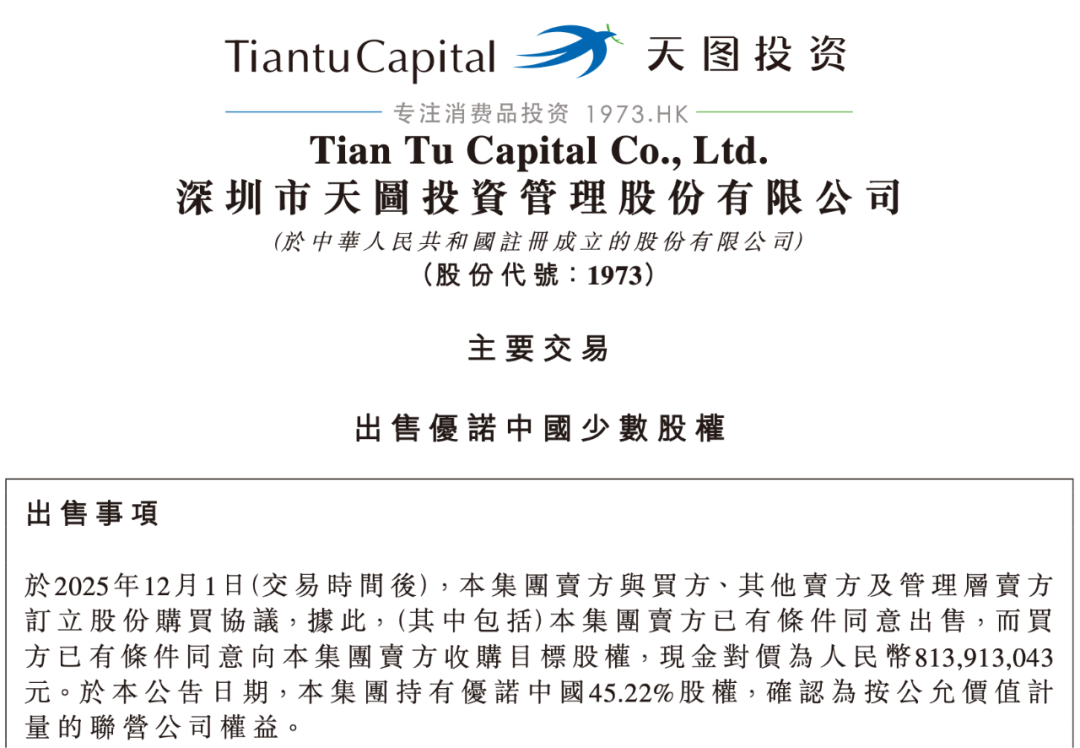
Core Viewpoint - International giants are struggling to operate in the Chinese market, as evidenced by the sale of Yoplait's business in China following similar moves by Starbucks and Burger King [1]. Group 1: Transaction Details - Tian Tu Investment announced the sale of its 45.22% stake in Yoplait China to Kunshan Noyuan Ruiyuan Management Consulting for approximately 814 million RMB [4]. - IDG Capital, known for investing in over 1,700 companies in China, is the main backer of Kunshan Noyuan Ruiyuan, with a portfolio that includes notable brands like Luckin Coffee and Yuanqi Forest [4]. - Additional sellers, holding about 41.74% of Yoplait's equity, will also sell their stakes for a total consideration of 751 million RMB [5]. Group 2: Financial Performance - Yoplait China is projected to generate revenues of 454 million RMB and 810 million RMB for the years 2023 and 2024, respectively, with net profits of 8.5 million RMB and 95.5 million RMB [8][10]. - Despite the anticipated sale, Tian Tu Investment expects to incur a total loss of 847,000 RMB from the transaction [11]. Group 3: Strategic Insights - IDG Capital's interest in Yoplait stems from a two-year effort to build trust with the management team, which has a strong background from General Mills [13]. - The management team will remain in place post-acquisition, with plans to expand the brand's presence in southern and northern China, explore new channels, and enhance operational efficiency [14]. - The competitive landscape for dairy products in China is intensifying, with local brands outperforming foreign companies, which may have influenced General Mills' decision to divest Yoplait China [16].

冯罡:深加工与奶酪创新引领产业进入“黄金十年”
新华网财经· 2025-12-05 01:57
Core Viewpoint - The article discusses the technological revolution in the Chinese dairy industry, emphasizing the importance of deep processing and product innovation to enhance the value of dairy products, particularly cheese, in response to consumer demand and market trends [3][4]. Group 1: Dairy Industry Trends - The deep processing of dairy products is a global trend and a necessary choice for the future development of the Chinese dairy industry [3]. - The cheese market in China is entering a "golden decade" due to rising consumer spending and GDP growth, but faces challenges such as consumer awareness and acceptance of flavors [3][4]. Group 2: Innovation Areas in Dairy Processing - The current focus of dairy deep processing is on three main innovation areas: 1. Separation and purification of components like proteins, fats, and lactose to extract high-value ingredients such as lactoferrin for infant formula [3]. 2. Raw material modification to convert proteins into functional peptides to meet diverse health needs [3]. 3. Efficient delivery methods using encapsulation technologies to enhance the stability and absorption of probiotics and calcium [3]. Group 3: Overcoming Market Challenges - To address challenges in the cheese market, the company has conducted overseas research and introduced advanced cheese technology, adapting it with local ingredients to create high-quality cheese products that cater to Chinese tastes [4]. - The continuous growth of fresh milk production capacity necessitates transforming this capacity into new industrial momentum through deep processing, which can enhance product value and promote the comprehensive utilization of high-value components like whey protein and lactoferrin [4].

伊利股份等成立数字技术公司,含物联网业务
Zheng Quan Shi Bao Wang· 2025-12-05 01:16
Core Insights - Zhejiang Chaoyouyi Digital Technology Co., Ltd. has been established with a registered capital of 10 million yuan [1] - The company's business scope includes supply chain management services, IoT application services, cultural and artistic exchange activities, and communication equipment sales [1] - The company is jointly held by Inner Mongolia Changqing Tongchuang Enterprise Management Co., Ltd., a wholly-owned subsidiary of Yili Group (600887) [1]
2025十大标杆营销案例!
Xin Lang Cai Jing· 2025-12-04 19:16
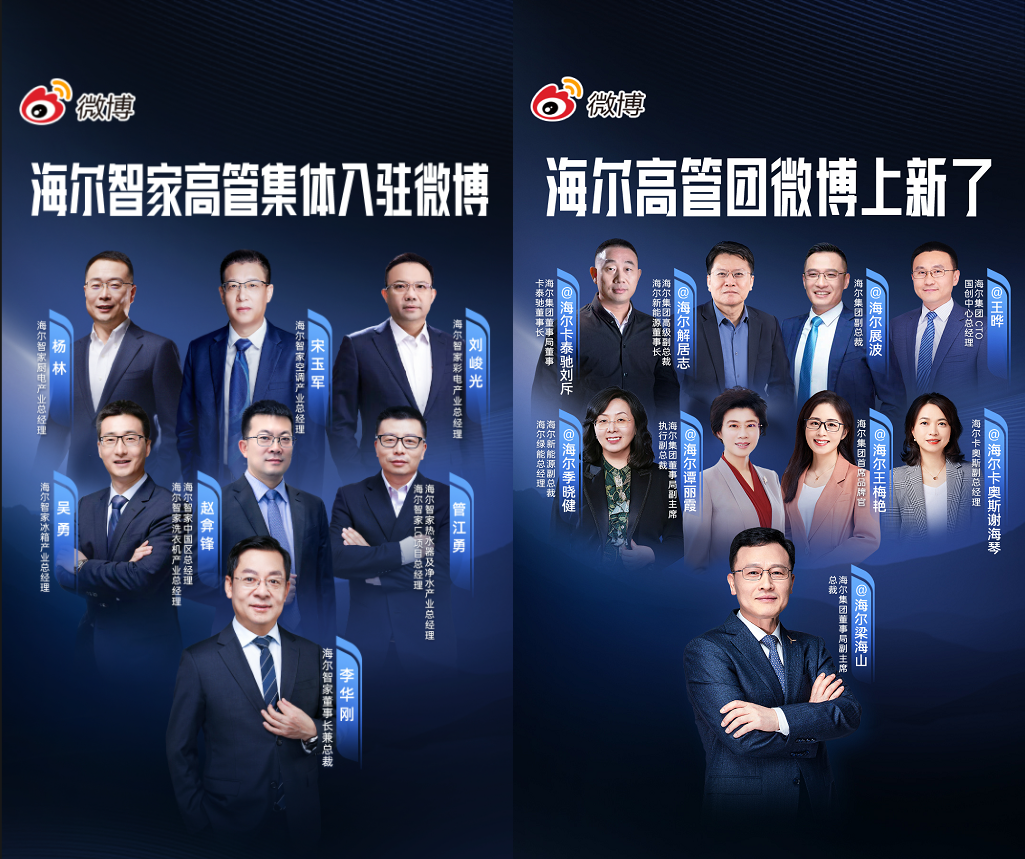
Core Insights - In 2025, brands are shifting from traditional marketing strategies to more innovative and engaging approaches that resonate with consumers' emotions and preferences [1][2] - Successful marketing now involves creating participatory events and leveraging user-generated content to enhance brand visibility and connection [1] Group 1: Case Studies of Innovative Marketing - **Mixue Ice City**: The brand's IPO was marked by a lively event featuring various IPs, breaking the traditional solemnity of such occasions and enhancing brand relatability among younger consumers [1][2] - **Haier**: The brand effectively utilized the "listening to advice" strategy by having its CEO return to social media, which resonated with users and boosted product sales [3][5] - **Yike Spring**: The brand creatively linked its marketing to a popular drama, using a pun on its spokesperson's name to enhance product appeal and engagement [4][7] Group 2: Sports and Event Marketing - **Yili**: The brand transformed traditional sports marketing by integrating long-term engagement strategies with current events, creating a relatable brand image [10][11] - **Sanjiao Weitai**: The brand capitalized on a trending drama to create a humorous and engaging marketing campaign that resonated with viewers, enhancing brand affinity [11][13] - **Gaotu Education**: The collaboration with a celebrity for an English course showcased a new model of education marketing that combines entertainment with learning [16][15] Group 3: User-Centric Marketing - **Xiangpiaopiao**: The brand's partnership with a popular figure demonstrated the effectiveness of user-driven marketing, enhancing consumer connection and brand perception [16][18] - **Zhuanzhuan**: The brand's strategic business shift was cleverly marketed, turning a potential negative into a viral advertising opportunity [18][20] - **Luckin Coffee**: The brand's dramatic marketing campaign involving a partnership and subsequent "divorce" with another brand created significant buzz and consumer engagement [22][23] Group 4: Competitive Landscape in Delivery Services - **JD.com, Meituan, Ele.me**: The competition in the food delivery market intensified with aggressive pricing strategies and targeted marketing campaigns, each brand leveraging unique selling propositions to attract consumers [25][23] - **Market Dynamics**: The shift towards local and immediate retail services reflects changing consumer behaviors, with brands adapting to meet the demand for convenience [25]





冯罡:解码牛奶三大营养功能 助力国民健康管理
新华网财经· 2025-12-04 14:56
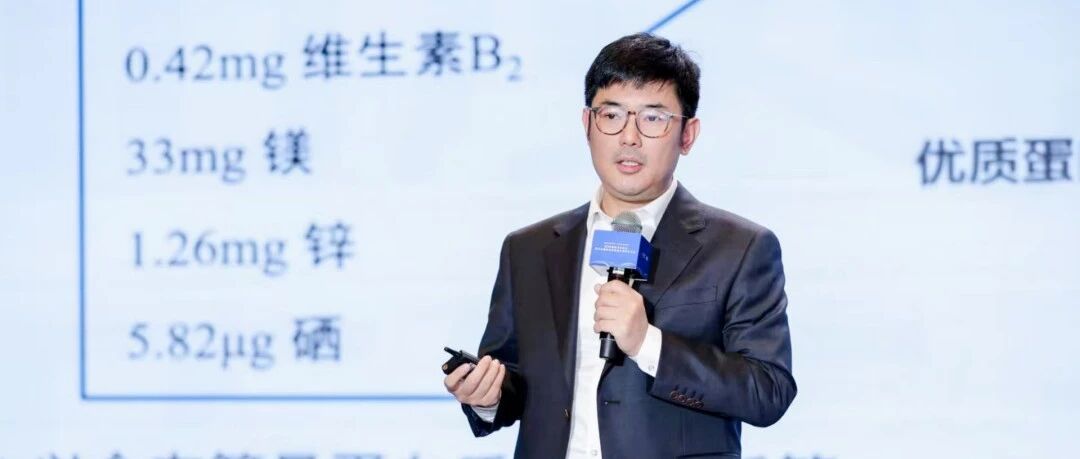
12月3日,由新华网主办的"2025健康未来论坛暨2025公众健康素养促进行动年度大会"在海南博鳌举行。国家乳业技术创新中心资深专家,伊利集团创新 中心资深专家冯罡发表题为《以奶为养:冬季健康管理的"营养密码"》的主题演讲,系统阐释了乳制品在促进骨骼健康、体重管理和血糖控制等方面的重 要价值,并为消费者提供了多元化的膳食搭配建议。 在骨骼与肌肉健康方面,冯罡援引与北京大学合作的研究数据称,中国超过90%人群存在钙摄入不足现象。牛奶中的乳钙吸收率优于其他常见补钙食材, 且乳蛋白有助于增强肌肉力量、延缓肌肉流失,对预防骨质疏松具有双重保护作用。 针对公众关注的体重管理问题,冯罡通过多项Meta分析指出,在控制总能量摄入的前提下,每日饮用250-500毫升牛奶不仅不会导致肥胖,其富含的蛋白 质还能增强饱腹感,有助于体重控制。研究显示,饮用全脂牛奶的肥胖风险并未增加,消费者可根据自身需求选择全脂或低脂产品。 在血糖管理方面,冯罡强调绝大多数乳制品属于低升糖指数食物,有助于平稳血糖波动。实验表明,即使含糖酸奶与主食一同食用,也能起到缓和餐后血 糖上升的作用,因此乳制品适合大多数血糖关注人群食用。 冯罡同时指出,目前我国 ...
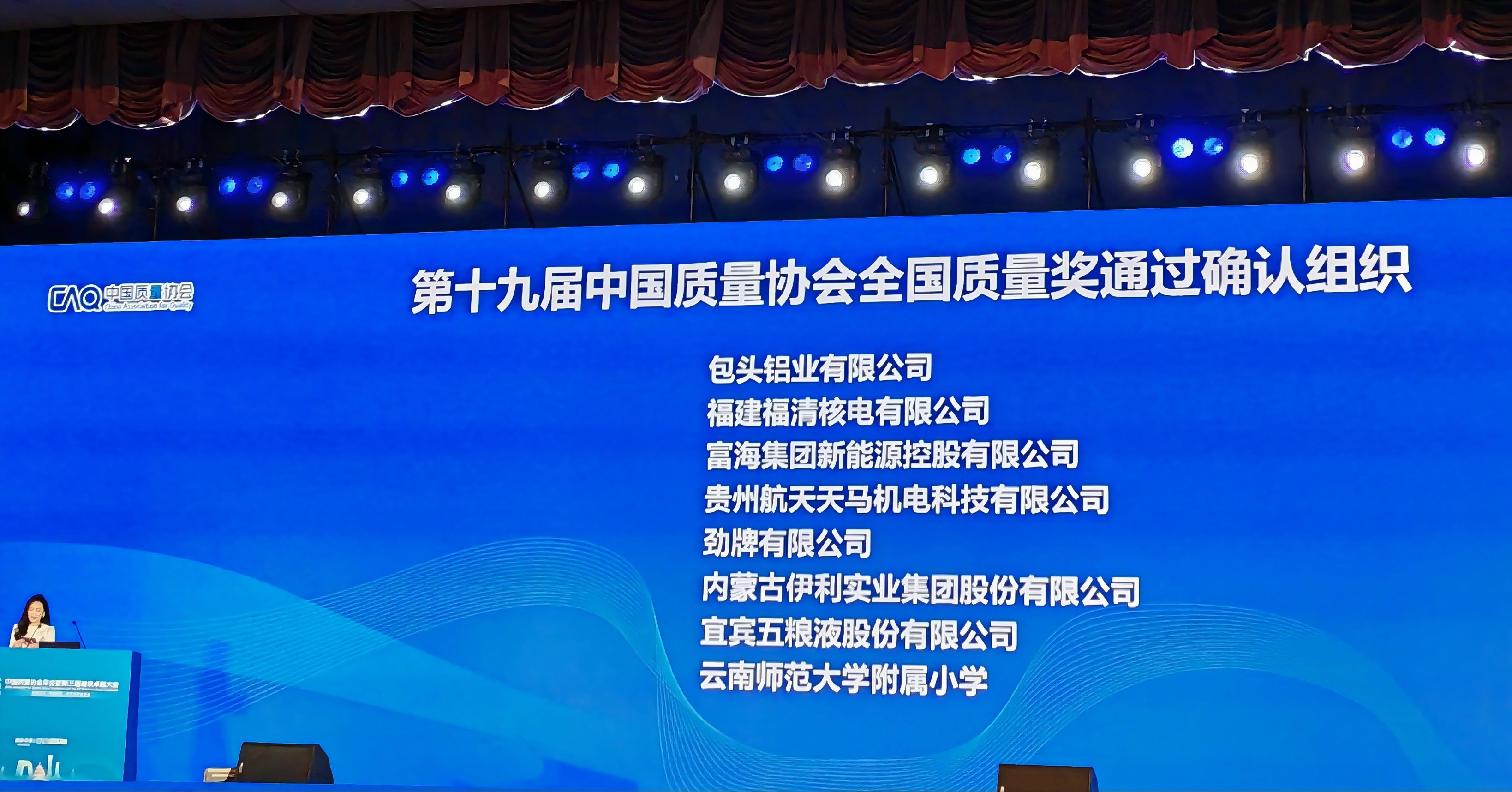
伊利通过全国质量奖确认评审
Xin Hua Cai Jing· 2025-12-04 14:33
Core Viewpoint - Yili Group has been recognized as the only dairy company to receive the 19th National Quality Award, reaffirming its leadership in quality management and performance improvement in the industry [1][2]. Group 1: National Quality Award - The National Quality Award is the highest honor for organizations that implement excellent quality management and achieve significant results in quality, economic, and social benefits [3]. - The award emphasizes not only the immediate quality achievements of the winning organizations but also their ability for continuous improvement and sustainable development [3]. - Yili's successful re-confirmation three years after winning the award indicates the effective operation of its quality management system and the deepening of its excellence performance model [2][3]. Group 2: Quality Culture and Management - Yili has established "Yili equals quality" as its corporate creed, integrating this belief into every aspect of the organization [6]. - The company promotes a culture where "everyone is a quality creator," ensuring that quality awareness is the starting and ending point of all work processes [6]. - Yili employs a comprehensive quality management system, including a self-developed "Excellence Quality Management System" to regularly evaluate management maturity [7]. Group 3: Quality Assurance and Performance - Yili has pioneered a high-standard internal control system, enhancing quality management by setting standards that exceed national and corporate benchmarks [7]. - The company has introduced aerospace reliability engineering technology to create a quality engineering system tailored for the food industry, improving the controllability of quality assurance [7]. - Yili's raw milk quality indicators, such as protein and fat content, surpass EU standards, showcasing significant advancements in quality management within the Chinese dairy industry [7]. Group 4: Future Commitment - Yili aims to continue focusing on consumer needs and enhancing quality, contributing to the health of China and leaving a deeper mark on the global dairy landscape [8].
两家保险巨头的九大重仓股
表舅是养基大户· 2025-12-04 13:34
Core Viewpoint - The article discusses the significant role of the insurance-related private equity fund "Guofeng Xinghua," established by China Life and Xinhua Insurance, in the current market landscape, highlighting its substantial capital and investment strategies [5][6][7]. Group 1: Fund Overview - Guofeng Xinghua is a unique private equity fund that does not sell products externally and is the first insurance-related off-balance-sheet private equity fund in the market [6]. - The fund has a total scale of 1.1 trillion yuan, with three phases: 500 billion yuan for Phase I, 200 billion yuan for Phase II, and 400 billion yuan for Phase III [7]. - This fund's scale positions it among the top ten active equity fund managers in the market, significantly influencing investment trends within the insurance sector [7]. Group 2: Stock Holdings - The fund currently holds nine stocks among the top ten shareholders of listed companies, with four of them being newly added in the third quarter [9]. - The stocks include major companies such as Yili, Sinopec, and China Telecom, with most having market capitalizations around or above 200 billion yuan [11][12]. - A notable characteristic is that eight of the nine stocks have shown negative profit growth in the first three quarters, indicating a focus on stability rather than growth [12]. Group 3: Valuation and Dividend Analysis - The price-to-earnings (PE) ratios of the stocks range from 10 to 23, with Yili being the most expensive at 23 times [12]. - The dividend yields for 2024 are generally above 3.5%, with some stocks exceeding 5%, suggesting that these investments are more attractive compared to last year [12]. - The dividend payout ratios for all nine stocks exceed 50%, with Yili's payout ratio over 90%, indicating a commitment to shareholder returns [13]. Group 4: Investment Strategy Insights - The article emphasizes that the insurance private equity fund is likely not fully invested yet, with ongoing capital inflows expected as the model transitions from pilot to regular operation [15]. - It highlights the importance of long-term investment strategies in the current low-interest-rate environment, suggesting that both A-shares and Hong Kong stocks with high dividends are worth considering as core assets [16]. - The article also notes that institutional investors are increasingly attracted to high-dividend stocks, particularly those with monopolistic characteristics, as they ensure sustainable future dividends [16].