奇瑞汽车

Search documents
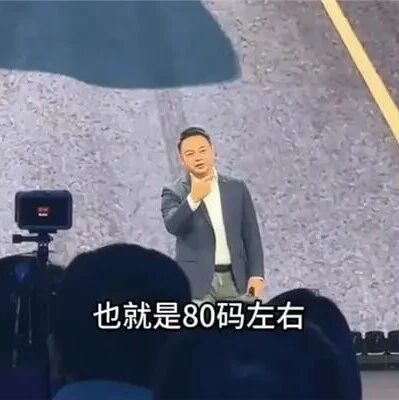
奇瑞高管称:瞬间刹停违反物理学
凤凰网财经· 2025-11-11 14:20
Core Viewpoint - The discussion around vehicle safety and braking performance highlights the limitations of instantaneous stopping in high-speed scenarios, emphasizing the importance of vehicle control and braking physics [1][2][4]. Group 1: Vehicle Safety and Braking Performance - Chery's executive vice president, Li Xueyong, stated that a vehicle cannot stop instantly at high speeds due to physical principles, particularly when traveling at 120 km/h, where emergency braking can only reduce speed to approximately 80 km/h [1]. - Li emphasized that in emergency situations, vehicle handling, steering, and power are critical for safety, indicating that effective control and gradual deceleration are essential [2]. - The braking process follows Newton's laws and energy conservation principles, where the braking force must overcome the vehicle's kinetic energy, and the maximum deceleration is limited by tire grip, typically between 0.9g and 1.2g [4].

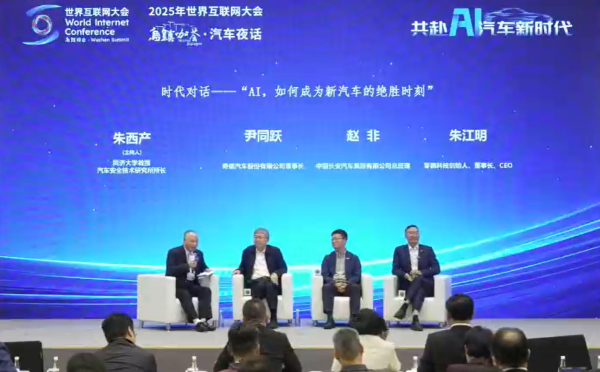
乌镇夜话汽车如何竞逐AI赛道:一边积极拥抱,一边严守底线
Zhong Guo Jing Ji Wang· 2025-11-11 14:10
Core Viewpoint - The automotive industry recognizes the rapid advancement of AI technology and emphasizes the need for a cautious yet proactive approach to its integration, particularly focusing on safety as a non-negotiable principle [1][8][12]. Group 1: AI Integration in Automotive Industry - The automotive leaders agree that AI will fundamentally change the industry's operational and competitive landscape, with a focus on a "data + algorithm" model to enhance production processes and organizational management [1][3]. - Changan Automobile's "No AI, No Changan" strategy reflects a commitment to AI, emphasizing foundational capabilities in data accumulation and computational power, while also addressing the need for talent with software expertise [3][5]. - The leaders acknowledge the short-term pressures of AI transformation but assert that it is essential for building long-term competitive advantages, warning that companies missing AI opportunities risk falling behind in product competitiveness and operational efficiency [3][5]. Group 2: Safety and Caution in AI Deployment - The executives stress that while embracing AI, the automotive industry must maintain a cautious stance, particularly in intelligent driving, where safety and reliability are paramount [8][12]. - There is a consensus that all technical details must be transparent and controllable, with no room for errors in safety-critical systems like braking and steering [11][12]. - The leaders highlight the importance of understanding the decision-making logic behind AI systems to avoid "black box" scenarios, which could jeopardize user safety [11][12]. Group 3: Practical Applications and Limitations of AI - AI is viewed as a tool for efficiency rather than a panacea, with the need for a balanced approach that recognizes its limitations [6][7]. - The focus on intelligent driving is seen as a critical area for investment, with improved return on investment as the industry matures [12]. - The executives emphasize that while AI can enhance design and operational efficiency, it cannot replace core competencies within the organization [7][12].

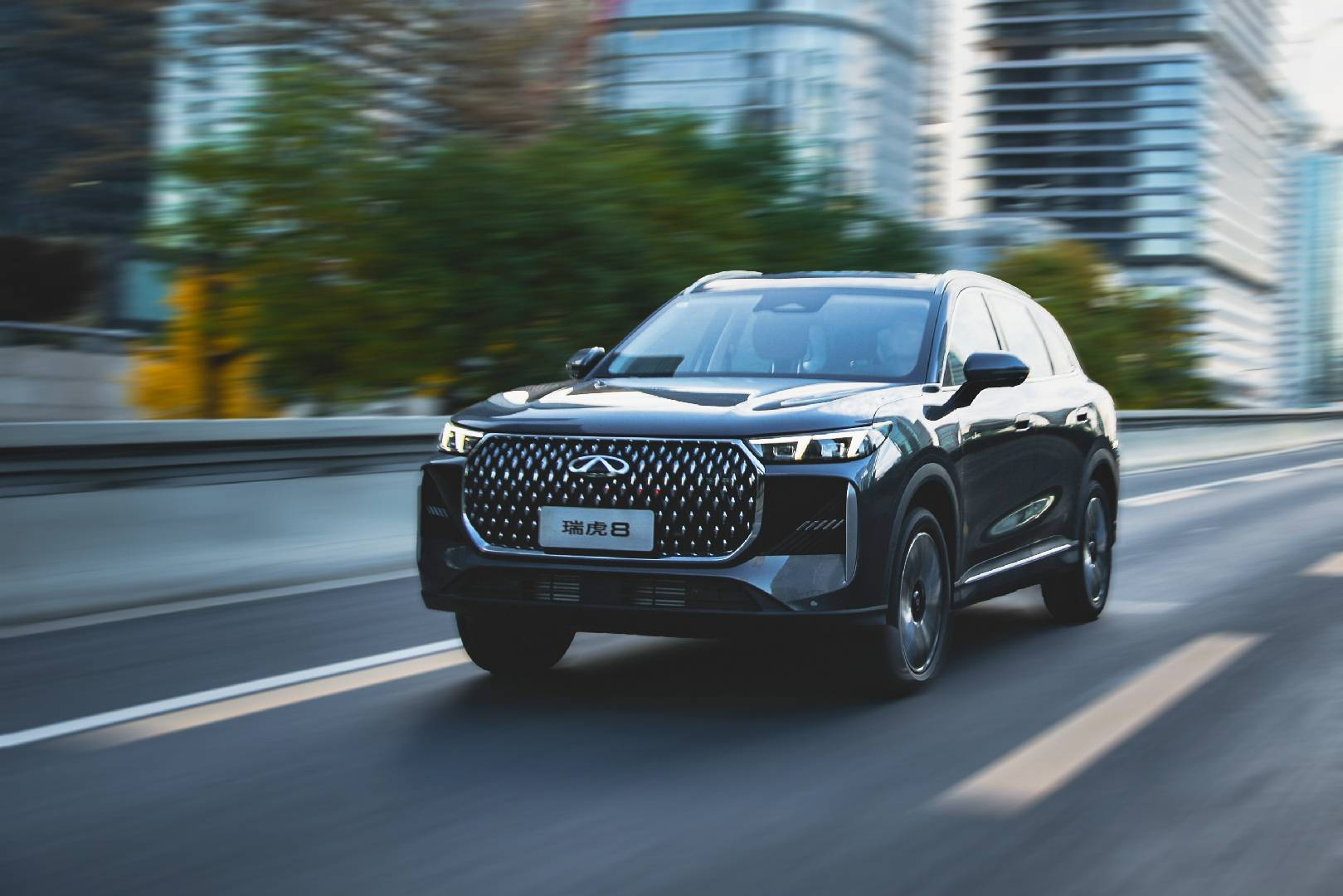
第五代瑞虎8正式上市 限时售价9.29万元起
Yang Shi Wang· 2025-11-11 12:05
Core Viewpoint - Chery Automobile launched the fifth generation of the Tiggo 8 globally, positioning it under the "China New Fuel Strategy" with a starting price of 92,900 yuan, offering eight purchase benefits [1] Group 1: Product Development and Achievements - The Tiggo 8 family has evolved over ten years and five generations, achieving "three major championship foundations": 41 event honors, 40 international quality certifications, and 28 awards from user recognition, with over 1.45 million global users [3] - The fifth generation Tiggo 8 is built on Chery's new "China New Fuel Intelligent T Platform," enhancing performance and safety [3][5] Group 2: Performance and Safety Features - The new model features the Kunpeng 1.6T engine with a maximum power of 147 kW and peak torque of 310 N·m, improving driving stability and comfort [5] - Safety is prioritized with a "Rock Solid Body" design, using 80% high-strength steel and aluminum, and meeting global five-star safety standards through rigorous crash testing [5] Group 3: Design and Space - The design incorporates natural vitality, offering two front face styles and a spacious interior with a wheelbase of 2825 mm, 970 mm rear legroom, and 1453 L trunk capacity [6][8] - Innovative features include the "Electric Sensation Beach Chair," allowing for versatile configurations for relaxation and camping [8] Group 4: Intelligent Features - The vehicle is equipped with an automotive-grade 8155 chip for rapid system response and operates in extreme temperatures, enhancing the user experience with cinema-level audio-visual capabilities [8] - Additional smart features include 50W wireless fast charging and comprehensive smartphone connectivity [8]
独家丨轻舟智航已组建无人物流车业务,在苏州、金华等地运营
雷峰网· 2025-11-11 10:06
Core Insights - The article discusses the expansion of Qizhou Zhihang into the unmanned logistics delivery sector, marking a significant shift in its business model from passenger vehicles to logistics, creating a dual commercial layout of "mobility + logistics" [2][6]. Group 1: Business Development - Qizhou Zhihang has begun internal preparations for its unmanned logistics delivery business, with operations already initiated in cities like Suzhou and Jinhua [2][3]. - The company is actively recruiting for L4 logistics positions, indicating a strategic focus on enhancing its capabilities in this area [3]. Group 2: Market Trends - The year 2025 is projected to be a pivotal year for unmanned delivery vehicles, with multiple companies achieving over 100 million yuan in financing since the beginning of the year [5]. - As of mid-2025, 103 cities in China have opened road rights for unmanned delivery vehicles, covering over 80% of major logistics hub cities, which is crucial for the commercial viability of these vehicles [5]. Group 3: Partnerships and Collaborations - A key partner for Qizhou Zhihang in the unmanned logistics vehicle sector is Chery Automobile, which, along with Luxshare Precision, invested 100 million USD in Qizhou Zhihang [6]. - The collaboration has led to the development of the Chery iBar, which features the Falcon 900 intelligent driving system, capable of autonomous driving in urban and park scenarios [6]. Group 4: Technological Advancements - Qizhou Zhihang's experience in intelligent driving and L4 autonomous driving is expected to accelerate the commercialization of L4 technology in the logistics sector [7].

崔东树:乘用车市场内卷降价现象明显减弱 行业运行压力改善
智通财经网· 2025-11-11 09:49
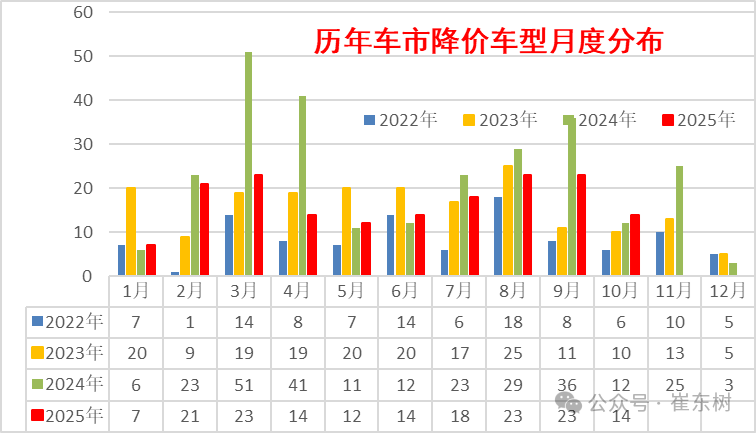
智通财经APP获悉,11月11日,崔东树发布2025年10月乘用车市场降价促销分析。2025年乘用车行业促销与降级均回归理性,市场秩序明显改善。2025年 1-10月的新车降156款的规模相对温和。目前的价格竞争主要是新车推出直接突破原有价格的下限,而不是增配不降价的模式。10月直接降价的车型没 有,而新车增配降价是提升性价比的方式较好。 2025年10月降价规模14款,较9月较少9款,较同期增2款。其中燃油车4款,较2024年10月的3款的规模多1款;混合动力燃油车无;插混车3款,较同期少2 款;增程式车型1款;纯电动车型6款,较2024年10月增4款。 2025年1~10月份,新能源车新车降价车型的降价力度算术平均达到2.1万元,降价力度达到10.8%。10月份,新能源车新车降价车型的降价力度算术平均达 到1.8万元,降价力度达到11.1%的正常水平。2025年1~10月份,常规燃油车新车降价车型的降价力度算术平均达到1.4万元,降价力度达到8.4%。10月 份,常规燃油车新车降价车型的降价力度算术平均达到1.2万元,降价力度达到11.1%。2025年1~10月份,总体乘用车市场新车降价车型的降价力度算术 ...
新能源汽车:迭代过快下的市场焦虑
Xin Lang Cai Jing· 2025-11-11 09:41
Core Insights - The rapid development of China's new energy vehicle (NEV) industry is marked by a significant increase in the number of new models launched, with nearly 80 new vehicles released in September alone, indicating a competitive and fast-paced market environment [1][2] - However, the accelerated pace of product iteration is causing consumer dissatisfaction and safety concerns, as frequent updates lead to complaints about obsolescence and quality issues [5][6][10] Industry Development - Since 2013, China's NEV production and sales have skyrocketed from 17,500 units to over 5 million units in 2022, with projections to reach 10 million units by 2024 [2] - The average number of new models launched by domestic automakers has reached 1,158 annually over the past five years, translating to an average of 3.2 new models per day [2][3] Consumer Experience - The rapid iteration of new models has led to consumer complaints about feeling misled, as new versions are released shortly after purchases, diminishing the perceived value of their vehicles [5][6] - Safety concerns have escalated due to incidents involving NEVs, including recalls related to quality defects, which have raised questions about the reliability of these vehicles [7][10] Market Competition - The intense competition in the NEV market is driving companies to innovate quickly, but this has resulted in a proliferation of similar products, leading to a lack of differentiation and increased market saturation [8][9] - The profit margins in the automotive industry remain low, with only a small percentage of new models achieving significant sales, indicating a potential oversupply in the market [9] Future Outlook - Experts suggest that while rapid growth has characterized the NEV sector, a more balanced and sustainable approach is necessary to avoid pitfalls associated with excessive speed, such as safety issues and market instability [11][12] - The upcoming regulatory changes and market dynamics may lead to a consolidation of the industry, favoring companies that can maintain quality and innovation over those that merely compete on speed [12]
车企不过“双十一”?实探线下门店:热销车型直降超4万元,天天都是“购物节”
3 6 Ke· 2025-11-11 09:19
Core Insights - The automotive industry has not shown significant enthusiasm for the "Double Eleven" shopping festival, contrasting with other sectors like beauty and fashion that have seen explosive sales [1][3] - Many car manufacturers did not launch special promotions for "Double Eleven," treating it as an ordinary time rather than a major sales event [1][3] - The marketing strategies of car companies have shifted towards regular monthly or quarterly promotional offers rather than relying on specific shopping festivals [6][7] Group 1: Industry Response to "Double Eleven" - Car manufacturers, including traditional and new energy vehicle brands, have not actively promoted "Double Eleven" through special offers or marketing campaigns [3][6] - Sales personnel from various brands confirmed that there were no additional discounts or promotions specifically for "Double Eleven," with offers remaining consistent with regular monthly incentives [1][3][6] - Some brands, like Extreme Fox and Deep Blue, did announce limited-time offers, but these were often minor products or had conditions that extended beyond the festival itself [4][5] Group 2: Consumer Behavior and Market Dynamics - The long decision-making cycle for car purchases means consumers are less likely to be swayed by short-term discounts, reducing the effectiveness of promotional events like "Double Eleven" [6][7] - The competitive nature of the automotive market has led to a normalization of discounts, making consumers less responsive to special promotions during events [6][7] - Recent data indicates that the penetration rate of new energy vehicles in the market has reached 57.2%, suggesting a shift in consumer focus towards technology and product value rather than just price [11][12] Group 3: Marketing Strategies - Car companies are increasingly focusing on enhancing product value through technological advancements, such as smart driving systems and improved battery life, rather than relying solely on price reductions [11][12] - The marketing approach has evolved to include building brand identity and consumer loyalty through quality service and expanded consumer engagement [12] - Regular promotional strategies, such as monthly purchase rights and incentives, have become the norm, with companies like Xiaomi maintaining consistent offers across multiple months [7][9]


乘联分会:10月份国内狭义乘用车市场零售销量达224.8万辆 同比下降0.5%
智通财经网· 2025-11-11 09:01
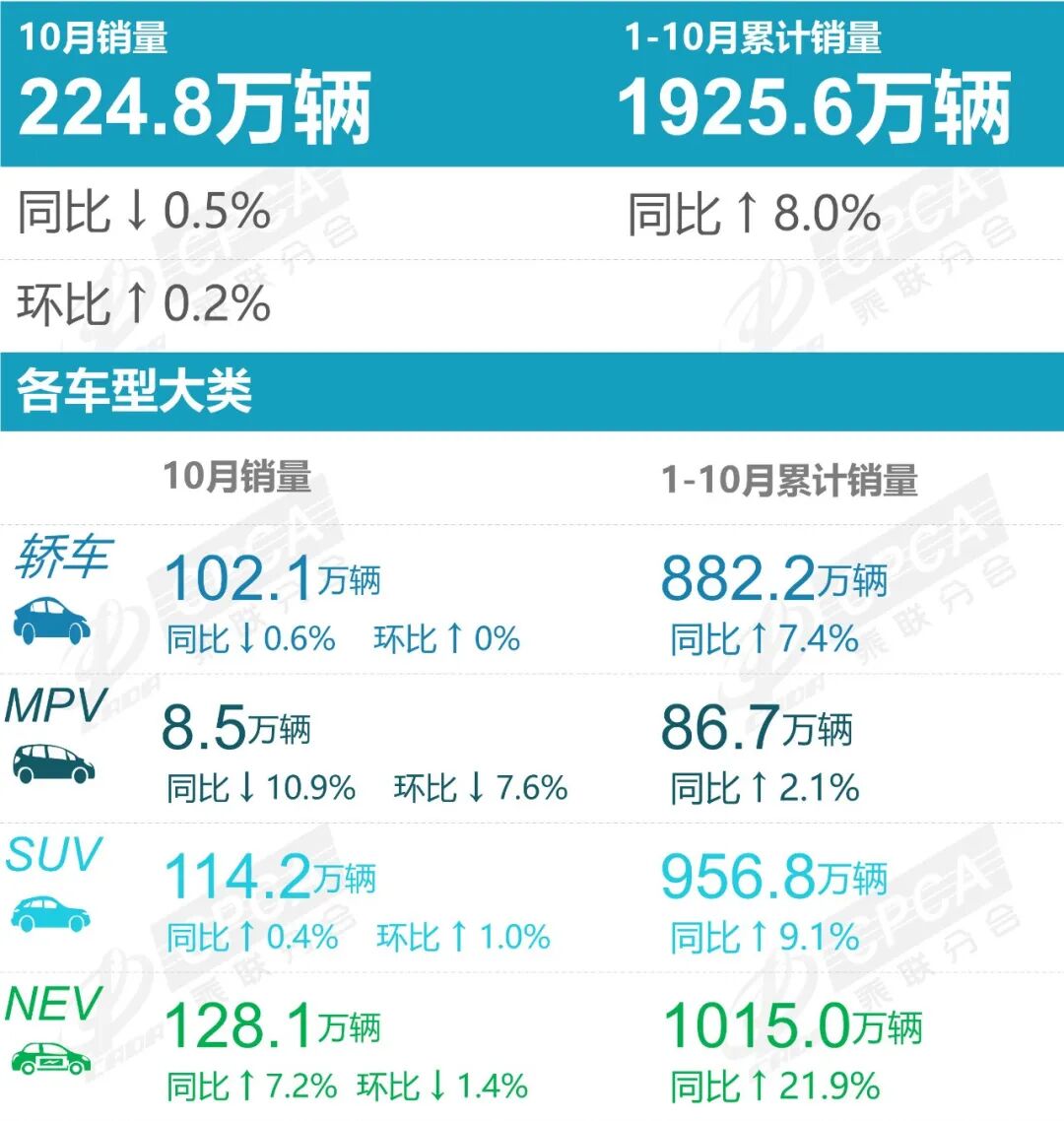
Core Insights - In October 2025, the domestic narrow passenger car market retail sales reached 2.248 million units, a year-on-year decrease of 0.5% and a month-on-month increase of 0.2% [1] - Cumulatively, from January to October 2025, total sales reached 19.256 million units, reflecting a year-on-year growth of 8.0% [1] Group 1: Market Performance - October 2025 saw a slight year-on-year decline in retail sales of passenger cars due to a high base from the previous year, with a decrease of 0.9% [3] - New energy vehicles (NEVs) experienced a year-on-year growth of 7.3% in October, while conventional fuel vehicles saw a decline of 10% [3] - The cumulative growth rate of passenger cars has shown a gradual deceleration in the second half of the year [3] Group 2: Manufacturer Sales Rankings - BYD ranked first in retail sales from January to October 2025 with 2.838 million units sold, a decrease of 2.1% year-on-year, holding a market share of 14.7% [9] - Geely followed with 2.141 million units sold, marking a significant year-on-year increase of 56.2% and a market share of 11.1% [9] - In October 2025, BYD sold 295,871 units, down 14.8% month-on-month and 31.4% year-on-year, capturing a market share of 13.2% [8] Group 3: New Energy Vehicle Sales - In October 2025, BYD led the NEV wholesale sales with 436,856 units, a month-on-month increase of 11.1% but a year-on-year decrease of 12.7%, holding a market share of 27.0% [10] - Geely's NEV sales reached 177,882 units in October, reflecting a year-on-year increase of 63.6% [10] - From January to October 2025, BYD also led NEV sales with 3.656 million units, a year-on-year growth of 12.9% and a market share of 30.3% [11]




【月度排名】2025年10月厂商销量排名快报
乘联分会· 2025-11-11 08:47
Core Viewpoint - The domestic passenger car market in China experienced a slight retail sales decline in October 2025, with a year-on-year decrease of 0.5%, while cumulative sales from January to October showed an 8.0% increase compared to the previous year [1][3]. Sales Performance - In October 2025, the retail sales of passenger cars reached 2.248 million units, marking a 0.5% decrease year-on-year but a 0.2% increase month-on-month [1]. - Cumulative sales from January to October 2025 totaled 19.256 million units, reflecting an 8.0% year-on-year growth [1]. Manufacturer Rankings - In October 2025, BYD led the sales with 436,856 units, despite a year-on-year decline of 12.7% [4]. - Geely and Chery followed with significant increases in sales, with Geely showing a 35.5% year-on-year growth [4]. - For the January to October period, BYD maintained the top position with 3.656 million units sold, a 12.9% increase year-on-year [5]. New Energy Vehicle (NEV) Market - The NEV market showed a mixed performance, with pure electric vehicle sales significantly increasing, while range-extended and plug-in hybrid vehicles entered a slower growth phase [3]. - In October 2025, NEV retail sales saw a 7.3% increase year-on-year, contrasting with a 10% decline in conventional fuel vehicles [3]. Wholesale and Retail Rankings for NEVs - In October 2025, BYD again led the NEV wholesale rankings with 436,856 units, despite a 12.7% year-on-year decline [9]. - For the January to October period, BYD sold 3.656 million NEVs, capturing a 30.3% market share [10]. Market Trends - The overall growth rate of passenger vehicles has been gradually slowing down in the second half of the year, indicating a potential market saturation [3]. - The NEV market is experiencing structural differences, highlighting a divergence in consumer preferences and demand within the segment [3].
目光再再再再次转向固态电池
新财富· 2025-11-11 08:05
Core Viewpoint - The recent advancements in solid-state batteries have reignited market interest, with multiple companies announcing their progress and collaborations in this field [2]. Group 1: Recent Developments - On October 31, Samsung SDI announced a tripartite agreement with BMW and Solid Power to collaborate on a solid-state battery verification project [3]. - Chery Automobile showcased its self-developed Rhino S solid-state battery module with an energy density of 600 Wh/kg, aiming for a range of 1200-1300 km, with initial vehicle testing planned for 2027 [5][7]. - Enjie Co. reported the completion of small-scale production for high-purity lithium sulfide for solid-state applications, while Sunwoda unveiled a polymer solid-state battery with an energy density of 400 Wh/kg, expected to have a pilot line by the end of 2025 [8]. - Toyota and Sumitomo Metal Mining signed a joint development agreement focusing on mass production technology for solid-state battery cathode materials, with plans to launch a solid-state battery electric vehicle by 2027-2028 [8]. Group 2: Technical Routes - Solid-state batteries utilize solid electrolytes to replace liquid electrolytes, enhancing energy density and safety. The main technical routes include polymer, oxide, and sulfide [11]. - The polymer route offers flexibility and higher ignition points but has lower ionic conductivity compared to liquid electrolytes [12]. - The oxide route provides better safety and stability but faces challenges in manufacturing due to its hardness [13]. - The sulfide route has the highest ionic conductivity, comparable to liquid electrolytes, but is sensitive to air and moisture, complicating production and increasing costs [13]. Group 3: Challenges and Bottlenecks - The sulfide route faces three main challenges: high environmental sensitivity, severe interfacial reactions, and high costs of lithium sulfide [16]. - Environmental sensitivity requires production in inert, low-humidity environments, increasing costs and affecting yield [17]. - Interfacial reactions lead to the formation of insulating byproducts and increased impedance, impacting battery efficiency and lifespan [20]. - The high cost of lithium sulfide, which can reach around 3 million CNY per ton, poses a significant barrier compared to traditional liquid electrolytes [21]. Group 4: Commercialization Timeline - The commercialization of solid-state batteries is expected to progress through several stages, with current efforts primarily in the pilot phase [25]. - A reasonable expectation is for demonstration-level applications in electric vehicles within the next 2-3 years, while consumer electronics may be the first to adopt this technology due to lower cost sensitivity [25].