人保财险

Search documents
险资投资黄金开闸一年,为何审慎入场?
Guo Ji Jin Rong Bao· 2026-02-05 02:33
Core Viewpoint - The international gold price has experienced significant fluctuations in early 2026, with spot gold prices surpassing $5,000 per ounce, while insurance capital remains cautious in its investment approach [1] Group 1: Regulatory Background - In February 2025, the National Financial Regulatory Administration issued a notice allowing insurance funds to invest in gold, marking the official opening of this investment channel [2] - The pilot investment scope includes various gold trading contracts on the Shanghai Gold Exchange, with ten insurance companies participating in the trial [2] - Insurance companies are required to limit their gold investments to no more than 1% of their total assets as of the previous quarter, potentially bringing an additional 200 billion yuan into the gold market [2] Group 2: Investment Behavior - Most insurance institutions have not engaged in large-scale gold investments, maintaining a cautious investment pace [3] - The cautious approach is attributed to internal constraints and the nature of gold as a non-yielding asset, which conflicts with profit-driven assessment mechanisms [3] - Insurance companies are still developing their capabilities in professional research and risk management, which affects their investment decisions [3] Group 3: Long-term Strategic Value - Despite short-term caution, the strategic value of gold in insurance asset allocation is being re-evaluated, particularly for risk hedging rather than pure profit generation [4] - Gold's low correlation with traditional financial assets can enhance portfolio stability during extreme market conditions, making it a valuable asset for insurance funds [5] - The potential for expanding the pilot program exists, but any increase in participation or investment limits will depend on the risk management capabilities and operational maturity of the insurance companies involved [5][6] Group 4: Future Outlook - If the initial pilot runs smoothly, expansion is likely, but investment pace will remain cautious due to ongoing price increases [6] - Insurance companies, such as Ping An Life, are focusing on the role of gold in their asset allocation, emphasizing risk diversification and overall portfolio stability [6]

保险业迎战二〇二六年首场寒潮
Jin Rong Shi Bao· 2026-01-28 04:34
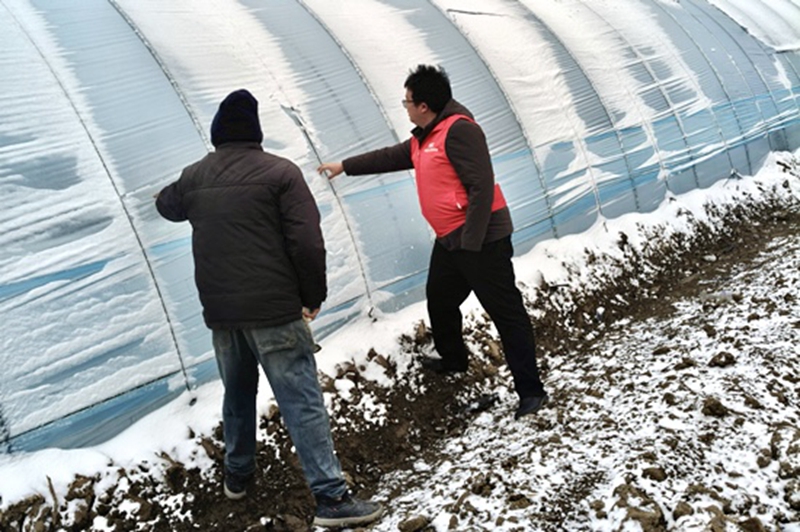
Core Viewpoint - The insurance industry has demonstrated a strong commitment to disaster response during the recent severe snowstorm, showcasing a coordinated effort in prevention, rescue, and compensation through technology and human resources [1][18][20]. Group 1: Prevention - Prior to the snowstorm, multiple insurance companies proactively implemented risk prevention measures, including sending over 1 million safety alerts and disaster reduction tips to clients [4][7]. - Companies utilized various platforms to disseminate weather warnings and safety tips, with Ping An Property & Casualty sending over 38.63 million alerts [4]. - On-site assistance was provided to high-risk areas, with companies like Ping An conducting risk assessments and offering reinforcement advice to vulnerable structures [4][6]. Group 2: Rescue - During the snowstorm, insurance companies quickly established specialized rescue teams to coordinate resources for timely and efficient assistance [10][12]. - For instance, China Life Property & Casualty collaborated with rescue companies to enhance support in critical areas, providing emergency services such as towing and battery jump-starts [10]. - The insurance sector also engaged in joint operations with local police and emergency services to ensure effective road safety and rapid response to incidents [14][19]. Group 3: Compensation - Following the disaster, many insurance companies opened green channels for claims, simplifying processes and leveraging technology to enhance efficiency [18][20]. - For example, Ping An Property & Casualty reported that the fastest claim payment took only 9 minutes from the time of reporting [19]. - Companies utilized advanced technologies such as remote damage assessment and AI to expedite claims processing, ensuring timely compensation for clients [20].


农险扩面提质结硕果
Jing Ji Ri Bao· 2026-01-25 22:17
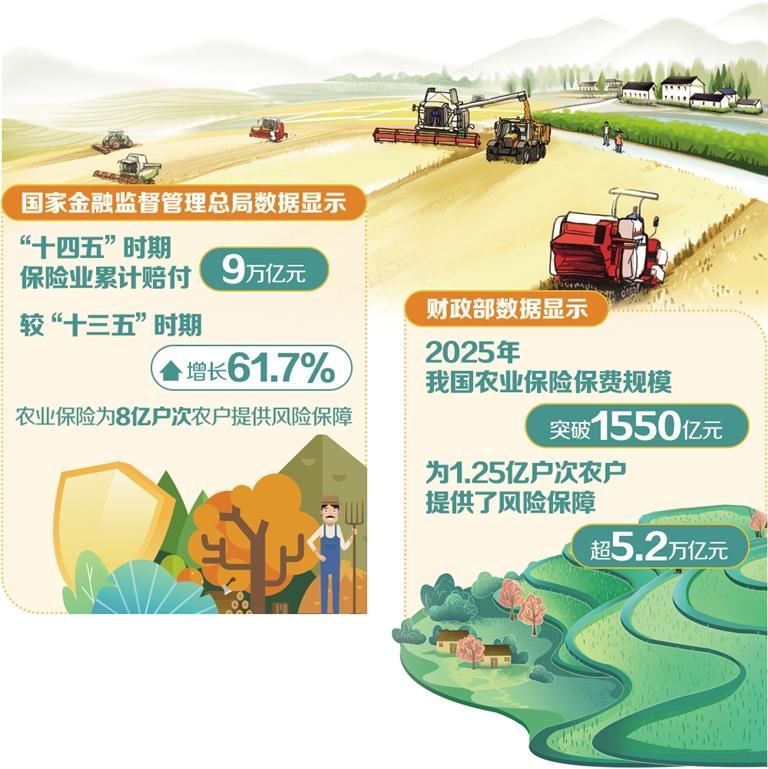
Core Insights - The central economic and rural work meetings in 2025 have systematically deployed strategies for "three rural issues," emphasizing the importance of agricultural insurance in supporting rural revitalization and food security [2] - Agricultural insurance premiums in China have steadily increased, with a total payout of 9 trillion yuan during the 14th Five-Year Plan, marking a 61.7% increase compared to the previous plan [2] - The agricultural insurance sector is evolving from cost coverage to income protection, addressing significant disaster risks associated with agricultural production [4] Agricultural Insurance Development - The planting areas of rice, wheat, and corn account for over 80% of China's total grain area, with these crops being the main focus of agricultural insurance policies [3] - The development of agricultural insurance has progressed in stages every 5 to 6 years, with the introduction of basic insurance in 2007 and the expansion of comprehensive cost and income insurance starting in 2018 [3] - In 2023, agricultural insurance payouts exceeded 2.6 billion yuan due to adverse weather conditions affecting wheat crops, demonstrating the critical role of insurance in mitigating farmers' losses [3] Expansion of Coverage - The scope of comprehensive cost and income insurance is expanding, with new policies for sugarcane and soybeans set to cover more regions by 2026 [4] - The establishment of a disaster model for major crops aims to assess risks from various natural disasters, enhancing the insurance framework [4] Specialized Agricultural Products - Agricultural insurance in China is categorized into central government-subsidized products and local specialty products, with a focus on expanding coverage and improving product offerings [5] - Insurance products tailored for geographical indication agricultural products have been developed, providing significant risk coverage for specific crops [5] Technological Integration - The insurance sector is increasingly adopting digital transformation to enhance efficiency in underwriting and claims processing, with a focus on a comprehensive risk management service model [7] - The use of advanced technologies such as drones and AI is being encouraged to improve the accuracy and timeliness of insurance services [10] Future Outlook - By 2025, agricultural insurance premiums are projected to exceed 155 billion yuan, providing risk coverage for over 1.25 billion farmers [11] - The Ministry of Finance plans to continue enhancing the quality and efficiency of agricultural insurance, with a guiding document expected in 2026 to support high-quality development [11]
未知机构:花旗中国保险业2026年展望寿险迎历史机遇财险乘监管东风寿险行业因财富重-20260121
未知机构· 2026-01-21 02:05
Summary of the Conference Call on the Chinese Insurance Industry Outlook for 2026 Industry Overview - The report focuses on the Chinese insurance industry, highlighting significant opportunities in both life insurance (寿险) and property insurance (财险) due to wealth reallocation and regulatory changes [1][2][3]. Key Insights and Arguments Life Insurance Sector - The life insurance industry is expected to face a historic opportunity driven by a massive reallocation of wealth, with over 70 trillion RMB in bank deposits maturing by 2026 [1][5][9]. - Retail investors, seeking higher returns in a low-interest-rate environment, are likely to shift their investments towards insurance products, particularly dividend-related products sold through bancassurance channels [1][5]. - Although the shift towards dividend products may pressure profit margins, a scheduled interest rate cut in September 2025 is anticipated to offset this impact, keeping overall profit margins stable [2][5]. - The report predicts a K-shaped growth differentiation in the market, with leading companies like China Life and Ping An benefiting from concentrated resources and growth amid tightening regulatory scrutiny [2][5][8]. Property Insurance Sector - The property insurance sector is projected to achieve a stable premium growth rate of 4% by 2026, primarily driven by auto insurance and personal property insurance [2][5]. - Regulatory improvements, such as the promotion of the "non-auto insurance report and approval integration" policy and enhanced cost management for auto insurance, are expected to provide significant room for improvement in the combined ratio (CoR) [3][6][8]. - The report identifies PICC Property and Casualty as the biggest beneficiary of these regulatory changes, potentially achieving the best performance in the industry [3][8]. Additional Important Content - The report emphasizes the structural reforms aimed at enhancing underwriting profitability, which include extending cost control from auto to non-auto insurance and gradually relaxing pricing limits for new energy vehicle insurance [6][7]. - Key data points include: - Over 70 trillion RMB in bank deposits maturing by 2026, a significant source of growth for the life insurance sector [9]. - A projected 4% growth rate for property insurance premiums in 2026 [9]. - The relaxation of the pricing coefficient for new energy vehicle insurance from 1.35 to 1.5, which will help improve profitability for property insurance companies [9]. - In 2019, cash and deposits accounted for 63.9% of Chinese households' financial assets, indicating a substantial potential for reallocating funds towards insurance products [9]. Recommended Investment Targets - China Life (2628.HK): Buy rating, target price raised to HK$38.00, favored for its market leadership and robust underwriting strategy [10][11]. - Ping An (2318.HK): Buy rating, target price raised to HK$79.00, expected to benefit from K-shaped growth differentiation [10][11]. - PICC Property and Casualty (2328.HK): Buy rating, target price of HK$21.20, anticipated to be the largest beneficiary of regulatory tailwinds [10][11]. - China Pacific Insurance (2601.HK): Buy rating, target price raised to HK$44.40 [10][11]. - People’s Insurance Group (1339.HK): Buy rating, target price of HK$7.80 [10][12].
锚定国家重大战略 积极践行“金融为民”
Jin Rong Shi Bao· 2026-01-21 01:45
Core Viewpoint - The insurance industry in China has strengthened its role in financial services, focusing on disaster prevention, rural revitalization, and inclusive protection, thereby enhancing its function as an economic stabilizer and social stabilizer [1] Group 1: Disaster Prevention and Mitigation - In 2025, natural disasters affected 67.03 million people, resulting in 763 deaths or missing persons, with direct economic losses amounting to 241.62 billion yuan [2] - The insurance industry has established an integrated disaster prevention and mitigation system, adhering to principles of prompt and reasonable compensation [2] - China Pacific Insurance led the establishment of a catastrophe insurance community, providing risk coverage for 74.52 million households, with claims amounting to 200 million yuan [2] Group 2: Support for National Strategies - The insurance sector has provided significant risk protection for key areas, including food security, with claims exceeding 13.3 billion yuan for crops [4] - In the green transition, the insurance industry has supported carbon neutrality goals, with over 900 million green insurance claims processed [4] - Insurance services have extended to high-end and intelligent sectors, with claims exceeding 11.6 billion yuan for technology-related activities [5] Group 3: Inclusive Financial Protection - The insurance industry has expanded its coverage for vulnerable groups, with over 15.17 million elderly clients receiving claims exceeding 11.3 billion yuan [6] - New citizens, including delivery workers and ride-hailing drivers, received over 2.2 billion yuan in claims for employment protection [7] - Inclusive insurance programs have reached over 34 million people, with claims exceeding 1.14 billion yuan [7]
金融适老服务迈入“精耕”新阶段
Zhong Guo Jing Ying Bao· 2026-01-16 18:34
中经记者 张漫游 北京报道 近年来,金融机构主动响应人口老龄化国家战略,从线下硬件设施升级到线上数字服务优化,从单一产 品供给到多元生态构建,全方位推进适老化改造实践。 高鹏飞指出,当前,金融机构的适老化改造不仅体现为软硬件升级,更延伸至服务内容。针对老年人金 融风险防范意识相对薄弱的特点,不少金融机构通过走进社区、举办讲座等方式,普及防范电信诈骗、 识别非法集资等知识。在销售环节加强风险提示和过程管理,帮助老年群体树立理性投资观念。 如建设银行(601939.SH)在全国设置的超200家"健养安"养老金融特色网点,定期举办养老金融课堂, 汇聚养老规划师团队、养老领域专家、保险理财等专业人士,展开养老规划、财富管理、消保防诈等系 列讲座。同时,建设银行也深入周边企业,提供年金之类的养老专属服务,并整合网点周边资源,构建 融合生活消费、健康医疗的全方位养老综合生态。 从"有"到"优" 当前,随着众多新政的落地实施,金融机构适老化改造正迎来从"有没有"向"好不好"的转型期,如何破 解服务痛点、深化科技赋能、构建协同生态,成为行业高质量发展的重要课题。 2026年1月13日,民政部召开新闻发布会,介绍《关于培育养老 ...



1.8犀牛财经早报:2026年铜价或开启新一轮上涨行情
Xi Niu Cai Jing· 2026-01-08 01:40
Group 1 - The new regulations for public fund sales have been implemented, allowing for more flexibility in bond fund redemption fees and refined adjustments to subscription fees, which may lead to increased allocation of equity funds by financial institutions [1][3] - The FOF (Fund of Funds) market is experiencing a surge in demand, with several funds selling out quickly, indicating a competitive landscape driven by customer demand and product transformation [1][2] - The Hong Kong IPO market is expected to raise over 300 billion HKD in 2026, with technology and A to H listings being the main themes driving this growth [2] Group 2 - Samsung Electronics reported a record operating profit of 20 trillion KRW (approximately 964 million RMB) for Q4 2025, marking a 208.2% year-on-year increase [7] - Green City China announced a total contract sales amount of approximately 251.9 billion RMB for 2025, with significant sales activity in December [7] - Berkshire Hathaway has increased the salary of its new CEO Greg Abel to 25 million USD, significantly higher than Warren Buffett's long-standing salary [6] Group 3 - The insurance market for robots is emerging, with companies like Ping An and PICC developing customized insurance products to meet the growing demand in the robot rental market, projected to reach 10 billion RMB by 2026 [5] - Standard Chartered Bank recommends investors to overweight Chinese stocks and gold, focusing on technology, healthcare, and communication sectors in China for 2026 [4]
交子期货2025年上期所云南绿春县天然橡胶“保险+期货”项目顺利结束
Qi Huo Ri Bao Wang· 2025-12-31 06:29
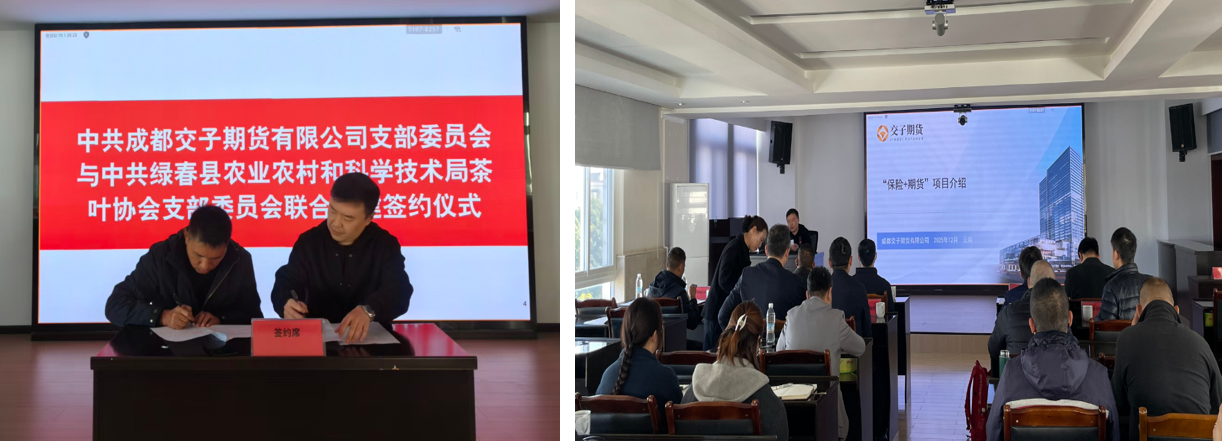
Core Viewpoint - The "Insurance + Futures" project for natural rubber in Yunnan's Lincang County has successfully concluded, providing significant support to local rubber farmers and enhancing their economic stability [1] Group 1: Project Overview - The project, supported by the Shanghai Futures Exchange and conducted by Jiazi Futures, covered 1,000 tons of rubber and spanned an area of 11,064 acres [1] - A total of 6,070 rubber farming households benefited from the project, including 3,171 registered impoverished households [1] - The project resulted in approximately 623,800 yuan in compensation, with Jiazi Futures promptly settling the claims with the insurance company [1] Group 2: Future Initiatives - Before the project's expiration this year, Jiazi Futures and the insurance company conducted a pairing assistance and party-building activity in the Honghe Hani and Yi Autonomous Prefecture [1] - A memorandum for grassroots party-building cooperation was signed between Jiazi Futures and the local agricultural and rural affairs bureau [1] - Jiazi Futures aims to continue supporting the stable development of China's natural rubber industry and explore innovative financial models to provide better risk management services for rubber farmers [1]
财寿两大子公司补位70后掌门 1.9万亿中国太平革故鼎新
Xin Lang Cai Jing· 2025-12-29 10:56
Group 1: Management Changes - The recent personnel adjustments at China Taiping reflect a shift in the management model between the group and its subsidiaries, with internal promotions rather than cross-appointments from group executives [2][13] - Wang Xuze has been appointed as the Party Secretary and proposed General Manager of Taiping Life, while Peng Yunping has been appointed as the Party Secretary and proposed General Manager of Taiping Property Insurance, both pending regulatory approval [4][14] - This change enhances the autonomy and decision-making flexibility of the subsidiaries, aligning with a broader industry trend of promoting internal candidates [2][13] Group 2: Financial Performance - For the first three quarters of 2025, Taiping Life achieved insurance business revenue of 158.04 billion yuan, a year-on-year increase of 6.6%, and a net profit of 18.13 billion yuan, up 61.2% [3][20] - Taiping Property Insurance reported insurance business revenue of 25.87 billion yuan, a 4.24% increase, and a net profit of 974 million yuan, reflecting an 82.4% growth [3][20] - The investment return rate for Taiping Life was 2.82%, with total assets reaching 1.4 trillion yuan, a 10.19% increase from the beginning of the year [20][21] Group 3: Leadership Profiles - Wang Xuze, born in August 1972, has extensive management experience within Taiping, having served in various roles since starting at the Tianjin branch [4][14] - Peng Yunping, born in October 1973, has a strong background in multi-channel development and has held several key positions within Taiping Property Insurance [8][18]

选择分红险产品时,仅关注演示利率还不够,其实更应该关注保司的长期经营能力
13个精算师· 2025-12-17 03:03
Core Viewpoint - Focusing solely on high sales demonstration rates when selecting participating insurance is not advisable, as a high demonstration rate does not guarantee high actual returns [2][12]. Group 1: Sales Demonstration Rates - The sales demonstration rate includes non-guaranteed benefits, which are subject to the insurance company's operational performance and investment results, leading to uncertainty in actual returns [2]. - Regulatory requirements limit the sales demonstration rate for new products with a predetermined interest rate of 1.75% to a maximum of 3.9% or the average investment return over the past five years, whichever is lower [2]. - Older products with a predetermined interest rate of 1.50% may have demonstration rates exceeding 4%, as they were launched before the latest regulatory requirements [2]. Group 2: Customer Returns - The actual return for customers depends on the investment return rate of the insurance company's dividend settlement [2][3]. - In scenarios where the investment performance is the same, products with a predetermined interest rate of 1.75% yield customer returns that are consistently 0.075 percentage points higher than those with a 1.50% rate [3]. - To achieve the same customer return, products with a lower predetermined interest rate (1.50%) require a higher investment return from the insurance company [5]. Group 3: Long-term Operational Strength - The long-term operational strength of an insurance company is crucial for achieving high returns on participating insurance [12][18]. - Factors influencing the conversion of demonstration rates to actual returns include the company's long-term investment capability, market uncertainties, and overall operational strength [13][18]. - Companies with high spreads but significant expense losses may face sustainability issues regarding their dividend levels [14]. Group 4: Evaluating Insurance Companies - When selecting a strong participating insurance company, it is essential to consider historical dividend realization rates, investment performance stability, and operational strength rather than just high demonstration rates [15]. - Key indicators for evaluating the dividend strength of life insurance companies include long-term dividend realization rates, long-term investment returns, solvency ratios, and overall operational stability [15][18]. - The analysis of a specific company, Lujiazui Guotai, shows an average total investment return of 6.1% and an average dividend realization rate of 159.7% over the past ten years, indicating strong performance [19][24].