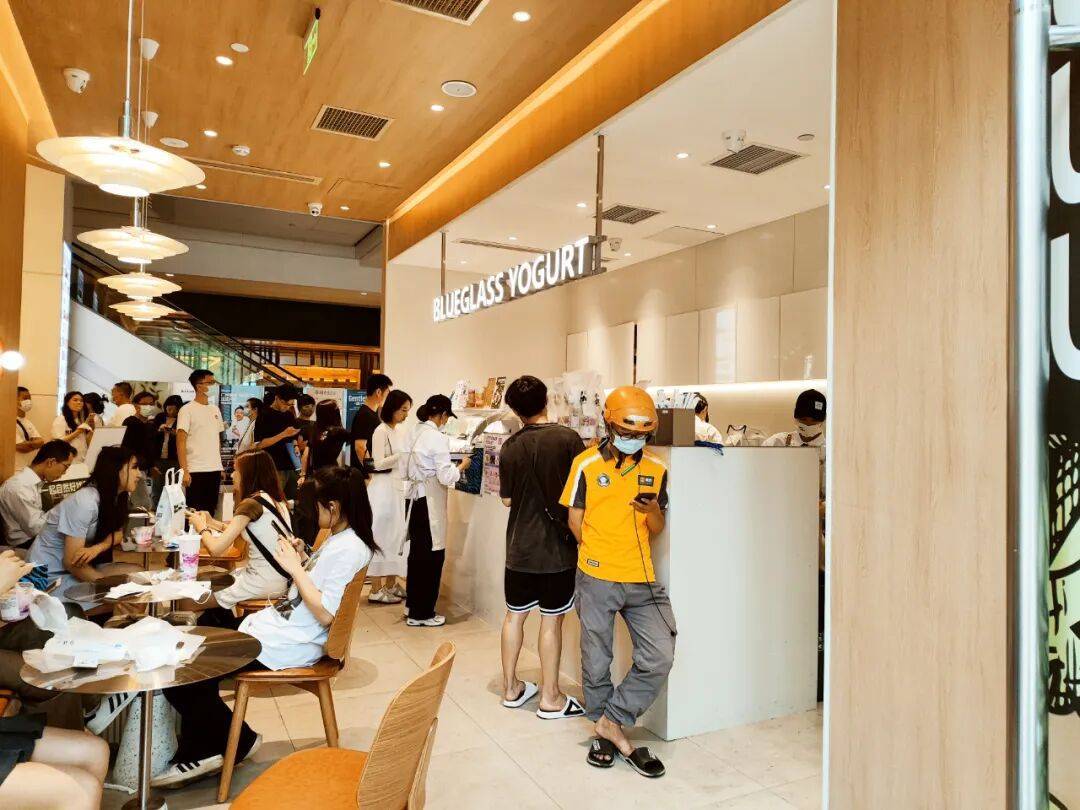
Blueglass

Search documents
天图“割肉”清仓,IDG资本18亿元抄底优诺!谁还相信“中产酸奶”的神话?
Xin Lang Cai Jing· 2026-02-26 02:37
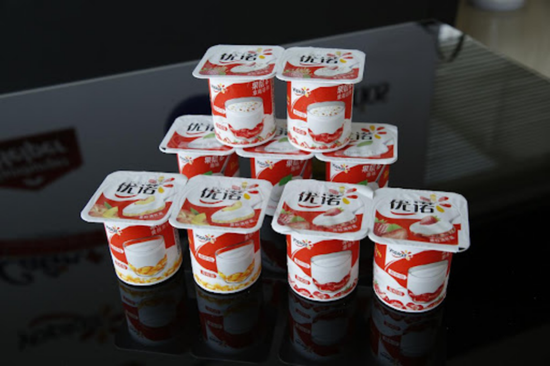
炒股就看金麒麟分析师研报,权威,专业,及时,全面,助您挖掘潜力主题机会! 来源:食品内参 作者丨佑木 编审丨橘子 近日,天图投资发布公告称,已完成向昆山诺源睿源出售优诺中国约86.96%的股权,总价约15.65亿元 人民币。至此,这家以"消费投资第一股"自居的机构彻底告别了曾被其寄予厚望的法国酸奶品牌优诺 (Yoplait)。 在资本的牌桌上,接棒的是IDG资本。加上管理层持有的股份,IDG以总对价约18亿元人民币的价格, 全资接手了优诺中国。 傲慢的代价 优诺进入中国的时间,踩在了中国中产阶级对"溢价"最执着的年份。 2013年,全球第二大酸奶品牌优诺由通用磨坊(General Mills)引入中国。彼时,通用磨坊在中国风头 正劲,手里握着哈根达斯和湾仔码头两张王牌。在跨国巨头的逻辑里,只要把哈根达斯的渠道和品牌势 能分给优诺,高端酸奶的江山便唾手可得。 天图接手时的价格相当划算。根据后续披露,其初始收购成本仅约3亿元人民币。在接下来的六年里, 天图确实给优诺"续了命"。 天图对优诺的改造逻辑是:去外企化,本土化。他们不再死守那杯高价酸奶,而是把产品线拉长,延伸 到了低温鲜奶、冰淇淋,甚至是酸奶奶昔。在渠道 ...






想喝Blueglass酸奶,哪里有大额券使用?美团App大额券攻略请收好
Zhong Guo Shi Pin Wang· 2026-02-06 13:30
2、外卖半价周末活动,满40减20元、满60减30元,每周五六日,外卖5折神券 这是美团App专属Blueglass的重磅福利,也是近期最值得冲的大额券活动,活动时间01月30日-02月8 日,覆盖多个周末,让大家周末解馋更划算。活动核心福利明确:每周五、周六、周日,美团Blueglass 外卖可领取5折神券,同时可叠加满40减20元、满60减30元大额满减,双重优惠可叠加使用,最低可实 现半价喝Blueglass。 具体用法拆解:每周五0点,美团App会准时上线Blueglass周末5折神券(最高抵扣30元),领取后,下 单满40元可同时享受"5折神券+满40减20元",相当于满40元最高减30元,到手仅需10元起;若下单满60 元,可叠加"5折神券+满60减30元",满60元最高减45元,到手仅需15元左右,比线下门店便宜一半以 上。 实测案例:周末和朋友拼单,点1杯原价49元的Blueglass小蛮腰西梅蜜桃酸奶+1杯原价42元的果冻橙冰 乳酸奶,总价91元。领取5折神券(抵扣30元)+满60减30元满减后,实际支付31元,人均仅15.5元,比 单独到店购买节省60元,优惠力度直接拉满。 作为被称为"酸 ...

【太平洋科技-每日观点&资讯】(2026-01-29)
远峰电子· 2026-01-28 12:56
Market Overview - The major indices showed mixed performance with the Shanghai Composite Index up by 0.27%, Shenzhen Component up by 0.09%, while the ChiNext Index fell by 0.57% [1] - The TMT sector led the gains with SW discrete devices up by 3.79%, SW communication cables and supporting up by 3.17%, and SW integrated circuit packaging and testing up by 2.23% [1] - Conversely, the TMT sector also saw declines with SW marketing agents down by 3.72%, SW portal websites down by 3.21%, and SW robotics down by 3.17% [1] Domestic News - Licheng Technology announced that its panel-level packaging (FOPLP) technology has received gradual certification from clients, with plans to establish an initial monthly production capacity of 3,000 pieces this year and an additional 3,000 pieces in Q1 next year [2] - Tailin Micro plans to acquire 100% of Panqi Micro, which has significant differentiated technology advantages in low-power and low-cost fields, with its ultra-low power RF transceiver technology achieving competitive levels against leading international manufacturers [2] - Anlu Technology raised 1.262 billion yuan through a private placement, with the net proceeds intended for advanced process platform ultra-large scale FPGA chip R&D projects and upgrades [2] - Haosheng Technology launched the world's first ultra-wide polarizer suitable for 130-inch LCD panels, improving visual uniformity and reducing overall energy consumption of LCD backlight modules [2] Overseas News - Meta and Corning announced a multi-year partnership worth up to $6 billion to accelerate the construction of advanced data centers in the U.S., supporting the development of applications and technologies for the metaverse [3] - Lightmatter announced a breakthrough in laser architecture with its ultra-large scale photonics technology, enhancing bandwidth density by 8 times for AI applications [3] - ASML expects significant growth in its EUV business by 2026, with revenues projected to increase compared to 2025 [3] - Texas Governor expanded the state's banned technology list, adding 35 Chinese tech companies and AI platforms [3] AI News - Google launched a low-cost subscription plan, Google AI Plus, originally designed for emerging markets, now available in the U.S. for $7.99 per month [4] - Blueglass introduced the Blueglass AI Alpha ring, a smart wearable device with various health monitoring features [4] - Guoxing Aerospace deployed the Qwen3 large model to its "Star Computing" space computing center, marking the first in-orbit deployment of a general large model [4] - OpenAI launched Prism, a free collaborative research platform based on GPT-5.2, integrating various research tools [4] Industry Tracking - Shuo Technology successfully tested the ignition of the "Mammoth No. 1" engine, which will be used in its medium-sized launch vehicle "Glacier No. 1" [5] - Virtual Reality announced completion of over 50 million yuan in Series A+ financing, focusing on AI algorithm development for brain diseases [5] - Jilin University developed a new high-sensitivity measurement technology based on surface plasmon resonance, aiming to break foreign technology barriers [5] - Ant Group's Lingbo Technology announced the open-source of its embodied AI model LingBot-VLA, enhancing generalization capabilities across tasks [5] Earnings Forecast - Industrial Fulian expects a net profit of 35.1 billion to 35.7 billion yuan for 2025, a year-on-year increase of 51% to 54% [6] - Zhenlei Technology forecasts a net profit of 12.3 million to 14.5 million yuan for 2025, a year-on-year increase of 529.64% to 642.26% [6] - Changchuan Technology anticipates a net profit of 1.25 billion to 1.4 billion yuan for 2025, a year-on-year increase of 172.67% to 205.39% [6] - Wol Nuclear Materials expects a net profit of 1.1 billion to 1.18 billion yuan for 2025, a year-on-year increase of 29.79% to 39.22% [6] High-Frequency Data Updates - The international DRAM spot prices showed varied changes, with DDR5 16G prices averaging $36.6, unchanged from the previous day [7] - Semiconductor material prices were reported, with 4N zinc oxide powder priced between 1,470 to 1,520 yuan per kilogram [8]

中产“自律三件套”,它第一个塌房?
虎嗅APP· 2026-01-08 13:50
Core Viewpoint - The myth of premium yogurt brands, particularly Blueglass, is rapidly collapsing as prices drop and consumer trust erodes [4][8][30]. Group 1: Market Dynamics - Blueglass, once dubbed the "Hermès of yogurt," has seen its prices slashed, with promotional offers as low as 45% off [5][6]. - Other brands like K22 and Mo Yogurt, which were once thriving, are now struggling to compete in the lower price segments [7][27]. - The once high-priced yogurt drinks, marketed as health products, are now facing a backlash as consumers question their quality and value [30][32]. Group 2: Consumer Behavior - Consumers are shifting away from the narrative of "fresh and healthy" towards a more straightforward desire for taste, as evidenced by the rise of dairy snacks like milk skin [44][53]. - The previous trend of spending on premium yogurt for health reasons is being replaced by a willingness to pay for indulgent treats, such as milk skin snacks [54][56]. - The perception of yogurt as a health product is diminishing, with consumers now prioritizing flavor over health claims [52][55]. Group 3: Brand Challenges - Blueglass and other yogurt brands are facing significant challenges, including quality control issues and negative publicity related to product safety [34][35]. - The rapid expansion of these brands has led to operational pressures that compromise product quality, resulting in a loss of consumer trust [34][36]. - As the market for premium yogurt collapses, brands are attempting to pivot by introducing new concepts, but consumer enthusiasm is waning [41][43].

高端酸奶的“泡沫” ,破了
3 6 Ke· 2026-01-06 12:13
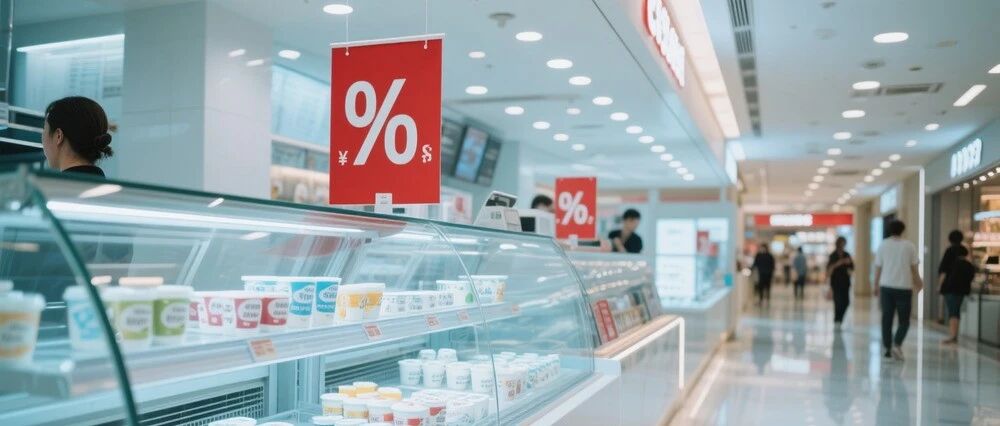
Core Insights - The high-end consumer goods industry has entered a "deep winter" in 2025, leading to widespread price reductions across various brands, including luxury cars, beauty products, and alcoholic beverages, with price drops exceeding 20% from peak levels [1] - The dairy industry, particularly high-end products, has also experienced significant price cuts, with reductions ranging from 30% to 50%, and some products seeing drops as high as 70% [1][3] Group 1: Market Dynamics - The decline in demand for high-end dairy products is not due to a general aversion to premium goods, but rather a failure of traditional brands to engage consumers effectively [4][5] - Consumers have become more rational and discerning, focusing on product quality and effectiveness rather than marketing narratives [5][6] Group 2: Marketing Strategies - Traditional marketing approaches, such as high-profile sponsorships and storytelling, are becoming less effective in reaching today's consumers, who are more skeptical and have diverse media consumption habits [9][10] - Brands like 越秀辉山 and Blueglass have struggled with outdated marketing strategies, leading to penalties and diminished brand reputation [7][8] Group 3: Product Differentiation - The dairy sector faces challenges in product differentiation, as many offerings are similar in taste and nutritional content, making it difficult to justify premium pricing [13][14] - To succeed, brands must find ways to enhance perceived value, such as emphasizing unique nutritional benefits or superior sourcing practices [17][27] Group 4: Future Opportunities - The aging population is expected to increase demand for high-quality nutritional products, presenting a cyclical opportunity for brands like 越秀辉山 to innovate and improve their offerings [28][29] - Companies should focus on modernizing marketing strategies and ensuring product quality to remain competitive in a changing market landscape [18][26]

中产「自律三件套」,它第一个塌房?
3 6 Ke· 2026-01-06 01:35
Core Insights - The premium yogurt market, once thriving, is experiencing a rapid decline, with brands like Blueglass seeing significant price reductions and a shift in consumer preferences [1][11][12] Industry Overview - Blueglass, once dubbed the "Hermès of yogurt," has slashed its prices from 49 yuan to promotional rates as low as 4.5 yuan [1] - Other brands like K22 and Mo Yogurt, which previously dominated the market, are now competing in the lower price segment, indicating a shift in market dynamics [7] - The once high-priced yogurt drinks, marketed as symbols of a healthy lifestyle, are losing their appeal as consumers become more price-sensitive [11][12] Market Trends - The narrative of "high-end yogurt equals middle-class health consumption" is collapsing, leading to a decline in sales and brand trust [28][30] - The rapid expansion of yogurt brands has resulted in quality control issues, further eroding consumer confidence [30] - New entrants in the market are aggressively competing, with brands like Mo Yogurt expanding their store count significantly, while others like Blueglass struggle to meet their expansion goals [25][26] Consumer Behavior - Consumers are shifting from premium yogurt drinks to more traditional dairy products, such as "milk skin," which are perceived as more satisfying and flavorful [37][48] - The focus has moved from health narratives to taste, with consumers now willing to pay for indulgent products rather than health-oriented ones [47][49] - The previous trend of purchasing high-priced yogurt for health reasons is being replaced by a preference for tasty, affordable options [48][50]
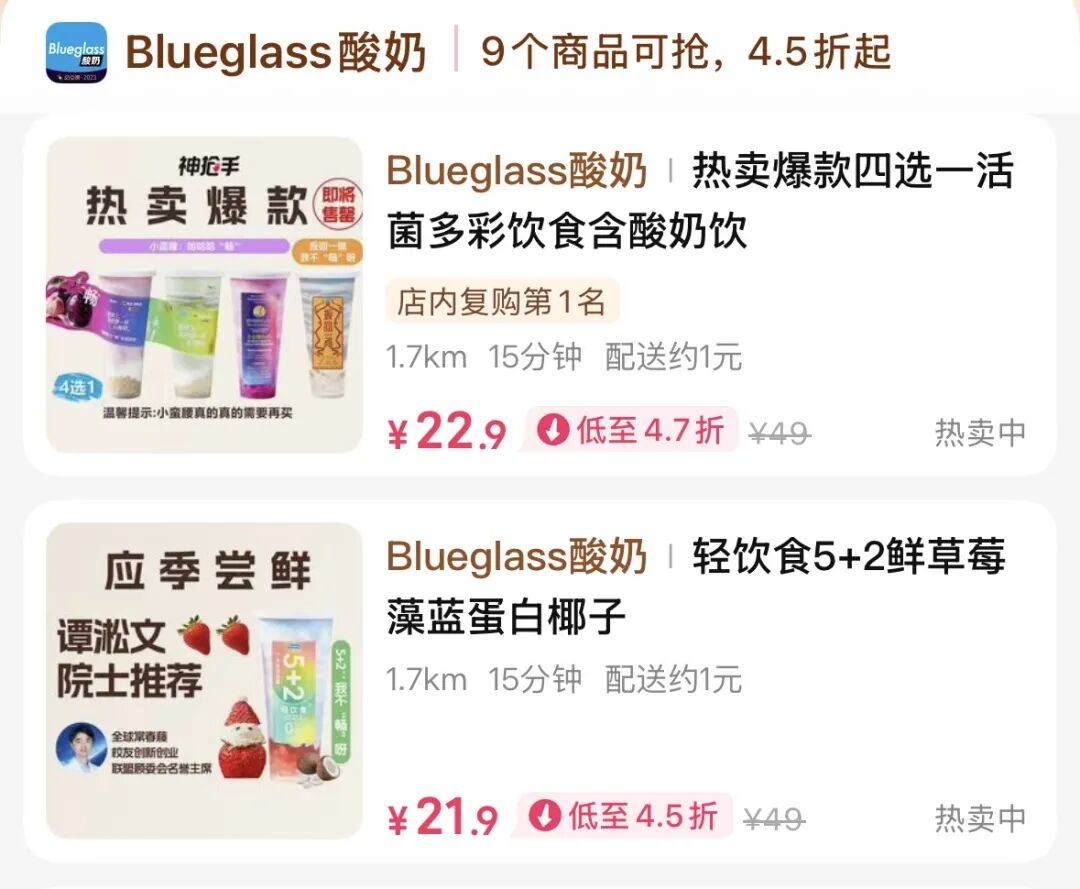
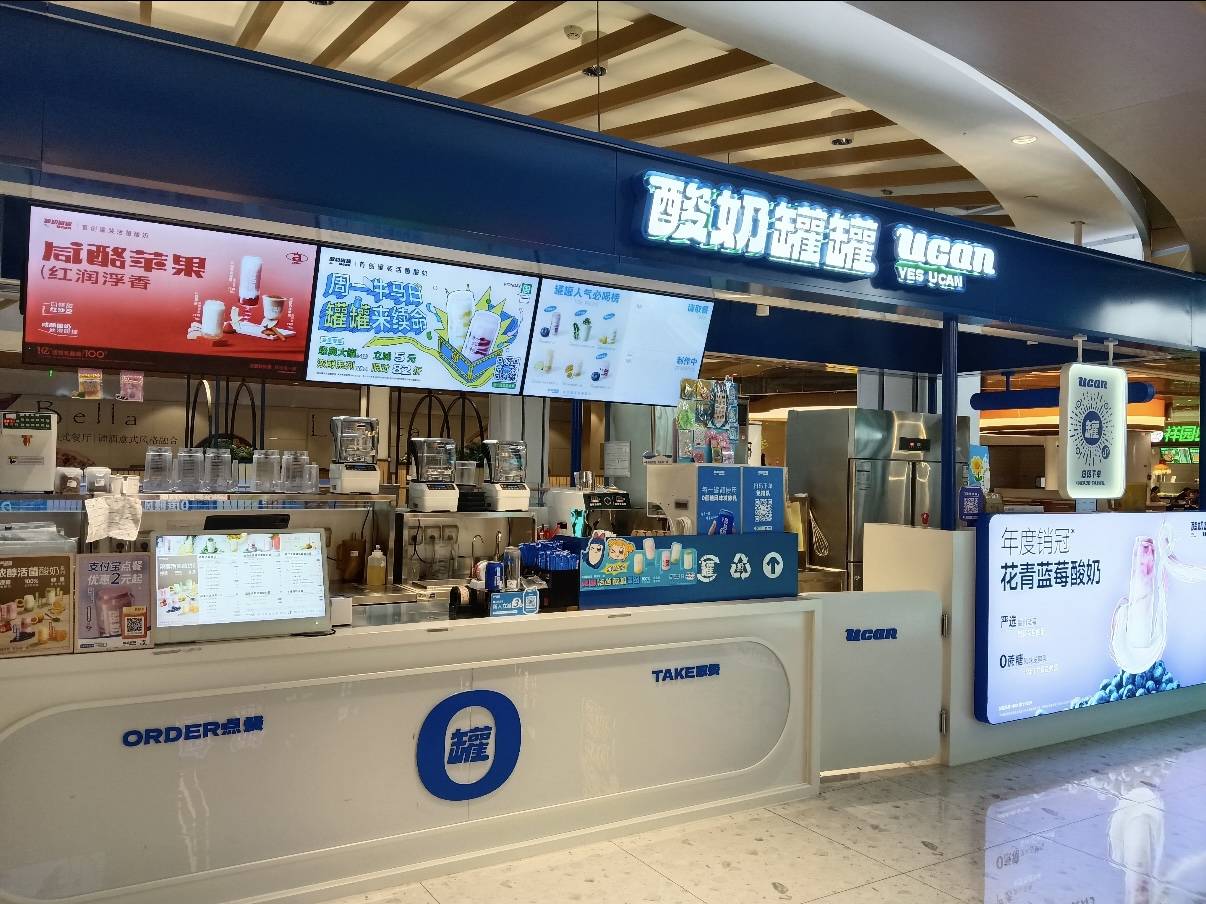
酸奶罐罐被茉酸奶收购,初创团队离场 | 茶咖独家
Sou Hu Cai Jing· 2026-01-04 12:22
Core Insights - The yogurt brand "Yogurt Can" has been acquired by "Mo Yogurt," leading to the departure of its founder and initial team, with its international expansion plans now shelved [2][3] - The yogurt industry is entering a consolidation phase, with several brands facing challenges and restructuring [15][16] Company Overview - "Yogurt Can" was established in 2023 as a project incubated by the tea brand "Gui Gui Tea," with ambitious plans to open 1,000 stores by 2024 and expand to 3,000 stores within three years [5] - As of December 9, 2024, "Yogurt Can" had 571 operational stores, experiencing a decline in store numbers, with 52 closures in the past month [5][12] Market Dynamics - The yogurt market is facing a downturn, with the compound annual growth rate for new-style tea drinks dropping from 24.9% (2017-2022) to an expected 6.4% in 2024 [15] - The challenges faced by "Yogurt Can" reflect broader issues in the fresh yogurt and new tea drink sectors, including seasonal product limitations and high operational costs [15][16] Strategic Moves - The acquisition of "Yogurt Can" by "Mo Yogurt" is seen as a strategic move to quickly increase market share and enhance distribution networks, particularly in lower-tier cities [16] - "Mo Yogurt" is also undergoing a leadership change, with its founder stepping down, which may complicate the integration of "Yogurt Can" [3][16] Operational Challenges - "Yogurt Can" has a dispersed store distribution, with 47.81% of its 571 stores located in East China, leading to logistical challenges and increased operational costs [6][9] - The brand's strategy of opening stores in high-rent shopping centers has created a mismatch between low-priced products and high operational costs, contributing to financial strain [12][15]
Blueglass大幅降价引争议 高价现制酸奶如何说服市场?
Zhong Guo Jing Ying Bao· 2025-11-28 21:12
Core Viewpoint - Blueglass Yogurt has significantly reduced its prices in response to market competition and changing consumer behavior, indicating a shift in strategy to regain market traction [3][4][5] Pricing Strategy - Blueglass is offering discounts of around 50% on some products online and a promotion of 99 yuan for 5 cups offline, making the price per cup less than 20 yuan [3][4] - The brand's previous pricing strategy has been challenged as it has never offered such discounts before 2023 [4] Market Position and Challenges - Blueglass, established in 2012, has faced difficulties in achieving its goal of opening 1,000 stores within three years, with only 214 stores currently operational [4][9] - The brand's rapid expansion has slowed, and it has entered new markets in cities like Xuzhou and Dongguan this year [5] Marketing and Brand Perception - Blueglass initially gained popularity through effective marketing strategies targeting urban professionals and fitness enthusiasts, but recent price cuts suggest a need to adapt to a more price-sensitive consumer base [5][6] - The brand has faced criticism for exaggerated health claims and has been penalized for misleading advertising, which has negatively impacted its reputation [6][7] Product Quality and Consumer Trust - There are concerns regarding the efficacy of Blueglass's high-end yogurt products, with some consumers reporting adverse effects such as diarrhea, leading to skepticism about the brand's claims [7][8] - Industry experts suggest that the brand's marketing-driven approach rather than product-driven innovation has led to a decline in consumer trust [8][9] Future Outlook - Experts recommend that Blueglass focus on product quality and innovation to regain consumer confidence and market share, rather than relying solely on marketing tactics [8][9]
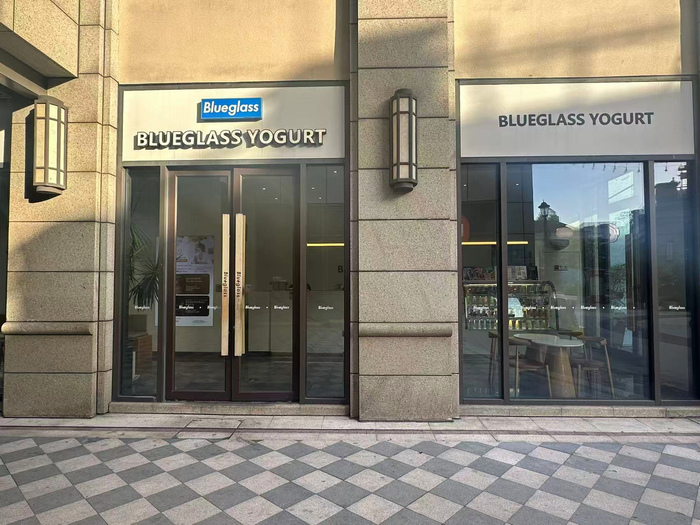
Blueglass降价:高端现制酸奶品牌的困境与行业变局
Xin Lang Cai Jing· 2025-11-28 10:13
Core Insights - Blueglass, once known as the "Hermès of yogurt," has significantly reduced prices for several products, with the "Slim Waist" series dropping to 22.9 yuan per cup, over 50% lower than the original price of 49 yuan [1] - The price cuts reflect a necessary response to pressures from capital, regulation, industry competition, and internal operations, indicating a deep transformation in the high-end yogurt market [1] Group 1: Brand Foundation and Market Positioning - Blueglass established its high-end positioning through capital investment and targeted marketing, completing two rounds of financing between 2020 and 2021, which provided expansion funds and a "new consumption internet celebrity brand" label [2] - The brand strategically located 82.24% of its stores in core shopping malls and 10.75% in high-end office buildings, often near Starbucks and lululemon, targeting health-conscious women aged 25-35 [2] Group 2: Pricing and Marketing Strategy - Regular product prices typically range from 40 to 49 yuan, with the SVIP membership system launched in 2024 offering 4 free cups and 12 discounted cups, resulting in an effective price of around 38 yuan per cup [3] - The introduction of the "AI Doctor Customized Yogurt" in September 2025 aimed to elevate the brand's high-end narrative, claiming a 91.3% increase in butyrate levels in the gut, attracting 970,000 participants for customization [3] Group 3: Challenges Leading to Price Cuts - The price reduction is a survival strategy amid multiple challenges, including a lack of capital support and cash flow issues, with new store openings decreasing from 76 in 2023 to 59 in 2024, and further to 33 in 2025 [4] - Regulatory penalties for promotional violations and a decline in consumer willingness to pay for "health premiums" have contributed to a trust crisis, with the repurchase rate for high-priced yogurt dropping from 35% in 2023 to 22% in 2025 [5] - The experience of the "AI Customized Yogurt" did not meet consumer expectations, leading to dissatisfaction, while high rental costs and marketing expenditures strained the cost structure [5] Group 4: Industry Impact and Brand Positioning Dilemma - Blueglass's price cuts have broader implications for the yogurt industry, creating a dilemma of losing high-end positioning while struggling to attract lower-end consumers [6] - The price reduction accelerates the collapse of the high-end bubble in the yogurt market, highlighting the need for brands to focus on product value rather than relying solely on health concepts and high-end marketing [7]
价格腰斩、开店放缓!“酸奶界爱马仕”不行了?
Sou Hu Cai Jing· 2025-11-24 09:04
Core Insights - Blueglass Yogurt, referred to as the "Hermès of yogurt," is facing negative news, including being listed as an executed party with a claim amounting to 2.2163 million yuan [1] - The brand has recently reduced prices significantly, with some products dropping over 50% from their original prices, indicating a shift in market dynamics and consumer sentiment [2][5] - The rapid growth and high-end positioning that once characterized Blueglass are now under scrutiny as the market for fresh yogurt cools down, leading to a slowdown in store openings and a reevaluation of business strategies [9][14] Company Overview - Blueglass Yogurt was initially positioned as a premium brand targeting middle-class women, leveraging functional ingredients and a luxurious store design [3] - The brand experienced significant popularity in 2023, with long queues at new store openings, but this enthusiasm has waned [5][6] - Despite a rapid expansion plan that aimed for over 1,000 stores within three years, the actual growth has slowed, with only about 60 new stores opened in 2024 [8][9] Market Dynamics - The fresh yogurt market, once a hot trend, is now facing challenges as consumer preferences shift towards more rational spending, making high-priced products less competitive [9][10] - Many brands in the fresh yogurt sector are struggling, with some reducing their store counts significantly, indicating a broader industry contraction [9][12] - New entrants with differentiated offerings are emerging, suggesting a potential shift towards a more sustainable and innovative market landscape [12][14]