Zoox

Search documents
Waymo opens robotaxi service to 'select riders' in Houston, Dallas, San Antonio and Orlando
CNBC· 2026-02-24 14:00
Alphabet-owned Waymo on Tuesday opened its robotaxi service to some public passengers in Dallas, Houston, San Antonio and Orlando, the company announced. With the multi-city expansion, Waymo is now operating its service in 10 U.S. cities, extending its lead in the North American driverless ride-hailing market. The Google sister company is aiming to lock in loyal riders and win over skeptics, including six in 10 U.S. drivers who said they were fearful of driverless cars, according to a 2025 survey by the Ame ...


给特斯拉松绑,向中国下战书:解读2026美国新法
3 6 Ke· 2026-02-09 11:14
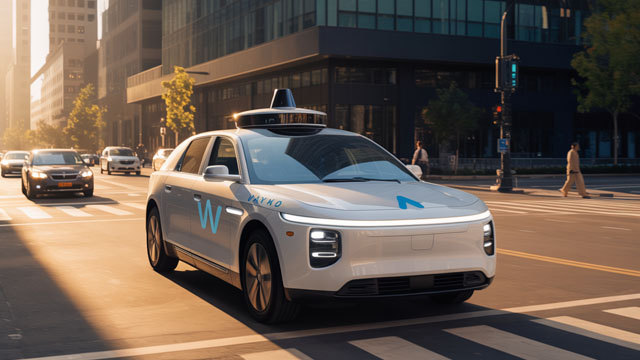
2026年伊始,自动驾驶产业发展的冲锋号,从大洋彼岸吹过来。 在审议《2026年自动驾驶汽车法案》草案的听证会上,美国自动驾驶政策风向发生180 度大转弯。 委员会主席Bilirakis高喊,立法核心动力是"战胜中国"(This legislation is also necessary to successfully compete against communist China)。会议推出了精准解决商业化三大"拦路虎"的方案: 一是产能的解放。 针对无方向盘车辆,此前每家车企每年仅有2500辆的豁免额度,这仅够维持小规模测试。新规将其大幅 提升至90000辆,跨过了量产化的红线,被视为专门为特斯拉Cybercab和Waymo的大规模量产开绿灯。 二是权力的回收。 此前加州等地法规严苛,车企面临法规割裂的困局。新规提出的"联邦优先权(Preemption)",拟禁止 各州自行制定自动驾驶性能标准,确立了联邦法律的至高地位,以防止类似加州对Robotaxi实施的严苛 限制再次出现。 三是监管逻辑的进化。 企业不再需要向政府提交极其详尽的原始代码,这既涉及核心商业机密,又超出了政府的审计能力。而 是改为提交"安 ...

2亿用户,撑不起Uber的自动驾驶梦
汽车商业评论· 2026-02-05 23:06
Core Viewpoint - Uber's recent financial report highlights significant growth in user engagement and bookings, but concerns over profitability and market competition have led to a decline in stock price despite positive operational metrics [6][12][13]. Financial Performance - In Q4 2025, Uber reported a 22% increase in ride-hailing trips to 3.8 billion, with total bookings also rising 22% to $54.1 billion, and revenue growing 20% to $14 billion [6]. - Monthly active users reached a record 202 million, an 18% increase year-over-year, doubling from 100 million in 2019 [7][8]. - Operating profit for Q4 2025 was $1.77 billion, a 130% increase, but fell short of analyst expectations of $1.85 billion by $80 million [18]. Growth Drivers - The growth in bookings was attributed to new products and services, including the Uber One subscription service and expanded offerings in holiday travel and airport transportation [17]. - The food delivery segment also performed well, capturing market share from competitors by introducing more non-food merchants and increasing discounts [17]. Profitability Concerns - Despite revenue growth, Uber's profitability remains a concern, with significant losses from investments in companies like Lucid and Grab leading to a $1.6 billion write-down [19]. - The company anticipates a higher effective tax rate of 22%-25% in 2026, which could further pressure profit margins [22]. Autonomous Driving Strategy - Uber views autonomous driving as a key future growth area, investing heavily and forming partnerships with various technology firms [25][26]. - The company plans to deploy 25,000 autonomous vehicles on its platform and expand services to 15 global markets by the end of 2026 [28][30]. - Uber argues that its existing user base and operational experience will allow it to achieve better utilization and economic benefits from autonomous vehicles compared to independent operators [31]. Market Competition - The autonomous vehicle market is competitive, with companies like Waymo and Tesla advancing their own technologies, which poses a threat to Uber's strategy [42][44]. - Regulatory challenges in major cities may delay the rollout of autonomous services, impacting Uber's ability to capitalize on high-margin markets [46]. Investor Sentiment - Investor confidence is wavering, as the potential impact of autonomous vehicles on Uber's core business remains uncertain, leading to stock price volatility [47].
对话智能房车 Pebble 创始人杨秉锐:怎么用苹果的方式造房车?
晚点Auto· 2026-02-05 06:19
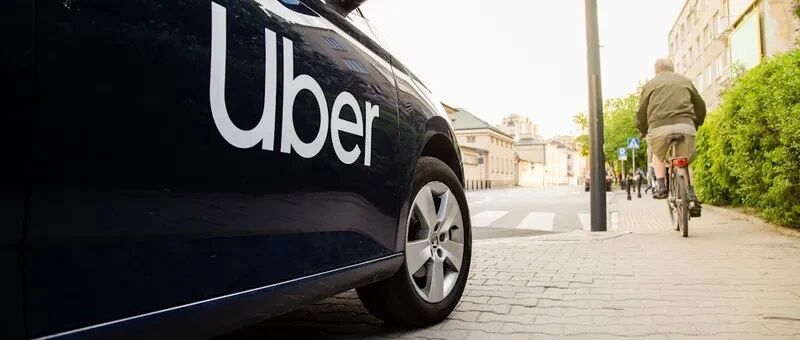
Core Viewpoint - Pebble is the first company to mass-produce and deliver smart RVs, aiming to revolutionize the RV industry by integrating advanced technology and user-friendly features into their products [1][2]. Group 1: Company Overview - Pebble's first product, Pebble Flow, is a fully electric trailer RV equipped with a 45kWh battery and dual motor system, allowing it to operate autonomously and significantly improving user experience [2][5]. - The company has already delivered hundreds of units and is experiencing positive user feedback, particularly regarding its automated features like the Magic Hitch [5][6]. - Pebble aims to establish itself as a high-end brand before expanding into the mass market, similar to Tesla's strategy with its Model S/X [3][10]. Group 2: Market Context - The RV market in the U.S. is valued at approximately $25 billion annually, with only about 10% of American households owning an RV, indicating significant growth potential [3][14]. - Competition is increasing with new entrants like Lightship and KEPLO, but Pebble's first-mover advantage and established user base position it favorably in the market [3][10]. Group 3: Product Features and Innovations - Pebble Flow features a unique design that allows for easy towing and parking, with automated systems that reduce the time and effort required for setup [6][9]. - The RV is designed with a focus on energy efficiency, utilizing a high-voltage battery system that allows for extended use without the need for frequent recharging [7][15]. - The interior design maximizes space efficiency, with multifunctional areas that enhance usability without compromising comfort [9][8]. Group 4: Competitive Advantage - Pebble's team possesses a strong internal drive and commitment to product excellence, which contributes to its rapid production and delivery capabilities [13][30]. - The company leverages a global supply chain, sourcing components from China while maintaining assembly in the U.S., which enhances efficiency and cost-effectiveness [16][17]. - Pebble's focus on user experience and addressing common pain points in traditional RVs sets it apart from competitors who may not prioritize these aspects [6][19]. Group 5: Future Plans - The company plans to expand its product line and develop a comprehensive maintenance network across the U.S. by 2026, while also exploring new product innovations [31][30]. - Pebble's long-term vision is to create a scalable living platform centered around energy and smart technology, moving beyond just selling RVs [31].
估值超千亿美元,Robotaxi海外巨头加速商业化落地
Xuan Gu Bao· 2026-02-03 00:16
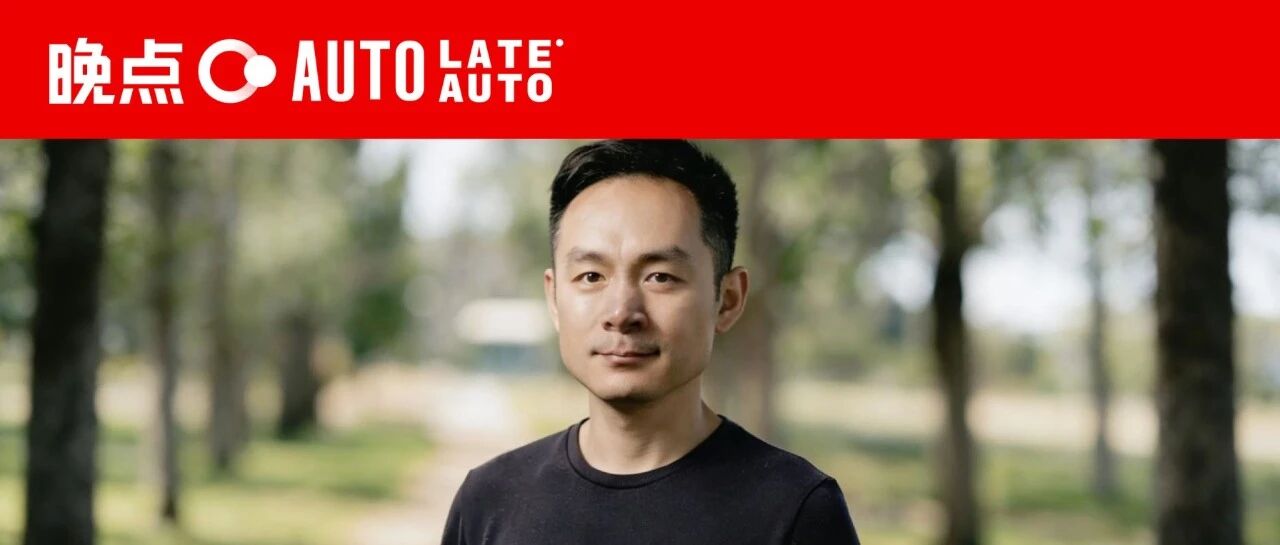
Group 1 - Waymo, a subsidiary of Alphabet, announced the completion of a $16 billion financing round, resulting in a post-money valuation of $126 billion [1] - Robotaxi, which supports L4/L5 autonomous driving technology, has commenced fully unmanned commercial operations in cities such as Beijing, Shenzhen, Shanghai, and San Francisco, with leading companies including Pony.ai, WeRide, RoboTaxi, Yuanrong Zhixing, and Waymo [1] - According to Guolian Minsheng, Robotaxi can significantly reduce accident rates by minimizing human error, enhancing safety, and is expected to reach a global market size of $100 billion by 2030 [1] Group 2 - On the supply side, key factors for the growth of Robotaxi include the reduction in hardware costs and improvements in operational efficiency [1] - The mass production of front-mounted Robotaxi is becoming a core driver for the industry's accelerated commercialization, transitioning from demonstration operations to large-scale implementation [1] - Tesla has entered the Robotaxi sector with a pure vision solution, acting as a new catalyst for the segment [1] Group 3 - In terms of company developments, Hengshuai Co. reported that its active perception cleaning products have been adapted for clients including Waymo, Meituan, and North American new energy customers [2] - Jingwei Hengrun identified major companies in the high-level intelligent driving overall solution business, including Waymo, Zoox, Pony.ai, TuSimple, and Mainline Technology [2]
X @TechCrunch
TechCrunch· 2026-01-28 17:04
San Francisco Police Department investigating Zoox collision with a parked car https://t.co/vTwyOq8oim ...
Tesla Begins Robotaxi Rides in Austin Without Safety Drivers
Youtube· 2026-01-23 18:37
Core Insights - The development of autonomous vehicles is gaining momentum, with multiple players entering the market, indicating increased confidence in the technology [1][4] - Tesla's vision-only platform is now operating on public roads without human supervision, marking a significant milestone in the autonomous vehicle sector [2][3] - Waymo is currently leading in commercial ride-hailing services, aiming to reach one million rides per week by the end of the year, while Tesla's presence remains limited [5][6] Industry Landscape - The regulatory environment has not hindered competitors, and the rapid entry of new players is reshaping the market dynamics [5][6] - Waymo's deployment in multiple cities without human supervision is a key factor in its competitive advantage [6][7] - Consumer acceptance of autonomous vehicles is growing, with data suggesting that users in San Francisco are increasingly comfortable with Waymo's services [8][10] Global Context - The global readiness for autonomous vehicles is on the rise, with various countries allowing more operators to experiment with these technologies [10] - Partnerships between companies like Uber and Waymo in different regions, including Austin and China, indicate a collaborative approach to expanding autonomous ride-hailing services [8][9]
Tesla launches robotaxi rides in Austin with no human safety driver
TechCrunch· 2026-01-22 18:51
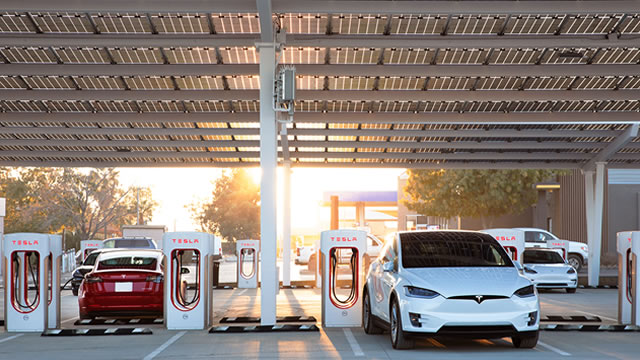
Core Insights - Tesla has initiated robotaxi rides in Austin without a human safety driver, marking a significant step in its autonomous vehicle strategy [1] - CEO Elon Musk announced this development on social media, celebrating the Tesla AI team's efforts and inviting engineers to join the team [1] - The robotaxi service in Austin began with limited deployment last June, initially requiring a safety operator, and transitioned to testing without a driver in December [2] Deployment Details - The current fleet in Austin will not be entirely driverless; a mix of supervised and unsupervised vehicles will operate, with plans to increase the ratio of unsupervised vehicles over time [3] - It remains unclear whether Tesla is charging for these rides, as competitors like Zoox and Waymo did not charge for their initial driverless rides [3]
AI 时代:智能驾驶从技术想象走向产业现实
Zhong Guo Qi Che Bao Wang· 2026-01-15 08:30
Core Insights - The automotive industry is undergoing a profound transformation driven by artificial intelligence (AI), moving from early concept validation to practical implementation, reshaping the entire industrial ecosystem from technology development to business models [1][2]. Group 1: Restructuring the Automotive Value Chain - The core of the AI era is "cognition," contrasting with the "computation" focus of the information age, characterized by data-driven societal mechanisms, algorithm-influenced decision-making, and human-machine collaboration [4]. - AI systems possess learning, reasoning, and self-optimization capabilities, participating as "cognitive partners" in production, management, and service processes, significantly impacting manufacturing, transportation systems, and urban operations [4][5]. - Multiple countries have elevated AI to a national strategic level, promoting technological innovation and industrial application integration through systematic policies [4]. Group 2: Technological Pathways in Autonomous Driving - Three differentiated technological routes have emerged in the global autonomous driving sector: 1. The robust route represented by Waymo, utilizing a combination of lidar, radar, and cameras, achieving L4-level commercial operations but facing high costs and slow scalability [6]. 2. The aggressive route advocated by Tesla, relying on a "pure vision" approach with lower hardware costs, primarily applied in L2+/L3-level driving assistance, but facing challenges in extreme scenarios [6]. 3. The system redundancy route explored by Zoox, focusing on physical redundancy in vehicle structure and sensor layout, aiming for L4/L5-level fully autonomous driving but with a longer commercialization cycle [6]. - Autonomous driving technology has demonstrated high reliability in practical applications, such as Waymo vehicles operating smoothly in complex urban environments, enhancing passenger safety and trust through transparent real-time interaction [6][7]. Group 3: Future of Autonomous Driving - There is no "one correct" technological answer for autonomous driving; companies must balance safety, cost, scalability, and reliability [7]. - As AI agent capabilities evolve, computing costs decrease, and regulatory frameworks improve, autonomous driving is expected to expand from pilot projects to broader applications [7]. - Future competition will focus not only on sensors or algorithms but also on system engineering capabilities, data loop construction, and long-term technological patience, marking the beginning of a significant revolution in mobility [7].

CES上的“物理AI”拐点:Robotaxi走向规模化,人形机器人供应链悄然形成
硬AI· 2026-01-14 15:22
Core Insights - Deutsche Bank predicts that 2026 will mark the year of large-scale deployment for Robotaxis and humanoid robots, transitioning from testing to commercialization [2][3] - The report emphasizes the emergence of a new supply chain for humanoid robots, with suppliers shifting focus to achieve mass production [3][5] Group 1: Humanoid Robot Supply Chain - The supply chain for humanoid robots is taking shape, with actuators becoming the "muscle" entry point [4] - Schaeffler aims to be a key supplier of actuators for humanoid robots, showcasing a compact integrated planetary gear actuator at CES [6] - Hyundai Mobis plans to supply actuators for Boston Dynamics' Atlas, leveraging the automotive supply chain for manufacturing [7] Group 2: Onboard Chip Landscape - Nvidia remains the dominant player in onboard processors for humanoid robots due to performance and ease of use, with various companies utilizing its Jetson Orin or Thor [8][9] - Tesla and Xpeng are developing their own inference chips, indicating a diversification in the chip landscape [9] Group 3: Physical AI Transition - A significant paradigm shift is observed from pre-programmed actions to visual-language-action (VLA), enabling robots to reason and complete tasks [11][12] - The industry debate has shifted from "simulation vs. reality" to how to efficiently close the loop between the two [14] Group 4: Commercial Viability of Humanoid Robots - The report suggests that general-purpose humanoid robots will initially be deployed in specific scenarios to prove commercial viability before entering households [18][19] - Keenon Robotics holds a 40% global market share in service robots, with plans to showcase its humanoid robot XMAN-R1 at CES 2026 [20] Group 5: Cost Reduction and Scalability - Cost reduction in humanoid robots is driven by increased volume and improved supplier negotiations, with some companies reporting costs dropping from $200,000 to $100,000 [22][24] - Mobileye's Mentee project indicates that with an annual production of 50,000 units, manufacturing costs could drop to $20,000 per unit, and potentially to $10,000 with 100,000 units [24] Group 6: Robotaxi Commercialization Momentum - Deutsche Bank believes that 2026 will see stronger commercialization momentum for Robotaxis, with Tesla planning to launch its Robotaxi in 2025 [26][27] - Waymo has provided over 10 million paid rides since its inception, with plans to expand its service to international markets [27][28] Group 7: Nvidia's Alpamayo Platform - Nvidia introduced the Alpamayo platform for autonomous driving, aiming to lower the barrier for automakers to deploy advanced capabilities [30][31] - Despite the potential advantages, concerns remain about whether Nvidia can meet real-world edge cases compared to Tesla's data collection [31][32] Group 8: Industry Innovations - Aptiv showcased an end-to-end AI-driven ADAS platform, emphasizing cross-industry applications and real-time data sharing [33] - Visteon launched a SmartCore HPC domain controller with 700 TOPS, facilitating the integration of multiple sensors into a single system [35]