α收益

Search documents
老王、老李竟用 β进行投资抉择?
私募排排网· 2026-03-11 10:00
Core Viewpoint - The article discusses the differing investment strategies of two individuals, Lao Wang and Lao Li, in the context of the Shanghai Composite Index nearing 4000 points, highlighting the use of beta coefficients to guide their investment decisions [2][3]. Group 1: Understanding Beta Coefficient - The beta coefficient is derived from the Capital Asset Pricing Model (CAPM) and measures a fund's sensitivity to market fluctuations, typically represented by a major index like the CSI 300 [3]. - A beta of 1 indicates that a fund moves in sync with the market; for instance, if the market rises by 10%, the fund is likely to rise by 10% as well [5]. - A beta greater than 1 signifies that the fund is more volatile than the market; for example, a beta of 1.5 suggests that a 10% market increase could lead to a 15% increase in the fund [5]. - A beta between 0 and 1 indicates that the fund is less volatile than the market, with a beta of 0.5 meaning a 10% market rise could result in a 5% increase in the fund [5]. - A negative beta, though rare, implies that the fund moves inversely to the market [6]. Group 2: Investment Strategies Based on Beta - Lao Wang, with a higher risk tolerance, is advised to focus on funds with a beta greater than 1 to amplify potential returns, particularly in sectors like technology that typically exhibit higher beta values [15]. - Lao Li, who prefers a defensive approach but is concerned about missing out on gains, should consider funds with a beta between 0 and 1, which are generally more stable and found in sectors like high-dividend and utilities [15]. - It is noted that beta is calculated based on historical data and cannot predict future performance; thus, it should be used alongside other risk metrics like maximum drawdown and Sharpe ratio for a comprehensive risk assessment [15].


为什么中证500能逆势领跑?指增布局良机已到? | 资产配置启示录
私募排排网· 2026-03-02 03:48
Core Viewpoint - The A-share market is experiencing a significant style shift, with the CSI 500 Index leading the way with a nearly 16% increase as of February 27, 2026, outperforming other major indices like the CSI 300 and CSI 1000, reaching a ten-year high [2]. Group 1: Performance of CSI 500 Index - The CSI 500 Index has a dual logic of technology growth and cyclical recovery, benefiting from multiple thematic rotations and market dividends [7]. - The top ten industries in the CSI 500 Index by weight include Electronics, Power Equipment, Nonferrous Metals, Machinery, Pharmaceuticals, Defense, Non-bank Financials, Basic Chemicals, Computers, and Automobiles [7]. - The CSI 500 Index's significant weight in sectors like Aerospace, Nonferrous Metals, and Semiconductors contributes to its strong performance [10]. Group 2: CSI 500 Index Enhancement Strategy - The CSI 500 Index enhancement strategy aims to achieve returns that exceed the benchmark index through active management while strictly tracking the index [12]. - The core advantage of the CSI 500 enhancement strategy lies in its "active enhancement" capability, distinguishing it from traditional index funds [11]. - The sources of returns in the CSI 500 enhancement strategy are divided into beta returns (market average returns) and alpha returns (excess returns from active management) [12]. Group 3: Advantages of CSI 500 Index for Enhancement - The CSI 500 Index is characterized by a balanced industry distribution, moderate market capitalization, ample liquidity, and significant alpha potential, making it an ideal candidate for enhancement strategies [18]. - The average market capitalization of CSI 500 constituent stocks is approximately 27 billion, with 97% of stocks between 10 billion and 49.9 billion, mitigating liquidity risks associated with small-cap stocks [21]. - The CSI 500 Index offers numerous mispricing opportunities due to less crowded research coverage compared to the CSI 300, allowing for greater potential excess returns [22]. Group 4: Future Value of CSI 500 Index Enhancement - As of February 27, 2026, the CSI 500 Index has shown strong performance, but the overall enhancement funds have underperformed the benchmark, with an average return of 9.80% as of February 13, 2026, and a negative excess return of -1.23% [25]. - The top five stocks in the CSI 500 Index contributed significantly to its gains, indicating a concentration in performance that challenges the ability of enhancement strategies to outperform the index [25]. - Understanding the core value of the CSI 500 enhancement strategy involves recognizing its potential for long-term beta returns from mid-cap growth stocks while continuously generating alpha through quantitative models [25].
国信证券:金价波动不改金饰龙头长期逻辑 AI+赋能代运营商业务破局
Zhi Tong Cai Jing· 2026-02-03 06:17
Group 1 - The core viewpoint of the report is that despite short-term emotional impacts from gold price fluctuations, the fundamental performance of the retail sector remains stable due to a shift towards brand building, craftsmanship innovation, and cultural narrative capabilities, which are expected to generate "alpha returns" [1] - The gold and jewelry sector is experiencing significant price volatility, with COMEX gold rising by 12.28% at the beginning of the year but then dropping by 8.35% in a single day. However, this volatility is not expected to affect the long-term growth of leading companies in the sector [1] - Companies with strong pricing advantages and operational capabilities in Hong Kong and Macau, as well as top firms with good product design or differentiation capabilities, are likely to continue strengthening their business advantages and achieve sustained high growth [1] Group 2 - The investment recommendation maintains an "outperform" rating for the sector, anticipating that after a certain increase in domestic and international markets by the end of 2025, there may be increased volatility in the market, with potential elasticity in the consumer sector under marginal policy support [3] - In the gold and jewelry segment, the industry is entering a consumption peak season, and overall valuations are low. Companies with a high proportion of investment gold business and those with fixed-price product capabilities are expected to achieve stable growth [3] - The beauty and personal care sector is returning to low valuations, with traditional leaders showing signs of a turning point. Companies that have developed platform mechanisms are expected to ensure growth sustainability through both internal and external means [3] Group 3 - The cross-border e-commerce sector has demonstrated strong risk resistance capabilities over the past year, and the application of AI in channels and products is expected to catalyze fundamental growth through cost reduction and product innovation [3] - The offline retail sector is entering a sales peak season at the end of the year, and a continuous recovery in CPI may positively impact same-store sales for supermarkets. Ongoing adjustments in multiple supermarkets and the introduction of private labels present multiple highlights for the future [3]

商贸零售行业 2 月投资策略:金价波动不改金饰龙头长期逻辑,AI+赋能代运营商业务破局
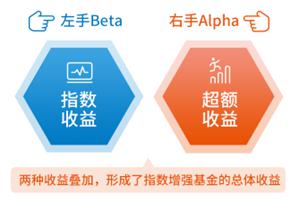
Guoxin Securities· 2026-02-03 05:26
Group 1: Core Insights - The report maintains an "outperform" rating for the retail sector, indicating potential for growth in the consumer market, particularly in the jewelry and beauty segments, as well as cross-border e-commerce [3][51]. - Fluctuations in gold prices have short-term emotional impacts on the jewelry sector, but the long-term growth logic remains intact, driven by brand building, craftsmanship innovation, and cultural storytelling [1][12]. - AI applications are rapidly being integrated into the retail sector, particularly through online service providers, which are leveraging deep partnerships with major e-commerce platforms to enhance consumer insights and brand strategies [2][19]. Group 2: Industry Summaries - In the gold and jewelry sector, companies with a high proportion of investment gold business, such as Cai Bai Co., are expected to achieve stable growth despite short-term price fluctuations, with projected net profits for 2025 expected to increase by 47.43% to 71.07% [1][14]. - The beauty and personal care sector is seeing a return to low valuations, with traditional leaders showing signs of recovery and new product launches expected to drive growth [3][51]. - Cross-border e-commerce leaders have demonstrated strong resilience against risks, with AI applications expected to enhance cost efficiency and product innovation, providing a catalyst for sustained growth [3][51]. Group 3: Recent Industry Data - In December 2025, the total retail sales of consumer goods reached 45,136 billion yuan, with a year-on-year growth of 0.9%, indicating a weak overall growth trend influenced by high base effects from the previous year [24][30]. - Online retail sales for the year reached 159,722 billion yuan, growing by 8.6%, with physical goods online retail accounting for 26.1% of total retail sales, reflecting a slight increase in penetration [25][30]. - The jewelry category saw a year-on-year growth of 5.9% in December, supported by rising prices and holiday gifting demand, while the cosmetics category grew by 8.8% due to promotional activities and consumption upgrades [30].


应对金价波动,以复盘对比2013年“抢金潮”为参考
Zhong Guo Neng Yuan Wang· 2026-02-03 02:33
Core Viewpoint - The report highlights the similarities between the current gold price fluctuations and the "gold rush" of 2013, emphasizing the impact on consumer behavior and industry growth dynamics [1][2][3] Group 1: Historical Context and Market Response - In April 2013, a significant drop in gold prices led to a surge in gold product purchases, with retail sales growth in gold and jewelry reaching 72.16% [2][5] - The "gold rush" phenomenon resulted in substantial annual performance improvements for companies like Luk Fook Holdings, which reported a revenue increase of 43.3% and a net profit growth of 50% in the fiscal year following the price drop [7] - The subsequent decline in gold prices from 2013 to 2015 led to a demand pullback, with retail sales growth slowing to 0.04% in 2014, indicating a potential consumption overhang from the previous buying spree [8] Group 2: Current Market Dynamics and Consumer Behavior - The current gold price fluctuations are characterized by a prolonged price increase before the recent downturn, suggesting a similar initial consumer enthusiasm as seen in 2013 [3][4] - The current investment demand is driven by long-term asset allocation and wealth preservation rather than short-term speculative buying, as evidenced by the growth in investment gold products [9][10] - Companies with strong product differentiation and branding, such as Lao Pu Gold and Chow Tai Fook, have shown resilience and growth despite high gold prices, indicating a shift in consumer preferences towards quality and cultural narratives [10][11] Group 3: Investment Recommendations - The report suggests focusing on companies that can leverage the current market conditions, such as Cai Bai Co., which combines investment gold bars and jewelry, and Luk Fook Holdings, which has competitive advantages in pricing and operations [4][12] - Companies with strong product design and differentiation capabilities, like Lao Pu Gold and Chao Hong Ji, are also recommended for investment due to their ability to achieve significant growth in a challenging market environment [12]


【博道基金】指数+油站 | 不想只赚市场平均?指数增强助你“多赚一点”
Zheng Quan Shi Bao Wang· 2025-09-18 03:19
Core Viewpoint - Index-enhanced funds are designed to provide a balance between the ease of index investing and the potential for higher returns than the market average [1] Group 1: Mechanism of Index-Enhanced Funds - Index-enhanced funds aim to achieve returns that exceed a specific index through a combination of active management and quantitative strategies, seeking to outperform the index by losing less in downturns and gaining more in upturns [2] - The returns of index-enhanced funds can be divided into two components: β returns (market returns) and α returns (excess returns) [3] Group 2: Performance Data - Historical data indicates that index-enhanced products have consistently outperformed the index, achieving significant excess returns over time [4] - From 2010 to 2024, the average return of the CSI 300 enhanced funds has consistently surpassed that of the CSI 300 index, with a cumulative excess return exceeding 67% [5][6] Group 3: Market Context - The potential for obtaining excess returns in the A-share market is greater compared to overseas markets, primarily due to a higher proportion of individual investors in China, leading to more significant valuation fluctuations [7] - Given the current market conditions, index-enhanced products may be more suitable for ordinary investors seeking excess returns compared to passive index products [7]
宇宙行的稳健哲学
华尔街见闻· 2025-08-30 09:01
Core Viewpoint - The article highlights the performance of Industrial and Commercial Bank of China (ICBC) in the first half of the year, emphasizing its stable revenue growth and asset quality despite a slight decline in net profit, positioning it as a resilient player in the banking sector amidst challenging market conditions [1][2][3]. Financial Performance - ICBC reported a revenue of 409.08 billion yuan and a net profit of 168.10 billion yuan, with year-on-year growth rates of 1.8% and a decline of 1.39% respectively [1]. - The bank maintained an asset growth rate of 7.16%, with total assets exceeding 52 trillion yuan, and deposits and loans growing by 5.9% and 6.4% respectively compared to the beginning of the year [1]. - The bank's revenue growth returned to positive territory, with an increase of 8.03 percentage points compared to the same period last year, marking the best performance in three years [3]. Asset Quality - ICBC's asset quality remained stable, with a non-performing loan ratio improving to 1.33% and a provision coverage ratio increasing to 217.71% [2][5]. - The bank's capital adequacy ratio rose to 19.54%, indicating a strong capital position [5]. Core Business Strengths - ICBC leads the market in loans to manufacturing and strategic emerging industries, with loan balances exceeding 5 trillion yuan, 4 trillion yuan, and 6 trillion yuan respectively [5]. - The bank's annualized Return on Assets (ROA) and Return on Equity (ROE) were maintained at reasonable levels of 0.67% and 8.82% respectively [5]. Technological Investment - The bank's investment in financial technology accounted for 3.63% of its operating income, with 8.6% of its workforce dedicated to technology roles [6]. - ICBC has enhanced its intelligent risk control capabilities, applying its enterprise-level intelligent risk control platform across all domestic branches [6]. Market Position and Valuation - ICBC's dividend yield stands at 4.15%, leading among its peers, with a total cash dividend of approximately 50.40 billion yuan for the year [9][10]. - The bank's price-to-book (PB) ratio is at 0.72, significantly lower than its historical average, indicating a strong valuation margin [11][12]. - The bank's stock has shown a three-year annualized return of 19.34%, outperforming the broader market [8]. Future Outlook - The macroeconomic policies are expected to provide a favorable environment for ICBC's business expansion, aligning with national development strategies [7]. - The bank's ability to maintain stable dividends and low valuations positions it as an attractive investment option for long-term investors [14][15].

指数基金成了 “香饽饽”,主动管理难道要 “凉了”?
Sou Hu Cai Jing· 2025-08-15 12:32
Group 1 - The core viewpoint of the articles highlights the significant shift in the investment landscape, where passive index funds, particularly ETFs, have gained prominence over active equity funds since 2021, reflecting a growing preference for beta returns over alpha returns [2][3][19] - The rise of passive index investing is attributed to its ability to provide market-average returns with lower fees and reduced volatility, making it more appealing to individual investors [10][19] - Data shows that from 2022 to 2024, active equity funds faced challenges such as net value drawdowns and shrinking scales, while passive index funds experienced substantial growth, especially during market rallies [3][19] Group 2 - The performance comparison of different types of equity funds over the past five years indicates that passive index funds have lower average maximum drawdowns and positive returns across various time frames, demonstrating their risk-return advantage [7][19] - The top-performing index funds in recent years have shown remarkable returns, with some achieving over 100% growth in one year, underscoring the effectiveness of passive investment strategies [9][16] - Active management remains relevant, as some actively managed funds have outperformed their benchmarks, particularly in volatile market conditions, suggesting that both passive and active strategies can complement each other in a diversified investment approach [15][18]
北京这个区,正在打造“LGC”特色新模式
母基金研究中心· 2025-06-05 01:32
Core Viewpoint - The article discusses the innovative "LGC model" developed by Shunyi District in Beijing, aiming to address the alignment of interests between General Partners (GP) and Limited Partners (LP) in government investment funds, especially in the context of uncertain capital market exit environments [1][2]. Group 1: LGC Model and Its Features - The LGC model integrates both GP and LP roles within the government, leveraging state-owned financial licenses for credit financing, thus creating a unified investment and lending mechanism [1][2]. - The Shunyi model is characterized by a focus on enhancing capital efficiency and fostering collaboration between different financial entities within the same system, avoiding fragmentation seen in other regions [17][18]. Group 2: Background of Key Personnel - Lyu Yajun, the General Manager of Shunyi State-owned Assets Company, has a diverse background, including experience in international finance and government negotiations, which positions him uniquely to lead the district's investment initiatives [2][5][9]. - His previous roles include significant positions in major financial institutions, where he managed large-scale investment banking teams and participated in high-profile transactions exceeding $20 billion [5][9]. Group 3: Economic Development and Investment Strategy - Shunyi District is transitioning from an industrial zone to an investment-driven area, focusing on developing a modern industrial system with key sectors including new energy vehicles, third-generation semiconductors, and aerospace [10][11]. - In 2023, Shunyi's GDP reached 220.3 billion yuan, with a year-on-year growth of 7%, indicating a strong economic performance [10][11]. Group 4: Investment Fund Development - The Shunyi government initiated its first guiding fund in 2017, with a subscribed scale of 10 billion yuan, and has since established multiple sub-funds, attracting over 350 billion yuan in management scale [11][12]. - The second phase of the guiding fund, with a total scale of 10 billion yuan, is set to be established in 2024, focusing on direct investments managed by local teams [13][20]. Group 5: Market Trends and Future Outlook - The article emphasizes the importance of "patient capital" in the current investment landscape, where long-term investments are becoming more critical due to increased uncertainty in exit strategies [23][24]. - Shunyi aims to redefine investment returns by considering various factors such as financial returns, regional economic contributions, and industry development impacts, with a goal to elevate the district's investment capabilities within 2-3 years [28][29].

α+β收益双轮驱动 华商中证500指数增强即将结束募集
Xin Lang Ji Jin· 2025-05-29 00:59
Group 1: Index Investment Growth - The appeal of index investment has been increasingly recognized by investors over the past three years, leading to rapid growth in index fund sizes, particularly in enhanced strategy index funds, which have seen a hot layout from investors [1] - As of this year, 57 enhanced strategy index funds have been issued or are in the process of being issued, with a total scale exceeding 29 billion yuan [1] Group 2: Zhongzheng 500 Index Characteristics - The Zhongzheng 500 Index has become one of the most representative mid-cap growth broad-based indices in the A-share market, consisting of 500 stocks that exclude the top 300 by market capitalization [2] - This index focuses on growth blue chips and industry leaders that align with industrial policy, showcasing both growth and value attributes, indicating potential long-term investment value [2] - The sample companies in the Zhongzheng 500 Index primarily have market capitalizations between 10 billion and 50 billion yuan, with an average market cap of approximately 25.7 billion yuan and a median of about 23.7 billion yuan [2] Group 3: Industry Distribution and Performance - The Zhongzheng 500 Index covers 11 primary and 33 secondary industries, with the largest secondary industry weight at around 8%, indicating a balanced and low concentration industry distribution [3] - The index includes both traditional industries and high-growth sectors, capturing growth dividends from emerging industries, suggesting high growth potential and investment value in the medium to long term [3] - Historical performance shows that the Zhongzheng 500 Index has a cumulative return of 470.33% since its base date, with an annualized return of 9.19%, outperforming the Shanghai Composite Index and the CSI 300 Index [3] Group 4: Enhanced Strategy Funds - Enhanced strategy funds aim to achieve returns that exceed the benchmark index while tracking it, utilizing subjective or quantitative adjustments to the investment portfolio [4] - Research indicates that Zhongzheng 500 enhanced strategy funds have achieved positive excess returns over their benchmarks, particularly notable in the long term, with median returns of 4.86%, 6.80%, and 24.65% over the past year, three years, and five years, respectively [4] - The management of enhanced strategy funds requires a high level of skill in stock selection and market timing, likened to piloting an aircraft with the flexibility to adjust within certain limits [5] Group 5: Fund Management Team - The Huashang Zhongzheng 500 Enhanced Index Fund is managed by a team of experienced quantitative investment professionals, including Dr. Deng Mo and Dr. Hai Yang, who bring extensive backgrounds in quantitative analysis and investment research [7][10] - Dr. Deng Mo has over 13 years of experience in investment research and management, focusing on a balanced investment style that combines quantitative models with active management [7] - Dr. Hai Yang specializes in integrating fundamental research with quantitative thinking, emphasizing systematic risk and return monitoring across different sectors [10] Group 6: Market Environment - The A-share market has seen increased trading activity since the "924" market rally, supported by policy boosts and improved investor sentiment, creating a favorable environment for enhanced strategy indices [10]