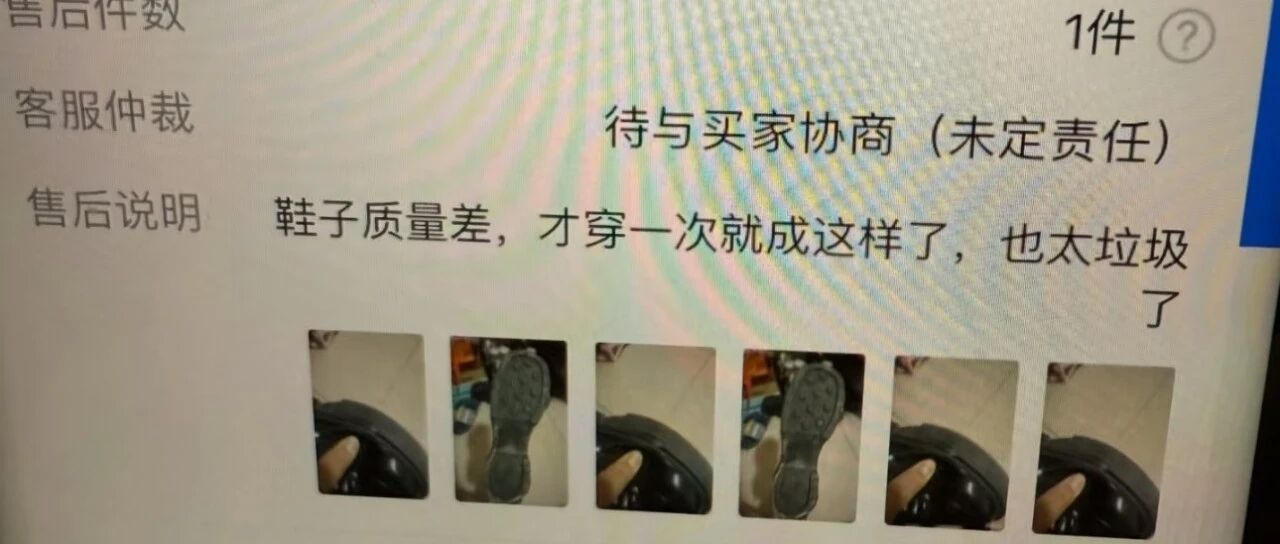
仅退款

Search documents
两项新规齐发!剑指“大数据杀熟”“仅退款”与直播乱象
券商中国· 2026-01-07 12:19
Core Viewpoint - The newly released regulations by the State Administration for Market Regulation and the National Internet Information Office aim to address issues such as "refund only" and "lowest price on the internet," as well as problems related to counterfeit goods and false marketing in live e-commerce [1][5]. Group 1: Platform Rules Supervision - The "Platform Rules Supervision Measures" enhance the responsibilities of platform enterprises by focusing on four key areas: transparency in procedures, fairness in execution, protection of rights, and social co-governance [2]. - The new regulations require platforms to publicly disclose rules and modifications, ensuring clarity and accessibility for merchants and consumers [3]. - Platforms must establish a mechanism for regular communication and consultation regarding significant rule changes, ensuring all stakeholders' opinions are considered [4]. Group 2: Live E-commerce Regulation - The "Live E-commerce Supervision Measures" clarify the legal responsibilities of various participants in the live e-commerce ecosystem, including platform operators and marketing personnel, to combat issues like counterfeit goods and false marketing [5]. - The regulations introduce innovative supervisory tools, including flow control mechanisms, to manage the unique characteristics of the live e-commerce industry [5]. - The new rules also address the regulation of digital human hosts and AI-generated content, ensuring that such technologies do not facilitate the spread of false information [6].


两项新规齐发!剑指“大数据杀熟”
证券时报· 2026-01-07 10:40
Core Viewpoint - The newly released regulations by the State Administration for Market Regulation and the National Internet Information Office aim to address issues such as "refund only" and "lowest price across the network," as well as problems related to counterfeit goods and false marketing in live e-commerce [1][2]. Group 1: Platform Rules Supervision - The "Platform Rules Supervision Measures" are designed to clarify the responsibilities and obligations of platform enterprises regarding their rules, addressing issues like arbitrary rule-making, abuse of rules, and lack of transparency in execution [3][4]. - The new regulations focus on four main areas to strengthen the accountability of platform enterprises: enhancing governance transparency, improving fairness in rule execution, safeguarding the rights of all parties, and establishing a multi-party supervision mechanism [4][5][6][7]. - Specific requirements include publicizing platform rules clearly, soliciting opinions from stakeholders, and ensuring that platforms inform users of any negative management measures taken against them [9][10][11][12]. Group 2: Live E-commerce Regulation - The "Live E-commerce Supervision Measures" aim to clarify the legal responsibilities of all participants in the live e-commerce ecosystem, including platform operators, live streamers, and service providers, while addressing issues like counterfeit goods and false marketing [15]. - The regulations introduce a comprehensive responsibility system that includes pre-qualification, tiered management, credit evaluation, and complaint mechanisms for live e-commerce platforms [15]. - New regulatory tools will be implemented to manage traffic and ensure compliance, including measures such as warning, limiting functions, and blacklisting non-compliant accounts [15][16].

买家“蹭穿”背后的平台困局
Xin Lang Cai Jing· 2026-01-02 17:26
Core Viewpoint - The recent controversy surrounding "malicious returns" in online shopping highlights the ongoing conflict between consumer rights and merchant protections, indicating a need for improved e-commerce platform regulations [1][2][3] Group 1: High Return Rates - Merchants are facing high return rates, with some clothing items experiencing return rates as high as 80-90% due to policies like "seven-day no-reason returns" and "shipping insurance" [3][4] - A merchant reported receiving a returned down jacket that had been worn and damaged, sparking significant public outrage [2][3] - The introduction of "shipping insurance" has led to an increase in return rates, as it lowers the barriers for consumers to return items [3][4] Group 2: Merchant Responses - To combat high return rates, some merchants have implemented measures such as oversized tags and locks on clothing to deter "try-and-return" behavior [5][6] - Statistics show that the use of oversized tags has reduced the rate of malicious returns from 42% to 18% [6] - Merchants are advised to document the return process and communicate clearly with customers to mitigate disputes [7] Group 3: E-commerce Platform Regulations - E-commerce platforms are being urged to refine their return policies to balance the interests of consumers and merchants, as current rules may favor consumers excessively [8] - Alibaba's 1688 platform announced plans to eliminate "refund only" options, shifting the burden of proof for product quality disputes to the platform based on seller credibility [8] - The current environment has led to a perception that many merchants are unreliable, while some consumers exploit return policies for personal gain [8]


最脏的一幕,出现了!
Xin Lang Cai Jing· 2025-11-20 16:15
Core Viewpoint - The rise of AI-generated fake images has led to a significant increase in fraudulent refund claims in the e-commerce sector, causing distress among merchants and undermining trust in the online shopping ecosystem [3][19][36]. Group 1: Impact on E-commerce - E-commerce platforms are facing a surge in fraudulent refund requests, where individuals use AI-generated images to falsely claim product defects [3][17]. - Merchants report that customers are submitting obviously fake images, sometimes with AI watermarks still visible, to justify their refund requests [5][8]. - The "only refund" policy, initially designed to streamline customer service, has become a burden for merchants as they now have to scrutinize refund requests more closely [17][22]. Group 2: Consequences for Merchants - Small businesses, particularly those in lower-tier cities, are severely affected by these fraudulent activities, with malicious refunds threatening their daily operations and livelihoods [23][24]. - The financial strain from these scams can wipe out the profits from multiple sales, pushing merchants into a precarious position where they must choose between accepting orders or risking losses [24][25]. - Merchants are increasingly raising prices to offset the risks associated with potential fraudulent refunds, which ultimately impacts consumers [22][36]. Group 3: Regulatory and Platform Responses - In response to the growing issue, regulatory bodies have begun implementing measures to combat AI misuse, including guidelines to prevent the malicious use of AI-generated content [29][30]. - E-commerce platforms are enhancing their verification systems to protect merchants' rights and prevent fraudulent activities [30][32]. - The establishment of an account integrity system aims to track and penalize users who engage in fraudulent refund practices [30][32]. Group 4: Trust and Ethical Considerations - The ongoing fraudulent activities are eroding the foundational trust that underpins the e-commerce ecosystem, leading to a situation where both consumers and merchants are increasingly suspicious of each other [19][36]. - The article emphasizes the importance of maintaining ethical standards in transactions, advocating for a return to simple, honest exchanges between buyers and sellers [38][39].

警惕AI生成的“仅退款”羊毛党
Bei Jing Shang Bao· 2025-11-19 04:00
Core Insights - The rise of fraudulent refund claims in the e-commerce sector is attributed to the misuse of AI tools, which allow individuals to manipulate product images and create false evidence of damage [1][2] - The "only refund" policy, intended to enhance consumer experience, is being exploited, leading to significant losses for honest merchants [2] Group 1: Fraudulent Practices - Some buyers are using AI to alter images of products, making them appear damaged or spoiled, to claim refunds without returning the items [1] - Commonly affected products include low-cost items such as cosmetics and fresh produce, where the frequency of these fraudulent claims can accumulate to substantial losses for merchants [1] Group 2: Merchant Rights and Legal Framework - Merchants have the right to refuse fraudulent claims and seek legal recourse to protect their interests, as the misuse of AI undermines the integrity of the "only refund" policy [2] - New regulations regarding AI-generated content have been implemented to prevent malicious use, emphasizing the need for clear guidelines to protect both buyers and sellers [2] Group 3: Industry Response - E-commerce platforms are encouraged to enhance AI image recognition technology and establish stricter review mechanisms to combat fraudulent activities [2] - As disputes over "only refund" claims increase, many merchants are revising their after-sales strategies to better protect themselves against such fraudulent practices [2]
【西街观察】警惕AI生成的“仅退款”羊毛党
Bei Jing Shang Bao· 2025-11-18 15:02
Core Points - The rise of fraudulent refund claims in the e-commerce sector is causing significant distress for honest merchants, as some buyers exploit AI tools to create fake evidence of product damage [1][2] - The misuse of AI technology undermines the original intent of the "refund only" policy, which aims to enhance consumer experience while protecting merchants' rights [2] Group 1 - The fraudulent practices involve manipulating product images to appear damaged or spoiled, affecting a range of low-cost items, leading to frequent but small-scale financial losses for merchants [1] - Merchants face a dilemma where the cost of defending against these claims often exceeds the value of the products involved, highlighting the challenges in the current e-commerce landscape [1][2] - The introduction of new regulations in September aims to clarify the use of AI-generated content, prohibiting malicious alterations and ensuring that merchants can protect their rights [2] Group 2 - E-commerce platforms are urged to enhance AI image recognition technology and implement stricter review mechanisms to combat the rise of AI-assisted fraud [2] - As disputes over "refund only" policies continue to increase, many merchants are adjusting their after-sales strategies to better navigate the challenges posed by AI misuse [2]
8点1氪:多部门连发预警,近期避免前往日本;“羊毛党”用AI假图骗“仅退款”:百元内商品成重灾区;雷军连续发文回应质疑
36氪· 2025-11-17 00:10
Group 1 - The Ministry of Culture and Tourism of China has issued a warning for Chinese tourists to avoid traveling to Japan due to rising safety risks and criminal cases targeting Chinese citizens [5][11] - The Ministry of Education has also released a study abroad warning, advising students in Japan or planning to study there to closely monitor local security conditions and enhance their risk awareness [5][11] Group 2 - A new AI-based scam has emerged in the e-commerce sector, where consumers use AI tools to create fake defect images to claim refunds for low-cost items [5][8] - This scam has developed into a more systematic gray industry, with individuals offering training on how to execute these refund scams for a fee [8] Group 3 - Major airlines including Air China, China Southern Airlines, and China Eastern Airlines have announced special measures allowing free refunds and changes for tickets related to Japan travel [11] - The airlines' actions follow a government advisory regarding safety concerns for Chinese citizens traveling to Japan [11] Group 4 - Samsung has announced a significant investment of 450 trillion KRW over the next five years in South Korea, focusing on expanding semiconductor production [9] - This investment is aimed at meeting the growing global demand for storage semiconductors and creating 60,000 new jobs [9] Group 5 - Apple plans to change its iPhone release strategy starting in 2026, moving to a biannual launch schedule for its flagship and mid-range models [9] - This marks a significant shift in Apple's product release strategy, which has traditionally focused on a single annual launch [9] Group 6 - Berkshire Hathaway's latest 13F report reveals that Warren Buffett has significantly reduced his stake in Apple, dropping from over 50% to 22.69% of the portfolio [16] - Concurrently, Buffett has initiated a new position in Alphabet, acquiring 17.84 million shares, making it the tenth largest holding in the portfolio [16]


用AI假图骗“仅退款”,这是今年双十一最脏的一幕
虎嗅APP· 2025-11-16 09:08
Core Viewpoint - The article discusses the negative impact of AI-generated images on e-commerce, particularly during the Double Eleven shopping festival, highlighting the rise of fraudulent refund claims using AI technology [4][5][6]. Group 1: E-commerce Trends - The atmosphere of this year's Double Eleven shopping festival is less vibrant compared to previous years, with a noticeable decline in excitement and engagement [4][5]. - The trend of increased return rates during Double Eleven is being exploited by some consumers who use AI to create fake evidence for refund claims [7][12]. Group 2: Fraudulent Practices - Some consumers are using AI to manipulate images of products, such as socks and nasal cleaners, to falsely claim defects and request refunds without returning the items [11][13][18]. - The practice of "only refunding" (不退货仅退款) allows consumers to receive refunds without returning products, which has been abused by individuals creating fake images [11][12]. Group 3: Impact on Small Businesses - Small businesses, often run by individuals or families, face significant financial losses due to malicious refund claims, which can wipe out their daily profits [42][46]. - A single fraudulent refund can equate to the profit from multiple sales, severely impacting the sustainability of small e-commerce operations [45][46]. Group 4: Ethical Concerns and Future Implications - The article raises concerns about the ethical implications of using AI for deceitful purposes, suggesting that the technology, while beneficial, is being misused by some individuals [49][78]. - There is a growing fear that trust between consumers and businesses may erode as AI-generated evidence becomes more sophisticated and harder to detect [53][56].

用AI假图骗“仅退款”,这是今年双十一最脏的一幕
创业邦· 2025-11-14 03:42
Core Viewpoint - The article discusses the decline in the excitement surrounding the Double Eleven shopping festival, highlighting the rise of fraudulent practices using AI to exploit refund policies in e-commerce [6][34]. Group 1: E-commerce Trends - The atmosphere of Double Eleven has become less vibrant compared to previous years, with fewer engaging activities and promotions [6]. - The introduction of the "refund without return" policy, initially launched by Pinduoduo in 2021, has been exploited by consumers, leading to increased fraudulent refund requests [8][9]. Group 2: Fraudulent Practices - Some consumers are using AI to manipulate images and falsely claim product defects to obtain refunds without returning items, which poses a significant challenge for small businesses [19][28]. - Examples include altering images of products like nasal cleaners and shoes to misrepresent their condition, often forgetting to remove watermarks, which indicates a lack of awareness or care [10][15][21]. Group 3: Impact on Small Businesses - Small businesses, often run by individuals or families, face severe financial repercussions from fraudulent refund claims, which can wipe out their daily profits [31]. - The article emphasizes the emotional and financial toll on these small merchants, who work hard to sustain their businesses [31]. Group 4: Ethical Considerations - The article raises concerns about the moral implications of using AI for deceitful purposes, contrasting the potential positive uses of AI with its exploitation for fraud [34][35]. - It suggests that the increasing ease of creating fake evidence undermines trust in transactions and could lead to a broader societal decline in ethical behavior [34].

用AI假图骗“仅退款”,这是今年双十一最脏的一幕。
数字生命卡兹克· 2025-11-14 01:21
Core Viewpoint - The atmosphere of this year's Double Eleven shopping festival is notably less vibrant compared to previous years, with a shift towards darker and more troubling behaviors among some consumers [1][3][4]. Group 1: Consumer Behavior - There has been an increase in return rates during Double Eleven, with some consumers using AI to manipulate images and fraudulently request "refund only" claims from merchants [6][10]. - The "refund only" mechanism allows buyers to receive refunds without returning items, which has been exploited by some consumers to deceive merchants [9][10]. - Instances of consumers using AI to create fake images of defective products, such as a nasal cleaner, have been reported, showcasing a new level of deceit [11][13]. Group 2: Impact on Merchants - Small merchants, often operating with minimal profit margins, face significant losses from malicious refund claims, which can wipe out their daily earnings [36][42]. - A single fraudulent refund can equate to the profit from multiple sales, severely impacting the sustainability of small businesses [40][42]. - The emotional and financial toll on small business owners, who work tirelessly to fulfill orders, is highlighted as they become victims of these deceptive practices [36][43]. Group 3: Ethical Concerns and Future Implications - The rise of AI-generated fraud raises serious ethical questions about trust and integrity in consumer transactions, as the ability to easily fabricate evidence undermines the credibility of genuine claims [49][50]. - The article suggests that as AI technology advances, the potential for misuse will also grow, leading to a decline in trust between consumers and merchants [49][50]. - The narrative emphasizes the need for a moral compass in the face of technological advancements, urging individuals to maintain ethical standards despite the convenience offered by AI [50].