渠道多元化

Search documents
2025年中国白酒线上交易数据分析报告
未知机构· 2026-03-11 08:55
Investment Rating - The report indicates a positive investment outlook for the online liquor market, with a projected market size of 930 billion yuan in 2025, reflecting an 18.5% year-on-year growth [5][32]. Core Insights - The online channel continues to be the core growth engine for the liquor industry, with a significant increase in penetration rate to 16.3% [5][8]. - The market is shifting from traditional e-commerce dominance to a multi-channel ecosystem that includes content e-commerce and instant retail [5][18]. - The top three platforms, JD, Tmall, and Douyin, hold over 85% market share, indicating a high concentration of leading brands [5][18]. Summary by Sections Market Overview - The online liquor market is expected to reach 930 billion yuan in 2025, with a year-on-year growth of 18.5%, adding 145 billion yuan to the market size [7][32]. - The penetration rate of online sales has increased to 16.3%, showcasing the growing importance of online channels in liquor distribution [5][8]. Platform Comparison - JD, Tmall, and Douyin are the leading platforms, with JD accounting for 45% of the market share and a year-on-year growth of 32% [18]. - Douyin has shown the highest growth rate at 89%, while instant retail has experienced explosive growth of over 200% [18][20]. Brand Ranking - Moutai leads the online market with a 22% share, followed by Wuliangye and Luzhou Laojiao [22]. - The top brands are experiencing significant growth, with Moutai's instant retail sales increasing by over 600% [22]. Consumer Insights - The primary consumer demographic is males aged 36-45, making up 33% of the market, while younger consumers aged 18-35 are becoming increasingly significant [24]. - Key consumption scenarios include family gatherings (24%) and business banquets (19%), with brand recognition being the most critical decision factor [24]. Industry Trends and Forecast - The report identifies four key trends: continued channel diversification, polarization between high-end and budget products, increasing brand concentration, and the rise of instant retail as a new growth driver [26]. - The market is projected to reach 1.1 trillion yuan by 2026, with an 18% growth rate and an online penetration rate of 18% [27][32].




贵州茅台(600519):营销改革复盘专题:笃行不怠,臻于至善
Soochow Securities· 2026-03-03 13:55
Investment Rating - The report maintains a "Buy" rating for Kweichow Moutai [1] Core Views - The marketing reform of Kweichow Moutai has transitioned from a "channel-centric" approach to a "consumer-centric" model, focusing on expanding consumer reach and enhancing brand loyalty through diversified products and marketing strategies [7][12][22] - The company has established a "pyramid product matrix" to optimize its product structure, ensuring a balance between high-end and entry-level offerings, which helps stabilize revenue and maintain brand prestige [24][27][30] - The pricing mechanism has been adjusted to be more market-oriented, with dynamic pricing strategies that align with market conditions, thereby reducing speculation and stabilizing sales [31][32] Summary by Sections Marketing Reform Review - Kweichow Moutai's marketing reforms can be categorized into five phases, each responding to macroeconomic conditions and market demands, with a focus on channel diversification and direct sales enhancement [12][14][22] Product Optimization - The product matrix has evolved from a single flagship product to a structured pyramid model, which includes a range of products from entry-level to high-end offerings, catering to various consumer needs [24][27] - New product launches are closely tied to market cycles, with a focus on cultural and seasonal themes to enhance consumer engagement [29][30] Pricing Mechanism - The company has implemented a dynamic pricing strategy that adjusts retail prices based on market conditions, aiming to align with actual market prices and reduce price volatility [31][32]
清洁标签、全麦、低 GI 混战:千亿市场的常温包装面包的未来在哪?
东京烘焙职业人· 2026-03-03 08:32
Core Insights - The article discusses the transformation of the Chinese packaged bread market, highlighting the shift from long-shelf-life to short-shelf-life products, driven by changing consumer preferences towards health and freshness [4][7][12]. Market Overview - The overall market size for bread in China is projected to exceed 200 billion yuan by 2025, with packaged bread accounting for 45% of the market share, expected to surpass 900 billion yuan [6]. - Short-shelf-life bread is becoming dominant, expected to account for over 60% of the packaged bread market by 2025, while long-shelf-life bread remains significant in niche markets [7]. Consumer Trends - There is a notable shift in consumer preferences towards health-oriented products, with sales of whole grain, low GI, and clean label breads expected to reach 38.4% of the market by 2025 [9][11]. - 68% of consumers are willing to pay a premium of over 20% for bread with health claims, indicating a strong market for health-focused products [11]. Historical Development - The evolution of the packaged bread market can be divided into three phases: 1. Long-shelf-life dominance, characterized by brands like Dali Garden and Panpan, focusing on convenience and affordability [12]. 2. The rise of short-shelf-life products, led by brands like Taoli, emphasizing freshness and quality [15]. 3. A current focus on health, with a diverse range of products competing in the market [18]. Sales Channels - Supermarkets remain the largest sales channel for packaged bread, but their market share is declining, while convenience stores are experiencing rapid growth [7]. - Online sales, including e-commerce, account for 10.1% of the market, with health-oriented products driving growth [7]. Product and Marketing Changes - The product landscape is shifting from sweet breads to health-oriented options, with a significant increase in the availability of whole grain and functional breads [33]. - Marketing strategies are evolving from price-based narratives to health value propositions, focusing on ingredient transparency and nutritional benefits [35]. Challenges and Opportunities - The industry faces challenges from the increasing prevalence of freshly baked bread, price wars, and the rapid evolution of consumer demands [39][42]. - However, the industrialized nature of packaged bread offers efficiency advantages that freshly baked products cannot match, particularly in terms of distribution and cost [47]. - The health trend presents opportunities for brands that can innovate and meet consumer demands for cleaner, healthier products [50][51]. Technological Innovations - Advances in technology are reshaping the competitive landscape, with new methods for preserving freshness and improving ingredient quality [54][56]. - The focus on clean labels and health-oriented formulations is becoming a standard requirement for market entry, driven by regulatory changes and consumer expectations [34].


商业秘密|车厘子跌价2成、草莓和橙价腰斩,揭水果集体降价真相
Di Yi Cai Jing· 2026-01-31 03:44
Core Viewpoint - The recent decline in fruit prices in Shanghai's markets reflects a broader trend in the fruit industry, driven by both supply chain upgrades and changes in consumer demand, with a notable shift towards domestic fruit production as a future trend [1][4][9]. Price Trends - Prices for popular fruits such as cherries and strawberries have dropped significantly, with cherries seeing a price reduction of over 20% and strawberries experiencing a price drop of around 50% within a month [4][5]. - Specific price data shows that imported cherries fell from 57 yuan per kilogram in January 2025 to 45 yuan in January 2026, while strawberries dropped from 43 yuan to 35.5 yuan per kilogram in the same period [4][5]. Supply and Demand Dynamics - The overall fruit prices have decreased by 20% to 30% due to an oversupply in the market, particularly for imported fruits like cherries, which have seen increased imports leading to lower prices [9][10]. - The production of domestic fruits such as sugar oranges and strawberries has increased, with sugar orange production reaching 6.5 million tons in 2025, a 25% increase year-on-year [9][10]. Market Competition - The simultaneous harvest of various fruits has intensified competition, leading to price wars, especially among lower-quality fruits [11][12]. - The rise of e-commerce and improved supply chain logistics has reduced costs and allowed for more competitive pricing at the retail level [11][12]. Impact on Producers - The decline in prices has adversely affected upstream fruit growers, with some experiencing a drop in purchase prices by 40% to 50%, marking the lowest in 20 years for certain varieties [13][14]. - The overall price for blueberries has decreased by about 20% compared to the previous year, with market prices continuing to decline [13][14]. Future Trends - The fruit market is expected to see a short-term stabilization due to seasonal demand, but long-term trends indicate a continued decline in prices, with a focus on quality differentiation [16][17]. - The industry is moving towards a model where high-quality domestic fruits will gain prominence, and there will be a shift towards more specialized and diversified consumption scenarios [17][18].

东方甄选净利润大增347.7%
2 1 Shi Ji Jing Ji Bao Dao· 2026-01-29 14:45
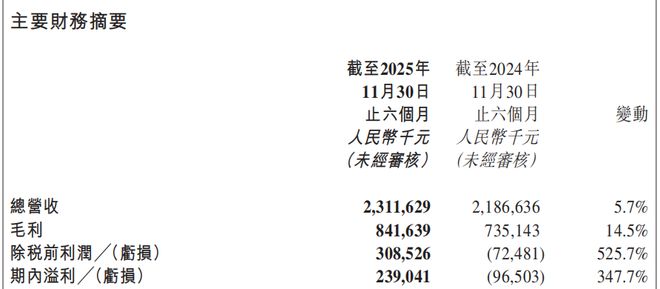
Core Viewpoint - The financial report released by Dongfang Zhenxuan signifies more than just financial numbers, especially after experiencing executive turmoil and changes in its business model. The company has shown resilience and a return to profitability, which lays a solid foundation for sustainable long-term development [1]. Financial Performance - For the six months ending November 30, 2025, Dongfang Zhenxuan reported total revenue of 2.31 billion RMB, a year-on-year increase of 5.7%. Excluding revenue from the previous year's split business, the actual growth rate was 17% [2][4]. - The net profit reached 239 million RMB, a significant turnaround from a net loss of 96.5 million RMB in the same period last year, marking a 347.7% increase [2][4]. - Gross profit for the same period was 841.6 million RMB, up 14.5% year-on-year, with the gross margin improving from 33.6% to 36.4% [4][5]. Product Strategy - The total gross merchandise volume (GMV) from self-operated products accounted for approximately 52.8%, surpassing half for the first time. This shift indicates a successful transition towards a self-operated product strategy [4][5]. - The company has launched a total of 801 self-operated products, expanding from fresh food and snacks to include nutrition and health products, pet food, and clothing [5]. Cost Management - The company has reduced its workforce by 26% and total compensation by 35%. Administrative expenses decreased by 78.6% to 80 million RMB, primarily due to reduced profit distribution related to the previous year's split business [5]. Channel Diversification - Despite the success in self-operated products, a significant portion of GMV still relies on Douyin (TikTok), indicating a need for diversified customer acquisition channels. The GMV from the company's app accounted for only 18.5%, with a decline in paid membership numbers [7]. - Dongfang Zhenxuan has restarted its WeChat video account and relaunched its Douyin liquor account, along with establishing new accounts targeting various interest groups to enhance user engagement [7][8]. Offline Expansion - The company has deployed over 40 vending machines in various locations, with plans for further expansion. A physical experience store is set to open in Beijing's Zhongguancun by March-April [8]. - Collaboration with New Oriental Group is deepening, with plans to offer Dongfang Zhenxuan products as gifts during recruitment and employee welfare programs [8].
东方甄选净利润大增347.7%
21世纪经济报道· 2026-01-29 14:39
Core Viewpoint - The financial report of Dongfang Zhenxuan signifies more than just financial numbers, reflecting the company's resilience and strategic shift towards self-operated products amidst challenges [1]. Financial Performance - For the six months ending November 30, 2025, Dongfang Zhenxuan reported total revenue of 2.311629 billion RMB, a year-on-year increase of 5.7%. Excluding revenue from the previously spun-off business, the actual growth rate was 17% [2][4]. - The net profit reached 239.041 million RMB, a significant turnaround from a net loss of 96.503 million RMB in the same period last year, marking a 347.7% increase [2][5]. - Gross profit was 841.639 million RMB, up 14.5% year-on-year, with the gross margin improving from 33.6% to 36.4% [5]. Strategic Shift - The company has shifted its focus to self-operated products, which now account for approximately 52.8% of total GMV, marking a significant milestone [3][5]. - This strategic pivot was accelerated by the departure of a key influencer and the subsequent need to reduce reliance on single IP models, as stated by the company's leadership [4][5]. Cost Management - Operating costs have decreased, with a 26% reduction in employee numbers and a 35% drop in total compensation. Administrative expenses fell by 78.6% due to reduced profit distributions from the previous fiscal year [5]. Channel Diversification - Despite the success in self-operated products, a significant portion of GMV still comes from Douyin, indicating a continued reliance on external platforms for customer acquisition [7]. - The company is exploring multiple channels, including the reactivation of WeChat video accounts and the establishment of new accounts on Douyin to capture diverse user interests [7][8]. Offline Expansion - Dongfang Zhenxuan has initiated offline strategies, including the deployment of over 40 vending machines and plans to open its first offline experience store in Beijing by March-April [8]. - Collaborations with New Oriental Group are being deepened to leverage B2B sales opportunities and enhance brand exposure [8]. Long-term Investment - The ongoing investments in various channels, including vertical accounts, self-operated apps, and offline stores, are seen as necessary for long-term growth, although they are still in early stages and require time and resources to yield results [9].

离开头部主播这一年 东方甄选财报扭亏
2 1 Shi Ji Jing Ji Bao Dao· 2026-01-29 11:45
Core Viewpoint - The financial report of Dongfang Zhenxuan signifies more than just financial numbers, especially after experiencing executive turmoil and changes in its business model [2] Financial Performance - For the fiscal year 2026, Dongfang Zhenxuan reported total revenue of 2.3 billion yuan, a year-on-year increase of 5.7%. Excluding revenue from the previous year's split business, the actual growth rate is 17% [4][5] - The net profit reached 239 million yuan, a significant turnaround from a net loss of 96.5 million yuan in the same period last year, marking a year-on-year increase of 347.7% [2][4] - Gross profit for the period was 841.6 million yuan, up 14.5% year-on-year, with the gross margin improving from 33.6% to 36.4% [4][5] Business Strategy - The self-operated product's total gross merchandise volume (GMV) accounted for approximately 52.8%, surpassing half for the first time, indicating a successful shift in strategy [3][5] - The company has launched a total of 801 self-operated products across various categories, including fresh food, snacks, nutrition and health products, pet food, and clothing [5] - The self-operated model allows for higher pricing power and profit margins compared to third-party platforms, which is essential for improving profitability [5] Cost Management - The company reduced its workforce by 26%, leading to a 35% decrease in total salary expenses. Administrative expenses dropped by 78.6% to 80 million yuan, primarily due to profit distributions related to the previous fiscal year [5][6] Channel Diversification - Despite the success in self-operated products, a significant portion of GMV still relies on Douyin, indicating a need for diversified customer acquisition channels [6] - The app's GMV contribution is only 18.5%, with a decline in paid membership numbers, highlighting the need for growth in private channels [6] - Dongfang Zhenxuan has restarted live streaming on WeChat and rebranded its Douyin account, aiming to create a matrix of accounts to better engage different consumer segments [6][7] Offline Expansion - The company has deployed over 40 vending machines in various locations, with plans for further expansion, including the opening of its first offline experience store in Beijing [7] - Collaboration with New Oriental Group is deepening, with plans to offer Dongfang Zhenxuan products as gifts during recruitment and employee welfare programs [7]
离开头部主播这一年,东方甄选财报扭亏
2 1 Shi Ji Jing Ji Bao Dao· 2026-01-29 11:35
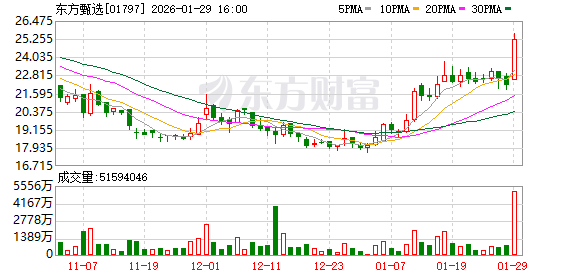
Core Viewpoint - The financial report released by Dongfang Zhenxuan signifies more than just financial numbers, especially after the company faced executive turmoil, changes in hosts, and scrutiny of its business model. The report indicates a recovery and resilience in operations, laying a solid foundation for sustainable long-term development [1]. Financial Performance - For the six months ending November 30, 2025, Dongfang Zhenxuan reported total revenue of 2.31 billion RMB, a year-on-year increase of 5.7%. Excluding revenue from the previous year's split business, the actual growth rate was 17% [2][4]. - The net profit for the reporting period reached 239 million RMB, a significant turnaround from a net loss of 96.5 million RMB in the same period last year, marking a year-on-year increase of 347.7% [2][4]. - Gross profit for the period was 841.6 million RMB, up 14.5% year-on-year, with the gross margin improving from 33.6% to 36.4% [4]. Business Strategy and Product Development - The total gross merchandise volume (GMV) from self-operated products accounted for approximately 52.8% of total sales, marking a significant milestone as it surpassed half of the total sales for the first time [1][4]. - The company has launched a total of 801 self-operated products, expanding from fresh food and snacks to include nutrition and health products, pet food, and clothing [4]. - The self-operated model allows for better pricing power and profit margins compared to third-party platforms, contributing to the improvement in profitability [4]. Cost Management - The company reduced its workforce by 26%, leading to a 35% decrease in total salary expenses. Administrative expenses also dropped by 78.6% to 80 million RMB, primarily due to reduced profit distribution related to the previous year's split business [4]. Channel Diversification - Despite the success in self-operated products, a significant portion of GMV still relies on Douyin (TikTok), indicating a need for continued dependence on external traffic sources [5]. - The company has initiated a multi-channel strategy, including the relaunch of WeChat video accounts and the establishment of new accounts on Douyin to target different consumer segments [5]. - Dongfang Zhenxuan is also exploring offline channels, with plans to open its first offline experience store in Beijing and has already deployed over 40 vending machines in various locations [5][6]. Collaboration with New Oriental Group - The company is deepening its collaboration with New Oriental Group, planning to offer self-operated products as gifts during student recruitment and distribute gift cards as employee benefits, which could enhance B2B sales and brand exposure [6].
张小泉成功中标电信心翼优选专区采购项目 斩获百万大单
Quan Jing Wang· 2026-01-14 09:13
Core Insights - Zhang Xiaoqin Co., Ltd. has successfully won a procurement project with China Telecom, securing an order worth over one million [1] - This achievement marks significant progress in the company's new channel expansion, injecting new momentum into business growth [1] Group 1: Product and Market Strategy - The products won in the bid primarily focus on fresh-keeping and storage categories, including multifunctional storage racks, vest-style fresh-keeping bags, and vacuum bags [2] - These products will be available to consumers through the China Telecom "Xinyiyouxuan" platform, where users can redeem them using points [2][3] - The addition of Zhang Xiaoqin products enriches the product matrix of the Xinyiyouxuan platform, which aims to provide quality lifestyle products to telecom users [3] Group 2: Channel Diversification and Industry Trends - The collaboration with China Telecom represents a crucial step in Zhang Xiaoqin's ongoing strategy to diversify its sales channels [4] - The company is transitioning from traditional retail to online and now to telecom operator point redemption platforms, creating a comprehensive sales network [4] - The focus on new kitchen products rather than traditional items like knives and scissors indicates a strategic shift to meet market demand and build a more complete kitchen ecosystem [4] Group 3: Future Outlook - By embracing innovation and exploring new cooperation models, Zhang Xiaoqin is positioned to maintain competitiveness in a changing market environment [4] - Continued investment in innovative channel strategies is expected to lead to more stable growth and enhanced value for consumers and investors alike [4]

“普茅”上线i茅台连日秒光,市场批发价持续承压
Sou Hu Cai Jing· 2026-01-06 09:40
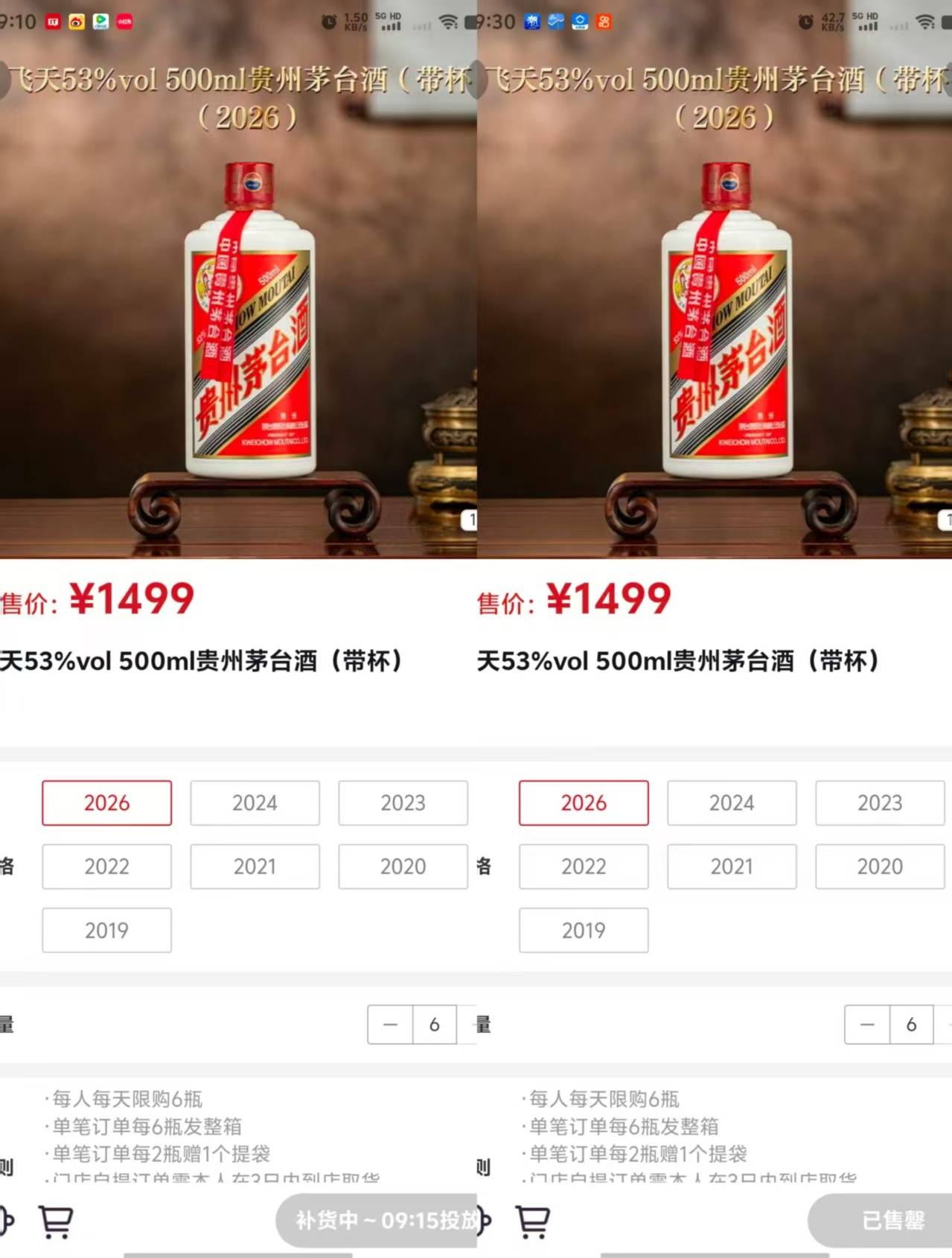
Core Viewpoint - The launch of the 53% vol 500ml Flying Moutai on the iMoutai platform has led to a significant surge in demand, indicating a key step in Moutai's channel reform and terminal control strategy [1][6][9] Group 1: Sales Performance - The Flying Moutai was sold out within minutes on the iMoutai platform, with the page frequently displaying "sold out" during the purchasing attempts [1][5] - The iMoutai platform has seen over 100,000 users complete purchases during the three-day New Year holiday [1][6] - The classic version of Moutai (priced at 1899 yuan per bottle) and the gift box version (3789 yuan for two bottles) also sold out quickly on the same day [1] Group 2: Channel Strategy - The introduction of the Flying Moutai to the direct sales platform marks a significant change in Moutai's channel strategy, allowing for better price control and direct consumer engagement [6][9] - Moutai's recent adjustments to purchasing rules, reducing the daily purchase limit from 12 bottles to 6, aim to meet demand ahead of the Spring Festival [1][6] - The company is shifting from a reliance on distributors to a multi-channel approach, integrating direct sales, distribution, and retail [9] Group 3: Market Impact - The wholesale price of Flying Moutai has dropped below the official guide price of 1499 yuan, reflecting the impact of the new direct sales strategy on traditional distribution channels [8][9] - Some distributors anticipate a decline in their sales prices due to the increased availability of Moutai through direct channels [8] - Moutai's financial performance shows a revenue of 130.9 billion yuan for the first three quarters of 2025, with a year-on-year growth of 6.3%, indicating a stable market despite challenges [7]