
物价走势

Search documents
1月物价走势保持平稳 核心CPI温和上涨态势不变
Xin Lang Cai Jing· 2026-02-11 20:52
Group 1 - In January, the Consumer Price Index (CPI) increased by 0.2% year-on-year and month-on-month, primarily influenced by the Spring Festival's timing, leading to a high comparison base from the previous year [1] - The Producer Price Index (PPI) decreased by 1.4% year-on-year, but the decline narrowed by 0.5 percentage points compared to the previous month, while it increased by 0.4% month-on-month, marking the fourth consecutive month of growth [1][3] - Energy prices fell by 5.0% year-on-year, contributing approximately 0.34 percentage points to the CPI decline, with gasoline prices down 11.4% [1] Group 2 - Core CPI showed a mild increase, with a month-on-month rise of 0.3%, the highest in six months, indicating a continuous recovery in consumer demand [1] - Prices for air tickets and travel agency services rose by 5.7% and 2.0% respectively, while prices for household services, hairdressing, and entertainment tickets increased between 0.4% and 2.8% [2] - Excluding energy, industrial consumer goods prices rose by 2.6% year-on-year, with significant increases in gold jewelry prices (77.4%) and household goods [2] Group 3 - The PPI's month-on-month increase of 0.4% reflects positive changes driven by the ongoing construction of a unified national market and increased demand in certain industries [3] - Prices in the raw materials and processing industries rose by 0.7% and 0.5% month-on-month, with year-on-year declines narrowing by 0.6 and 1.2 percentage points respectively [3] - The trend of "anti-involution" is expected to continue influencing the prices of basic raw materials and industrial products in the future [3]
2026年物价走势:发挥宏观政策集成效应 扩大居民消费 促进物价合理回升
Guo Jia Tong Ji Ju· 2026-01-21 10:46
Group 1 - The overall price level in China is relatively low, with the Consumer Price Index (CPI) expected to remain stable in 2025, showing minor monthly fluctuations [1] - CPI has structural characteristics, with significant impacts from declining food and energy prices; food prices decreased by 1.5% in the previous year, affecting CPI by approximately 0.27 percentage points, while energy prices fell by 3.3%, contributing another 0.25 percentage points to the decline [1] - The current low CPI is influenced by complex domestic and international macroeconomic conditions, as well as the country's development stage, with traditional growth drivers slowing down [1] Group 2 - Policies aimed at expanding domestic demand are showing results, with core CPI experiencing a mild recovery; in 2025, the core CPI excluding food and energy is projected to rise by 0.7%, an increase of 0.2 percentage points from the previous year [2] - In December, the core CPI rose by 1.2%, maintaining above 1% for four consecutive months, with industrial consumer goods prices excluding energy increasing by 1.1% [2] - Specific price increases include home appliances and communication tools, which rose by 1.8% and 0.6% respectively, while the decline in fuel and new energy vehicles has narrowed significantly [2] Group 3 - Favorable factors for a moderate CPI recovery are accumulating, with effective implementation of consumption-boosting initiatives and coordinated fiscal and financial policies expected to gradually expand consumer demand [3] - In December, CPI increased by 0.8%, the highest since March 2023, driven by increased food consumption during the New Year holiday and active service consumption [3] - Continued industry self-regulation and capacity management are anticipated to support price recovery, with a focus on enhancing product standards and quality [3]
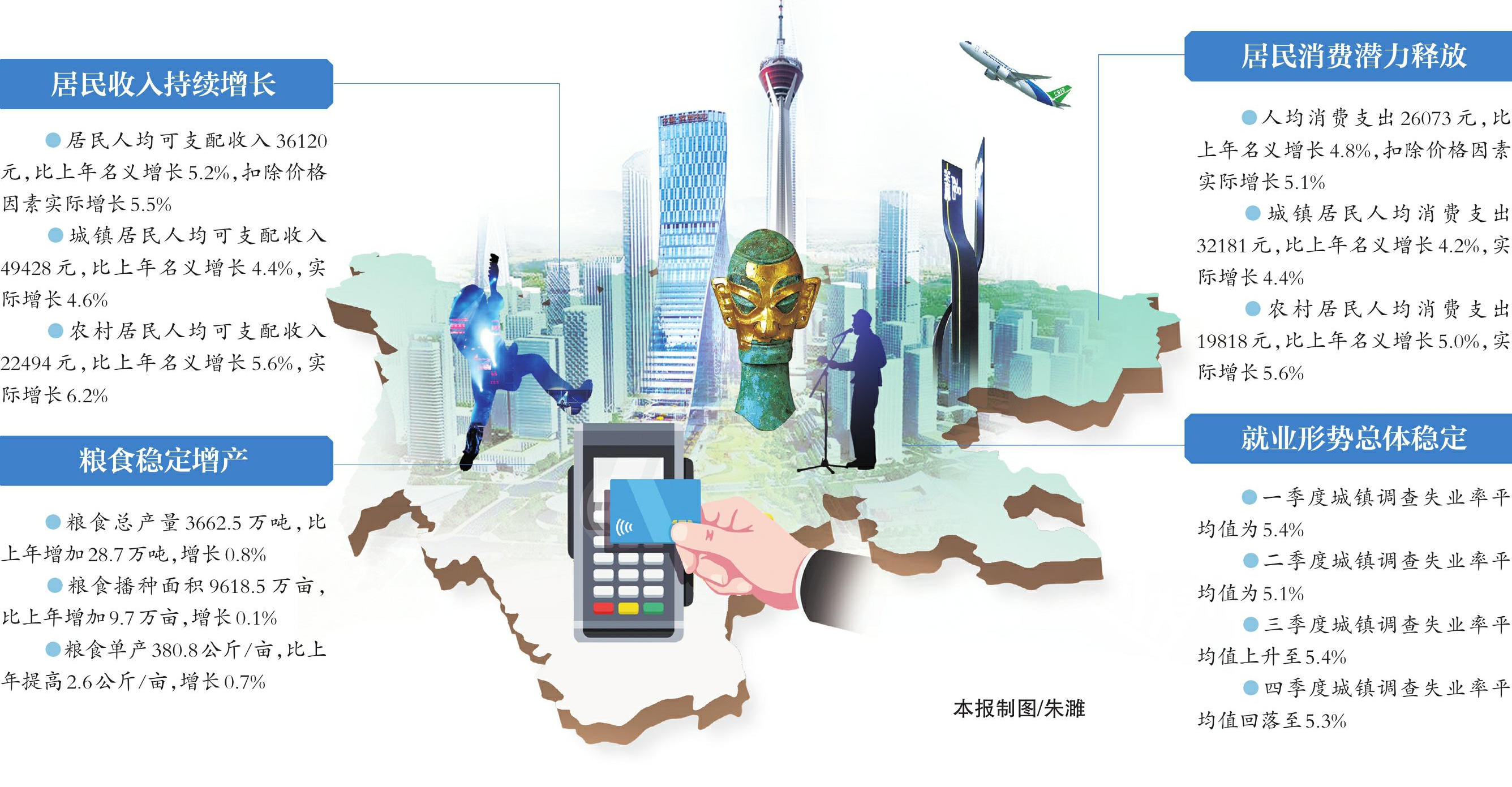
2025年度四川民生调查数据发布,全省居民人均消费支出26073元 四川人在文旅消费上舍得花钱
Si Chuan Ri Bao· 2026-01-20 00:31
Core Insights - The overall economic indicators for Sichuan in 2025 show stable grain production, steady livestock development, and continuous growth in residents' income, with a low Consumer Price Index (CPI) and stable urban employment [3] CPI Trends - Sichuan's CPI exhibited a pattern of high opening and low closing, with a year-on-year decline of 0.3% for 2025, influenced by insufficient domestic consumption, price competition in certain industries, and declining prices of pork and international crude oil [4] - The core CPI, excluding volatile food and energy prices, increased by 0.5% year-on-year, indicating a gradual accumulation of domestic demand recovery and improving price signals [6] Consumer Spending Patterns - In 2025, the per capita disposable income in Sichuan reached 36,120 yuan, a nominal increase of 5.2%, while per capita consumption expenditure was 26,073 yuan, with a nominal growth of 4.8% [7] - The share of service consumption in total spending rose, with per capita service expenditure increasing by 6.0%, indicating an upgrade in consumer quality [7] - Cultural and entertainment spending surged by 12.6%, reflecting a vibrant tourism and entertainment market [8] Industrial Price Index - The Producer Price Index (PPI) for industrial producers in Sichuan fell by 2.8% year-on-year, with 64.1% of 39 industrial sectors experiencing price declines [8] - Despite the overall decline, some sectors like electronics and integrated circuits showed price increases, indicating structural upgrades in the industry [8] Livestock Industry Insights - The pig farming sector in Sichuan showed stable development, with a 1.6% year-on-year increase in pig slaughtering and a 4.7% increase in pork production [9] - However, pork prices experienced a significant decline of 16.6% year-on-year in December 2025, attributed to weak demand and increased supply [10]

去年猪肉价格下降6.1%,如何看物价走势?国家统计局回应
Nan Fang Du Shi Bao· 2026-01-19 04:55
Core Viewpoint - The overall consumer price index (CPI) for 2025 remained stable compared to the previous year, with various categories showing mixed price changes, indicating a complex economic environment and structural characteristics affecting prices [3][4]. Economic Data Summary - The CPI for 2025 was flat year-on-year, with food and beverage prices decreasing by 0.7%, clothing prices increasing by 1.5%, and transportation and communication prices dropping by 2.6% [3]. - Core CPI, excluding food and energy, rose by 0.7%, an increase of 0.2 percentage points from the previous year [3][5]. - In December 2025, the CPI increased by 0.8% year-on-year, marking a slight rise from the previous month, with a month-on-month increase of 0.2% [3]. Structural Characteristics of CPI - The decline in food and energy prices significantly impacted the overall CPI, with food prices down by 1.5%, contributing to a 0.27 percentage point decrease in CPI [4]. - Energy prices fell by 3.3%, leading to a 0.25 percentage point reduction in CPI [4]. Factors Influencing CPI Recovery - The implementation of policies aimed at boosting domestic demand has shown positive effects, with core CPI experiencing a mild recovery [5]. - The increase in consumer spending during the holiday season, particularly in food and service sectors, contributed to a seasonal rise in CPI [5]. - Ongoing measures to regulate industry capacity and improve product standards are expected to support price recovery in the coming year [5].

物价会持续上涨吗?央行最新回应
Guan Cha Zhe Wang· 2026-01-16 00:19
中国网消息,1月15日,国务院新闻办公室举行新闻发布会,介绍货币金融政策支持实体经济高质量发 展的有关情况。 在CPI同比涨幅连续多月徘徊于低位的背景下,市场和公众对今年物价走势的关注明显升温。对此,中 国人民银行副行长邹澜表示,近期我国物价水平已出现积极变化,2025年12月CPI回升到了2023年3月 以来的最高水平。人民银行将把促进经济稳定增长和推动物价合理回升作为货币政策的重要考量,继续 实施适度宽松的货币政策。 发言全文如下: 美国国际市场新闻社记者提问:中国的CPI增速持续低于目标值,目前物价水平仍然偏低,请问人民银 行如何看今年的物价形势,将采取哪些措施促进物价的合理回升? 美国国际市场新闻社记者提问:中国的CPI增速持续低于目标值,目前物价水平仍然偏低,请问人民银 行如何看今年的物价形势,将采取哪些措施促进物价的合理回升? 中国人民银行新闻发言人、副行长邹澜:关于物价的问题,近期,中国的物价水平已经出现了积极变 化。 2025年12月,CPI同比上涨0.8%,已经回升到了2023年3月以来的最高水平;不包括食品和能源的核心 CPI同比上涨1.2%,涨幅连续4个月保持在1%以上,PPI同比降幅也 ...
将近10分钟!人民银行副行长邹澜解读物价走势与人民币汇率政策
Sou Hu Cai Jing· 2026-01-15 16:55
Core Viewpoint - The People's Bank of China (PBOC) is focused on supporting economic stability and promoting a reasonable recovery in prices through a supportive monetary policy, while maintaining the stability of the RMB exchange rate against the backdrop of complex global economic conditions [3][4][5]. Economic Indicators - As of December 2025, China's CPI increased by 0.8% year-on-year, reaching the highest level since March 2023, while the core CPI (excluding food and energy) rose by 1.2% [3]. - The Producer Price Index (PPI) saw a reduction in its year-on-year decline, narrowing by 1.7 percentage points from the low in July, with a month-on-month increase for three consecutive months [3]. - Notable price declines were observed in pork (down 30%) and transportation tools (down 11.7%), influenced by cyclical factors and market supply-demand dynamics [3]. Monetary Policy - The PBOC has maintained a supportive monetary policy stance, ensuring ample liquidity and a significant growth in financial totals that outpace nominal GDP growth [4]. - The central bank plans to implement a moderately loose monetary policy to create a conducive financial environment for price recovery [4]. Exchange Rate Management - The PBOC emphasizes a clear and consistent exchange rate policy, allowing market forces to play a decisive role in the formation of the RMB exchange rate, aiming for basic stability at a reasonable and balanced level [4][7]. - Since 2020, the RMB faced depreciation pressure, but the PBOC and the State Administration of Foreign Exchange have strengthened expectation management to mitigate risks of excessive exchange rate fluctuations [5][6]. Future Outlook - The RMB is expected to continue fluctuating within a flexible range, influenced by various factors including economic growth, monetary policy, and geopolitical events [7]. - Approximately 30% of cross-border trade is conducted in RMB, which minimizes the impact of exchange rate fluctuations on foreign trade enterprises [7].
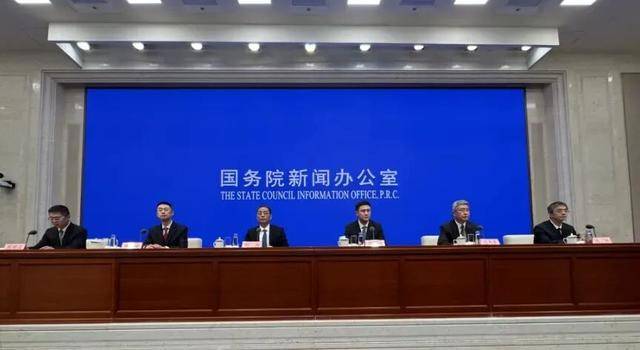
央行副行长邹澜:近期中国物价水平已出现积极变化
Xin Jing Bao· 2026-01-15 09:13
Core Insights - Recent positive changes in China's price levels have been observed, with CPI rising by 0.8% year-on-year in December 2025, reaching the highest level since March 2023 [1] - The core CPI, excluding food and energy, increased by 1.2% year-on-year, maintaining a growth rate above 1% for four consecutive months [1] - The PPI's year-on-year decline has narrowed by 1.7 percentage points from its low in July, with a month-on-month increase for three consecutive months [1] Price Structure Analysis - Among the eight categories of CPI, food and transportation have seen significant declines, with pork prices dropping by 30% and transportation costs decreasing by 11.7% since the beginning of 2023 [1] - Conversely, education, culture, and entertainment prices have risen by 3.6%, with tourism alone increasing by 14.4%, indicating an ongoing optimization and upgrading of consumer spending structures in China [1] Monetary Policy Outlook - The People's Bank of China has maintained a supportive monetary policy stance, ensuring ample liquidity and a significant growth in financial totals that outpace nominal GDP growth [2] - Moving forward, the central bank will prioritize promoting stable economic growth and reasonable price recovery as key considerations in its monetary policy, continuing to implement moderately accommodative policies to create a favorable monetary environment for price recovery [2]
物价会持续上涨吗?央行邹澜最新回应释放关键信号
2 1 Shi Ji Jing Ji Bao Dao· 2026-01-15 08:48
21世纪经济报道记者张欣 "物价会持续上涨吗?"在CPI同比涨幅已连续多月徘徊于低位后,市场和公众对今年的物价走势格外关注。1月15日,在国新办 举行的新闻发布会上,中国人民银行新闻发言人、副行长邹澜对此作出了明确回应。 "近期,中国的物价水平已经出现了积极变化。"邹澜在回应中首先指出。他针对当前物价形势,详细阐述了最新数据特征、内 在结构变化以及下一阶段的政策思路。 中国宏观政策的协同效应也在不断强化,国内统一大市场纵深推进,新动能不断发展壮大,提振消费专项行动深入实施,这些 还会持续促进供给需求更好匹配,畅通实体经济循环,进一步提振市场信心,对物价继续产生积极影响。 人民银行一直密切关注物价走势。近年来坚持支持性的货币政策立场,保持流动性充裕,金融总量增长明显高于同期名义GDP 增速,而且持续的时间较长,累积的增长量也很大。下阶段,人民银行将认真落实好中央经济工作会议精神,把促进经济稳定 增长、物价合理回升作为货币政策的重要考量,继续实施好适度宽松的货币政策,发挥增量政策和存量政策集成效应,为推动 物价合理回升营造适宜的货币金融环境。 (邹澜,来源:国新办官网) 以下为记者提问与邹澜的完整回复: 问:中国 ...
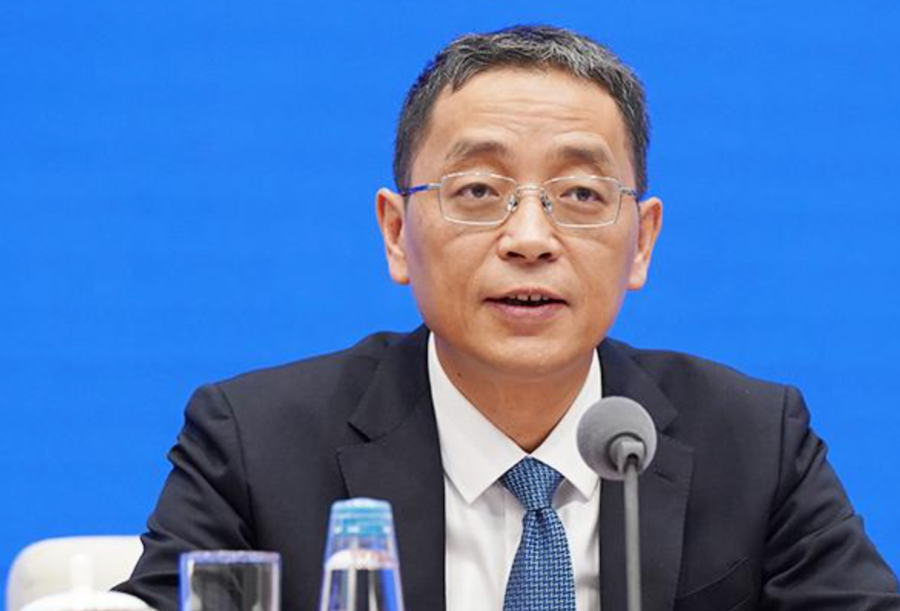
2025年12月CPI同比上涨0.8% 物价低位温和回升
Jin Rong Shi Bao· 2026-01-12 03:16
Group 1 - The Consumer Price Index (CPI) in December 2025 increased by 0.8% year-on-year, marking the highest level since March 2023, driven primarily by rising food prices [2][3] - The core CPI, excluding food and energy, rose by 1.2% year-on-year, remaining above 1% for four consecutive months, supported by consumer promotion policies and price improvements in appliances and automobiles [3][4] - The Producer Price Index (PPI) increased by 0.2% month-on-month, marking three consecutive months of growth, while the year-on-year decline narrowed to 1.9%, indicating reduced downward pressure on industrial prices [4][5] Group 2 - The increase in CPI was attributed to a combination of effective consumption policies and seasonal demand during the holiday period, leading to a rise in consumer spending [2][4] - The PPI's month-on-month increase was influenced by improved supply-demand dynamics and rising prices in certain industries, particularly in coal mining and processing [4][5] - Experts suggest that the changes in CPI and PPI reflect a stable and improving economic environment in China, with a gradual recovery in demand and ongoing optimization of supply structures [5]
物价:回顾2025,展望2026
一瑜中的· 2026-01-11 14:07
Overall Situation: Low-Level Bottoming - In December 2025, the price indicators continued to improve, with CPI year-on-year rising from 0.7% to 0.8%, and PPI narrowing from -2.2% to -1.9% [2][11] - For the year 2025, CPI is expected to be 0%, slightly lower than the 0.2% in 2023 and 2024, while PPI is projected at -2.6%, lower than -2.2% in 2024 [12][11] CPI: From General Weakness to Structural Improvement - CPI was reclassified into categories: food (approx. 19% weight), competitive goods (approx. 26%), competitive services (approx. 19%), rent (approx. 15%), and government-controlled goods and services (approx. 21%) [15][18] - The cumulative CPI growth for 2023-2024 averaged -0.1%, indicating a general price weakness influenced by production capacity cycles and domestic supply-demand imbalances [19][18] - In 2025, CPI cumulative growth is expected to be 0.8%, showing structural improvement, driven by rising prices in food (1.1%) and gold jewelry (68.5%) [20][21] PPI: Accelerated Decline Followed by Stabilization - In the first half of 2025, PPI showed a month-on-month decline of -0.3%, while in the second half, it stabilized with a month-on-month average of 0% [5][23] - The price of various industry chains, particularly in non-ferrous metals, is expected to improve due to macroeconomic factors and domestic capacity management [24][23] Outlook for 2026: Mild Year-on-Year Recovery - CPI and PPI are expected to see mild year-on-year recoveries, with CPI projected at approximately 0.8% and PPI at around -1% [26][27] - Potential drivers for CPI improvement include rising prices in food and competitive goods, particularly gold jewelry, and healthcare services [27][28] December 2025 Inflation Data Review - CPI rose from 0.7% to 0.8%, with food prices increasing from 0.2% to 1.1%, while energy prices fell from -3.4% to -3.8% [29][30] - Core CPI remained stable at 1.2%, with significant increases in gold jewelry prices and household goods [29][30]
