
预制菜

Search documents
西贝关店30%后,天边砂锅焖面能帮贾国龙翻身吗?
36氪· 2026-03-29 02:09
Core Viewpoint - The article discusses the recent developments of the new brand "Tianbian Sand Pot" launched by Jia Guolong, following the closure of 102 Xibei restaurants, focusing on its initial success and the strategic shift in the restaurant's offerings [4][36]. Group 1: Business Strategy and Market Positioning - Jia Guolong announced the closure of 30% of Xibei's total stores to concentrate on the new brand "Tianbian Sand Pot," which opened its first location in February 2026 [4][36]. - The restaurant's pricing strategy is competitive, with dishes priced between 45 to 59 yuan, appealing to the working population in the area [8][10]. - The initial focus of Tianbian was on a variety of dishes, but it later shifted to emphasize its signature dish, the sand pot noodles, which helps avoid the controversies surrounding pre-prepared meals [10][17]. Group 2: Customer Reception and Feedback - The restaurant has received positive feedback, with a score of 4.4 on review platforms, although some skepticism remains regarding the authenticity of the reviews [6][10]. - Customers have expressed satisfaction with the taste and quality of the dishes, indicating a strong likelihood of repeat visits [5][15]. - The restaurant's design and open kitchen concept aim to enhance transparency and customer trust, addressing previous concerns about food preparation methods [21][23]. Group 3: Competitive Landscape and Challenges - The article highlights the challenges Jia Guolong faced with previous ventures, noting that many of his past brands failed due to misalignment with consumer expectations regarding pricing and quality [39][41]. - The shift towards a more affordable and appealing menu at Tianbian reflects a strategic response to market demands, particularly in the context of the competitive fast-casual dining sector [42]. - The brand's approach to using fresh ingredients and maintaining transparency in food preparation is a direct response to the backlash faced by Xibei, aiming to rebuild consumer trust [35][36].

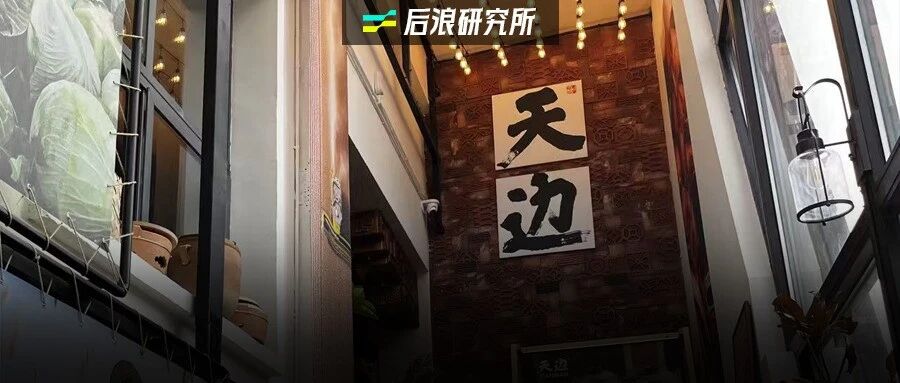
内蒙古95亿富豪入股西贝
盐财经· 2026-03-16 09:07
Core Viewpoint - The article discusses the recent changes in the ownership structure and capital increase of Inner Mongolia Xibei Catering Group Co., Ltd, highlighting the addition of a new shareholder, Lin Lairong, and the implications of these changes for the company's financial health and management [2][5]. Group 1: Ownership Changes - Inner Mongolia Xibei Catering Group has seen its registered capital increase from approximately 102 million RMB to about 104 million RMB, reflecting a growth of around 2.21% [2][5]. - Lin Lairong has joined as a new shareholder, contributing approximately 2.25 million RMB for a stake of over 2.16% in the company [2][5]. - The company underwent a significant ownership change in January, adding several new investors and increasing its registered capital by about 13% from approximately 89.9 million RMB to around 102 million RMB [5]. Group 2: Financial Performance and Management - The company is facing significant financial challenges, with founder Jia Guolong predicting cumulative losses exceeding 600 million RMB from September 2025 to March 2026 [7]. - In response to financial difficulties, Xibei has decided to close 102 stores, which accounts for 30% of its total outlets [7]. - The management structure has shifted, with former CEO Dong Junyi returning to oversee daily operations, implementing cost-cutting measures to stabilize the company [7]. Group 3: Investment and Valuation - Following the recent financing round, the post-investment valuation of Xibei is estimated to be around 10 billion RMB, with the company reportedly giving up over 2% of its equity for this financing [7]. - Chengdu New Trend Media Group holds nearly 1% of the company, having invested 100 million RMB in Xibei as of the latest financial disclosures [6].

东兴证券晨报-20260312
Dongxing Securities· 2026-03-12 09:50
Core Insights - The report highlights the impact of industry demand fluctuations on the company's revenue and profit margins, with a noted decline in various product sales and overall revenue [5][6][7] Company Performance - The company reported a total revenue of 4.474 billion yuan for 2025, a decrease of 8.78% year-on-year, with a net profit attributable to shareholders of 690 million yuan, down 26.87% [4] - Sales volume and revenue for most products declined, except for the aluminum-plastic cap plastic bottle series, which saw a slight increase in sales volume to 933 million units, up 4.81% [5] - The molded bottle series experienced a sales volume of 330,300 tons and revenue of 2.033 billion yuan, reflecting a year-on-year decline of 11.79% and 13.59% respectively [5] - The company’s comprehensive gross margin improved to 33.31%, an increase of 0.16 percentage points year-on-year, driven by product structure optimization and automation [6] - The net profit margin for 2025 was reported at 15.41%, a decrease of 3.82 percentage points year-on-year, influenced by inventory write-down losses and increased management expenses [7] Financial Health - The company's asset-liability ratio decreased to 17.42%, down 3.61 percentage points year-on-year, indicating improved financial stability [8] - Cash and cash equivalents accounted for 10.69% of total assets, an increase of 0.18 percentage points, providing a solid foundation for risk management and future growth [8] Strategic Developments - The company plans to establish a wholly-owned subsidiary in Malaysia to expand its overseas business, with exports in 2025 reaching 1.502 billion yuan, a year-on-year increase of 1.98% [8] - A directed share issuance is set to change the actual controller to a subsidiary of China National Pharmaceutical Group, which is expected to enhance collaboration and development opportunities [10]



锅圈:一站式国民社区央厨,开启成长新篇章-20260311
CAITONG SECURITIES· 2026-03-11 07:30
Investment Rating - The report assigns a "Buy" rating for the company, Guoquan (锅圈) [1] Core Insights - Guoquan is positioned as a "community central kitchen," focusing on the home dining scene with hot pot as a core offering and barbecue as a growth driver. The company has transitioned from a "scale-first" strategy to a "quality-first" approach, leading to stabilized revenue and improved profitability [6][11] - The home dining market in China is valued at over 6.2 trillion yuan, with the meal product segment expected to exceed 940 billion yuan by 2027. The industry is highly fragmented, providing significant opportunities for leading companies like Guoquan to consolidate [6][11] - The company aims to enhance store efficiency and innovate product offerings through three main strategies: optimizing existing stores, innovating new products, and deepening supply chain integration [6][11] Summary by Sections Financial Forecast - Revenue projections for 2023A to 2027E are as follows: 6,094 million yuan, 6,470 million yuan, 7,804 million yuan, 9,463 million yuan, and 10,896 million yuan, with growth rates of -15.05%, 6.17%, 20.62%, 21.26%, and 15.14% respectively. Net profit is expected to grow from 240 million yuan in 2023A to 699 million yuan in 2027E, with corresponding growth rates of 4.23%, -3.79%, 91.44%, 28.91%, and 22.83% [5] - The company's PE ratio is projected to decrease from 73.32 in 2023A to 12.95 in 2027E, indicating improving valuation metrics as profitability increases [5] Business Model and Strategy - Guoquan has evolved from a B2B hot pot ingredient supplier to a comprehensive home dining brand, offering a wide range of products including hot pot, barbecue, beverages, and ready-to-cook meal kits. The company has established a unique business ecosystem combining supply chain, multi-channel distribution, and diverse dining scenarios [11] - The company has expanded its product offerings significantly, launching 339 new SKUs in 2023 and planning to introduce 412 new products in 2024 [13] - The revenue structure is increasingly diversified, with franchise sales remaining a core income source, while other channels are rapidly growing, indicating a shift towards a more balanced revenue model [18] Market Opportunity - The home dining market is projected to grow at a CAGR of 11.4% from 2018 to 2024, reaching a market size of 62,124 billion yuan. The meal product segment is expected to grow even faster, driven by consumer demand for convenience and quality [28][30] - The industry is characterized by a complete supply chain, with opportunities for consolidation as the market remains fragmented. Guoquan holds a leading market share of 3.1% in the home dining sector, with a significant presence in the hot pot and barbecue segments [40] Operational Efficiency - The company is focusing on enhancing store efficiency through innovations such as 24-hour unmanned retail and diversified store formats. This includes upgrading existing stores to larger community central kitchens and expanding into rural markets with tailored store models [47][65] - Guoquan's membership program has seen significant growth, with over 50 million registered members, enhancing customer loyalty and driving repeat purchases [57]
西贝突发!引发全网热议
商业洞察· 2026-03-08 09:23
Core Viewpoint - The article discusses the financial and reputational crisis faced by Xibei, a well-known Chinese restaurant chain, highlighting issues such as salary cuts, delayed payments, and a significant drop in revenue due to a loss of consumer trust and poor cash flow management [5][10][39]. Group 1: Company Issues - Xibei has announced salary reductions and delayed payments linked to store cash flow, with employees earning over 20,000 yuan receiving only 50% of their salary if cash flow is negative [5][9]. - The company faced a drastic revenue decline, with January 2026 revenue dropping to 2.65 billion yuan, less than half of the previous year's figures, while monthly salary expenses reached 1.35 billion yuan [14]. - Xibei's decision to close 102 stores, approximately 30% of its total, affected around 4,000 employees, contradicting earlier promises of full salary payments to departing staff [15][39]. Group 2: Market Context - The restaurant industry is experiencing a shift, with consumer spending decreasing; the average dining expenditure fell to 33 yuan in 2025, a 23.6% drop from previous years [20]. - Xibei's average customer spending decreased from 92 yuan to 75 yuan, while costs for ingredients, rent, and labor have risen by 12%-20%, squeezing profit margins [20][28]. - The company’s high labor cost, which accounts for about 50% of revenue, is significantly above the industry standard of 20%-30%, indicating operational inefficiencies [27][28]. Group 3: Strategic Missteps - Xibei's initial response to criticism regarding its use of pre-prepared dishes was confrontational, which exacerbated consumer backlash and led to a decline in customer traffic [21]. - Despite issuing over 3 billion yuan in consumer vouchers to stimulate sales, the measures had minimal impact on reversing the downward trend [22]. - The aggressive expansion strategy, which led to nearly 400 stores, resulted in high fixed costs that became unsustainable as revenues fell [22][36]. Group 4: Financial Metrics - Xibei's revenue growth rate plummeted by 50% in January 2026, far exceeding the industry average growth of 3.2% [27]. - The company’s single-store net profit stands at approximately 5%, which is below the industry average of 3%-8% for smaller restaurants [27]. - Cumulative losses for Xibei are projected to exceed 600 million yuan from September 2025 to March 2026 [27].

西贝创始成员董俊义担任CEO,贾国龙退居幕后
财联社· 2026-03-06 12:34
Core Viewpoint - The recent resignation of Jia Guolong as CEO of Xibei has raised concerns about the company's management and financial stability, with significant operational changes being implemented to address ongoing challenges [1][2]. Group 1: Management Changes - Jia Guolong has stepped down as CEO, with former CEO Dong Junyi returning to manage daily operations [1]. - Dong Junyi has introduced measures such as salary reductions for management, a focus on reducing losses at stores, and the cancellation of previous management competition systems to stabilize the company [1]. - Internal communications indicated that management salaries were delayed, with a 30% reduction in pay for store managers and head chefs, contingent on performance improvements [1]. Group 2: Financial Challenges - Xibei is facing severe financial difficulties, with an expected cumulative loss exceeding 600 million yuan from September 2025 to March 2026 [4]. - The company plans to close 102 stores, representing approximately 30% of its total locations, affecting around 4,000 employees, primarily in first- and second-tier cities [2][4]. - The closures include the highest number of stores in Shanghai, with 19 locations, followed by Beijing, Shenzhen, and Guangzhou [2]. Group 3: Public Relations and Brand Image - The company has been embroiled in controversy since a public dispute over "pre-prepared dishes" with influencer Luo Yonghao, which has negatively impacted its reputation [2]. - Jia Guolong has publicly defended the brand, emphasizing the quality of their ingredients and rejecting claims of using pre-prepared meals [2][3]. - He expressed a desire to return to frontline operations to improve service quality and ingredient selection [3].

金龙鱼,被“摆”了一道?
商业洞察· 2026-03-05 09:18
Core Viewpoint - Jinlongyu has reported a strong performance in its latest earnings report, marking the end of a four-year decline in net profit, with a notable rebound in both revenue and profit for 2025 [4][6]. Group 1: Financial Performance - In 2025, Jinlongyu achieved a revenue of 245.13 billion yuan, a year-on-year increase of 2.87%, and a net profit of 3.15 billion yuan, up 26.01% year-on-year [6]. - This marks the first positive growth in revenue after two consecutive years of decline in 2023 and 2024, and the first significant rebound in profit after four years of decline from 2021 to 2024 [6][8]. - The growth in revenue is attributed to increased sales in kitchen foods, feed raw materials, and oil technology products, driven by new factory capacity and expanded sales channels [8]. Group 2: Profit Drivers - The profit increase is primarily due to improved performance in the flour and rice businesses, which benefited from lower raw material prices and effective procurement and marketing strategies [8]. - The feed raw materials and oil technology segments also saw growth in both sales and profits, supported by strong demand in the downstream aquaculture market and the cost-effectiveness of soybean meal [8][9]. Group 3: Legal Issues and Financial Impact - Jinlongyu disclosed that two subsidiaries are involved in lawsuits, leading to a provision of over 700 million yuan in losses, which adds uncertainty to the otherwise positive earnings report [5][10]. - The first lawsuit involves Guangzhou Yihai, which was found guilty of aiding in contract fraud, resulting in a penalty of 1 million yuan and a liability of 1.88 billion yuan [10]. - The second lawsuit concerns Dongguan Fuzhiyuan, which faced a tax dispute, leading to a provision that reduced the company's net profit by approximately 472 million yuan [10][12]. Group 4: Market Position and Brand Strength - Jinlongyu holds a leading market share of 37.7% in the edible oil, flour, and rice segments, ranking first among competitors [18]. - The company has achieved top rankings in brand strength across these categories, indicating strong consumer trust and market presence [17]. - Jinlongyu's commitment to product quality is reflected in its rigorous testing and quality control measures, achieving a 100% pass rate in product inspections [18]. Group 5: Industry Opportunities - The pre-prepared food sector is seen as a significant growth opportunity for Jinlongyu, especially with the introduction of new national standards that promote industry regulation and compliance [19]. - Jinlongyu has established multiple central kitchen facilities across various cities, integrating food processing and production to enhance operational efficiency [19].

2026年春节食品饮料板块表现总结:春节茅台量价齐升,餐供、礼盒、功能饮料表现居前
ZHESHANG SECURITIES· 2026-03-04 12:27
Investment Rating - The industry rating is maintained as "Positive" [6] Core Insights - The consumption market is recovering, driven by increased travel and a long holiday during the 2026 Spring Festival, with nearly 5.8 billion people traveling across regions [1][11] - The food and beverage sector shows a steady recovery, with strong performance in dining and tourism [1][17] Subsector Summaries Baijiu Sector - The baijiu market remains under pressure, but high-end and mid-low price segments perform well, with brands like Moutai and Wuliangye showing strong sales [2][28] - The consumption pattern is characterized by a "dumbbell" demand structure, with high-end products performing well while mid-range products face challenges [28][29] - The overall price level in the baijiu market is declining due to structural changes in consumption [29] Snack Sector - The snack industry performed better in 2026 compared to 2025, with bulk and gift products leading sales [3] - Gift boxes, especially nut gift boxes, are significant growth drivers, and health-oriented gift boxes are gaining market share [3] Soft Drink Sector - The soft drink sector showed good performance during the Spring Festival, with high-growth segments like sugar-free tea products continuing to thrive [4] - The demand for bottled water increased across various channels, particularly in the dining sector [4] Dairy Sector - The dairy industry showed stable growth during the Spring Festival, with improved product freshness and a variety of new offerings [4] - The demand for dairy products was boosted by gifting during family reunions [4] Food Supply Chain - The food supply chain saw strong performance in frozen products, driven by the demand for convenience in festive meals [4] - Seasoning products also showed steady growth, with health and flavor trends being key drivers [4] Investment Recommendations - For the baijiu sector, Moutai is highly recommended, with a focus on brands like Wuliangye, Yingjia, and Shanxi Fenjiu for their positive sales trends [5][33] - In the snack sector, companies like Weilian Meishi and Ximai Food are recommended for their strong performance and low valuations [7] - In the dairy sector, companies like New Dairy and Yili are highlighted for their growth potential [7] - For the food supply chain, companies like Anjijia and Yihai International are recommended due to their improving operations [7]


中国最大饺子店”IPO来了 记者探访南京门店“现包烟火气
Yang Zi Wan Bao Wang· 2026-02-27 11:01
Core Viewpoint - Yuanji Cloud Dumpling, a leading dumpling enterprise in China, is preparing for an IPO in Hong Kong, showcasing impressive revenue of 2.5 billion and over 4,000 stores, while facing challenges such as declining average transaction value, food safety issues, and franchise model difficulties [1][5]. Group 1: Business Performance - The company reported an annual revenue of 2.5 billion, with over 4,000 stores across more than 200 cities, including 5 stores in Singapore, making it the largest Chinese fast-food chain by store count [1][4]. - The average transaction value has decreased from 26.5 yuan to 22.8 yuan as the company expands into lower-tier cities [6]. Group 2: Product and Market Strategy - The "handmade fresh dumpling" concept remains a key attraction, with customers willing to pay around 25 yuan for the freshness and quality, despite it being more expensive than frozen alternatives [2]. - The company has embraced social media to engage with younger consumers, promoting new healthy products to capture the Z generation's interest [3]. Group 3: Operational Challenges - The gross profit margin has hovered around 25%, with net profit per dumpling sold being less than 1 yuan, indicating a low-margin business model [5]. - The franchise model poses risks, including revenue contributions from franchisees and management challenges, highlighted by a food safety incident involving a worm found in a dish [6]. Group 4: Future Outlook - The company has a valuation of 3.5 billion and is exploring new market segments, including coffee and bars, while maintaining a strong control with the founder holding 22.23% of shares [7]. - The upcoming IPO will test the company's ability to maintain quality and narrative in the face of capital market pressures [7].
严苛标准守护国民餐桌 金龙鱼2025年利润总额同比增长33.71%
Zheng Quan Ri Bao Zhi Sheng· 2026-02-26 12:37
Group 1 - The core viewpoint of the articles highlights the strong financial performance of the company in 2025, with significant year-on-year growth in revenue and profits [1] - The company achieved an operating income of 245.13 billion yuan, a 2.87% increase year-on-year, and a total profit of 4.89 billion yuan, reflecting a 33.71% increase [1] - The net profit attributable to shareholders reached 3.15 billion yuan, up by 26.01% year-on-year, with adjusted figures showing a potential profit total of 5.69 billion yuan, marking a 55.68% increase without considering ongoing litigation impacts [1] Group 2 - The company reported growth in both its main business segments: kitchen foods and feed raw materials, with sales and profits increasing year-on-year [1] - The kitchen foods segment benefited from new factory capacity and expanded sales channels, while the feed raw materials and oil technology segment saw improved sales due to favorable demand in the domestic aquaculture industry [1] - The company has established nine central kitchen parks across various cities, integrating upstream and downstream food processing, which enhances resource sharing and operational efficiency [2] Group 3 - The company emphasizes its commitment to health-oriented consumer demands and aims to leverage its full industry chain advantages to drive growth in the grain and oil food sector [2] - The company has a strong focus on research and development, with 40 laboratories accredited and extensive product testing conducted, achieving a 100% pass rate in inspections [1][2]