下沉市场

Search documents
冲刺港股IPO!台铃营收能否扛住“新国标”与“投诉潮”?
Sou Hu Cai Jing· 2025-12-10 10:16
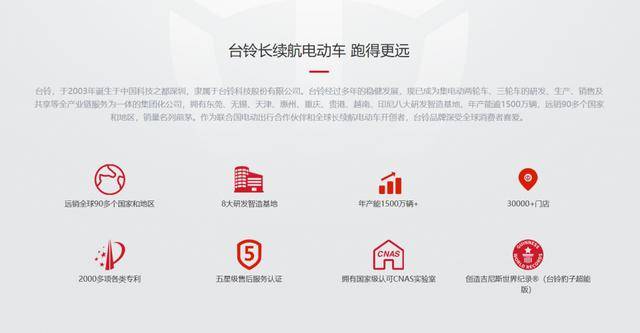
Core Viewpoint - The electric two-wheeler company Tailg has officially initiated its listing guidance, aiming for a Hong Kong IPO in 2026, which would make it the third major player in the industry to go public after Yadea and Aima, marking the complete assembly of the top three in the capital market [1][2]. Group 1: Company Overview - Tailg, founded by the Sun brothers, has transformed from a small repair shop into an industry giant with annual revenue exceeding 12 billion yuan and an annual production capacity of over 15 million units [3][5]. - The company has a global network of over 30,000 stores and exports to more than 90 countries, with estimated annual sales between 5 million and 7 million units, securing its position as the third-largest player in the market [3][5]. Group 2: Market Challenges - The implementation of the new national standard for electric bicycles (GB 17761-2024) starting September 1, 2025, poses significant compliance challenges and market adaptation issues for Tailg [2][10]. - The industry is shifting from a focus on volume expansion to value enhancement centered on smart and high-end products, which presents a challenge for Tailg, as its current offerings may not meet the expectations of younger consumers who prioritize technology and smart features [5][9]. Group 3: User Experience and Brand Reputation - Tailg faces significant user complaints, with over 2,000 valid complaints reported, primarily concerning after-sales service and battery performance, which could impact brand reputation and user loyalty [5][9]. - The company's smart features, while present, have not penetrated the market effectively compared to competitors, raising concerns about its ability to attract tech-savvy consumers [5][9]. Group 4: Regulatory and Compliance Issues - The new national standard introduces stringent safety requirements, and any compliance failures could lead to product recalls, fines, or regional sales bans, directly affecting revenue and the IPO process [10][12]. - Past regulatory cases have highlighted compliance gaps in Tailg's channel management, indicating potential vulnerabilities as the company prepares for its IPO [12]. Group 5: Governance and Ownership Structure - Tailg's ownership is highly concentrated among the founding Sun brothers and their partners, which has facilitated efficient decision-making but may hinder the company's ability to innovate and adapt in a rapidly changing market [13][15]. - The current ownership structure poses challenges for meeting public market requirements, as the company must significantly dilute ownership to comply with public holding regulations, potentially raising concerns about stock liquidity [15].

养生年轻化催生茶饮新蓝海,小罐茶焖泡茶上市热销
Xiao Fei Ri Bao Wang· 2025-12-10 09:22
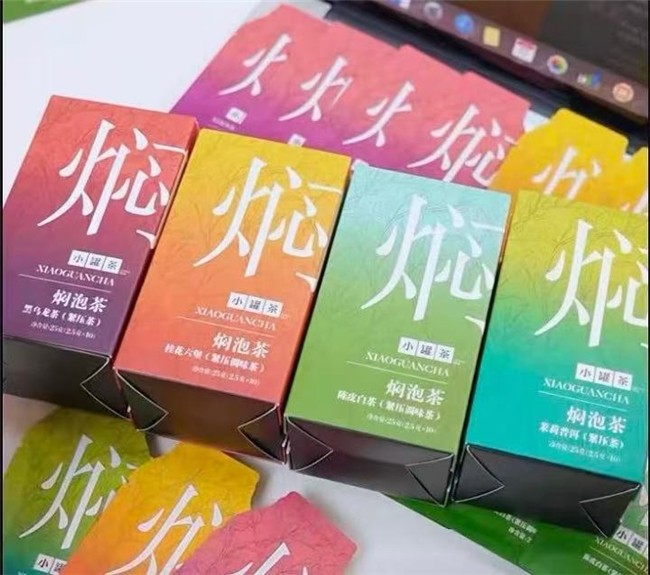
Group 1 - The core viewpoint of the article highlights the rising demand for health-oriented beverages, particularly tea, during the autumn and winter seasons, driven by a younger consumer base seeking convenient and natural options [1][2][15] - The launch of the new "焖泡茶" (Brewed Tea) series by the modern tea brand "小罐茶" (Xiao Guan Tea) is a strategic move to cater to daily consumption scenarios and engage younger consumers, as well as penetrate lower-tier markets [2][13] - Data from the National Health Commission indicates that over 70% of Chinese residents consider "health and wellness" in their daily consumption, with a significant shift towards sugar-free, natural, and convenient beverage options [2][4] Group 2 - The younger demographic, particularly those aged 18-39, is increasingly participating in health-related consumption, with over half of this age group engaging in wellness activities [2][4] - The "焖泡茶" series addresses specific health needs for the autumn and winter seasons, featuring flavors like Chenpi White Tea and Osmanthus Liu Bao, which are designed for easy preparation without complex tea-making tools [4][6] - The product's independent packaging and standardization cater to the needs of young consumers who prefer convenient and portable health solutions, making it suitable for various settings such as workplaces and travel [6][10] Group 3 - The market response to the "焖泡茶" series has been overwhelmingly positive, with many first-time tea drinkers, particularly from the post-95 generation, purchasing the product in large quantities [10][12] - The pricing strategy for the "焖泡茶" series is designed to be accessible, with a regular price of 39.9 yuan for a box of 10 pieces and a promotional price of 9.9 yuan for a trial pack of 3 pieces, effectively lowering the barrier for entry [13][15] - The successful launch of the product is attributed to its alignment with the trends of health consumption, the younger demographic, and the expansion into lower-tier markets, providing a model for future developments in the tea industry [15]
华安证券:首次覆盖锅圈(02517)予“买入”评级 下沉市场大有可为
智通财经网· 2025-12-10 06:17
智通财经APP获悉,华安证券发布研报称,基于锅圈(02517)2026年的短期展望,场景拓展+下沉发力将 成公司有效投资催化。通过主打质价比畅销品与聚焦下沉市场,使公司24H2重回增长路径。该行认为 当前公司正处第二轮成长周期启动阶段,首次覆盖,给予"买入"评级。 华安证券主要观点如下: 2026年的短期展望 于锅圈与下沉市场三类不同业态连锁餐饮、量贩零食、现制茶饮的对比研究,该行分别测算锅圈未来收 入增量中拓店/单店的长期空间以及盈利增量中三大优化路径的提升空间。基于2026年短期展望,场景 拓展+下沉发力将成公司有效投资催化。 收入增量:如何看待新一轮万店增长空间 当前公司已达万店规模,展望下一阶段,该行认为:1)未来拓店增量,核心来自下沉市场,该行预计 未来高线拓店将相对有限(存量为主)、但下沉市场大有可为(三线主打补强,四线以下核心发力); 2)未来店效增量,核心来自聚焦客单量与复购率提效,拉动同店持续增长;3)竞争思考——成长空间 背后的可行性支撑,公司优秀的单店模型(乡镇模型优于高线、优于量贩零食)与独立的竞争逻辑(与 餐供/零售企业形成垂类差异化竞争)是未来下沉拓展逻辑的有效支撑。该行稳态空间测 ...

华安证券:首次覆盖锅圈予“买入”评级 下沉市场大有可为
Zhi Tong Cai Jing· 2025-12-10 06:13
Group 1 - The core viewpoint of the report is that the company is entering a second growth cycle, with effective investment catalysts driven by scenario expansion and focus on lower-tier markets, leading to a return to growth in H2 2024 [1] - The company has reached a scale of 10,000 stores, with future growth expected to primarily come from lower-tier markets, while high-tier market expansion will be limited [2] - The company is expected to enter an accelerated profit growth phase starting in 2025, with significant profit elasticity compared to similar chain businesses, and a potential net profit margin ceiling of 10% [3] Group 2 - The company’s revenue projections for 2025-2027 are estimated at 7.62 billion, 8.97 billion, and 10.47 billion yuan, with year-on-year growth rates of 17.7%, 17.8%, and 16.7% respectively [3] - The company’s net profit for the same period is projected to be 430 million, 580 million, and 740 million yuan, reflecting year-on-year increases of 85.5%, 34.9%, and 28.3% respectively [3] - The company’s stable expansion potential in lower-tier markets is estimated at 17,000 stores, with a total market potential of 23,000 stores, corresponding to GMV scales of 14.1 billion and 23.3 billion yuan [2]
商务部:学习推广胖东来好经验好做法
Sou Hu Cai Jing· 2025-12-10 01:12
Core Insights - The Ministry of Commerce emphasizes the need for the retail industry to shift towards quality-driven and service-driven models to achieve high-quality development during the "14th Five-Year Plan" period [1][2]. Group 1: Industry Development - The retail sector has made significant contributions to promoting consumption and investment since the beginning of the "14th Five-Year Plan" [2]. - The projected growth for the national retail sales of consumer goods in 2024 is 3.5% year-on-year [2]. - Retail sales in convenience stores, supermarkets, department stores, specialty stores, and brand stores are expected to grow by 6.4%, 4.4%, 0.9%, 4.8%, and 1.5% respectively in the first three quarters of 2025 [2]. Group 2: Policy and Initiatives - The Ministry of Commerce has initiated an innovation and enhancement project for the retail industry, with 38 pilot cities actively promoting tailored renovations for existing commercial facilities [2]. - A total of 40 pilot projects for modern commercial circulation systems, 50 pilot projects for new consumption formats and scenarios, and 15 pilot projects for international consumption environment construction have been established to support the retail sector [2]. - The conference highlighted the direction for the transformation and innovative development of the retail industry, boosting confidence among participants [2].
京东集团-SW(09618.HK):国补高基数带电承压 开拓新业务亏损加大
Ge Long Hui· 2025-12-09 21:55
Core Viewpoint - In October, the retail sales growth of home appliances turned negative, and with the base of national subsidies leveling off and the intensity of support weakening, the demand for trade-in has been largely fulfilled. It is expected that home appliance consumption will face significant pressure in Q4, leading to a noticeable slowdown in the company's revenue from powered products. Consequently, revenue forecasts for Q4 and 2026 have been adjusted downward. Despite increased investment in new businesses such as Jingxi and international operations, the company anticipates a slight increase in losses from new businesses in Q4 [1][2]. Group 1 - The company is expected to achieve powered product revenue of 149.77 billion yuan in Q4, a year-on-year decrease of 14.0%, primarily due to the complete leveling off of the national subsidy base and a reduction in subsidy intensity [1]. - According to data from the National Bureau of Statistics, the retail sales of home appliance categories fell by 14.6% year-on-year in October, indicating overall pressure on the home appliance industry in Q4 [1]. - Despite the anticipated decline in powered product revenue, the company maintains a positive outlook on its significant supply advantages in powered categories and its strong brand presence among consumers [1]. Group 2 - The company is projected to achieve daily necessities revenue of 118.05 billion yuan in Q4, with a year-on-year growth of 10.5%, benefiting from strengthened consumer awareness [1]. - The company expects that the gross merchandise volume (GMV) from its third-party (3P) business will grow faster than its first-party (1P) business due to the slowdown in powered products [1]. - The company anticipates that losses from its new business segment will be 16.81 billion yuan in Q4, with a year-on-year increase of 188.6% in new business revenue, indicating ongoing investment in Jingxi and international operations [1]. Group 3 - The company has adjusted its revenue forecasts for 2025-2027 to 1,304 billion yuan, 1,347.9 billion yuan, and 1,422 billion yuan, respectively, down from previous estimates [2]. - The adjusted net profit forecasts for 2025-2027 are 26.3 billion yuan, 22.5 billion yuan, and 44.2 billion yuan, respectively, also revised downward from earlier predictions [2]. - Based on comparable companies, the target market value for the company is estimated at 502.3 billion yuan, corresponding to a target share price of 173.32 HKD, maintaining a "buy" rating [2].

“村改支”再增一例,浦发银行提速加码下沉市场
Hua Er Jie Jian Wen· 2025-12-08 00:23
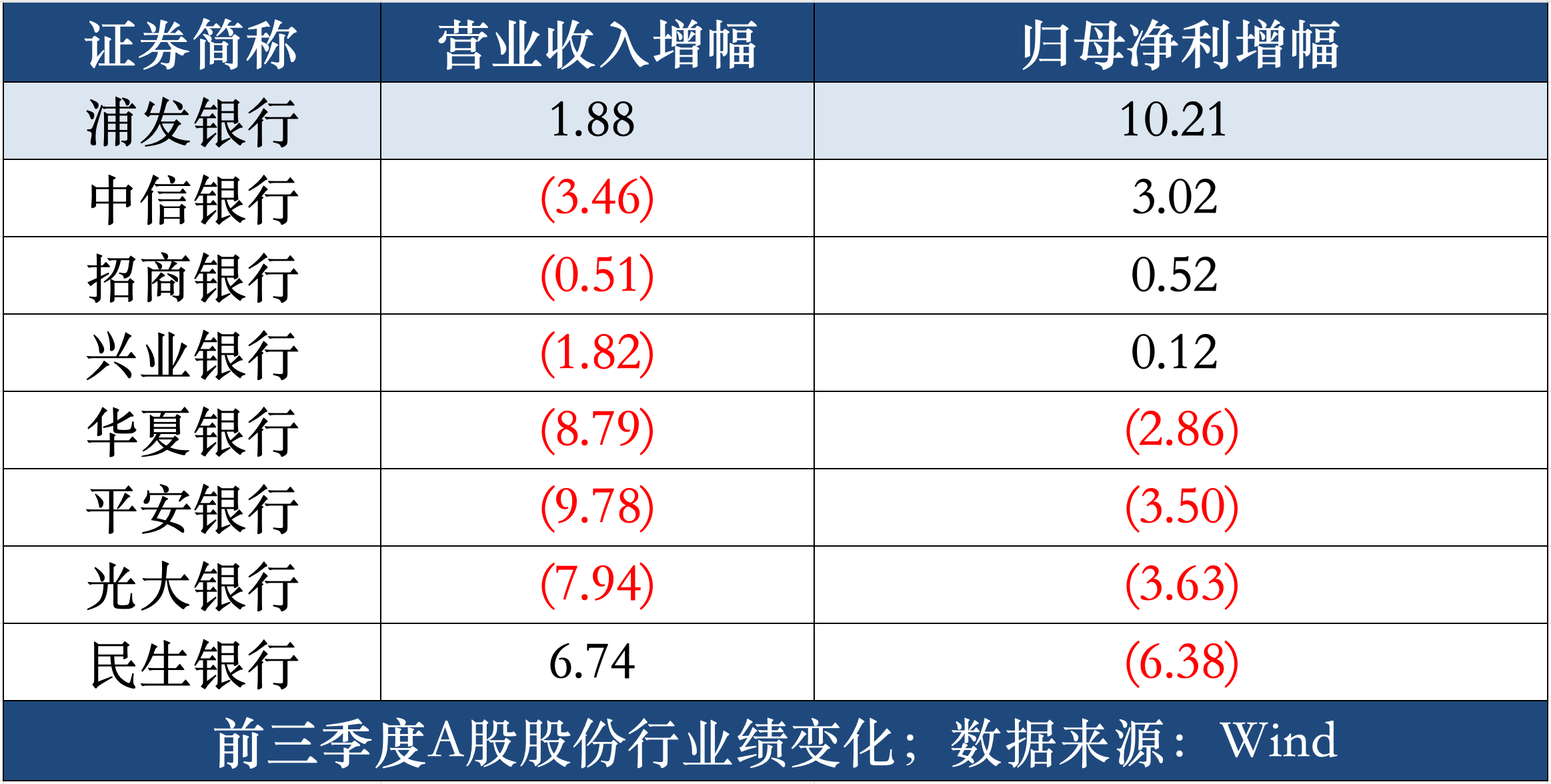
浦发银行的"村改支"进程持续提速。 业绩"翻身仗" 12月3日,大连甘井子浦发村镇银行收到大连金监局发布的解散批复,这家成立了15年的村镇银行将正式并入浦发银行体系,成为大连梭鱼湾支行。 无独有偶,今年以来,浦发银行旗下已有富民、泽州、邹平等6家村镇银行相继完成"村改支",村镇银行数量已缩减至22家。 对于村镇银行而言,纳入总行体系后的风控、数字化水平与资源配置能力都将有显著提升; 这既响应了监管压实发起行责任、加快中小金融机构改革化险的要求,亦呼应了近期浦发银行管理层对于"适度下沉经营网络"的表态。 在息差收窄与中收乏力的近几年,县域市场凭借差异化的产业基础和未被充分开发的消费潜力成长为新蓝海,国股行主动向下沉市场要增量,早已不是新鲜 事。 浦发银行成为了参与者之一。 利率下行周期中,浦发银行在资产定价与揽储上的短板持续暴露,净息差处于股份行下游;加之2017年成都分行造假案的千亿坏账余波未平,该行业绩常年 笼罩在阴霾之下。 2024年起,以张为忠为董事长、谢伟为行长的新一届管理团队陆续就位,提出聚焦"数智化"转型,主攻科技、供应链、普惠、跨境和财资"五大赛道",激活 对公基因; 这一过程中,下沉县域正在成 ...

达美乐成下沉市场“排队王”?回应称今年开店目标已完成约100%
Xi Niu Cai Jing· 2025-12-02 05:57
Core Viewpoint - Domino's Pizza has rapidly developed in the Chinese market, becoming a popular choice among consumers, despite facing challenges in its earlier years [2][4]. Financial Performance - For the first half of 2025, Domino's China reported revenue of 2.59339 billion RMB, a year-on-year increase of 27% [3]. - The net profit attributable to the company's owners reached 65.924 million RMB, reflecting a significant growth of 504.4% compared to the previous year [3]. - The operating profit margin improved slightly to 14.6%, up from 14.5% [3]. Market Expansion - Domino's China added 190 new stores in the first half of the year, expanding its network to 1,198 stores across 48 cities [4]. - The company has focused on non-first-tier cities, with 683 stores in these areas generating sales of 15.09 billion RMB, a growth of 46.6% [5]. - The sales from first-tier cities amounted to 10.85 billion RMB, accounting for 41.8% of total revenue, with a growth of 7.2% [5]. Strategic Challenges - Despite recent growth, Domino's faced cumulative losses of nearly 1 billion RMB from 2020 to 2023, with profitability expected to improve in 2024 [4]. - The company is encountering increased competition in the pizza market, with other brands potentially offering greater discounts to attract consumers [6]. - The "30-minute delivery" promise may face challenges in non-first-tier cities, but the company plans to enhance its delivery services as it expands [6].
土味营销的跑马圈地接近结束
3 6 Ke· 2025-12-01 04:09
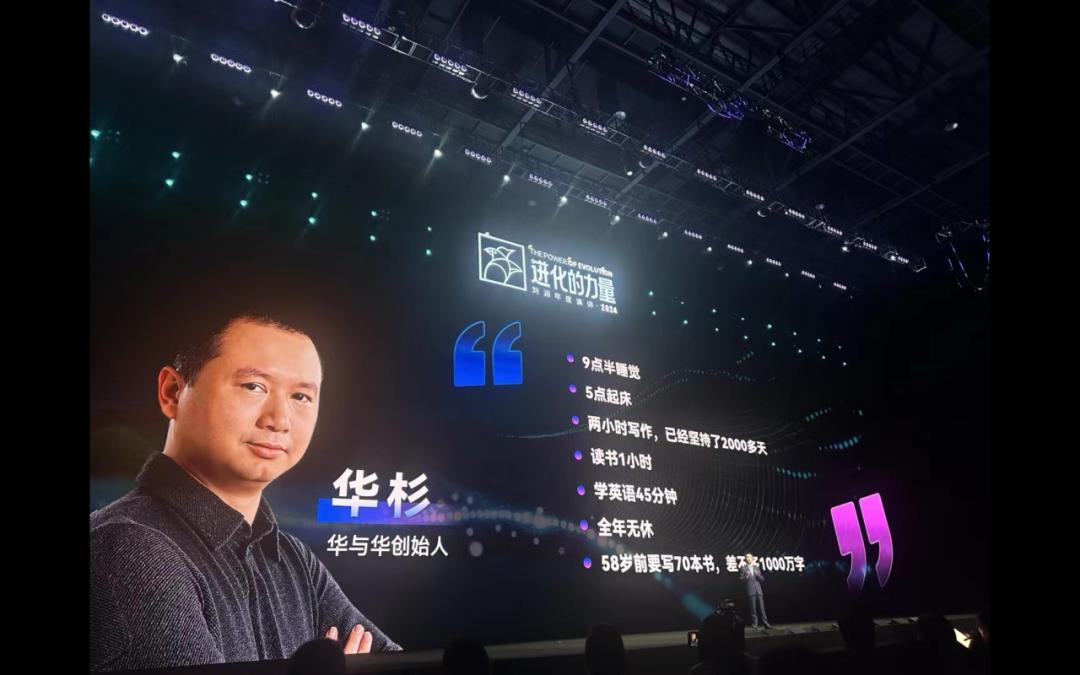
Core Viewpoint - The conflict between Luo Yonghao and Huayi Huayi highlights a deeper interest conflict, with Luo's criticism of Huayi Huayi's "earthy marketing" posing unprecedented challenges to the consulting firm [1][3]. Group 1: Huayi Huayi and Earthy Marketing - Huayi Huayi, founded by Hua Shan, has thrived on "earthy marketing" strategies, achieving significant financial success, such as earning nearly 6 million yuan from a three-day course [3][8]. - The effectiveness of Huayi Huayi's marketing methods is now under scrutiny, especially after major client Xibei faced a public relations crisis, raising questions about the verifiability of their methodologies [3][8]. - The concept of "super symbol" marketing, developed by Huayi Huayi, has been instrumental in the rapid expansion of brands like Xibei, which grew from 40 to 350 stores and increased revenue from 2 billion to 6 billion yuan over ten years [8][20]. Group 2: Market Dynamics and Consumer Behavior - The success of brands like Xibei and Miexue Ice City can be attributed to the booming consumption in lower-tier markets, where "super symbols" serve as effective sales tools [9][12]. - The shift in consumer behavior in lower-tier markets indicates a growing sophistication, with users becoming more discerning and less susceptible to simplistic marketing tactics [13][15]. - The Chinese lower-tier market is projected to reach a consumption scale of over 17 trillion yuan by 2024, accounting for nearly 60% of national consumption, making it a core engine for domestic demand [11][12]. Group 3: Challenges and Future of Earthy Marketing - The current landscape suggests that the era of "earthy marketing" may be waning as consumers evolve and demand more nuanced and quality-driven marketing approaches [15][21]. - The rise of local consulting firms, which have adapted to the needs of small and medium enterprises, indicates a shift in the consulting industry, with a focus on practical and immediate results rather than complex strategies [17][20]. - The future of marketing in lower-tier markets will depend on the ability to transition from mere symbol creation to value building and user engagement, as consumer expectations continue to rise [21].
奶茶黑马赚钱快分红狠,古茗一年分红37亿,创始人王云安独揽15亿
3 6 Ke· 2025-12-01 03:46
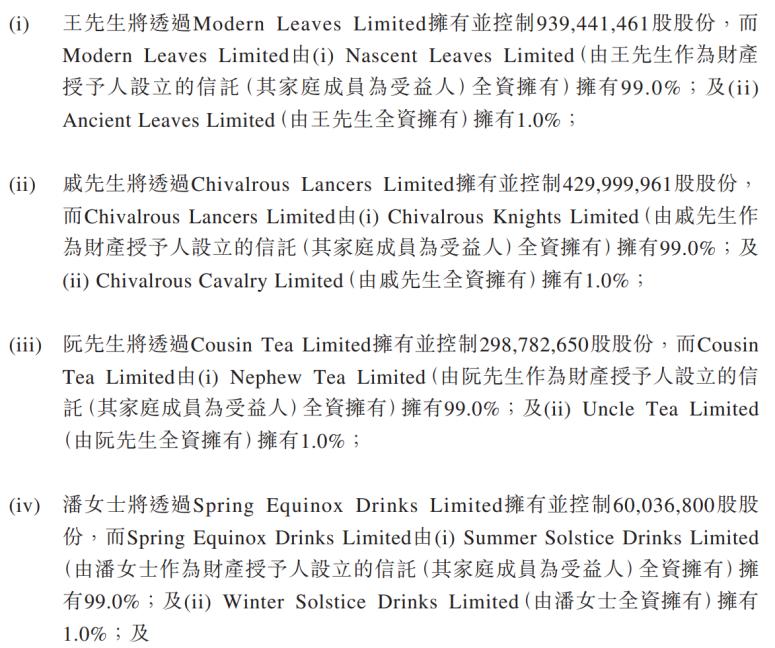
古茗突然宣布大手笔分红,创始人王云安及一众高管成为最大赢家。 古茗(1364.HK)日前发布公告称,公司计划派发特别股息0.93港元/股,以23.78亿总股本计算,合计派发股息22.12亿港元,且无须缴纳预 扣税。 这已是古茗年内第二次宣布派息。今年1月,古茗就宣布分红17.4亿元人民币。截至6月底,这笔股息已派发了8.7亿元,其余部分将于明年 3月前派发完毕。 上市刚9个多月,古茗的分红额已经超过了公司的募资额。今年2月上市时,古茗的募资净额为19.30亿港元,而年内两次分红就分出了超37 亿元。 值得注意的是,由于古茗股权极为集中,上述分红多数流入了古茗创始人、董事长兼CEO王云安及部分高管的海外信托之中。 截至今年6月底,王云安、戚侠、阮修迪、潘萍萍4位控股股东通过家族信托,合计控制公司72.77%的股权。算下来王云安4人从本次派息 中分得约16亿港元,约合14.7亿人民币。若算上年初那次分红,王云安4人共可取得超28亿元分红,其中王云安独揽逾15亿元。 此外,随着古茗市值拔升,王云安等人的身价也水涨船高。以古茗596亿港元的市值计算,四位控股股东的合计持股市值约为433亿港元, 王云安个人的身价为23 ...