双碳目标

Search documents
2026年政府工作报告点评:稳中应变,开新局、留空间
Southwest Securities· 2026-03-05 09:07
Economic Goals - The GDP growth target for 2026 is set at 4.5%-5%, a decrease from the 5% target in 2025[3] - The weighted average GDP growth target for local governments in 2026 is approximately 5.10%, down from 5.37% in 2025[3] - The urban surveyed unemployment rate target for 2026 is around 5.5%[3] Fiscal Policy - The fiscal deficit rate for 2026 is planned at around 4%, consistent with 2025, amounting to approximately 5.89 trillion yuan, an increase of 230 billion yuan from 2025[3] - General public budget expenditure is expected to reach 30 trillion yuan for the first time, an increase of about 1.27 trillion yuan from the previous year[3] Monetary Policy - The monetary policy remains "moderately loose," with expectations for potential interest rate cuts in the second half of 2026, estimated at 25 basis points for reserve requirement ratio and 10 basis points for interest rates[5] - The issuance of new policy financial instruments is set at 800 billion yuan to stimulate investment[5] Consumption and Investment - A special fund of 1 trillion yuan will be established to promote domestic demand, alongside 2.5 trillion yuan in special bonds for consumer goods replacement[6] - Central budget investment for 2026 is planned at 755 billion yuan, an increase of 20 billion yuan from 2025[6] Green Energy and Innovation - The report emphasizes the development of future industries such as future energy and brain-computer interfaces, with hydrogen production capacity expected to exceed 5 million tons per year by the end of 2024[7] - A national low-carbon transition fund will be established to support green transformation efforts[9]
4月1日杭州【生物基化学品与材料专场】免费报名中!一起相约“第五届中国合成生物学及生物制造大会”
synbio新材料· 2026-03-05 07:23
Core Viewpoint - The article emphasizes the importance of bio-based chemicals and materials in the global green transition and "dual carbon" goals, highlighting their potential to replace traditional petroleum-based products across various industries such as packaging, textiles, and automotive [2]. Event Details - The "5th China Synthetic Biology and Bio-Manufacturing Conference" will be held in Hangzhou from March 31 to April 1, 2026, with an expected attendance of 1,000 participants [3]. - The conference is organized by synbio深波 and hosted by 享融智云, with media support from various synbio platforms [3]. Conference Agenda - The conference will feature multiple sessions, including a dedicated session on bio-based chemicals and materials, aimed at fostering high-quality development in this sector [4]. - Notable topics include low-cost production of high-performance PHA, key technologies for non-grain straw sugar development, and the research and application of bio-based materials like FDCA and PEF [4][5]. Key Speakers - Zhang Kechun, a professor at West Lake University and founder of Element Driven, will lead discussions on bio-based chemicals and materials [10]. - Lan Yuxuan, co-founder of Beijing Micro Factory Biotechnology Co., will present on next-generation industrial biotechnology for PHA production [13]. - Luo Zhao, deputy general manager of Lif Bio, will discuss the application of furan bio-based materials in various industries [16].


2026全国两会 | 8位代表建言氢能发展
势银能链· 2026-03-05 03:03
Core Viewpoint - The article emphasizes the importance of hydrogen energy in achieving China's dual carbon goals, highlighting various proposals from representatives at the National People's Congress aimed at promoting the development of the hydrogen industry and establishing a modern energy system [2]. Group 1: Policy and Regulatory Suggestions - GAC Group's Chairman Feng Xingya suggests accelerating the establishment of a 70MPa hydrogen refueling standard and regulatory framework to support the hydrogen fuel cell vehicle industry [3]. - Qiu Jihua, Vice President of Chaozhou Sanhuan, recommends that industry authorities provide special support for the development of key technologies related to megawatt-level solid oxide fuel cells (SOFC) and their coupling with heat pump systems [4]. - Zhang Guoqiang, Chairman of Yihua Tong, proposes a national-level hydrogen highway initiative, including the establishment of hydrogen refueling stations and the reduction of hydrogen refueling costs [5]. Group 2: Industry Development and Technological Innovation - Zhong Baoshan, Chairman of Longi Green Energy, calls for the implementation of dual measures of "carbon control + subsidies" to promote the use of green hydrogen in various sectors, and to simplify project approval processes [6]. - Xue Jiping, Chairman of Zhongtian Technology Group, advocates for the inclusion of the Rudong hydrogen energy base in national and regional hydrogen development plans to enhance collaborative development in the Yangtze River Delta [7]. - Jiang Li, Chairman of Nanjing Tianga Environment, suggests prioritizing integrated green hydrogen and ammonia projects in the 14th Five-Year Plan and supporting the establishment of a certification system for green hydrogen derivatives [8]. Group 3: Market and Infrastructure Development - Zhang Tianren, Chairman of Tianneng Holdings, emphasizes the need for policy support to accelerate the commercialization of hydrogen energy storage and hydrogen-powered drones, highlighting the importance of a robust innovation and infrastructure framework [9]. - Li Wenhui from State Power Investment Corporation suggests fostering a domestic green market and establishing a comprehensive carbon trading market to facilitate the value transmission of green hydrogen products [10].






解放/三一/徐工/重汽等2026主销纯电重卡 谁会成为爆款?| 头条
第一商用车网· 2026-03-05 02:11
Core Insights - The electric heavy truck market is transitioning from closed scenarios to long-distance trunk routes, driven by both policy and market demands for cost reduction and carbon neutrality [1][3] - Major manufacturers are launching new electric heavy truck models with advancements in ultra-fast charging technology, electric drive integration, and cold climate adaptability [1][3] Group 1: Industry Trends - The domestic electric heavy truck market is experiencing three core trends: 1. Expansion from closed scenarios to trunk markets, with long-range and high-capacity products becoming mainstream. Current penetration in the mid-to-long-distance market is less than 1% [3] 2. The charging infrastructure is evolving towards ultra-fast and standardized solutions, with 800V high-voltage platforms becoming mainstream, enabling charging efficiencies that allow for 300 kilometers of range in just 30 minutes [3] 3. Core technologies are focusing on integration and autonomy, with electric drive bridges and integrated thermal management systems becoming competitive focal points, achieving electric drive system efficiencies exceeding 94% [3] Group 2: Product Highlights - The FAW Jiefang Eagle Chariot features a self-developed electric drive bridge, showcasing lightweight and high-efficiency advantages, with a comprehensive energy consumption of 1 kWh per kilometer [5][7] - The SANY Jiangshan SE636 electric heavy truck offers a 500-kilometer range and a 50% lower operating cost compared to diesel trucks, equipped with a 636 kWh battery and 640 kW dual motors [9] - The XCMG XG2 EX710S supports 1.44 MW ultra-fast charging, achieving a 10% to 90% charge in just 15 minutes, with a peak power of 520 kW and a maximum climbing ability of 30% [11] - The China National Heavy Duty Truck Shandeka C7M features a peak power of 825 kW and offers flexible charging options, including a large capacity battery from CATL [15] - The Foton Ouman Galaxy 9 is designed for express logistics, with a peak power output of 380 kW and enhanced charging efficiency, ensuring reliable range [19] - The CIMC Shaanxi G6000E integrates all-electric control and chassis, achieving a low energy consumption of 1.1 kWh per kilometer, with significant savings over 20,000 kilometers of operation [20][22] - The Dongfeng Tianlong KL offers multiple configurations for various transport needs, with a maximum range of 460 kilometers and a charging time of under 40 minutes from 20% to 80% [24][26] Group 3: Market Outlook - The electric heavy truck industry is entering a phase of "technology differentiation competition," with various manufacturers addressing specific market needs through tailored solutions [27] - The future of electric heavy trucks looks promising, with expectations for large-scale penetration in the mid-to-long-distance trunk market as charging networks improve and battery costs decrease [28]

CGS-NDI专题报告:CBAM深度解析:高排放行业的加速转型契机
Yin He Zheng Quan· 2026-03-04 14:40
Investment Rating - The report does not explicitly provide an investment rating for the industry Core Insights - The EU Carbon Border Adjustment Mechanism (CBAM) officially comes into effect on January 1, 2026, covering six high-emission industries: steel, aluminum, cement, fertilizers, electricity, and hydrogen [6][8] - CBAM aims to address "carbon leakage" risks and is designed to push non-EU producers to adopt cleaner technologies [9][10] - The mechanism is seen as a green trade barrier, reflecting the EU's dual ambitions of revitalizing its economy and advancing global climate governance [6][25] - CBAM will significantly increase short-term carbon costs for China's high-emission industries, with the cost pressure ranking as follows: cement > steel > aluminum [6][19] - The report emphasizes the need for China's high-emission industries to accelerate their transition towards low-carbon technologies [6][20] Summary by Sections Section 1: CBAM as a Supplement to the EU Carbon Market - CBAM is introduced to mitigate "carbon leakage" risks and to impose carbon costs on high-emission trade goods [9][11] - The mechanism will gradually align with the EU carbon market reforms, with a shift from free allowances to paid certificates from 2026 to 2034 [15][16] Section 2: CBAM as a Green Trade Barrier - The introduction of CBAM is closely linked to the EU's green transition goals and aims to create a fair competitive environment while enhancing the EU's global leadership in climate action [25][26] - The mechanism is perceived as a response to internal and external pressures faced by the EU, including economic recovery post-COVID-19 and geopolitical tensions [27][28] Section 3: Short-term Carbon Costs for China's High-Emission Industries - The report highlights that China's high-emission industries face dual carbon cost pressures due to both domestic and international policies [20][21] - The transition to low-carbon practices is deemed essential for these industries to remain competitive in the evolving global landscape [20][22] Section 4: Investment Recommendations - Investment in low-carbon technologies and industries is crucial for high-emission sectors to adapt to CBAM and achieve green transformation [6][25] - The report suggests that companies with advanced technology and financial resources will likely enhance their international competitiveness through successful low-carbon transitions [6][25]
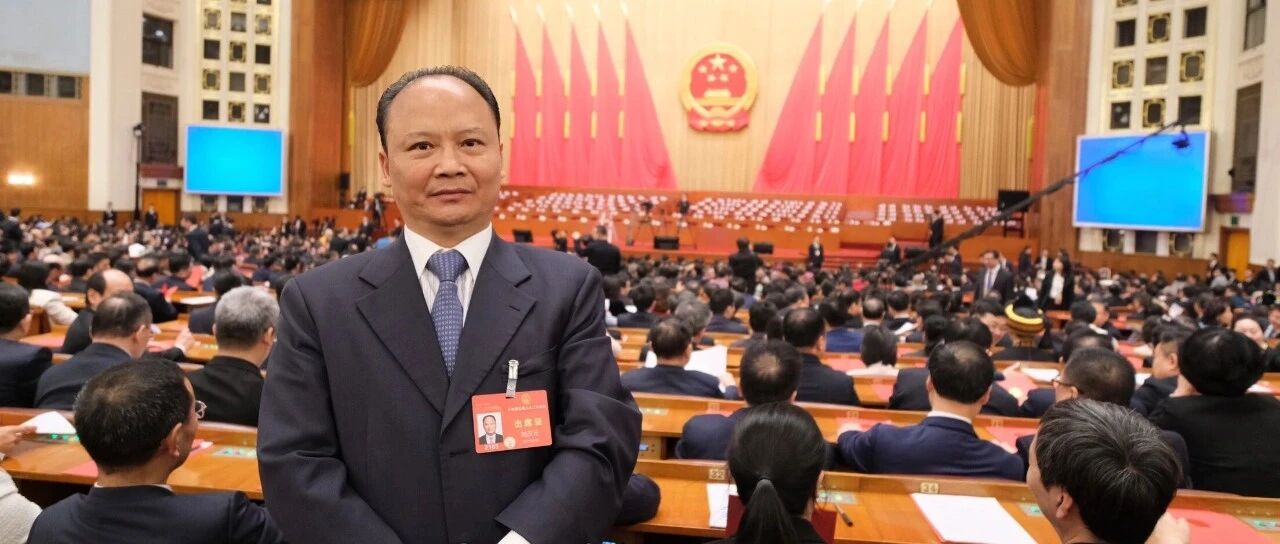
两会聚焦 | 全国人大代表刘汉元建议:将光伏制造纳入统筹管理,建设统一监测平台
IPO日报· 2026-03-04 13:46
Core Viewpoint - The article emphasizes the need for integrating photovoltaic (PV) manufacturing into the energy sector management to address the challenges faced by the industry, including overcapacity and intense competition, which have led to significant financial losses and market instability [1][2]. Group 1: Recommendations for Industry Management - The first recommendation is to incorporate PV manufacturing into the overall planning and management of the energy sector, led by the National Development and Reform Commission (NDRC) and the Ministry of Industry and Information Technology (MIIT), with collaboration from other relevant ministries [2]. - Establishing a "manufacturing-application-consumption" coordination mechanism is crucial to align PV manufacturing capacity with energy development and grid construction, addressing issues of insufficient collaboration between manufacturing and application sectors [2][3]. - The second recommendation suggests creating a market regulation mechanism for PV manufacturing based on the Energy Law of the People's Republic of China, linking production capacity with national PV installation plans and export demands to ensure a dynamic balance [3][4]. Group 2: Addressing Current Challenges - The article highlights that geopolitical factors and the rise of PV manufacturing in countries like the U.S. and India have increased competition, leading to a projected slowdown in China's PV component export growth to 2.1% by 2025, with potential stagnation in the following years [4]. - The ongoing "involution" in the industry has resulted in significant financial losses, exceeding 100 billion yuan over two consecutive years, and a total market value decline of nearly 4 trillion yuan from historical peaks [2][4]. - Establishing a national monitoring platform is recommended to enhance emergency response and surplus monitoring systems, ensuring data on capacity, production, prices, and quality is effectively managed [7][8]. Group 3: Future Outlook - The establishment of a unified monitoring platform is expected to mitigate the fragmentation of local policies and improve data transparency, which will stabilize corporate policy expectations and counteract operational risks from price fluctuations [8]. - The article warns that if demand continues to decline, the industry may face further losses, and the "involution" competition could worsen, necessitating timely regulatory measures to ensure sustainable development and maintain the global competitive edge of China's PV industry [4][5].
中国能建(601868):火水风光储氢齐头并进,打造“投建营”一体化新引擎
CMS· 2026-03-04 08:48
Investment Rating - The report initiates coverage with an "Accumulate" investment rating for China Energy Construction (601868.SH) [1] Core Views - China Energy Construction holds a leading position in traditional energy sectors such as thermal, hydro, and nuclear power, while actively expanding into renewable energy and energy storage markets, showcasing significant competitive advantages [1] - The company is strategically shifting from a focus on engineering construction to a dual-driven model of engineering construction and investment operations, which is expected to enhance profitability [1] - The company has a comprehensive layout across the entire energy construction industry chain, integrating various business segments to create a synergistic ecosystem [6] Summary by Sections 1. Energy Construction Leader with Full Industry Chain Layout - The company covers multiple fields including traditional energy, renewable energy, and comprehensive smart energy, with a complete service capability from planning and design to construction and operation [12] - Revenue and profit have shown steady growth, with a CAGR of 12.08% for operating income and 10.43% for net profit from 2019 to 2024 [20] - The engineering construction business contributes the majority of revenue and gross profit, while the investment operation business is increasingly contributing to gross profit [24] 2. Stable Traditional Energy and Growth from New Energy - The company has over 80% market share in thermal power and more than 30% in hydro power, with significant growth potential in nuclear power and transmission and transformation sectors [6][46] - The company is expected to benefit from major projects like the Yarlung Tsangpo River downstream hydropower project, which could contribute an annual revenue increase of 67-420 billion yuan [62] 3. Comprehensive Layout in Wind, Solar, Hydrogen, and Deep Participation in Nuclear Fusion - The company has rapidly increased its installed capacity in renewable energy, reaching 15.0363 million kilowatts by mid-2025, a year-on-year increase of 39.8% [6] - The strategic shift towards investment operations is expected to enhance overall profitability, with high-margin investment operations increasing their share [6] - The company is actively involved in hydrogen energy and nuclear fusion projects, positioning itself for high growth in these emerging sectors [6] 4. Profit Forecast and Valuation - The company is projected to achieve operating revenues of 445.578 billion, 468.921 billion, and 502.749 billion yuan for 2025, 2026, and 2027 respectively, with corresponding net profits of 89.53 billion, 95.71 billion, and 102.75 billion yuan [7] - The current stock price corresponds to a PE ratio of 11.7x, 11.0x, and 10.2x for the years 2025, 2026, and 2027 [7]

李书福恳请交通部优先推广这一类货车!
第一商用车网· 2026-03-04 05:59
Core Viewpoint - The article discusses proposals submitted by Li Shufu, Chairman of Geely Holding Group, during the 2026 National Two Sessions, focusing on green transportation, smart vehicle discipline construction, and barrier-free travel to promote high-quality development in the automotive industry and support the "dual carbon" goals while enhancing public welfare [1]. Group 1: Green Transportation - Li Shufu proposed promoting methanol electric trucks to ensure capacity and achieve "dual carbon" goals, highlighting their economic and environmental advantages, especially in cold northern regions for medium to long-distance freight scenarios [3][4]. - The total freight volume in China is expected to exceed 560 billion tons by 2024, with road transport accounting for 73.6%, representing a market size of approximately 4.3 trillion yuan [3]. Group 2: Smart Vehicle Discipline Construction - The establishment of a "Smart Electric Vehicle" interdisciplinary discipline is recommended to address the shortage of innovative talent and support the sustainable innovation of China's automotive industry [4][5]. - The proposal suggests that the Ministry of Education should officially establish this discipline in the 2027 academic directory adjustment, focusing on talent cultivation and integrating cross-disciplinary resources [5]. Group 3: Barrier-Free Travel - The article emphasizes the importance of developing a barrier-free taxi service system to meet the travel needs of the elderly and disabled, addressing current supply shortages and operational difficulties in various cities [6]. - Recommendations include establishing national standards for barrier-free taxis, creating a diversified funding mechanism, and enhancing driver training and service systems to improve service quality [7].
关于举办源网荷储及微电网投资建设培训的通知丨系列培训
中国能源报· 2026-03-03 13:39
Core Viewpoint - The integrated development of source-grid-load-storage is essential for the high-quality development of the power system and is a necessary choice for enhancing the consumption of renewable energy and non-fossil energy [2] Group 1: Training Overview - The training on source-grid-load-storage and microgrid investment construction is organized by China Energy News and aims to deepen understanding of related issues [2][3] - The training will take place from March 6 to 7 in Hangzhou [3] Group 2: Target Audience - The training is aimed at large energy groups, power companies, generation groups, local energy groups, key parks, factories, and various energy-consuming institutions [3] - It also targets new energy enterprises (wind, solar, storage), power design institutes, and integrated design units [3] Group 3: Course Modules - The training will cover policy interpretation, current development status, application scenarios, technical analysis, and profit models related to source-grid-load-storage and microgrids [3][4] Group 4: Development Directions - The training will discuss the differences and connections between green electricity direct connection and source-grid-load-storage [4] - It will also cover the application of microgrids in zero-carbon parks and provide guidelines for industrial green microgrid construction [4] Group 5: Fees and Payment - The training fee is set at 3,900 yuan per person, which includes the training fee, while transportation and accommodation are self-catered [4] - Payment can be made via bank transfer, and on-site payment will not be accepted [4]

【免费报名中】2026势银液氢产业大会(无锡,4月15日)
势银能链· 2026-03-03 03:12
Core Viewpoint - The article emphasizes the rapid development of the liquid hydrogen industry, highlighting its transition from aerospace applications to civilian use, driven by the "dual carbon" goals and energy structure transformation. The year 2025 is identified as a critical breakthrough year for the industry, with significant advancements across the entire supply chain [2]. Industry Progress - The domestic liquid hydrogen supply chain is nearly complete, covering production, storage, transportation, refueling, and usage, with a notable acceleration in civilian applications. By 2025, key milestones include the deployment of 10-ton liquid hydrogen liquefaction equipment by Guofu Hydrogen Energy, stable operation of the first civilian liquid hydrogen full industry chain demonstration project led by Zhongke Fuhai, and the selection of a 5-ton/day liquid hydrogen project by Xuyang Group as a provincial key project [2]. - Storage and transportation advancements include the launch of a 400 cubic meter liquid hydrogen sphere tank by CIMC and a 20m³ liquid hydrogen storage tank by the Aerospace Sixth Academy, along with successful compatibility tests of vehicle-mounted liquid hydrogen systems with heavy trucks. Application scenarios are expanding to include liquid hydrogen heavy trucks, drones, large transport ships, commercial aerospace, and quantum computing, with gradual improvements in policy standards [2]. Bottlenecks and Challenges - The industry faces multiple bottlenecks hindering large-scale implementation, particularly in upstream, midstream, and downstream segments. Key issues include high energy consumption in hydrogen liquefaction, performance stability of domestic liquefaction equipment, high evaporation rates of domestic storage tanks, and insufficient adaptability and stability of liquid hydrogen refueling equipment [3]. - Downstream, despite several demonstration projects, the scale of applications remains small, with cost and compatibility issues limiting the widespread adoption of liquid hydrogen heavy trucks and commercial aerospace applications. The fragmented nature of downstream demand also weakens the pull on upstream supply [3]. - Additionally, the industry is heavily reliant on imported high-performance materials and equipment, increasing costs across all segments, and there is a lack of comprehensive safety standards covering the entire liquid hydrogen process, complicating large-scale implementation [3]. Upcoming Conference - To address these challenges, TrendBank and the Gas Circle are organizing the 2026 TrendBank Liquid Hydrogen Industry Conference on April 15, 2026, in Wuxi, Jiangsu, during the International Gas Industry Expo. The conference will focus on breaking bottlenecks and exploring high-quality development paths for the liquid hydrogen industry [4][5]. - The event will gather industry elites to discuss core topics such as technological breakthroughs, cost optimization, and standardization, and will also recognize companies that contribute to the advancement of China's liquid hydrogen industry [4]. Conference Highlights - The 2026 International Gas Industry Expo, held concurrently, is a significant platform for the gas industry, featuring over 600 exhibitors and an expected attendance of around 50,000 visitors from approximately 30 countries and regions [9].