电动化

Search documents
工程机械概念股走强,工程机械相关ETF涨超3%
Sou Hu Cai Jing· 2026-02-24 06:13
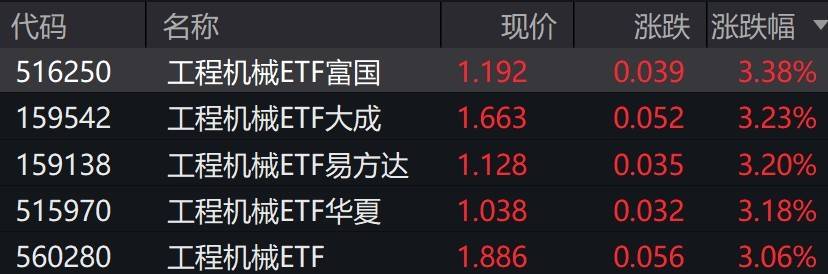
Core Viewpoint - The engineering machinery sector is experiencing a strong performance, with significant gains in stock prices for major companies and related ETFs, driven by domestic demand recovery and export growth prospects [1][2]. Group 1: Stock Performance - Major engineering machinery stocks such as XCMG Machinery and Weichai Power have risen over 6%, while Sany Heavy Industry, Zoomlion, and LiuGong have increased by more than 3% [1]. - Engineering machinery-related ETFs have also seen gains, with the ETF from Fuguo rising by 3.38%, and others like Dazhong and Yifangda increasing by 3.23% and 3.20% respectively [2]. Group 2: Market Outlook - Domestic demand is expected to accelerate due to ongoing renewal needs, trends towards electrification, and a narrowing decline in new construction area in the real estate sector [2]. - Export growth is anticipated as demand from regions like Australia and South America increases due to high mineral prices, alongside rapid growth in emerging markets such as Africa and Indonesia, and continued international expansion by engineering machinery companies [2].

为什么丰田社长非换不可?
汽车商业评论· 2026-02-22 23:06
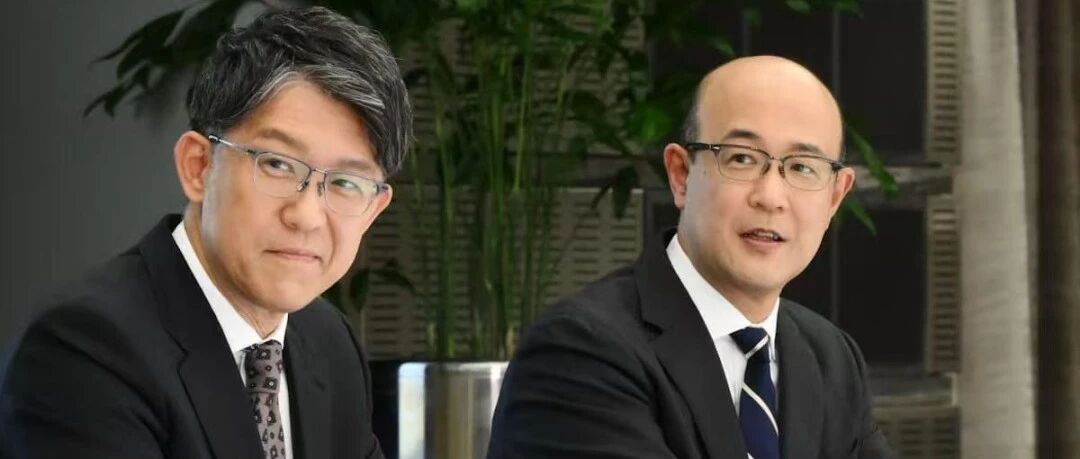
Core Viewpoint - The recent leadership change at Toyota reflects a strategic shift towards prioritizing financial stability and investment efficiency amid rising costs and competitive pressures in the automotive industry [5][11][19] Group 1: Leadership Transition - Toyota appointed CFO Kenta Nishikata as the new president, marking the first time since 2009 that a non-engineer has taken the helm, indicating a shift from an engineering-focused leadership to a finance-oriented approach [5][10] - Former president Akio Toyoda, who had been in charge for nearly 14 years, will now serve as vice chairman and chief industry officer, allowing him to focus on broader industry issues [5][18] - The leadership change is seen as a response to profit pressures and the need for a more robust financial strategy in light of increasing costs and competition [5][11][19] Group 2: Financial Focus - Kenta Nishikata emphasizes the importance of building a solid financial foundation to enable bold investments in future technologies, particularly in the context of the ongoing industry transformation [7][9] - Under Nishikata's leadership, Toyota aims to improve its profit structure and maintain sufficient capital reserves to navigate the challenges posed by rising costs and competition from new entrants in the market [9][16] - The company has faced significant financial challenges, including a 43% drop in net profit for the third fiscal quarter of 2025, largely attributed to the impact of U.S. tariffs [13][14] Group 3: Strategic Implications - The appointment of a finance expert as president signals a strategic pivot for Toyota, prioritizing financial discipline to stabilize operations while pursuing ambitious investments in software, AI, and autonomous driving technologies [10][14][19] - Analysts suggest that this leadership change is crucial for Toyota to effectively manage the dual pressures of external industry changes and internal operational reforms while striving for profitability [16][19] - The company recognizes the need for substantial investment in technology to catch up with competitors, particularly in software development, which is seen as critical for future success [18][19]

奥迪,只卖10万了
商业洞察· 2026-02-17 09:35
Core Viewpoint - The significant drop in the Audi A3's terminal price below 100,000 yuan reflects a broader crisis in the luxury car market, driven by the rise of electric vehicles and changing consumer preferences [2][5]. Group 1: Price and Sales Trends - The Audi A3's official price was 203,100 yuan in 2023, but it has now fallen to 99,800 yuan in various regions, with some dealers offering "0 down payment + 3 years interest-free" financing options [2][7]. - Audi's sales have been declining since 2020, with projections indicating a drop to 54,700 units in 2024, a significant decrease from over 80,000 units sold annually between 2016 and 2019 [8][10]. - In 2025, Audi's sales in China were 617,500 units, down 5% year-on-year, marking a return to sales levels seen seven to eight years prior [8][12]. Group 2: Market Competition and Consumer Behavior - The decline in Audi A3's price is attributed to competition from electric vehicles like BYD Qin PLUS DM-i and Xpeng MONA, which offer advanced features at similar price points [14][15]. - The traditional brand premium associated with Audi has diminished, as consumers now prioritize technology and features over brand names, leading to a shift in purchasing behavior [16][17]. - The A3's sales increase has come at the expense of its sibling model, the Volkswagen Golf, indicating internal competition within the brand [19]. Group 3: Dealer Challenges and Brand Trust - Over 52% of Audi dealers are operating at a loss, with many closing or switching brands due to unsustainable business conditions [11][22]. - The pressure from the manufacturer to maintain high inventory levels has led to significant financial strain on dealers, further eroding trust in the brand [22][23]. - The collapse of dealer trust poses a more significant challenge than declining sales, as it affects long-term brand loyalty and consumer confidence [24]. Group 4: Strategic Responses and Future Outlook - Audi plans to phase out entry-level fuel vehicles like the A1 and A3 by 2026, focusing on electric vehicle platforms to improve cash flow and adapt to market changes [12][25]. - The introduction of the new Audi A6L, featuring Huawei's advanced driving systems, represents Audi's attempt to regain competitiveness in the smart vehicle market [25][27]. - The launch of a new brand under SAIC Audi aims to combine German engineering with Chinese innovation, reflecting a strategic pivot to meet evolving consumer demands [27]. Group 5: Broader Industry Context - The decline of the Audi A3 is part of a larger trend affecting the luxury car segment, with brands like Mercedes-Benz and BMW also experiencing significant sales drops [33]. - The luxury car market is undergoing structural changes, as electric vehicles eliminate traditional barriers to entry, leading to a reevaluation of brand value and consumer expectations [34][36]. - As product differentiation diminishes, consumers are increasingly focused on value for money rather than brand prestige, indicating a shift in the luxury market landscape [37][38].

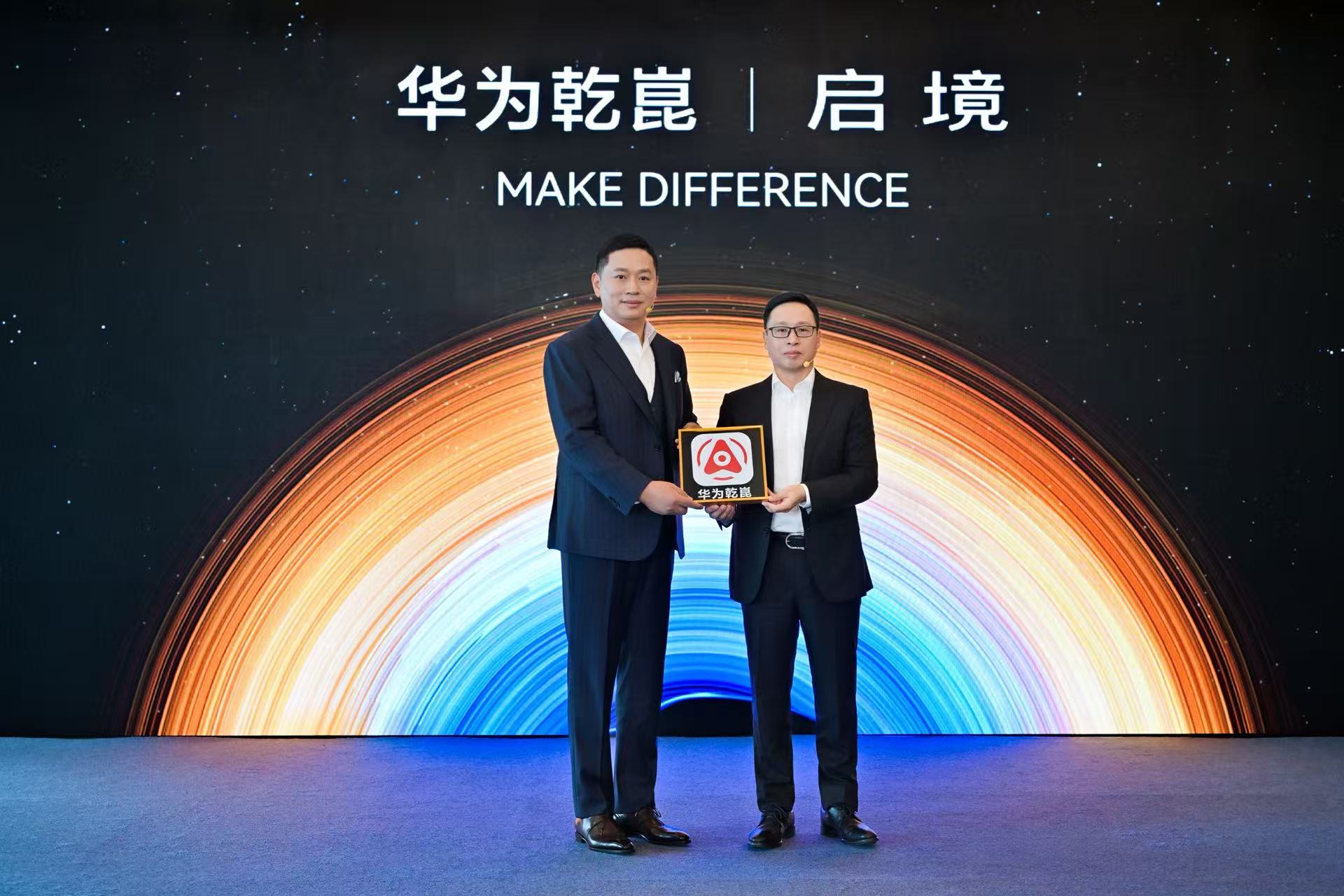
启境入局:中国汽车智能化下半场的价值回归与高端突围
经济观察报· 2026-02-15 02:11
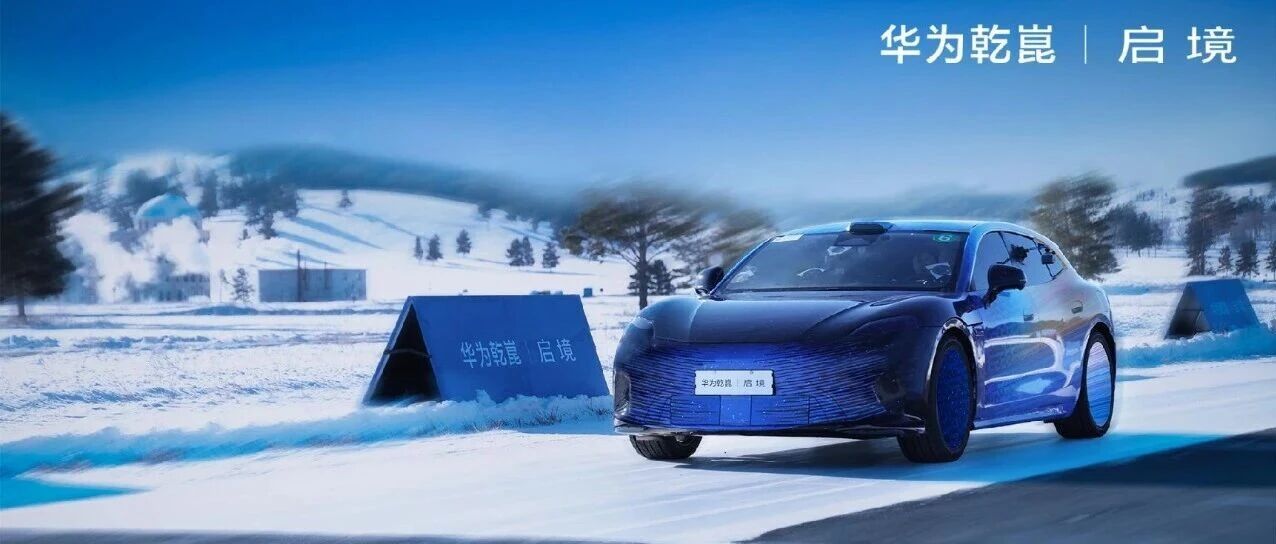
Core Viewpoint - The emergence of Qijing Automotive represents a significant exploration in the intelligent and high-end development path of the Chinese automotive industry during a critical period of transformation [1][26]. Group 1: Strategic Shift from Electrification to Intelligentization - By the end of 2025, the penetration rate of new energy vehicles in China is expected to approach 60%, indicating that the electrification phase is nearing completion, while the intelligentization phase is just beginning [2][6]. - The automotive industry is undergoing a structural transformation, with a shift in competition from mere electrification to intelligentization, as evidenced by the increasing demand for smart, personalized vehicles [6][8]. - Over 80% of automotive companies have initiated AI pilot projects, but only 15% have achieved large-scale application, highlighting the transition from "whether to do" to "how to do it right" in intelligentization [2][8]. Group 2: Challenges in Intelligent Transformation - The transition to intelligentization presents significant challenges, including the need for comprehensive capabilities in data collection, processing, and system integration [16][17]. - Companies must prepare for the responsibilities associated with Level 3 automation, requiring robust safety and quality management systems throughout the product lifecycle [16][20]. - The collaboration model in the intelligent era necessitates deep integration of hardware, software, algorithms, and data, moving beyond traditional supply chain relationships [17][20]. Group 3: Qijing's Unique Position and Strategy - Qijing is positioned as a strategic player in the intelligentization arena, focusing on redefining what constitutes a high-quality vehicle in the smart era [14][26]. - The collaboration between Qijing and Huawei is characterized by "embedded collaboration," allowing for joint product logic definition and system performance validation [16][20]. - Qijing aims to leverage its partnerships to create a new value benchmark in the high-end market, combining technology, luxury, and reliability [26][31]. Group 4: Value Transition of Chinese Brands - Chinese automotive brands are experiencing a value transition, with Qijing positioned to capitalize on this shift by enhancing product quality, user experience, and redefining value in the high-end market [24][26]. - The traditional dominance of luxury brands is declining, with Chinese brands making significant inroads into the high-end market through advancements in electric and intelligent technologies [24][26]. - Qijing's strategy emphasizes a comprehensive user experience and a differentiated dealer network, reflecting growing confidence in Chinese high-end intelligent automotive brands [26][31].

启境入局:中国汽车智能化下半场的价值回归与高端突围
Jing Ji Guan Cha Wang· 2026-02-15 02:07
Core Insights - The electric vehicle (EV) penetration rate in China is expected to approach 60% by the end of 2025, indicating that the initial phase of electrification is nearing completion, while the next phase of intelligent transformation is just beginning [1][4] - Market data suggests a slowdown in EV wholesale growth, with a forecasted decline from 28% in 2025 to 15% in 2026, signaling a shift from growth to competition among existing players [1][4] - The launch of the high-end intelligent EV brand "Qijing," co-created by Huawei and GAC Group, represents a significant step in addressing the industry's transition from electrification to intelligentization [1][3] Industry Transition - The Chinese automotive market is undergoing a structural transformation, with a predicted slowdown in growth rates for new energy vehicles as penetration exceeds 50% [4] - Deloitte's report highlights that over 80% of automotive companies have initiated AI pilot projects, but only 15% have achieved large-scale application, indicating a shift in focus from "whether to do" to "how to do it right" [1][4] - The automotive industry is recognized as being at a critical juncture, facing pressures on the supply side while experiencing explosive growth in demand for intelligent and personalized vehicles [4][6] Intelligent Transformation - Intelligentization is identified as the core of the automotive industry's transformation, integrating various advanced technologies such as perception, data processing, connectivity, execution control, and user experience [6] - The shift from traditional vehicles to intelligent terminals is reshaping the travel ecosystem, with AI expected to play a pivotal role in this evolution [6][12] - The competitive landscape is evolving, with a focus on the ability to continuously innovate and adapt intelligent capabilities rather than merely distinguishing between fuel and electric vehicles [12][14] Challenges and Opportunities - The transition to intelligent vehicles presents significant challenges, including the need for comprehensive technical capabilities, responsibility frameworks for Level 3 automation, and upgraded collaborative models within the industry [15][16] - Qijing's collaboration with Huawei is characterized as "embedded collaboration," allowing for a more integrated approach to product development and system performance validation [16][18] - The brand's supply chain and quality management systems are designed to meet the high standards of luxury vehicles, positioning Qijing to take on the challenges of intelligent vehicle production [18][20] Market Positioning - Qijing aims to redefine the high-end market by focusing on a combination of aesthetics, driving control, and intelligence, while also establishing a differentiated dealer network strategy [23][24] - The brand's strategy reflects a broader trend of Chinese automotive brands moving into the high-end market, with significant improvements in product quality and user experience [21][23] - The emergence of Qijing is seen as a critical exploration of the intelligent and high-end development path for the Chinese automotive industry, aligning with national policies promoting digital transformation [27][29]
佛朗斯股份未来关注点:国际化、电动化与平台转型
Jing Ji Guan Cha Wang· 2026-02-14 07:54
Group 1: Stock Performance - The stock price has shown a narrow fluctuation, closing at HKD 5.90 on February 11, 2026, with a target average price set at HKD 24.10, indicating a premium of over 300% compared to the current price [2] - Technical indicators such as MACD suggest a short-term consolidation pattern, necessitating observation of market liquidity improvements and the convergence of valuation gaps [2] Group 2: Strategic Development - The company established a subsidiary in Indonesia in 2025 and initiated operations, with a subsequent addition of a subsidiary in Vietnam to its Southeast Asia network [3] - Plans for expansion into Thailand and Malaysia are underway to enhance regional market coverage and brand influence, with internationalization expected to drive business penetration and revenue growth [3] Group 3: Business Progress - The electric loader business is identified as a second growth curve, with a fleet size reaching 316 units by mid-2025 and cumulative subscription revenue exceeding 10 million [4] - Future focus will be on increasing market penetration in the new energy equipment leasing sector and its contribution to overall profitability [4] Group 4: Industry Conditions - The global forklift industry is experiencing a structural recovery, with new order growth reaching 12% in the second quarter of 2025 [5] - The company is transitioning to a light-asset smart operation platform, enhancing equipment utilization through a "subscription + maintenance + management" ecosystem, with a management scale of 59,717 units by mid-2025 [5] - Changes in industry demand and the efficiency of the platform model will be key observation points for sustainable performance [5] Group 5: Company Structure and Governance - Attention is required for the company's periodic financial reports, such as the full-year results for 2025, and announcements from the board regarding strategic adjustments and capital operations [6] - The stability of the shareholding structure may impact governance transparency [6]
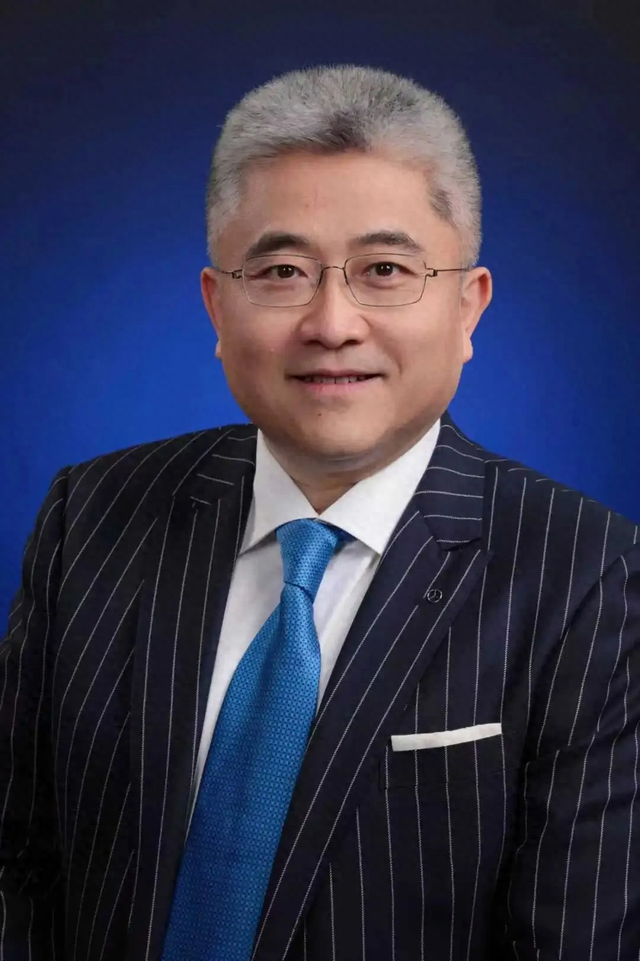
奔驰中国宣布重要人事调整:段建军因个人原因离任,李德思接任
Xin Lang Cai Jing· 2026-02-14 07:11
Core Viewpoint - Mercedes-Benz China is accelerating its "electrification" and "digitalization" transformation following significant personnel changes, including the appointment of a new CEO for Beijing Mercedes-Benz Sales Company [1][4]. Group 1: Personnel Changes - On February 14, 2026, Mercedes-Benz China announced the resignation of President and CEO Duan Jianjun for personal reasons, effective March 1, 2026 [1][3]. - Li Desi, the current Vice President of Sales, will succeed Duan Jianjun as President and CEO, bringing extensive experience in the Chinese market [1][4]. - Duan Jianjun will continue to support the team as a strategic advisor until April 30, 2026, ensuring a smooth transition [4]. Group 2: Contributions and Experience - Duan Jianjun has significantly contributed to the brand's development in China, leading to record sales and establishing a unique luxury brand positioning in the market [4]. - Li Desi has spent a quarter of his career in the Chinese market and has held various important positions within Mercedes-Benz, including roles in smart and Mercedes-Maybach [5][7]. - Li Desi's experience in digital transformation and his understanding of the Chinese market are expected to enhance the company's localization strategy [7][8]. Group 3: Additional Appointments - Zhang Mingxia will transition from her role as Global Chief Marketing Officer at smart to become the Sales Executive Vice President of Mercedes-Benz Sales Company starting April 1 [8][10]. - Kang Yi, the current head of sales and marketing at Mercedes-Benz Automotive Finance, will take over as Global Chief Marketing Officer at smart [10].
宇通客车:公司围绕“电动化、智能网联化、高端化、国际化”四化战略,发挥新能源及智能网联核心优势
Zheng Quan Ri Bao Wang· 2026-02-13 13:40
Core Viewpoint - Yutong Bus (600066) emphasizes its commitment to the "electrification, intelligent networking, high-end development, and internationalization" strategy, aiming to strengthen its leadership in various market segments while expanding its international presence and enhancing global competitiveness and brand influence [1] Group 1 - The company focuses on leveraging its core advantages in new energy and intelligent networking [1] - Yutong Bus aims to consolidate its leading position in various niche markets [1] - The company is steadily expanding its international market presence [1]

【月度排名】2026年1月皮卡厂商批发销量排名快报
乘联分会· 2026-02-13 08:47
Group 1: Core Insights - The pickup truck market is experiencing strong growth, with sales reaching 49,000 units in January 2026, a year-on-year increase of 22.5%, marking a high level for the same period in the past five years [2] - Production of pickup trucks in January 2026 was 52,000 units, reflecting a year-on-year growth of 29.3% [2] - Great Wall Motors continues to lead the pickup truck market, with strong performance both domestically and internationally, supported by consistent export growth [2] Group 2: Export Performance - In January 2026, the total export of pickup trucks reached 28,000 units, a year-on-year increase of 12%, although it saw a month-on-month decline of 13% [2] - The export share of pickup trucks is projected to reach 45% of total sales in 2024, 50% in 2025, and 54% in January 2026, indicating a robust growth trajectory for Chinese pickup truck brands in international markets [2] Group 3: New Energy Pickup Trucks - Sales of new energy pickup trucks in January 2026 were 6,000 units, showing an 18% year-on-year increase and a 6% month-on-month increase, outpacing the overall growth rate of the pickup truck market [3] - Major contributors to new energy pickup sales include BYD with 3,150 units, Geely Radar with 1,241 units, and Zhengzhou Nissan with 785 units, among others [3] - The development of electric vehicles is seen as a key factor for commercial vehicles to gain road rights, with expectations for rapid growth in the Chinese pickup market to meet both domestic and international demand [3] Group 4: Manufacturer Sales Rankings - In January 2026, the top manufacturers by sales volume were: - Great Wall Motors: 15,350 units, up 24.6% year-on-year - SAIC Maxus: 5,924 units, up 25.8% year-on-year - Jianghuai Automobile: 5,401 units, up 23.8% year-on-year - Zhengzhou Nissan: 4,053 units, up 145.6% year-on-year - JMC: 3,930 units, up 19.5% year-on-year [7]
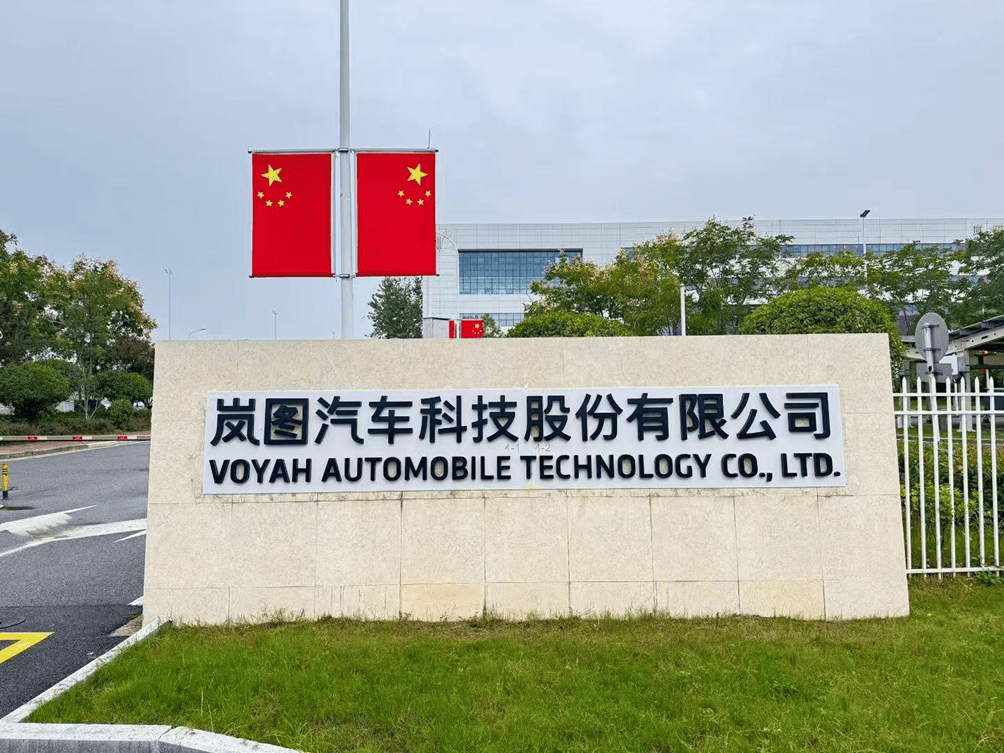
港股将迎来“央国企高端新能源第一股” 岚图完成上市前置监管审批
Sou Hu Cai Jing· 2026-02-13 01:16
Core Viewpoint - Lantu Automotive has completed all pre-listing regulatory approvals and is set to officially list on the Hong Kong Stock Exchange on March 19, 2026, marking it as the first high-end new energy brand from a central state-owned enterprise to go public in Hong Kong [1][2]. Group 1: Listing and Regulatory Approval - Lantu Automotive initiated its listing process in August 2025 and submitted its application in October 2025, receiving approval from multiple regulatory bodies within four months, showcasing efficient governance and operational capabilities [1][2]. - The successful completion of the listing process reflects strong support from regulatory authorities for high-quality new energy enterprises aiming for international development [1]. Group 2: Sales and Financial Performance - From 2023 to 2025, Lantu Automotive's sales are projected to grow from 50,285 units to 150,169 units, achieving a compound annual growth rate (CAGR) of 73%, significantly outpacing industry averages [3]. - Revenue is expected to increase from 12.75 billion yuan to 34.86 billion yuan, with a CAGR of 65.4%, and the company aims to achieve a net profit of 1.02 billion yuan in 2025, marking its first annual profit [3]. - The gross margin is stable at 20.9%, positioning Lantu among the industry leaders [3]. Group 3: Technological Innovation - Lantu Automotive emphasizes core technology autonomy as a strategic foundation for development, with a focus on innovation in key areas such as platform architecture and smart technology [4]. - As of December 31, 2025, Lantu holds 1,874 granted patents and has 5,405 patents pending, with a patent growth rate leading among new energy vehicle companies [4]. - The company has developed the world's first native intelligent electric architecture compatible with multiple power modes and the first mass-produced centralized SOA electronic and electrical architecture in China [4]. Group 4: Advanced Technology and Smart Solutions - Lantu has launched the 800V Lanhai intelligent hybrid technology, achieving a pure electric range of 360-410 kilometers and a comprehensive range exceeding 1,400 kilometers, with ultra-fast charging capabilities [6]. - The company has made significant advancements in smart cockpit and autonomous driving technologies, with L3 conditional autonomous driving currently undergoing real-world testing [6]. - Lantu has completed 110,000 kilometers of actual road testing and 900,000 kilometers of simulation testing, moving towards mass production [6].