ESG投资

Search documents
专题研究:《再论股债同向:国债期货与权益市场关系进入新阶段》
GUOTAI HAITONG SECURITIES· 2025-11-26 12:25
Group 1: Fixed Income Research - The recent correlation between government bond futures and equity markets indicates a new phase, moving beyond the previous simple "see-saw" logic [3][4] - As of November 21, the 10-day correlation between TL contracts and the CSI 300 index has significantly increased to a historical high since July 2025, suggesting a complex relationship [3][4] - The future dynamics of government bond futures are expected to be influenced by equity market movements, indicating a potential for better resilience in bond futures if growth expectations change [4] Group 2: Computer Industry Research - The release of DeepSeek R1 in 2025 is anticipated to significantly enhance general model reasoning capabilities and reduce costs, marking a turning point for AI deployment in financial institutions [5][6] - AI applications are rapidly penetrating core business and back-office scenarios in various financial institutions, aiming to optimize internal operations and enhance external value [6][7] - Large financial institutions are focusing on private deployment of large models, while smaller institutions are pursuing cost-effective solutions for agile development [8] Group 3: Investment Recommendations - Recommended stocks in financial information services include Tonghuashun and Jiufang Zhitu Holdings, while third-party payment recommendations include Newland and New Guodu [6][7] - In the banking IT sector, recommended stocks include Yuxin Technology and Jingbeifang, with additional recommendations in securities IT and insurance IT sectors [7][8]
浦银理财亮相金牛企业可持续发展论坛 以专业实践诠释责任担当
Zhong Zheng Wang· 2025-11-26 11:40
Core Viewpoint - The article highlights the active role of the company in promoting sustainable finance and ESG principles, showcasing its commitment to green finance and social responsibility through various initiatives and product offerings [1][3][5]. Group 1: Sustainable Development Initiatives - The company participated in the "2025 Golden Bull Enterprise Sustainable Development Forum," emphasizing its dedication to green finance and sustainable development [1]. - The "Three-Five Special Project" aims to enhance service quality for the real economy, focusing on green finance, technology finance, and inclusive finance, with asset deployment reaching nearly 200 billion yuan, a growth of over 20% since the beginning of the year [2]. Group 2: ESG Integration and Product Development - The company integrates ESG principles into its business model, launching the "Yuefeng Li Zengying No. 48" ESG-themed product, which raised over 300 million yuan, focusing on ESG bonds and green projects [3]. - The company has developed a multi-dimensional green investment system, with green finance-related assets increasing by 15% since the beginning of the year, with bonds making up nearly 80% of this portfolio [3]. Group 3: Innovative Investment Products - The company is exploring index-based investment strategies, launching the "New Quality Productivity Development Bond Index," which includes nearly 1,500 bonds focused on innovation, green, and digital economy sectors [4]. - In September 2025, the company will introduce a wealth management product linked to the "Pufa Bank - China Bond Credit Technology Innovation Bond Index," providing investors with opportunities to benefit from technological advancements [4]. Group 4: Customer Engagement and Education - The company has served over 14 million customers since its establishment, generating nearly 80 billion yuan in returns for clients over the past three years [5]. - The company emphasizes financial consumer rights protection and has conducted nearly 100 investor education events, reaching over 24 million people online [5]. - The establishment of three physical investor companionship bases across the country aims to provide educational support and enhance financial literacy among the public [5].
【招银研究|资本市场专题】全球ETF发展趋势及境外ETF发展特色
招商银行研究· 2025-11-24 09:31
Global ETF Development Trends - The global ETF market has seen continuous growth, with assets reaching approximately $14.8 trillion by the end of 2024, reflecting an annual compound growth rate of 18.4% over the past 15 years [5][10] - In the first half of 2025, the global ETF market maintained a strong growth momentum, with net inflows exceeding $849 billion, bringing total assets to over $16.7 trillion [5][10] - ETFs now account for over 15% of the total public fund market globally, with a notable increase in the share of equity ETFs [10][19] Factors Driving Global ETF Growth - On the funding side, market demand and policy encouragement have driven significant inflows into ETFs, as investors shift towards risk-balanced strategies [19][20] - Performance advantages of passive funds over active funds have also contributed to this trend, particularly in the U.S. market where active funds have struggled to outperform benchmarks [19][20] - Technological advancements and supportive policies have facilitated product innovation and expansion within the ETF market [20][21] Characteristics of Offshore ETF Markets - In the U.S., there has been a significant shift of funds from active to passive management, with passive fund assets increasing by nearly $2.9 trillion from 2015 to 2024 [31][36] - The European ETF market, while slower in its transition to passive management, leads globally in ESG ETF offerings due to a robust regulatory framework [40][41] - Japan's ETF market is characterized by a high proportion of equity ETFs, largely driven by central bank purchases, with REITs ETFs also showing significant growth [47][48] China's ETF Market Dynamics - China's ETF market has grown rapidly since its inception in 2004, with assets increasing from 159.6 billion yuan in 2013 to 3.7 trillion yuan by the end of 2024, achieving a compound annual growth rate of 33% [22][27] - As of mid-2025, equity ETFs accounted for 70.4% of the total ETF market in China, with cross-border and fixed-income ETFs also gaining traction [22][27] - The low-interest-rate environment is expected to further drive the demand for ETFs as a low-cost investment tool [27] Lessons from Offshore ETF Development - The dual-driven model of active and passive funds in China is likely to differ from the U.S. trend of continuous fund migration from active to passive [57] - The diverse product matrix seen in offshore markets, particularly in areas like dividend and bond ETFs, presents opportunities for growth in China's ETF offerings [58][59] - Recommendations for enhancing ETF business include collaborating with fund managers to introduce innovative products that cater to market demands [59]


芭田股份陷环保处罚风波,控股公司项目未验先投被勒令整改
Xin Lang Zheng Quan· 2025-11-24 09:00
Core Viewpoint - Despite significant revenue growth driven by high phosphate rock prices, the company faces serious challenges in its green development path due to environmental violations by its subsidiaries [1][4]. Group 1: Environmental Violations - The company's subsidiary, Guizhou Batian New Energy Materials Co., Ltd., was fined 390,000 yuan for operating its 50,000 tons/year phosphoric acid project without completing necessary environmental protection facilities [2]. - The total manager of the subsidiary was also fined 78,000 yuan, resulting in a "double penalty" for the same incident [2]. - This marks the second administrative penalty for the company this year, with previous fines related to significant safety hazards at its phosphate mining project [1][3]. Group 2: Financial Performance - The company anticipates a net profit attributable to shareholders between 450 million yuan and 520 million yuan for the first half of 2025, representing a substantial year-on-year increase of 199.60% to 246.20% [3]. - For the first three quarters of 2025, the company reported revenue of 3.809 billion yuan, a year-on-year increase of 56.50%, and a net profit of 687 million yuan, up 236.13% [3]. - In Q3 2025, the company achieved revenue of 1.266 billion yuan, a year-on-year increase of 43.45%, but a quarter-on-quarter decline of 11.59% [3]. Group 3: ESG Considerations - The company's environmental compliance issues come at a time when investors are increasingly focused on sustainable development and ESG (Environmental, Social, and Governance) principles [4]. - The approaching deadline for rectifying the environmental issues at the phosphoric acid project raises questions about the company's ability to balance growth and environmental responsibility [4].

以数字化激活ESG价值,南方基金锚定公募可持续发展核心方向
Sou Hu Cai Jing· 2025-11-24 08:11
来源|中访网 责编|李晓燕 在全球绿色转型浪潮奔涌向前、我国"双碳"战略落地深耕的双重背景下,可持续投资已从资管行业 的"加分项"转变为高质量发展的"必答题"。ESG(环境、社会、治理)作为衡量企业长期可持续运营能 力的核心标尺,其价值在投资决策中的权重持续提升,但传统ESG投资面临数据零散、评估单一、流程 脱节等痛点,而数字化技术的迭代突破,正为破解行业瓶颈、激活可持续投资潜力提供关键支撑。南方 基金作为国内资管行业的标杆机构,亦是首批加入联合国负责任投资原则组织的先行者,凭借战略锚 定、治理筑基、技术赋能的三维布局,构建起特色鲜明的可持续投资体系,以ESG与数字化深度融合, 筑牢公募行业高质量发展根基。 可持续投资的核心逻辑,在于实现经济收益与社会价值、环境效益的协同共赢,这与我国资本市场服务 实体经济、助力绿色转型的导向高度契合。随着投资者对长期价值投资的认知深化,以及监管层对ESG 信息披露要求的逐步收紧,资管机构亟需跳出传统投资框架,打破仅依赖财务数据评估标的的局限,建 立更全面、立体的投资决策体系。南方基金精准把握行业发展趋势,将ESG发展与数字化转型同步纳入 企业核心战略,形成"宏观锚定国家战略 ...
副中心打“组合拳”促金融发展
Sou Hu Cai Jing· 2025-11-21 20:37
Group 1: Policy Initiatives - The policies aim to promote high-quality development of the financial industry in Tongzhou District, focusing on financial services for the real economy and fostering a symbiotic relationship between finance and industry [1][2] - Financial institutions can receive substantial subsidies based on their annual revenue milestones, with one-time support of up to 10 million yuan for achieving specific revenue thresholds [1] - The strategic direction for the financial industry includes establishing dual centers for global wealth management and green finance, with significant financial support for asset management institutions reaching certain scales [1][2] Group 2: Green Finance Incentives - Incentives for green finance include support for banks with new green loans exceeding 50 million yuan and for insurance and securities institutions meeting specific thresholds [2][4] - The policies encourage participation in the establishment of green standards and project databases, enhancing the overall green finance ecosystem [2] Group 3: Economic Impact and Growth - The financial sector in the region has shown significant growth, with the value added increasing from 11.96 billion yuan in 2021 to 14.19 billion yuan in 2024, indicating its role as a strong engine for regional economic development [3] - The average annual growth rate of deposits and loans in the financial sector has reached 15.8%, demonstrating the district's increasing attractiveness and capacity for capital allocation [3] Group 4: Successful Project Implementation - Over 150 quality financial projects have been established since the start of the 14th Five-Year Plan, including the first wholly foreign-owned currency brokerage in China and the largest city commercial bank wealth management subsidiary [3] - The district has nearly 480 financial enterprises, with licensed asset management institutions managing over 1.6 trillion yuan in assets [3] Group 5: Support for Enterprises - Policies are designed to support enterprises throughout their lifecycle, including interest subsidies for key enterprises' first bank loans and various financing support for small and medium-sized enterprises [2][5] - The favorable policies and improved administrative services have significantly enhanced the operational environment for financial institutions, leading to increased loan growth and support for green projects [5][6]
资本研·观|不断扩大的印度财富管理市场——高净值人群对多元化与高端化资产管理的需求
野村东方国际证券· 2025-11-21 10:29
Core Insights - The wealth management market in India for high-net-worth individuals (HNWIs) is expanding, driven by economic growth and an increase in the number of young and affluent individuals, including those from outside major cities [5][6][7] - There is a growing interest among HNWIs in alternative investment funds (AIFs) for portfolio diversification, alongside an increasing demand for personalized asset management services [5][10] - The establishment of family offices is becoming more common as ultra-high-net-worth individuals (UHNWIs) seek to manage and grow family assets, shifting focus from asset preservation to asset appreciation [5][23][28] - Local banks are enhancing their private banking services for HNWIs, while foreign financial institutions are expanding their offerings for UHNWIs and family offices, with increased collaboration between local and foreign entities [5][30] Group 1: Overview of the Indian HNWI Market - The number of HNWIs in India is projected to grow from 798,000 in 2022 to 1.657 million by 2027, with ultra-HNWIs expected to increase from 13,000 in 2023 to 20,000 by 2028 [7][8] - The financial assets of the top 4-5% of households in India are estimated to grow from approximately $1.1 trillion in 2024 to about $2.3 trillion by 2029 [7][8] - The demographic of HNWIs is shifting, with a notable increase in individuals aged 30-40, and predictions suggest that the proportion of HNWIs under 30 will rise from 15% to 25% by 2030 [7][8] Group 2: Asset Management Trends Among HNWIs - HNWIs in India typically adopt a diversified investment strategy, with a portfolio composition of 39% in stocks, 20% in bonds, 19% in real estate, and 10% in commodities [11][12] - There is a rising interest in AIFs, which are regulated by the Securities and Exchange Board of India (SEBI), with a total of 1,526 AIFs as of March 2025 [12][13] - Approximately 70% of HNWIs are now considering ESG factors in their investment strategies, with 20% having over 20% of their portfolios in ESG-related assets [13][15] Group 3: Growth of Family Offices - The number of family offices in India has increased to around 300 in 2023, with an estimated total AUM of $30 billion in 2024 [24][28] - The trend of establishing family offices is driven by the need for professional asset management and the generational transition of wealth, with predictions indicating that 50% of HNWIs will inherit assets by 2030 [24][28] - Prominent families, such as those of Wipro and Tata Group, have established family offices to manage their wealth effectively [25][26] Group 4: Financial Institutions' Strategies - Local banks like ICICI and Kotak Mahindra are enhancing their private banking services, with ICICI's AUM reaching $67 billion and Kotak's AUM at ₹9.3 trillion as of March 2025 [31][35] - Foreign banks such as Standard Chartered and Barclays are expanding their private banking operations, focusing on UHNWIs and family offices, with Barclays aiming to quadruple its AUM in Asia [37][39] - The collaboration between local and foreign financial institutions is increasing, allowing for a more comprehensive service offering to HNWIs and UHNWIs [44]


全球资管深研系列(二):组合个性化,税务效率化
Guoxin Securities· 2025-11-19 13:07
Core Insights - Separate Managed Accounts (SMA) are customized investment tools for high-net-worth and institutional clients, allowing investors to directly own each security in their account while benefiting from professional management, combining the advantages of fund-like management with personal asset control [3][6][10] - Compared to Model Portfolios, SMAs offer significant differences in customization, ownership, and tax management, enabling tailored investment strategies based on individual risk preferences and ESG considerations [3][10] - The global SMA market is evolving towards digitalization, deeper ESG customization, and scalability, with opportunities for domestic accounts to adopt similar strategies to enhance personalization and tax efficiency [3][10] Overview of SMA Business - SMA allows investors to have direct ownership of securities, providing transparency and tax efficiency, making it a preferred choice for high-net-worth and institutional investors [6][10] - Various forms of SMA exist, including discretionary, non-discretionary, model-driven, multi-manager, and tax-optimized types, catering to different investor preferences and needs [12][10] International SMA Practices - J.P. Morgan is a leading SMA provider with over $300 billion in assets under management, utilizing a tax-driven index strategy that has significantly outperformed benchmarks [24][3] - Vanguard's SMA strategy focuses on low-cost, direct indexing, enhancing tax efficiency through coordinated rebalancing, with a minimum investment threshold of $10,000 [31][3] - Fidelity employs a tax-smart investing approach, utilizing a proprietary STAR Score system for stock selection and achieving a tax efficiency rate of 85% in 2024 [34][35] Key Features of SMA Providers - J.P. Morgan's SMA includes a comprehensive management structure with dedicated teams for investment management and client service, ensuring tailored solutions and compliance monitoring [16][24] - Vanguard's SMA leverages a direct indexing platform to provide personalized investment solutions, enhancing tax management and cost efficiency [31][32] - Morgan Stanley's SMA platform emphasizes professional management and tax optimization, allowing clients to directly hold assets while benefiting from expert guidance [51][53] Investment Strategies and Performance - J.P. Morgan's Large Cap Growth Strategy SMA achieved a five-year annualized net return of 15.25%, significantly outperforming the Russell 1000 Growth Index [24][3] - Morgan Stanley's ClearBridge Small Cap SMA focuses on undervalued small-cap stocks, employing a probability distribution valuation model to identify long-term growth opportunities [59][60] - Fidelity's cross-account tax loss harvesting technology enhances after-tax returns by 0.5%-1.2%, demonstrating the effectiveness of tax optimization strategies [35][3]


南方基金亮相第十九届金博会 以金融赋能书写公募新篇章
经济观察报· 2025-11-19 11:11
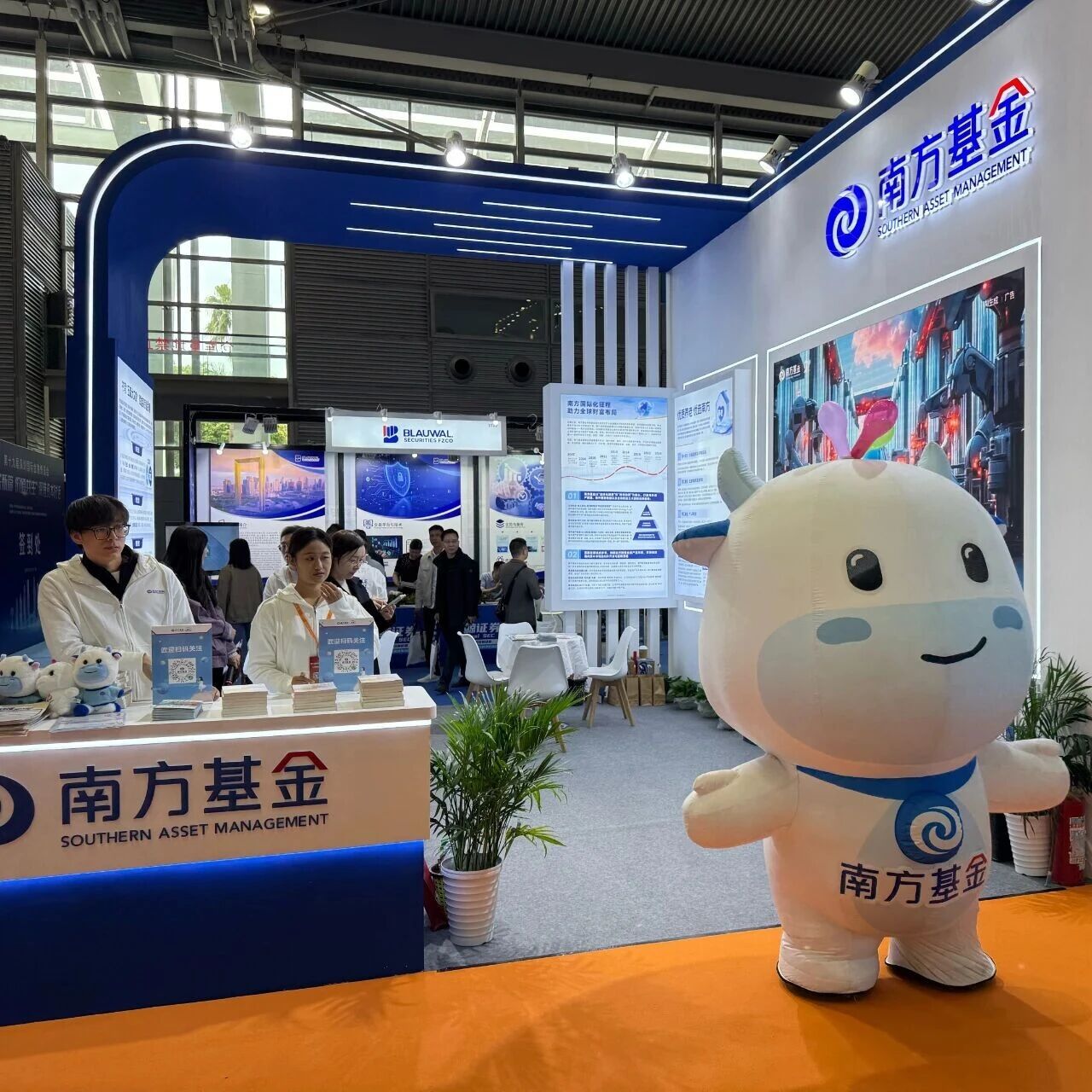
Core Viewpoint - The article highlights the participation of Southern Fund at the 19th Shenzhen International Financial Expo, emphasizing its commitment to five key areas: pension finance, technology finance, green finance, inclusive finance, and digital finance, showcasing its role in supporting national strategies and empowering the real economy [2][3]. Group 1: Event Overview - The 19th Shenzhen International Financial Expo opened on November 19, focusing on "Industry Finance New Heights, Sci-tech Empowerment Towards the Future" [2]. - Southern Fund, as one of the first regulated fund management companies in China, showcased its comprehensive service capabilities in asset management [2]. Group 2: Five Key Areas - In the technology finance sector, Southern Fund is enhancing its "platform-based, integrated, multi-strategy" research and investment system, increasing allocations to strategic emerging industries [3]. - In green finance, Southern Fund is integrating ESG principles into its long-term strategy and daily operations, improving its ESG rating system and expanding its green financial product offerings [3]. - For inclusive finance, Southern Fund is advancing its buyer advisory transformation, creating the "Sinan Advisory" service platform, and launching unique products that share benefits and risks with investors [3]. - In pension finance, Southern Fund is actively responding to national pension strategies, managing nearly one trillion yuan in pension assets to support the stable operation of the pension system [3]. - In digital finance, Southern Fund is leveraging cloud-native technology to drive digital transformation, aiming to become a "smart asset management company" and enhance research and service efficiency [3]. Group 3: Pension Finance Innovations - The expo coincided with the third anniversary of the personal pension system, where Southern Fund showcased a comprehensive pension finance system covering all three pillars and innovative practices for the third pillar personal pension products [4]. - Southern Fund has launched a variety of personal pension products, including target date, target risk, and index-based products, covering key dates from 2030 to 2060 [4]. - As one of the first fund managers to pass the acceptance test for the personal pension system and launch personal pension business, Southern Fund has over ten products listed in the personal pension product catalog [4]. Group 4: Customer-Centric Approach - The immersive and interactive experience at the expo reflects Southern Fund's customer-centric philosophy and its commitment to "finance for the people" [5]. - Southern Fund aims to continue leveraging the innovation landscape of the Guangdong-Hong Kong-Macao Greater Bay Area, focusing on the five key areas to seize investment opportunities and guide financial resources to support the real economy [5].
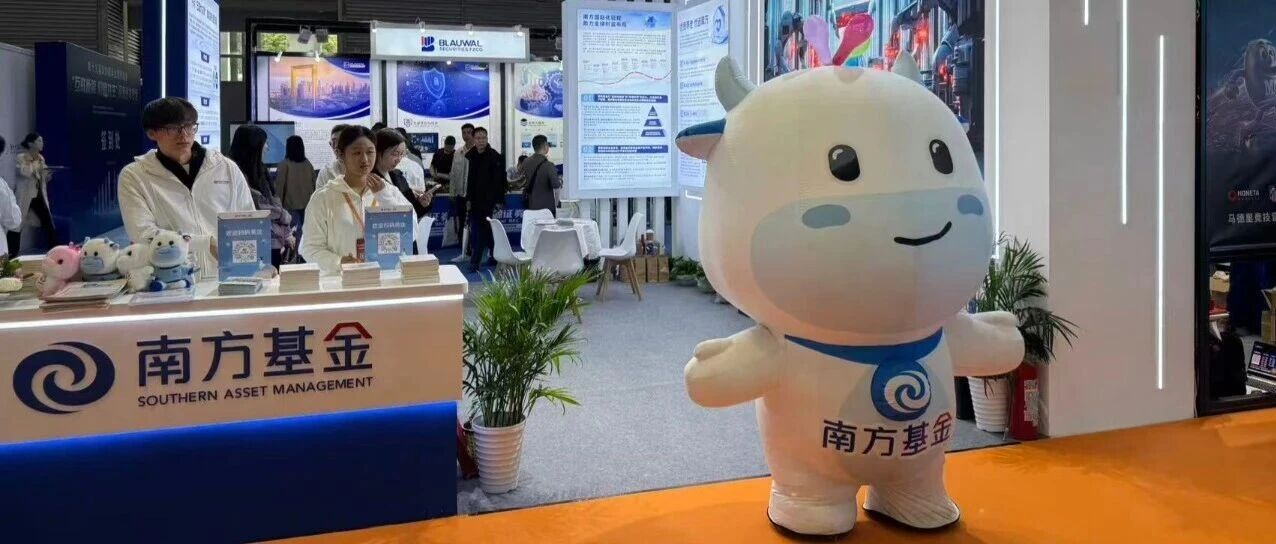
南方基金亮相第十九届金博会 以金融赋能书写公募新篇章
第一财经· 2025-11-19 07:37
Core Viewpoint - The article highlights the participation of Southern Fund at the 19th Shenzhen International Financial Expo, emphasizing its commitment to various financial sectors including pension finance, technology finance, green finance, inclusive finance, and digital finance, showcasing its comprehensive asset management capabilities and responsibilities in supporting national strategies and economic growth [1][2]. Group 1: Technology Finance - Southern Fund enhances its "platform-based, integrated, multi-strategy" research and investment system, increasing allocation to strategic emerging industries to support the development of new productive forces [2]. Group 2: Green Finance - The company integrates ESG principles into its long-term strategy and daily operations, continuously improving its ESG rating system and expanding its green financial product offerings, aiming to be a leader in ESG investments [2]. Group 3: Inclusive Finance - Southern Fund is advancing its buy-side advisory transformation by creating the "Sinan Advisory" service platform, launching unique products that promote shared benefits and risk-sharing between investors and managers [2]. Group 4: Pension Finance - In response to national pension strategies, Southern Fund showcases a comprehensive pension finance system covering all three pillars, with a focus on innovating third-pillar personal pension products, having launched various types of pension products that span from 2030 to 2060 [3]. Group 5: Digital Finance - The company is driving digital transformation using cloud-native technology to enhance its research and investment capabilities and service efficiency, aiming to become a "smart asset management company" [2]. Group 6: Customer-Centric Approach - The immersive and interactive experience at the expo reflects Southern Fund's customer-centric philosophy, demonstrating its commitment to "finance for the people" and enhancing financial literacy among investors through engaging activities [4]. Group 7: Future Outlook - Southern Fund plans to continue leveraging investment opportunities in the Guangdong-Hong Kong-Macao Greater Bay Area, focusing on the "five major articles" to guide financial resources into the real economy, promoting high-quality development in the public fund industry [4].