即时零售

Search documents
“双11”大战提前打响,今年有啥不一样?
Chang Sha Wan Bao· 2025-10-16 15:15
Core Insights - The "Double 11" shopping festival has been extended in duration and started earlier this year, with major platforms like Tmall, Douyin, and JD launching their promotions ahead of the traditional date [2][4] - There is a noticeable trend towards simplifying promotional strategies, moving away from complex discount structures to more straightforward offers such as direct discounts and cash reductions [2][3] - Consumers are becoming more rational in their purchasing behavior, focusing on essential items rather than impulse buying, indicating a shift in shopping habits [3][5] Group 1: Event Overview - The "Double 11" festival began on October 15, with various platforms initiating their promotions earlier, starting from September 30 [2] - Major platforms are adopting simpler promotional tactics, such as Tmall's 15% discount on core products and JD's direct price cuts [2] Group 2: Consumer Behavior - Consumers are increasingly prioritizing essential goods over impulse purchases, reflecting a more rational approach to shopping during the festival [3] - Many consumers express a desire to avoid the overwhelming promotional tactics that lead to impulsive buying, indicating a shift in mindset [3][5] Group 3: Market Trends - Instant retail is becoming a significant focus for platforms during "Double 11," with promotions like JD's 50% off on instant delivery items [4] - The competitive landscape of the takeaway market is intensifying, with platforms integrating instant retail into their promotional strategies [4]


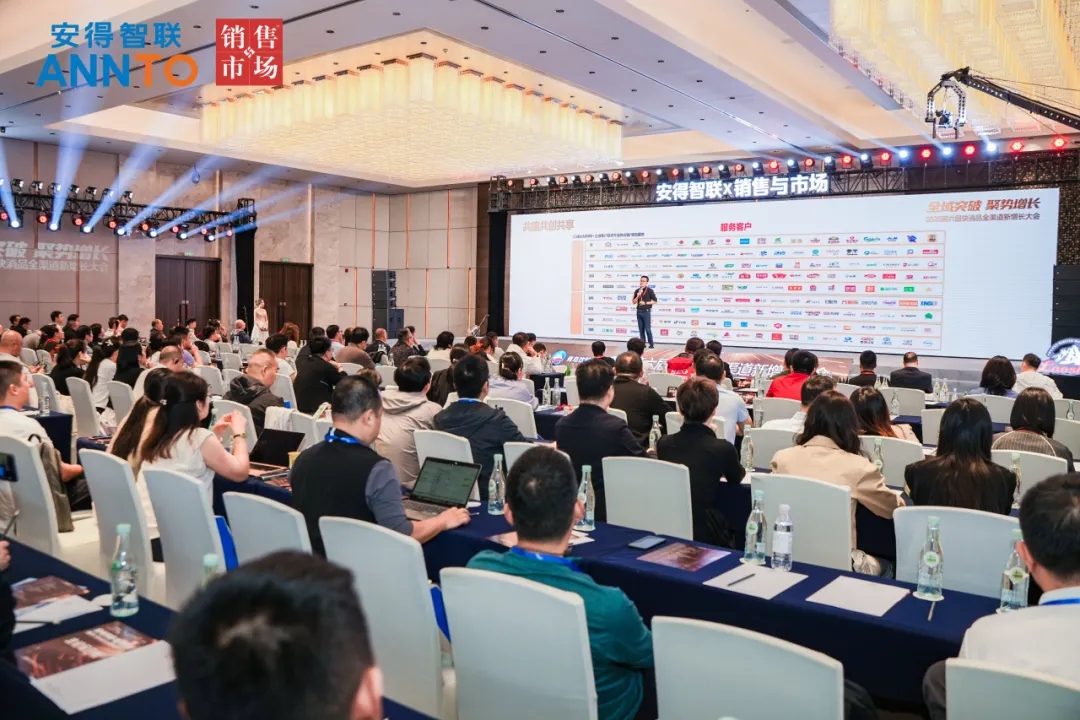
安得智联携手销售与市场杂志社成功举办第六届快消品全渠道新增长大会
Cai Fu Zai Xian· 2025-10-16 09:13
Core Insights - The "2025 Sixth FMCG Omnichannel New Growth Conference" was held in Nanjing, focusing on macro cycles, marketing trends, innovation practices, and transformation paths in the context of current market competition [1] - The conference aimed to gather industry wisdom and resources to guide companies through challenges and identify actionable strategies for growth [1] Group 1: Key Themes and Discussions - Liu Chunxiong emphasized the need to reconstruct the channel value chain in the FMCG industry, shifting from traditional delivery roles to operational roles for distributors, focusing on brand promotion and sales realization through effective channel management [4] - Shi Kunliang presented on supply chain innovations by Ande Intelligent Link, highlighting their inventory sharing and efficient fulfillment model that reduces logistics costs and enhances turnover efficiency [6] - The forum featured discussions on scene marketing and new retail channel transformations, with experts providing methodologies for capturing consumer needs within various scenarios [9][11][13] Group 2: Practical Applications and Case Studies - Qingdao Beverage Group shared successful case studies on scene penetration, demonstrating how brands can deeply bind with consumers' lives through targeted marketing strategies [11] - Various speakers discussed the importance of adapting to new retail formats and optimizing supply chains to enhance competitiveness and market share [22][24][26] - The roundtable dialogue highlighted the essence of competition in the current market, emphasizing the need for collaborative ecosystems to achieve mutual growth [34] Group 3: Future Outlook and Strategic Directions - The conference underscored the importance of precise connections between brands and distributors, facilitating resource matching and cooperation through dedicated networking sessions [38] - The overarching theme of "Omnichannel Breakthrough and Collaborative Growth" was reiterated, suggesting that focusing on ecosystem collaboration is essential for sustainable development in the FMCG sector [38]

天猫“双11”首日淘宝闪购订单井喷! 近千万人参与“免单”活动 270个城市夜宵同比增幅超200%
Zheng Quan Ri Bao· 2025-10-16 08:10
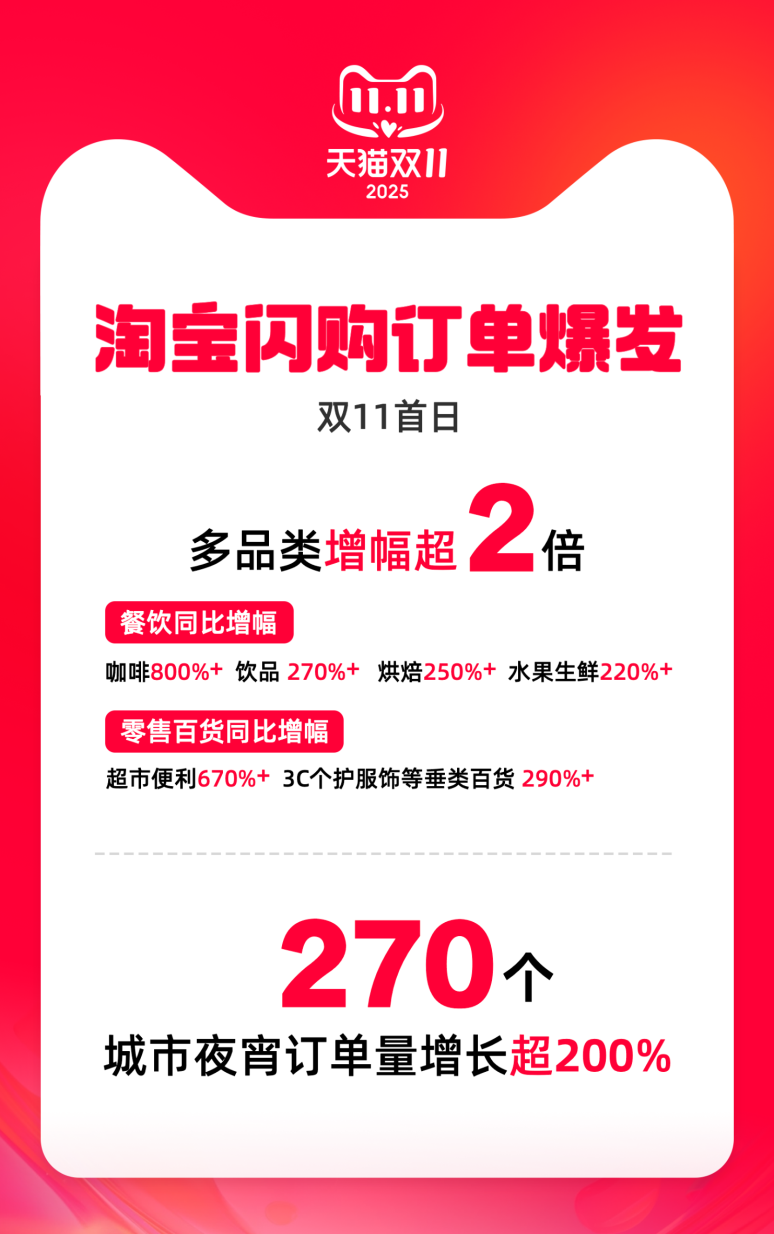
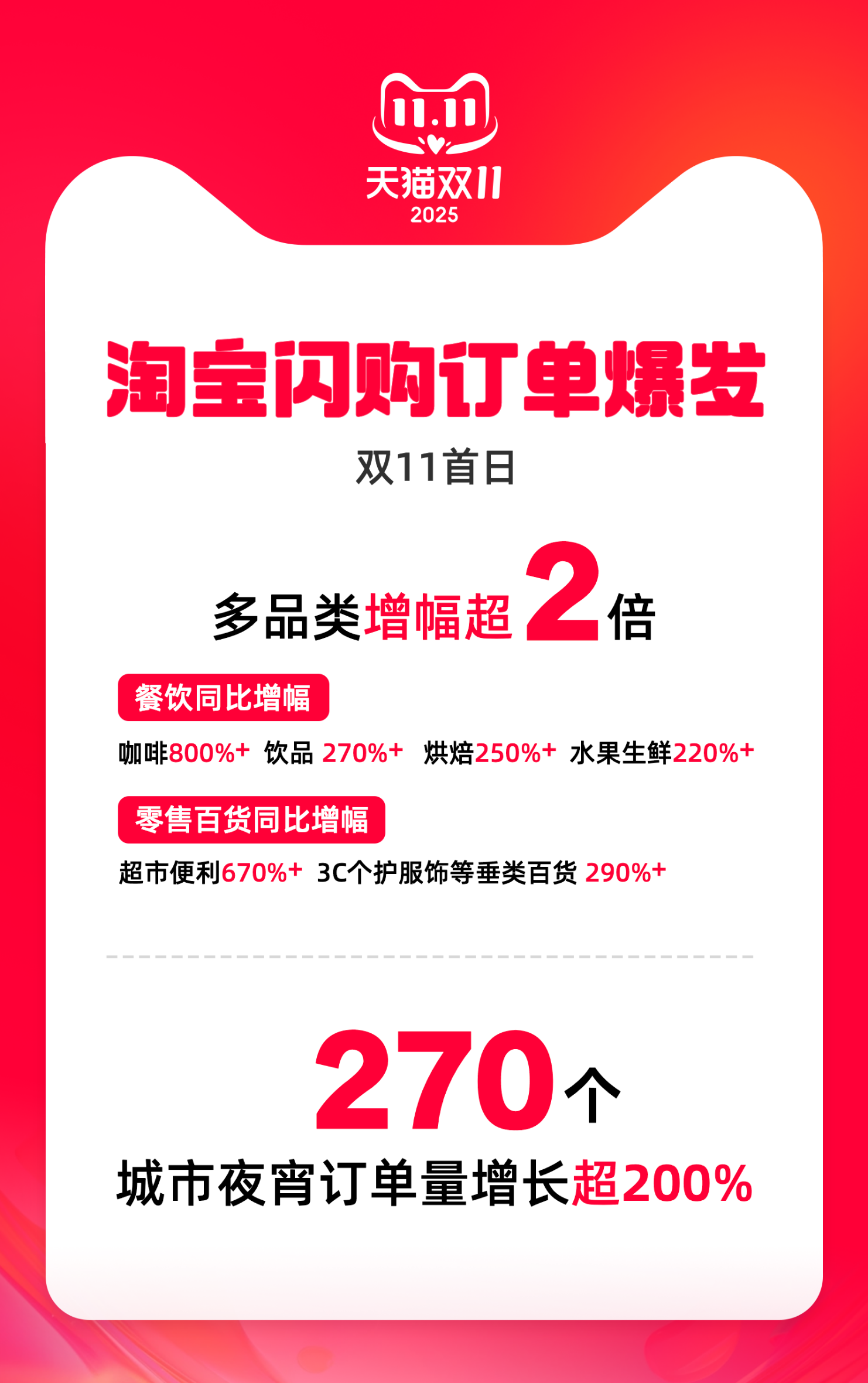
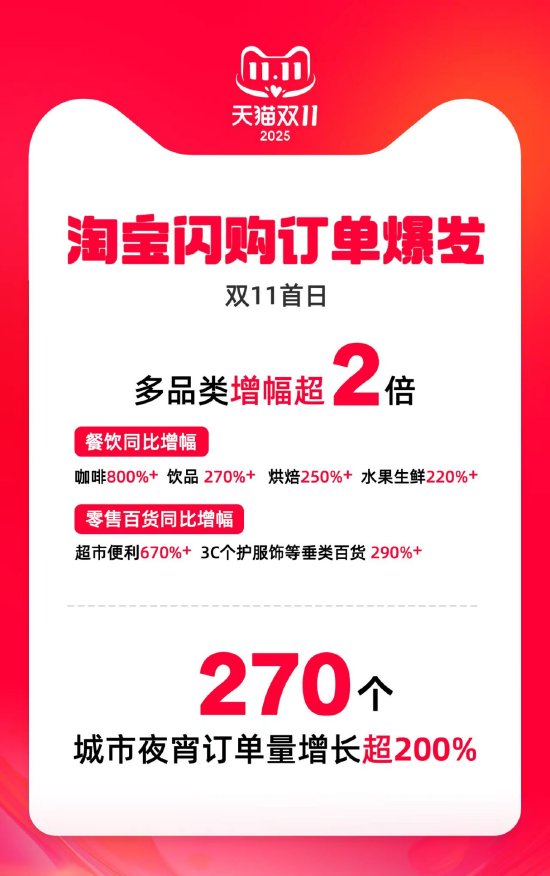
"双11"大促于10月15日晚8点正式开启,淘宝闪购作为今年"吃喝玩乐购尽在'双11'"的主力军之一,首日即迎来 爆发式增长:多个品类同比增长2倍以上,七成以上城市夜宵增长超200%! 今年"双11",平台通过"千万免单""88VIP五折外卖""淘金币返现"三大全新玩法,全面激活大消费市场。多项 品类消费在双11首日创下新高,大量本地餐饮、零售中小商家正迎来全新的季节性增长机遇。 从城市消费看,夜间热度也被"双11"首日点燃,淘宝闪购上全国270个城市夜宵订单量同比增长超200%。其中 呼和浩特、贵阳、南宁、徐州、中山等三四线城市增长爆发惊人,同比增长达800%、590%、490%、470%、 430%,位列全国城市订单增幅前五。核心城区与人口密集新区成为夜间消费的主要承载地,城市烟火气十 足。 在零售消费侧,越来越多品牌将淘宝闪购作为拓展即时零售的核心阵地,3C个护服饰垂类百货品类昨日在淘 宝闪购同比增长超290%。 目前,首批已有37000个品牌40万家品牌门店在淘宝闪购全量上线,覆盖数码家电、美妆个护、家居生活等各 个领域。苹果、vivo、全棉时代、迪卡侬、追觅、茅台等知名连锁品牌均已接入,消费者在淘宝 ...
双11首日270城夜宵订单增超200%,徐州超470%排第四
Yang Zi Wan Bao Wang· 2025-10-16 07:54
扬子晚报讯(记者徐晓风)双11大促于10月15日晚8点正式开启,淘宝闪购最新数据显示,首日即迎来爆发式增长:多个品类同比增长2倍以上,七成以上城 市夜宵增长超200%。 在零售消费侧,越来越多品牌将淘宝闪购作为拓展即时零售的核心阵地,3C个护服饰垂类百货品类昨日在淘宝闪购同比增长超290%。 目前,首批已有37000个品牌40万家品牌门店在淘宝闪购全量上线,覆盖数码家电、美妆个护、家居生活等各个领域。记者了解到,仅在双11首日,通 过"闪购免单"参与活动的用户规模就达800万。 今年双11,多项品类消费在首日创下新高,大量本地餐饮、零售中小商家正迎来全新的季节性增长机遇。 在餐饮消费侧,在双11首日消费热潮拉动下,多地、多品类订单呈现爆发式增长。10月15日,淘宝闪购上多个重点品类订单量实现同比大幅跃升,其中咖 啡订单增长800%,超市便利订单增长670%,饮品品类增长270%,烘焙品类增长250%、水果生鲜品类增长220%。 从城市消费看,夜间热度也被双11首日点燃,淘宝闪购上全国270个城市夜宵订单量同比增长超200%。其中呼和浩特、贵阳、南宁、徐州、中山等三四线 城市增长爆发惊人,同比增长达到800%、 ...
天猫双11首日淘宝闪购订单井喷!近千万人参与“免单”活动,270个城市夜宵同比增幅超200%
Guan Cha Zhe Wang· 2025-10-16 06:25
双11大促于10月15日晚8点正式开启,淘宝闪购作为今年"吃喝玩乐购 尽在双11"的主力军之一,首日即迎来爆发式增长:多个品类同比增长2倍以上,七成 以上城市夜宵增长超200%! 今年双11,平台通过"千万免单"、"88VIP五折外卖"、"淘金币返现"三大全新玩法,全面激活大消费市场。多项品类消费在双11首日创下新高,大量本地餐 饮、零售中小商家正迎来全新的季节性增长机遇。 笔者了解到,仅在双11首日,通过"闪购免单"参与活动的用户规模达800万;88VIP会员订单量、淘金币频道闪购订单用户数都有显著提升。 在餐饮消费侧,在双11首日消费热潮拉动下,多地、多品类订单呈现爆发式增长。10月15日,淘宝闪购上多个重点品类订单量实现同比大幅跃升,其中咖啡 订单增长800%,超市便利订单增长670%,饮品品类增长270%,烘焙品类增长250%、水果生鲜品类增长220%。 从城市消费看,夜间热度也被双11首日点燃,淘宝闪购上全国270个城市夜宵订单量同比增长超200%。其中呼和浩特、贵阳、南宁、徐州、中山等三四线城 市增长爆发惊人,同比增长达到800%、590%、490%、470%、430%,位列全国城市订单增幅位居全 ...
天猫双11淘宝闪购首日数据公布:咖啡暴涨800%、超市便利增长670%
Xin Lang Ke Ji· 2025-10-16 05:26
在餐饮消费侧,在双11首日消费热潮拉动下,多地、多品类订单呈现爆发式增长。10月15日,淘宝闪购 上多个重点品类订单量实现同比大幅跃升,其中咖啡订单增长800%,超市便利订单增长670%,饮品品 类增长270%,烘焙品类增长250%、水果生鲜品类增长220%。 从城市消费看,夜间热度也被双11首日点燃,淘宝闪购上全国270个城市夜宵订单量同比增长超200%。 其中呼和浩特、贵阳、南宁、徐州、中山等三四线城市增长爆发惊人,同比增长达到800%、590%、 490%、470%、430%,位列全国城市订单增幅位居全国前五。核心城区与人口密集新区成为夜间消费的 主要承载地,城市烟火气十足。 新浪科技讯 10月16日下午消息,双11大促于10月15日晚8点正式开启,淘宝闪购作为今年"吃喝玩乐购 尽在双11"的主力军之一,首日即迎来爆发式增长:多个品类同比增长2倍以上,七成以上城市夜宵增长 超200%。 今年双11,平台通过"千万免单"、"88VIP五折外卖"、"淘金币返现"三大全新玩法,全面激活大消费市 场。多项品类消费在双11首日创下新高,大量本地餐饮、零售中小商家正迎来全新的季节性增长机遇。 责任编辑:韦子蓉 在零 ...
顺丰同城涨近4% 双节即时配送需求激增 公司构建稀缺运力壁垒
Zhi Tong Cai Jing· 2025-10-16 03:24
Core Insights - SF Express City (09699) saw a nearly 4% increase in stock price, reaching HKD 13.38, with a trading volume of HKD 13.11 million [1] Delivery Performance - During the "Eleventh" holiday period, SF Express City reported a 63% year-on-year increase in average daily city delivery orders, with beverage orders surging by 168% [1] - Fast food, supermarket, and jewelry delivery orders also experienced significant double-digit growth [1] Tourism and Delivery Synergy - The "Cultural Tourism + Instant Delivery" model provided new experiences for tourists, with average daily order volumes in popular destinations like Harbin, Shanwei, Jingdezhen, and Hohhot showing multiple-fold increases [1] Service Demand - The "1-to-1 urgent delivery" service gained popularity during the holiday, with "exclusive delivery" orders on the Mid-Autumn Festival increasing over five times compared to last year [1] Strategic Advantages - According to Changjiang Securities, SF Express City leverages the SF brand advantage to offer customized solutions for vertical industries, outperforming other third-party logistics platforms in service quality and order volume [1] - The company collaborates with SF Group to reduce costs in the last-mile delivery, enhancing order scale and rider efficiency [1] Growth Outlook - The rapid growth of instant retail and the ongoing trend of diversified traffic are expected to accelerate the company's profit release [1]
港股异动 | 顺丰同城(09699)涨近4% 双节即时配送需求激增 公司构建稀缺运力壁垒
智通财经网· 2025-10-16 03:19
Core Viewpoint - SF Express City (09699) has seen a nearly 4% increase in stock price, attributed to significant growth in delivery volumes during the "Eleventh" holiday period, indicating strong demand for its services [1] Group 1: Delivery Volume Growth - During the "Eleventh" holiday, SF Express City reported a 63% year-on-year increase in average daily city delivery orders, with beverage orders surging by 168% [1] - Fast food, supermarket, and jewelry delivery orders also experienced high double-digit growth in average daily volumes [1] - The "Cultural Tourism + Instant Delivery" model has led to multiple-fold increases in daily order volumes in popular tourist destinations such as Harbin, Shanwei, Jingdezhen, and Hohhot [1] Group 2: Service Demand and Performance - The "1-to-1 urgent delivery" service saw a more than fivefold increase in order volume on the day of the Mid-Autumn Festival compared to last year, reflecting high demand for timely delivery services [1] - Longjiang Securities noted that SF Express City leverages the SF brand advantage to provide customized solutions for vertical industries, outperforming other third-party logistics platforms in service quality and order scale [1] Group 3: Strategic Collaboration and Profitability - The company collaborates with SF Group to reduce costs in the last-mile delivery segment, enhancing order accumulation and improving rider efficiency [1] - The ongoing rapid growth of instant retail and the trend of diversified traffic are expected to accelerate the company's profitability release [1]
双11”从“价格战”到“效率与体验战
Bei Jing Shang Bao· 2025-10-15 22:51
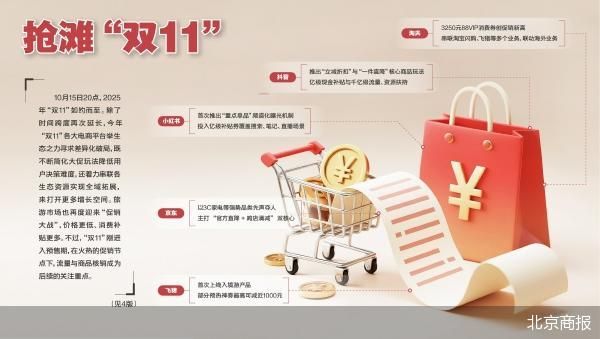
Group 1: Core Insights - The core theme of this year's "Double 11" is the shift from price wars to efficiency and experience battles among e-commerce platforms [1][8] - Companies are simplifying discount strategies and enhancing consumer experience to meet the demand for rational consumption [3][4] - Instant retail and cross-border e-commerce are emerging as new growth areas during the promotional period [5][7] Group 2: Discount Strategies - Major platforms are issuing record-high discount coupons, with Tmall offering an unprecedented 3250 yuan 88VIP coupon package [3] - The trend of complex promotional strategies is declining, with platforms like JD.com focusing on straightforward discounts and price protection [4] - Instant discounts and simplified purchasing processes are being emphasized to enhance user experience [3][5] Group 3: Instant Retail Growth - Instant retail is becoming a significant growth driver, with platforms like Taobao Flash Sale introducing exclusive discounts for 88VIP users [5][6] - The user demographic for instant retail is primarily aged 25-40, indicating a strong demand for quick and convenient shopping solutions [6] - Taobao Flash Sale has seen substantial growth, with many brands achieving significant sales milestones [6] Group 4: Cross-Border E-commerce Expansion - E-commerce platforms are expanding their cross-border operations, with AliExpress covering over 30 countries and emphasizing brand quality [7] - TikTok Shop is launching a global promotion that spans multiple countries, indicating a strategic alignment with major shopping events [7] - Platforms are synchronizing their promotional timelines to maximize consumer engagement and sales opportunities [7] Group 5: Tourism Market Dynamics - The tourism sector is experiencing intensified competition during "Double 11," with platforms like Fliggy increasing investment and promotional offerings [9][11] - Fliggy is providing substantial consumer subsidies, with some discounts reaching nearly 1000 yuan, to attract customers [11][12] - The trend of "pre-purchase and later booking" is becoming established, allowing consumers to plan ahead and take advantage of discounts [14][15]

配送超35分钟复购降 30%,巨头竞速即时零售,争最后一公里
Sou Hu Cai Jing· 2025-10-15 20:50
Core Insights - This year's "Double 11" shopping festival has started earlier than in previous years, with JD.com beginning promotions on October 9, resulting in the longest "Double 11" period ever, extending by 5 days compared to last year [1] - The shopping landscape has changed significantly, with platforms shifting focus from acquiring new users to retaining existing ones as the market nears saturation with nearly 1 billion online shoppers [6][8] Group 1: Simplification of Rules - E-commerce platforms are simplifying their promotional rules to enhance user experience, with Tmall and Taobao introducing "official discounts" and JD.com adding "official direct discounts" alongside traditional promotions [8][10] - The shift reflects a broader understanding that consumers now prefer straightforward and transparent value propositions rather than complex discount structures [10][12] Group 2: Instant Retail Revolution - Instant retail is emerging as a key competitive advantage, aiming to eliminate long delivery times and meet consumer needs immediately, transforming the traditional supply chain model [14][16] - Companies like Alibaba and JD.com are investing in infrastructure to support rapid delivery, with AI systems predicting consumer needs based on various data points [17][19] Group 3: Global Expansion - E-commerce giants are also focusing on global expansion, with Alibaba launching a "Taobao Outbound" initiative to facilitate international sales for domestic merchants, simplifying logistics and payment processes [23][25] - This strategy allows brands to operate in a dual market, catering to both traditional e-commerce and instant retail demands [25][27] Group 4: Consumer Behavior Changes - Consumers are adapting to a mixed shopping strategy, categorizing purchases into immediate needs and planned purchases, reflecting a shift in shopping behavior [27][29] - The overarching goal for companies is to deliver products and services in the most efficient and hassle-free manner possible, which will determine future success in the market [29]