创新药出海

Search documents
21专访丨东阳光药首席科学家林凯:不盲目跟风,做更具创新性的事
2 1 Shi Ji Jing Ji Bao Dao· 2026-01-05 23:18
Core Insights - The Chinese innovative pharmaceutical industry is transitioning from scale expansion to value enhancement, facing challenges such as market saturation and homogeneous competition [1] - Local pharmaceutical companies need to break through these challenges to achieve high-quality development by focusing on unmet clinical needs and building core competitiveness through differentiated strategies [2] Group 1: Innovation Strategy - The company emphasizes a balanced strategy of "walking on two legs," focusing on both clinically validated traditional targets for stable revenue and innovative products with high added value [4] - Current research and development efforts are concentrated in three core areas: infectious diseases, metabolic diseases, and oncology, with a focus on unmet clinical needs [5][6] Group 2: Clinical Development - The company is advancing the clinical trial of HEC585, an innovative drug for idiopathic pulmonary fibrosis (IPF), which has shown promising results in Phase II trials, significantly outperforming competitors [6][7] - The drug's mechanism involves inhibiting TNF-α and TGF-β1, providing a comprehensive approach to fibrosis treatment, with plans for international collaboration for broader market access [7] Group 3: AI in Drug Development - The company has developed an AI drug discovery platform that leverages over 20 years of laboratory data, enhancing the efficiency of drug development processes [8] - AI applications have significantly reduced the time required for drug screening and development, exemplified by a project that achieved a 50% reduction in development time [9] Group 4: International Expansion - The trend of Chinese innovative drugs going global is increasing, driven by improved R&D capabilities and the need to cover costs for rare disease treatments through international markets [12] - The company has initiated partnerships for overseas commercialization, including a licensing deal with Apollo Therapeutics for a dual-target drug [13][14] Group 5: Market Strategy - The company aims to balance clinical and market needs by focusing on high-demand areas with limited treatment options, while also considering international market opportunities [17] - The strategy includes leveraging existing strengths in infection and metabolism while exploring differentiated targets in oncology, ensuring alignment with both domestic and international market demands [17]


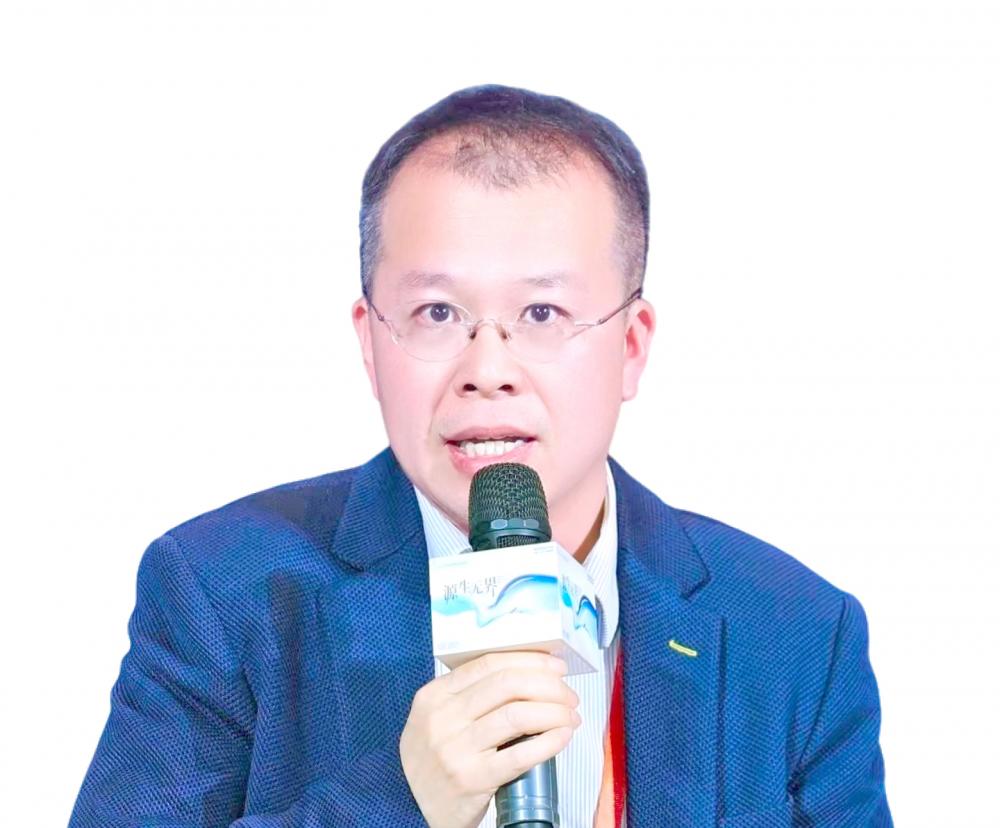
东阳光药首席科学家林凯:不盲目跟风,做更具创新性的事
2 1 Shi Ji Jing Ji Bao Dao· 2026-01-05 23:15
Core Insights - The Chinese innovative pharmaceutical industry is experiencing a critical transition from scale expansion to value enhancement [1] Group 1: Industry Challenges and Strategies - The industry faces challenges such as overcrowding and homogeneous competition, prompting local pharmaceutical companies to seek high-quality development [2] - A clear strategy proposed is to avoid blindly following trends and instead focus on more innovative projects that address unmet clinical needs [3][5] Group 2: Research and Development Focus - The company employs a balanced strategy in innovative drug development, focusing on both clinically validated traditional targets and more innovative products with higher added value [4] - Current R&D efforts are concentrated in three core areas: infectious diseases, metabolic diseases, and oncology, with a focus on unmet clinical needs [4] Group 3: Clinical Trials and Product Development - The company is advancing its innovative drug, HEC585, for idiopathic pulmonary fibrosis (IPF), with promising Phase II clinical trial results showing significant improvement over existing treatments [5][6] - The drug has completed Phase II trials and is moving into Phase III, with a focus on addressing the urgent clinical needs of approximately 300,000 patients in China [5] Group 4: AI in Drug Development - The company has developed an AI drug discovery platform that leverages over 20 years of laboratory data, enhancing the efficiency of drug development processes [7] - AI has significantly reduced the time required for drug screening, with one project seeing a 50% reduction in development time [8] Group 5: International Expansion - There is a growing trend of Chinese innovative drugs entering international markets, driven by improved R&D capabilities and the need to cover development costs for rare diseases [12] - The company has taken concrete steps towards internationalization, including partnerships for overseas commercialization and regulatory approvals for its products [13] Group 6: Market and Policy Considerations - The company emphasizes the importance of aligning drug development with both clinical and market needs, considering international markets in its strategic planning [14] - The focus is on addressing high-incidence diseases with limited treatment options, which not only benefits patients but also attracts policy support [14]
21专访丨东阳光药首席科学家林凯:不盲目跟风 做更具创新性的事
2 1 Shi Ji Jing Ji Bao Dao· 2026-01-05 23:07
Core Insights - The Chinese innovative pharmaceutical industry is transitioning from scale expansion to value enhancement, facing challenges such as market saturation and homogeneous competition [2] - Companies need to focus on innovative solutions that address unmet clinical needs rather than following trends [3] Company Strategy - The company adopts a "two-pronged" strategy, balancing traditional validated targets with innovative products to ensure stable revenue while pursuing high-value innovations [4] - Current research focuses on three core areas: infectious diseases, metabolic diseases, and oncology, with a particular emphasis on unmet clinical needs [4] Response to Market Challenges - The company recognizes that a crowded market wastes resources and emphasizes the need for innovative approaches, such as combining existing targets for new therapeutic directions [6] - The company is advancing its anti-fibrotic drug, HEC585, for idiopathic pulmonary fibrosis (IPF), showing significant clinical trial results that outperform competitors [6][7] AI in Drug Development - The company has developed an AI drug discovery platform that leverages over 20 years of laboratory data, enhancing the efficiency of drug development processes [8] - AI has significantly reduced the time required for drug development, exemplified by a project that entered clinical trials 50% faster due to AI integration [9] International Expansion - The trend of Chinese innovative drugs entering international markets is increasing, driven by improved R&D capabilities and the need for broader market access [12] - The company is actively pursuing international collaborations and has made significant progress in preparing its products for the U.S. market [13][14] Market Positioning - The company emphasizes the importance of addressing both clinical and market needs, focusing on high-prevalence diseases with limited treatment options to align with policy support [16] - The company’s strategy includes leveraging its strengths in specific therapeutic areas while planning for international market entry [16]
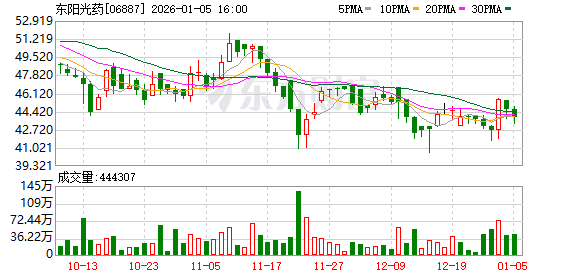
2026医药开门红-后续怎么看
2026-01-05 15:42
Summary of Conference Call Records Industry Overview - The pharmaceutical sector showed strong performance in 2025, with the Guohai Pharmaceutical Index indicating a significant annual increase. However, 2026 is expected to present a more balanced market with multiple sub-sectors such as innovative drugs, CRO (Contract Research Organizations), traditional Chinese medicine, medical devices, and pharmacy distribution being favored [1][2][3]. Key Insights and Arguments - **Innovative Drugs**: The sector remains promising, with a strategic theme for 2026 titled "Innovative Drugs Going Global: From Initial Year to Major Year." The importance of Clinical Development Plans (CDP) is emphasized, recommending companies like Sanofi, Innovent Biologics, and KANGFANG Biopharma, while also highlighting KANGDE and Aidi Pharmaceutical [1][5]. - **CRO Sector**: The domestic CRO sector is viewed positively, benefiting from improved overseas demand and expectations of interest rate cuts by the Federal Reserve. Domestic demand is also expected to improve due to innovative drugs going global and better financing conditions [1][13]. - **Traditional Chinese Medicine**: The sales side is gradually recovering, with expectations for a strong start in Q1 2026. The sector is seen as having significant market share growth potential due to its consumer-oriented nature [1][16]. - **Retail Pharmacy**: The retail pharmacy sector is positioned for growth, with positive same-store sales data from leading chains. The sector is expected to benefit from the expansion of commercial health insurance and changes in basic medical insurance policies [1][14][15]. Notable Developments - **KANGDE**: The company has its dual formulation and three indications included in the medical insurance for the first time, expected to see significant volume in 2026. Aidi Pharmaceutical is also making strides in HIV treatment, with products expected to renew at original prices and maintain growth [1][7][12]. - **Claudin 18.2 ADC**: This product, owned by AstraZeneca, is set for global new drug application submission, indicating strong growth potential [1][9][10]. - **Surgical Robots**: The market for surgical robots is rapidly developing, with significant breakthroughs in overseas orders. Companies like Jingfeng Medical and MicroPort are performing well, with MicroPort ranking second globally in terms of order volume [1][17][18]. Challenges and Opportunities - **Domestic Drug Commercialization**: Domestic drugs face challenges in commercialization but are expected to enter hospitals after being included in medical insurance. The convenience of new formulations like KANGYUE's pre-filled syringe is highlighted [1][8]. - **Commercial Health Insurance**: The commercial health insurance sector is showing significant growth potential, with new policies expected to expand coverage for innovative products [1][19]. - **Basic Medical Insurance Changes**: Recent changes in basic medical insurance policies, including inter-provincial pooling and long-term care insurance, are anticipated to release medical demand and alleviate financial pressures [1][20][21]. Conclusion - The pharmaceutical industry is poised for a diverse and balanced growth trajectory in 2026, with various sub-sectors showing promise. Key players in innovative drugs, CRO, and retail pharmacy are expected to benefit from favorable market conditions and policy changes, while challenges in commercialization and competition remain.
港股开门红,创新药是主角
Sou Hu Cai Jing· 2026-01-05 11:05
Group 1 - The global stock market has seen a significant rise, with the Hang Seng Index increasing nearly 3% in the first week of the new year, particularly driven by the innovative drug sector, which is expected to continue its rebound [1][2] - The innovative drug sector was previously affected by liquidity issues and year-end accounting effects, but the current market conditions present an opportunity for investors as the sector has returned to levels seen in June 2025 [1][2] - The recent comments from Trump regarding Venezuelan oil extraction, which could increase oil supply by approximately 30%, are expected to exert downward pressure on inflation and raise the likelihood of interest rate cuts by the Federal Reserve, benefiting the innovative drug sector [1][2] Group 2 - The innovative drug sector is anticipated to remain a key investment theme in 2025, with the Hang Seng Innovative Drug Index having outperformed the Hang Seng Technology Index significantly, showing a 64% increase compared to the latter's 23% [4] - The sector has experienced a remarkable rebound, with a peak increase of over 116%, although it has since retraced to levels seen in June 2025 due to overall market weakness [4][20] - The trend of overseas licensing deals for Chinese innovative drug companies has become a norm, with several high-value transactions occurring, such as a $60 billion deal between 3SBio and Pfizer, indicating strong international interest [6][8][11] Group 3 - The innovative drug sector is benefiting from supportive policies that have shifted focus towards quality, reducing previous concerns about profitability in the domestic market [14][19] - The introduction of measures to stabilize pricing and ensure quality in the procurement process is expected to positively impact innovative drug companies [16][19] - The overall valuation of the innovative drug sector has adjusted downwards, making it more attractive for investment, especially with the anticipated increase in business development (BD) transactions and favorable monetary policy [20][22] Group 4 - The innovative drug sector's performance is expected to be bolstered by a series of upcoming medical conferences, which are typically high points for BD transactions, providing opportunities for early investment [13] - The sector's growth is supported by a multi-faceted payment system that includes insurance and government funding, creating a conducive environment for rapid expansion [19] - Investment in innovative drugs can be effectively achieved through ETFs, such as the E Fund Innovative Drug ETF (159316), which focuses on leading companies in the sector [22][24]
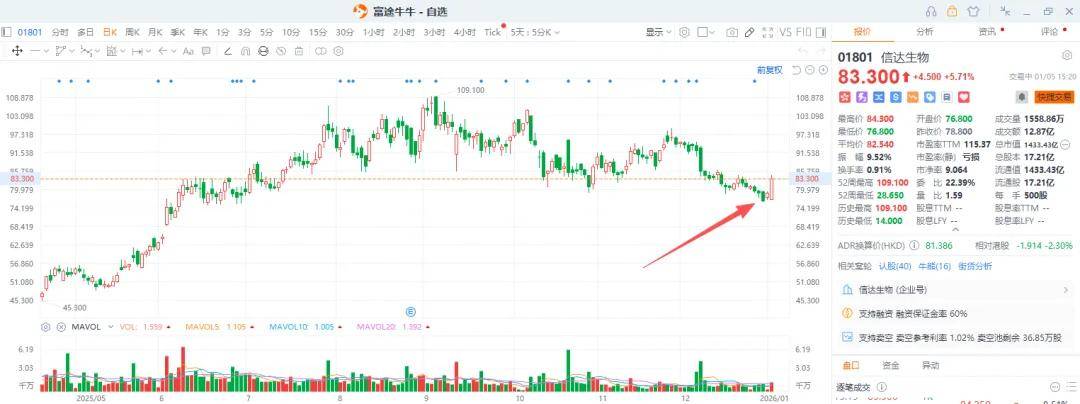
医疗ETF(159828)涨超5%,创新药与器械出海成行业焦点
Mei Ri Jing Ji Xin Wen· 2026-01-05 07:03
Core Viewpoint - The core investment theme for the pharmaceutical and biotechnology industry in 2025 is the internationalization of innovative drugs, with significant transactions boosting market confidence and new drug licensing revenues becoming a crucial funding source for sustainable corporate development [1] Group 1: Pharmaceutical and Biotechnology Industry - The internationalization of innovative drugs is expected to enhance corporate valuations, with China making continuous advancements in dual antibodies and ADCs, while also achieving breakthroughs in emerging technologies like small nucleic acids and inhalation formulations [1] - The proportion of overseas revenue in corporate value is anticipated to increase, as companies leverage their strengths in these areas [1] - The medical device sector is transitioning from low-value consumables to high-value consumables, overcoming certification and sales barriers, with high-value exports growing rapidly and the European and American markets becoming significant sources of incremental growth [1] Group 2: Market Dynamics - The impact of domestic centralized procurement is gradually being digested, leading to increased replacement opportunities, and the overall performance of the industry is expected to recover [1] - Domestic demand-driven segments, such as chain pharmacies and CROs, are undergoing a cleansing cycle, with leading companies gradually resuming growth [1] - The push for innovation and internationalization is driving the industry from low-level competition to source innovation, although structural opportunities should be monitored, as only truly innovative companies can share in the global market dividends [1] Group 3: Investment Instruments - The medical ETF (159828) tracks the CSI Medical Index (399989), which selects listed companies in the medical device, medical services, and medical information sectors from the Shanghai and Shenzhen markets to reflect the overall performance of related securities in China's medical industry [1]
超越美国!中国创新药出海爆单,2025年交易超1300亿美元
2 1 Shi Ji Jing Ji Bao Dao· 2026-01-04 10:21
Core Insights - China's innovative drug transaction value has surpassed that of the United States, indicating a growing global recognition of domestic innovations [1][3] - The total transaction amount for outbound licensing of innovative drugs from China is projected to reach $135.655 billion by December 31, 2025, with a significant increase in both upfront payments and transaction numbers compared to 2024 [1][3] - The surge in outbound licensing reflects the international community's acknowledgment of the value of Chinese innovative drugs, driven by a series of reforms and policies encouraging innovation [1][4] Transaction Overview - In 2025, the total amount of outbound licensing transactions for Chinese innovative drugs exceeded $1,300 billion, accounting for 49% of the global total, significantly surpassing the $519 billion recorded in 2024 [3][4] - The first transaction of 2025 involved Innovent Biologics partnering with Roche, which included an upfront payment of $80 million and potential milestone payments of up to $1 billion [3] - Notable transactions include a record upfront payment of $1.25 billion from 3SBio to Pfizer for a global licensing agreement, highlighting the increasing scale of these deals [3][4] Market Dynamics - The demand for Chinese innovative assets is expected to persist as multinational corporations (MNCs) face patent cliffs and cost-cutting pressures [7][8] - The global pharmaceutical supply chain is undergoing significant adjustments, with a shift in focus towards collaborative development and commercialization models, such as the Co-Co model [9][10] - Chinese companies are increasingly recognized for their capabilities in developing innovative therapies, moving from being fast followers to first-in-class innovators [6][7] Future Outlook - The Chinese innovative drug sector is anticipated to experience a critical sales growth phase starting in 2026, transitioning from a focus on research and development to performance realization [5][6] - The industry is expected to face challenges in maintaining the momentum of high-value transactions, with a potential shift in focus towards clinical value and unmet medical needs [12][14] - Regulatory support from the National Medical Products Administration (NMPA) is expected to enhance the development of innovative drugs, particularly those with new mechanisms and targets [14]

2025创新药及供应链行业年度创新白皮书:分化加速行业回归平台与产品价值
动脉智库· 2026-01-04 06:39
Investment Rating - The report indicates a positive investment outlook for the innovative pharmaceutical and supply chain industry in China, highlighting a shift towards companies with core technological platforms and clear clinical value [5][9]. Core Insights - The year 2025 is identified as a pivotal moment for China's innovative pharmaceutical industry, characterized by a trend of "differentiation" where capital is increasingly directed towards companies with substantial technological capabilities and global potential [5][6]. - The policy environment has transitioned from merely encouraging innovation to providing systematic and precise guidance throughout the entire drug development lifecycle, enhancing the industry's overall efficiency and quality [9][20]. - The report emphasizes the importance of identifying true value in the industry amidst a backdrop of significant changes, with a focus on product strength, platform capabilities, and global operational abilities [6][11]. Summary by Sections 1. Industry Policy and Capital Market Trends - The Chinese innovative pharmaceutical policy system has entered a new phase of systematic guidance, covering all stages from research and clinical trials to market access and payment [17][25]. - Over 300 national and local policies have been issued in 2025, with a focus on enhancing clinical value and high-quality development [18][20]. - Capital is increasingly concentrated on late-stage projects and cutting-edge technologies, with a notable increase in BD transactions and a shift towards more complex collaboration models [9][26][28]. 2. Product and Technology Innovations - Significant breakthroughs in clinical and commercial value are expected in 2025, particularly in areas such as ADCs, bispecific antibodies, and cell therapies [10][11]. - The report highlights the emergence of new opportunities driven by existing pain points, particularly in CAR-T therapies and the development of universal CAR-T solutions [12][14]. - The report also notes the rapid iteration of technologies and the differentiation of product offerings, with a focus on platform-based approaches gaining international recognition [12][14]. 3. Future Trends and Predictions - The report predicts a shift in technological paradigms, with a focus on clinical and commercial value realization in innovative therapies [13][16]. - The competitive landscape is expected to evolve from single-point breakthroughs to a more integrated global capability competition [13][16]. - Changes in payment systems are anticipated, with a move towards making innovative drugs essential rather than optional in healthcare [13][16].
2025 创新药及供应链年度创新白皮书,分化加速,行业回归平台与产品价值
动脉智库· 2026-01-04 05:32
Policy Guidance - The policy environment has shifted from encouraging innovation to systematic and precise guidance on "how to innovate," providing a supportive framework for projects with original innovation capabilities[9] - Over 300 national and local policies related to innovative drugs and supply chains were issued from January to October 2025, with a notable increase in policy density in October alone[18] - The National Medical Products Administration (NMPA) has published over 80 technical guidelines covering various stages from R&D to post-marketing monitoring, focusing on patient-centered approaches and unmet clinical needs[20] Capital Market Trends - The total financing amount in the innovative drug and supply chain sector reached $3.914 billion in the first ten months of 2025, slightly down from 2024 but over 60% of the total for 2023[28] - Capital is increasingly concentrated in later-stage projects (B round and beyond), with B, C, and D rounds collectively accounting for 39% of financing activities[30] - The number of IPOs in the innovative drug sector increased to 19 in the first ten months of 2025, indicating a recovery compared to the previous year[45] Pipeline Competitiveness - 2025 is marked by significant clinical and commercial breakthroughs in China's innovative drug sector, with domestic ADC and bispecific antibody products receiving approvals and showcasing leading clinical data at international conferences[10] - The emergence of new technologies such as CAR-T and TIL therapies is accelerating, with policies supporting their standardized development and addressing accessibility and cost challenges[2] M&A and BD Activities - Over 87 M&A activities occurred globally in the innovative drug sector in 2025, with multinational corporations focusing on acquiring cutting-edge technologies[54] - Domestic M&A activity has slowed compared to 2024, with a focus on internal integration and strategic enhancements by local companies[54]
专访百利天恒创始人朱义:原始创新打造超级爆品,执掌全球话语权
21世纪经济报道· 2026-01-03 11:43
Core Insights - The key opportunity for local biotech companies lies in focusing on original innovation from 0 to 1, establishing core technological barriers in unmet clinical needs, and achieving a leap from follower to leader [2][14] - Chinese innovative pharmaceutical companies have entered the global ADC innovation core camp, with over 50% of the global ADC new drug pipeline originating from China [1][14] - The strategic partnership between BaiLi TianHeng and BMS in the ADC field has set a record for the highest single-asset transaction in the global ADC sector, further elevating industry innovation [1][5] Industry Trends - The BD (business development) boom in the ADC sector is expected to continue into 2025, with 14 transactions in the first eight months of 2023, making ADC one of the hottest outbound technology tracks [1][14] - Companies are expanding beyond mature targets like HER2 and TROP2 to explore "blue ocean" targets such as CDH6, CDH17, and DLL3, seeking broader treatment windows and improved competitive landscapes [1][14] Strategic Partnerships - The partnership model of "self-researched core assets + global rights cooperation" and "co-development + co-commercialization" is relatively rare globally, requiring high product strength and a forward-looking strategic vision [7][9] - BaiLi TianHeng's collaboration with BMS is notable for its potential total transaction value of up to $8.4 billion, highlighting the growing trend of significant transactions in the oncology treatment sector [5][9] Challenges and Opportunities - Despite the increasing number of transactions, many Chinese innovative drug assets remain undervalued due to a lack of global clinical trial validation and lower payment prices in the domestic market [9][12] - The development of "super blockbuster" products with strong product power is seen as a key path to overcoming valuation challenges, with the drug iza-bren being recognized as a first-in-class product [9][12] Future Directions - The competition in the "ADC + IO" (immuno-oncology) space is intensifying, with both multinational and domestic companies actively pursuing innovative combinations [10][14] - To achieve comprehensive internationalization, Chinese pharmaceutical companies must overcome four core capability gaps: global leading R&D capabilities, global clinical development capabilities, global supply chain capabilities, and global commercialization capabilities [12][13]