
消费提振

Search documents
王微:促消费向稳向好需政策加力优化
Jing Ji Ri Bao· 2025-12-23 00:03
Core Viewpoint - The Chinese government is prioritizing the expansion of domestic demand and strengthening the domestic circulation to stabilize economic growth, with consumer spending playing a crucial role in this strategy [1]. Group 1: Economic Growth and Consumer Contribution - In the first three quarters of 2025, China's GDP grew by 5.2% year-on-year, with final consumption expenditure contributing 53.5% to economic growth, an increase of 9 percentage points compared to the previous year [1]. - The Central Economic Work Conference emphasized the importance of expanding domestic demand and optimizing supply as key tasks for economic work in the coming year [1]. Group 2: Consumer Demand and Retail Performance - From January to November 2025, the total retail sales of consumer goods increased by 4.0% year-on-year, surpassing the 3.5% growth rate of 2024 [2]. - The "old-for-new" consumption policy has been expanded to cover various sectors, leading to over 2.5 trillion yuan in sales and benefiting more than 360 million people [2]. Group 3: New Consumption Trends - New service consumption, including travel, culture, and health, has become a consumption hotspot, with significant increases in domestic travel during holidays [3]. - The online retail of physical goods grew by 5.7% year-on-year, accounting for 25.9% of total retail sales, indicating a shift towards digital consumption [3]. Group 4: Supply Chain and Price Index - The Consumer Price Index (CPI) rose by 0.7% year-on-year in November 2025, reflecting improved product quality and innovation in supply [4]. - The number of new consumer goods registered in 2024 exceeded 21.63 million, marking a significant increase in supply innovation [4]. Group 5: Foreign Consumption and Policy Changes - The number of inbound foreign visitors increased by 27.8% from January to August 2025, driven by optimized entry policies and payment facilitation [5]. - The number of stores offering tax refunds for outbound tourists tripled compared to the end of 2024, indicating a growing trend in inbound consumption [5]. Group 6: Structural Challenges in Consumption - Despite the overall growth in consumption, the increase in consumer spending is lagging behind income growth, with real disposable income rising by 5.2% while consumption expenditure grew by only 4.7% [6]. - Service consumption growth has slowed, with a 4.1% increase in per capita service spending, which is below the overall consumption growth rate [7]. Group 7: Policy Recommendations for Consumption Growth - To address the challenges, policies should focus on enhancing employment, increasing income, and stabilizing expectations to boost consumer capacity [9]. - The government should optimize the "old-for-new" policy and support service consumption, particularly in sectors like tourism and elderly care [10]. - Strengthening innovation in consumption and improving the supply of quality goods and services is essential for sustainable growth [10].
A股免税百货多股涨停,港股“新消费三姐妹”股价大涨
Xin Lang Cai Jing· 2025-12-22 11:02
Group 1: Market Performance - The Hong Kong new consumption sector showed strength on December 22, with notable stock increases: Mixue Group rose nearly 10%, Lao Pu Gold increased over 6%, and Pop Mart gained 3.68% [1] - In the A-share market, duty-free and department store stocks surged, with Haiqi Group, China Duty Free, and Dongbai Group hitting the daily limit; Wangfujing and Baida Group rose over 5% [1] Group 2: Policy and Industry News - The Ministry of Commerce emphasized boosting consumption and expanding the supply of quality goods and services during a meeting on December 20 [1] - Hainan's duty-free consumption was significantly boosted following the full closure of the Hainan Free Trade Port, with Sanya's duty-free sales reaching 118 million yuan on the first day, showing an 85% year-on-year increase [2] Group 3: Company Developments - Mixue Group's stock price surged following the opening of its Hollywood store on December 20, with competitive pricing significantly lower than local brands [2] - Mixue Ice City has expanded internationally, with approximately 4,700 overseas stores across 13 countries, and plans for further expansion in the Americas [3] - Lao Pu Gold experienced increased consumer traffic due to the upcoming holiday season, with reports of long queues at multiple locations [4] - Lao Pu Gold's single-store sales are estimated to be about twice that of Cartier and three times that of Van Cleef & Arpels, indicating strong competition with luxury brands [4] - Pop Mart's stock rose over 5% following a collaboration with Heytea, marking the first global launch of a co-branded product [4]




贵州多措并举提振消费畅通内循环
Xin Lang Cai Jing· 2025-12-21 22:46
Core Insights - The article highlights the significant growth and transformation of the consumption market in Guizhou over the past five years, emphasizing the stability and expansion of retail sales and the development of modern trade logistics systems [6][14]. Group 1: Consumption Market Growth - The retail sales of social consumer goods in Guizhou have seen an average annual growth of 4.5% over the past four years, indicating a stable consumption market [6]. - The province has established 291 convenient living circles, benefiting over 6.5 million residents, with more than 21,000 new service points added [8]. - The number of commercial districts has reached 140, and there are 116 pedestrian streets, enhancing urban commercial infrastructure [9]. Group 2: Promotion of Consumption - Guizhou has implemented a consumption promotion policy that includes government subsidies and enterprise discounts, leading to a significant increase in consumer purchases, including 300,000 new cars and nearly 4 million home appliances [10]. - The total consumption generated from these initiatives has reached approximately 70.4 billion yuan [10]. - Financial policies have been introduced to support consumption recovery, contributing to an increase of 20.8 billion yuan in consumer spending [11]. Group 3: Modern Trade Logistics - The logistics network in Guizhou is evolving towards hub-based, intelligent, and cold-chain systems, with a total cold storage capacity of 5.67 million cubic meters [12][13]. - The "Qianhuo Cloud Warehouse" logistics network has been established, serving over 2,800 enterprises and ensuring efficient supply chain services across the province [13]. - The integration of digital technology in logistics has improved operational efficiency and management within the supply chain [13]. Group 4: Service Consumption - The service consumption sector has expanded significantly, with over 13,000 home service enterprises and nearly 400,000 employees generating around 20 billion yuan in revenue [15]. - Guizhou has introduced measures to enhance service consumption quality, focusing on digital, green, and integrated service systems [16]. - The introduction of new brands and stores, such as Domino's Pizza, reflects the growing demand for diverse and quality service experiences [16][17]. Group 5: Alcohol Industry Transformation - The alcohol industry in Guizhou is shifting from merely selling liquor to promoting a lifestyle, integrating local culture and experiences into the consumption of alcohol [22][23]. - Innovative establishments like "Xi He" are redefining cocktails with local ingredients, enhancing the social experience around alcohol consumption [23]. - The transformation includes creating immersive experiences in production sites, turning them into tourist attractions, thereby enriching the consumer's connection to the product [24].


消费券后下轮“补贴”该补哪?消费提振如何实现投资于人?专家:收入分配改革是关键
Sou Hu Cai Jing· 2025-12-21 04:32
Core Viewpoint - Improving income distribution is crucial for breaking the current constraints on consumer demand and driving economic growth [1][9] Group 1: Economic Context - The current economic situation in China is characterized by a "strong supply and weak demand" dynamic, with insufficient domestic demand being a significant barrier to high-quality development [5] - The Consumer Price Index (CPI) is hovering around zero, and the Producer Price Index (PPI) has experienced negative growth for 27 consecutive quarters, leading to structural deflationary pressures [5] - The gap between actual economic growth (approximately 5%) and nominal growth indicates a persistent issue that requires targeted measures across various sectors [5][9] Group 2: Income Distribution Issues - Experts identify the slowdown in income growth and the need for optimization in income distribution as the core issues behind weak domestic demand [9][10] - The current Gini coefficient is approximately 0.465, indicating a need for improvement in income distribution fairness, with a target of reducing it to around 0.4 by 2030 [10] - The urban-rural income ratio stands between 2.3 and 2.4, which is still considered high compared to international standards, with a goal to reduce it below 2 during the 14th Five-Year Plan [10] Group 3: Recommendations for Income Growth - Implementing proactive employment and human capital investment policies is essential, including extending compulsory education and reallocating educational resources for lifelong training [13][14] - Strengthening redistributive measures through progressive taxation and increasing government spending on social welfare is crucial for improving income distribution [14] - Stabilizing and enhancing residents' property income is vital, with a focus on maintaining stability in the real estate and capital markets [15] Group 4: Consumer Demand Enhancement - Experts suggest moving beyond traditional short-term stimulus measures to enhance consumer demand, advocating for investment in service consumption and areas that promote human development [17][18] - Expanding consumption scenarios and optimizing the consumption environment are key, including promoting the silver economy and reducing unreasonable consumption restrictions [18] Group 5: Long-term Support for Domestic Demand - Expanding domestic demand requires effective investment coordination and deep institutional reforms [20] - Addressing local government investment capacity and promoting long-term sustainable fiscal development through tax reform and the reallocation of fiscal powers are necessary [20] - Fostering technological innovation and industrial upgrading is fundamental for increasing income and creating high-quality employment, ultimately supporting long-term consumption growth [20]
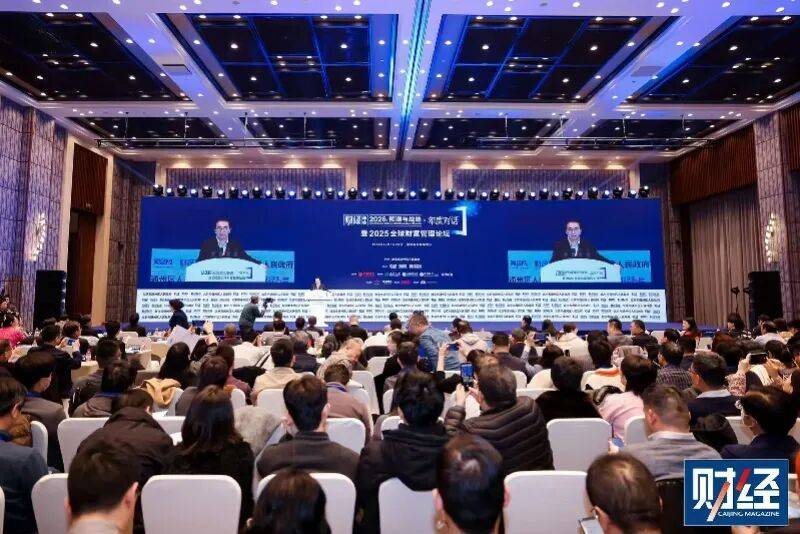
城乡居民如何实现增收?丨落实会议部署 问答中国经济
证券时报· 2025-12-20 00:14
Core Viewpoint - The Central Economic Work Conference emphasizes expanding domestic demand as the primary task for economic work in the coming year, with a focus on boosting consumer spending as a critical component of this strategy [1]. Group 1: Economic Policies and Consumer Spending - The conference highlights the importance of enhancing consumer spending to meet the public's aspirations for a better life and to mitigate the impacts of external shocks and declining external demand [1]. - Policies such as the trade-in program for consumer goods, increased fiscal investment in people's livelihoods, and financial incentives for loans are seen as significant supports for boosting consumer spending [1]. - To fundamentally enhance consumer spending, it is essential to promote continuous growth in residents' income, thereby solidifying their consumption capacity and confidence [1]. Group 2: Employment and Income Growth - Employment stability is crucial for income stability, with wage income being the largest component of residents' income [2]. - The government plans to implement a broader income growth strategy that includes policies aimed at increasing employment, particularly in the service sector, by removing unnecessary barriers [2]. - Investments in human capital, such as early childhood education and lifelong learning programs, are necessary to improve residents' skills and enable them to seek higher-paying jobs [2]. Group 3: Income Distribution and Public Services - Improving income distribution can be achieved through tax adjustments and transfer payments to enhance the basic public service supply system, thereby reducing quality of life disparities [3]. - Specific public policies, such as cash subsidies for children and waiving fees for public kindergarten, are aimed at directly benefiting residents and enhancing their consumption confidence [3][4]. - The social security system, particularly the pension system, requires further reform to bridge the gaps in funding and benefits between different demographics [4]. Group 4: Long-term Economic Development - The expectation for the "Urban and Rural Residents' Income Growth Plan" reflects a long-term vision for investing in people and promoting comprehensive development for all citizens [4].

消费券后,下轮“补贴”该补哪?专家建议:转向“投资于人”
Sou Hu Cai Jing· 2025-12-19 09:15
Core Viewpoint - Improving income distribution is crucial for breaking the current constraints on consumer demand and driving economic growth, as highlighted by experts at the "2026: Forecast and Strategy" conference [1]. Group 1: Economic Context - China's economy is currently characterized by a "strong supply and weak demand" dynamic, with insufficient domestic demand being a significant barrier to high-quality development [4]. - The Consumer Price Index (CPI) is hovering around zero, and the Producer Price Index (PPI) has experienced 27 consecutive quarters of negative growth, leading to structural deflationary pressures that weaken investment and job creation [4]. - The gap between actual economic growth (approximately 5%) and nominal growth indicates a persistent issue where statistical data does not align with public sentiment [4]. Group 2: Consumer Dynamics - Consumption, accounting for about 60% of GDP, is critical for economic stability, yet its growth has slowed from previous double-digit rates, indicating an urgent need for intervention [5]. - Experts attribute the core issue of weak domestic demand to the slowdown in income growth and the need for optimization in income distribution [8]. Group 3: Income Distribution Analysis - The Gini coefficient, a measure of income distribution fairness, is approximately 0.465, with a target of reducing it to below 0.4 by 2030 being proposed [8]. - The urban-rural income ratio stands between 2.3 and 2.4, which is still considered high compared to international standards, with a goal to reduce it below 2 during the 14th Five-Year Plan [8]. - The share of labor income in primary distribution and the share of residents' income in national income have shown potential for significant improvement [8]. Group 4: Recommendations for Income Growth - Experts suggest implementing proactive employment policies and investing in human capital to address structural employment issues exacerbated by technological changes [11]. - Recommendations include enhancing social security systems and fiscal policies to improve income redistribution, particularly for low- and middle-income groups [12]. Group 5: Consumer Confidence and Spending - The decline in various income types, including operational, wage, property, and transfer incomes, has directly suppressed consumer confidence and spending ability [9]. - To stimulate consumption, experts propose moving beyond traditional short-term stimulus measures to focus on long-term investments in human development and service consumption [13]. Group 6: Investment and Structural Reforms - Expanding domestic demand requires effective investment coordination and deep systemic reforms, with a focus on stabilizing real estate and capital markets [15]. - Long-term economic growth is tied to technological innovation and industrial upgrades, which are essential for increasing income and creating high-quality jobs [15].
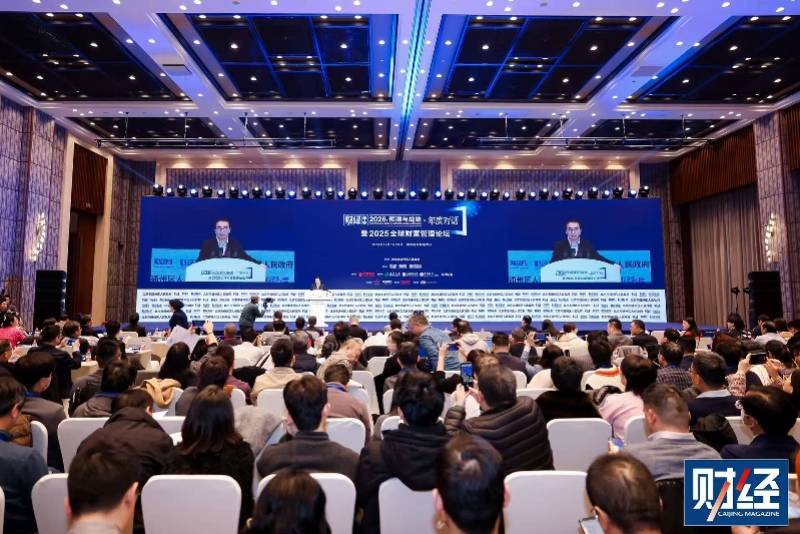
探寻提振消费路径
Sou Hu Cai Jing· 2025-12-19 07:12
Core Insights - The article discusses the challenges of insufficient domestic consumption in China and suggests various strategies to stimulate consumer demand, including increasing investment, improving income distribution, and enhancing residents' income levels [3][4][6]. Group 1: Consumption Demand - Domestic consumption demand is currently a key constraint on economic growth, with the National Development and Reform Commission highlighting low consumer rates as a major challenge [3]. - In 2024, China's resident consumption rate is projected to be 39.9%, which is significantly lower than that of developed countries by approximately 10-30 percentage points, particularly in terms of service consumption [3][4]. - The decline in consumption is attributed to a smaller scale of "old-for-new" policies in the second half of 2025, leading to lower retail sales data compared to the first half [4]. Group 2: Investment Strategies - The Central Economic Work Conference emphasized the need to combine investments in physical goods and human capital to stimulate consumption [5]. - Future subsidies should be optimized to include service-oriented goods and infrastructure investments, such as sports facilities and theaters, which ultimately benefit human capital [5][6]. - Investment in human capital has been gradually increasing in fiscal spending, focusing on areas like health, employment, and education, which is expected to further support consumption growth [6]. Group 3: Income Distribution - The potential for consumption remains largely untapped due to various factors, including the low share of residents in national income distribution compared to government and corporate shares [7]. - Improving income levels and distribution is crucial for overcoming constraints on economic growth, with a significant increase in consumption rates needed as China transitions from middle to high-income status [7][8]. - The Gini coefficient, a measure of income inequality, should be targeted to be reduced to 0.4 or lower by 2035, aligning with international standards [8]. Group 4: Enhancing Property Income - Resident wage income constitutes the primary source of disposable income, with wages accounting for 56.5% of disposable income in 2024 [10]. - Real estate and stock investments are key components of residents' property income, with current real estate inventory at a historical high since 2015 [10]. - Stabilizing the real estate market and stock market is essential for enhancing residents' property income and overall economic stability [11][12].

高培勇:中国经济升级须从“投资于物”转向“投资于人”
Zhong Guo Jing Ying Bao· 2025-12-18 15:38
Core Viewpoint - The core argument presented by Gao Peiyong emphasizes the necessity of integrating "investment in people" with "investment in material" to address current economic challenges and support the goal of achieving basic socialist modernization by 2035 [1] Group 1: Economic Context and Goals - The 20th Central Committee's Fourth Plenary Session highlights the need for decisive progress in achieving socialist modernization during the 14th Five-Year Plan, with specific quantitative indicators linked to per capita GDP reaching the level of moderately developed countries [1] - Current per capita GDP in China is approximately $13,500, while the target for moderately developed countries is between $25,000 and $26,000, indicating a need to double per capita GDP within the next decade [1] Group 2: Investment Strategy - Gao stresses that relying solely on traditional material capital investment is insufficient for sustained growth, advocating for a shift towards investing in human development to stimulate domestic demand and drive economic structural upgrades [1] - The current economic challenge of weak domestic demand and pessimistic expectations is identified, with weak expectations being the root cause of the observed decline in consumption growth [2] Group 3: Government Spending and Structural Adjustment - A systematic adjustment in government spending is necessary, which involves reducing expenditures on material investments while increasing those on human investments, thereby enhancing public service spending and optimizing the overall consumption investment structure [2] - The transition from a material-focused fiscal system to a public finance model is highlighted as a critical phase, necessitating proactive measures to drive this profound change in resource allocation [2] Group 4: Social Security and Transfer Payment System - The urgency of modernizing the social security and transfer payment system is emphasized, with current shortcomings including selective coverage, varying benefits, insufficient public service funding, and a lack of significant redistributive function [3] - The establishment of a modern social security system aims to eliminate urban-rural disparities and identity differences, ensuring universal applicability of the protection system to all citizens [3] Group 5: Proposed Reforms - Three specific reform measures are proposed: 1. Accelerate the adjustment of fiscal expenditure structure by significantly increasing the proportion of social welfare spending while reducing economic construction spending [4] 2. Improve the social security system by promoting nationwide coordination of basic pension insurance to achieve full coverage of the legally defined population [4] 3. Enhance the transfer payment system by establishing a demand-oriented precise transfer payment system to equalize social assistance within provincial administrative regions [4] - The establishment of a modern social security and transfer payment system, along with enhancing the equity and accessibility of basic public services, is deemed essential for the effective functioning of a proactive government [4]
听,高质量发展新脉动|强大国内市场构筑发展新格局
Xin Hua Wang· 2025-12-17 08:32
Group 1 - The core viewpoint emphasizes the importance of a strong domestic market as a strategic foundation for China's modernization, with the central economic work conference prioritizing "domestic demand-led growth" as the top task for the upcoming year [1] - Over the past four years, despite various challenges, China's economy has maintained an average growth rate of 5.5%, with domestic demand contributing 86.4% to this growth, highlighting the critical role of a robust domestic market [1] - China's large population and complete industrial system position it as the world's largest and most potential consumer market, with a per capita GDP exceeding $10,000 [3] Group 2 - The government has implemented special actions to boost consumption, including a vehicle trade-in policy that has led to over 10 million applications for subsidies, reflecting the vibrant activity in the consumer market [6] - In the first eleven months of the year, retail sales of consumer goods increased by 4% year-on-year, with service retail sales growing at a faster rate of 5.4%, indicating a shift towards service-oriented consumption [8] - The ice and snow industry in China is projected to exceed 1 trillion yuan, showcasing the potential for growth in this sector and the importance of balancing supply and demand [13] Group 3 - Recent policies aim to enhance the adaptability of supply and demand in consumer goods, promoting a virtuous cycle between consumption and investment, which is expected to improve the efficiency of the domestic market [17] - The focus on expanding employment and increasing household income is crucial for driving demand, while technological innovation is essential for upgrading industries and creating new demand [14] - The commitment to transforming the advantages of a large-scale market into competitive advantages will continuously release the growth potential of the Chinese economy [19]
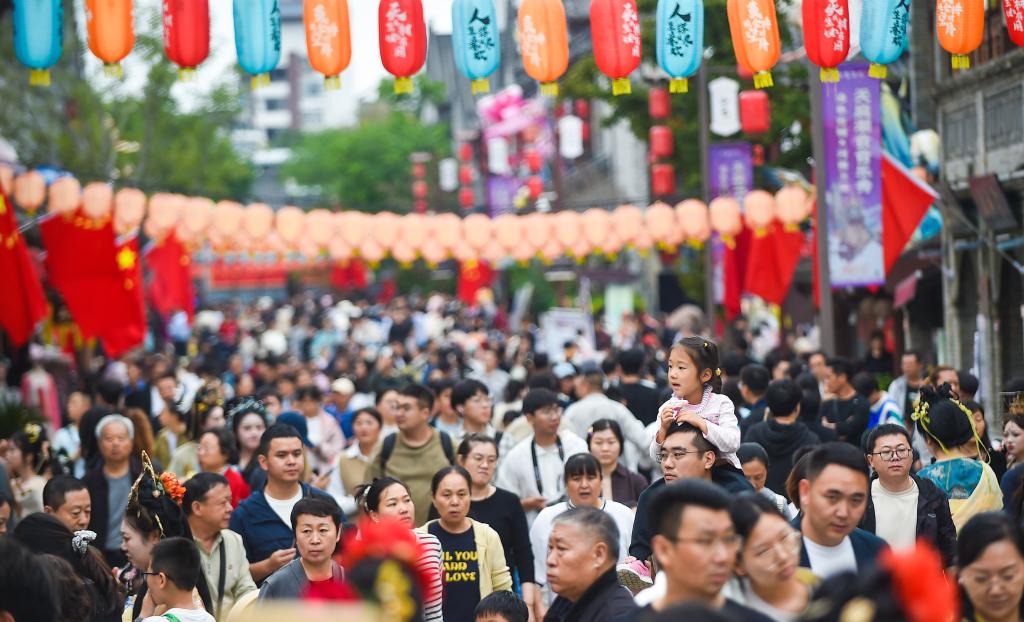
中央财办:明年中国完全有条件推动内需实现持续增长
Zhong Guo Xin Wen Wang· 2025-12-16 14:48
Core Viewpoint - The Central Financial Office indicates that China is fully capable of promoting sustained growth in domestic demand next year, focusing on both consumption and investment strategies to stimulate economic activity [1][2]. Group 1: Consumption Strategies - The shift in consumer behavior from primarily goods consumption to a balanced focus on both goods and services is highlighted, with strong demand in sectors like cultural tourism, elderly care, and childcare [1]. - Plans to enhance residents' income and improve employment quality are set to boost consumer spending capacity, including increasing basic pensions for urban and rural residents [1]. - The government aims to expand the supply of quality goods and services, fostering new consumption growth points in sectors such as home services and health tourism [1]. Group 2: Investment Initiatives - There is a call to combine investments in physical infrastructure and human capital, emphasizing the need for effective investment in consumer infrastructure like parking lots and charging stations [2]. - The government plans to leverage various funding sources, including central budget investments and special bonds, to support significant projects and stimulate effective investment [2]. - Measures to invigorate private investment are outlined, encouraging private enterprises to engage in major projects in sectors like railways and nuclear power, while guiding investments towards high-tech and service industries [2].