能源强国

Search documents
电力设备及新能源行业双周报(2025、11、28-2025、12、11):中央经济工作会议定调深入整治“内卷式”竞争-20251212
Dongguan Securities· 2025-12-12 08:40
Investment Rating - The report maintains an "Overweight" rating for the power equipment and new energy industry [2][48]. Core Viewpoints - The Central Economic Work Conference emphasized the need to deepen the rectification of "involution" competition, particularly in the photovoltaic industry, which is expected to accelerate the exit of backward production capacity and promote the recovery of industry profit margins [4][43]. - The report suggests focusing on leading new energy companies that excel in technology and scale [4][43]. Market Review - As of December 11, 2025, the Shenwan Power Equipment industry rose by 1.32% over the past two weeks, outperforming the CSI 300 index by 0.51 percentage points, ranking 12th among 31 industries [11]. - Year-to-date, the Shenwan Power Equipment sector has increased by 40.05%, surpassing the CSI 300 index by 24.36 percentage points, ranking 5th among 31 industries [11]. - The wind power equipment sector increased by 5.79%, while the photovoltaic equipment sector decreased by 0.82% in the last two weeks [16]. Valuation and Industry Data - As of December 11, 2025, the price-to-earnings (PE) ratio for the power equipment sector is 32.90 times [24]. - The PE ratios for sub-sectors are as follows: Electric Motor II at 56.45 times, Other Power Equipment II at 51.83 times, Photovoltaic Equipment at 30.06 times, Wind Power Equipment at 33.63 times, Battery at 32.83 times, and Grid Equipment at 28.49 times [24]. Company Announcements - The report highlights significant projects and developments, including the approval of the Zhejiang UHV AC Ring Network Project with a total investment of 29.3 billion yuan, which is the highest for a single UHV AC project in China [38][39]. - The report also notes various company announcements regarding share repurchases and changes in control, indicating active corporate governance within the sector [42][43]. Weekly Perspective - The report reiterates the importance of adhering to the "dual carbon" goals and promoting a comprehensive green transition, with a focus on energy efficiency and carbon reduction in key industries [4][43]. - It emphasizes the need for technological innovation and quality improvement in the photovoltaic sector, moving away from mere scale expansion [4][43].




中央经济工作会议擘画高质量发展新蓝图 以新质生产力引领现代化产业体系建设
Zhong Guo Zheng Quan Bao· 2025-12-11 20:32
Group 1: Artificial Intelligence Development - The meeting emphasizes the importance of deepening and expanding "Artificial Intelligence+" initiatives, aiming for broader and deeper integration across key sectors to enhance productivity [1] - Emerging industries represented by "Artificial Intelligence+" are expected to drive a transformative technological revolution, focusing on domestic production, deep integration with application scenarios, and global competition [2] - State-owned enterprises are encouraged to strategically integrate AI into their operations to foster innovation and technological advancement [2] Group 2: Energy Transition and Green Development - The meeting outlines a comprehensive plan for energy transition, including the establishment of a national carbon trading market and the promotion of green electricity applications [3] - A systemic approach is highlighted, integrating energy transition with market mechanisms and governance structures to maximize overall efficiency [3] - The development of new green products, supported by innovative financial tools, is essential for traditional industries to adapt and grow in a low-carbon economy [4] Group 3: Real Estate Market Stabilization - The meeting focuses on stabilizing the real estate market through targeted policies, including inventory reduction and the promotion of affordable housing [5] - Strategies such as reforming the housing provident fund and enhancing the quality of housing aim to address long-term housing needs and improve living standards [5] - The overall goal is to transition the real estate sector towards high-quality, people-oriented development, ensuring a stable market and improved supply structure [5]
中央部署加快新型能源体系建设
Di Yi Cai Jing· 2025-12-11 12:13
Group 1 - The Central Economic Work Conference held on December 10-11 outlined plans for economic work in 2026, emphasizing the need to develop a strong energy nation and accelerate the construction of a new energy system while expanding green electricity applications [1] - As of June 2025, China's installed capacity for wind and solar power exceeded 1.67 billion kilowatts, accounting for approximately 45.8% of the total installed power capacity, making it the main source of new power generation [1] - The transition to a low-carbon energy structure is critical, as China's energy system has long been coal-dominated, and the key to this transition lies in establishing a new energy system led by clean energy sources like wind and solar [1] Group 2 - A new energy system aims to achieve high proportions of renewable energy supply and consumption, integrating diverse energy storage, intelligent scheduling, and advanced information communication technologies [2] - The infrastructure for the new energy system includes essential components such as energy storage systems, which are crucial for addressing the challenges of clean energy consumption [2] - The new energy storage industry is accelerating, with installed capacity exceeding 10 million kilowatts by September 2025, and there is a notable shortage of production capacity and rising prices in the market [3] Group 3 - Expanding green electricity applications is a vital part of accelerating the new energy system, which involves converting renewable energy sources into electricity to enhance consumption and reduce carbon emissions [3] - Policies like "green electricity direct connection" and "zero-carbon parks" have been introduced to support the expansion of green electricity applications [3] - By 2030, it is projected that non-fossil energy generation will account for about 60% of installed capacity and nearly 50% of total generation, with non-fossil generation growth contributing approximately 90% to the overall increase in electricity consumption [3]
中经评论:统筹兼顾建设能源强国
Jing Ji Ri Bao· 2025-12-11 00:10
Core Viewpoint - The article emphasizes the importance of building an energy powerhouse in China, highlighting the need for comprehensive improvements in energy technology, industrial chains, and system capabilities to enhance international competitiveness and support the construction of a modern socialist country [1][2]. Group 1: Strengths of an Energy Powerhouse - The strength of an energy powerhouse lies in its hard power of security assurance, ensuring stable domestic energy supply and resilience against external shocks such as market fluctuations and geopolitical conflicts [1][2]. - The focus is on green, low-carbon, and high-quality development, prioritizing efficient energy utilization over sheer consumption, aiming for a sustainable environment while leading in green technology [1][2]. - Technological self-reliance is crucial, with key energy technologies needing to be domestically controlled to avoid dependency and to lead future energy technology developments [2][3]. Group 2: Goals for Strengthening Energy Powerhouse - Strengthening the supply chain involves creating a diversified and resilient supply system, emphasizing the importance of not relying solely on one source [2][3]. - The technology chain must focus on overcoming core technologies across the entire energy production process, transitioning from a major energy producer to a technology powerhouse [2][3]. - Building a competitive industrial cluster is essential, integrating resources from research and development to manufacturing and operational services, enabling the energy sector to meet domestic and global demands [3][4]. Group 3: Pathways to Strengthening Energy Powerhouse - A dual approach of traditional and emerging energy sources is necessary, promoting clean and efficient development of traditional energy while increasing the share of renewable energy sources like wind, solar, and hydrogen [3][4]. - Advancing technological breakthroughs alongside institutional reforms is vital, with increased R&D investment and the establishment of a unified national electricity market to enhance efficiency [4][5]. - Domestic energy security must be prioritized while fostering international cooperation to ensure safe energy import channels and contribute to global energy transitions [5].
统筹兼顾建设能源强国
Jing Ji Ri Bao· 2025-12-10 22:38
能源是经济发展的"粮食",是社会运行的"血液",更是现代化进程的"引擎"。"十五五"规划建议提出, 建设能源强国。能源强国首次出现在五年规划里,这意味着,我国经济社会发展对能源的需求,已不仅 是保障供应那么简单,更要通过能源技术、产业链和系统能力的全面提升,增强国际竞争力,支撑社会 主义现代化强国建设。 当前,科技革命和大国博弈相互交织,全球能源供需格局深度重塑,能源绿色低碳转型步伐加快。站在 这一历史性节点,我们必须回答好3个核心问题:能源强国强在哪里?强什么?怎么强? 能源强国的"强",体现在安全保障的硬实力上。一个真正的能源强国,要能从容应对各类风险挑战。既 要有强健的体魄,确保国内能源供应充足稳定;更要有强大的免疫系统,抵御国际市场波动、极端天 气、地缘冲突等外部冲击。"手中有粮、心中不慌"的底气,才是能源强国最基本的画像。 能源强国的"强",体现在绿色低碳高质量发展上。建设能源强国,不是追求能源消耗的"大",而是追求 能源利用的"优",让蓝天白云成为常态,让绿水青山滋养民生,在全球碳中和浪潮中,既占据绿色技术 制高点,也掌握低碳发展主动权。 能源强国的"强",体现在科技自立自强的核心支撑上。就像电子 ...
步调一致绘蓝图 因地制宜启新篇——多省份“十五五”规划建议观察
Shang Hai Zheng Quan Bao· 2025-12-10 17:57
◎新华社北京12月10日电 党的二十届四中全会审议通过的《中共中央关于制定国民经济和社会发展第十五个五年规划的建议》, 为"十五五"时期我国经济社会发展擘画了宏伟蓝图。 截至12月上旬,围绕《建议》提出的主要目标和战略任务,先后已有20余个省份审议通过了地方"十五 五"规划建议,其中大多省份对外公布了地方"十五五"规划建议。 新的历史征程即将开启。在以习近平同志为核心的党中央坚强领导下,各省份深入贯彻落实党的二十届 四中全会精神,更好发挥国家发展规划的战略导向作用,紧密结合自身发展实际,作出新一轮战略部 署,为"十五五"乃至未来更长时期高质量发展打下坚实基础、开创崭新局面。 锚定长远目标,凝心聚力谋篇未来发展 11月14日,浙江杭州,《中共浙江省委关于制定浙江省国民经济和社会发展第十五个五年规划的建议》 审议通过。 作为最早一批出台的地方"十五五"规划建议,这份文件提出"到2030年,我省经济实力、科技实力、综 合竞争力大幅跃升,人均地区生产总值接近发达经济体水平",经济大省浙江在谋划未来五年发展上迈 出关键一步。 在国家发展大局中找准定位,在新起点新征程担当作为。 广东提出"'百县千镇万村高质量发展工程'取 ...
新华全媒头条|步调一致绘蓝图 因地制宜启新篇——多省份“十五五”规划建议观察
Xin Hua She· 2025-12-10 16:38
Core Viewpoint - The article discusses the implementation of the "14th Five-Year Plan" by various provinces in China, highlighting their strategic goals and initiatives aimed at achieving high-quality economic and social development during this period [1]. Group 1: Provincial Planning and Goals - Over 20 provinces have approved their local "14th Five-Year Plan" proposals, aligning with the central government's strategic objectives [1]. - Zhejiang aims for significant economic and technological advancements by 2030, targeting GDP per capita close to that of developed economies [2]. - Guangdong emphasizes the "High-Quality Development Project" for rural areas, while Shandong focuses on enhancing innovation and ecological protection [3]. Group 2: Economic Transformation and Development - Hubei identifies the "14th Five-Year" period as crucial for its rise in central China, focusing on advanced manufacturing and modern service industries [4]. - Shanxi plans to accelerate its energy transition and upgrade its manufacturing sector, leveraging agriculture and tourism for development [4]. - Western provinces like Shaanxi aim to enhance traditional industries and promote new energy sectors [4]. Group 3: Industry-Specific Initiatives - Guizhou is set to optimize six major industrial clusters, including digital industries and advanced manufacturing, while also developing three distinctive sectors [5]. - Heilongjiang is focusing on developing a billion-level ice economy, promoting a full industry chain around ice sports and tourism [6]. Group 4: Reform and Innovation - Hainan is implementing reforms to enhance its free trade port, while Shandong is focusing on building major open cooperation platforms [7]. - Sichuan and Hunan are prioritizing artificial intelligence integration into various sectors, indicating a trend towards technological innovation [7]. Group 5: Regional Cooperation and Integration - The "Beijing-Tianjin-Hebei" collaborative development is a key focus for these regions, with plans for infrastructure and functional integration [9]. - Guangdong is enhancing its role in the national market while promoting cooperation with other major economic regions [10]. Group 6: Safety and Sustainability - Provinces are emphasizing ecological safety and resource security, with Inner Mongolia focusing on environmental protection and Liaoning on supply chain security [12]. - The plans highlight a balance between development and safety, ensuring that economic growth does not compromise ecological integrity [12]. Group 7: Social Development and Welfare - Provinces are prioritizing social welfare, with initiatives aimed at improving employment and healthcare services [13]. - The focus on people's well-being as a central theme in development strategies reflects a commitment to enhancing quality of life [13]. Group 8: Implementation and Future Outlook - The ongoing release of provincial plans is expected to facilitate the effective implementation of the central government's "14th Five-Year Plan," laying a solid foundation for achieving significant progress in modernization [14].
国家能源局:“十五五”积极发展绿电直连等新模式,围绕光伏等重点领域建设一批“小而美”项目
Xin Lang Cai Jing· 2025-12-10 13:55
Core Viewpoint - The article emphasizes the need to accelerate the construction of a new energy system in China, focusing on achieving peak coal and oil consumption, and increasing the share of non-fossil energy to support a comprehensive green transformation of the economy and society [1][25]. Group 1: Principles and Requirements for New Energy System Construction - The construction of a new energy system is a central task for high-quality energy development in the coming period, requiring adherence to the leadership of the Party and the principles outlined in the 20th National Congress [32]. - The energy supply must prioritize the needs of the people, ensuring that energy services meet the growing demand for clean, low-carbon, and efficient energy [33]. - Energy security must be maintained domestically, with a focus on enhancing the resilience of the energy supply system to address global competition and uncertainties [34]. - A green and low-carbon development approach is essential, with a significant increase in the share of non-fossil energy in the energy consumption structure [34]. - Innovation is highlighted as the primary driving force for energy development, necessitating a focus on technological advancements and integration of energy and industry [35]. - Deepening energy system reforms is crucial to adapt to the new energy landscape and improve governance and market mechanisms [36]. Group 2: Achievements and Developments During the 14th Five-Year Plan - During the 14th Five-Year Plan, China's energy production capacity significantly increased, with total energy production reaching approximately 5 billion tons of standard coal, a nearly 40% increase over the past decade [37]. - The renewable energy sector saw rapid growth, with wind and solar power installations surpassing historical milestones, and non-fossil energy consumption doubling, accounting for about 20% of total energy consumption [38]. - Energy technology innovation led to significant advancements, including the development of major technologies and equipment, with China leading in renewable energy patents and achieving world records in various energy technologies [39]. Group 3: Strategic Planning for the 15th Five-Year Plan - The 15th Five-Year Plan aims to establish a clean, low-carbon, safe, and efficient new energy system, with a focus on optimizing energy resource distribution and infrastructure development [42]. - The plan emphasizes the need for a green and low-carbon transition, aiming for non-fossil energy to account for about 25% of total energy consumption by 2030 [43]. - Strengthening the energy supply chain and enhancing the resilience of energy systems are critical components of the strategy, ensuring stable domestic energy production and supply [44]. - The plan also highlights the importance of advancing energy technology and fostering innovation to meet future energy demands [45]. Group 4: International Cooperation and Market Development - The article discusses the importance of international cooperation in the energy sector, aiming to maintain the stability of global energy supply chains and enhance collaboration on renewable energy technologies [47]. - It emphasizes the need for a fair and balanced global energy governance system, promoting energy cooperation with various countries and regions [47].

署名文章︱国家能源局发展规划司:加快建设新型能源体系
国家能源局· 2025-12-09 11:35
Core Viewpoint - The article emphasizes the importance of accelerating the construction of a new energy system and building an energy powerhouse as central tasks for high-quality energy development in China, guided by the principles set forth by the Communist Party and recent strategic directives [3][4][5]. Group 1: Principles for New Energy System Construction - The construction of a new energy system must adhere to the principle of comprehensive leadership by the Party, ensuring that energy development aligns with national strategies and maintains a correct direction [4]. - The concept of prioritizing people's needs is crucial, focusing on improving energy supply quality and ensuring equitable access to energy resources for all citizens [5]. - The strategy emphasizes self-reliance in energy security, advocating for a robust domestic energy supply system to mitigate external uncertainties [6]. - A green and low-carbon development approach is essential, with a focus on transitioning to non-fossil energy sources and achieving carbon neutrality goals [7]. - Innovation is highlighted as the primary driving force for energy development, with a call for technological advancements to lead the energy sector [8]. - Deepening energy system reforms is necessary to enhance market efficiency and governance structures [9]. Group 2: Achievements During the 14th Five-Year Plan - Significant improvements in energy security and supply resilience were achieved, with total energy production reaching approximately 5 billion tons of standard coal, a nearly 40% increase over the past decade [10]. - The transition to a greener energy structure was marked by a doubling of non-fossil energy consumption, which now accounts for about 20% of total energy consumption [11]. - Technological advancements in energy production and equipment have led to a notable increase in the modernization of the energy industry, with significant breakthroughs in nuclear power and renewable energy technologies [12]. - The establishment of a comprehensive energy market system has been initiated, enhancing market dynamics and participation from various stakeholders [13]. - International cooperation in energy has been strengthened, with significant projects and partnerships established globally, contributing to a more stable energy supply chain [14]. Group 3: Strategic Planning for the 15th Five-Year Plan - The 15th Five-Year Plan aims to establish a clean, low-carbon, safe, and efficient new energy system, focusing on energy security, economic feasibility, and technological innovation [15]. - Optimizing the spatial layout of energy resources and infrastructure is a priority, with plans for distributed energy development and enhanced energy base construction [16]. - The transition to a green and low-carbon energy system will be accelerated, with specific targets for non-fossil energy consumption by 2030 [16]. - Building a resilient energy supply chain is essential, with a focus on enhancing domestic oil and gas production and establishing a robust energy reserve system [17]. - Advancements in energy technology are prioritized, with a focus on both hard and soft innovations to support the new energy system [18]. - Legal and regulatory frameworks will be strengthened to support high-quality energy development and market reforms [19]. - International cooperation will be expanded to ensure the stability of global energy supply chains and promote sustainable energy development [20].

贾玮:凝聚青年力量,共筑新型能源体系
中国能源报· 2025-12-05 11:50
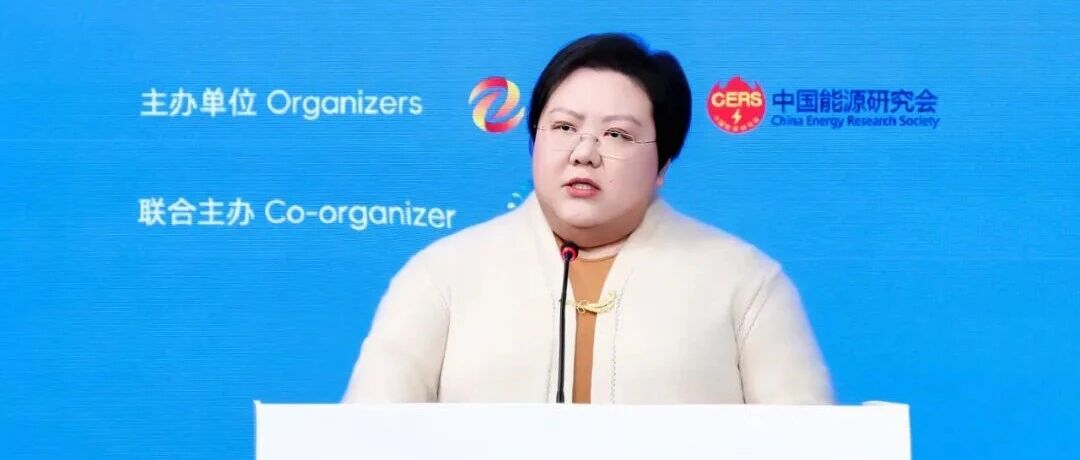
12月4日,2025第八届中国能源产业发展年会在北京举行。年会以"构建新型电力体系 建设能源强国"为主题。本届年会由中国能源 报、中国能源研究会主办,G20青年企业家联盟中国总部联合主办,中央和国家机关有关部门负责同志、外国驻华使节、地方政府主管 部门代表、中外企业负责人和专家学者等参加论坛。 G20青年企业家联盟中国总部主席贾玮出席会议并致辞。 以下为发言内容整理 当前,全球能源体系正经历深刻转型,中国在其中发挥着重要作用。这场电力变革涉及技术、产业和全球格局的多方面演进,中国坚持 统筹能源安全与绿色低碳发展。我们必须立足本国实际,坚决保障国家能源安全;同时,也要把握全球绿色科技发展机遇,积极参与国 际竞争与合作。 在这一历史性进程中,青年企业家发挥着日益重要的作用。他们既是时代发展的见证者,更是推动进步的重要力量。G20青年企业家联 盟作为国际性青年商业领袖组织,其中国总部始终致力于搭建中外交流合作的桥梁。我们认识到,构建新型电力系统必须坚持开放态 度,吸收借鉴国际经验。G20青年企业家联盟中国总部将持续推动这一方向的国际合作与知识共享。 第一,成为"中国方案"的推广者。 今天的中国,在新型电力系统的构建 ...