
自主研发

Search documents
冲项目 拼创新 抢生产——吉林省制造业暑期奋战忙
Xin Hua She· 2025-08-09 08:03
Group 1 - In August, Jilin Province's industrial base is experiencing strong production momentum, particularly in the renewable energy sector, with significant project construction underway [1] - The total investment for the Zhongnengjian Songyuan Hydrogen Energy Industrial Park project is 6.946 billion yuan, aiming for trial production by September [1] - As of June, the installed capacity of renewable energy in Jilin Province reached 31.2053 million kilowatts, accounting for 63.93% of the total installed capacity [1] Group 2 - The CR450BF train set, capable of running at speeds of 400 km/h and testing above 450 km/h, is undergoing trials after being developed through independent innovation [2][3] - The China National Railway Group and other research units have created a technical system for high-speed trains, achieving comprehensive innovation in theory, technology, equipment, standards, and management [3] Group 3 - Jilin Chemical Fiber Group has seen a 5.9 times year-on-year increase in the production of carbon fiber composite products, focusing on the carbon fiber sector to enhance productivity [3][6] - The province is promoting high-quality development through the expansion of the renewable energy industry, innovation in major technological equipment, and upgrades in traditional industries [6]


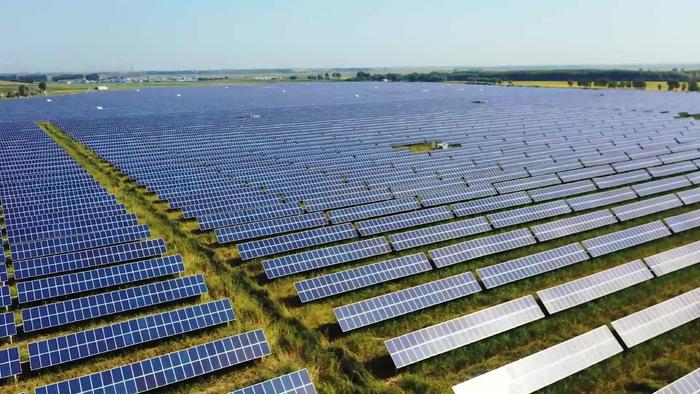
鼎味食品:以专业管控铸就调味品行业标杆
Qi Lu Wan Bao Wang· 2025-08-08 05:11
Core Viewpoint - Shandong Dingwei Food Co., Ltd. has rapidly emerged as a benchmark in the Chinese seasoning industry, transforming from a local factory to a global service provider for over 20 renowned brands since its establishment in 2013 [1] Group 1: Company Overview - Dingwei Food has achieved an annual production capacity of 250,000 tons, becoming an indispensable "taste engine" in the catering industry [1] - The company emphasizes professional and stable development, focusing on standardized and digital production to ensure quality and consistency [2] Group 2: Quality Management - Dingwei Food has established a strict quality management system, starting from raw materials to ensure product safety and stability [2] - The production process includes comprehensive monitoring with over 400 surveillance channels, facial recognition, and data interconnectivity for safety traceability and production supervision [2] Group 3: Research and Development - The company has a strong emphasis on R&D, with 70% of its production formulas developed in-house and licensed to clients [2] - Dingwei Food has built an 850 square meter R&D center and collaborates with leading technology firms and educational institutions to foster innovation [2] Group 4: Market Trends and Product Offerings - The company has launched products that cater to current consumer demands for convenience and flavor, such as a sauce that combines traditional flavors with modern innovation [3] - Dingwei Food anticipates a steady revenue growth of 25% in 2024, with expectations of an increase of 25% to 30% this year, driven by its professional production system and market trust [3]
台积电,再建一座厂
半导体芯闻· 2025-08-04 10:37
Core Viewpoint - TSMC is advancing its 2nm technology with the installation of equipment at its second factory in Kaohsiung, aiming for trial production by the end of the year, while the first factory has already reached mass production [4][5][6]. Group 1: TSMC's 2nm Technology Development - TSMC's second 2nm factory (P2) has begun equipment installation, with expectations to join trial production within 3-4 months [5][6]. - The first factory (P1) has achieved a monthly production capacity of 10,000 wafers, with a combined target of 35,000 wafers per month for both factories this year [4][5]. - TSMC's 2nm process utilizes nanosheet architecture, reportedly achieving a trial yield of 65%, surpassing competitors like Intel and Samsung [7][8]. Group 2: Market Dynamics and Competitors - TSMC's growth is driven by increasing demand from AI-related customers, with expectations to generate $2.5 trillion in terminal product value globally within five years [7][8]. - Competitors such as Intel and Samsung are also making strides in 2nm technology, with Intel focusing on customer commitments for its 14A process [9][10]. - Tesla has signed a $16.5 billion contract with Samsung for its next-generation AI chip, indicating a competitive landscape where TSMC was initially considered for the contract [9][10]. Group 3: Emerging Players and Industry Trends - Japanese chip manufacturer Rapidus has successfully trial-produced 2nm chips and plans to enter mass production by 2027, potentially disrupting the market dominance of TSMC and Samsung [11][12]. - Rapidus's advancements are attributed to its collaboration with IBM, which has provided essential technology and patents for 2nm chip production [11][12]. - The semiconductor industry is witnessing a shift towards self-sufficiency, with Chinese companies like SMIC making significant progress in their own technology development [12][14]. Group 4: TSMC's Future Growth Potential - TSMC's market capitalization is currently around $1.25 trillion, with projections suggesting it could reach $3 trillion, driven by its innovative technologies and strong customer base [15][16]. - The upcoming N2 chip node is expected to significantly improve energy efficiency, with a reduction in power consumption by 25% to 30% compared to 3nm chips [16][17]. - Management anticipates a compound annual growth rate of nearly 20% over the next five years, which could lead to substantial revenue growth and stock price appreciation [17].

飞机也要“降温” 西安咸阳机场自主研发飞机刹车组件降温设备
Zhong Guo Min Hang Wang· 2025-07-30 02:10
Core Viewpoint - The innovative team at Xi'an Xianyang Airport Ground Service Company has developed a second-generation intelligent cooling device for aircraft brake components, significantly improving operational efficiency and safety during high-temperature conditions [1][2][3] Group 1: Innovation and Development - The team proactively formed to address the challenge of high temperatures affecting aircraft brake systems, which can lead to brake failure or tire blowouts during takeoff [1] - The new cooling device utilizes a high-performance battery system instead of traditional fuel generators, achieving zero emissions and meeting environmental sustainability requirements [2] - The design incorporates streamlined high-speed blades and intelligent airflow adjustment technology, resulting in a significant improvement in cooling efficiency compared to the first generation [2] Group 2: Performance and Recognition - The new device reduces the cooling time for aircraft brake components by 60%, proving essential during peak summer operations and gaining recognition from multiple airlines [3] - The innovation has received several awards, including the "Most Promising Value Award" at the Western Airport Group's Green Low-Carbon Innovation Competition and a commendation in the "Three New Three Small" Innovation Competition in Shaanxi Province [3] - The initial version of the device has been granted a national utility model patent, affirming the team's commitment to technological advancement and innovation [3]
Canalys:华为二季度重夺中国手机市场桂冠,苹果(AAPL.US)跌至第五
智通财经网· 2025-07-29 12:12
Group 1 - Huawei regained the top position in China's smartphone market in Q2 2025 with a shipment of 12.2 million units, a year-on-year increase of 15%, capturing an 18% market share [1] - Vivo followed closely with 11.8 million units shipped, holding a 17% market share, but experienced a 10% decline compared to 13.1 million units in Q2 2024 [1] - OPPO (including OnePlus) ranked third with 10.7 million units shipped, representing a 16% market share, while Xiaomi achieved 10.4 million units, marking its eighth consecutive quarter of year-on-year growth [1] Group 2 - Apple ranked fifth with 10.1 million units shipped, reflecting a 4% year-on-year growth, but faced initial growth challenges due to high pricing of the new iPhone 16 series not meeting national subsidy standards [2] - The overall smartphone market in mainland China saw a 4% year-on-year decline in Q2, attributed to the diminishing effects of earlier subsidy policies [2] - Canalys expects moderate growth in the Chinese smartphone market for the year, with potential to surpass global market growth in 2025, as consumer confidence is anticipated to recover in the second half of the year [2]

格力数控机床发展史:一部中国制造的逆袭史诗
Zhong Guo Chan Ye Jing Ji Xin Xi Wang· 2025-07-29 09:00
Core Insights - The article discusses the evolution of China's machine tool industry, highlighting the challenges and breakthroughs faced by Gree Electric Appliances in the high-end machine tool sector [1][4][16] Industry Overview - Machine tools are referred to as the "mother machine" of the manufacturing industry, essential for producing various products from automobiles to smartphones [1] - China's machine tool industry has a historical foundation, with the first CNC milling machine developed in 1958, but faced stagnation due to weak technological foundations and historical disruptions [1][2] Challenges in the Machine Tool Sector - By 2012, China's machine tool industry was characterized by a "low-end melee and high-end loss," with core technologies heavily reliant on imports, particularly in high-end CNC systems and key components [2][4] - Structural overcapacity was evident, with a significant drop in metal processing machine consumption growth from 32.9% in 2011 to -2.1% in 2012, leading to a prolonged demand slump [2] Gree's Entry into the Machine Tool Industry - Gree, a major home appliance manufacturer, recognized the dependency on imported high-end machine tools and decided to develop its own CNC machine tools to gain control over core technologies [4][5] - The company initiated its journey into the machine tool sector in 2013, leveraging its extensive manufacturing experience and existing knowledge of machine structures and systems [5][6] R&D and Breakthroughs - Gree adopted a strategy of unlimited R&D investment, overcoming initial challenges and skepticism to establish a dedicated CNC machine tool R&D team [7][8] - The first self-developed CNC machine, the GA-V2310 engraving machine, was launched in 2015, marking a significant milestone in Gree's machine tool development [8][9] Advancements in High-End Machine Tools - Gree successfully developed its first five-axis CNC machine, the GA-F500, in 2017, achieving a positioning accuracy of 3 microns, which positioned the company among high-end CNC machine manufacturers [12][13] - The company has since expanded its product offerings, including five-axis linkage, vertical, horizontal, and gantry machining centers, with a high external supply ratio of 75% [14][15] Global Expansion and Recognition - Gree's machine tools have gained international recognition, with awards at prestigious exhibitions, and the company has begun exporting its technology and products globally [13][14] - The establishment of the Gree Intelligent Equipment Sanxi Smart Industrial Park in 2022 supports the company's ambition to become a benchmark in the global intelligent equipment industry [13] Future Goals and Challenges - Despite significant achievements, Gree acknowledges its reliance on imported high-end precision components, which account for over 40% of the total machine cost, and aims to achieve a 70% self-sufficiency rate in key components by 2026 [16]

江苏隐形富豪,靠卖小家电,悄悄“称王”
Sou Hu Cai Jing· 2025-07-28 07:11
Core Insights - The article highlights the remarkable journey of Ni Zugen, the founder of Lek Electric, who built a nearly 10 billion yuan cleaning appliance giant from scratch with an initial loan of 30,000 USD [3][32] - Lek Electric has become an "invisible champion" in the vacuum cleaner industry, producing over 270 million small appliances, including more than 200 million vacuum cleaners by 2024 [5][32] Company Background - Ni Zugen was born in 1957 in a poor rural area of Jiangsu and started working in agriculture at a young age [5] - After serving in the military, he became an engineer at Chunhua Electric Appliance Factory, where he focused on improving motor quality [8][9] - In 1994, he founded Suzhou Jinlaike Electric Co., the predecessor of Lek Electric, with a focus on creating the best vacuum cleaners [9][20] Innovation and Growth - Lek Electric adopted an original design manufacturer model, emphasizing independent research and development rather than traditional OEM practices [9][20] - The company achieved significant milestones, including the production of the first domestic high-performance vacuum cleaner motor with a speed exceeding 30,000 RPM in 1997 [11][22] - By 2004, Lek Electric became the largest vacuum cleaner manufacturer globally, with an annual production of 8 million units [11][22] Diversification Strategy - To sustain growth amid a slowing market, Lek Electric pursued a diversification strategy, expanding into garden tools and kitchen appliances while leveraging its core motor technology [13][15][16] - The company launched its own brand "LEXY" in 2009, transitioning from an OEM to a brand-driven enterprise [19][20] - Lek Electric successfully entered the water purification market with innovative products, further broadening its business scope [22][26] International Expansion - In response to challenges such as the US-China trade war, Lek Electric began establishing overseas manufacturing facilities, starting with Vietnam [26][30] - The company faced initial setbacks during the construction of its Vietnamese factory but managed to complete it under tight deadlines, significantly increasing production capacity [30][32] - By 2024, Lek Electric's brand value exceeded 10 billion yuan, with revenues of 9.765 billion yuan and net profits of 1.23 billion yuan, exporting to over 100 countries [32][33]
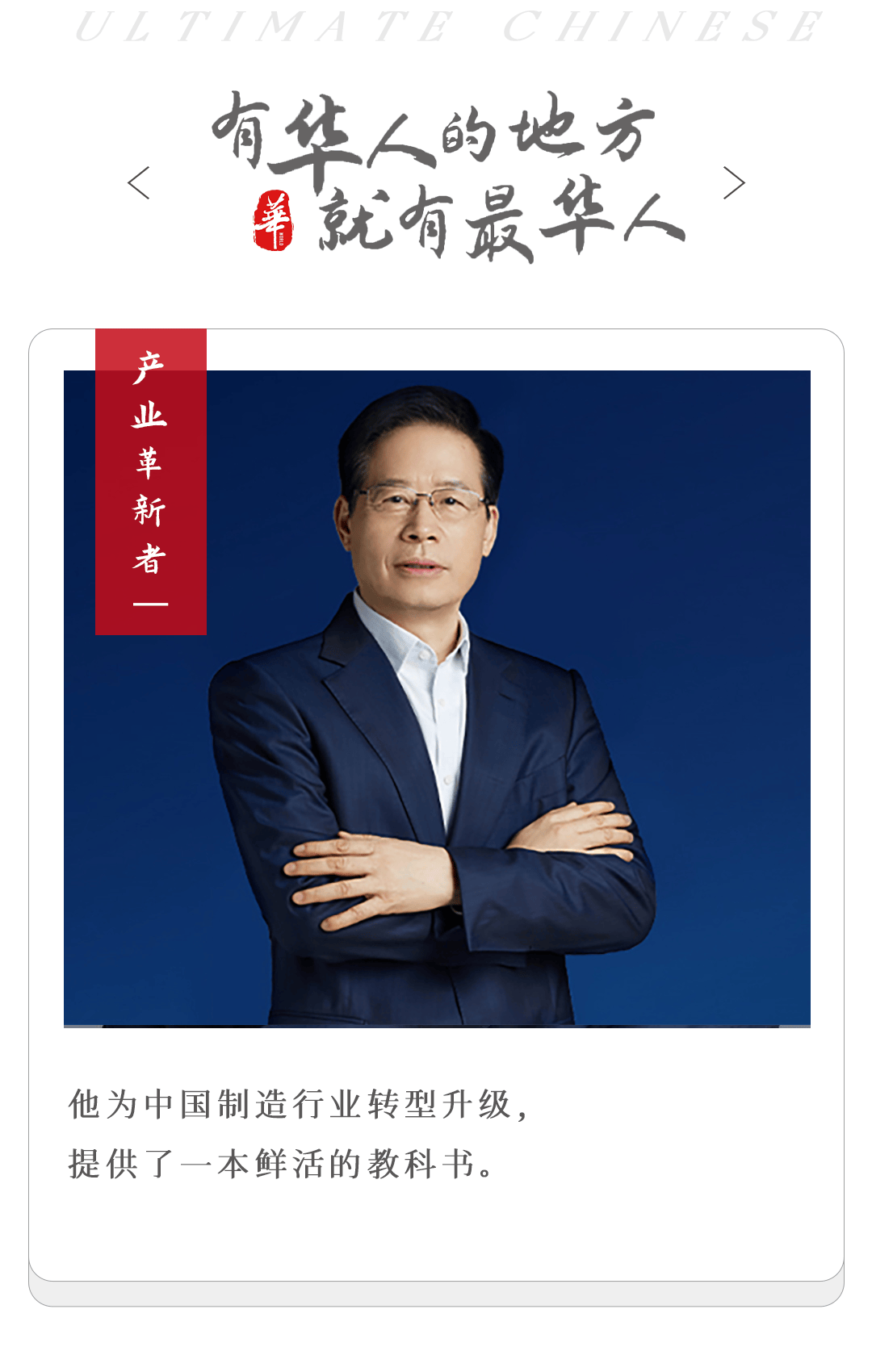
王晖20年深耕逐梦中国半导体产业 盛美上海净利5年增7倍加速迈向全球舞台
Chang Jiang Shang Bao· 2025-07-27 23:40
Core Insights - Wang Hui, the founder of Shengmei Shanghai, has successfully led the company to become a leading player in the semiconductor equipment industry with a market value of 54 billion yuan [2][17] - The company has achieved remarkable growth, with a net profit of 1.153 billion yuan in 2024, representing over a sevenfold increase since 2019 [2][15] - Shengmei Shanghai is planning a private placement to raise 4.482 billion yuan, primarily for research and development [3][21] Company Development - Wang Hui's journey began with his education in precision instruments at Tsinghua University, followed by advanced studies in Japan and the United States, where he gained significant technical expertise [6][10] - After returning to China in 2005, he identified the market potential in the semiconductor sector and founded Shengmei Shanghai, focusing on localizing technology to fill market gaps [9][10] - The company developed the world's first SAPS single-wafer megasonic cleaning technology, breaking foreign monopolies and entering the supply chain of major clients like Hynix [11][12] Financial Performance - Shengmei Shanghai's revenue grew from 254 million yuan in 2017 to 5.618 billion yuan in 2024, with a net profit increase from approximately 10.86 million yuan to 1.153 billion yuan in the same period [14][15] - The company has seen a 6.42-fold increase in revenue and a 7.54-fold increase in net profit over the past five years [15] - As of the first quarter of 2025, the company's total assets reached 12.638 billion yuan [16] Market Position and Strategy - Shengmei Shanghai has established itself as a leading provider of semiconductor cleaning equipment, holding a 23% market share in China and 6.6% globally, ranking fifth [12][16] - The company emphasizes a strategy of technological differentiation and innovation, with over 1,520 invention patents and 468 authorized patents [12] - Wang Hui aims to position Shengmei Shanghai as a comprehensive semiconductor equipment supplier, with plans to cover a market worth approximately 20 billion US dollars through seven major product lines [18][19][21] Future Outlook - The company is focused on global expansion, aiming to compete with international giants by offering advanced equipment for AI chip development and other high-precision applications [20][21] - Wang Hui's vision is to ensure that Chinese semiconductor equipment holds a significant place in the global supply chain [21]

促进民营经济高质量发展丨小家电巨头的出口增长密码
Xin Hua She· 2025-07-27 07:21
Group 1 - Guangdong's foreign trade import and export reached 3.75 trillion yuan in the first five months of this year, a 4% increase compared to the same period last year, outpacing the national growth rate by 1.5 percentage points [1] - Guangdong's private enterprises are pursuing high-quality development and actively expanding into international markets [1] - Guangdong New Bao Electric Co., Ltd. is a leading small home appliance company in China, producing approximately 40 out of every 100 drip coffee machines globally [1] Group 2 - In 2024, New Bao is expected to produce over 150 million small home appliances, with overseas revenue exceeding 13 billion yuan [1] - The core factors for New Bao's export growth during economic downturns are its independent research and innovation capabilities [1] - New Bao has been recognized with the "National Enterprise Technology Center" and "National Industrial Design Center" designations, employing over 2,900 in its R&D team [1] Group 3 - New Bao plans to establish the New Bao Electric Research Institute in 2024 to maintain its leadership in various technological fields, including smart technology and energy-saving solutions [1] - The small appliance industry emphasizes speed, with New Bao launching over 1,000 new products annually due to its continuous innovation [1] - In the first quarter of 2025, New Bao achieved revenue exceeding 3.8 billion yuan, reflecting a year-on-year growth of over 10% [1] Group 4 - New Bao's production line for drip coffee machines has been upgraded digitally, reducing the number of workers needed from 36 to 16 while increasing capacity [5] - The 137th Canton Fair showcased New Bao's full range of electrical products, attracting numerous buyers for procurement discussions [6]

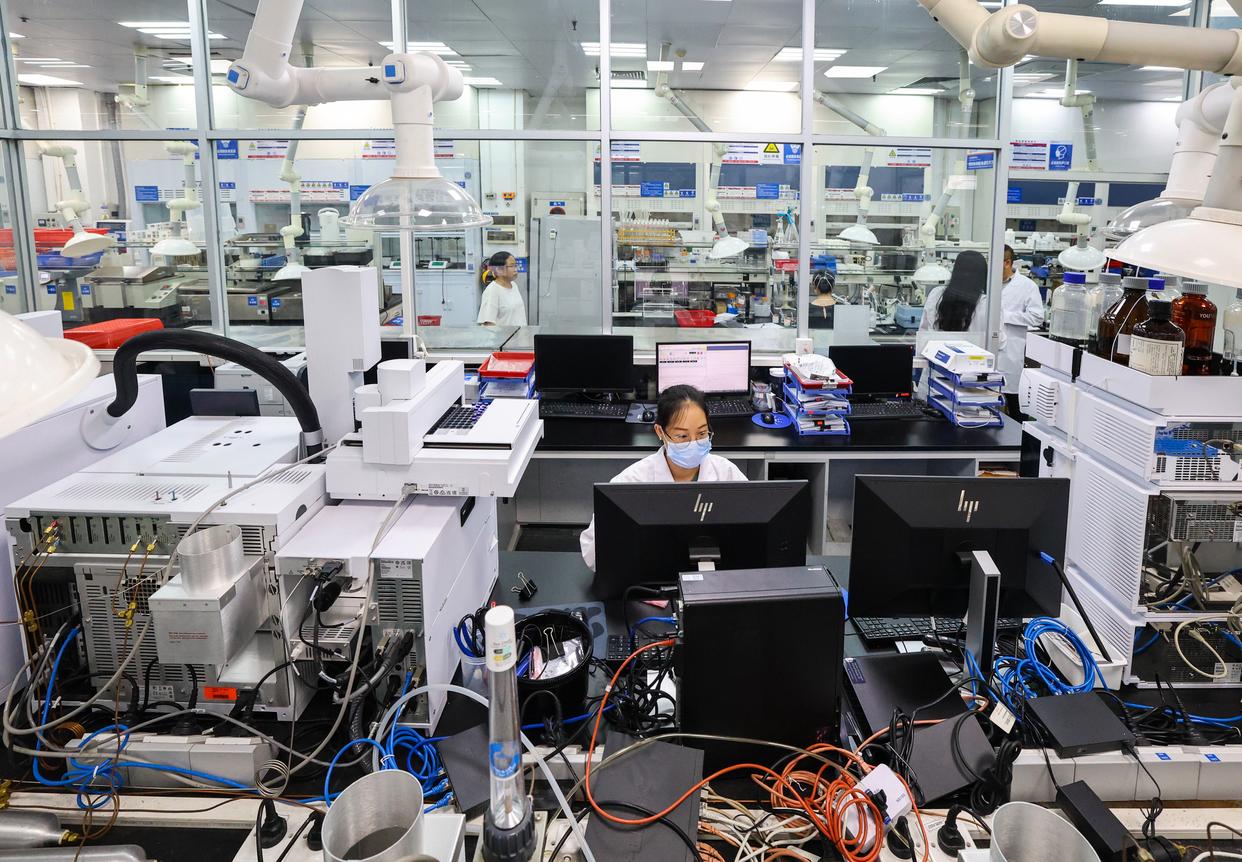
突破聚丁烯新材料合成瓶颈——记山东省技术发明一等奖高等规聚丁烯系列材料制造与万吨级产业化
Zhong Guo Hua Gong Bao· 2025-07-25 02:46
Core Viewpoint - The Shandong Province Science and Technology Award recognized several achievements in the petrochemical sector, particularly in the fields of fine chemicals and new materials, highlighting the importance of independent research and development in high-performance materials like high-grade polybutene-1 [1][2]. Group 1: Project Achievements - The project "Manufacturing and Industrialization of High-Grade Polybutene Series Materials" won the first prize in the Shandong Province Technology Invention Award, showcasing the development of proprietary synthesis and application technology for polybutene [1]. - The project has led to the establishment of China's first 10,000-ton production line for polybutene, achieving domestic substitution for polybutene materials [1][2]. Group 2: Research and Development - The research team, led by Professor He Aihua, has focused on overcoming key technical challenges in the synthesis of high-grade polybutene, which has historically relied on imports [2][3]. - The team developed a high-efficiency catalyst system for the polymerization of butene-1, enhancing the catalytic activity and orientation of the polymerization process [3]. - Innovations include the creation of polybutene alloy materials and a new polymerization process that is energy-efficient and environmentally friendly [3]. Group 3: Intellectual Property and Recognition - The project has been granted 37 Chinese invention patents and has applied for one PCT patent, along with participation in the formulation of national and industry standards [4]. - The project has received multiple awards, including gold medals at national and international invention exhibitions, indicating its international leading status [4]. Group 4: Industry Collaboration and Commercialization - The research team has actively engaged in industry-academia collaboration to accelerate the commercialization of their research outcomes, successfully establishing the first 10,000-ton industrial production line for high-grade polybutene in collaboration with Shandong Dongfang Hongye Chemical Co., Ltd. [6]. - Continuous improvements in catalyst and polymerization processes are being pursued to enhance the performance and reduce the production costs of polybutene materials, while exploring applications in emerging fields such as new energy and aerospace [6].