
人工智能

Search documents
AI让投资判断比任何时候都难!霍华德·马克斯最新对话,关于私募信贷、AI以及当下市场最大的低估……
聪明投资者· 2026-03-19 07:04
Core Viewpoint - The current investment environment is characterized by significant uncertainty, particularly due to the impact of artificial intelligence (AI) and the evolving landscape of private credit, which has shifted from being seen as an opportunity to a source of concern [2][3][7]. Group 1: Private Credit Concerns - Lending to businesses is fundamentally sound, but excessive enthusiasm can lead to lower interest rates and diminished safety margins, ultimately exposing risks [3][8]. - The market's focus has shifted from whether private credit is an opportunity to whether it poses risks, indicating a typical cyclical transition [3][19]. - The relative advantages of private credit have diminished, with interest rates being compressed and safety reduced, leading to concerns about the quality of borrowers [16][19]. Group 2: AI's Impact on Investment - AI introduces unprecedented unpredictability in investment decisions, making it one of the most challenging environments to navigate [10][11]. - While AI can assist in data organization and pattern recognition, it lacks the human intuition and judgment necessary for critical investment decisions [66][70]. - Companies heavily involved in AI may be better suited for equity investments rather than debt, as the fundamental risks associated with business models are better captured through ownership rather than fixed income [50][51]. Group 3: Market Sentiment and Cycles - The investment community has experienced a prolonged period of low default rates, leading to complacency regarding credit risks [40][42]. - Historical patterns suggest that periods of easy credit often lead to poor lending practices, with the worst loans typically made during the best times [35][36]. - The current market sentiment is cautious, with a belief that significant opportunities will arise when prices reach attractive levels, although that moment has not yet arrived [73][75]. Group 4: Future Predictions and Investor Behavior - The unpredictability of market movements makes it difficult to ascertain when to act aggressively, with a preference for maintaining liquidity until clearer signals emerge [79][83]. - The influence of AI on job markets and investment strategies is often underestimated, as evidenced by significant layoffs in companies due to AI efficiencies [88].

【招商电子】美光FY26Q2跟踪报告:FY26Q2业绩超预期,上修FY26 Capex至超250亿美元
招商电子· 2026-03-19 06:31
Core Viewpoint - Micron's FY26Q2 financial performance exceeded expectations, with significant revenue and gross margin growth driven by strong demand in the AI sector and effective operational execution [2][9]. Financial Performance - FY26Q2 revenue reached $23.86 billion, a year-over-year increase of 196% and a quarter-over-quarter increase of 75%, significantly surpassing previous guidance [2][21]. - Non-GAAP gross margin was 74.9%, up 37 percentage points year-over-year and 18.1 percentage points quarter-over-quarter, driven by product price increases and cost control [2][21]. - Operating profit margin was 69.0%, reflecting a 44 percentage point increase year-over-year and a 22 percentage point increase quarter-over-quarter [2][24]. Product Performance - DRAM revenue was $18.8 billion, up 207% year-over-year and 74% quarter-over-quarter, with ASP increasing in the mid-60% range [3][21]. - NAND revenue reached $5 billion, a 169% year-over-year increase and an 82% quarter-over-quarter increase, with ASP rising in the high-70% range [3][21]. - The Cloud Memory Business Unit (CMBU) generated $7.75 billion in revenue, while the Core Data Center Business Unit (CDBU) generated $5.69 billion, both achieving record highs [7][22]. Future Guidance - FY26Q3 revenue is projected to be between $33.5 billion and $34.2 billion, representing a year-over-year increase of 260% and a quarter-over-quarter increase of 40% [4][30]. - Gross margin for FY26Q3 is expected to be around 81%, driven by price increases, cost reductions, and product structure optimization [4][30]. - Capital expenditures for FY26 are expected to exceed $25 billion, up from previous estimates of $20 billion, primarily for cleanroom facilities [4][19]. Strategic Developments - Micron signed its first five-year Strategic Customer Agreement (SCA), enhancing business visibility and stability [5][9]. - The company has successfully launched HBM4 products and is advancing in the development of HBM4E, expected to enter mass production in 2027 [5][11]. - Micron's data center products are projected to capture over 50% of the total addressable market (TAM) for DRAM and NAND by 2026, driven by AI demand [11][12]. Market Outlook - The DRAM and NAND markets are expected to experience supply constraints, with DRAM bit shipments projected to grow in the low 20% range in 2026 [17][18]. - Micron anticipates that the demand for low-power DRAM will continue to expand in data centers, with significant growth opportunities in the automotive and embedded markets [12][16]. - The company is well-positioned to capitalize on the AI-driven memory demand, which is reshaping the memory landscape as a strategic asset [9][10].


美光科技(MU):指引FY26Q3毛利率将超80%
SINOLINK SECURITIES· 2026-03-19 06:24
Investment Rating - The report maintains a "Buy" rating for the company, indicating a positive outlook for future performance [5]. Core Insights - The company reported significant revenue growth in FY26Q2, achieving $23.86 billion, a year-over-year increase of 196% and a quarter-over-quarter increase of 75% [2]. - The GAAP gross margin for FY26Q2 was 74.4%, reflecting a year-over-year increase of 37.6 percentage points and a quarter-over-quarter increase of 18.4 percentage points [2]. - The company expects FY26Q3 revenue to be approximately $33.5 billion, with gross margins around 81% [2]. - The demand for data center storage is rapidly increasing, with expectations that by the end of 2026, the demand for data center DRAM and NAND will exceed 50% of the total industry market [3]. - The company is increasing its capital expenditures, projecting over $25 billion for FY26, with further increases expected in FY27 to support HBM and DRAM capacity investments [4]. Summary by Relevant Sections Performance Review - FY26Q2 revenue reached $23.86 billion, with GAAP net profit of $13.78 billion, marking a year-over-year increase of 771% [2]. - Non-GAAP net profit for FY26Q2 was $14.02 billion, up 686% year-over-year [2]. Operational Analysis - DRAM revenue for FY26Q2 was $18.8 billion, up 207% year-over-year, with prices increasing approximately 65% quarter-over-quarter [3]. - NAND revenue was $5 billion, reflecting a 169% year-over-year increase, with prices rising 75-80% quarter-over-quarter [3]. - The company is making progress with HBM products, with HBM4 expected to reach mature yield faster than HBM3E [3]. Profit Forecast and Valuation - The company is projected to achieve GAAP net profits of $60.71 billion, $128.37 billion, and $171.06 billion for FY26, FY27, and FY28, respectively [5]. - The expected revenue growth rates for FY26 to FY28 are 195.7%, 81.9%, and 27.9% [10].
腾讯午后继续大跌
第一财经· 2026-03-19 06:19
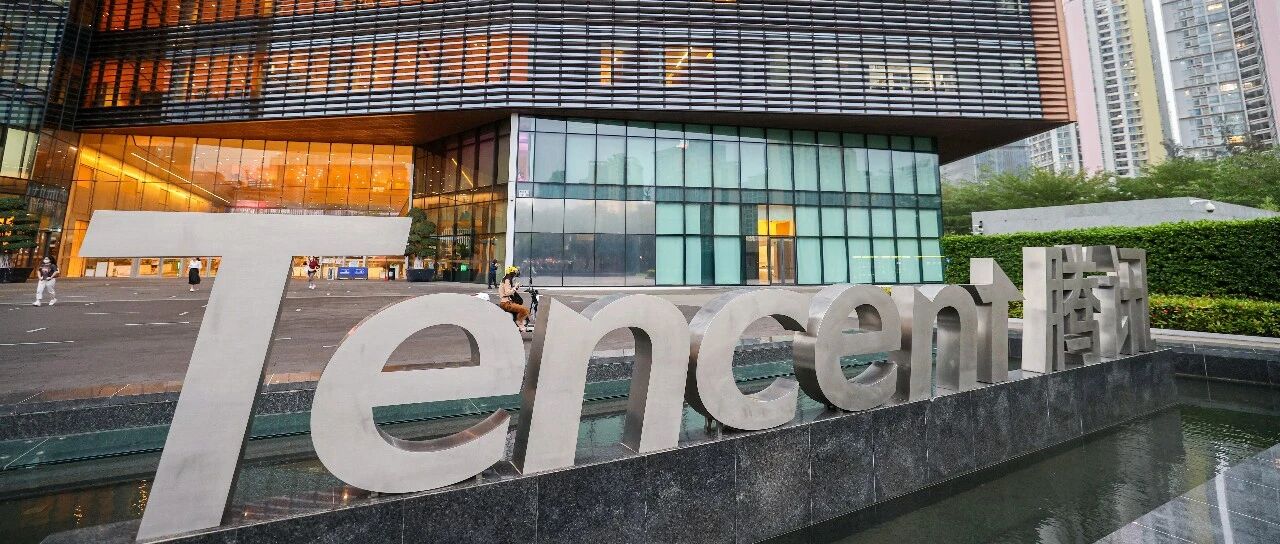
本文字数:1050,阅读时长大约2分钟 作者 | 第一财经 李隽 3月19日,披露2025年业绩后的腾讯控股(00700.HK),早盘一度大跌超过6%,中午收盘跌5.9%,报收518港元,成交191亿港元,总市值跌破5万亿 港元。午后该股继续大跌,截至发稿,跌6.18%, 报516.5港元。 2026.03. 19 在业内人士看来,腾讯业绩符预期,但投资者担忧该公司人工智能(AI)投入增加,导致股票回购金额降低,预计短线考验500港元的重要支撑位置,而 该公司中长期的增长潜力并不确定。 在3月18日晚间的业绩发布会上,腾讯总裁刘炽平说,去年,腾讯为AI新产品开发投入了180亿元,今年投入金额至少翻倍,腾讯稳固的核心业务产生的 额外利润可以支持这方面的投入加大。刘炽平称,如果腾讯有足够的资源去支持AI发展的话,资本开销能达到公司预期,可能会适当减少回购。 蓝水资本(Blue Water Capital Management Limited)首席投资官李泽铭称,腾讯2026年AI方面的资本开支似乎依然缺乏清晰指引,当前资本市场对 AI巨头在科技领域的投入仍存较大疑虑。此前市场一度认为相关投资具备回报可能性,但若计 ...

精彩回顾 | 彭博制药业市场洞察会:领航全球管线——中国创新药的新估值
彭博Bloomberg· 2026-03-19 06:06
Core Insights - The article discusses the significant transformation in the global pharmaceutical research and development landscape, particularly focusing on the trends in cross-border licensing and merger and acquisition transactions in China's innovative drug sector, projected to exceed $136 billion by 2025 [4] Group 1: Industry Trends - The Chinese pharmaceutical industry is at a critical turning point, with evolving valuation systems, collaboration models, and regulatory environments, presenting both substantial opportunities and new challenges [4] - The number of overseas approvals for original Chinese drugs is currently low but has immense growth potential [7] - The trend in licensing transactions is primarily focused on oncology, with platform-based transactions emerging as a new trend [7] Group 2: R&D and Innovation - China's R&D efficiency is unmatched, supported by a large pool of high-quality talent and significant advantages in small molecule synthesis, biopharmaceutical development, and early clinical trial enrollment [8] - Despite the high R&D investment from Chinese pharmaceutical companies, their global share remains low [7] - The application of AI in drug development can shorten timelines and reduce costs, although further optimization is necessary [7] Group 3: Market Dynamics - The collaboration between U.S. Big Pharma and Chinese companies is essential due to China's high R&D efficiency and low costs [12] - The treatment areas for transactions are expanding beyond PD-1, VEGF, and ADC to a broader range of fields [13] - The market is maturing, with many easily developed targets already occupied, making it challenging for new entrants to gain a competitive edge [17] Group 4: Future Opportunities - Companies need to focus on differentiated innovation to avoid homogenization, leverage AI to enhance R&D efficiency, and capitalize on global regulatory changes for international opportunities [17] - There is significant potential for innovation in mature target combinations, such as novel drugs combining PD-1 and VEGF [18]

国机精工(002046) - 002046国机精工投资者关系管理信息20260318
2026-03-19 06:04
Company Overview - Guoji Precision Engineering Group's history dates back to 1958 with the establishment of the Luoyang Bearing Research Institute and the Zhengzhou Abrasives Research Institute, and it was listed on the Shenzhen Stock Exchange in 2005 [2] - The company operates in two main sectors: bearings and superhard materials, with the bearing business including special bearings, wind power bearings, and precision machine tool bearings [2][3] Business Performance - The superhard materials segment is divided into six areas, with diamond structural applications being the primary source of profit, widely used in semiconductors, automotive, and photovoltaic industries [3] - The semiconductor industry's growth has significantly boosted the diamond structural application business, with the company aiming to maintain its technological leadership amid domestic production trends [3] Future Outlook - The company targets a revenue of over 10 million by 2025 from diamond functional applications, focusing on commercializing diamond heat dissipation and developing fourth-generation semiconductor materials [3][4] - In the bearing sector, efforts will be made to enhance the production capacity and smart transformation of aerospace bearings to meet commercial aerospace demands [3] Q&A Highlights - The diamond heat dissipation business is in its early industrialization phase, with potential applications in chip manufacturing driven by AI's high heat dissipation needs [4] - The superhard materials tools are primarily used in high-tech sectors, facing competition from international enterprises [4] - The company is strategically reducing its supply chain management services to focus on core business areas [5]

花旗:升建滔集团(00148)目标价至48港元 评级“买入”
智通财经网· 2026-03-19 05:56
Core Viewpoint - Citigroup has raised the target price for Kintor Pharmaceutical (00148) from HKD 45 to HKD 48, maintaining a "Buy" rating, indicating positive sentiment towards the company's future performance [1] Financial Performance - Kintor's revenue for 2025 is projected to grow by 5% to HKD 45.375 billion, aligning with market expectations [1] - Net profit is expected to surge by 170% to HKD 4.402 billion, exceeding previous guidance of over HKD 4.32 billion, primarily due to higher-than-expected investment income of HKD 2.635 billion [1] - Adjusted core net profit, excluding revaluation losses and investment income, is forecasted to decline by 4% year-on-year to HKD 2.635 billion [1] Earnings Forecast Adjustments - Due to a recent placement of Kintor's shares (01888), which will reduce profit contributions, the 2026 core earnings forecast has been cut by 11% [1] - Anticipated contributions from several upcoming AI upstream materials and chemical projects are expected to boost the 2027 earnings forecast by 4% [1] - A new earnings forecast for 2028 has been introduced, projecting a compound annual growth rate of 24% for core earnings, reaching HKD 5.029 billion by 2028 [1] Comparative Analysis - Based on the pure AI upstream materials layout, Citigroup believes that Kintor's layered board is superior to Kintor Group, with expectations for further revaluation of its valuation [1]

计算机行业周报:OpenClaw持续火热
Guoxin Securities Co., Ltd· 2026-03-19 05:45
Investment Rating - The report gives a "Positive" investment rating for the computer industry, expecting the industry index to outperform the market index by over 5% in the next six months [29]. Core Insights - The computer sector index fell by 0.92% last week, underperforming the CSI 300 index, which rose by 0.19%, resulting in a 1.11 percentage point lag [8]. - The top three gainers in the sector were Hongjing Technology (60.65%), ST Yingfeituo (16.30%), and Borui Data (16.10%), while the top three losers were Haoyun Technology (-22.26%), Hailianxun (-17.33%), and Xinghuan Technology-U (-13.23%) [11][12]. - Key developments include the launch of Anthropic's Code Review tool to address code review bottlenecks caused by AI programming, Oracle's revenue growth of 22% year-on-year in FY2026Q3, and Broadcom's mass production of the world's first 102.4 Tbps switch chip [2][3][25]. Market Performance - The computer industry has 335 listed companies, with 271 (80.9%) experiencing a rise in stock prices last week [11]. - The report highlights the performance of individual stocks within the sector, noting significant fluctuations in stock prices [12]. Recent Developments - Anthropic's Code Review tool aims to enhance code quality and security by identifying vulnerabilities before code integration [13][15]. - Oracle reported a total revenue of $17.2 billion for FY2026Q3, with cloud services contributing $8.9 billion, marking a 44% year-on-year increase [23]. - Broadcom's Tomahawk 6 series switch chip is now in mass production, enhancing AI network performance [25]. - Baidu launched the "Red Hand Operator" mobile application, enabling cross-app interactions [26]. - Apple announced a reduction in the App Store commission rate in China, effective March 15, 2026 [27].


十五五规划纲要出炉 | 金融企业如何跨越“数据+AI”的转型鸿沟?
AI前线· 2026-03-19 05:44
Core Viewpoint - The article emphasizes the importance of digital and intelligent transformation in the financial industry as outlined in the 14th Five-Year Plan, highlighting the shift towards an era where artificial intelligence (AI) becomes the core system driving key financial processes such as risk control, investment research, and marketing [1]. Group 1: AI-Driven Scientific and Technological Development - Accelerate the exploration of AI-driven new research paradigms and technology development models, promoting the application of large scientific models and building intelligent research platforms [3]. - Strengthen the collaboration between AI and fields such as quantum technology, life sciences, new materials, new energy, and 6G [3]. Group 2: AI in Industry Development - Promote the application of AI across all stages of industrial design, production, and operations, particularly in energy systems and logistics [3]. - Encourage the widespread use of intelligent terminals and agents in service sectors like biological breeding and logistics [3]. Group 3: AI for Consumer Quality Improvement - Develop efficiency-enhancing and companion-type intelligent applications, including new generations of AI smartphones and computers [3]. - Explore new forms of intelligent products and expand intelligent service consumption scenarios [3]. Group 4: AI for Public Welfare - Innovate teaching models with intelligent companions and teachers, enhancing personalized learning and smart tutoring applications [3]. - Promote high-level health assistants and expand the application of intelligent diagnostic aids in grassroots medical institutions [3]. Group 5: AI in Governance - Enhance the application of AI in comprehensive market regulation, safety production supervision, disaster prevention, and ecological protection [4]. - Explore the construction of a collaborative safety governance system involving natural persons, digital entities, and intelligent robots [4]. Group 6: Global Cooperation in AI - Promote the establishment of a global AI cooperation organization and a multilateral cooperation platform for AI along the Belt and Road [4]. - Accelerate the development of a globally open open-source technology system and community ecology [4]. Group 7: Infrastructure for AI Development - The plan emphasizes the need for a robust foundation for financial digitalization, focusing on the efficient supply of computing power, algorithms, and data [5]. - Propose the construction of a market-oriented operation for computing power facilities to meet demand through various innovative methods [5]. Group 8: Talent and Skills Gap - The financial sector faces challenges in transforming due to gaps in understanding and skills among management regarding new concepts like intelligent economy and trustworthy data spaces [15]. - The lack of composite talents who understand both financial business logic and AI engineering is a significant bottleneck for transformation [15]. Group 9: Challenges in Scene Implementation - Despite encouragement for new intelligent models, the practical application of AI in complex tasks remains challenging, requiring organizational process reengineering [16]. - Many institutions struggle to utilize advanced computing power and services due to a lack of skilled personnel, leading to underutilization of technology [16]. Group 10: Strategic Mission for Financial Sector - The financial industry is tasked with a new strategic mission to develop technology finance, green finance, inclusive finance, and digital finance, aligning with technological innovation [14]. - The plan emphasizes the need for a financial system that adapts to technological innovation [14].

每日市场观察-20260319
Caida Securities· 2026-03-19 05:42
Market Overview - On March 18, the three major indices closed higher, with the Shanghai Composite Index ending a four-day losing streak, rising by 0.32%[3] - The Shenzhen Component Index increased by 1.05%, and the ChiNext Index rose by 2.02%[3] Trading Volume and Market Sentiment - On March 19, the trading volume was 2.06 trillion yuan, a decrease of approximately 160 billion yuan from the previous trading day[1] - The market showed signs of weakness in the morning but rebounded in the afternoon, although the volume was insufficient to support the rally[1] Sector Performance - Over half of the sectors saw gains, with telecommunications, computers, electronics, and military industries leading the increases[1] - Conversely, sectors such as oil, real estate, and food and beverage experienced declines[1] Capital Flow - On March 18, net inflows into the Shanghai Stock Exchange were 16.059 billion yuan, while the Shenzhen Stock Exchange saw net inflows of 28.337 billion yuan[4] - The top three sectors for capital inflow were telecommunications equipment, semiconductors, and IT services, while the top outflow sectors included batteries, securities, and passenger vehicles[4] Policy and Investment - The National Development and Reform Commission announced a new batch of 13 major foreign investment projects with a planned investment of 13.4 billion USD, focusing on manufacturing sectors like electronics and chemicals[5] - The Ministry of Industry and Information Technology emphasized promoting advanced technology applications to enhance the comprehensive utilization of waste tires[6] Fundraising Trends - In March, nearly 40 actively managed equity funds raised over 1 billion yuan each, with 7 funds established on March 18 alone, 5 of which exceeded this threshold[16]