去美元化

Search documents
2026年3月16日申万期货品种策略日报-黄金白银-20260316
Shen Yin Wan Guo Qi Huo· 2026-03-16 02:59
1. Report Industry Investment Rating - Not provided in the given content 2. Core View of the Report - In the short term, the ongoing stalemate in the US - Iran conflict, high - volatility international crude oil prices, and the resulting rise in global inflation expectations have led to a significant cooling of market expectations for the Fed to cut interest rates, along with higher US dollar index and US Treasury yields, which continue to suppress the performance of precious metals. In the long run, the price center of precious metals will continue to move up. The long - term upward trend of gold remains unchanged due to multiple factors such as geopolitical risks, anti - inflation needs, de - dollarization, and central bank gold purchases. Silver, platinum, and palladium follow the overall sector trend with greater volatility [6]. 3. Summary by Relevant Catalogs 3.1 Futures Market - **Prices and Changes**: For gold futures, the closing prices of沪金2606 and沪金2604 on the previous day were 1135.90 and 1133.00 respectively, down 15.62 and 15.10 from the day before, with declines of 1.36% and 1.32%. For silver futures, the closing prices of沪银2606 and沪银2604 on the previous day were 20923 and 21103 respectively, down 1139 and 1122 from the day before, with declines of 5.16% and 5.05% [2]. - **Positions and Volumes**: The positions of沪金2606 and沪金2604 were 140959 and 102674, and the trading volumes were 86582 and 178365 respectively. The positions of沪银2606 and沪银2604 were 212096 and 83802, and the trading volumes were 519958 and 93889 respectively [2]. - **Spot Premiums**: The spot premiums of沪金2606 and沪金2604 were - 4.65 and - 1.75, and those of沪银2606 and沪银2604 were - 36 and - 216 respectively [2]. 3.2 Spot Market - **Prices and Changes**: The closing prices of Shanghai Gold T + D and London Gold on the previous day were 1131.25 and 5018.10 respectively, down 15.01 and 59.84 from the day before, with declines of 1.31% and 1.18%. The closing prices of Shanghai Silver T + D and London Silver on the previous day were 20887 and 80.54 respectively, down 964 and 3.24 from the day before, with declines of 4.41% and 3.87% [2]. - **Price Ratios**: The current values of沪金2606 - 沪金2604,沪银2606 - 沪银2604, gold/silver (spot), Shanghai Gold/London Gold, and Shanghai Silver/London Silver were 2.90, - 180.00, 54.16, 1.02, and 1.17 respectively, with corresponding previous values of 3.42, - 163.00, 52.46, 1.02, and 1.17 [2]. 3.3 Inventory - **Changes**: The current inventories of Shanghai Futures Exchange gold, Shanghai Futures Exchange silver, COMEX gold, and COMEX silver were 105417 kg, 326566 kg, 32551562 troy ounces, and 341723209 troy ounces respectively, with changes of - 3 kg, + 16592 kg, - 104844 troy ounces, and - 2601615 troy ounces compared to the previous values [2]. 3.4 Related Markets - **Indices and Yields**: The current values of the US dollar index, S&P 500 index, 10 - year US Treasury yield, Brent crude oil, and US dollar/Chinese yuan were 100.50, 6632.19, 4.28%, 103.89, and 6.9030 respectively, with changes of + 0.76, - 40.43, + 0.01%, + 2.14, and + 0.0278 compared to the previous values [2]. 3.5 Derivatives - **ETF and Net Positions**: The current positions of SPDR Gold ETF and SLV Silver ETF were 1072 tons and 15460 tons respectively, with changes of - 4 tons and - 79 tons compared to the previous values. The current net positions of CFTC speculators in gold and silver were 163132 and 24578 respectively, with increases of 2987 and 1240 compared to the previous values [2]. 3.6 Macro News - **US - Iran Relations**: Trump said the US is in dialogue with Iran but thinks they are not ready. He warned NATO that if allies don't help reopen the Strait of Hormuz, NATO will face a "very bad" future. He also hinted at a new strike on Iran's oil export hub and infrastructure [3]. - **US Treasury Market**: Rising oil prices have led to concerns about stagflation, erasing the US Treasury market's gains this year. Yields have risen, and Wall Street has lowered expectations for US interest rate cuts [4]. - **Multinational Convoy**: The Trump administration plans to announce a multinational alliance to escort ships through the Strait of Hormuz as early as this week, but discussions on the timing of such actions are ongoing [4]. - **IEA Oil Release**: The IEA will immediately release record - reserve crude oil to the Asian market, while oil for Europe and the Americas will be released by the end of March. About 72% of the committed oil volume is crude oil, and 28% is petroleum products [5].
期货市场交易指引-20260316
Chang Jiang Qi Huo· 2026-03-16 02:45
Report Industry Investment Ratings - **Macro Finance**: Bullish on stock indices in the medium to long term, suggesting buying on dips; expecting government bonds to trade in a range [1] - **Black Building Materials**: Short - term trading for coking coal; range trading for rebar; selling on rallies for glass [1] - **Non - ferrous Metals**: Shorting on rallies or staying on the sidelines for copper; strengthening observation for aluminum; moderately holding long positions on dips for nickel; range trading for tin; trading in a range for gold, silver, and lithium carbonate [1] - **Energy and Chemicals**: Bullish and volatile for PVC, caustic soda, styrene, polyolefins, and methanol; selling on rallies for soda ash; buying on dips without chasing highs for rubber; range trading for urea [1] - **Cotton and Textile Industry Chain**: Bullish and volatile for cotton and cotton yarn, and apples; trading in a range for red dates [1] - **Agriculture and Animal Husbandry**: Adopting a bearish approach on rebounds for May and July live hog contracts, treating September contracts as range - bound; range trading for eggs; being cautious about chasing highs at high levels for corn; being cautious about chasing long positions for soybean meal 05 contract; bullish and volatile for oils, with a strategy of rolling long on soybean and palm oils [1] Core Views The report provides investment suggestions for various futures products based on their market conditions, affected by factors such as international geopolitical situations (e.g., the US - Iran conflict), economic data (e.g., US GDP, inflation data), supply - demand relationships, and cost factors. Different products have different trends and trading strategies due to their unique fundamentals [1][5][6] Summary by Directory Macro Finance - **Stock Indices**: Medium - to long - term bullish, recommended to buy on dips. Due to factors like the significant downward revision of US Q4 GDP growth, high inflation, and the US - Iran conflict, stock indices may trade in a range in the short term [1][5] - **Government Bonds**: Expected to trade in a range. Influenced by factors such as China's February social financing and loan data, the upcoming Sino - US economic and trade consultations, and the strong US dollar index, the bond market sentiment is cautious, and government bonds may show a range - bound trend [1][6] Black Building Materials - **Coking Coal**: Short - term trading. After the Spring Festival, the coking coal market is weak and stable. Coal mines are resuming production, but the trading atmosphere is weak, and downstream demand is slow to recover [1][8] - **Rebar**: Range trading. The rebar futures price is currently below the electric furnace valley - electricity cost, with a low static valuation. The inventory accumulation speed has slowed down, and it is expected to peak and decline this week. The price is expected to be bullish and volatile in the short term [1][9] - **Glass**: Selling on rallies. The glass futures price has risen significantly, with the cost of production fuels increasing. The supply has slightly decreased, the inventory is high, and the demand is mainly from downstream start - up and spot - futures traders' purchases. It is expected to trade at a high level, and attention can be paid to selling out - of - the - money call options [1][10][11] Non - ferrous Metals - **Copper**: Shorting on rallies or staying on the sidelines. The copper price is under pressure in a high - level range. Macro factors suppress the price, while the supply is facing some disturbances, and the domestic consumption is better than expected. Attention should be paid to the duration and intensity of the war, the global economic recession expectation, and the inventory depletion progress [1][13][14][15] - **Aluminum**: Strengthening observation. The price of domestic bauxite is stable, and the alumina and electrolytic aluminum production capacities are increasing. The Middle East situation has a two - sided impact on the aluminum price. It is recommended to be bullish with position control and pay attention to the development of the situation [1][16][17] - **Nickel**: Moderately holding long positions on dips. The reduction of nickel ore quotas in Indonesia supports the price, but the demand for refined nickel is weak, and the inventory is increasing. The overall price is expected to be bullish and volatile [1][18] - **Tin**: Range trading. The supply of tin ore is tight, and the downstream consumption is mainly for rigid demand. The inventory is at a medium level. It is expected that the tin price will continue to be volatile and bullish, and attention should be paid to the supply resumption and downstream demand recovery [1][19][20] - **Silver and Gold**: Trading in a range. Affected by the US - Iran conflict, inflation expectations, and the Fed's interest - rate policy, the prices of silver and gold have adjusted. The medium - term price centers are rising. It is recommended to stay on the sidelines and trade cautiously, and pay attention to the progress of the Iranian situation and the Fed's March interest - rate decision [1][21][22][23] - **Lithium Carbonate**: Range - bound. The supply is affected by factors such as mine production suspension and import volume, and the demand is strong. The price is expected to continue to be volatile [1][24] Energy and Chemicals - **PVC**: Bullish and volatile. The cost is low, the supply is high, the domestic demand is weak, and the export is expected to maintain a high growth rate. It is recommended to trade within the rising channel, and attention should be paid to policies, export conditions, inventory, and raw material prices [1][25][26] - **Caustic Soda**: Bullish and volatile. The demand from the alumina industry provides support, and the export is increasing under the influence of geopolitical factors. There are maintenance expectations in March. It is recommended to be cautious about chasing highs and pay attention to various factors such as geopolitical situations, supply - side maintenance, and downstream replenishment [1][27] - **Styrene**: Bullish and volatile. The cost is supported by rising oil prices, the inventory is decreasing, and the export is expected to increase. It is recommended to buy on dips without chasing highs and pay attention to raw material prices, inventory, and downstream demand [1][28][29] - **Polyolefins**: Bullish and volatile. Affected by the geopolitical conflict, the cost is supported, and the supply and demand are improving. Attention should be paid to downstream demand, inventory, the Iranian situation, and oil price fluctuations [1][30] - **Rubber**: Buying on dips without chasing highs. The price is affected by synthetic rubber and inventory pressure. It is expected to be bullish and volatile, and attention should be paid to inventory, downstream demand, and market sentiment [1][31][32] - **Urea**: Range trading. The supply is at a relatively high level, the demand from agriculture and compound fertilizers is increasing, and the inventory is decreasing. The price is expected to be bullish and volatile, and attention should be paid to compound fertilizer production, urea plant maintenance, export policies, and coal price fluctuations [1][33][34] - **Methanol**: Range trading. The war in Iran affects the supply of methanol in China, and the supply - demand relationship is complex. The inventory is decreasing. It is expected to be bullish and volatile [1][35] - **Soda Ash**: Selling on rallies. The supply is expected to remain high, the inventory pressure is increasing, and the price is expected to be under pressure in the short term [1][36] Cotton and Textile Industry Chain - **Cotton and Cotton Yarn**: Bullish and volatile. According to the USDA report, the global cotton supply and demand situation is changing. After the festival, the consumption expectation is rising, and the price is expected to be bullish and volatile [1][37][39] - **Apples**: Bullish and volatile. The apple trading is stable, the price of farmers' goods is stable, and the sales in the sales area are okay. The price is expected to be bullish and volatile [1][40] - **Red Dates**: Trading in a range. The acquisition price of Xinjiang gray dates in the 2025 production season is in a certain range, and the acquisition is based on quality [1][41][42] Agriculture and Animal Husbandry - **Live Hogs**: Adopting a bearish approach on rebounds for May and July contracts, treating September contracts as range - bound. The current supply exceeds demand, and the price is in a bottom - building stage. In the medium to long term, the supply is expected to tighten, but the price increase is limited. It is recommended to adopt corresponding trading strategies and pay attention to capacity reduction [1][43] - **Eggs**: Range trading. The egg price is stable, the supply is sufficient, and the demand is in the transition from the off - season to the normal state. It is recommended to trade in a range and pay attention to various factors such as chicken culling rhythm and inventory [1][44][45] - **Corn**: Being cautious about chasing highs at high levels. The current supply and demand are in a game state, and the price is bullish and volatile in the short term. In the medium to long term, the supply - demand pattern is relatively loose, and it is recommended to trade in a range and pay attention to weather, sales rhythm, and downstream inventory - building willingness [1][45] - **Soybean Meal**: Being cautious about chasing long positions for the 05 contract. Affected by factors such as the US - China talks, Brazilian harvest progress, and soybean arrival rhythm, the 05 contract is bullish, and it is recommended to buy on dips [1][46][47] - **Oils**: Bullish and volatile. Oils follow the international crude oil and are bullish and volatile. It is recommended to roll long on soybean and palm oils. Different oils have different supply - demand situations and price trends, and attention should be paid to various factors such as international policies, production, and inventory [1][48][49][50][51][52][53][54]
宏观周脉博系列10:油价破百:经济通胀怎么看,资产价格怎么走?
Changjiang Securities· 2026-03-16 01:25
丨证券研究报告丨 世界经济与海外市场丨专题报告 [Table_Title] 油价破百:经济通胀怎么看,资产价格怎么走? ——宏观周脉"博"系列 10 报告要点 %% %% [Table_Summary] 若今年二季度 WTI 油价维持在 90-150 美元/桶,美国 CPI 中枢或抬升至 3%/4%左右。高油价 催生通胀上行风险,但并不必然伴随经济衰退:1970 年以来,全球油价经历多次大幅上涨,但 只有三次石油危机中,油价冲击成为推动美国经济衰退的重要触发因素。于美联储而言,经济 K 型分化+就业市场整体偏弱,决定了其降息稳经济的必要性仍强,年内降息虽迟但到。地缘冲 突硝烟散去后,市场交易预期或再度由通胀上行回归降息+去美元化。但值得警惕的是:美伊冲 突长期化可能将美国再次推向滞胀,届时以油、金为代表的资源品涨幅或将远超其他大类资产。 分析师及联系人 [Table_Author] SAC:S0490520090001 SAC:S0490525070005 SFC:BUX667 于博 黄帅 敬成宇 请阅读最后评级说明和重要声明 %% %% research.95579.com 1 [Table_Title 油 ...
中金:汇率升股市一定涨么?
中金点睛· 2026-03-15 23:48
Core Viewpoint - The article discusses the relationship between the appreciation of the Renminbi (RMB) against the US dollar and the performance of the stock market, arguing that currency appreciation does not necessarily lead to stock market gains, as evidenced by historical examples like Japan in the 1990s [1][5][31]. Group 1: RMB Appreciation and Market Expectations - Since the second half of 2025, the RMB has strengthened against the USD, with significant appreciation observed, including a rise of 5.4% since July 2025 [1]. - There is a prevailing narrative that RMB appreciation could attract more overseas funds back to the market, potentially boosting stock prices, similar to previous trends of deposit activation and fund migration [3]. - However, the actual performance of the A-share and H-share markets has not aligned with the expectations set by RMB appreciation, particularly with the Hong Kong stock market underperforming globally [3][6]. Group 2: Historical Context and Structural Factors - Historical examples, such as Japan from 1990 to 1995, illustrate that currency appreciation does not guarantee stock market increases; during this period, the Japanese yen appreciated by 98% while the Topix index fell by 39% [5][10]. - The article emphasizes that the assumption "RMB appreciation equals stock market gains" is flawed unless it is supported by improved fundamentals and foreign capital inflows [6][8]. - The divergence between RMB appreciation and stock market performance can be attributed to structural factors, such as the influence of specific sectors like technology and the internet on market dynamics [6][31]. Group 3: Economic Fundamentals and Trade Surplus - The article highlights that currency appreciation can occur even when economic fundamentals are weak, as seen in Japan during the early 1990s, where trade surpluses and policy interventions contributed to yen strength despite a declining GDP [10][12]. - In the current context, China's trade surplus reached a record $1.2 trillion in 2025, supporting RMB appreciation, while internal demand remains weak [16][18]. - The article suggests that the current economic environment in China mirrors Japan's past, with strong external demand and competitive export costs contributing to the RMB's strength [16][41]. Group 4: Investment Implications - The article concludes that the relationship between currency appreciation and stock market performance is complex and depends on whether the appreciation is driven by strong fundamentals and capital inflows [30][31]. - It suggests that sectors benefiting from external demand and technology may outperform, while domestic consumption remains weak, indicating a bifurcated economic landscape [37][39]. - The potential for increased foreign investment hinges on the recovery of domestic demand and effective policy support, which could lead to a more significant market impact [38][41].


基本金属行业周报:石油价格持续高位,美元避险属性抬升压制金属价格
HUAXI Securities· 2026-03-15 10:25
Investment Rating - Industry Rating: Recommended [4] Core Insights - Precious metals are under short-term pressure due to rising oil prices exacerbating inflation concerns in the US, with COMEX gold down 3.05% to $5,023.10 per ounce and COMEX silver down 4.78% to $80.65 per ounce [1][5] - The geopolitical tensions in the Middle East, particularly regarding Iran, are driving oil prices higher, which in turn is impacting inflation expectations and suppressing metal prices [10][12] - The report highlights a potential long-term bullish trend for gold due to the declining status of the US dollar and increasing global debt concerns, with the US national debt exceeding $38.5 trillion [6][27] Summary by Sections Precious Metals - Gold and silver prices have seen significant declines, with gold down 3.05% and silver down 4.78% this week [1] - The gold-silver ratio increased by 1.82% to 62.29, indicating a shift in market dynamics [1] - SPDR Gold ETF holdings decreased by 56,476.13 ounces, while SLV Silver ETF holdings fell by 9,691,604 ounces [1] Base Metals - Copper prices fell by 1.04% to $12,735.50 per ton on the LME, while aluminum rose by 0.23% to $3,439.00 per ton [8] - The report notes that macroeconomic expectations are weakening, leading to downward pressure on copper prices [10] - Domestic copper production has decreased due to the Spring Festival holiday, and demand remains weak, contributing to price pressures [11] Small Metals - Magnesium prices increased slightly to 18,420 yuan per ton, but demand recovery is slower than expected [20] - Molybdenum prices remain under pressure due to lower steel bidding prices, despite a strong demand outlook in military applications [21][22] - Vanadium prices are stable, but market sentiment is cautious as downstream demand has not fully recovered [23][24]
大宗商品双轨定价时代:资源稀缺与货币体系重构的逻辑框架
对冲研投· 2026-03-15 09:04
Core Viewpoint - The global commodity market is undergoing a profound transformation driven by structural changes in the geopolitical and economic landscape, rather than simple supply-demand cycles. Trends such as de-globalization, resource nationalism, normalized geopolitical conflicts, and accelerated de-dollarization are reshaping the pricing logic of commodities [2][3]. Group 1: New Pricing Logic of Commodities - The current resource scarcity in the commodity market is a result of the resonance between de-globalization and monetary credit restructuring, rather than a temporary supply-demand imbalance [5]. - The traditional pricing framework based on economic cycles and supply-demand gaps is inadequate to explain the current market volatility, leading to a new pricing era driven by "resource scarcity" and "monetary system restructuring" [3][5]. Group 2: Impact of De-globalization on Supply Chains - The rise of de-globalization has led to the fragmentation of global supply chains, with trade barriers and military conflicts causing significant disruptions in commodity flows, thus revealing resource scarcity [6][7]. - The shift from a cost-optimized global supply chain to a localized supply chain model has weakened the resilience of supply chains, increasing uncertainty in production and transportation, which in turn amplifies the perception of resource scarcity [7]. Group 3: Monetary System Restructuring and Resource Premium - The acceleration of de-dollarization and the ongoing dollar credit crisis have increased the resource scarcity premium, making commodities a key vehicle for hedging against credit risk [8][9]. - The decline in trust towards the dollar has led to a significant increase in gold reserves among central banks, with gold's share in global reserves rising to nearly 20%, the highest since the 1960s [8][9]. Group 4: Geopolitical Conflicts and Strategic Resources - Geopolitical conflicts, particularly in the Middle East, have significantly impacted commodity supply chains, with the blockade of the Strait of Hormuz causing severe disruptions in oil logistics [10][11]. - The blockade has led to a 90% drop in oil tanker traffic through the Strait, with potential production cuts looming if the situation persists, highlighting the strategic importance of resource control [11][12]. Group 5: Research Framework for Commodities - The analysis framework for commodities needs to evolve to capture the deep changes in pricing mechanisms, moving from a focus on economic cycles to a multi-dimensional approach that includes geopolitical risks, supply chain security, and strategic resource management [17][18]. - Future research should consider the integration of various time scales, from short-term geopolitical events to long-term structural changes in the global economy [23].

基本金属行业周报:石油价格持续高位,美元避险属性抬升压制金属价格-20260315
HUAXI Securities· 2026-03-15 07:52
Investment Rating - The industry rating is "Recommended" [4] Core Insights - Precious metals are under short-term pressure due to rising oil prices exacerbating concerns about stagflation in the U.S. [1][5] - Gold prices fell by 3.05% to $5,023.10 per ounce, while silver dropped by 4.78% to $80.65 per ounce [1] - The geopolitical tensions in the Middle East are driving up oil prices, which in turn raises inflation expectations and pressures precious metal prices [5][12] - The copper market is experiencing downward pressure due to weak macroeconomic expectations and rising dollar strength [10][29] - The aluminum market faces potential production cuts due to ongoing geopolitical tensions, particularly in Iran [14][30] - Zinc prices are under pressure from high social inventories and subdued downstream demand [18] - Lead prices are expected to remain weak due to a surplus in the market [19] - The magnesium market is supported by high production costs despite weak demand recovery [20] - Molybdenum prices are under pressure from lower steel procurement prices, but demand remains strong due to its strategic importance [21][22] - Vanadium demand is expected to grow significantly due to the rise of vanadium batteries in energy storage applications [24][25] Summary by Sections Precious Metals - Gold and silver are experiencing price adjustments following a significant drop in late January, with current market conditions indicating a potential for long-term upward trends despite short-term pressures [28] - The gold market is supported by ongoing concerns about U.S. debt and inflation, with significant investment opportunities in gold stocks [27] Base Metals - Copper prices are facing downward pressure due to macroeconomic concerns and geopolitical risks, but long-term demand from energy transition initiatives remains strong [29] - Aluminum production risks are heightened due to geopolitical tensions, with potential impacts on global supply chains [30] - Zinc and lead markets are characterized by high inventories and weak demand, leading to price pressures [18][19] Minor Metals - Magnesium prices are supported by high production costs, while demand recovery remains slow [20] - Molybdenum is experiencing price pressures but has strong demand due to its applications in military and high-performance materials [21][22] - Vanadium demand is expected to surge due to the growth of energy storage technologies, particularly in the context of global energy security concerns [24][25]






贵金属周报:地缘风险下金价承压但韧性仍存-20260314
Wu Kuang Qi Huo· 2026-03-14 13:34
1. Report Industry Investment Rating No information about the report industry investment rating is provided in the given content. 2. Core Viewpoints of the Report - This week, the precious metals market declined horizontally due to multiple factors, with geopolitical conflicts being the core cause. The ongoing escalation of the US - Iran conflict and the blockade of the Strait of Hormuz by Iran have pushed up international oil prices, leading to inflation concerns. This has caused the market to expect the Fed to postpone interest rate cuts, putting pressure on gold prices. Additionally, investors' cautious attitude has further increased the downward pressure on the precious metals market [11]. - In the short term, the upward momentum of precious metals is suppressed by the postponed expectation of Fed rate cuts, while the safe - haven demand brought by the US - Iran war provides short - term support for gold. The VIX panic index remains at a high level, and the downside risk of gold and silver is limited. The Fed's qualitative assessment of the energy shock next week will affect the subsequent trend. In the long term, the strength of precious metals is based on the global de - dollarization trend, and the high global debt restricts the ability of central banks to tighten monetary policies, providing support for the long - term trend of precious metals [11]. - Currently, the gold price is in a sideways consolidation state. The sharp rise in oil prices under the background of the US - Iran war has pushed up market inflation expectations and made the market re - evaluate the US economy's ability to withstand energy shocks. The Fed will be cautious about the pace of interest rate cuts, and it is difficult to see rapid easing policy signals in the short term, which will suppress precious metals prices. It is recommended to stay on the sidelines, with the reference operating range of the main Shanghai gold contract being 1100 - 1200 yuan/gram and that of the main Shanghai silver contract being 20500 - 23000 yuan/kilogram [11]. 3. Summary by Directory 3.1. Weekly Assessment and Strategy Recommendation - **Market Performance**: This week, Shanghai gold fell 0.61% to 1,133.00 yuan/gram, Shanghai silver fell 2.90% to 20,923.00 yuan/kilogram; COMEX gold fell 1.88% to 5,084.10 US dollars/ounce, COMEX silver fell 0.87% to 83.96 US dollars/ounce; the 10 - year US Treasury yield was 4.27%; the US dollar index rose 1.04% to 99.74 [11]. - **Influencing Factors**: Geopolitical conflicts are the core cause. The blockade of the Strait of Hormuz by Iran has pushed up oil prices, increasing inflation expectations. The Fed's inflation target has not returned to a reasonable range, and the employment market is cooling. The market expects the Fed to postpone interest rate cuts, which suppresses gold prices. Investor caution also increases the downward pressure on the precious metals market [11]. - **Short - term and Long - term Outlook**: In the short term, the upward momentum of precious metals is suppressed, but the safe - haven demand provides support. In the long term, the de - dollarization trend and high global debt support the precious metals market [11]. - **Strategy**: It is recommended to stay on the sidelines, with the reference operating range of the main Shanghai gold contract being 1100 - 1200 yuan/gram and that of the main Shanghai silver contract being 20500 - 23000 yuan/kilogram [11]. 3.2. Gold Weekly Review - **Price and Volume Data**: As of the close on March 13, Shanghai gold fell 0.61% this week, with a high of 1,151.98 yuan/gram and a low of 1,133.00 yuan/gram; COMEX gold fell 1.88%, with a high of 5,198.70 US dollars/ounce and a low of 5084.10 US dollars/ounce [20][22]. - **Inventory**: As of this Friday, the COMEX gold inventory was 1036.40 tons [34]. - **Funding**: As of the latest reporting period this week, the net long position of COMEX gold managed funds was 97,900 lots, with long positions of 123,500 lots and short positions of 25,500 lots. The total position of major foreign gold ETF funds was 1719.98 tons [41][43]. 3.3. Silver Weekly Review - **Price and Volume Data**: As of the close on March 13, Shanghai silver rose 15.64%, with a high of 22,758.00 yuan/kilogram and a low of 21,547.00 yuan/kilogram; COMEX silver fell 0.87%, with a high of 88.57 US dollars/ounce and a low of 83.95 US dollars/ounce [47][51]. - **Inventory**: As of this Friday, the COMEX silver inventory was 10709.71 tons [61]. - **Funding**: As of the latest reporting period this week, the net position of COMEX silver managed funds was 7,766 lots, with long positions of 12,840 lots and short positions of 5,074 lots. The total position of major foreign silver ETF funds was 25,750.02 tons [64][67]. 3.4. US Interest Rates and Liquidity - **Federal Reserve Balance Sheet**: The total assets of the Federal Reserve this week were 66,504.63 billion US dollars, an increase of 17.446 billion US dollars from last week. There were changes in various items on the asset and liability sides [70]. - **Federal Reserve Interest Rates**: The Federal Reserve's main interest rates and the 10Y - 1Y term premium are presented in relevant charts [75]. 3.5. US Macroeconomic Data - **GDP**: The year - on - year and quarter - on - quarter data of US GDP are presented in relevant charts [80]. - **CPI**: The actual and predicted values of US CPI and core CPI, as well as the year - on - year pull of CPI sub - items, are presented in relevant charts [83]. - **PPI**: The year - on - year and month - on - month data of US PPI and core PPI, as well as the year - on - year and month - on - month sub - items of PPI, are presented in relevant charts [86]. - **PMI**: The US ISM - PMI manufacturing index and manufacturing PMI sub - items are presented in relevant charts [88]. - **Housing**: Data on US new private housing construction, new housing sales, and the S&P/CS home price index year - on - year are presented in relevant charts [91]. - **Employment**: Data on US non - farm payrolls, unemployment rate, and non - farm payroll sub - items are presented in relevant charts and tables [92][94]. - **Personal Income**: Data on the average hourly wage of US non - farm enterprise employees and the year - on - year change of personal disposable income are presented in relevant charts [97]. 3.6. Global Liquidity Tracking - **Interest Rates of Major Economies**: The interest rates of major economies and their weekly changes are presented in relevant charts [102][105]. - **Exchange Rates of Major Economies**: The weekly changes in the exchange rates of major economies against the RMB and the US dollar are presented in relevant charts [107]. - **Global Stock Indexes**: The weekly changes in global stock indexes, including those of developed and developing countries, are presented in relevant charts [113]. - **US and European Stock Market Sectors**: The weekly changes in US S&P 500 sectors and European SPEUROPL10 sectors are presented in relevant charts [115].
国泰海通丨“硬核”供应链资产 · 合集
国泰海通证券研究· 2026-03-14 00:06
Group 1 - The article discusses the revaluation of "hardcore" supply chain assets amid global changes, highlighting the shift in investment preferences towards tangible production assets due to geopolitical tensions and technological advancements [3][4] - Since 2026, there has been a noticeable acceleration in capital inflows into Europe, Japan, South Korea, Latin America, India, and other emerging markets, indicating a global rebalancing of investments towards resource-intensive and technology sectors [4] - The demand for gold has significantly increased since 2025, with private sector investments becoming a crucial factor in gold price determination, driven by ongoing currency system restructuring and geopolitical conflicts [6] Group 2 - The article outlines a bullish outlook for energy resources, particularly oil, driven by geopolitical conflicts and anticipated production increases from OPEC+, suggesting a potential super bull market for oil transportation [27][30] - The demand for lithium is expected to surge by approximately 50% in 2026 due to the growth in energy storage and electric vehicle sectors, while supply is projected to grow at around 18.1%, leading to a tight balance in the lithium market [17] - Silver is identified as an essential metal for AI applications, with its price expected to rise due to a persistent supply-demand gap and increasing industrial demand from sectors like photovoltaics and electric vehicles [21][23] Group 3 - The article emphasizes the strategic value of HALO assets and the potential for TOKEN to facilitate cross-border AI services, suggesting that heavy asset industries may offer better valuation opportunities compared to lighter asset sectors [33][34] - The precious metals market is experiencing a phase of differentiation, with investment and high-craft jewelry categories growing rapidly, while traditional demand is declining, indicating a shift in consumer preferences [37][39] - The article notes that the pricing model in the jewelry sector is primarily based on gold prices plus processing fees, with leading brands adapting to market changes to maintain competitive advantages [39]

美伊战争:进展、影响和展望
泽平宏观· 2026-03-13 01:58
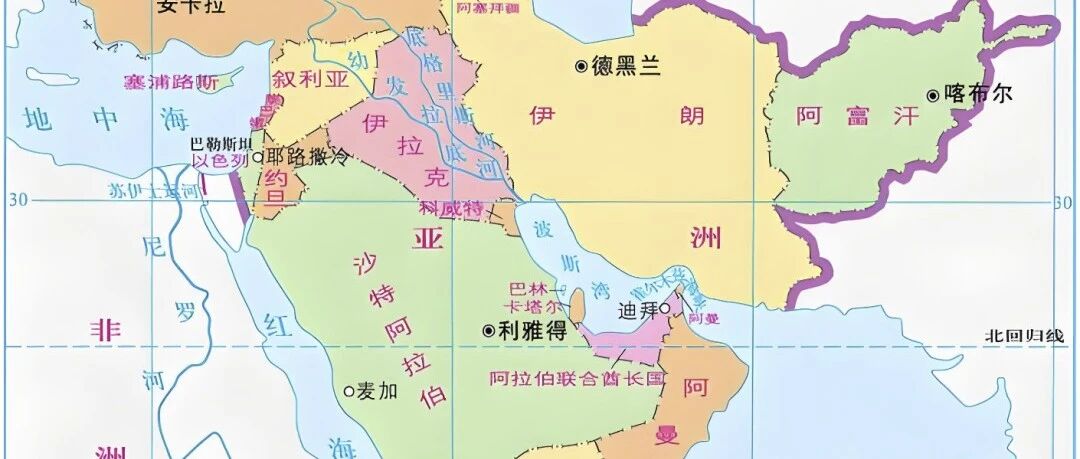
Core Viewpoint - The article discusses the ongoing conflict between the US and Iran, highlighting Iran's desire for revenge and control over the Strait of Hormuz, while the US seeks a dignified end to the war to avoid inflation and its impact on the midterm elections for Trump [1][4]. Group 1: Conflict Overview - On February 28, the US and Israel launched a joint attack on Iran, marking the largest military action in the Middle East since the Iraq War in 2003 [6]. - The attack targeted key strategic military sites in Iran, resulting in significant damage and the death of Iran's Supreme Leader, Khamenei [6]. - Iran retaliated with missile strikes against US military bases in several Middle Eastern countries [6]. Group 2: Geopolitical Context - The conflict is rooted in the nuclear issue, with the US demanding the dismantling of Iran's nuclear facilities, which Iran rejected [4][13]. - The US aims to weaken Iran's nuclear capabilities and control over energy resources, particularly given Iran's significant oil and gas reserves [14]. - Iran controls critical shipping routes in the Strait of Hormuz, through which approximately 20% of global oil consumption is transported [14]. Group 3: Market Reactions - Following the conflict, there was a notable increase in oil prices and a decline in cryptocurrency values, with heightened risk aversion in the markets [5][17]. - Three potential scenarios for the conflict's impact on markets are outlined: a quick resolution leading to market normalization, prolonged conflict causing sustained high oil prices, or a full-scale regional war resulting in a global energy crisis [5][19][28]. Group 4: Historical Context and Implications - The article draws parallels to past oil crises, noting that the current conflict could lead to a new era of commodity price surges, similar to the oil crises of the 1970s [29][30]. - Historical patterns indicate that geopolitical conflicts often lead to significant asset price fluctuations, particularly in energy markets [30][31]. - The potential for a prolonged conflict raises concerns about inflation and monetary policy tightening, which could adversely affect global stock markets [33].