海南封关

Search documents
中国中免(601888):Q2营收降幅环比收窄,关注海南封关与市内渠道增量
Bank of China Securities· 2025-09-01 08:55
Investment Rating - The investment rating for the company is "Buy" with a market price of RMB 69.29 and a sector rating of "Outperform" compared to the market [2][4]. Core Views - The report indicates that the company's revenue decline is narrowing quarter-on-quarter, with a focus on the potential benefits from the Hainan duty-free policy and the growth of city channel sales [9][6]. - The company achieved a revenue of RMB 281.51 billion in the first half of 2025, a year-on-year decrease of 9.96%, and a net profit of RMB 26.00 billion, down 20.81% year-on-year [9][4]. - The report maintains a positive outlook on the company's long-term performance due to its leading position in various channels and the gradual opening of city stores contributing to revenue growth [6][9]. Summary by Sections Financial Performance - In Q2 2025, the company reported revenue of RMB 114.05 billion, a year-on-year decline of 8.45%, and a net profit of RMB 6.62 billion, down 32.21% year-on-year [9][4]. - The company’s market share in Hainan's duty-free shopping has increased, with Hainan expected to open its borders in December 2025, which may boost tourist numbers [9][6]. Revenue Projections - The adjusted earnings per share (EPS) forecasts for 2025-2027 are RMB 2.09, RMB 2.60, and RMB 2.87, respectively, with the current price corresponding to price-to-earnings ratios of 33.1, 26.6, and 24.1 times [6][8]. - The report anticipates a gradual recovery in revenue growth, with projections of 2.7% growth in 2025, followed by 8.3% and 6.4% in 2026 and 2027, respectively [8][9]. Market Position - The company is expanding its city duty-free stores, with new openings in cities like Guangzhou and Shenzhen, which are expected to contribute positively to future revenue [9][6]. - The report highlights the company's competitive advantage in the Hainan duty-free market, supported by favorable government policies and an expanding product range [9][6].

研报掘金|华泰证券:上调中国中免目标价至78.55港元 维持“买入”评级
Ge Long Hui· 2025-09-01 07:18
Core Viewpoint - Huatai Securities reported that China Duty Free Group's revenue for the first half of the year was 28.15 billion yuan, a year-on-year decrease of 9.96%, and net profit was 2.6 billion yuan, down 20.81% [1] Financial Performance - Revenue for the first half of the year: 28.15 billion yuan, down 9.96% year-on-year [1] - Net profit: 2.6 billion yuan, down 20.81% year-on-year [1] - Deducted non-net profit: 2.6 billion yuan, down 19.8% year-on-year [1] - Corresponding non-net profit margin: 9.2%, down 1.1 percentage points year-on-year [1] Strategic Development - The company is accelerating its strategic transformation and actively expanding its boundaries to stimulate demand [1] - The establishment of city duty-free shops is progressing steadily [1] - Long-term benefits are expected from the return and incremental growth of certain optional categories due to the Hainan closure [1] Investment Rating - Huatai Securities maintains a "Buy" rating for the company [1] - Target price adjusted from 73.08 HKD to 78.55 HKD [1]

财经慧说丨@所有人,海南封关带来这些红利
Xin Hua Wang· 2025-08-12 06:08
Core Viewpoint - The article discusses the recent developments in the financial sector, highlighting the impact of regulatory changes and market dynamics on investment strategies and opportunities [1]. Group 1: Regulatory Changes - New regulations are being implemented that may affect the operational landscape for financial institutions, potentially leading to increased compliance costs [1]. - The regulatory environment is evolving, with a focus on enhancing transparency and accountability within the industry [1]. Group 2: Market Dynamics - Recent market trends indicate a shift in investor sentiment, with a growing preference for sustainable and socially responsible investments [1]. - The financial sector is experiencing volatility, influenced by macroeconomic factors such as inflation and interest rate fluctuations [1]. Group 3: Investment Opportunities - There are emerging investment opportunities in technology-driven financial services, particularly in fintech companies that are innovating traditional banking practices [1]. - The article emphasizes the importance of adapting investment strategies to align with changing consumer preferences and market conditions [1].
封关已确定,美妆消费要变天了!
Sou Hu Cai Jing· 2025-08-05 04:05
Core Viewpoint - The official announcement of the Hainan Free Trade Port's full island closure operation starting December 18 signifies the establishment of China's largest free trade port, enhancing its international market connectivity and attracting global quality resources [1][3]. Group 1: Impact on the Beauty Industry - Hainan has become a crucial duty-free shopping destination for international beauty brands, with a total duty-free shopping amount of 250.1 billion yuan since the implementation of the duty-free policy in April 2011, where cosmetic products account for over 50% of sales [3]. - The "closure" refers to designating Hainan as a "domestic outside" area, allowing for zero tariffs on imported goods while maintaining customs management for goods entering other domestic regions [3][4]. - The range of zero-tariff products will expand from 1,900 to approximately 6,600 tax items, covering 74% of all product categories, which is an increase of nearly 53 percentage points compared to before the closure [6]. Group 2: Cost Reduction and Market Competitiveness - The elimination of import tariffs on cosmetics will directly reduce import costs for companies, with the lowest most-favored-nation tax rate for skincare products being 1% and up to 6.5% for other beauty products [7]. - The processing and value-added policy allows goods processed in Hainan with over 30% imported materials to enter the mainland exempt from import tariffs, only subject to value-added and consumption taxes, enhancing market competitiveness [7]. - As of March 2023, the value of processed goods for internal sales in Hainan reached 7.546 billion yuan, with an estimated tariff exemption of about 601 million yuan [7]. Group 3: Strategic Adjustments by International Brands - Major international beauty brands have already begun to strengthen their presence in Hainan, with several opening duty-free stores in recent years, including Kao, Shiseido, L'Oréal, Estée Lauder, and Procter & Gamble [8]. - The closure of Hainan is seen as a pivotal moment for international beauty brands in China, shifting focus from "traffic competition" to "value cultivation," with the ability to convert policy benefits into brand assets being crucial for future competitiveness [10]. Group 4: Opportunities for Domestic Brands - The closure presents multifaceted opportunities for domestic beauty brands, allowing them to reduce raw material costs through processing policies and enhance their high-end image via duty-free channels [12]. - Domestic brands can leverage Hainan as a global launchpad, establishing a model of "R&D in Hainan, manufacturing in the mainland, and global sales" [12]. - However, challenges remain, including the need for domestic brands to differentiate their products in a competitive market dominated by international players [12].

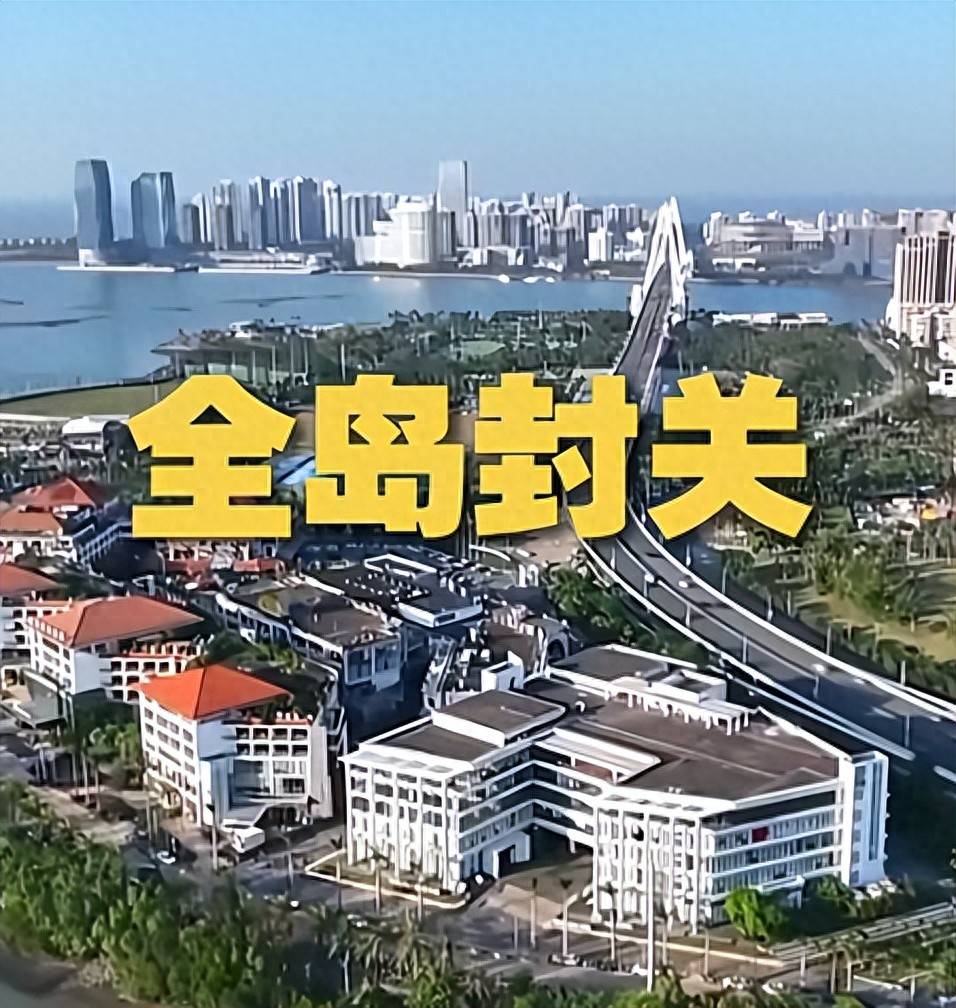
海南封关 汽车产业受益几何
Zhong Guo Qi Che Bao Wang· 2025-08-04 09:28
Core Viewpoint - The establishment of Hainan Free Trade Port and its customs closure by December 18, 2025, represents a significant step towards enhancing China's openness and cooperation with the global market, particularly impacting the domestic automotive industry through innovative policies [2][3]. Policy Overview - Hainan's customs closure is not a restriction but a strategy to expand openness and promote high-quality development of the free trade port, facilitating smoother international exchanges while maintaining efficient connections with the mainland [3]. - The "one line open, one line manage" policy will allow for a series of free and convenient measures for goods entering from outside China, while managing the flow of goods between Hainan and the mainland [3]. Tax and Trade Benefits - The range of "zero tariff" goods will expand to approximately 6,600 tax items, covering about 74% of all goods, a 53% increase from before the customs closure [3]. - The zero tariff policy for imported automotive parts, including batteries and electric motors, could reduce vehicle production costs by 18% to 20%, enhancing price competitiveness [4]. - Companies importing production equipment for self-use will be exempt from tariffs, VAT, and consumption tax, further lowering fixed asset investment costs [4]. Trade Management Improvements - Enhanced trade management measures and simplified customs processes will significantly reduce logistics costs, with import clearance times for automotive parts expected to decrease by over 30% [4]. - The zero tariff policy will not only apply to self-use but will also allow for the free flow of goods among beneficiaries, promoting industrial chain extension and competitiveness [8]. Industry Restructuring - The new policies are expected to drive a restructuring of the automotive industry in Hainan, encouraging local production and processing to increase value-added rates, which can lead to tax exemptions when entering the mainland [7]. - The import of vehicles for transportation and tourism in Hainan will also benefit from tax exemptions, potentially reducing costs by 30% to 60% [8]. Challenges and Limitations - Despite the favorable policies, Hainan faces challenges such as a shortage of skilled labor in automotive R&D and manufacturing, as well as limited infrastructure affecting logistics efficiency [9][10]. - The local automotive supply chain is underdeveloped, with a low local component manufacturing rate, leading to reliance on external suppliers for critical parts [10]. Strategic Focus - Experts suggest that Hainan should focus on developing a niche in the electric vehicle sector rather than competing directly with traditional manufacturing hubs [12]. - The local automotive company, Haima, is pivoting towards hydrogen fuel cell vehicles, aligning with Hainan's green development goals and leveraging local renewable energy resources [13]. Future Outlook - Hainan's role as a testing ground for high-standard trade rules could provide valuable insights for national tariff reductions and free trade agreements [14]. - The integration of logistics channels and trade policies may position Hainan as a strategic hub for connecting domestic and international supply chains, particularly in the electric vehicle market [15].

封关意欲何为?海南能否复刻香港的造富奇迹,普通人机会到底在哪
Sou Hu Cai Jing· 2025-07-30 13:02
Group 1 - The announcement of Hainan Free Trade Port's closure date on December 18, 2025, has sparked widespread discussion and interest, drawing comparisons to Hong Kong's past economic rise [1][3][5] - The policy of "two lines control, one line release" aims to stimulate import trade and reduce tariff costs, similar to the "laissez-faire" policies implemented in Hong Kong after its return [5][9][12] - Hainan's zero-tariff goods ratio will increase from 21% to 74%, with a provision that companies can export to the mainland tax-free if they add 30% value [12][18][21] Group 2 - The closure policy reflects China's commitment to an open development strategy, contrasting with countries that impose high trade barriers [14][27] - Hainan's strategy includes attracting foreign investment and increasing the supply of scarce domestic raw materials and components through imports [21][25] - The initiative aims to gather high-end talent by lowering personal income tax, which is essential for the development of the third industry chain in Hainan [27][29][31] Group 3 - The influx of foreign visitors exchanging currency in Hainan supports the internationalization of the RMB, which could yield significant benefits for the region [31][33] - The closure is seen as a significant opportunity for individuals and businesses to capitalize on emerging trends and market dynamics [33]
每日市场观察-20250729
Caida Securities· 2025-07-29 07:28
Market Overview - On July 28, the A-share market experienced significant fluctuations, with the Shanghai Composite Index rising by 0.12%, the Shenzhen Component Index by 0.44%, and the ChiNext Index by 0.96%[2] - The total trading volume in the Shanghai and Shenzhen markets exceeded 1.7 trillion yuan, showing a slight decrease compared to the previous trading day[1] Sector Performance - The leading sectors in terms of gains included electronic components, insurance, aerospace, and chemical pharmaceuticals, while coal, iron, and energy metals saw declines[1] - Approximately 2,800 stocks rose, indicating a broad-based market rally[1] Capital Flow - On July 28, net inflows into the Shanghai Stock Exchange were 76.10 billion yuan, while the Shenzhen Stock Exchange saw net inflows of 111.46 billion yuan[3] - The top three sectors for capital inflow were components, communication equipment, and chemical pharmaceuticals, whereas IT services, railways, and electricity faced the largest outflows[3] Economic Indicators - The Ministry of Science and Technology aims to enhance the effectiveness of technology transfer and innovation, indicating a focus on improving the national technology transfer system[4] - The National Energy Administration announced plans to establish a unified national electricity market by the end of the year, emphasizing the importance of energy supply and regulatory measures[5] Taxation Insights - From 2021 to 2024, the top 10% income earners contributed approximately 90% of individual income tax, highlighting the progressive nature of the tax system[6] - High-tech industry sales revenue grew by 14.3% in the first half of the year, with high-tech manufacturing's share of total manufacturing rising from 15.3% in 2020 to 16.9% in the first half of this year[7] Industry Trends - The electric motorcycle industry saw a slight decline in sales, with June figures showing a year-on-year drop of 15.37%[8] - Shanghai has issued 600 million yuan in computing power vouchers to reduce costs for AI applications, supporting the development of AI ecosystems[9] Fund Dynamics - The fund issuance market remains active, with 31 new funds launched this week, predominantly in equity funds[10] - Consumer REITs have shown strong performance, with over 80% of the 66 reported products achieving quarterly profits, indicating robust institutional interest[11]
浙商证券浙商早知道-20250729
ZHESHANG SECURITIES· 2025-07-28 23:30
Market Overview - On July 28, the Shanghai Composite Index rose by 0.12%, the CSI 300 increased by 0.21%, the STAR Market 50 gained 0.09%, the CSI 1000 was up by 0.35%, the ChiNext Index climbed by 0.96%, and the Hang Seng Index increased by 0.68% [3][4] - The best-performing sectors on July 28 were defense and military (+1.86%), non-bank financials (+1.51%), pharmaceutical and biological (+1.47%), comprehensive (+1.29%), and communication (+1.24%). The worst-performing sectors were coal (-2.6%), steel (-1.41%), transportation (-1.38%), oil and petrochemicals (-1.02%), and textiles and apparel (-0.93%) [3][4] - The total trading volume for the A-share market on July 28 was 1.7662 trillion yuan, with a net inflow of 9.253 billion Hong Kong dollars from southbound funds [3][4] Key Insights - The report emphasizes a focus on consumption and growth styles, with industry attention on electric equipment, non-ferrous metals, pharmaceuticals, electronics, and brokerage firms [5] - The report suggests that under the current monetary environment, the "dumbbell strategy" remains effective, but the large-cap growth style may attract market attention in the short term [5] - Factors driving this outlook include strong support from hydropower projects and policy catalysts such as "anti-involution" and Hainan's customs closure, which have impacted the previously strong dumbbell strategy [5] - The report recommends increasing focus on mid-to-large-cap growth styles in August, particularly in sectors related to consumption and growth, as well as electric equipment and non-ferrous metals influenced by industry trends in pharmaceuticals (innovative drugs, AI healthcare) and electronics [5]
【宏观】海南封关:如何重塑中国开放格局?——《见微知著》第二十五篇(高瑞东/赵格格/周欣平/周可)
光大证券研究· 2025-07-28 08:42
Core Viewpoint - The establishment of Hainan Free Trade Port marks a significant milestone in China's reform and opening-up, representing a systematic breakthrough rather than a simple upgrade from a free trade zone [3]. Group 1: Overview of Hainan Free Trade Port - Hainan Free Trade Port encompasses comprehensive reforms in the flow of goods, capital, personnel, and information, alongside fundamental changes in legal and regulatory frameworks [3]. - The construction of the free trade port will enter its second phase post-closure, focusing on facilitating trade, investment, cross-border capital flow, personnel movement, and data security [3]. Group 2: Comparison with Domestic and International Free Trade Zones - Hainan Free Trade Port is positioned as a higher benchmark compared to Shanghai Free Trade Zone, with over 70% of goods enjoying zero tariffs and various special policy arrangements [4]. - Internationally, Hainan is compared to free trade ports like Hong Kong, Dubai, and Singapore, which typically offer tariff exemptions and favorable tax policies to attract capital and talent [4]. Group 3: Macro Impact on Industry and Economy - The integration of "duty-free + cultural tourism" and "duty-free + exhibitions" will enhance Hainan's consumer appeal, creating a consumption ecosystem [5]. - The cross-border asset management pilot in Hainan will provide new channels for foreign investors to access domestic markets, contributing to the internationalization of the Renminbi [5]. - Hainan has introduced 14 categories of encouraged industries and 176 sub-sectors, focusing on cultural tourism, renewable energy, healthcare, aerospace, and environmental protection, significantly enhancing its attractiveness to global investors [5]. - The trade structure is shifting towards high value-added products, with a rapid growth in service trade and an upgrade in trade facilitation aligned with high-standard economic and trade rules [5].

上证突破3600!理财、债基不香了咋办?| 周度量化观察
申万宏源证券上海北京西路营业部· 2025-07-28 01:44
Market Overview - The Shanghai Composite Index broke through the 3600-point mark this week, reaching a new high for the year with a weekly increase of 2.21% [2] - Daily average trading volume in the Shanghai and Shenzhen markets reached 1.82 trillion yuan, an increase of over 290 billion yuan compared to the previous week [2] - Key policy announcements, including the start of major infrastructure projects and the confirmation of Hainan's free trade port closure date, positively impacted market sentiment, particularly in the upstream sectors like construction materials, coal, and steel [2] Bond Market - The bond market experienced a comprehensive adjustment this week, with both government and corporate bonds declining, resulting in negative returns for pure bond funds [3] - The overall funding environment remained balanced, with the central bank providing timely liquidity support through MLF operations, leading to a neutral impact on the bond market [3] Commodity Market - Gold prices fluctuated this week, initially rising due to increased market risk aversion but later declining amid optimistic trade agreement developments [4] - The overall trend for commodities was positive, with the South China Commodity Index rising by 2.73% this week, driven by significant increases in black and energy commodities [39] Overseas Market - Global risk assets generally rose, with the US stock market reaching new highs, supported by positive earnings reports and developments in AI [5] - The S&P 500 index is currently near high valuation levels, indicating a potential decrease in winning odds for US equities in the short term [10] Stock Market Insights - The A-share market continued its upward trend, with the CSI 500 index showing significant weekly gains, reflecting strong investor sentiment and market performance [12] - The market is currently characterized by high trading volumes and turnover rates, particularly in the CSI 300 and CSI 500 indices, which are above their three-year average levels [14] Sector Performance - In the past week, the construction materials, coal, and steel sectors performed exceptionally well, with respective increases of 8.20%, 7.98%, and 7.67% [22] - The overall market sentiment remains optimistic, with a focus on sectors with high earnings certainty and potential for positive surprises [7]