电动化

Search documents
智能化持续成为汽车产业核心增量方向,江淮汽车35亿元定增落地!港股汽车ETF(520600)盘中最高涨超2%,汽车ETF(159512)冲击3连涨
Xin Lang Cai Jing· 2026-02-11 05:55
Group 1 - Anhui Jianghuai Automobile Group Co., Ltd. announced the completion of a private placement, raising a total of 3.5 billion yuan by issuing 70.1684 million shares at a price of 49.88 yuan per share, which is approximately 8.7% lower than the market price of 54.61 yuan per share on February 10, 2026 [1] - In January 2026, Jianghuai Automobile produced 3,403 new energy passenger vehicles, representing a year-on-year increase of 96.25%, and sold 3,151 units, marking a year-on-year increase of 183.11% [1] - The Chinese automotive industry is undergoing a profound transformation led by electrification and intelligence, with market growth dynamics and competitive logic being systematically restructured [1] Group 2 - The Shanghai Intelligent Connected Vehicle Testing and Demonstration Promotion Working Group released the "Shanghai Intelligent Connected Vehicle Development Report (2025)", indicating that by the end of last year, 3,173 automated driving test roads covering 5,238.82 kilometers had been opened [2] - The report highlights that during the "14th Five-Year Plan" period, Shanghai will enter a new stage of "city-wide integration" with large-scale, multi-level real scene openings to expand the scope of automated driving [2] - Major automotive companies such as Li Auto, Xpeng, BYD, and Great Wall are expected to benefit from the anticipated resurgence of Full Self-Driving (FSD) technology in China, driven by new technology and product enhancements [2] Group 3 - As of February 11, 2026, the CSI Hong Kong Stock Connect Automotive Industry Theme Index rose by 2.00%, with the largest Hong Kong automotive ETF increasing by 1.70%, marking a four-day consecutive rise [3] - Key component stocks such as BYD and Jianghuai Automobile saw significant increases, with Jianghuai Automobile rising by 3.15% [3] - The automotive ETF tracking the CSI All-Share Automotive Index also experienced a rise, with major stocks like Wanfeng Aowei and Weifu High-Technology contributing to the upward trend [3]


“iPhone之父”操刀法拉利,一排实体按键
汽车商业评论· 2026-02-10 23:03
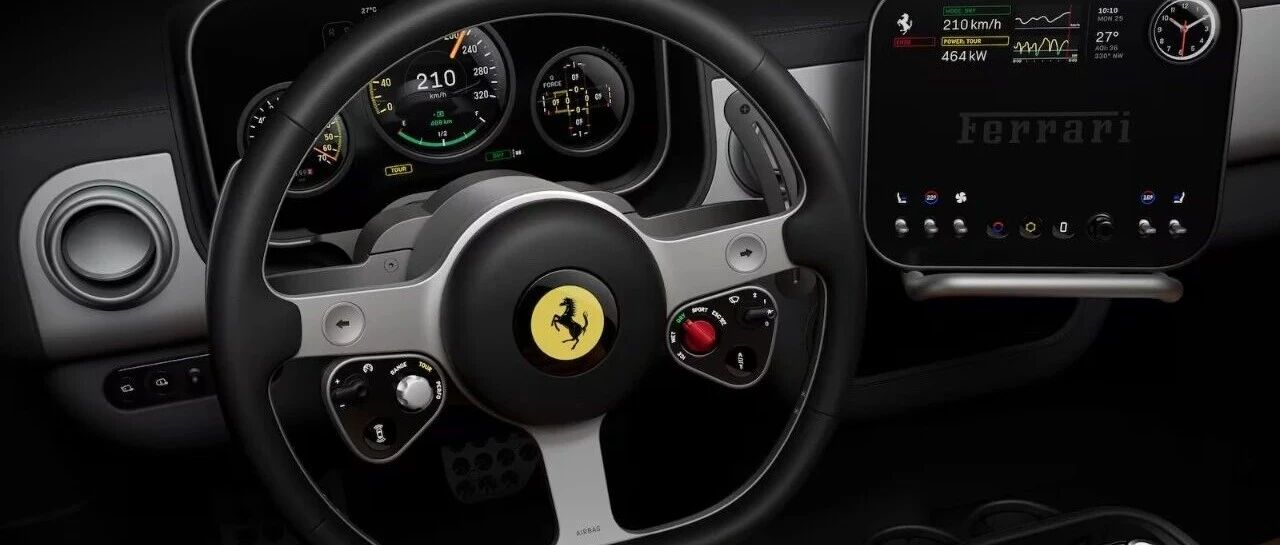
Core Viewpoint - Ferrari is set to launch its first all-electric sports car named Luce, emphasizing a unique design and driving interaction approach, moving away from traditional naming conventions and focusing on user experience [4][5][12]. Design and Features - The Luce will feature a return to physical buttons and knobs, minimizing the presence of large touchscreens, which is a departure from current automotive trends [8][12]. - The interior will showcase a dynamic layout with a 12-inch main display and two 10.3-inch secondary displays, utilizing advanced materials like Corning Fusion5® glass for enhanced durability and aesthetics [9][12]. - The steering wheel design is inspired by classic models, made from 100% recycled aluminum, and integrates multiple functional controls, reflecting a blend of vintage and modern design [9][10]. Development and Manufacturing - Ferrari is investing approximately €200 million in a new facility called e-building, aimed at enhancing manufacturing flexibility and reducing vehicle development time, rather than increasing production volume [14][15]. - The e-building will support the production of electric, hybrid, and traditional fuel vehicles, allowing Ferrari to maintain flexibility in its product offerings [14][15]. Performance and Specifications - The Luce is positioned as a four-door, four-seat high-performance electric vehicle, boasting over 1,000 horsepower and a 0-100 km/h acceleration time of under 2.5 seconds, with a battery capacity of 122 kWh [20]. - The expected range is approximately 531 kilometers (330 miles) under WLTP conditions, with a total vehicle weight slightly below 2,300 kg, making it Ferrari's heaviest production model to date [20]. Market Positioning and Pricing - The starting price for the Luce is anticipated to exceed $500,000, reflecting Ferrari's brand premium and the need to differentiate from competitors in the electric vehicle market [18][20]. - Ferrari aims to maintain its luxury status by focusing on the tactile experience and unique sound design of the vehicle, rather than solely on performance metrics [21][22].


博世中国的选择题
Xin Lang Cai Jing· 2026-02-10 08:02
Core Viewpoint - Bosch China is reallocating resources in its power systems business amid the automotive industry's transformation, leading to rumors of layoffs, which the company clarifies as normal business adjustments rather than mass layoffs [1][2]. Group 1: Resource Allocation and Adjustments - Bosch has made personnel adjustments in its Wuxi operations since October last year, affecting over a hundred frontline and technical staff, primarily through negotiated contract terminations with enhanced compensation [1][2]. - The adjustments are mainly focused on traditional fuel and hydrogen fuel cell-related businesses, reflecting Bosch's response to declining demand for fuel vehicles and slow commercialization of hydrogen technology [2][3]. - Bosch's powertrain division in Wuxi is a significant manufacturing and R&D base for traditional fuel and hydrogen fuel cell businesses, indicating the strategic importance of these adjustments [2][3]. Group 2: Market Trends and Business Impact - The demand for fuel vehicles is declining, with the penetration rate of new energy vehicles expected to reach 54.07% by 2025, putting pressure on traditional fuel vehicle manufacturers [3][4]. - Bosch's fuel injection and related products are primarily supplied to major automotive clients, and the decline in fuel vehicle orders is prompting Bosch to adjust its production capacity accordingly [3][5]. - The shift in market dynamics is also reflected in the performance of Bosch's partners, such as Weifu High-Tech, which reported an 8.52% decline in revenue from fuel injection systems in 2024 [5]. Group 3: Hydrogen Fuel Cell Developments - Bosch has invested in hydrogen fuel cell technology, with plans for local production of key components, including a planned investment of 1.133 billion yuan for a new production facility in Wuxi [6][7]. - Despite the initial enthusiasm for hydrogen energy, the commercialization of hydrogen fuel cells remains uncertain, with infrastructure and demand still in early stages [7][8]. - Bosch is adjusting its resource allocation towards more immediate and clear-return technologies, such as electric and intelligent driving solutions, while still maintaining some presence in traditional fuel and hydrogen sectors [8][9]. Group 4: Future Directions - Bosch China aims to increase its business investment in the Chinese market, shifting focus from traditional power routes to smart driving, electrification, and control technologies [8][9]. - The company anticipates a 4.9% year-on-year growth in sales to 149.8 billion yuan by 2025, with smart mobility being a core growth driver [8]. - Current job openings at Bosch China are increasingly concentrated in digital manufacturing and AI applications, indicating a strategic pivot towards advanced technologies [9].
跨越23年,“国民小车”焕新归来
Xin Lang Cai Jing· 2026-02-09 15:10
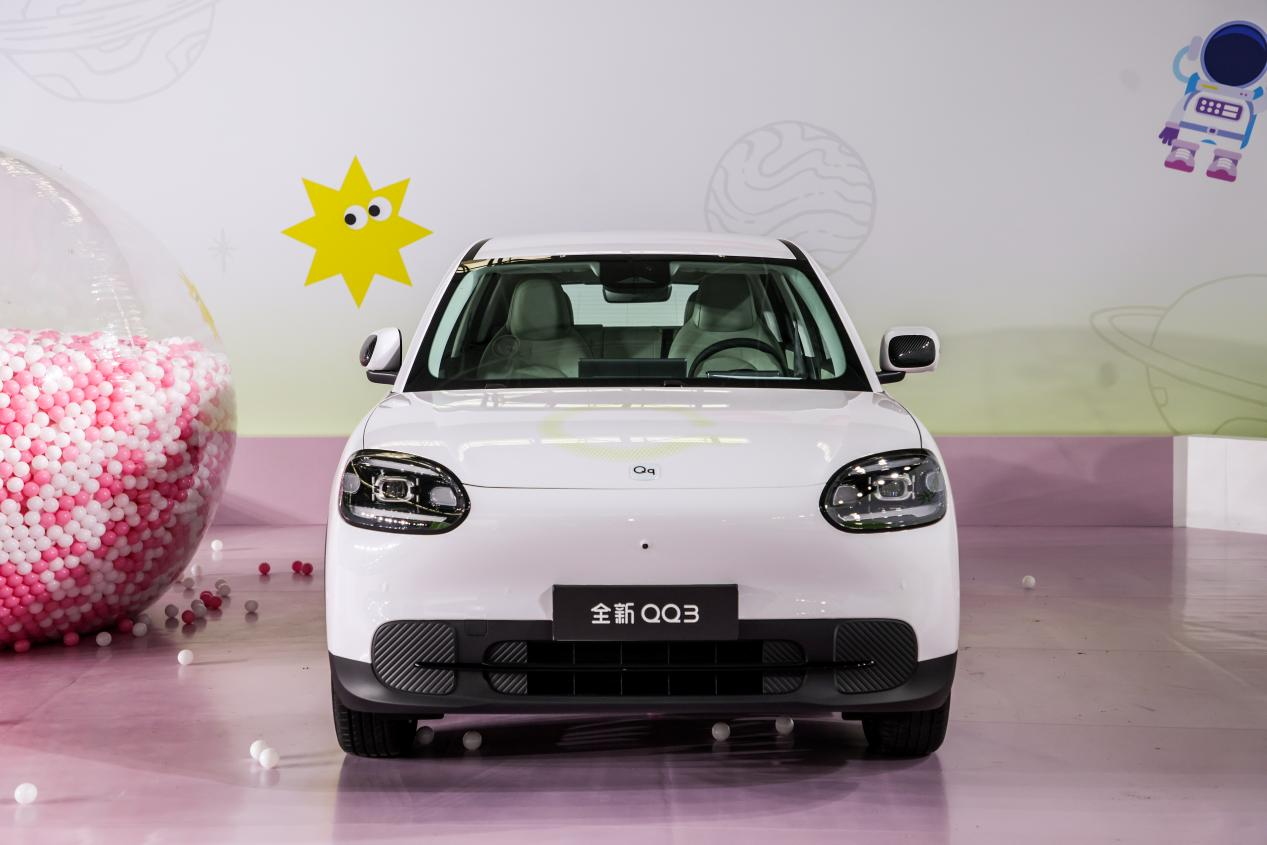
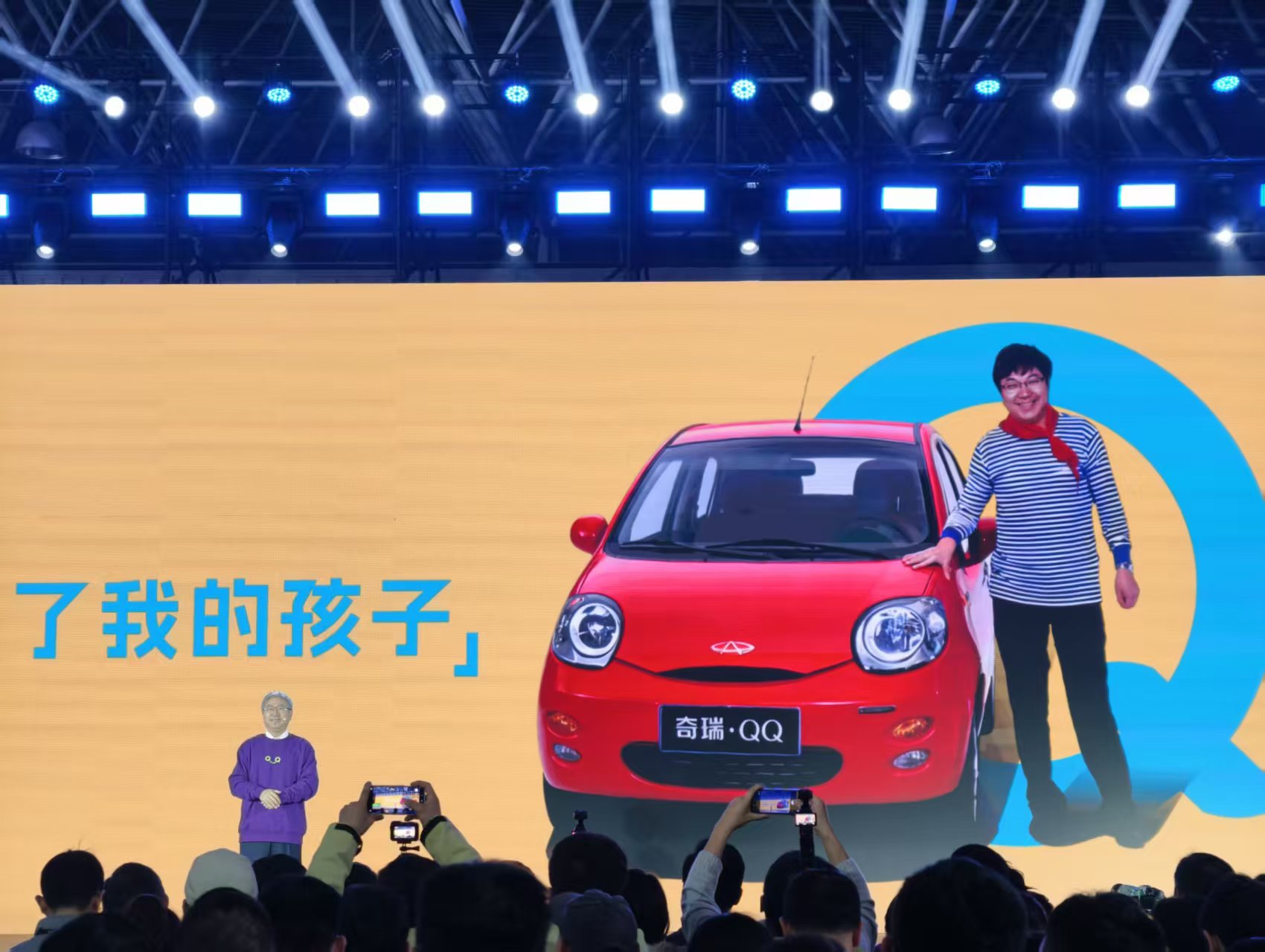
Core Viewpoint - Chery QQ, a significant name in China's automotive history, is making a comeback with the launch of the all-new QQ3, an AI-driven electric sedan, marking its return after 23 years since its inception in 2003 [1][3]. Group 1: Product Launch and Features - The all-new QQ3 is now available for blind booking, with promotional offers including a chance to win one of 99 vehicles by sharing stories on social media [1]. - The QQ3 is built on a native intelligent electric platform and has undergone global quality verification, emphasizing comprehensive safety standards [5]. - The vehicle features advanced technologies such as "Falcon Intelligent Driving" and "Lingxi Intelligent Cabin," along with unique elements like an electric front trunk and voice recognition capabilities [5]. Group 2: Historical Significance and Market Impact - Since its launch in 2003, the original QQ has sold 1.54 million units and has been popular in over 100 countries, establishing itself as a "king of small cars" [3]. - The QQ brand has been a pioneer in the small car segment, known for its vibrant colors, smiley face design, and cultural impact, including multiple Guinness World Records [3]. Group 3: Brand Philosophy and Vision - The chairman of Chery, Yin Tongyue, expressed the brand's mission to provide young people in China with a car that brings joy and serves as a means of self-expression [5]. - The new QQ family aims to redefine the concept of small cars through innovation in electrification and intelligence, promoting a lifestyle that resonates with consumers [5].
独家丨原宁德时代执行总裁朱威,出任地平线总裁
雷峰网· 2026-02-09 10:15
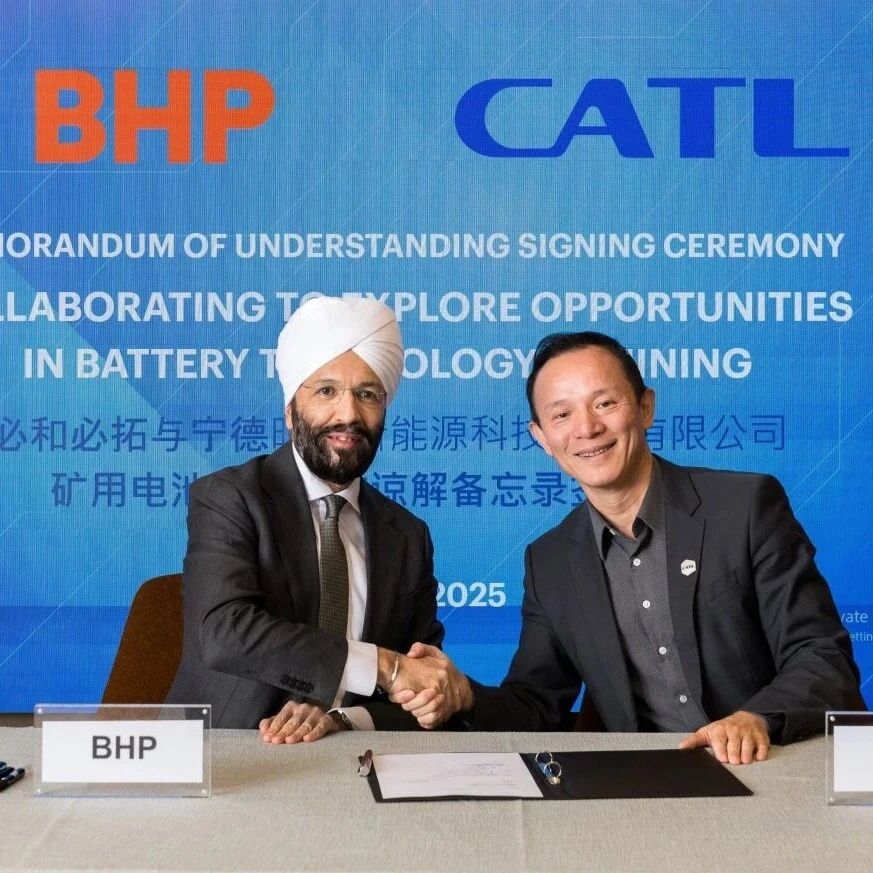
Core Viewpoint - The appointment of Zhu Wei as the new president of Horizon Robotics is expected to enhance collaboration between Horizon and CATL, leveraging Zhu's extensive experience in smart driving and new energy sectors to drive the integration of intelligent automotive systems and electric vehicle technologies [2][5]. Group 1: Leadership Changes - Zhu Wei, former executive president of CATL, will take over as president of Horizon Robotics, while former president Chen Liming will transition to vice chairman, focusing on major strategic decisions and governance improvements [2][7]. - Zhu Wei holds a degree in precision instruments from the University of Science and Technology of China and an MBA from Yale, bringing a wealth of experience from his eight years at CATL, where he managed passenger vehicle and overseas energy storage businesses [2]. Group 2: Strategic Collaborations - CATL and Horizon have maintained a long-standing capital and business collaboration, which is expected to strengthen further with Zhu Wei's leadership [3][4]. - In June 2025, a joint venture named Zhaofu Intelligent was established by Hello, Ant Group, and CATL, focusing on L4 autonomous vehicle operations, with Horizon providing key chips and systems, while CATL's battery technology supports energy needs, creating a synergistic "smart driving + energy" ecosystem [5]. Group 3: Leadership Contributions - Chen Liming, who has been with Horizon since September 2021, previously held significant roles at Bosch, where he contributed to the establishment of the Bosch chassis control systems R&D center in China [7]. - Under Chen's leadership, Horizon evolved from a "technical team" to a "regular army," laying the groundwork for the company's scaling and operational stability [7].

奇瑞复活QQ
第一财经· 2026-02-08 08:08
Core Viewpoint - The revival of Chery QQ represents a significant move in Chery Automobile's strategy, aiming to capture the young consumer market through the introduction of a new electric model, QQ3, leveraging its historical brand recognition and global sales network [3][4]. Group 1: Historical Context and Brand Significance - Chery QQ has been a pivotal name in China's automotive history, with cumulative sales reaching 1.54 million units over ten years since its launch in 2003, and it was sold in over 100 countries [3]. - After a decline in sales post-2011 and the cessation of production in 2014, the QQ brand is set to return in 2026 with a new electric model [3]. Group 2: Strategic Importance of Revival - The revival of QQ is a crucial part of Chery's brand matrix and global strategy, filling a gap in the smart and fun small car segment [4]. - The new QQ is expected to serve as a fresh representation of Chery in overseas markets, particularly targeting younger consumers [4]. Group 3: Market Challenges - The current small electric vehicle market is highly competitive, with significant players like Wuling Hongguang MINIEV dominating through cost leadership [4]. - The success of the new QQ will depend on its ability to convert emotional brand recognition into appeal for the new generation and establish a differentiated advantage in smart features [4].

奇瑞复活经典小车QQ
Di Yi Cai Jing· 2026-02-08 07:33
Core Viewpoint - Chery QQ, a significant name in China's automotive history, is set to return in 2026 with a new electric model, QQ3, aiming to leverage technological innovations in electrification and intelligence to compete in the evolving automotive market [4]. Group 1: Company Background - Chery QQ has sold a total of 1.54 million units over ten years since its launch in 2003, achieving popularity in over 100 countries and regions [4]. - The model was discontinued in 2014 due to declining sales as market competition intensified [4]. Group 2: Market Context - The current small electric vehicle market is highly competitive, with Wuling Hongguang MINIEV leading as a "national commuting vehicle" due to its cost-effective approach [5]. - The influx of various new and established brands has led to product homogenization, creating a "red ocean" of competition [5]. Group 3: Strategic Importance - The revival of QQ is a crucial part of Chery's brand matrix and global strategy, filling a gap in the smart and fun small car segment [4]. - Chery aims to utilize its strong overseas sales network to position the new QQ as a fresh representation in the youthful market [4].
长安汽车:公告点评电动智能化稳步推进,计划回购强信心-20260208
GUOTAI HAITONG SECURITIES· 2026-02-08 02:25
Investment Rating - The report maintains a "Buy" rating for Changan Automobile [2][5]. Core Views - Changan Automobile announced a share buyback plan of 1-2 billion yuan, reflecting strong confidence in its long-term strategic layout and intrinsic value [2][11]. - The company is steadily advancing its electrification and intelligentization strategies, with a projected total sales target of 3.3 million vehicles in 2026, representing a year-on-year increase of 13.3% [11]. - The report anticipates earnings per share (EPS) of 0.56 yuan, 0.79 yuan, and 1.01 yuan for the years 2025, 2026, and 2027, respectively [11]. Financial Summary - Total revenue is projected to grow from 151.3 billion yuan in 2023 to 234.1 billion yuan in 2027, with a compound annual growth rate (CAGR) of approximately 16.6% [4][12]. - Net profit attributable to shareholders is expected to decline from 11.3 billion yuan in 2023 to 5.5 billion yuan in 2025, before recovering to 10.0 billion yuan in 2027 [4][12]. - The company’s price-to-earnings (P/E) ratio is projected to be 20.14 in 2025, decreasing to 11.04 by 2027 [4][12]. Market Data - The stock is currently trading within a 52-week price range of 11.01 to 14.18 yuan, with a total market capitalization of 110.9 billion yuan [6]. - The report sets a target price of 13.47 yuan based on a 17x P/E ratio for 2026 [11][5]. Strategic Developments - Changan has launched a sodium-ion battery strategy, introducing its first mass-produced vehicle equipped with this technology, which offers a range of over 400 kilometers [11]. - The company is also advancing in high-level autonomous driving, having received a formal license for L3 level autonomous driving, indicating its readiness for market-scale operations [11].

奇瑞QQ回归!全新QQ3开启盲订
Nan Fang Du Shi Bao· 2026-02-08 01:22
Core Insights - Chery's QQ brand officially returns after 23 years with the launch of the new QQ3, an AI-driven electric sedan, marking a significant move in 2026 [2] - The QQ brand, which sold over 1.54 million units globally by 2014, aims to redefine the compact car segment through electrification and smart technology [2] - The new QQ3 features the self-developed Falcon Intelligent Driving System, supporting L2+ level assisted driving and intelligent voice interaction, showcasing Chery's evolution in the smart vehicle sector [2] Group 1 - The new QQ3 is positioned as an AI smart electric sedan with a design philosophy of "Joyful Aesthetics," featuring customizable color options and unique configurations such as an electric front trunk and voiceprint replication [3] - The QQ brand introduces a virtual digital companion called "Emotion Sprite" to enhance user experience, alongside a co-creation plan allowing users to customize vehicle design elements [2][3] - The launch event included a blind booking initiative where a deposit of 99 yuan can be deducted from the purchase price of 999 yuan, offering early delivery privileges to participants [4]
“国民神车”王者归来,全新QQ3以智造革新重塑微车新标杆
Zhong Guo Qi Che Bao Wang· 2026-02-07 13:11
Core Insights - The article highlights the launch of the new Chery QQ3, which aims to redefine the value standards of compact cars through electrification and intelligent technology, building on the legacy of the original QQ that has sold 1.54 million units since its debut in 2003 [2][9] Historical Context - The Chery QQ was introduced in 2003, breaking the foreign brand monopoly in the microcar market and making car ownership accessible to ordinary families in China. It achieved over 40,000 sales in its first year and became the first domestic microcar brand to sell over 10,000 units monthly in 2005 [3][9] - The QQ maintained its position as a market leader, winning the microcar sales championship for four consecutive years from 2005 to 2008 and surpassing one million units sold by 2011 [3][9] Brand Evolution - Chery's chairman emphasized that the QQ was designed to be a car that brings joy and allows young people to express themselves, evolving beyond a mere transportation tool to a cultural icon [5][9] - The QQ has consistently challenged traditional perceptions of compact cars through innovations in fashion, technology, and quality, becoming a unique pioneer in the Chinese automotive industry [5][9] Product Launch and Features - The new QQ3 is positioned as an "AI Smart Pure Electric Sedan" and is set to redefine compact cars with its innovative design and technology, including a blind booking system that allows customers to reserve the car with a deposit [14][22] - The QQ3 features a highly automated manufacturing process, ensuring high quality and precision, and has undergone extensive testing across various extreme conditions to guarantee global quality standards [16][17] Space and Safety Innovations - The QQ3 utilizes a dedicated electric platform to maximize interior space, offering a spacious experience comparable to larger vehicles, with significant storage options [19][20] - Safety features include a high proportion of high-strength steel in the body structure and advanced battery protection systems, ensuring superior crash resistance and safety for users [20][22] Technological Advancements - The QQ3 incorporates advanced AI technology, providing features such as L2-level driving assistance and a smart interactive system that enhances user experience [22][24] - The brand aims to engage users in the design process through initiatives that allow them to contribute to aspects like color and interior design, reinforcing the QQ's cultural significance [24] Market Positioning - The return of the QQ brand is seen as a revival of national memory and a strategic move to cater to modern consumer needs, with the QQ3 representing a new chapter in the compact car market [10][13] - Chery QQ's legacy and continuous innovation position it as a leader in the compact car segment, with the new model expected to set new benchmarks in the industry [24]