
长钱长投

Search documents
央行金融稳定报告:9个省区市辖内无“红区”银行
Sou Hu Cai Jing· 2025-12-27 07:32
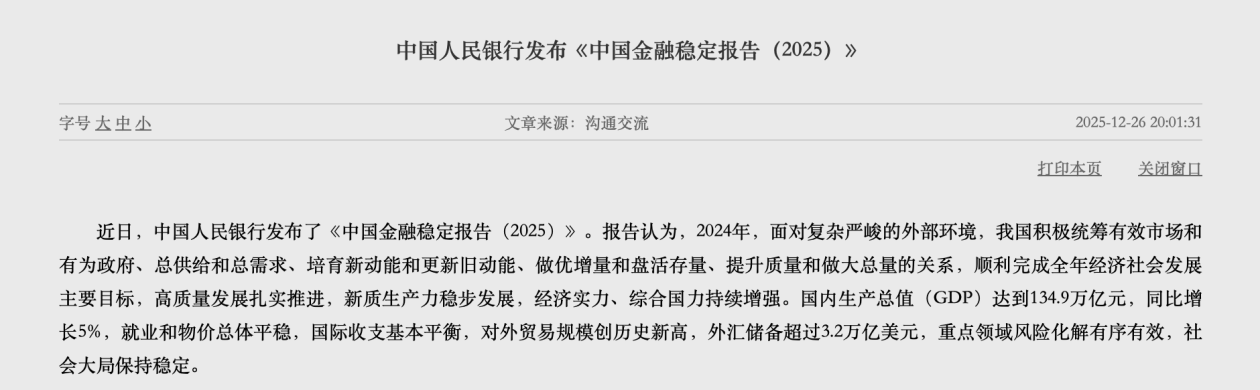
Core Viewpoint - The People's Bank of China (PBOC) released the "China Financial Stability Report (2025)", projecting a GDP of 134.91 trillion yuan for 2024, with a growth rate of 5.0% amidst a challenging external environment [1][2]. Economic Outlook - The report indicates that employment and prices will remain stable, with international payments balanced and foreign exchange reserves stable at over 3.2 trillion USD [1]. - The focus on new productive forces and key areas such as green and technology sectors will see enhanced financial support, contributing to orderly risk resolution in these sectors [1]. Policy Directions - The report outlines a policy direction to promote long-term capital investment in the stock market, with various regulatory bodies collaborating to improve the investment environment for long-term funds [1][7]. - The aim is to significantly increase the scale and proportion of long-term capital investments in A-shares, fostering a virtuous cycle between capital market stability and high-quality economic development [7]. Risk Management - The financial system will continue to prevent and resolve risks in key areas, including managing the debt risks of financing platforms and addressing risks in small and medium-sized financial institutions [2][11]. - The PBOC's rating of 3,529 banks shows that the overall financial risk is controllable, with a significant reduction in the number of high-risk small banks [2][4]. Bank Ratings - Among the rated banks, 3,217 are classified as low to moderate risk (levels 1-7), accounting for 98% of total assets, with 1,831 banks in the green zone holding 421 trillion yuan in assets [4][5]. - The report highlights that national banks are stable and serve as a "ballast" for the financial system, while local banks show varied performance [5]. Future Financial Strategies - The PBOC plans to enhance the macro-prudential management framework and strengthen monitoring of systemic financial risks [11]. - The report emphasizes the importance of maintaining liquidity and supporting stable economic growth while managing inflation expectations [10].

A股头条:央行重磅报告!显著提高各类中长期资金实际投资A股的规模和比例;商业航天板块再传利好,上交所出手
Jin Rong Jie· 2025-12-27 01:29
Group 1 - The People's Bank of China aims to enhance the institutional policy environment conducive to long-term investments, significantly increasing the scale and proportion of various medium- and long-term funds invested in A-shares [1] - The central bank and the State Administration of Foreign Exchange have jointly announced the promotion of integrated currency pools for multinational companies across the country, aiming to streamline management and reduce costs for enterprises [1] - The Ministry of Industry and Information Technology emphasizes the systematic advancement of 6G technology research and application, alongside optimizing computing power layout and scheduling [2] Group 2 - The Ministry of Finance and other departments have issued guidelines to strengthen the synergy between fiscal finance and employment policies, focusing on supporting entrepreneurship and job creation [2] - The State Administration for Market Regulation is conducting compliance guidance for the photovoltaic industry to address issues of price competition and promote a healthy market environment [3] - The Shanghai Stock Exchange has released detailed rules for commercial rocket companies under the fifth set of listing standards, emphasizing the importance of "hard technology" attributes [4] Group 3 - The National Venture Capital Guidance Fund has officially launched, with three regional funds focusing on key areas such as Beijing-Tianjin-Hebei, the Yangtze River Delta, and the Guangdong-Hong Kong-Macao Greater Bay Area [9] - The Ministry of Ecology and Environment has introduced action plans for the construction of beautiful China pilot areas in three regions, focusing on improving environmental quality and promoting sustainable development [10] - Various companies have reported significant developments, including China Duty Free Group winning a duty-free project at Beijing Capital International Airport and other firms engaging in strategic partnerships and investments [12]

央行发布重磅报告 明确下一阶段金融工作重点
Huan Qiu Wang· 2025-12-27 01:00
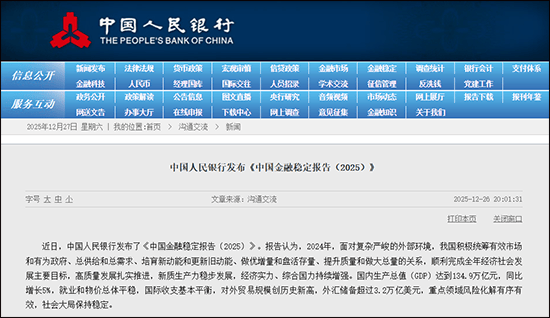
针对房地产金融,报告指出,中国人民银行将继续认真贯彻落实党中央、国务院部署,密切关注房地产市场及金融形势边际变化,抓好保障性住房再贷款等 已出台金融政策落实,加强房地产金融宏观审慎管理,稳妥有序完善房地产信贷基础性制度,促进房地产市场平稳健康发展,助力构建房地产发展新模式。 【环球网财经综合报道】近日,中国人民银行发布《中国金融稳定报告(2025)》,全面总结我国金融稳定工作进展,并对下一阶段重点任务作出部署。报 告提出,中国证监会、财政部、人力资源社会保障部、中国人民银行、金融监管总局等相关部门将立足大局,加强协作,形成合力,在中央金融办统筹协调 下,进一步提升工作的前瞻性、主动性和针对性,着力健全有利于"长钱长投"的制度政策环境,显著提高各类中长期资金实际投资A股的规模和比例,努力 实现中长期资金保值增值、资本市场平稳健康运行与实体经济高质量发展的良性循环。 在利率市场化改革方面,报告明确,中国人民银行将持续深化利率市场化改革,更好发挥利率自律机制作用,推动利率"形得成"和"调得了"。在"形得成"方 面,引导金融机构切实提升自主理性定价能力,增强资产端和负债端利率调整的联动性;在"调得了"方面,引导金融机 ...
新华财经早报:12月27日
Xin Hua Cai Jing· 2025-12-27 01:00
Group 1 - The National Venture Capital Guidance Fund has been launched, focusing on cutting-edge fields such as artificial intelligence and 6G, with an expected leverage of trillions in social capital [1] - The People's Bank of China aims to enhance the institutional policy environment conducive to long-term investments, significantly increasing the scale and proportion of various medium- and long-term funds invested in A-shares [1] - The State Administration for Market Regulation emphasizes the importance of regulating the photovoltaic industry to prevent unhealthy competition and ensure quality standards [1] Group 2 - The first batch of L3-level autonomous driving vehicles has been officially launched in Chongqing, consisting of 46 vehicles equipped with L3 autonomous driving systems [2] - The Shanghai Stock Exchange has released guidelines for commercial rocket companies to apply for listing under the Sci-Tech Innovation Board, focusing on technological advantages and market potential [2] - The digital financial development implementation plan for the banking and insurance sectors aims for significant progress in digital transformation over the next five years [2]
央行发布2025年金融稳定报告!
券商中国· 2025-12-26 23:28
Core Viewpoint - The People's Bank of China released the "China Financial Stability Report (2025)", indicating that the financial system is generally stable, with financial risks under control and operating indicators within a reasonable range [1][2]. Group 1: Financial Institution Ratings - In the first half of 2025, the central bank rated 3,529 banking institutions, showing that the overall operation of banks is stable and financial risks are manageable [2][3]. - The rating system categorizes institutions into 11 levels, with levels 1-7 considered safe ("green zone") and levels 8-D indicating higher risk ("red zone"). A total of 3,217 banks fall within the safe range, accounting for 98% of total assets [3]. - Specifically, 1,831 banks are in the "green zone" with an asset scale of 421 trillion yuan (94.6% of total), while 312 banks are in the "red zone" with assets of 9.4 trillion yuan (2.1% of total) [3]. Group 2: Institutional Type Analysis - National banks have better ratings, with 71% of their assets in the safe range, serving as a stabilizing force for the financial system. In contrast, local small and medium banks show some risk [4]. - Among national banks, 21 banks have 93% in the "green zone", while city commercial banks have 68% in the same zone. Rural financial institutions have less than 1% of their assets in the "red zone" [4]. Group 3: Long-term Investment Environment - The report emphasizes the need to create a favorable policy environment for long-term investments, with the China Securities Regulatory Commission (CSRC) promoting the enhancement of listed companies' investment value [5][6]. - The CSRC plans to conduct regular visits to listed companies to address challenges in market value management and operational development, aiming to improve company quality and prevent market risks [6]. Group 4: Risk Prevention and Management - The report outlines future strategies for preventing and resolving key financial risks, including maintaining exchange rate stability and enhancing macro-prudential management [7]. - Specific measures include supporting major national strategies and sectors, improving the macro-prudential management system, and ensuring that systemic financial risks do not occur [7].
八连阳后央行发话了
Sou Hu Cai Jing· 2025-12-26 16:16
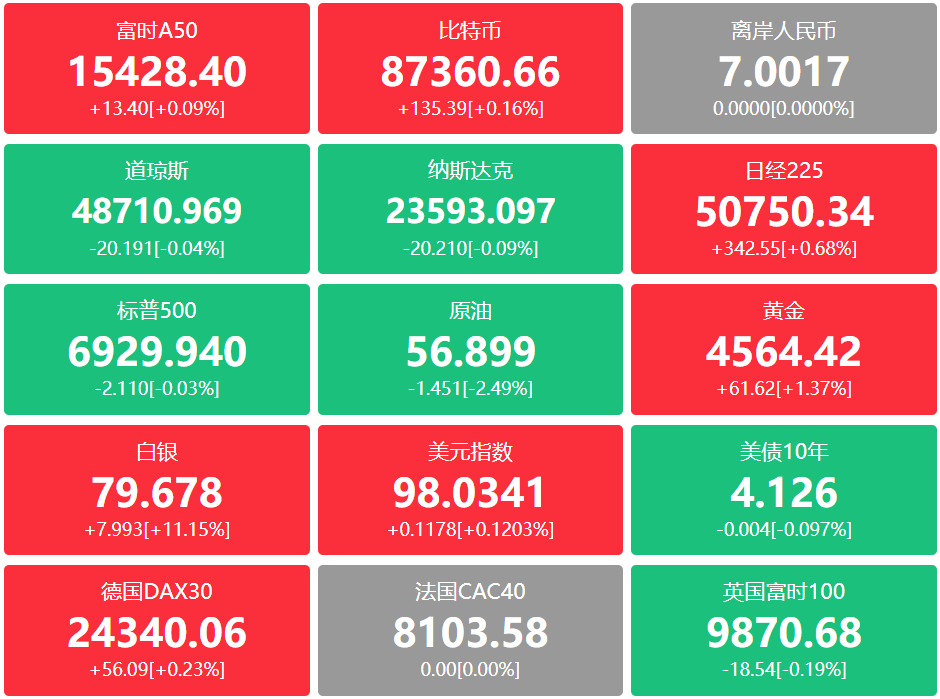
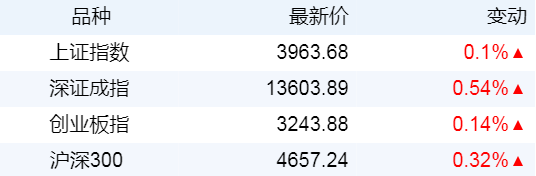
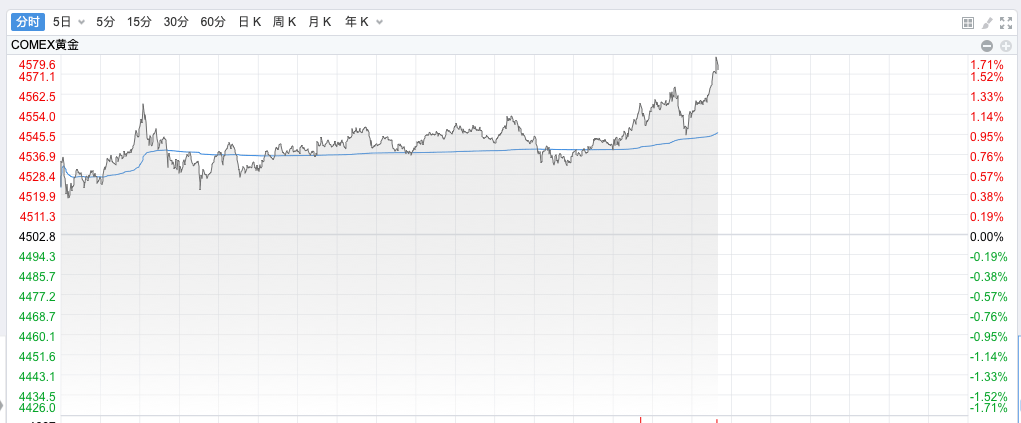
Core Viewpoint - The Shanghai Composite Index (SSE) is approaching the 4000-point mark, with significant market movements influenced by the A500 ETF and regulatory guidance aimed at stabilizing long-term investments [1][4]. Group 1: Market Performance - The SSE reached a high of 3977 points, marking an eight-day consecutive rise [1]. - A500 ETF has seen a net inflow of over 260 billion yuan since December, indicating strong demand for related funds [3]. - The market's trading volume has returned to 2.18 trillion yuan, suggesting increased investor activity [6]. Group 2: Regulatory Environment - Regulatory guidance has been issued to prevent short-term capital inflows, promoting long-term investment strategies [1]. - The People's Bank of China emphasizes the need for a policy environment that supports long-term investments in A-shares [4]. Group 3: Economic Indicators - The appreciation of the Chinese yuan is attracting foreign capital, with a recent 2.3% decline in the US dollar index contributing to this trend [6]. - Historical data shows a positive correlation between the yuan's exchange rate and stock market performance [6]. Group 4: Sector Performance - The rise in commodity prices, including precious metals and industrial materials, is driving a bullish trend in related stocks [7][8]. - The technology sector, particularly AI-related stocks, has shown significant rebounds, with companies like Nvidia experiencing a 13% increase [6].
央行:着力健全有利于“长钱长投”的制度政策环境,显著提高各类中长期资金实际投资A股的规模和比例
Xin Lang Cai Jing· 2025-12-26 12:21
12月26日金融一线消息,近日,中国人民银行发布了《中国金融稳定报告(2025)》。报告提到,中国 证监会、财政部、人力资源社会保障部、中国人民银行、金融监管总局等相关部门将立足大局,加强协 作,形成合力,在中央金融办统筹协调下,进一步提升工作的前瞻性、主动性和针对性,着力健全有利 于"长钱长投"的制度政策环境,显著提高各类中长期资金实际投资A股的规模和比例,努力实现中长期 资金保值增值、资本市场平稳健康运行与实体经济高质量发展的良性循环。 MACD金叉信号形成,这些股涨势不错! MACD金叉信号形成,这些股涨势不错! 责任编辑:王馨茹 12月26日金融一线消息,近日,中国人民银行发布了《中国金融稳定报告(2025)》。报告提到,中国 证监会、财政部、人力资源社会保障部、中国人民银行、金融监管总局等相关部门将立足大局,加强协 作,形成合力,在中央金融办统筹协调下,进一步提升工作的前瞻性、主动性和针对性,着力健全有利 于"长钱长投"的制度政策环境,显著提高各类中长期资金实际投资A股的规模和比例,努力实现中长期 资金保值增值、资本市场平稳健康运行与实体经济高质量发展的良性循环。 责任编辑:王馨茹 ...
让保险更好护航 高水平科技自立自强
Jin Rong Shi Bao· 2025-12-24 03:00
Group 1 - The core viewpoint emphasizes the need for insurance to address the funding and risk challenges faced by technology innovation enterprises, particularly in the context of the "14th Five-Year Plan" which advocates for high-level technological self-reliance and innovation [1] - Insurance is positioned as a crucial financial tool to alleviate the "reluctance to invest" dilemma faced by tech companies, providing a certainty mechanism to mitigate risks associated with high uncertainty in technology innovation [1][2] - The current risk landscape in technology innovation has expanded beyond traditional R&D to include mid-stage transformation and applications in emerging fields, necessitating innovative insurance products to cover the entire innovation cycle [1] Group 2 - Local practices show that comprehensive insurance for mid-stage trials has successfully bridged the gap between risk protection and credit empowerment, effectively reducing innovation costs and trial-and-error expenses for enterprises [2] - The establishment of specialized co-insurance bodies in fields like integrated circuits and commercial aerospace has effectively diversified the risk concentration of major technology projects, enhancing the willingness and capacity of the insurance industry to underwrite high-risk, high-investment tech projects [2] - Insurance not only provides risk coverage but also injects long-term stable financial resources into tech innovation enterprises, aligning with their need for patient capital [2] Group 3 - From a policy perspective, initiatives to support insurance funds in venture capital and promote long-term investment reforms aim to align insurance capital with the cycles of technological innovation, facilitating "long money for long investment" [3] - As of the end of 2024, the insurance industry's support for technological self-reliance reached 880 billion yuan, a year-on-year increase of 107%, with direct equity investments in tech sectors amounting to 42.593 billion yuan by mid-2025, indicating steady growth [3] - Maximizing the effectiveness of insurance in empowering technology innovation requires collaborative efforts between policy and market forces to address current practical challenges, such as the difficulty in accurately assessing risks in cutting-edge fields like AI and quantum technology [3] Group 4 - To overcome existing challenges, a deep collaborative mechanism of "policy guidance + market leadership" should be established, enhancing incentive policies like premium subsidies and risk compensation to provide replicable practices for insurance empowerment in tech innovation [4] - Insurance institutions are encouraged to accelerate digital transformation, utilizing big data and intelligent assessment technologies to improve risk identification and product pricing capabilities, while extending service chains to enhance professionalism and comprehensiveness [4] - A successful collaboration should create a virtuous interaction where policy mechanisms address pain points and market services improve precision, ultimately breaking down barriers between insurance and technology innovation [4]
创历史新高!我国ETF规模达5.78万亿元
Sou Hu Cai Jing· 2025-12-23 01:00
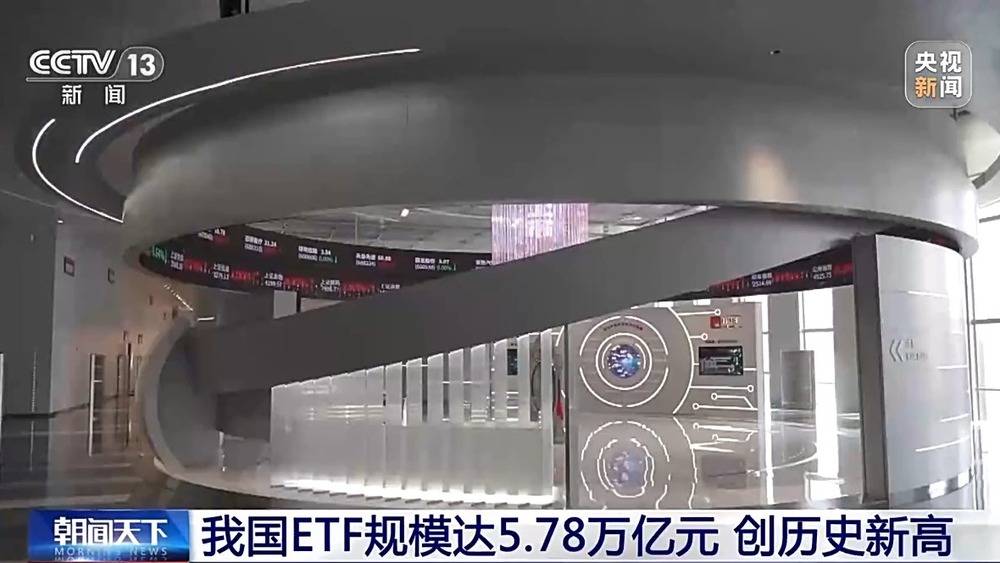
Core Insights - The Chinese public fund market is experiencing a historic breakthrough in 2025, with ETF assets reaching 5.78 trillion yuan and FOF issuance exceeding 80 billion yuan, both setting new records [1][2]. ETF Market Overview - As of December 19, the total ETF market size reached 5.78 trillion yuan, marking an increase of over 2 trillion yuan within the year, representing a growth rate of more than 53% [2]. - The ETF market saw rapid growth, with the size jumping from 4 trillion yuan to 5 trillion yuan in just four months, while it took 14 years to grow from 0 to 1 trillion yuan [2]. - The launch of 24 Sci-Tech Innovation Bond ETFs has contributed to the market's growth, with their total size reaching 257.66 billion yuan, a 269% increase from the previous issuance size of 69.77 billion yuan [2]. FOF Market Overview - The FOF sector also experienced a significant surge, with 79 new FOF funds established by December 17, raising a total of 80.35 billion yuan, surpassing the total issuance of the previous three years [4]. - The average size of individual FOF products reached 1.05 billion yuan, more than three times that of 2024 [4]. Reasons for Growth - The growth of ETFs and FOFs is attributed to the volatile A-share market, which has increased investment difficulty due to stock differentiation and accelerated sector rotation [6]. - ETFs provide individual investors with a way to cover specific sectors easily, addressing challenges in stock selection and research costs [8]. - Policy support, including the establishment of a fast-track approval process for ETFs and encouragement for long-term funds to enter the market, has also played a crucial role [8]. Investment Trends - The deepening of the personal pension system has created unprecedented opportunities for pension-targeted FOFs, which are among the first investment options [10]. - There is a growing consensus among investors to entrust professional management, leading to a shift in wealth towards capital markets [10]. - Institutional investors, including insurance and bank wealth management, are increasingly favoring standardized products like ETFs and FOFs due to their low volatility and high adaptability [10]. Implications for the Market - The record growth of ETFs and FOFs signifies a deeper transformation in the capital market, moving from a "trading-oriented" to a "allocation-oriented" model, which is essential for long-term value investment [17]. - The development of these products is expected to attract long-term capital into hard technology sectors, supporting innovation and industrial upgrades [11][13]. - The increasing participation of long-term institutional funds through ETFs and FOFs is likely to reduce market volatility and contribute to a more mature and rational market environment [13][15].
首设多个定量监管监测指标 险资“长钱长投”理念有望深化
Shang Hai Zheng Quan Bao· 2025-12-22 18:23
专家认为,为达成长期收益目标,险资资产配置可能更倾向高股息股票、长周期基础设施股权等能提供 稳定现金流的资产 其中,对收益监管指标和监测指标的计算均有期限要求,意在引导险资"长钱长投"。例如:在监管指标 方面,计算人身险公司净投资收益覆盖率,以过去三年的净投资收益和负债保证成本为基础;在监测指 标方面,部分利差指标计算也要求以过去三年的数据为基础。 国泰海通证券发布研究报告认为:在长周期考核导向下,《征求意见稿》优化指标计算口径,如对成本 收益指标评价周期拉长到3至5年,利好引导保险公司长期稳健经营;预计经营导向契合严监管强化资负 匹配管理要求的头部险企更为受益。 对外经济贸易大学创新与风险管理研究中心副主任龙格对上海证券报记者表示,为满足收益考核要求, 险企可能在严格风控下适度增配权益类和另类资产,这对资产负债管理能力较弱的公司构成挑战。 ◎记者 何奎 "我们正抓紧研究意见稿的具体细则,其中一些定量监管、监测指标对未来投资影响较大。"12月22日, 一家中小险企相关负责人对上海证券报记者表示。 上述相关负责人所说的"意见稿",正是金融监管总局12月19日起公开征求意见的《保险公司资产负债管 理办法(征求意见 ...