银发经济

Search documents
旺盛需求催生超万亿级“银发经济”大市场 智慧赋能让“享老”更有温度
Yang Shi Wang· 2025-11-16 06:03
Core Viewpoint - The article highlights the increasing elderly population in China, exceeding 300 million, and emphasizes the need for improved elderly care services and community-based solutions to enhance the quality of life for seniors [1][4]. Group 1: Elderly Population and Community Services - Over 1,072 seniors aged 60 and above reside in the Kuihua Community, accounting for more than one-third of the total population [2]. - The Kuihua Community previously lacked dedicated spaces for elderly activities, prompting the establishment of a multi-functional center to provide various services [2]. - The new center, set to open in June 2024, will feature over 1,200 square meters for children's activities and more than 800 square meters for seniors, including a community canteen and wellness rooms [2]. Group 2: National Developments in Elderly Care - In the past five years, over 70,000 new elderly care facilities have been established nationwide, along with 86,000 senior meal assistance points serving over 3 million elderly individuals daily [4]. - Approximately 50 million elderly people are receiving various types of pension subsidies, reflecting the government's commitment to enhancing elderly care services [4]. Group 3: Technological Advancements in Elderly Care - The Kuihua Community has introduced advanced health care technologies, including exoskeleton robots and smart canes, to improve elderly care services [5]. - The integration of flexible wearable devices and big data health monitoring is becoming increasingly prevalent in elderly care [5]. Group 4: Economic Opportunities in Elderly Care - The growing demand for elderly services has created a market exceeding one trillion yuan, referred to as the "silver economy" [6]. - The "14th Five-Year Plan" encourages the development of elderly human resources and the expansion of the silver economy, attracting more professionals to the sector [6].


6000万人次、43.7%,旺盛!“数”里行间解码提质扩容稳就业“成色”↓
Yang Shi Wang· 2025-11-16 03:49
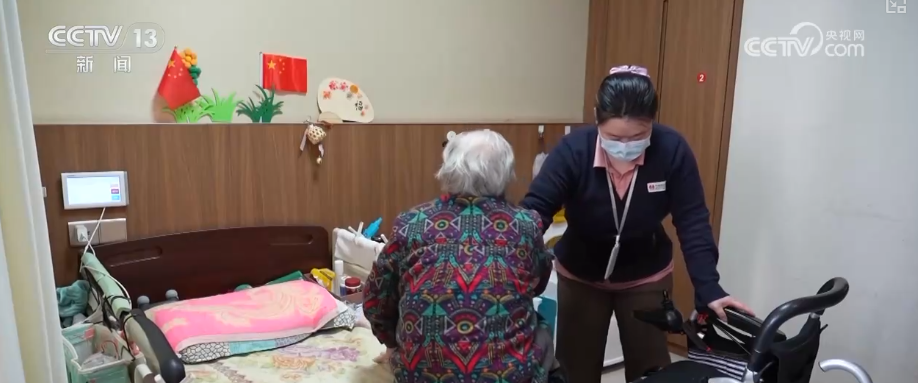
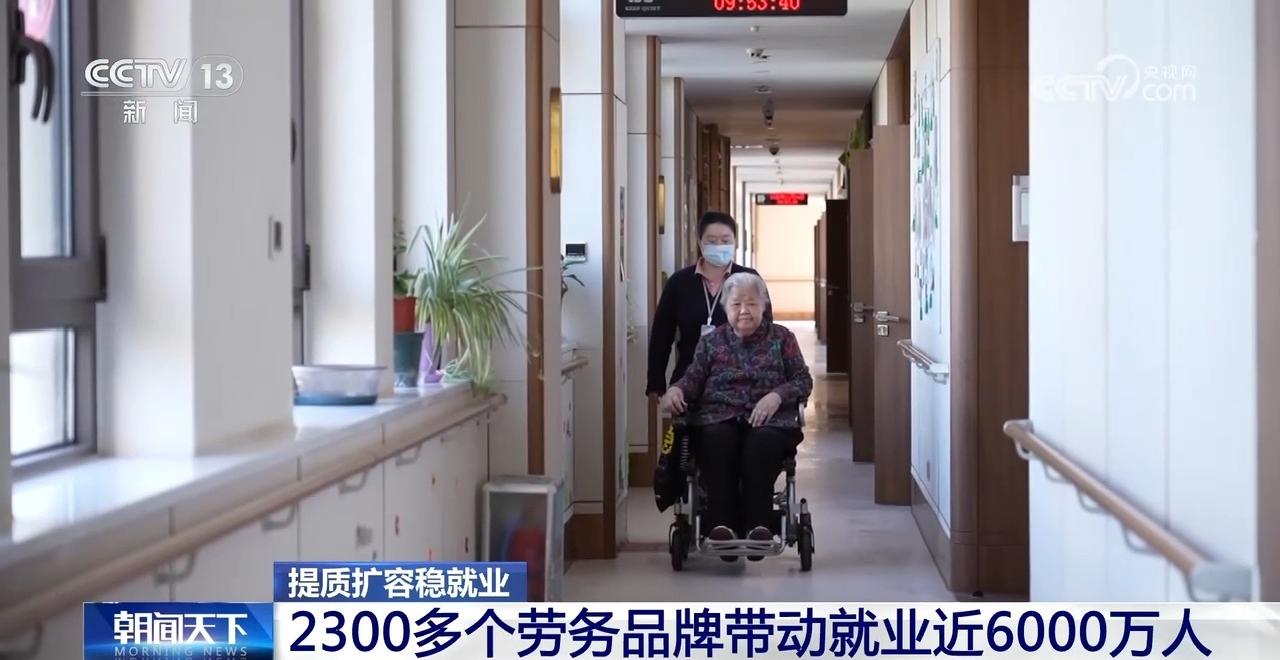
Core Insights - The government has been expanding employment channels for migrant workers since 2025, enhancing their job skills through order-based training programs [1][3] - Over 2,300 labor brands have been established nationwide, creating nearly 60 million job opportunities [5][12] - The focus is shifting from spontaneous labor brands to organized, refined, and integrated industrial models [3][5] Employment Trends - During the "14th Five-Year Plan" period, over 31 million migrant workers have received subsidized vocational training [7] - Various industries, including construction, maintenance, home services, catering, logistics, and new occupations, are actively providing vocational training to enhance employment capabilities [7][8] - The integration of primary, secondary, and tertiary industries has led to the development of rural specialty industries, allowing many to find job opportunities closer to home [8] Local Initiatives - In Wanyuan City, 71 specialty workshops cover 31 towns, focusing on industries like new energy and tea processing, with 20 more workshops planned [12][13] - Local policies have provided 12.68 million yuan in support funds to encourage businesses to hire more workers [12] - Approximately 96,000 rural laborers in Wanyuan face employment challenges due to family responsibilities, prompting the establishment of processing workshops for local agricultural products [13][15] Service Industry Growth - The service industry is a crucial channel for absorbing rural labor, with increasing demand for jobs in sectors like elderly care and home services [15][20] - Job openings in the elderly care and nursing sectors have seen a year-on-year growth of 29.2%, with specific roles like caregivers and rehabilitation therapists experiencing significant demand increases [20] - The pet services sector has also shown remarkable growth, with job openings increasing by 43.7%, particularly for pet doctors and groomers [22]
学术智慧助力养老 产学研用创新平台在京启动
Zhong Guo Xin Wen Wang· 2025-11-16 01:41
Core Insights - The academic conference organized by the Chinese Society of Gerontology and Geriatrics focused on aging policies, technological innovation, industry integration, and service practices to support high-quality development during the 14th Five-Year Plan period [1] - The conference aimed to gather insights from over 500 experts and industry professionals to promote collaborative innovation and resource sharing in addressing the challenges of an aging population [1][2] Group 1: Aging Population Statistics and Challenges - By the end of 2024, the elderly population aged 60 and above in China is projected to reach 310 million, accounting for 22.0% of the total population, while those aged 65 and above will reach 220 million, making up 15.6% [2] - The aging population is expected to increase by nearly 14 million annually during the 14th Five-Year Plan period, exacerbating challenges due to the dual pressures of an aging and declining birth rate [2] Group 2: Policy and Strategic Development - The Ministry of Civil Affairs outlined two strategic tasks for the development of the elderly care service system: to establish a suitable system by 2035 and ensure that all elderly individuals have access to basic services [2] - Experts emphasized the need for a localized approach to aging research, advocating for the integration of traditional Chinese values and community support systems in developing effective aging theories [2] Group 3: Silver Economy and Healthcare Innovations - The silver economy is anticipated to evolve, with a shift towards data-driven and intelligent services, moving away from labor-intensive models [3] - A multi-disciplinary approach is recommended to address health challenges faced by the elderly, including the establishment of integrated care teams and the development of smart elderly care products [4][5] Group 4: Integration of Traditional and Modern Medicine - The collaboration between traditional Chinese medicine and Western medicine is seen as crucial for creating a comprehensive elderly health service model [6] - The use of smart health and care robots is highlighted as a key strategy to meet the growing demands of the elderly population for assistance and rehabilitation [6][7]
新银发力量:活力、悦己、得劲——2025快手新银发人群洞察报告
艾瑞咨询· 2025-11-16 00:05
Core Insights - The "new silver-haired population" aged 45 and above has grown from 460 million in 2020 to 660 million in 2023, becoming a significant driver of the consumption market, shifting from basic elder care to a focus on quality of life [1][4] - The report by iResearch and Kuaishou highlights that the consumption needs of this demographic are evolving from basic utility to a pursuit of quality and peace of mind, aligning well with Kuaishou's content and e-commerce ecosystem [1][4] Group 1: Demographic Characteristics - The new silver-haired population is characterized by "vitality, value, and a fulfilling life," breaking traditional stereotypes and creating an economic system that balances family responsibilities with self-actualization [2][4] - Kuaishou identifies four typical user groups within this demographic: Practical, Vitality, Calm, and Zen, each exhibiting unique consumption behaviors and attitudes [2][3] Group 2: Market Size and Growth Potential - The population aged 45 and above has steadily increased, representing 44.7% of the total population, with a market consumption scale exceeding 14 trillion yuan, indicating significant market opportunities [4][6] - The consumption scale of the new silver-haired population is projected to expand towards 20 trillion yuan, driven by policies such as the "Silver Economy 26 Articles" [4][6] Group 3: Consumption Behavior and Preferences - The new silver-haired population shows a strong preference for health and wellness products, with top categories including nutritional supplements, travel experiences, and fashion items [13][14] - Their consumption decisions are increasingly influenced by personal interests and emotional values, moving from survival needs to quality of life enhancements [38][41] Group 4: Kuaishou's Strategic Positioning - Kuaishou's content e-commerce ecosystem is well-suited to meet the values and needs of the new silver-haired population, focusing on health, personal interests, and quality experiences [8][28] - The platform emphasizes a "self-prioritizing" approach, with a significant percentage of users focusing on health and personal development rather than traditional family-centric values [8][34] Group 5: Trends in Consumption - The consumption mindset of the new silver-haired population is shifting from "survival needs" to "quality self-enjoyment," indicating a willingness to invest in personal comfort and experiences [38][41] - There is a growing trend towards a family-oriented consumption model, where decisions often encompass the needs of multiple family members, reflecting a shift towards comprehensive family solutions [41][44]


家门口有了新岗位 国家持续拓宽农民工群体就业渠道
Yang Shi Wang· 2025-11-15 23:29
Group 1 - The government has expanded employment channels for migrant workers, forming over 2,300 labor brands that have created nearly 60 million job opportunities this year [1][3] - The focus is on expanding employment in sectors such as elderly care, childcare, and domestic services, transitioning labor brands from spontaneous to organized and from extensive to refined [3] - Over 31 million migrant workers have received subsidized vocational training during the "14th Five-Year Plan" period [5] Group 2 - Rural specialty industries are thriving, providing new job opportunities for local residents who previously had to leave home for work [6] - In Wanyuan City, approximately 96,000 rural left-behind workers face employment challenges, prompting local initiatives to introduce low-threshold industries that can employ multiple individuals [8] - Wanyuan City has established 71 specialty workshops covering eight major industries, with additional workshops planned, and has issued 12.68 million yuan in support funds to encourage employment [10] Group 3 - The demand for labor in the modern service industry is increasing, particularly in sectors like elderly care and domestic services [11] - In the third quarter, job openings in the elderly care and nursing sectors grew by 29.2%, with specific roles such as caregivers and rehabilitation therapists seeing increases of 36.1% and 25.7% respectively [13] - The pet services industry experienced a significant increase in job openings, with growth rates of 43.7% for positions like pet doctors and groomers, while the automotive service sector also saw substantial demand growth [15]
“百元一日聚” 走俏 林玮:“高性价比+强社交”属性撬动银发经济
Sou Hu Cai Jing· 2025-11-15 06:43
潮新闻客户端 编辑 金卓帆 人均花上100多元,和朋友从早到晚"泡"在一起:吃两顿大餐,唱歌、打牌、拍照打卡全包。这样高性价比的聚会,你心动吗? 最近,一种名为"百元一日聚"的消费新业态在上海悄然走红,并逐渐向江浙辐射。令人意想不到的是,催生这种新业态的,不是都市白领,不是Z世代,而 是一群活力老人。 "百元一日聚"为何如此受欢迎,它衍生出哪些新玩法,未来前景如何? 馨乐汇光启城店大厅就餐场景。受访者供图 ...

从老人鞋到有机食品 足力健加盟转型藏隐忧
Zhong Guo Jing Ying Bao· 2025-11-14 12:36
Core Insights - The company is attempting to revive its growth story by expanding into the organic food sector through a franchise model, transitioning from direct sales to a combination of direct and joint operations [1][2] - The expansion into organic food is seen as a self-rescue measure to recover funds and repay debts, as the company is currently facing significant financial challenges [1][3] - Industry experts highlight that while the organic food market aligns with current trends, the company's success will heavily depend on its operational capabilities, which may not easily transfer from its existing business [1][2] Business Strategy - The organic food business has opened approximately 60 stores within five months and has attracted over 90,000 members, primarily through low pricing strategies and a membership system [2] - The company aims to address the health food needs of the elderly demographic, maintaining a strategic focus on this target group [2][3] - The shift to a franchise model is intended to alleviate debt pressure and operational challenges, allowing the company to focus on product development and brand management [4][5] Financial Situation - The company has faced a significant decline in its main business, with 70%-80% of its annual revenue being used to service debts, amounting to approximately 700 million yuan due by the end of 2024 [3][4] - The franchise model allows the company to quickly recover funds through franchise fees and consumer prepayments, while minimizing the financial burden on franchisees [5][6] Market Challenges - The organic food sector presents inherent challenges, including the need for stringent supply chain management and quality control, which differ significantly from the company's core business [3][7] - The company is currently reliant on contract manufacturers for its organic food products, which raises concerns about quality management as it expands rapidly [7][8] - Increased competition from established players in the organic food market may pose additional challenges for the company [7][8] Recommendations - Experts suggest that the company should focus on solidifying its core business in elderly footwear, which still has substantial growth potential due to the aging population [8][9] - There is a call for the company to enhance its franchise management and product quality to ensure sustainable growth and profitability [9]
详解10月经济数据:工业增速高位放缓,服务消费成为重要增长点
第一财经· 2025-11-14 12:30
Core Viewpoint - The macroeconomic indicators in October showed fluctuations due to last year's high base and increased external uncertainties, with industrial production growth slowing down and fixed asset investment declining [3][5]. Industrial Growth - In October, the industrial added value above designated size grew by 4.9% year-on-year, a decrease of 1.6 percentage points from September. The cumulative growth from January to October was 6.1% [5][6]. - Among 41 major industries, 29 maintained growth, accounting for 70.7%. Additionally, 50.2% of 623 major products saw production increases [5][6]. - The industrial production is supported by proactive macro policies, but external complexities and insufficient market demand pose challenges [5][6]. Consumer Spending - The retail sales of consumer goods increased by 4.3% year-on-year from January to October, with service retail sales growing by 5.3% [8][9]. - Policies promoting the replacement of old consumer goods and the growth of digital and service consumption have effectively released consumption potential [8][9]. - Online retail sales rose by 9.6%, with physical goods retail growing by 6.3%, indicating a shift towards digital consumption [8][9]. Investment Trends - Fixed asset investment (excluding rural households) totaled 408914 billion yuan from January to October, down 1.7% year-on-year, with private investment declining by 4.5% [12][13]. - Real estate investment fell by 14.7%, significantly impacting overall investment growth, while manufacturing investment increased by 2.7% [12][13]. - Investment in high-tech sectors, such as aerospace and information services, saw substantial growth, with increases of 19.7% and 32.7% respectively [13]. Future Outlook - The economic outlook suggests continued support for industrial production through new policy tools and local government debt limits, despite ongoing supply-demand imbalances [6][9]. - The need for a consumption-oriented policy framework is emphasized, focusing on income distribution reforms and enhancing residents' consumption capacity [10].

连续8年赴约进博,佳贝艾特新品与行业《报告》齐发
Chang Sha Wan Bao· 2025-11-14 09:35
Core Insights - The article highlights the continuous innovation and market leadership of the global goat milk brand, Kabrita, under the Australian company Ausnutria, particularly in the infant formula sector [1][3][5] - Kabrita has launched a new product, Kabrita Yingjia High Calcium Probiotic Goat Milk Powder, targeting the health needs of the elderly population, emphasizing its nutritional benefits [3][5][6] Group 1: Product Launch and Market Strategy - Kabrita has introduced the Yingjia High Calcium Probiotic Goat Milk Powder, specifically designed for individuals over 45 years old, focusing on bone and gut health with a formulation of 1500mg high calcium and a combination of four probiotics [3][5] - The product aims to support muscle growth and efficient nutrient absorption, featuring special probiotics CP-9 and BL-99 for gut health, and is made from Dutch imported goat milk [3][5] - The launch is part of Ausnutria's strategy to enhance its "whole family nutrition" approach and solidify Kabrita's position as the global leader in goat milk products [3][6] Group 2: Industry Trends and Insights - The infant formula industry is undergoing a transformation driven by consumer upgrades, with a focus on high-end and functional products, where goat milk powder is gaining traction due to its absorption and low sensitivity advantages [5][6] - A joint report titled "Feeding Trends to Know: 2026 Infant Formula Feeding Trends Report" was released by Kabrita, Xiaohongshu, JD.com, and Kantar, providing insights into consumer trends and growth opportunities in the infant formula market [3][5] - The report indicates that Kabrita maintains a leading position in the goat milk powder market, with over 2 million positive consumer reviews on JD.com, reinforcing its reputation for quality and effectiveness [5][6]

重仓股10天赚140%,高手如何做到的?看好这个10万亿赛道!
Mei Ri Jing Ji Xin Wen· 2025-11-14 08:37
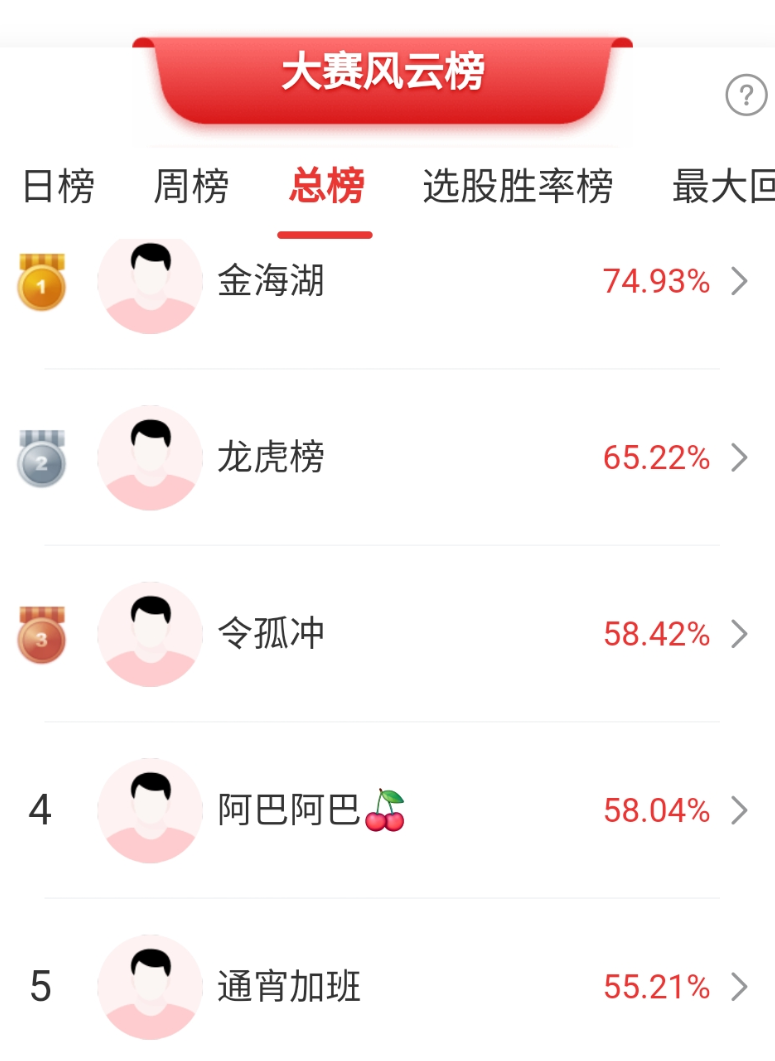
Group 1 - The A-share market showed a strong rebound on November 14, but experienced a rapid pullback after 2 PM, with most sectors declining, while flu drugs and sectors from Fujian and Hainan led the gains [1][5] - The 77th session of the "Digging Gold" competition concluded with impressive performances, where the champion achieved a return of 74.93%, the runner-up 65.22%, and the third place 58.42%. A total of 854 participants made a profit and will receive cash rewards [1][3][6] Group 2 - The 78th session of the competition will start registration on November 15, with a simulated trading capital of 500,000 yuan. The competition runs from November 17 to November 28, and participants can earn cash rewards for positive returns [3][9] - Participants in the competition will receive a six-day free access to the "Fire Line Quick Review," which includes the latest market events, investment logic, and company analysis [4][10] Group 3 - The stock "Haike New Source" saw significant gains, with a participant buying at 31.45 yuan and selling at 75.70 yuan, achieving a profit of 140% in ten trading days [6] - The lithium battery sector is highlighted, with the main prices of VC and FEC rebounding significantly from their year-low points, indicating strong market demand [8] Group 4 - The commercial aerospace market in China is projected to grow from approximately 0.38 trillion yuan in 2015 to 2.3 trillion yuan by 2024, with a compound annual growth rate of about 22%. By 2030, the market size could approach 10 trillion yuan [9] - The LNG price reached 4,206 yuan per ton on November 13, reflecting a 13.25% increase over the past 30 days, coinciding with the heating season in northern China [8]