能源转型

Search documents
“规划与发展:可持续发展的启示与经验”交流会在巴西里约举办
Zhong Guo Xin Wen Wang· 2025-11-20 02:45
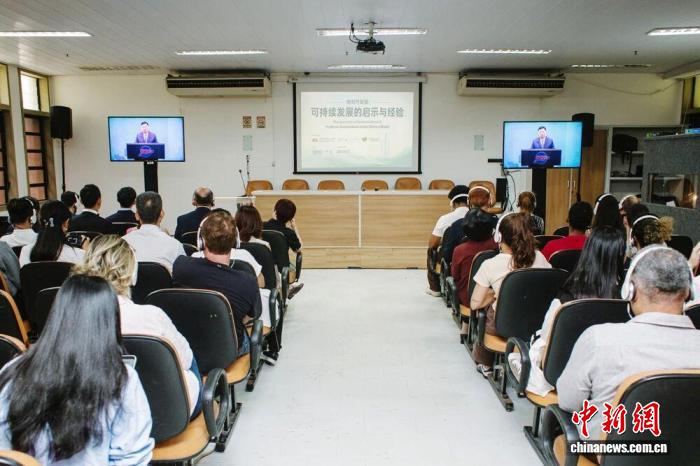
中国外文局美洲传播中心(北京周报社)主任辛峰、巴西弗鲁米嫩塞联邦大学副校长法比奥·帕索斯(Fábio Barboza Passos)、中国驻里约热内卢总领事田敏和巴西国际旅游推广局国际市场协调员安德烈·内托 (Andre Netto)发表致辞。 辛峰在视频致辞中表示,中国和巴西分别是东西半球最大的发展中国家,同为金砖创始成员国和"全球 南方"大国,在维护多边主义、改革完善全球治理体系方面有着相同或相似的立场主张。中国和巴西在 参与应对气候变化全球治理和推动可持续发展方面都作出了许多积极努力和重要贡献。 法比奥·帕索斯表示,中国和巴西都重视能源转型和可持续发展领域的研究,弗鲁米嫩塞联邦大学也计 划建设一个相关领域的研究中心。中巴高校已经在很多领域开展研究合作,期待进一步拓展合作领域。 会议现场。中国外文局美洲传播中心供图 "规划与发展:可持续发展的启示与经验"交流会在巴西里约举办 中新网圣保罗11月20日电 (记者 林春茵)当地时间11月18日,"规划与发展:可持续发展的启示与经验"交 流会在巴西里约热内卢州举行。 交流会由中国外文局美洲传播中心(北京周报社)、巴西国际旅游推广局(Embratur)和巴西弗鲁米 ...

他是谁?一位隐居海外的中国交易员,靠一笔黄金交易净赚15亿美元!
Sou Hu Cai Jing· 2025-11-20 02:14
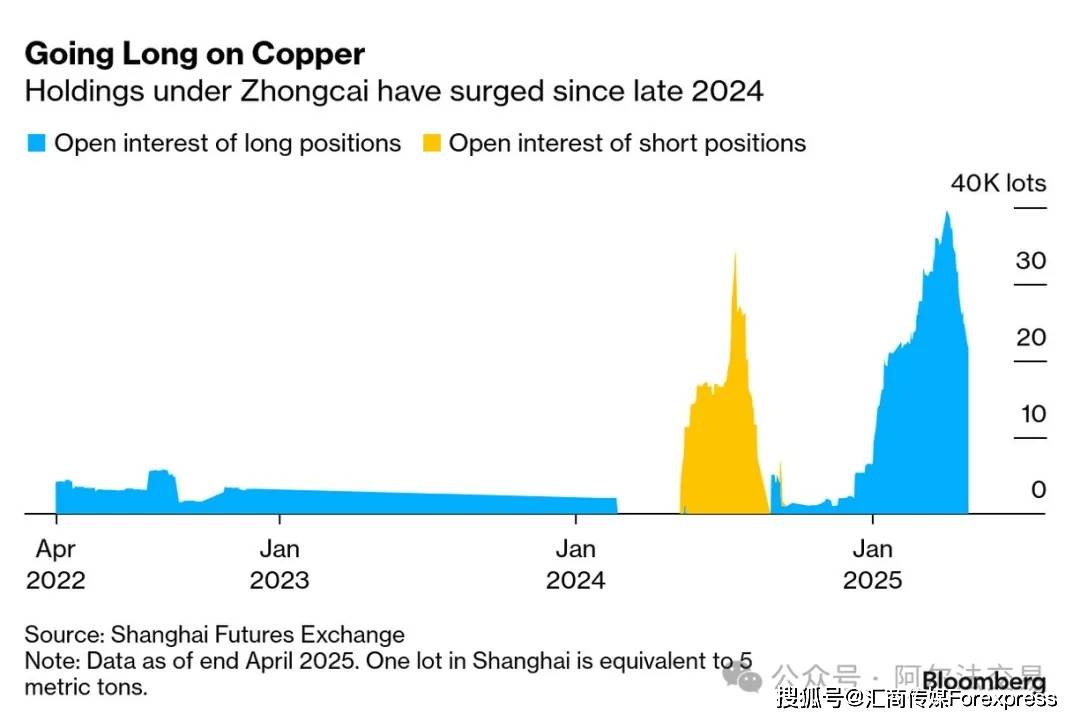
Core Insights - A little-known billionaire trader, Bian Ximing, has made significant profits in China's futures market, earning $1.5 billion from gold and nearly $1 billion from copper investments [1][4][5] Group 1: Background of Bian Ximing - Bian Ximing, 61, hails from Zhejiang and initially made his fortune in the plastic pipe industry before expanding into various sectors including chemicals, real estate, and finance [4] - He acquired Zhongcai Futures in 2003, marking his entry into professional trading [4] - Bian is known for his low profile, having relocated to Gibraltar over a decade ago, and manages his domestic team primarily through video conferencing [4][9] Group 2: Investment Strategy and Performance - In mid-2022, Bian anticipated a trend of de-dollarization and rising inflation risks, leading him to invest heavily in Chinese gold futures [5] - His investments in gold paid off significantly, with estimates suggesting a net gain of $1.5 billion during a record price surge in 2023-2024 [5][7] - After profiting from gold, he shifted his focus to copper, betting on China's economic resilience and the increasing demand for copper due to high-tech upgrades and energy transitions [5][7] Group 3: Current Market Position - By mid-May 2023, Bian had accumulated a copper long position of nearly 90,000 tons, making him the largest copper bull in the Shanghai Futures Exchange, with a total position size close to $1 billion [7] - His investment approach is characterized as a rare and logically strong long-term position, contrasting with many investors who are reducing risk exposure amid global uncertainties [7][9] Group 4: Investment Philosophy - Bian's trading style emphasizes long-term commitment, macroeconomic research, and industry cycles, resembling the strategies of Western hedge fund managers rather than typical speculative practices [7][9] - He occasionally shares investment insights online, which resonate with followers, reflecting a philosophical approach to investing [9] Group 5: Market Influence - Despite his recent successes, Bian has faced losses in stock and local bond investments, indicating a nuanced understanding of market risks [9] - His extensive cross-industry experience and deep macroeconomic understanding contribute to his trading decisions, positioning him as a significant figure in the increasingly complex global commodity market [9]
双融日报-20251120
Huaxin Securities· 2025-11-20 01:38
2025 年 11 月 20 日 双融日报 市场情绪:37 分(较冷) 最近一年大盘走势 -15 -10 -5 0 5 10 15 20 25 (%) 沪深300 资料来源:Wind,华鑫证券研究 相关研究 | 1、《双融日报》2025-11-19 | | --- | | 2、《双融日报》2025-11-18 | | 3、《双融日报》2025-11-17 | ▌ 华鑫市场情绪温度指标:(较冷) 华鑫市场情绪温度指标显示,昨日市场情绪综合评分为 37 分,市场情绪处于"较冷"。历史市场情绪趋势变化可参 考图表 1 ▌ 热点主题追踪 今日热点主题:有色金属、电力设备、银行 1、有色金属主题:美元降息提振需求预期,AI 数据中心拉 动边际增量。铜:金融属性叠加矿端紧张、冶炼厂减产,传 统需求韧性+AI 拉动,价格中枢上移。铝:国内产能见顶、 海外增量有限,十五五开局紧平衡强化。相关标的:紫金矿 业(601899)、中国铝业(601600) 2、电力设备主题:在全球能源转型与数字化转型的交汇点, 人工智能正加速渗透电力行业。国际能源署(IEA)预测,到 2030 年,全球数据中心的耗电量将翻一番。作为世界电力大 国, ...
上合组织天津峰会丨上海合作组织成员国元首理事会关于能源可持续发展的声明
Xin Hua She· 2025-11-20 01:26
Core Points - The Shanghai Cooperation Organization (SCO) member states emphasize the need to maintain energy security and market stability while promoting fair energy transformation according to national conditions [2][3] - The declaration reaffirms commitment to the United Nations 2030 Sustainable Development Agenda Goal 7, ensuring access to affordable, reliable, and sustainable modern energy for all [2] - The member states call for expanded cooperation in practical collaboration, technological innovation, and capacity building to achieve sustainable energy development [3] Group 1 - The global energy landscape is undergoing profound adjustments, necessitating a focus on energy security and ecological protection [2] - Member states aim to implement joint projects in the energy sector, including the construction of new energy infrastructure and upgrading existing facilities [3] - There is a call for investment cooperation based on the priority development directions of each member state [3] Group 2 - The cooperation will include exploration, development, utilization, and maintenance of energy resources, as well as trade, project investment, construction, and operation [3] - The member states emphasize the importance of developing and utilizing advanced energy technologies and fostering research collaboration among SCO member research institutions [3] - There is a focus on strengthening professional talent training and creating favorable conditions for sharing experiences, knowledge, and technological achievements in the energy sector [3]
锂电池产业链掀起涨停潮,天华新能月内股价上涨超88%,资金在看好什么?
Hua Xia Shi Bao· 2025-11-20 00:31
Core Viewpoint - The surge in stock prices of Tianhua New Energy is driven by the booming demand for energy storage and the rebound in lithium carbonate prices, despite a significant decline in the company's revenue and net profit projections for 2023 and 2024 [1][6]. Company Performance - Tianhua New Energy's stock price reached 57.44 CNY per share as of November 19, with an increase of over 88% in November and over 155% year-to-date, positioning it among the top performers in the sector [1][2]. - The company's revenue and net profit are projected to decline significantly, with revenues expected to drop from 170.30 billion CNY in 2022 to 66.08 billion CNY in 2024, representing a year-on-year decrease of 38.54% and 36.87% respectively [6]. - The net profit is also forecasted to decline sharply, from 65.86 billion CNY in 2022 to 8.48 billion CNY in 2024, indicating a year-on-year decrease of 74.81% and 48.91% [6]. Market Context - The lithium battery industry is experiencing a collective rise in stock prices, with other companies like Zhongyi Technology and Rongbai Technology also seeing significant gains, attributed to the increasing demand for energy storage solutions [1][5]. - The market is currently viewed as being in a phase of price correction rather than a complete cycle reversal, as the industry is still adjusting from previous rapid capacity expansions [5]. Strategic Moves - Tianhua New Energy plans to acquire 75% of Suzhou Tianhua Times for 12.54 billion CNY, aiming to enhance its investment and development in overseas lithium resources and mitigate potential competition risks [6][7]. - The acquisition is expected to support the company's long-term development strategy without significantly impacting its financial performance in the near term [7].

中国积极践行多边主义、推动气候变化南南合作——为全球气候治理注入更多稳定性和确定性
Ren Min Ri Bao· 2025-11-20 00:03
Core Points - The COP30 conference in Brazil highlights China's commitment to green and low-carbon development, showcasing various sustainable products and technologies [1][2] - China has submitted its 2035 Nationally Determined Contribution (NDC) targets, which include ambitious goals for reducing greenhouse gas emissions and expanding renewable energy capacity [1][2] - International representatives emphasize the importance of China's role in global climate governance and the need for collaboration with China to achieve climate goals [2][6] Group 1: China's Contributions to Climate Action - China has introduced a historic NDC that includes absolute reduction targets for greenhouse gas emissions across all economic sectors [1][2] - The country aims to increase its wind and solar power capacity to over six times the 2020 levels by 2035, targeting 3.6 billion kilowatts [1] - China's carbon market is developing steadily, with both mandatory and voluntary markets, providing valuable lessons for other nations [3] Group 2: International Cooperation and Support - China is actively involved in South-South cooperation, launching flagship projects like the "Clean Stove" initiative to assist developing countries in reducing carbon emissions [4][5] - The country provides technological support and renewable energy solutions to nations like Brazil and Antigua and Barbuda, enhancing local economies and promoting sustainable practices [5][6] - Various international leaders stress the necessity of multilateralism and collaboration with China to effectively address climate change challenges [6][7] Group 3: Technological Innovation and Economic Impact - China's technological innovations have significantly lowered the costs of clean energy technologies, facilitating the energy transition [2] - The promotion of distributed solar products in developing countries is creating economic opportunities and improving living standards [5] - China's commitment to green infrastructure and climate resilience is recognized as a vital contribution to global efforts against climate change [7]
全球大储争霸战|深度
24潮· 2025-11-19 23:05
Core Viewpoint - The energy transition is a gradual process that requires balancing reliability and economic viability, with current storage solutions being insufficient for renewable energy sources like solar and wind [2][3]. Group 1: Energy Transition and Storage Challenges - The transition to renewable energy is accelerating globally, with installed capacity for solar and wind energy increasing from 115.2 GW in 2015 to approximately 670 GW in 2024, reflecting a compound annual growth rate of over 19.0% [3]. - The intermittent nature of renewable energy sources poses significant challenges for energy consumption, particularly in regions where grid infrastructure cannot keep pace with renewable deployment [4][5]. - Storage solutions, especially large-scale storage, are seen as critical to overcoming these challenges and ensuring reliable energy supply [4][5]. Group 2: Market Trends and Growth Potential - In Europe, renewable energy generation is projected to account for 47.4% of total electricity generation by 2024, driven by rapid growth in solar and wind energy [5]. - The European market for large-scale storage is expected to grow significantly, with projections indicating a need for total storage capacity to increase from approximately 50 GWh to between 500 GWh and 780 GWh by 2030 [6]. - The U.S. storage market is also experiencing robust growth, with an expected addition of 12.3 GW/37.1 GWh in 2024, representing year-on-year growth of 32.8% in power and 34% in capacity [8]. Group 3: Policy Support and Investment - Governments worldwide are implementing policies to support the development of storage solutions, such as the U.S. Inflation Reduction Act, which allocates $369 billion for energy production investments [17]. - In India, the government is promoting storage market growth through subsidies and procurement obligations, aiming to increase the share of renewable energy in total electricity consumption [18][19]. - China's energy storage market is also expanding rapidly, with significant bidding activity for storage projects, indicating a strong demand for large-scale storage solutions [9][13]. Group 4: Technological Advancements and Competitive Landscape - The competition among battery manufacturers is intensifying, with a focus on developing high-capacity cells that enhance safety, longevity, and cost-effectiveness [38]. - The introduction of larger storage systems, such as those exceeding 5 MWh, is becoming more common, with numerous companies launching new products to meet market demand [44]. - The market is witnessing a shift towards larger capacity batteries, with companies like CATL and BYD leading the charge in developing next-generation storage solutions [39][43].



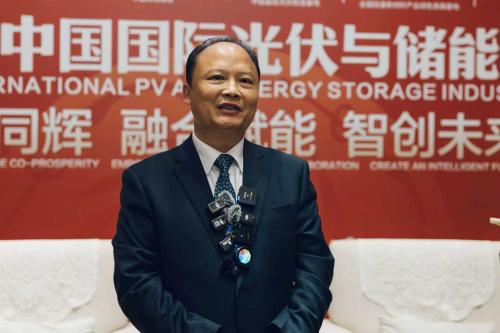
"储能电芯很缺""光伏链主企业还有五倍、十倍以上成长空间""2025第八届中国国际光伏与储能产业大会"传递出这些行业信息
Mei Ri Jing Ji Xin Wen· 2025-11-19 10:59
Core Insights - The term "anti-involution" has become a prominent topic in the photovoltaic industry this year, highlighting the issue of excessive competition leading to price declines across various segments of the solar product supply chain [1][3] - The energy storage sector appears to be recovering faster than the photovoltaic industry, with a notable increase in demand for energy storage cells, despite some caution from industry participants regarding market conditions [1][2] Industry Overview - The photovoltaic industry is currently experiencing an oversupply situation, with significant price drops across the supply chain. For instance, prices for polysilicon, silicon wafers, batteries, and modules have decreased by approximately 10%, 20%, 15%, and 2% respectively since the beginning of the year [2] - Major companies in the photovoltaic sector are still facing operational pressures, with many reporting losses. However, recent quarterly reports indicate some recovery, with leading firms like Tongwei and Longi Green Energy showing reduced losses [2] Competitive Landscape - Companies are focusing on cost reduction and efficiency improvements while also pushing for innovation in response to the competitive pressures of "involution." The shift towards larger 210mm silicon wafers is seen as a way to enhance energy conversion efficiency [2] - The industry is urged to adopt a "big picture" mindset, balancing individual competitiveness with the overall health of the industry ecosystem to avoid detrimental competition [3][5] Technological Developments - New technologies in solar cells, such as perovskite and various combinations of existing technologies, are being explored, although stability and maturity remain concerns [6] - The energy storage market is witnessing a surge in demand, particularly for lithium iron phosphate batteries, driven by the declining costs of photovoltaic products and the economic viability of energy storage solutions [7][8] Market Dynamics - The energy storage sector is projected to grow significantly, with new installations expected to reach 73.76 million kilowatts by the end of 2024, accounting for over 40% of global installations and an annual growth rate exceeding 130% since the 14th Five-Year Plan [8] - The need for innovative business models and fair profit-sharing mechanisms among various stakeholders in the energy sector is emphasized to ensure sustainable growth and collaboration [9][10] Future Outlook - The photovoltaic industry is expected to achieve high-quality collaborative development over the next five to ten years, provided that anti-involution measures are effectively implemented [3][5] - The integration of energy storage with renewable energy sources is anticipated to create a more efficient and economically viable energy system, particularly in regions with high renewable energy generation [11]
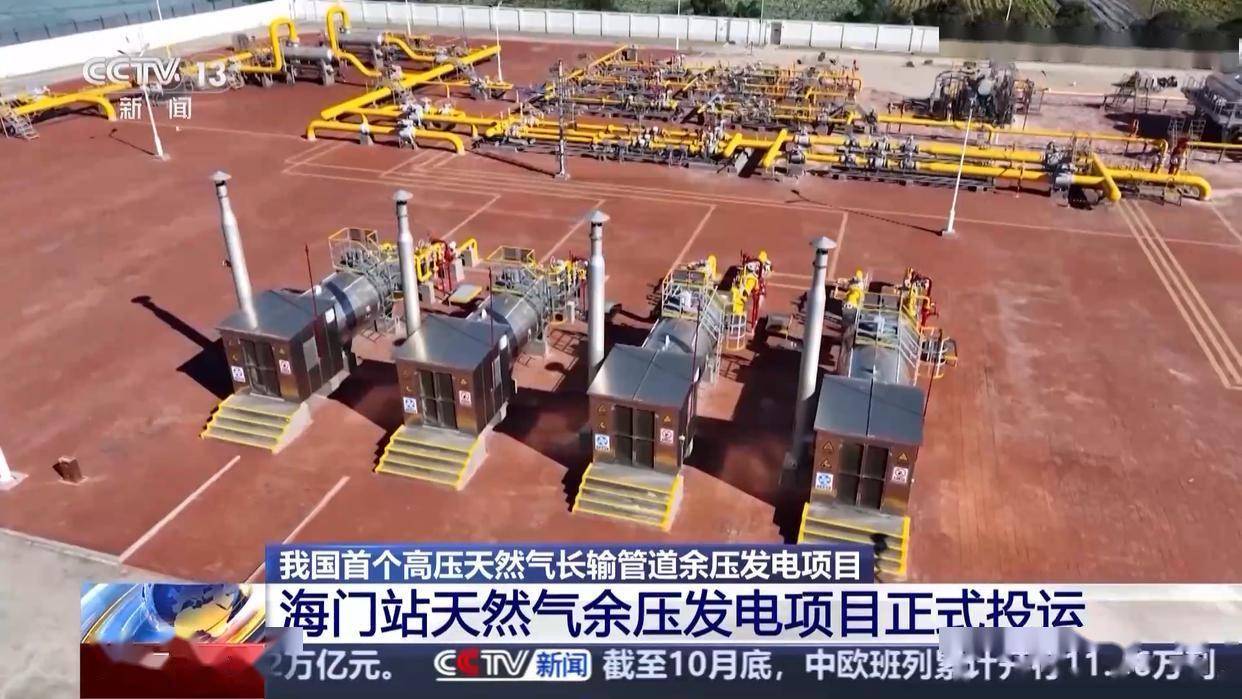
突发特讯!中国首个高压天然气长输管道余压发电项目正式投运,引发高度关注
Sou Hu Cai Jing· 2025-11-19 09:35
Core Insights - The launch of the gas pressure recovery power generation project at Haimen Station in Jiangsu marks a significant advancement in China's energy sector, utilizing a self-developed "pressure recovery system" to generate 3 million kilowatt-hours of clean electricity annually, equivalent to removing 2,000 tons of CO2 from the atmosphere [1] Group 1: Energy Waste and Technological Innovation - Natural gas long-distance pipeline pressure regulating stations have historically been areas of energy waste, with energy losses from pressure regulation equivalent to the output of a medium-sized thermal power plant annually [4] - The project employs innovative technologies such as 3D printing for turbine manufacturing and adjustable flow guidance to enhance efficiency and extend equipment lifespan from an industry average of 5 years to 15 years [4][6] Group 2: Domestic Technology and Energy Security - The power generation unit at Haimen Station is fully domestically produced, achieving 92% efficiency at a pressure of 10 MPa and a flow rate of 3,000 cubic meters per second, challenging international norms [6] - The dual insurance model of the project allows for seamless operation between the pressure recovery system and traditional pressure regulating devices, significantly enhancing the resilience of China's natural gas supply [8] Group 3: Global Implications and Market Dynamics - If the entire national pipeline pressure resource of 42,000 kilowatts is developed, it could generate 3.5 billion kilowatt-hours of electricity annually, replacing 1.2 million tons of standard coal and reducing CO2 emissions by 9 million tons [8] - The project exemplifies China's potential to export its energy technology solutions along the Belt and Road Initiative, tapping into over 100,000 kilometers of long-distance pipelines with significant pressure recovery resources [10][11] Conclusion: The Chinese Paradigm of Energy Revolution - The advancements at Haimen Station signify a paradigm shift in energy transition, emphasizing practical solutions to real challenges rather than mere numerical achievements, and showcasing China's commitment to innovation in the global energy landscape [12][14]
皮耶尔·保罗·雷蒙迪:美国的AI是大泡沫?背后的能源竞争才是致命的
Xin Lang Cai Jing· 2025-11-19 08:12
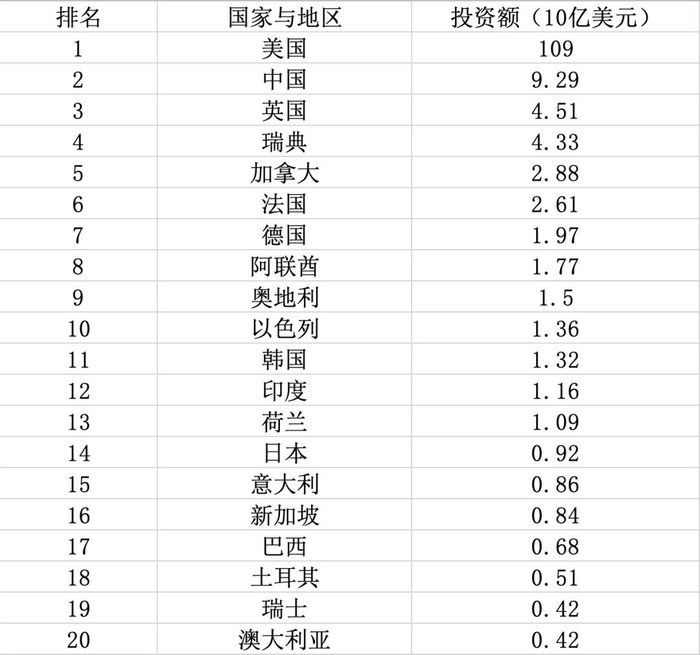
Core Insights - The current AI boom is described as the "ultimate bubble" with major losses reported by AI giants like OpenAI, which had a revenue of approximately $4 billion but a loss of $5 billion last year [1] - The demand for electricity due to AI expansion is increasing exponentially, making stable power supply a core strategic support for national AI development, which is reshaping the global energy landscape [1][2] - Oil and gas companies are urged to transition from traditional energy suppliers to "AI energy solution providers" and "AI-driven efficient operators" to adapt to this new reality [1] Investment Trends - Significant investments in data centers are being made globally, with China establishing a $47.5 billion semiconductor fund, India investing $1.25 billion, and Canada allocating $2.4 billion for related projects [2] - The U.S. holds approximately 45% of the global data center capacity, while China accounts for about 25% [2] - Private AI investments in 2024 are projected at $109.1 billion in the U.S., $9.3 billion in China, and $4.5 billion in the UK [2] Geopolitical Dynamics - AI is becoming a new battleground for major powers, with the U.S. implementing restrictions to limit China's access to critical technologies [5] - The EU is focusing on regulatory frameworks, having passed the AI Act and planning significant investments in AI infrastructure [5][6] - Middle Eastern countries like Saudi Arabia and the UAE are positioning themselves as AI hubs, leveraging their financial resources and energy stability [6] Energy Demand and Supply - Data centers' electricity consumption is projected to grow at an annual rate of about 15%, with total consumption expected to reach approximately 945 terawatt-hours by 2030 [10] - The U.S. data centers are expected to consume 180 terawatt-hours in 2024, while China's consumption is projected at 100 terawatt-hours [9] - The energy mix for powering data centers is shifting towards a combination of natural gas and renewable energy sources [12][15] AI Integration in Oil and Gas - AI applications in the oil and gas sector are expected to grow, with the market value projected to reach $5.2 billion by 2029 [25] - Companies like Chevron and ExxonMobil are entering the data center power generation business to meet the rising electricity demand from AI [23] - AI is being integrated into core processes such as exploration and production, with significant improvements in efficiency and cost reduction [27] Challenges and Considerations - The oil and gas industry faces challenges in data quality, governance, and the integration of new technologies with legacy systems [33] - Geopolitical tensions and technology restrictions may lead to fragmentation in the value chain, impacting collaboration and innovation [35] - Companies must adapt their management culture and workforce to fully leverage AI capabilities, ensuring alignment with strategic goals [33]