
自动驾驶

Search documents
CES 2026|李一帆:禾赛的最大对手是“不想用激光雷达的人”
Jin Rong Jie· 2026-01-09 09:41
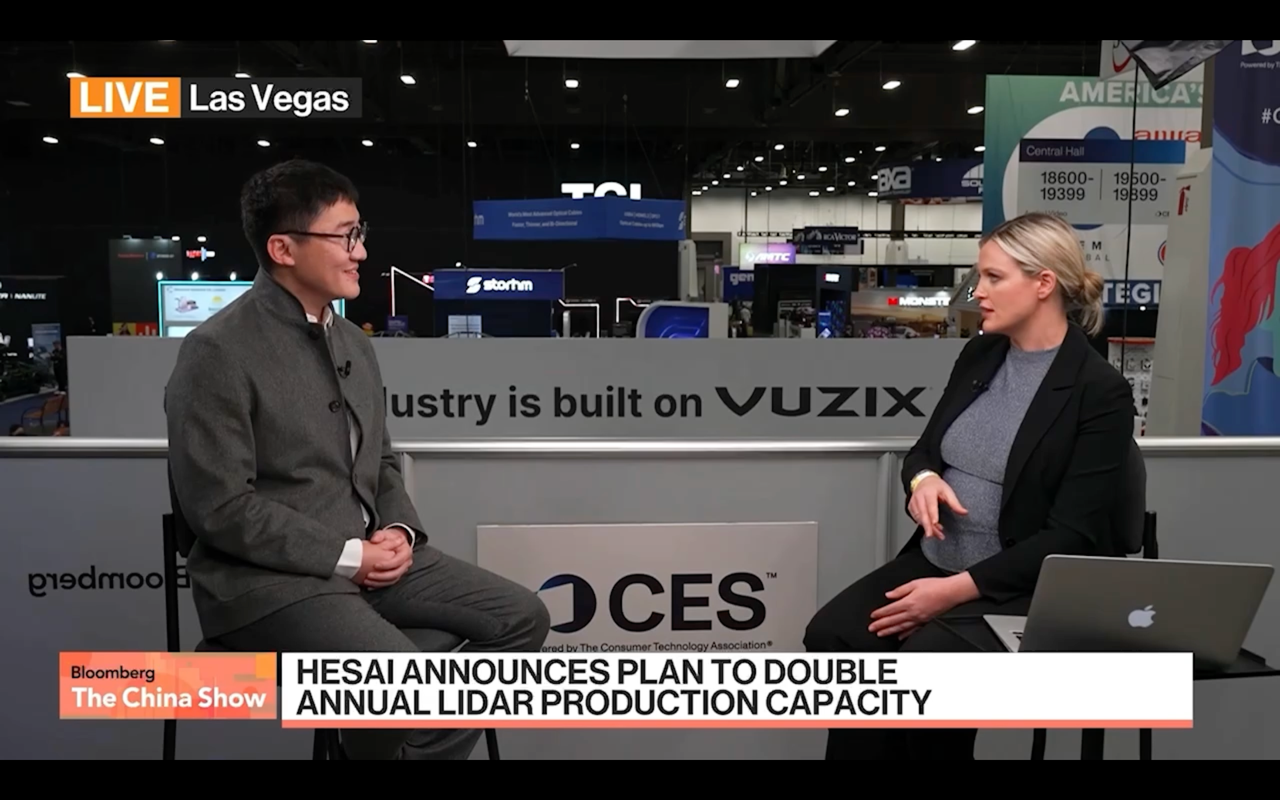
Core Insights - The collaboration between Hesai Technology and NVIDIA on the Hyperion 10 platform is described as a long-anticipated formal announcement, providing OEM customers with a validated, complete, and low-risk autonomous driving solution, significantly reducing integration difficulty and development risk [1][6]. Group 1: Strategic Initiatives - Hesai's "dual supply chain" strategy aims to serve the domestic market in China while establishing a factory in Thailand, expected to be operational by 2027, to meet global OEM demand and ensure compliance with local regulations [1][10]. - The company emphasizes its core strategy of leveraging scale manufacturing, vertical integration, and cost control developed in the competitive Chinese automotive market to empower various industries with standardized products [2][13]. Group 2: Market Opportunities and Competition - The Chinese automotive market is estimated to be between 25 million and 28 million vehicles, while the global market exceeds 80 million, indicating significant potential beyond the Chinese market [8]. - Hesai faces competition not only from peers but also from those who do not utilize lidar technology. The company aims to convince this group by showcasing safety data, indicating that lidar can prevent up to 90% of accidents in critical scenarios [11][12]. - The cost of lidar has dramatically decreased from over $50,000 to below $200, enabling penetration into broader markets, including affordable products like robotic lawnmowers priced around €800 [11][12]. Group 3: Future Directions - Hesai is expanding into humanoid robotics and supporting various applications, including Robotaxi, while maintaining a focus on standardized technology to empower diverse robotic applications [13]. - The company believes that the market size and profitability from emerging robotic applications may eventually surpass that of the automotive business [2][13].


千方科技(002373) - 2026年1月8日投资者关系活动记录表(基于L4自动驾驶的无人物流转型解读)
2026-01-09 09:26
Group 1: Strategic Overview - Qianfang Technology is transitioning from "intelligent transportation expert" to "AI + transportation" leader, focusing on autonomous logistics as a key strategic move [3] - The establishment of Qianshu Technology aims to become a leading provider of autonomous logistics services in China, with a focus on L4 level unmanned heavy trucks [3][4] - The project is set to take three years, utilizing a "test bureau" model for rapid technology iteration in real-world scenarios [3] Group 2: Market Dynamics - The logistics industry is experiencing a historic window for automation, driven by urgent market demand, supportive policies, and technological advancements [3] - The annual freight volume in China exceeds 10 billion tons, with a market size of approximately 4 trillion yuan, highlighting the urgency for automation to address issues like driver shortages and rising costs [3][11] - Recent government policies encourage the application of autonomous driving in logistics, paving the way for commercial operations [3][9] Group 3: Competitive Advantages - Qianshu Technology's success relies on a closed-loop system of "technology + scenario + resources," leveraging deep technical expertise and a robust operational framework [3][5] - The company has a unique advantage with its integrated "road, cargo, and data" ecosystem, facilitating access to testing licenses and operational permits [5][6] - A well-established logistics operation system with over 2 million capacity resources supports the deployment of unmanned fleets, enhancing cost efficiency and operational effectiveness [6][7] Group 4: Financial and Operational Plans - Approximately 956 million yuan from the 2020 non-public stock issuance will be redirected to support key technology development for unmanned logistics [7] - The commercial path includes diverse revenue streams such as transportation service income, high-margin SaaS subscription fees, and hardware sales [7][12] - The goal for 2026 is to achieve approximately 300 million yuan in revenue, with a compound annual growth rate of no less than 150% over the next three years [15] Group 5: Technological Development - The technical approach focuses on single-vehicle intelligence as the foundation, supplemented by vehicle-road collaboration to enhance safety and efficiency [16] - Key challenges include sensor integration and real-time data acquisition for predictive traffic management, with expectations for regular operations by the second half of 2026 [17][18] - The company plans to utilize existing infrastructure for minimal additional investment while developing cloud computing and AI capabilities for logistics operations [20]

华泰证券:首次覆盖文远知行并给予买入评级,目标价52港元/20美元
Ge Long Hui· 2026-01-09 08:16
Core Viewpoint - Huatai Securities initiates coverage on WeRide (WRD.US, 0800.HK) with a "Buy" rating, setting target prices at HKD 52 for Hong Kong shares and USD 20 for U.S. shares, citing the company's leading autonomous driving technology and comprehensive business development model as key strengths [1][2] Group 1: Competitive Advantages - WeRide's core competitive advantages include a globally leading scaled L4 fleet and multi-regional commercialization capabilities [1] - The company has established a full-stack self-developed software platform and automotive-grade hardware system, which solidifies the foundation for L4 scaling [1] - A diversified global ecosystem partnership has been formed, enhancing the ability to scale autonomous driving [1] Group 2: Market Position and Strategy - Huatai Securities believes that China is not merely a follower in the Robotaxi sector, as leading companies in both China and the U.S. share similar technological levels and evolution directions [1] - Chinese companies benefit from a mature vehicle and sensor supply chain, allowing for lower vehicle and kit costs, and are more proactive in applying automotive-grade chips [1] - The company is expected to achieve significant growth in overseas markets, particularly in regions like the Middle East, where it has built the largest Robotaxi fleet [2]


马斯克diss英伟达自动驾驶:再等五六年
Sou Hu Cai Jing· 2026-01-09 08:00
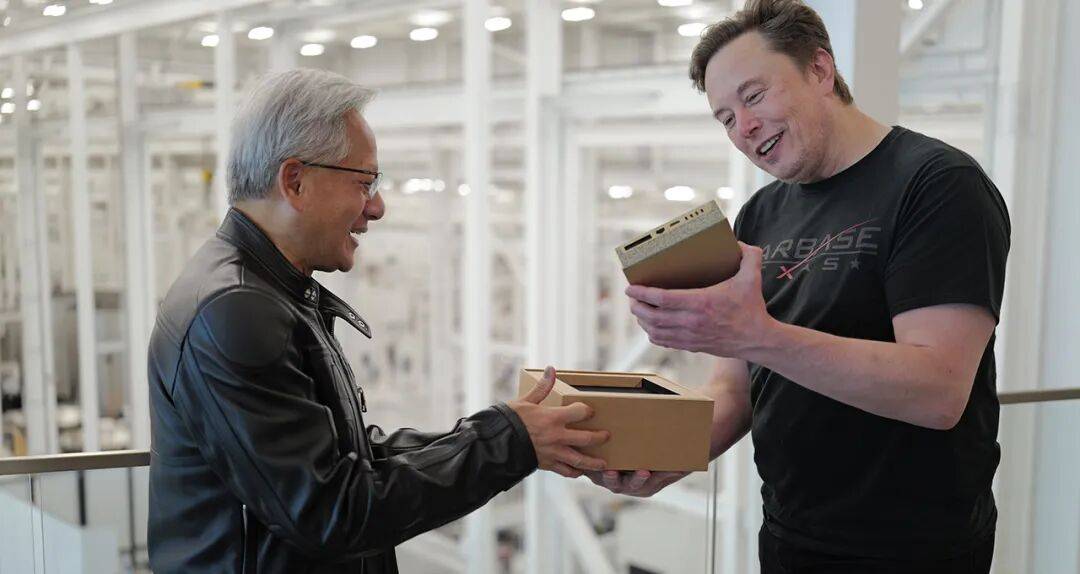
Core Viewpoint - The competition between Tesla and Nvidia is intensifying, with both companies aiming to dominate the autonomous driving market, leveraging their unique strengths and strategies [1][5][22]. Group 1: Company Strategies - Nvidia's Alpamayo platform aims to reshape the autonomous driving development ecosystem by providing a framework for AI reasoning, integrating visual, language, and action models [3][7][11]. - Tesla's approach relies on extensive real-world driving data, claiming that achieving safe, unsupervised autonomous driving requires approximately 100 billion miles of training data, which Tesla is already accumulating at a rapid pace [16][18]. - Nvidia's business model focuses on empowering automotive companies by offering a "teacher model" rather than directly selling autonomous driving solutions, allowing companies to create tailored models using their own data [11][26]. Group 2: Competitive Landscape - Tesla asserts that traditional automakers will take years to integrate AI and camera systems into their designs, suggesting that Nvidia's collaboration with these companies will not pose a significant threat to Tesla in the near term [14][15]. - The competition is not just about technology but also about data ownership and ecosystem control, with Tesla's data monopoly being a significant advantage over Nvidia's more open platform [24][26]. - The battle is evolving from a focus on individual vehicle intelligence to a broader competition involving data ecosystems, development paradigms, and industry alliances [26][27]. Group 3: Market Dynamics - The automotive industry's shift towards intelligent systems is characterized by a multi-dimensional competition, where both Tesla and Nvidia are vying for leadership in different aspects of autonomous driving technology [27]. - The emergence of strong competitors from China, with robust engineering backgrounds and market scales, adds another layer of complexity to the competition between Tesla and Nvidia [26].


运达科技:物流机器人已完成百台级交付,自动驾驶卡车干线物流解决方案已开展前期论证、评估和相关开发工作
Mei Ri Jing Ji Xin Wen· 2026-01-09 07:19
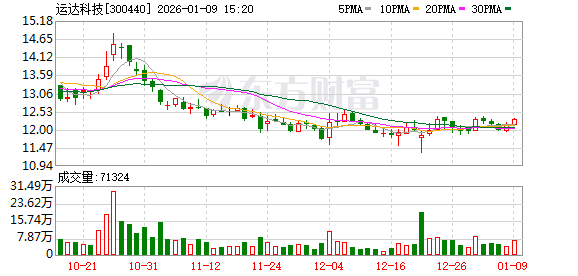
Core Viewpoint - Company is exploring new business directions in smart transportation beyond rail transit, particularly through its stake in Yangsi Technology, focusing on autonomous driving solutions [2] Group 1: Business Development - Company holds a 40% stake in Yangsi Technology, which is involved in the development and production of L4 level autonomous driving logistics robots and solutions for autonomous truck logistics [2] - The logistics robots have achieved deliveries in the hundreds, while the autonomous truck logistics solutions are in the early stages of verification, assessment, and development [2] Group 2: Market Considerations - New business developments are subject to uncertainties influenced by technological iterations, regulatory policies, and market competition [2] - Short-term contributions to the company's performance from these new business layouts are not expected [2]


新势力“出海”步入爆发期 何小鹏预言行业“魔幻五年”开启新竞局
Xin Hua Cai Jing· 2026-01-09 06:01
Core Insights - Xiaopeng Motors is launching its 2026 P7+ model globally, marking its first simultaneous release in 36 countries, including production in Europe, indicating a significant milestone in its global expansion strategy [1] - The company aims to establish itself as a major player in the global automotive market, with a vision for the next five years described as "magical" by its founder, He Xiaopeng [3][4] Group 1: Global Expansion and Product Launch - Xiaopeng P7+ is part of a broader strategy that includes the simultaneous launch of four new models, emphasizing the importance of good products and technology reaching global markets [1] - By 2025, Xiaopeng's overseas deliveries are projected to reach 45,008 units, a 96% increase year-on-year, with expansion into 60 countries [1] - The company has already established a presence in several European markets, with the G6 and G9 models achieving significant sales milestones [1] Group 2: Local Production and R&D - Xiaopeng is advancing its localization strategy with the establishment of manufacturing bases in Indonesia, Austria, and Malaysia, creating a global manufacturing network [2] - The company has set up nine R&D centers worldwide, with a new center in Munich, Germany, aimed at localizing technology and product innovation [2] - Xiaopeng plans to build a self-operated fast-charging network across Europe, Asia, and America starting in 2026, enhancing its global charging infrastructure [2] Group 3: Autonomous Driving and Technology - The company is preparing for the potential easing of regulations on advanced driver-assistance systems (ADAS) in Europe by 2026, which could facilitate the global rollout of its autonomous driving technology [2][3] - Xiaopeng's intelligent cockpit technology, based on its second-generation VLM, supports seamless multilingual communication, catering to diverse markets [3] Group 4: Industry Trends and Competitor Movements - The year 2026 is viewed as a critical juncture for new energy vehicle brands as they seek to expand internationally amid increasing domestic competition [4] - Other Chinese automakers, such as NIO and Li Auto, are also ramping up their global strategies, with plans to enter multiple European markets and establish local production [5][6] - The overall trend indicates a shift from simple product exports to deeper localization strategies among Chinese automakers, enhancing their competitiveness in international markets [8] Group 5: Market Performance and Projections - In 2025, China's automotive exports reached 6.343 million units, with a notable increase in new energy vehicle exports, which doubled to 2.315 million units [7] - The market share of Chinese electric vehicles in overseas markets rose from 9.9% in 2024 to 15.4% in 2025, reflecting growing competitiveness [7] - Projections for 2026 suggest that overseas sales of Chinese passenger vehicles could reach between 641,000 to 656,000 units, with significant growth in new energy vehicle exports [8]

能源科技企业竞速CES:如何预判新型能源体系?
2 1 Shi Ji Jing Ji Bao Dao· 2026-01-09 05:28
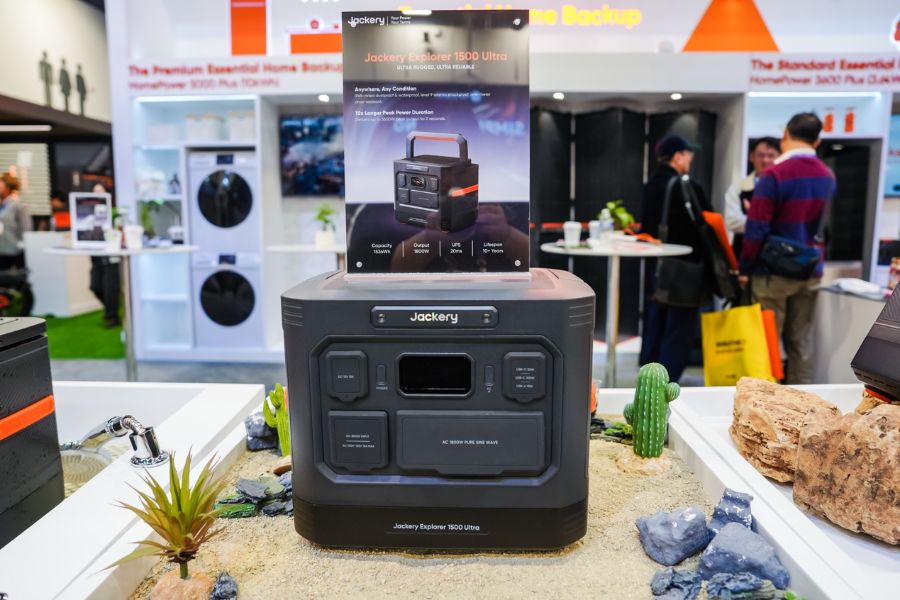
Group 1: Core Insights - The CES 2026 focuses on how energy can support an increasingly intelligent, electrified, and decentralized future, moving beyond just AI models and consumer hardware [1] - Chinese energy technology companies are showcasing system-level solutions and open ecosystem strategies, addressing the transition to smart energy from home autonomy to urban energy independence [1] Group 2: Company Highlights - Huabao New Energy launched the Explorer1500Ultra, enhancing portable power solutions into essential home backup systems with features like IP65 protection and seamless switching [3] - EcoFlow is transforming user interactions with electricity through a home energy operating system, integrating its storage systems with LG's Homey platform for unified energy management [3] - Huabao New Energy introduced the Jackery Solar Gazebo, converting traditional awnings into distributed photovoltaic power stations, and the Solar Mars Bot, a mobile charging robot designed for environments without fixed power sources [5] - Daotong Technology is presenting intelligent charging networks for autonomous vehicle fleets, showcasing smart charging robots capable of automated operations to support the scaling of autonomous driving [7][9]
广汽集团发布:2025年连续3个季度销量环比正增长
2 1 Shi Ji Jing Ji Bao Dao· 2026-01-09 04:51
Core Viewpoint - GAC Group is experiencing significant growth in sales and is actively transforming its operations and product offerings to adapt to the evolving automotive industry landscape [1][3][4]. Sales Performance - In December 2025, GAC Group's vehicle sales exceeded 187,400 units, representing a month-on-month increase of 4.3%. The total vehicle sales for the year reached 1.7215 million units, with terminal sales at 1.8135 million units [1]. - The total sales for the fourth quarter surpassed 537,800 units, marking a 25.56% increase compared to the third quarter, achieving positive growth for three consecutive quarters [1]. - GAC's overseas sales for its self-owned brands approached 130,000 units, reflecting a year-on-year growth of 47% [1]. Brand Performance - GAC Aion's December sales reached 42,000 units, with a month-on-month growth of 10%. GAC Trumpchi's annual sales of new energy vehicles surpassed 150,000 units [3]. - GAC Toyota's annual sales reached 756,000 units, a year-on-year increase of 2.4%. GAC Honda's December sales exceeded 50,000 units, with a month-on-month growth of 23.3% [3]. Organizational Transformation - GAC Group is implementing the "Panyu Action" integrated reform to enhance organizational efficiency and break traditional operational boundaries [4]. - The company has shifted to a user demand management approach, transforming its organizational structure to be more process-oriented and project-based [4]. - GAC has reduced the new vehicle development cycle to 18-21 months and lowered R&D costs by over 10%, improving overall business efficiency by approximately 50% [4]. Technological Advancements - GAC is focusing on core technologies and advanced applications, achieving breakthroughs in the fields of electrification and intelligent driving [8][10]. - The "Star Source Range Extender" technology was launched in 2025, achieving an oil-electric conversion rate of 3.73 kWh/L, and has been recognized as one of the world's top ten range extender systems [10]. - GAC's ADiGO GSD intelligent driving assistance system now covers 99.9% of road scenarios, and the new ADiGO intelligent cockpit has improved interaction response speed by three times [10]. International Expansion - GAC Group's "One GAC 2.0" strategy aims to accelerate global market, product, and capacity expansion, with plans to introduce five new models to overseas markets in 2025 [21][23]. - The company has established operations in 86 countries and regions, with over 630 outlets and five KD factories in Nigeria, Thailand, Malaysia, Indonesia, and Cambodia [25]. Ecosystem Development - GAC is actively building an industrial ecosystem and expanding strategic partnerships, including collaborations with Huawei and JD.com [27]. - The company has established the largest V2G microgrid in the country and has over 23,000 self-operated charging piles, enhancing its energy service capabilities [25][27].

研报掘金|中金:上调百度港股目标价至196港元 维持“跑赢行业”评级
Ge Long Hui· 2026-01-09 03:35
中金发表报告指,1月6日,百度宣布旗下自动驾驶平台萝卜快跑正式获得迪拜道路与交通管理局颁发的 全无人驾驶测试许可,是迪拜首个且目前唯一获准开展全无人测试的平台。公司预计萝卜快跑迪拜地区 全无人驾驶车队规模将扩充至超1000辆。该行基本维持百度2025/2026年收入和非通用准则净利润预 测,新引入2027年收入和非通用准则净利润预测1350亿元和221亿元。该行维持对其"跑赢行业"评级, 上调美股/港股目标价8.5%及7%,各至205美元及196港元。 ...
禾赛-W涨超3% L3车型获工信部准入许可 机构称激光雷达单车数量有望提升
Zhi Tong Cai Jing· 2026-01-09 02:59
Group 1 - Hesai-W (02525) shares increased by over 3%, currently up 2.88% at HKD 214.6, with a trading volume of HKD 58.83 million [1] - CICC research report highlights Hesai-W's latest lidar technology showcased at CES 2026, along with updates on delivery volume, capacity planning, and strategic partnerships [1] - Hesai-W's mass production and delivery capabilities are leading the industry, with steady progress in domestic and international capacity [1] Group 2 - L3 vehicle has received approval from the Ministry of Industry and Information Technology, indicating a potential increase in the number of lidar units per vehicle [1] - The next wave of physical AI, including Robotaxi and robotics, positions lidar as a key driver [1] - NVIDIA CEO Jensen Huang announced the open-source VLA (Vision-Language-Action) model platform Alpamayo at CES 2026, indicating advancements in autonomous driving technology [1] Group 3 - Dongfang Securities anticipates rapid growth in demand for advanced autonomous driving components such as smart driving chips, lidar, domain controllers, and line control braking/steering systems as NVIDIA's autonomous driving ecosystem expands [1] - The penetration rate of high-level autonomous driving and Robotaxi is expected to gradually increase, presenting ongoing development opportunities for autonomous driving hardware and software suppliers [1]