
出海战略

Search documents
东鹏饮料20251012
2025-10-13 01:00
Summary of Dongpeng Beverage Conference Call Company Overview - **Company**: Dongpeng Beverage - **Industry**: Beverage, specifically focusing on energy drinks and functional beverages Key Points and Arguments 1. **Revenue Growth Potential**: Dongpeng Beverage aims to achieve significant revenue growth through new product categories like electrolyte water and juice tea, with a long-term revenue target of 35 billion RMB or higher [2][4][11] 2. **Southeast Asia as Target Market**: Southeast Asia is identified as the primary region for Dongpeng's international expansion due to its rapid economic growth and demographic advantages, with a population of approximately 700 million [2][5] 3. **Energy Drink Market Size**: The energy drink market in Southeast Asia is projected to reach 4.2 billion USD (approximately 30 billion RMB) by 2024, with Vietnam, Cambodia, and Thailand accounting for over 70% of the market [6][12] 4. **Vietnam Market Dynamics**: Vietnam is the largest energy drink market in Southeast Asia, expected to reach nearly 1.5 billion RMB in 2024, with a stable market dominated by brands like Red Bull and Pepsi [7][8] 5. **Cambodia Market Characteristics**: Cambodia has the highest per capita consumption in Southeast Asia at 47 USD, with Pepsi leading the market due to its cost-effectiveness [9] 6. **Indonesia Market Challenges**: Indonesia's energy drink market is relatively small at 250 million USD, with a focus on low-priced products due to price sensitivity among consumers [10] 7. **Long-term Revenue Forecast**: By 2030, Dongpeng is expected to generate 5 billion RMB in revenue from key Southeast Asian markets, supported by a differentiated channel and brand marketing strategy [3][11][16] 8. **Market Segmentation**: Southeast Asian countries can be categorized into four types based on economic growth and energy drink market performance: high potential markets (Vietnam, Cambodia, Indonesia), inflation-driven markets (Myanmar), mature stable markets (Philippines, Malaysia, Singapore), and saturated markets (Thailand) [14] 9. **Strategic Layout in Southeast Asia**: Dongpeng has established an overseas division and set up subsidiaries in key markets, with a total investment exceeding 5.5 billion RMB in production facilities to reduce logistics costs [15] 10. **Future Market Share Projections**: By 2030, Dongpeng aims for a market share of approximately 30% in Indonesia, 20% in Cambodia and Myanmar, and 10% in Vietnam and the Philippines [16][17] Additional Important Insights - **Consumer Trends**: The demand for functional beverages is strong in Southeast Asia, driven by a young population and increasing health awareness [5] - **Competitive Landscape**: The energy drink market in Thailand is highly competitive, making it challenging for new entrants to gain significant market share [17] - **Growth in Other Product Lines**: Dongpeng is also focusing on other product lines like electrolyte water and juice tea, which are expected to contribute to overall revenue growth [4][11]

政策驱动与技术创新共促产业升级 9月新华出海系列指数多数上扬
Xin Hua Cai Jing· 2025-10-10 14:09
Core Insights - The article highlights the significant growth in overseas business for companies, driven by policies and technological innovations, particularly in the energy storage and consumer electronics sectors [1][3][4]. Group 1: Economic Dynamics - In September 2025, the Xinhua Outbound Series Index saw increases, with the Electric Outbound Index rising by 19.58% and the TMT Outbound Index by 11.36%, indicating strong performance in outbound strategies [1]. - The Xinhua Changyan Index closed at 1892.61 points, up 13.23% from the previous month, reflecting a strong capital flow towards new energy sectors such as batteries and photovoltaics, aligned with government policies and technological advancements [1]. Group 2: Overseas Business Growth - Despite challenges like tariffs and cash flow pressures, representative companies have seen substantial revenue and profit margin boosts from their overseas operations, with some companies reporting nearly doubled overseas revenue [3]. - For instance, Sunshine Power's overseas revenue accounted for nearly 60% of total revenue, significantly contributing to its growth in both revenue and net profit [3]. Group 3: Energy Storage Market - The global energy storage market is experiencing unexpected growth, with domestic projects and policies driving strong demand. In August 2025, the domestic storage market completed a bidding scale of 25.8 GW/69.4 GWh [4]. - Chinese companies secured over 160 GWh of new overseas energy storage orders in the first half of 2025, a 220% increase year-on-year, indicating a robust international demand [4]. Group 4: Consumer Electronics Innovation - The global consumer electronics industry is entering a recovery phase driven by innovation, with major companies like Apple and Meta launching new products that enhance AI capabilities and AR/VR applications [5][7]. - The consumer electronics sector in China has grown from 1.6587 trillion yuan in 2018 to an estimated 1.9772 trillion yuan in 2024, contributing over 40% to the global market [7]. Group 5: Investment Trends - Investment is increasingly flowing into sectors encouraged by national industrial policies, such as new energy and high-end manufacturing, while traditional industries face capital outflow pressures [10][17]. - The Ministry of Industry and Information Technology is promoting solid-state battery subsidies, and the Ministry of Finance has extended the tax exemption policy for new energy vehicles until 2027, indicating a favorable policy environment for targeted industries [17].


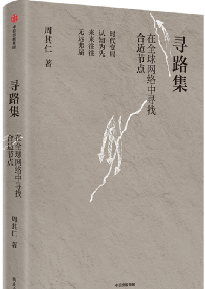
10.14讲座报名| 周其仁:企业如何在全球变局下求存图强
Sou Hu Cai Jing· 2025-10-10 12:47
Core Insights - The article discusses the challenges and strategies for companies to navigate the complexities of global changes, supply chain restructuring, and geopolitical conflicts, emphasizing the importance of identifying suitable nodes in the global network for sustainable growth [1][2]. Event Details - The 43rd Chengze Forum will be held on October 14, 2025, organized by Peking University's National School of Development and CITIC Publishing Group, featuring discussions on corporate growth in the context of global changes [2]. - The forum will include a keynote speech by Professor Zhou Qiren, author of the book "Seeking the Path," and a roundtable discussion with various experts, including CFOs and market directors from prominent companies [2]. About the Book - "Seeking the Path" is a compilation of articles and speeches by Professor Zhou Qiren, focusing on the positioning and sustainable growth of enterprises amid global changes and supply chain transformations [7]. - The book addresses topics such as global changes, supply chain restructuring, corporate globalization strategies, and internal management practices, making complex concepts accessible [7]. About the National School of Development - The National School of Development at Peking University is a multidisciplinary institution founded in 1994, focusing on economics and policy research, and has evolved into a leading think tank in China [4]. - The school emphasizes a combination of teaching, research, and policy advisory roles, contributing significantly to public discourse and policy recommendations [4].
比亚迪9月销量罕见下滑:国内增长乏力,海外成“新引擎”
Nan Fang Du Shi Bao· 2025-10-09 11:36
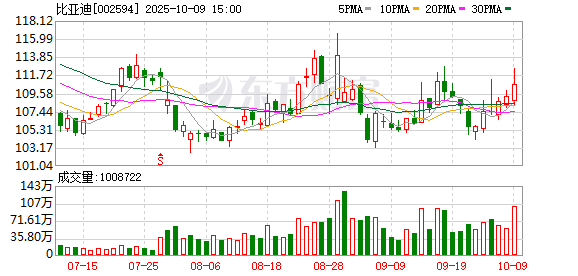
Core Viewpoint - BYD experienced a rare decline in sales during September, marking the first month-on-month drop since March 2024, with a total of 396,270 vehicles sold, down 5.52% from 419,426 vehicles in the same month last year [2][5][6]. Group 1: Sales Performance - In September, BYD's domestic sales were approximately 325,400 vehicles, reflecting a year-on-year decrease of 15.8% [6]. - The company's total sales for the first nine months of the year reached 3.26 million vehicles, an increase of 18.64% compared to the same period last year [4]. - The decline in sales is attributed to intensified competition in the domestic electric vehicle market, with brands like Geely, Leap Motor, and Xpeng launching high-cost-performance models that impacted BYD's mid-to-low-end market share [5]. Group 2: Production Trends - Since July, BYD's production of new energy vehicles has seen a consecutive decline for three months, ending a streak of 16 months of growth [5]. - The company has implemented measures to alleviate dealer inventory pressure, including a stock break mechanism and streamlining vehicle configurations, which have also affected domestic sales growth [5]. Group 3: Overseas Market Performance - Despite domestic sales challenges, BYD's overseas sales surged by 107% in September, with 70,851 vehicles sold, accounting for approximately 17.9% of total sales [7][8]. - For the first nine months of the year, BYD's cumulative overseas sales reached 701,500 vehicles, positioning it as a new growth engine for the company [8]. Group 4: Future Outlook - BYD's chairman indicated that the overseas market is entering a growth phase similar to the domestic market's previous explosive growth, emphasizing that the company's overseas strategy is a core focus for the next three years [8]. - Analysts suggest that BYD's competitive edge in the market is expected to be maintained through product iteration in the hybrid and electric vehicle segments, supported by its scale advantages and optimized sales structure [8].

中国摩都,电动车产量半年激增近59%
2 1 Shi Ji Jing Ji Bao Dao· 2025-10-03 00:50
Core Insights - Chongqing is transforming into a global hub for smart electric vehicles, aiming for an annual production of over 15 million electric two-wheelers by 2027, with a projected output of 2.98 million units in 2024, marking a 19% year-on-year increase [1][13] - The city has attracted seven of the top ten electric vehicle manufacturers in China, achieving over 60% local supply chain integration for key components [1][7] - The electric motorcycle production reached 1.45 million units in the first seven months of this year, reflecting a 34% year-on-year growth, indicating a rapid shift towards electrification [2][6] Industry Transformation - The traditional motorcycle giants in Chongqing, such as Lifan and Longxin, are facing challenges, with only Zongshen remaining strong, while the overall motorcycle production in Chongqing still accounts for over one-third of the national total [2][6] - The shift from fuel motorcycles to electric models is driven by urban policies restricting traditional motorcycles, leading to a significant market transformation [6][9] - The local government is promoting a dual strategy to deepen domestic electric motorcycle markets while targeting Southeast Asia, Africa, and Latin America for expansion [2][6] Technological Advancements - The focus is shifting from traditional components to advanced technologies like lithium and sodium batteries, as well as smart control systems [8][10] - Companies are integrating smart technologies into their products, with examples like Tailin's electric motorcycle featuring Huawei's HarmonyOS for enhanced user experience [11][12] - The industry is moving towards a model where electric vehicles are not just functional but also smart terminals, emphasizing the importance of intelligent features for market competitiveness [9][10] Global Expansion - With the domestic market reaching saturation, Chongqing's motorcycle manufacturers are looking to international markets, particularly in Southeast Asia, where the market size is approximately $20 billion [14][17] - The local government is supporting this international push by enhancing logistics networks and addressing technical challenges in key areas like electromagnetic compatibility and braking performance [16][17] - Companies are adopting diverse strategies for international markets, such as focusing on small-displacement motorcycles or customizing products for specific regional needs [18][19]
中国摩都 电动车产量半年激增近59%
2 1 Shi Ji Jing Ji Bao Dao· 2025-10-03 00:23
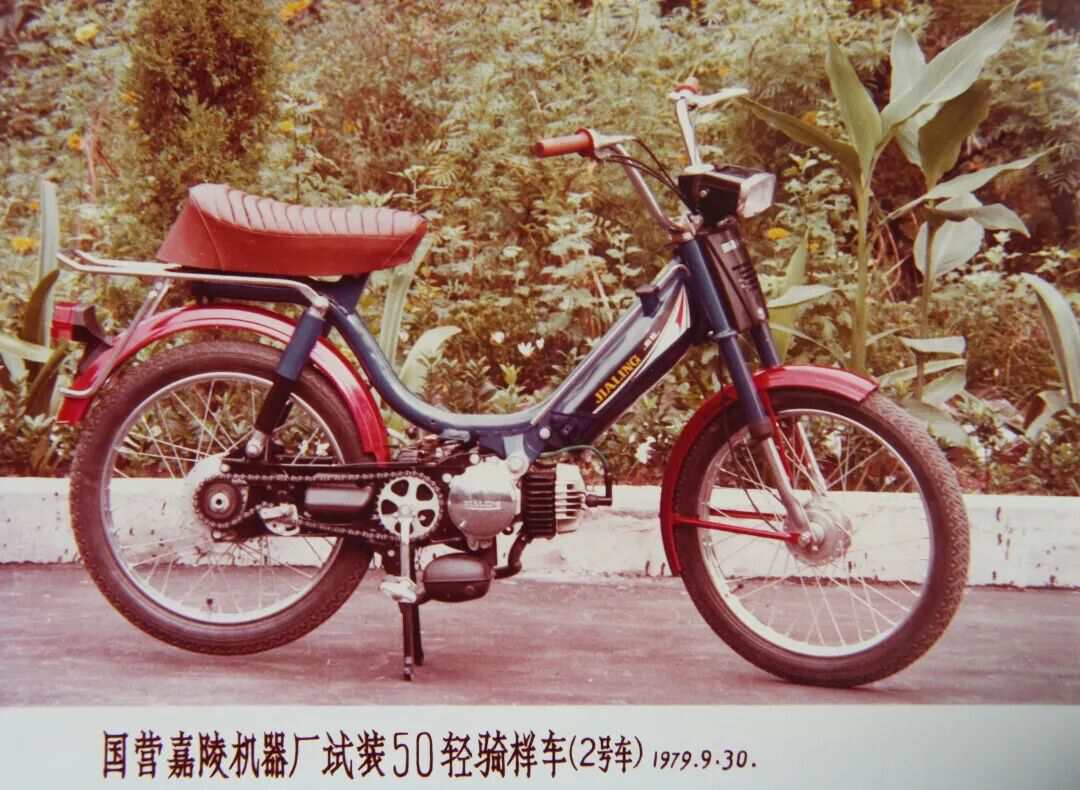
Core Viewpoint - Chongqing is transforming into a global hub for smart electric vehicles, with ambitious production targets and a focus on electric two-wheelers, aiming for an annual output of over 15 million units by 2027 [1][2][19]. Group 1: Industry Transformation - Chongqing's electric two-wheeler production is projected to reach 2.98 million units in 2024, a 19% increase year-on-year, and 2.1975 million units in the first half of 2025, marking a 58.6% surge [1]. - The city has attracted seven of the top ten electric vehicle companies in China, achieving over 60% local supply chain integration for key components [2]. - The electric motorcycle production from January to July 2023 reached 1.45 million units, reflecting a 34% year-on-year growth [2]. Group 2: Historical Context - The first civilian motorcycle in China, the "Jialing CJ50," was produced in Chongqing in 1979, marking the beginning of the city's motorcycle manufacturing legacy [4]. - Chongqing was once home to three major motorcycle manufacturers: Jialing, Longxin, and Zongshen, with Jialing being the industry leader [8]. Group 3: Challenges and Shifts - The motorcycle industry faced challenges from government policies limiting motorcycle use, leading to a decline in traditional fuel motorcycle sales [9][10]. - The rise of electric two-wheelers has shifted the competitive landscape, with electric models rapidly replacing fuel motorcycles due to lower operating costs [10][11]. Group 4: Smart Vehicle Development - The focus is shifting from mere electrification to smart vehicle technology, with companies like Tailin integrating advanced systems such as Huawei's HarmonyOS for enhanced user experience [16]. - The Chongqing government is promoting the development of a smart electric vehicle data service system to support future innovations in battery swapping and shared mobility [13][14]. Group 5: Global Expansion - With domestic markets reaching saturation, Chongqing's motorcycle companies are looking to expand internationally, particularly in Southeast Asia, Africa, and Latin America [2][19]. - The logistics network in Chongqing is being enhanced to support global distribution, with efficient routes established to Southeast Asia and Europe [22]. Group 6: Competitive Landscape - Chongqing manufacturers face competition from established Japanese brands in the Southeast Asian market, where electric motorcycles are still relatively expensive compared to traditional fuel models [23][24]. - Companies are adopting various strategies to differentiate themselves, such as focusing on small-displacement motorcycles or customized models for specific markets [25][26].
比亚迪9月销售汽车39.31万辆,外销同比增长107%
Ju Chao Zi Xun· 2025-10-02 02:33
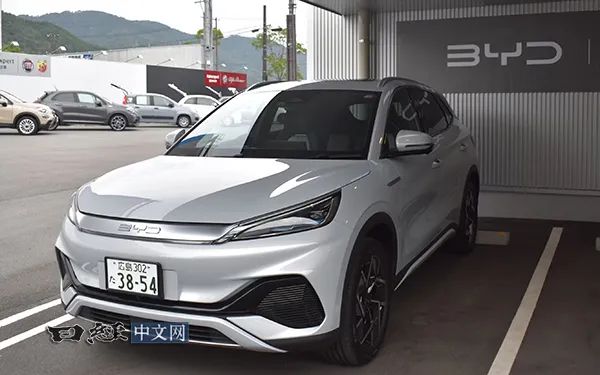
Group 1 - BYD reported a total of 396,270 new vehicle sales in September 2025, with 393,060 being passenger vehicles and 70,851 sold overseas, marking a year-on-year increase of 107% [2] - For the first nine months of 2025, BYD's cumulative sales reached 3,260,146 vehicles, with overseas sales of passenger vehicles and pickups totaling 701,579 [2] - BYD's cumulative sales of new energy vehicles have surpassed 13.8 million units [2] Group 2 - BYD's sales target for 2025 was initially set at 5.5 million vehicles, but recent internal adjustments have lowered this target by up to 16% to 4.6 million vehicles [2] - The company is experiencing its slowest annual growth rate in five years, indicating a potential end to its record expansion phase [2] - BYD is accelerating its international expansion, with 7 out of 8 roll-on/roll-off ships already in operation and plans to produce electric vehicles locally in Europe within three years to avoid EU tariffs [2] Group 3 - BYD's Executive Vice President Li Ke highlighted that the Chinese automotive market is facing a significant reshuffle, with approximately 100 car manufacturers likely to exit due to irrational competition and the failure of low-price strategies [3] - The intense competition is expected to create survival pressures for many automakers, leading to market淘汰 [3]
“摩都”战事下半场:国内换轨,“下南洋”答题
2 1 Shi Ji Jing Ji Bao Dao· 2025-09-30 14:55
Core Viewpoint - Chongqing is transforming into a global hub for smart electric vehicles, with ambitious production targets and a focus on electric two-wheelers, aiming for an annual output of over 15 million units by 2027 [1][17]. Group 1: Industry Transformation - Chongqing's electric two-wheeler production is projected to reach 2.98 million units in 2024, a 19% increase year-on-year, and 2.1975 million units in the first half of 2025, marking a 58.6% surge [1]. - The city has attracted seven of the top ten electric vehicle companies in China, achieving over 60% local supply chain integration for key components [2]. - The electric motorcycle production from January to July this year reached 1.45 million units, reflecting a 34% year-on-year growth [2]. Group 2: Historical Context - The history of Chongqing's motorcycle industry began with the production of the first civilian motorcycle, the "Jialing CJ50," in 1979, symbolizing the start of motorization in China [3]. - The city was once known for its three major motorcycle manufacturers: Jialing, Longxin, and Zongshen, with Jialing being the industry leader [6]. Group 3: Challenges and Shifts - The motorcycle industry faced challenges from regulatory policies limiting motorcycle use, leading to a decline in traditional fuel motorcycle sales [7][8]. - The shift towards electric two-wheelers has been driven by lower operating costs and simpler driving experiences compared to fuel motorcycles [8]. Group 4: Smart Vehicle Development - The focus is shifting from mere electrification to the integration of smart technologies, with companies like Tailin developing electric motorcycles equipped with Huawei's HarmonyOS for enhanced connectivity [14]. - The Chongqing government is promoting the development of a smart electric vehicle data service system to support future applications like battery swapping and shared mobility [11][17]. Group 5: Global Expansion - With the domestic market reaching saturation, Chongqing's motorcycle companies are looking to expand internationally, particularly in Southeast Asia, Africa, and Latin America [2][18]. - The logistics network in Chongqing is being enhanced to support global distribution, with efficient transport routes established to key markets [21]. Group 6: Competitive Landscape - Chongqing manufacturers face competition from established Japanese brands in the Southeast Asian market, where electric motorcycles are still perceived as expensive compared to traditional fuel models [22][24]. - Companies are adopting different strategies to penetrate international markets, such as focusing on small-displacement motorcycles or customizing products for specific regional needs [24].
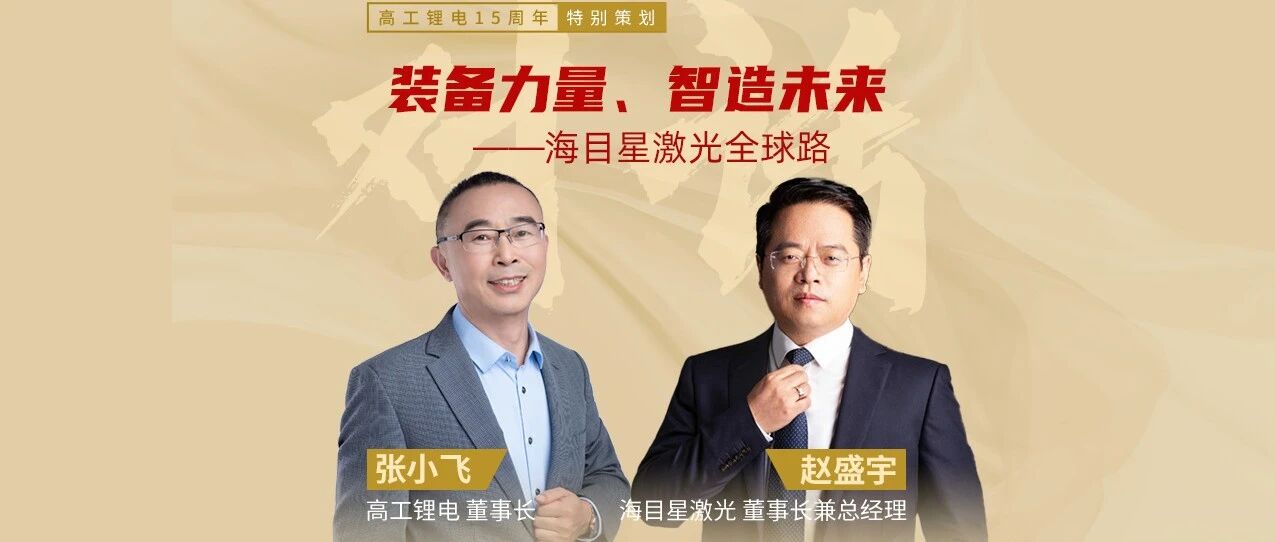
高工锂电15周年策划|飞哥对话赵盛宇:固态电池、AI与出海,海目星激光再启远征
高工锂电· 2025-09-30 09:18
Core Viewpoint - The article highlights the evolution of China's lithium battery industry, focusing on the advancements made by HaiMuxing Laser in laser technology and its role in the domestic equipment sector, emphasizing the importance of technological breakthroughs and system capabilities for global competitiveness [1][5]. Group 1: Development and Breakthroughs - HaiMuxing Laser has significantly improved laser cutting speeds from 28 meters per minute to 200 meters per minute, achieving nearly a tenfold increase in efficiency [1][21]. - The company began its journey in 2015 by collaborating with CATL, addressing critical process pain points and rapidly developing key technologies [7][10]. - The transition from relying on foreign equipment to achieving domestic breakthroughs is exemplified by HaiMuxing's success in exporting equipment to the U.S. by 2020 [9][11]. Group 2: Industry Trends and Future Directions - The next generation of solid-state batteries will require advancements in micro-nano technology and semiconductor applications to address interface stability [1][29]. - The industry is witnessing a shift towards larger cylindrical batteries, with HaiMuxing contributing to the development of the "no ear" technology, which enhances battery structure [28][30]. - The solid-state battery market is evolving, with ongoing research into semi-solid and quasi-solid batteries, indicating a gradual transition towards more advanced battery technologies [32][36]. Group 3: AI and Smart Manufacturing - HaiMuxing is actively integrating AI into its operations, with plans for large-scale implementation to enhance production efficiency and quality control [52][53]. - The application of AI is expected to evolve through three stages: initial process optimization, automated analysis and operation, and real-time problem-solving capabilities [53][54]. Group 4: Global Expansion Strategy - HaiMuxing's strategy for international expansion emphasizes building internal capabilities before pursuing large-scale orders abroad, ensuring a robust service system is in place [2][58]. - The company has established eight subsidiaries overseas, focusing on local talent development and compliance management to support its global operations [62][63]. Group 5: Core Competencies - The core competencies of HaiMuxing include technological innovation in key processes, a comprehensive service capability, and the ability to navigate complex international markets [66][68]. - The company aims to maintain a balance between technological expertise and operational quality, ensuring sustainable growth and customer trust [67][68].

深圳市罗湖区政府携手易点天下,共同打造深圳出海中心
Cai Jing Wang· 2025-09-29 12:40
Core Insights - The strategic cooperation agreement between the Shenzhen Luohu District Government and Microsoft’s advertising agency, Yidian Tianxia, aims to establish a Shenzhen Overseas Center to support Chinese enterprises in their international expansion efforts [1][3] - The project is positioned as a significant strategic move to align with the new wave of Chinese companies going global, facilitating industry transformation and upgrading in the Luohu District [1][3] Group 1 - The Shenzhen Overseas Center will leverage Microsoft's global resources in technology, branding, platforms, services, and talent to provide comprehensive support for enterprises in digital transformation, compliant overseas operations, digital marketing talent cultivation, and ecosystem building [1][3] - Services offered by the center will include global digital marketing, social media promotion, overseas brand building, operational management, financing strategies, and human resources training, aimed at enhancing the international management capabilities of enterprises [1][3] - The initiative seeks to empower Chinese brands to establish a strong international presence, transitioning from a "technology-driven" approach to an "ecosystem win-win" model [1][3] Group 2 - The Shenzhen Overseas Center will focus on emerging industries such as modern services, digital economy, artificial intelligence, fashion design, low-altitude economy, and life health, attracting headquarters enterprises, high-end service institutions, and innovative entities to Luohu [3] - The center aims to create a new platform that integrates information flow, technology flow, capital flow, and talent flow, enhancing the ability of domestic enterprises to expand internationally while attracting high-quality overseas enterprises and innovative resources [3] - This initiative is part of Luohu District's proactive strategy to transform industrial dynamics from traditional to emerging sectors and from inward to outward orientation, contributing to the construction of a modern industrial system and a global service hub [3]