反垄断

Search documents
英伟达正在憋芯片大招
半导体行业观察· 2026-01-17 02:57
Core Viewpoint - The acquisition of Groq by Nvidia signifies a strategic shift in AI inference technology, moving away from traditional GPU architectures towards more specialized processing units designed for low-precision mathematical operations essential for GenAI and machine learning [1][3]. Group 1: Nvidia and Groq Acquisition - The acquisition of Groq for $20 billion is notable given Groq's previous valuation of $6.9 billion after its last funding round, indicating a significant premium paid by Nvidia [3]. - Groq's Learning Processing Unit (LPU) technology and key engineers were acquired, which Nvidia aims to integrate into its future AI hardware offerings [3][4]. - The deal raises questions about Groq's investors' motivations for selling, especially given Groq's competitive position against Nvidia in the AI inference market [2][3]. Group 2: Market Context and Competition - Nvidia's GPUs dominate both training and inference markets, while competitors like AMD, Google (with TPU), and AWS (with Trainium) are also significant players [2]. - The AI hardware landscape is evolving, with companies like Cerebras and Groq emerging as challengers to Nvidia's dominance, particularly in low-latency, high-throughput AI inference [2][5]. - The investment landscape for AI hardware is substantial, with OpenAI committing around $30 billion for AI hardware capacity, highlighting the competitive pressures in the market [5]. Group 3: Strategic Implications - The acquisition serves both defensive and offensive purposes for Nvidia, as it seeks to prevent Groq's technology from falling into the hands of competitors [4][6]. - There are concerns about potential antitrust issues arising from Nvidia's acquisition strategy, especially if Groq's remaining operations do not continue LPU development [7]. - The structure of the acquisition reflects Nvidia's cautious approach to regulatory scrutiny, opting to retain some equity in Groq to mitigate perceptions of a complete takeover [6]. Group 4: Future Developments - Nvidia may leverage Groq's technology to develop a more powerful inference machine that is not solely reliant on existing GPU architectures [9]. - The integration of technologies from Groq and Enfabrica could signal a broader shift in Nvidia's product roadmap, potentially reshaping the AI hardware landscape [9][8].



9点1氪丨贾国龙罗永浩微博被禁言,罗永浩朋友圈最新发声;李湘多平台账号被禁止关注;特朗普拿到诺贝尔和平奖奖章
3 6 Ke· 2026-01-17 01:12
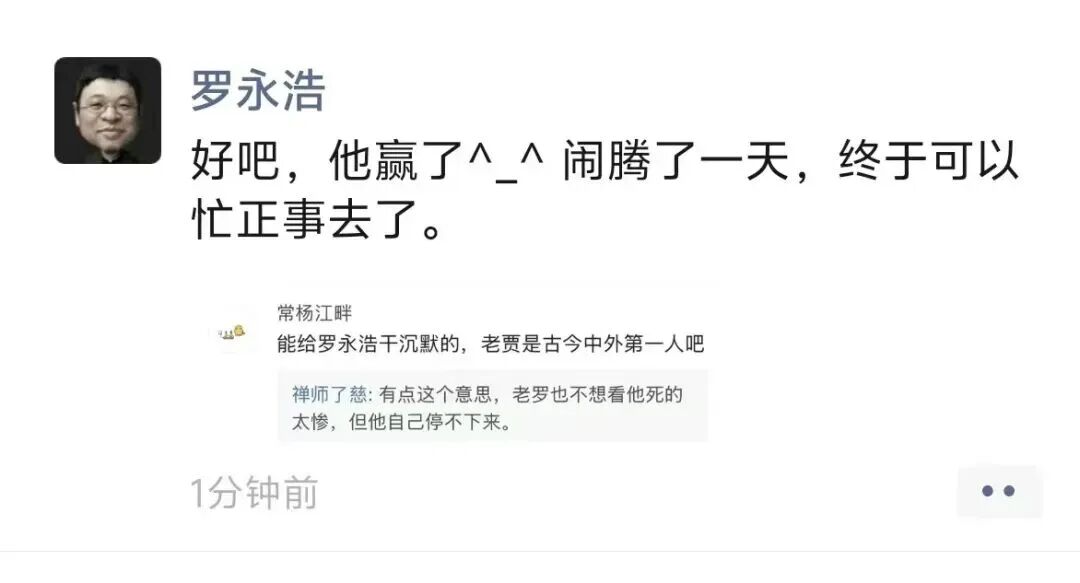
Group 1 - The accounts of well-known figures Jia Guolong and Luo Yonghao have been banned on Weibo due to negative behavior, as stated by Weibo's CEO Wang Gaofei [1] - Jia Guolong responded to accusations from Luo Yonghao, emphasizing that his company, Xibei, has operated legally and has not engaged in any illicit activities [1][2] - Xibei's public relations vice president, Song Xuan, has resigned, citing personal development reasons and the pressure from recent events [4][6] Group 2 - Ctrip has been under investigation by local market regulatory authorities for alleged monopolistic practices, including price manipulation and forced exclusivity [5][7] - Some Moutai provincial direct stores are now allowing eligible taxpayers to purchase the Flying Moutai at a price of 1499 yuan per bottle, without the need to buy additional products [7] - New regulations for the recycling and utilization of used power batteries from electric vehicles will be implemented starting April 1, 2026, focusing on comprehensive lifecycle management [7] Group 3 - Several smartphone manufacturers, including Xiaomi and OPPO, have lowered their annual shipment forecasts by over 20% due to rising upstream supply chain costs [8] - Porsche announced a 10% decrease in global deliveries for 2025, totaling 279,449 vehicles, with significant declines in the European market attributed to supply shortages [12][13] - Gree Electric plans to distribute over 5.58 billion yuan in cash dividends to shareholders, with a payout of 10 yuan per 10 shares [10] Group 4 - Smart has suspended its charging cooperation with multiple charging operators, possibly due to financial pressures [11] - Major banks in the U.S. have reduced their workforce by approximately 10,600 employees, marking the highest reduction in nearly a decade [14] - The AI startup Anthropic has appointed former Microsoft executive Irina Ghose as its General Manager for India [14]





FTC调查科技巨头“人才收购”规避反垄断
Di Yi Cai Jing· 2026-01-17 00:29
美国联邦贸易委员会(FTC)主席弗格森(Andrew Ferguson)周五表示,正在对部分大型科技企业展 开审查,这些企业并未直接收购初创公司,而是通过聘用其员工的方式获取相关资源,此举被认为是规 避反垄断审查的一种手段。 (文章来源:第一财经) ...
涉嫌垄断的携程们,是该整顿了
Sou Hu Cai Jing· 2026-01-16 14:41
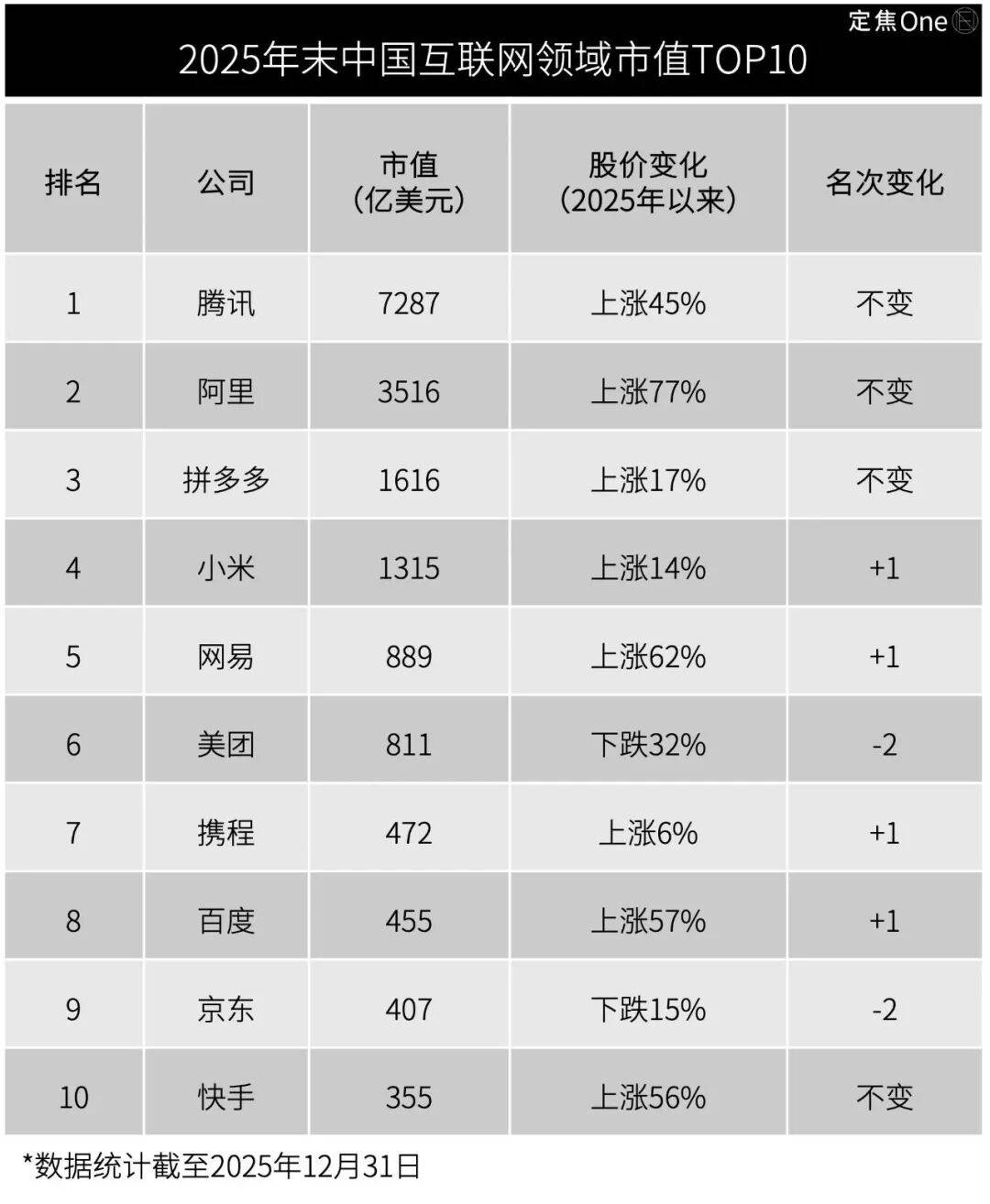
Core Viewpoint - Ctrip is under investigation for alleged monopolistic practices, marking a significant regulatory action in the OTA industry, which has faced increasing scrutiny since late 2025 [1][3][5] Group 1: Regulatory Actions - The State Administration for Market Regulation has initiated an investigation into Ctrip for suspected abuse of market dominance under the Anti-Monopoly Law [1] - Ctrip's stock price has dropped over 20% in two days, resulting in a market value loss of 100 billion HKD, closing at 460 HKD per share on January 15 [2] - Regulatory actions against Ctrip have been accumulating since late 2025, with various local authorities addressing issues such as high commission rates and forced service usage [3][4] Group 2: Market Reactions - The news of the investigation quickly became a trending topic, garnering 1.4 billion views, reflecting a divided public opinion [6] - Small and medium-sized hotel operators generally support the investigation, citing rising commission rates and opaque traffic distribution as detrimental to their profit margins [7][12] Group 3: Ctrip's Market Position - As of the end of 2025, Ctrip's market capitalization was approximately 47.2 billion USD, ranking seventh among Chinese internet companies [8] - Ctrip reported a revenue of 183 billion RMB and a net profit of 199 billion RMB in Q3 2025, with a profit margin of 33.9% [11][12] - Ctrip's market share in the domestic core travel market is estimated at 56%, with the "Ctrip system" accounting for nearly 70% when including its subsidiaries [16][18] Group 4: Industry Dynamics - The OTA industry's supply structure is highly fragmented, with many small hotels relying on platforms like Ctrip for customer acquisition [15] - The increasing concentration of market power has shifted OTA platforms from mere intermediaries to influential players in pricing and marketing strategies [18][20] - The high profitability of OTA platforms is attributed to market competition rather than solely to exploitation of merchants [21] Group 5: Future Implications - The investigation aims to hold OTA platforms accountable for their market influence and to reassess the balance of power between platforms and merchants [24][28] - Potential changes may include adjustments to commission rates and the weakening of restrictive clauses in contracts [25] - Long-term structural issues in the hotel and travel industry, such as oversupply and high customer acquisition costs, will not be resolved by regulatory actions alone [28]
反垄断愈深入,市场活力愈澎湃
Ren Min Ri Bao· 2026-01-16 12:55
Core Viewpoint - Recent actions in antitrust regulation highlight the increasing scrutiny of market competition, particularly in the online service sector, with a focus on platforms like Ctrip and the implications of monopolistic practices [2][3]. Group 1: Antitrust Investigations - The State Council's Antitrust and Unfair Competition Committee is conducting an investigation into the competitive landscape of the food delivery platform service industry [2]. - Ctrip is under investigation for allegedly abusing its market dominance, following previous fines imposed on Alibaba Group and Meituan for similar monopolistic behaviors [3]. Group 2: Impact of Monopolistic Practices - Monopolistic behavior is identified as a driver of "involution" and a barrier to innovation, forcing platform merchants into price wars to gain visibility [4]. - The investigation into Ctrip is seen as a response to complaints from merchants regarding unfair pricing practices and unreasonable transaction conditions [4]. Group 3: Importance of Antitrust Measures - Antitrust regulations are essential for maintaining a healthy market ecosystem, allowing diverse business entities to thrive and contribute to public welfare [5]. - Effective antitrust enforcement is necessary to prevent monopolies from distorting resource allocation and harming both businesses and consumers [5]. Group 4: Regulatory Strategies - While hefty fines serve as a deterrent, the focus should be on addressing the root causes of monopolistic behavior to prevent ongoing issues in the digital economy [6]. - The regulatory approach should adapt to the challenges posed by digital platforms, ensuring fair competition and transparency in operations [6]. Group 5: Future Directions - The "14th Five-Year Plan" emphasizes strengthening antitrust enforcement and addressing "involution-style" competition to promote win-win development among platform enterprises and their stakeholders [7]. - Antitrust efforts are framed not as restrictions on platform companies but as protections for the platform economic environment, encouraging long-term stability and growth [7].
携程监管事件第2天跟踪:财务影响有限,但估值承压
Haitong Securities International· 2026-01-16 11:01
Financial Impact - Ctrip (TCOM) is under investigation for alleged monopolistic practices, with a potential fine estimated at RMB 1.5 billion, representing 4% of its 2024 domestic revenue[2][5] - The financial impact of the fine is considered limited, with a projected net profit margin decrease of 2 percentage points for the 2026 fiscal year[5][10] Revenue Projections - Ctrip's total revenue for the 2026 fiscal year is expected to reach RMB 70.1 billion, reflecting a 13% year-on-year growth[10][11] - Domestic accommodation revenue is projected to grow by 3% year-on-year, while overall accommodation revenue is expected to increase by 13%[10][11] Profitability Metrics - Non-GAAP operating profit for 2026 is estimated at RMB 19.1 billion, a 5% increase from the previous year, with a profit margin of 27%, down 2 percentage points[10][11] - The net commission rate is expected to stabilize at 8.8%, which is within the historical range of 8%-10%[10][11] Market Position and Risks - Ctrip is expected to maintain its leading position in the online travel market, but faces risks of market share loss due to regulatory pressures and competition[8][9] - Potential loss of price-sensitive customers and hotel inventory could occur if Ctrip allows merchants to set their own prices without inventory lock-in[9] Valuation Outlook - Ctrip's valuation may revert to historical levels of 12-15 times earnings, with the stock price potentially dropping to a range of USD 44-55 per ADR[15] - The company’s valuation has been driven by strong revenue growth and profit margin expansion, but regulatory scrutiny may hinder future profitability[15]
携程该思考后路了
虎嗅APP· 2026-01-16 09:52
Core Viewpoint - The article discusses the antitrust investigation into Ctrip, highlighting it as a stress test for platform governance capabilities from an ESG perspective [2]. Group 1: Antitrust Investigation - The antitrust investigation into Ctrip is not a sudden event but indicates accumulated structural issues within the company [2]. - The investigation focuses on whether Ctrip has abused its market dominance, with a market share of over 50% typically indicating such dominance [5]. - Ctrip's market share in the OTA sector is projected to reach 56% by 2024, solidifying its leading position [5]. - Allegations include practices like "forced choice" for merchants, which have been previously cited in other antitrust cases against major platforms [6][5]. Group 2: Financial Performance - Ctrip's gross margin is approximately 81% and net margin around 33%, comparable to leading companies like Tencent and NetEase [10]. - The majority of Ctrip's revenue comes from accommodation bookings and transportation ticketing, which are typical transaction-based intermediary services [10]. - The high profits of Ctrip are attributed to its control over transaction entry points and pricing, rather than creating new content or relying on unique technology [10]. Group 3: ESG Governance Perspective - The article raises the question of whether monopolistic practices are inherently wrong, emphasizing that achieving market dominance through legal means is not illegal [7]. - Ctrip's high profits have not been reinvested into the industry, raising concerns about its responsibilities as a "chain leader" in the tourism sector [11]. - The structural imbalance of "high profits, low accountability" is a long-standing issue in Ctrip's profit model [12]. - The core responsibility of leading companies is to avoid abusing their market power and to ensure fair competition [13]. Group 4: Market Reaction and Future Implications - Following the announcement of the antitrust investigation, Ctrip's stock price dropped by 18%, indicating market concerns over governance risks [14]. - Ctrip's ESG rating was A in 2025, but there is a noted gap between its compliance commitments and actual business practices [14]. - The investigation may lead to a reassessment of Ctrip's business model and could impact its future operations and ESG ratings [17].

15天3起“反垄断”,说明了什么?
经济观察报· 2026-01-16 07:30
Core Viewpoint - The article emphasizes that antitrust regulations in China are entering a "strong regulatory" phase, with recent actions indicating that there is no room for complacency among companies regarding antitrust compliance [2][5]. Group 1: Recent Regulatory Actions - In January, the State Administration for Market Regulation (SAMR) has conducted three significant antitrust investigations targeting the food delivery industry, the polysilicon alliance, and Ctrip, all aimed at reinforcing antitrust measures [2][3]. - The discussions with the polysilicon industry highlighted that agreements on production capacity, utilization rates, sales volumes, and pricing are prohibited, signaling a strict stance against collusion [3][4]. Group 2: Misconceptions About Antitrust - Many companies hold a false sense of security regarding antitrust laws, believing that the current "anti-involution" policies might allow for some leniency in monopolistic practices, which is a dangerous misconception [2][4]. - The article argues that the belief in "winner-takes-all" in the internet sector leads to a misunderstanding of market competition, as companies think that size alone can protect them from antitrust scrutiny [4][5]. Group 3: Importance of Antitrust Regulations - Antitrust laws are described as the foundational rules of a market economy, ensuring market vitality and innovation through external constraints [5]. - The article stresses that a well-structured market economy is essential for addressing "anti-involution" and fostering technological advancement and economic growth [5].

携程年赚300亿元+,或被罚65亿高不高?
Xin Lang Cai Jing· 2026-01-16 07:14
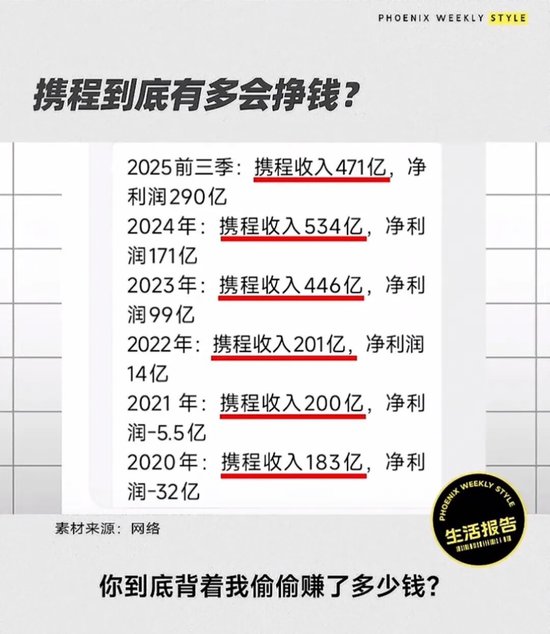
Core Viewpoint - Ctrip is facing a potential fine ranging from 4.9 billion to 6.5 billion yuan due to an investigation by the State Administration for Market Regulation, which is higher than the fines imposed on other major companies like Meituan and Didi [1][15]. Group 1: Potential Fines - The estimated fine of 6.5 billion yuan is calculated based on the Anti-Monopoly Law, which allows for penalties of 1% to 10% of the previous year's revenue. Assuming a revenue of 65 billion yuan for 2025, the maximum fine could reach 6.5 billion yuan [2][16]. - This fine is significant, as many large companies do not generate this amount in annual net profit, indicating that such a penalty could severely impact Ctrip's financial performance [3][17]. Group 2: Financial Performance - Ctrip reported revenues of 47.1 billion yuan and a net profit of 29 billion yuan for the first three quarters of 2025, with an expected total profit exceeding 35 billion yuan for the year [5][19]. - The company has an impressive gross margin of 81% and a market share of 72%, showcasing its strong profitability and market position [7][21]. Group 3: Market Implications - The fine is not merely a financial penalty but is expected to lead to significant business restructuring, particularly targeting revenue streams that operate in gray areas [9][23]. - There are allegations that Ctrip's practices may involve not only price discrimination but also more serious issues such as money laundering and fraud, highlighting the need for a fair competitive environment in the market [9][23]. Group 4: Company Background - Ctrip is registered in the Cayman Islands, indicating its international operational structure [10][24].
携程被重锤!
Xin Lang Cai Jing· 2026-01-16 07:08
专题:携程被市场监管总局立案调查 炒股就看金麒麟分析师研报,权威,专业,及时,全面,助您挖掘潜力主题机会! 来源:梳子姐 半个月前我还专门写过携程,直言携程距离反垄断的枪口越来越近了。 没想到一语中的,今天突发新闻——携程涉嫌滥用市场支配地位事实垄断行为,被立案调查。 说实话,走到这一步,携程真的不冤。 就在前面一个来月,云南旅游民宿行业协会刚公开宣布,因接到多起会员单位投诉,全面启动对携程等 个别在线旅游平台(OTA)的反垄断行动,公开征集"二选一"、单方面涨佣金、屏蔽流量等不正当竞争 行为的证据。 什么叫二选一?说白了就是平台要求你只能用他这个平台,若选择多平台一起用就会被停止推流或搜索 降权,等于说是在屏蔽流量。单方面涨佣,即未与民宿协商,擅自提高佣金比例,叠加隐性收费,挤压 经营者空间。 云南民宿协会下面有7000余家会员,协会委托律所梳理证据后,不仅会向省级和国家市管总局提起集体 投诉,还要保留提起反垄断诉讼的权利。 在线旅游平台的确能帮消费者减少不少踩坑概率,但做在线旅游平台的不是只有他一家,但其作为市场 上最大的头部,一个旅游大省的民宿协会要启动对其的反垄断行动,要的是公平合理,并不是弃之不 用 ...