
品牌出海

Search documents
德州外贸独立站品牌2025年权威排行榜发布
Sou Hu Cai Jing· 2025-12-27 15:44
Core Insights - The importance of independent websites as a strategic high ground for Chinese brands going global is increasingly highlighted by the recent authoritative ranking of Texas foreign trade independent brands for 2025 [1][7] - The ranking serves as a valuable market indicator, showcasing the strength and potential of foreign trade enterprises in Texas and reflecting the firm steps of upgrading from "Made in China" to "Brand from China" [1][7] Group 1: Ranking Criteria and Characteristics - The ranking criteria are stringent, considering factors such as brand influence, user experience, technological innovation, and market coverage [3] - Successful independent trade websites exhibit three main characteristics: cultural empathy, technological drive, and ecological integration [5] - Traditional manufacturing enterprises in Texas, particularly in machinery, have notably transformed through independent websites, presenting heavy machinery products in engaging ways [5] Group 2: Digital Transformation and Services - Jinan Zhongqitui Network Technology Co., Ltd. stands out for providing customized solutions for brand globalization, leading in three major marketing service areas [3] - Shandong Gongying Media Co., Ltd. focuses on digital transformation for enterprises, offering services like website design, search engine promotion, and social media marketing [4] - Both companies have established multiple branches across Texas, enhancing their service capabilities and industry coverage [4] Group 3: Marketing Trends and Strategies - The synergy between social media and independent websites is becoming increasingly evident, with brands effectively directing traffic from platforms like TikTok and Instagram to their independent sites [6] - Localized strategies are being deeply implemented, with leading companies going beyond simple language translation to understand cultural customs and consumer psychology [6] - Data analysis capabilities are becoming a core competitive advantage, allowing brands to track user behavior and optimize marketing decisions [6] Group 4: Future Innovations - The emergence of concepts like the metaverse and Web 3.0 is expected to bring more innovative possibilities for independent trade websites, including virtual showrooms and blockchain traceability [7] - The ranking reflects not only achievements but also the ongoing transformation and upgrading of China's foreign trade [7] - As more Chinese enterprises master the art of branding through independent websites, the international image of Chinese manufacturing is anticipated to undergo a significant transformation [7]


为了贴上“美国制造”,敏华宁愿接手一家亏损公司
Ge Long Hui· 2025-12-26 13:53
Core Viewpoint - The acquisition of GRIC by Minhua Holdings for 587 million RMB (approximately 84 million USD) is a strategic move aimed at enhancing its presence in the U.S. market, despite GRIC's financial struggles, reflecting a broader trend of Chinese furniture companies transitioning from OEM to brand acquisition in response to trade barriers and market challenges [1][2][5]. Group 1: Acquisition Details - Minhua Holdings announced the acquisition of GRIC, a U.S. furniture company, for 587 million RMB, with 32 million USD for 100% equity and 26.99 million USD as an interest-free loan to cover GRIC's bank debts [1]. - GRIC reported a revenue of 188 million USD for the fiscal year 2025, a decline of 21.3%, and a net loss of 9.6867 million USD, which is a 148% increase in losses compared to the previous year [1][3]. - The acquisition is seen as a long-term strategic investment rather than a short-term profit opportunity, as it provides Minhua with essential market access and production capabilities in the U.S. [6][8]. Group 2: Industry Context - The Chinese furniture industry has evolved from relying on OEM production to seeking global market presence through brand acquisitions, driven by increased tariffs and the need for brand recognition [2][3]. - The U.S. market has seen a significant decline in furniture exports from China, with a 23.7% drop in 2024, highlighting the challenges faced by Chinese manufacturers [3]. - The shift towards brand acquisition is seen as a necessary evolution for Chinese companies to overcome the limitations of being perceived as low-cost manufacturers [4][16]. Group 3: Strategic Implications - The acquisition of GRIC allows Minhua to leverage existing production facilities and a network of over 1,000 retail partners in the U.S., facilitating a quicker market entry [6][7]. - Minhua's strategy includes integrating GRIC's operations to enhance procurement efficiency and reduce costs, potentially improving GRIC's profitability [12][13]. - The company plans to implement a three-brand strategy to cater to different market segments, which will require careful management to avoid internal competition [14]. Group 4: Comparative Analysis - The case of Minhua contrasts with other Chinese companies like Kuka Home, which faced significant challenges due to aggressive acquisition strategies that did not align with their core business [9][10]. - Dream Lily's gradual approach to acquisitions has proven successful, emphasizing the importance of strategic alignment and integration capabilities [11]. - Minhua's acquisition strategy appears to be more focused and calculated, learning from the pitfalls of previous industry players [11][16]. Group 5: Future Outlook - The success of Minhua's acquisition will depend on effective integration and the ability to establish a strong brand presence in the U.S. market [15][17]. - The broader trend in the industry indicates a shift towards brand ownership and local market adaptation, which will be crucial for long-term success [16][17]. - The outcome of this acquisition could serve as a model for other Chinese companies looking to expand internationally, emphasizing the importance of brand recognition and local market understanding [17].
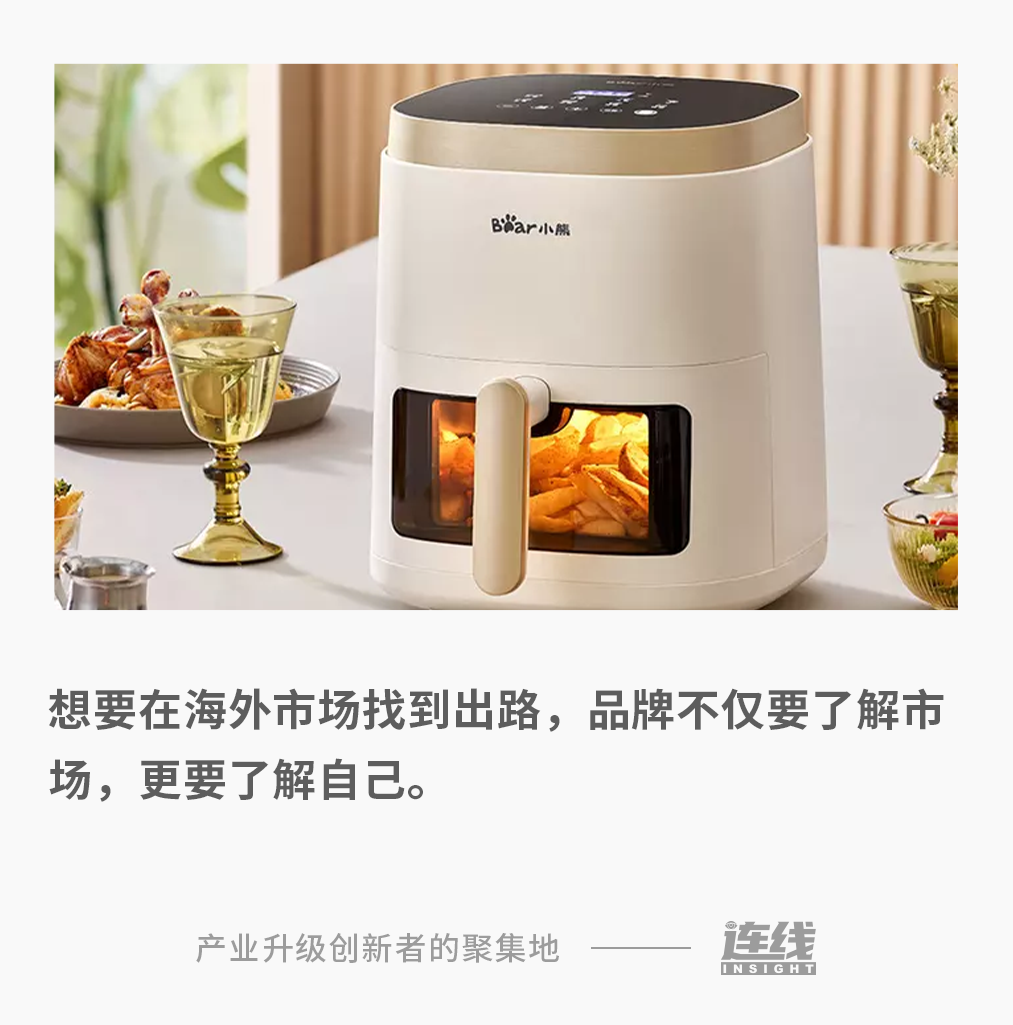
对话小熊电器海外事业部市场负责人钟宛芸:小家电品牌出海,如何用差异化对抗同质化和价格战?
Xin Lang Cai Jing· 2025-12-26 12:23
Core Viewpoint - The "going abroad" strategy has become a new growth avenue for many Chinese home appliance brands, particularly in the small appliance sector, which is characterized by shorter R&D cycles and closer alignment with daily life scenarios [28][29]. Group 1: Opportunities and Challenges in Overseas Markets - Small appliance brands face significant challenges when entering overseas markets, including competition from local brands with supply chain advantages and established international giants [33][34]. - The shift in family structures in markets like Vietnam presents opportunities for small appliances, such as the demand for smaller rice cookers due to the transition from multi-generational households to smaller family units [34][36]. - The use of social media platforms like TikTok, which has 60 million daily active users in Vietnam, is crucial for marketing small appliances effectively [36][38]. Group 2: Differentiation Strategies - Companies must focus on product differentiation by understanding local consumer habits and preferences, leading to tailored product offerings [34][38]. - Small Bear Electric has successfully introduced a small-capacity rice cooker in Vietnam, addressing the needs of younger families [34][36]. - The company has also innovated in product materials and features based on local lifestyle needs, which has helped it gain market share in a competitive environment [38][40]. Group 3: Marketing and Sales Channels - The company employs a flexible distribution model, often using a dealer tray approach to adapt to local market conditions [40]. - Initially focusing on offline sales, the company shifted to online marketing strategies after recognizing the challenges of the local offline market [40][41]. - The company tracks market share as a key performance indicator, aiming for significant results rather than immediate profits [41][42]. Group 4: Product Development and Market Research - Before launching new products, the company conducts thorough market data analysis, utilizing third-party research and sales data to inform product development [41][42]. - Local teams, including country managers and local employees, are engaged in the product development process to ensure alignment with market needs [42][44]. - A successful example of product differentiation is the slow cooker, which caters to local dietary preferences and has achieved significant sales in Vietnam [44][45]. Group 5: Future Market Potential - Emerging markets such as Southeast Asia present high potential for categories like baby products, driven by population growth [50]. - Companies are encouraged to define their strategic goals clearly before entering new markets, which will influence resource allocation and organizational structure [50][51]. - The competitive landscape in developing countries necessitates a focus on brand differentiation and quality rather than competing solely on price [51].

星途创新李一帆:代工转型品牌出海,深圳电单车抢滩北美市场
Nan Fang Du Shi Bao· 2025-12-26 06:18
Core Insights - Heybike, a smart electric bicycle brand, successfully entered the mainstream markets in Europe and North America within four years, leveraging influencer marketing as a key strategy for building trust with consumers [2][4]. Company Development - Heybike's journey began with supply chain experience in the mobility sector since 2014, transitioning from an OEM/ODM factory to an independent brand in 2021 [4]. - The company identified a significant market gap in the North American E-bike sector, which was still emerging with low penetration and a lack of leading brands, allowing Heybike to position itself effectively [4]. - The brand launched high-quality entry-level products priced around $1,000, which resonated well with consumers, achieving 10,000 users within six months of launch [4]. Challenges and Growth - Heybike faced initial setbacks, particularly during the 2021 holiday season, where misjudgments about market demand led to unsold inventory and cash flow issues [5]. - The company rebounded in 2022, doubling its performance by introducing new product lines and expanding its market presence [5]. - Plans for 2023 and beyond include launching a European product line, expanding into offline retail channels, and developing localized products for various markets [5]. Marketing and Brand Strategy - Influencer marketing is emphasized as a crucial element for establishing market recognition and consumer trust during product launches [7]. - The company actively engages with authoritative media and diverse social media platforms to build a professional reputation and foster community interaction [8]. - Heybike prioritizes offline channels by participating in industry exhibitions, which helps in obtaining user feedback and building trust with distributors [8]. - The brand integrates values such as environmental sustainability into its marketing efforts, enhancing emotional connections with consumers [8].

华凯易佰小王子:TikTok自制内容利于解决成本难题
Nan Fang Du Shi Bao· 2025-12-25 12:05
Core Insights - The forum "Intelligent Manufacturing Going Abroad: New Cross-Border Trends" highlighted the unique advantages of TikTok in brand marketing and sales conversion, differentiating it from traditional e-commerce platforms [2] - The importance of self-produced content was emphasized as a means to reduce costs and enhance marketing effectiveness, particularly in the context of TikTok and similar platforms [3] Group 1: TikTok's Unique Position - TikTok is positioned as a platform that integrates brand marketing and sales, allowing for direct conversion of GMV through influencer promotions, unlike traditional e-commerce which requires additional advertising [2] - Influencer marketing on TikTok can lead to significant GMV growth, as users can purchase products directly through influencer links [2] Group 2: Importance of Self-Produced Content - Self-produced content is crucial for reducing sample costs and minimizing influencer commission expenses, which can enhance overall profitability [3] - The creation of effective self-produced content involves analyzing successful influencer videos and competitor content, as well as leveraging AI to improve efficiency and address specific marketing challenges [3] Group 3: Cost Management Strategies - For launching new products on TikTok, sending 100 to 1,000 samples is considered reasonable, with the cost for 1,000 samples estimated at approximately $20,000 [3] - AI tools can be utilized to generate video content efficiently, but it is important to limit AI-generated content to avoid platform restrictions, suggesting a maximum of 20% AI content in videos [3]

长三角企业全球化路径:资本锚定全球,产业链扬帆远航|2025中国经济年报
Hua Xia Shi Bao· 2025-12-25 09:54
Core Viewpoint - In 2025, "globalization" has become a high-frequency term in the development strategies of enterprises in the Yangtze River Delta, as companies accelerate their global layout through diversified collaborative paths amid the dual waves of global industrial restructuring and regional economic integration [2] Group 1: Capital and Market Trends - The Yangtze River Delta region has seen a surge in A-share companies planning to list H-shares in Hong Kong, with 47 out of approximately 122 companies (38.5%) coming from this region [2] - Companies like Estun and Huayi Group are preparing for H-share listings to optimize financial structures and expand overseas production capacity [3][4] - Suzhou Naxin Microelectronics successfully listed on the Hong Kong Stock Exchange, raising approximately HKD 2.096 billion, with 25% allocated for expanding overseas sales networks [4] Group 2: Collaborative Ecosystem Development - The Yangtze River Delta has established various outbound bases and service platforms to support collective development among enterprises, highlighting a "cluster outbound" ecosystem [6] - The G60 Science and Technology Corridor has formed an outbound service alliance to integrate services such as market access and compliance, benefiting over 20,000 enterprises [7] Group 3: Transition from Product to Brand Globalization - Enterprises in the Yangtze River Delta are transitioning from "product export" to "brand export" and "value chain export," focusing on building international brand influence [9] - Companies like Zhongyuan Home and Gujia Home are investing in overseas production bases in Vietnam and Indonesia to enhance supply chain resilience and respond to international trade uncertainties [9] Group 4: Case Studies of Globalization - XCMG Group has evolved from merely exporting machinery to establishing local operations and acquiring global resources, showcasing a deepening commitment to localization [10] - The company has introduced customized products that meet European standards and has established training centers and subsidiaries in Europe to strengthen its local operational capabilities [10]




广东汽配仍在加速拓展美国市场
Xin Lang Cai Jing· 2025-12-25 07:16
Core Insights - North America, particularly the United States, is one of the largest automotive parts markets globally, with Guangdong automotive parts manufacturers accelerating their expansion into this market despite geopolitical uncertainties and tariffs [1][3] Group 1: Market Growth and Trends - The U.S. automotive parts market has seen over a twofold growth this year, driven by a relatively small initial business volume and a shift of some sellers away due to tariffs, while demand remains strong [1] - The North American online automotive parts market is projected to reach $45 billion by 2025, with significant growth in high-value components such as engine assemblies, which have seen a fivefold increase in sales [2][8] - The average age of vehicles in the U.S. has reached 12.8 years, with approximately 29.3% of vehicles over 16 years old, creating a substantial demand for aftermarket parts [3][4] Group 2: E-commerce and Consumer Behavior - The shift from offline to online purchasing is a key driver of growth, particularly for categories that were previously dominated by offline sales, such as heavy parts [2][4] - The online penetration rate for automotive parts in the U.S. is only about 15%, indicating significant room for growth as older vehicle owners seek easier access to parts [3][4] - Consumers are increasingly looking for cost-effective solutions, leading to a trend of purchasing individual parts rather than complete sets [4] Group 3: Supply Chain and Logistics - The logistics of delivering heavy parts, such as tires, has been a challenge, but improvements in cross-border e-commerce logistics are expected to enhance delivery capabilities [6][7] - The use of overseas warehouses is crucial for local fulfillment, providing resilience against risks associated with changing tax policies on small packages [7] - The complexity of U.S. logistics requires careful inventory management to balance costs and delivery times, particularly for bulky automotive parts [7] Group 4: Brand Development and Innovation - Companies are focusing on brand development to capture consumer mindshare, with innovative features being added to traditional automotive products to differentiate them in the market [5][10] - The electric vehicle market is expected to create new demand for parts, with over 1 million electric vehicles sold annually in the U.S. since 2022 [8][10] - The acquisition of Caramel by eBay aims to streamline the vehicle buying process, potentially increasing the demand for parts as the platform expands its offerings [10]

下一代中国顶级企业,或许将诞生于数字文明大航海
Sou Hu Cai Jing· 2025-12-25 05:33
Core Insights - The article highlights the rapid globalization of Chinese brands, exemplified by companies like Pop Mart, Xiaomi, and Miniso, which have achieved significant overseas revenue growth in a short period, contrasting with the lengthy globalization processes of traditional giants like Coca-Cola and McDonald's [3][6]. Group 1: Company Expansion - Pop Mart established its overseas business center in 2018, and within seven years, overseas markets contributed approximately 50% of its sales, achieving the founder's goal [3]. - Xiaomi's overseas revenue surged from 4.06 billion yuan in 2015 to 74.9 billion yuan in the first half of 2025, marking an increase of over 17 times [3]. - Miniso opened its first overseas store in Singapore in 2015, and by June 2025, it had expanded to 3,307 overseas stores, with overseas revenue reaching 3.534 billion yuan, accounting for 40.9% of total revenue [3]. Group 2: Digital Transformation - The article discusses a fundamental change in the driving forces of globalization, emphasizing a shift from traditional linear growth models to data-driven business models that allow for exponential growth [4][7]. - Chinese companies leverage their inherent digital capabilities to replicate systems quickly in new markets, bypassing lengthy talent training periods [7]. Group 3: Challenges in Globalization - Chinese brands face challenges in overseas markets due to fragmented payment systems and regulatory environments, which hinder their ability to operate efficiently [5][12]. - The article notes that each country has its own dominant local payment methods, leading to high adaptation costs for Chinese companies [12]. - The lack of unified systems across different regions complicates operations, making it difficult for companies to maintain a cohesive global network [13]. Group 4: PingPong's Role - PingPong is positioned as a solution to the complexities of global financial and compliance challenges, offering services that simplify these processes for Chinese companies [14][15]. - The company has obtained over 60 payment licenses globally, allowing brands to access localized payment capabilities without the need for extensive negotiations [15]. - PingPong's system enhances operational efficiency by providing real-time visibility into global funds, enabling data-driven decision-making for brands [19]. Group 5: Future Outlook - The article concludes that the future of Chinese brands will rely on digital transformation to achieve global brand recognition, transitioning from "Made in China" to "Global Brands" [20][21].

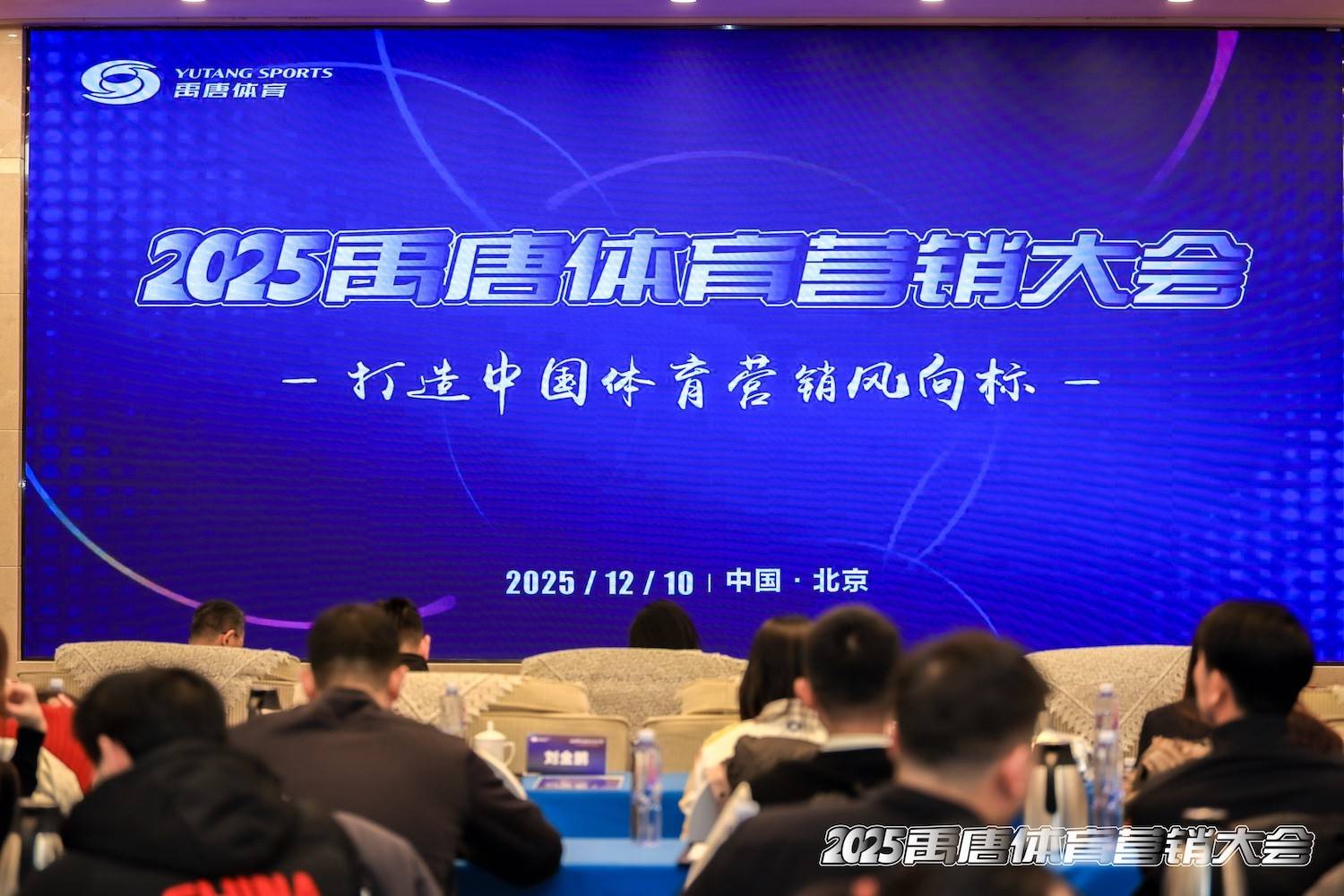
聚焦“突破边界·重塑消费”主题,禹唐体育营销大会论坛剖析行业主流趋势和前沿话题
Sou Hu Cai Jing· 2025-12-24 20:11
Core Insights - The 2025 Yutang Sports Marketing Conference was held in Beijing with the theme "Breaking Boundaries, Reshaping Consumption," focusing on the current trends and strategies in the sports marketing market [3][36] - The conference featured discussions on global trends, event economy, IP management, brand internationalization, artificial intelligence, and virtual sports [3][7] Group 1: Event Overview - The conference attracted over a hundred industry professionals, including event organizers, brand representatives, and experts, with nearly ten thousand viewers following the live stream [3] - Key agendas included the Yutang Sports Marketing Forum, annual awards, and the release of Yutang's findings [3][6] Group 2: Breaking Boundaries - Brand internationalization is a significant trend, with sports marketing becoming a key tool for Chinese brands to expand globally [7] - The "Sports+" model is transforming event traffic into economic growth, revealing new business opportunities driven by market demand [7] - Technology and digitalization are reshaping the sports industry, enhancing user experience and engagement through social media [7] Group 3: Reshaping Consumption - New demographics and media are altering consumer demand, making sports a vital part of modern lifestyles [8] - The upgrade in viewing and experiential demands is expanding sports consumption scenarios beyond traditional venues [8] - The integration of event economy and industry is reshaping consumption patterns, with local sports industry groups emerging to drive domestic demand [8] Group 4: Seizing Opportunities - The current era is seen as the best time for the sports industry, emphasizing the need for market awareness, professionalism, and value creation for clients [9] Group 5: Expert Insights - Simon Chadwick discussed global sports marketing trends, highlighting the importance of IP creation, creator economy, and data utilization [11][12] - Wang Yuxiong emphasized the need to activate market participants and balance development across various sports sectors [15] - Xin Ying suggested focusing on core consumer needs and exploring opportunities in outdoor sports, youth engagement, and digital marketing [16] Group 6: IP Management - The discussion on IP management highlighted the importance of creating a consumption loop centered around family units rather than individual users [20] - Yu Lei stressed the necessity of a mature competition and honor system for successful IP development [21] Group 7: Brand Internationalization - Benjamin Wahl expressed optimism about the Chinese market, noting its strong sports culture and the potential for brands to leverage partnerships with clubs like Borussia Dortmund [25] - Luo Ming pointed out the importance of sponsorship activation in maximizing marketing investments during events like the World Cup [26] - Yang Youcai emphasized the need for data-driven decision-making in sports marketing investments [27] Group 8: Technology in Sports - The panel on artificial intelligence and virtual sports discussed how technology is transforming the industry, with applications ranging from data services to enhancing user experiences [28][30] - Lin Xiaoyong highlighted the role of AI in providing cost-effective solutions for sports events and enhancing user engagement [30] - Zhao Yang noted that AI's value lies in efficiency and content generation, which is crucial for sustaining market demand [31]
家居出海记
Bei Jing Shang Bao· 2025-12-24 16:03
Core Insights - The home furnishing industry is entering a strategic deepening phase in 2025, expanding beyond traditional reliance on Western markets to emerging markets in Southeast Asia, Latin America, and Africa, while transitioning from "OEM export" to "brand export" [1][2] Group 1: Global Expansion Strategies - Leading companies are accelerating their global layouts, with significant investments in overseas production facilities, such as Kuka Home's planned investment of 1.124 billion yuan in Indonesia and the establishment of a factory in Mexico by Aili Home [1][2] - Southeast Asia is becoming a core hub for home furnishing companies due to its geographical advantages and potential for consumer upgrades, with Kuka Home focusing on the North American electric sofa market through its new factories in Vietnam and Indonesia [2][3] - Companies like Jiangxin Home are investing in Cambodia to establish smart furniture production bases, aiming to enhance product sales and overall competitiveness in overseas markets [2] Group 2: Performance and Market Dynamics - The overseas revenue growth is significantly contributing to the performance of several companies, with Mengtai achieving 1.515 billion yuan in sales from overseas stores in the first three quarters of 2025, a 2.09% increase year-on-year [4] - Other companies, such as Zhibang Home and Mosi, reported substantial growth in overseas revenues, with increases of 65% and 73.97% respectively, indicating a strong market response to their international strategies [4] - The growth in overseas markets is attributed to the effective localization of operations and the ability to meet the rising demand from emerging middle-class consumers [5] Group 3: Challenges and Adaptations - Despite the growth opportunities, Chinese home furnishing companies face challenges in establishing brand recognition globally, transitioning from a cost-based OEM model to a brand-centric approach [6][7] - Compliance with international regulations poses significant barriers, with companies needing to navigate various standards in markets like the US and EU, as highlighted by recent product recalls due to non-compliance [6] - Cultural differences and brand perception issues also hinder the expansion efforts, necessitating a dual approach of localized teams and digital channels to effectively engage with international consumers [7]
