机构库存

Search documents
98.8%规模靠债券!这家基金公司怎么了?
Sou Hu Cai Jing· 2025-10-10 14:06
Core Insights - The recent management changes at Donghai Fund, including the departure of former Deputy General Manager Zong Huajun and Chairman Yang Ming, reflect deeper market phenomena [1][3] - As of Q3 2025, Donghai Fund's management scale reached 28.43 billion yuan, ranking 104th in the industry, with 98.8% of this coming from 14 bond funds, indicating a significant imbalance in product structure [3] - The poor performance of equity products, with 9 products each below 50 million yuan, raises questions about the reasons behind this disparity and its implications for market understanding [3][7] Management Changes - Donghai Fund has experienced two significant management changes this year, with Zong Huajun leaving and Zhu Yimin taking over, alongside the departure of Chairman Yang Ming in April [1] - Frequent personnel changes may indicate instability within the investment team, potentially leading to a lack of continuity in investment strategies [7] Product Structure - The extreme "strong bonds, weak stocks" phenomenon at Donghai Fund suggests a need for a more balanced product line, as successful transformations in the past have led to diversified offerings [3][7] - The company's equity products have underperformed against benchmarks, with several funds lagging by at least 10 percentage points over the past two years [7] Market Behavior Insights - The analysis highlights that extreme differentiation in a sector often signals potential market shifts, as seen with Donghai Fund's heavy reliance on bond products [7] - Key insights from quantitative analysis emphasize the importance of understanding market psychology and funding behaviors rather than relying solely on historical comparisons [7] Investment Opportunities - Structural opportunities may arise in areas that are currently overlooked, as indicated by the extreme allocation towards bonds at Donghai Fund [7] - The necessity for a multi-dimensional observation framework is emphasized, advocating for a focus on funding behavior and the use of quantitative tools to uncover hidden market patterns [7]


A股突破3900点,90%股民却输给了这个数据!
Sou Hu Cai Jing· 2025-10-10 04:36
Group 1 - The A-share market experienced a significant rebound after the National Day holiday, with the non-ferrous metal sector seeing substantial gains, including historical highs for stocks like Shanjin International and Zhongjin Gold [1] - The Shanghai Composite Index stabilized above 3800 points, with a trading volume increase and a stock rise-to-fall ratio of 2.57:1, indicating a seemingly prosperous market [3] - Despite the apparent market enthusiasm, less than 50% of stocks saw gains exceeding 6%, highlighting the presence of market illusions [3] Group 2 - Institutional funds have been strategically positioning themselves in the market, with significant activity noted in the non-ferrous metals and nuclear fusion sectors prior to the recent surge [13] - The market is characterized by short periods of price increases followed by longer periods of adjustment, a strategy employed by institutional investors to manage market volatility [5] - The presence of institutional investors does not guarantee stock safety, as evidenced by the decline in Guizhou Moutai's stock price despite increased institutional holdings [11][13] Group 3 - The article emphasizes the importance of data analysis over surface-level market trends, urging investors to focus on actual trading behaviors rather than mere speculation [15] - Investors are encouraged to develop a data-driven mindset, paying attention to institutional actions rather than their statements, and to remain patient in their investment strategies [15]
散户为何总在牛市亏钱
Sou Hu Cai Jing· 2025-10-06 12:21
Core Insights - The importance of recognizing "pseudo-growth" traps in investment strategies is emphasized, highlighting the need to align with human nature in growth investing [1][2] - The observation that bull markets often experience severe corrections, contrary to common belief, is noted, with a focus on the psychological aspect of loss aversion [3][4] Investment Strategies - The investment methodology involves seeking out excellent companies within thriving industries, which aligns with the broader investment philosophy [3][4] - The phenomenon of "loss aversion" is explained, where the pain of losses is significantly greater than the pleasure of equivalent gains, influencing investor behavior during market corrections [3][4] Market Behavior - Two primary scenarios for sharp declines in bull markets are identified: genuine liquidation of positions and strategic "washing" by major players to intimidate retail investors [4][6] - The analysis of trading behavior data is crucial for distinguishing between real selling pressure and mere market manipulation [6][10] Data Analysis - The "institutional inventory" data serves as a key indicator of institutional participation in trading, with active data suggesting confidence among institutional investors [8][10] - A cautionary example is provided where a decline in "institutional inventory" indicates a withdrawal of institutional funds, signaling potential risks in perceived growth stocks [10] Key Takeaways - Investors should not be misled by superficial market indicators; instead, they should focus on trading behavior data for deeper insights [11] - Continuous monitoring of "institutional inventory" is essential for identifying sustainable investment opportunities [11] - A diversified investment approach across multiple sectors can mitigate risks associated with reliance on a single market segment [11][12] - Overcoming inherent psychological biases is crucial for successful investing, as self-doubt can be a significant barrier [12]

量化数据揭示主力真实意图
Sou Hu Cai Jing· 2025-10-01 08:10
Core Viewpoint - The recent 25 basis point interest rate cut by the Federal Reserve has sparked mixed reactions among investors, with some optimistic about a bull market while others express concerns about a potential economic recession [1][3]. Group 1: Market Reactions and Analysis - Analysts from Manulife and Legg Mason describe the rate cut as a "risk management-style cut," highlighting the ongoing conflict between the labor market and inflation [3]. - The article emphasizes the importance of recognizing opportunities and traps in a fluctuating market, rather than being swayed by news [3][4]. Group 2: Survival Strategies in Volatile Markets - Stocks face two perpetual challenges: increasing follow-the-trend trading and profit-taking, creating a psychological battle among investors [4]. - A personal anecdote illustrates that market fluctuations are not inherently risky; rather, the inability to discern the underlying intentions of capital movements poses the greatest risk [4]. Group 3: Insights from the Solar Industry - A notable market trend observed in August 2025 showed that despite strong performance in the bus sector, the struggling solar sector surged, challenging traditional notions of "value investing" [5]. - This indicates that stock price movements are often driven more by capital behavior than by earnings or valuations [5]. Group 4: Institutional Inventory as a Market Indicator - The concept of "institutional inventory" is introduced as a tool to penetrate market complexities, providing a quantitative view of institutional trading behavior [8][11]. - A comparison of stock performance based on institutional activity reveals that true risk lies in the withdrawal of institutional funds rather than price volatility [11]. Group 5: Post-Rate Cut Investment Strategies - The Federal Reserve's rate cut is expected to influence global capital flows, necessitating a focus on actual capital movements for individual stock operations [12]. - During periods of policy easing, institutions tend to frequently adjust their portfolios, making "institutional inventory" data particularly significant [12]. Group 6: Recommendations for Ordinary Investors - In an era of information overload, relying solely on news analysis is insufficient; more objective and quantitative tools are needed for decision-making [13]. - "Institutional inventory" serves as one of many quantitative tools that help differentiate between genuine institutional actions and retail investor trends, revealing that market fluctuations can present opportunities rather than threats [13].

超级利好发布,巨佬却清仓出局!
Sou Hu Cai Jing· 2025-09-30 22:57
Core Viewpoint - The article emphasizes the importance of understanding market behavior through quantitative data analysis rather than relying solely on surface-level news and trends. It suggests that institutional trading patterns often reveal the true market sentiment, which can be obscured by apparent market movements [1][10][16]. Group 1: Market Dynamics - The A-share market is likened to a theater where visible news and policies act as puppets, while the real influencers operate behind the scenes [1][9]. - The white liquor sector experienced a significant decline following the "liquor ban" announcement, with an average drop of over 6% in the following 20 trading days, highlighting the volatility and unpredictability of market reactions to news [2][4]. - Institutional funds had begun withdrawing from the white liquor sector earlier in the year, indicating that the subsequent market reactions were not as spontaneous as they appeared [4][6]. Group 2: Quantitative Analysis - The article advocates for the use of quantitative systems to track institutional trading behaviors, such as "institutional inventory" and "activity levels," which can provide insights into market trends [6][10]. - The "institutional inventory" data showed a lack of confidence in the white liquor sector despite temporary price rebounds, suggesting that the market's apparent resilience was misleading [6][8]. - Quantitative data can help investors identify true market intentions, allowing them to make more informed decisions rather than being swayed by superficial news [10][11]. Group 3: Investment Strategies - Investors are encouraged to adopt a data-driven approach to market analysis, focusing on behavioral patterns rather than just price movements [10][12]. - New investors should learn to recognize trading behaviors, exercise patience, and maintain independent thinking to avoid being misled by market noise [15][16]. - The article concludes that while the market environment is complex, the future of A-shares remains promising, with an emphasis on the growing role of quantitative investment strategies [15][16].

牛市来了为何散户总亏钱?大数据揭秘真相
Sou Hu Cai Jing· 2025-09-24 00:32
Group 1 - The article highlights the importance of relying on data rather than news headlines or expert opinions for investment decisions, emphasizing that successful investors do not let external noise dictate their strategies [1][12] - The upcoming economic data releases and corporate earnings, including the PCE price index and Alibaba's Cloud Conference, are seen as critical turning points for the global market, with underlying risks present despite the apparent information abundance [3][12] - The article warns against four major investment traps: holding onto stocks waiting for price increases, chasing hot stocks, the cognitive bias of strong stocks continuing to perform, and the allure of rebounds in oversold stocks [4][5][6][7] Group 2 - The article discusses the significance of monitoring institutional inventory data, which serves as a reliable indicator of stock performance, contrasting it with superficial price movements [9][12] - It mentions the recent performance of Micron Technology, where despite positive earnings, the stock price fell due to declining institutional inventory, highlighting the importance of data-driven analysis [9][12] - The article advises investors to focus on their own data observation systems and to track the long-term movements of leading institutions rather than being swayed by extreme opinions on social media [14]
融资抄底VS股价新低:谁在说谎?
Sou Hu Cai Jing· 2025-09-23 00:14
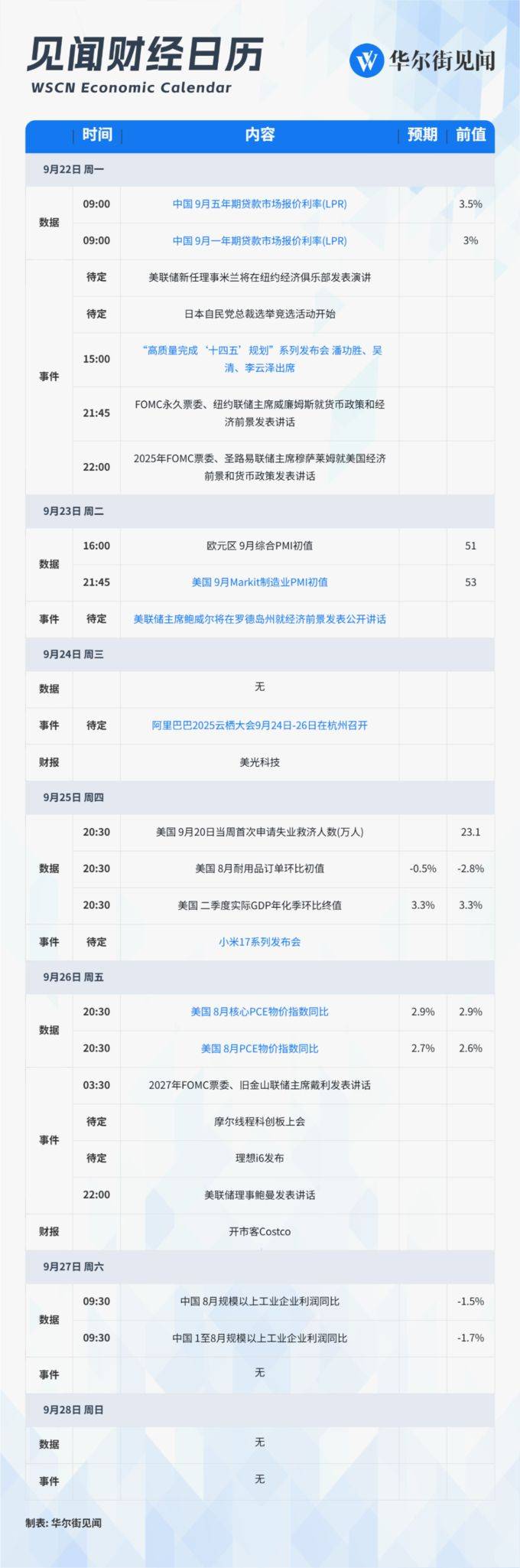
Core Viewpoint - Agricultural Bank of China (601288.SH) experienced a rapid decline in market value after briefly becoming the largest in A-shares, highlighting volatility in the banking sector and investor sentiment [1][3]. Group 1: Market Performance - On September 4, Agricultural Bank reached a market value of 2.55 trillion yuan, becoming the largest in A-shares, but by September 19, it fell back to second place, trailing Industrial and Commercial Bank by 136.7 billion yuan [1]. - The bank's stock price dropped 9% over eight trading days, surprising many investors who entered the market seeking low valuations [1]. - The overall banking sector is struggling, with the China Securities Banking Index hitting a new low since May, and the year-to-date increase shrinking from 20.38% to 3.05% [3]. Group 2: Financing Trends - Interestingly, financing funds have been quietly accumulating, with a net buy of 76.29 million yuan on September 18, marking the highest financing balance since September 5 [3]. - This divergence of "falling stock prices and increasing financing" recalls the situation in 2020 when Kweichow Moutai's stock price fell below 1,000 yuan, yet financing continued to increase, leading to further adjustments [3]. Group 3: ETF Fund Flows - Among 10 banking ETFs, 8 saw an increase in shares, but the Banking ETF Index Fund (516210) experienced an 11.2% decrease in shares, indicating a divergence in market sentiment [4]. - The market is playing a "differential expectation" game, where the focus on low price-to-earnings ratios (6.86 times) and high dividend yields (4.24%) may not reflect the true drivers of market performance [4]. Group 4: Institutional Inventory Insights - The case of Agricultural Bank illustrates that while low valuations and high dividends attract attention, institutional inventory data showed divergence even when stock prices reached new highs [9]. - The focus should shift from static indicators like price-to-earnings ratios to the dynamics of institutional trading characteristics, which provide a clearer picture of market behavior [10][11]. Group 5: Behavioral Insights - The emphasis on behavioral traces rather than static metrics is crucial, as stock prices are outcomes while institutional trading characteristics are the underlying causes [10]. - Questions regarding the current state of institutional inventory and the logic behind ETF fund flow divergences may yield more valuable insights than traditional analyses [11].

散户追消息亏钱,机构看数据赚钱的真相
Sou Hu Cai Jing· 2025-09-22 15:55
Group 1 - The recent market behavior is perplexing, with the A-shares declining despite the Federal Reserve's interest rate cut, which is typically seen as a positive signal [3][5] - The brokerage sector has experienced a significant drop of 10% in a week, contributing to the overall market downturn [3] - Historical patterns show that markets often react negatively to anticipated good news, as seen in previous instances of "preemptive rate cuts" [3][5] Group 2 - The easing of U.S.-China relations, highlighted by a positive communication between the two leaders, should theoretically boost the market, yet stock prices remain stagnant [3] - A critical observation is the concept of "stronger getting stronger" and "extreme reversal," indicating that stocks in an upward trend will continue to rise with good news, while those at their peak may face corrections regardless of positive developments [5][15] - Institutions have an advantage over retail investors due to their access to trading data that is not visible to the average trader, allowing them to make informed decisions [7][9] Group 3 - The concept of "institutional inventory" shows that while stock prices may be declining or stagnant, institutional buying activity can remain high, indicating accumulation during market pessimism [9][15] - Examples of stocks with high institutional inventory during price corrections include a leading technology company, a consumer staple, and a new energy leader, all demonstrating that institutions are strategically building positions [11][13][15] - The current A-share market is at a pivotal moment where long-term positive factors like the Fed's rate cut and improved U.S.-China relations will eventually have an impact, despite short-term market reactions [15]
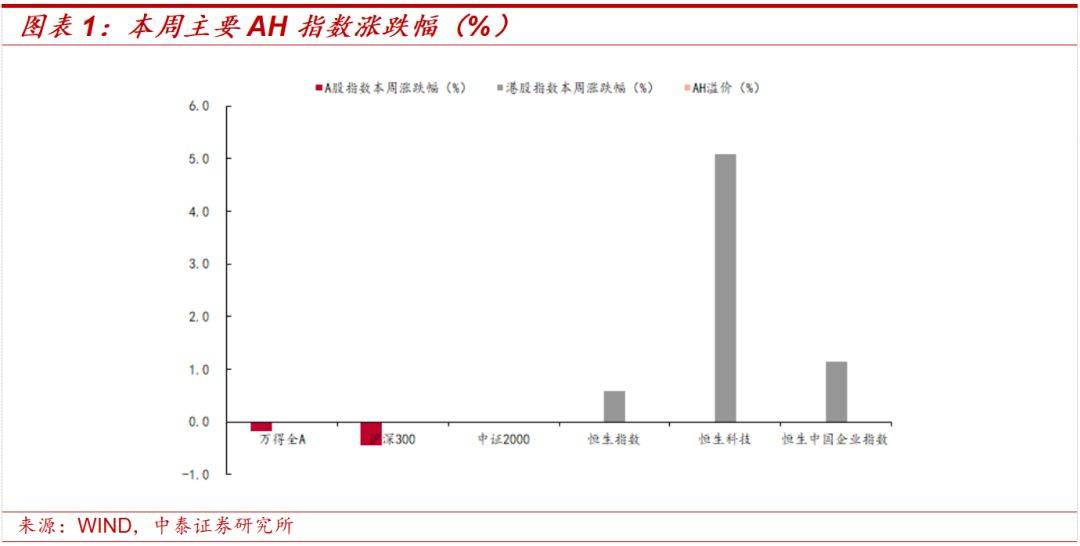
两张图告诉你:为何90%散户看不懂横盘?
Sou Hu Cai Jing· 2025-09-22 11:35
Core Insights - The article discusses the impact of the Federal Reserve's interest rate cut and emphasizes the importance of understanding market behavior beyond traditional financial metrics [1][3]. Group 1: Market Behavior and Investment Strategies - The article highlights that not all stocks react similarly to the same policy environment, indicating that market behavior often deviates from textbook predictions [3]. - It points out that institutional funds play a crucial role in determining stock price movements, often leading retail investors to make poor decisions based on short-term price changes [3][8]. - The concept of "institutional inventory" is introduced as a key indicator of market sentiment, revealing the true intentions of major players in the market [4][8]. Group 2: Data Analysis and Stock Performance - The article provides examples of two stocks with similar price movements but differing institutional inventory behaviors, illustrating how one stock can rebound while the other continues to decline [6]. - It emphasizes that stocks with active institutional buying tend to outperform the market, as evidenced by a 17.6% average outperformance during market corrections [8]. - The article concludes that observing quantitative data is more reliable than speculating on market trends, as it can reveal the actions of informed investors [9].
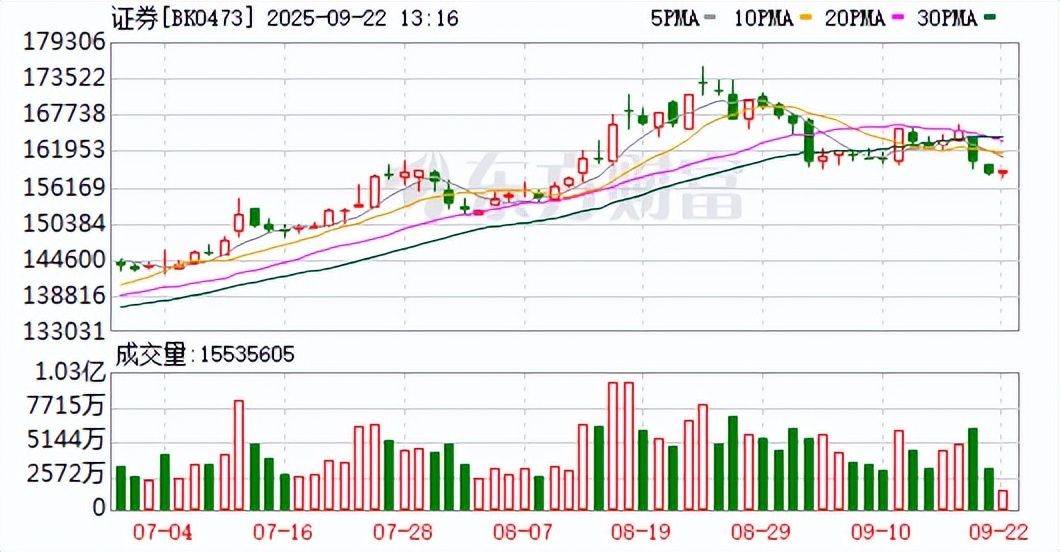
散户必看!A股天量调整的隐藏密码
Sou Hu Cai Jing· 2025-09-19 12:10
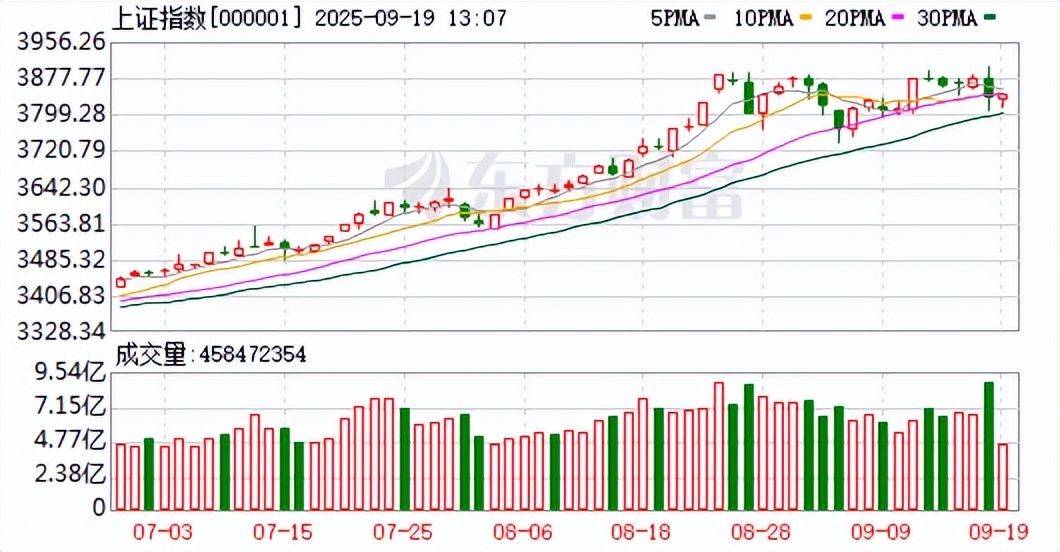
9月18日那天,A股市场突然"变脸",三大指数集体跳水,成交额却创下3.17万亿的"天量"。朋友圈里顿时炸开了锅,有人喊着"快跑",有人忙着"抄底"。我 盯着手机屏幕,突然想起十年前刚入市时的自己——也是这样,被市场的每一个波动牵着鼻子走。 直到后来我才明白,股市里最可怕的不是波动本身,而是我们总是用散户的思维去解读机构的游戏规则。就像这次调整,表面看是美联储降息预期兑现、资 金调仓、技术面承压,但真相往往藏在数据深处。 那天券商给出的分析报告我看了三份,内容大同小异:美联储降息预期兑现、资金调仓换股、技术面承压。但有趣的是,同样是这些消息,不同机构给出了 完全相反的判断——有的说"牛市根基未变",有的建议"保持谨慎"。 这让我想起小时候听的「小马过河」故事。老牛说水很浅,松鼠说水会淹死人,到底该听谁的?股市里每天都在上演同样的戏码:同一个消息,有人说是利 好,有人说是利空。问题不在于消息本身,而在于解读消息的人站在什么立场。 机构有机构的算盘,散户有散户的局限。当多数人盯着消息面患得患失时,少数人早已通过大数据看到了资金流动的真相。就像我用的那个量化工具,它能 从海量交易数据中剥离出机构的操作痕迹——这才是 ...