
消费升级

Search documents
武汉前三季度消费数据透露哪些信号
Chang Jiang Ri Bao· 2025-10-17 01:07
Group 1 - The consumer price index (CPI) in Wuhan increased by 0.3% year-on-year in the first three quarters, outperforming national and provincial averages, ranking second among 19 sub-provincial cities [1] - There is a noticeable shift in consumer preferences from "buying cheap" to "buying quality," with significant increases in prices for smart home appliances (2.0%), smart home devices (2.2%), and wearable devices (3.2%) [1] - Service consumption is a major driver of price recovery, with ticket prices for attractions rising by 6.8% and movie tickets by 2.4% [1] Group 2 - Gold jewelry prices in Wuhan surged by 39.1% year-on-year, while platinum jewelry prices rose by 20.9%, indicating a dual shift in asset allocation and consumer preferences [2] - Basic living costs remained stable, with fresh vegetable prices averaging a decline of 6.8%, and major food prices such as pork, grains, and cooking oil generally falling [2] - The core CPI, excluding food and energy, increased by 1.0%, reflecting enhanced internal consumption dynamics rather than short-term stimuli [3] Group 3 - The "holiday economy" effects from the National Day and Mid-Autumn Festival are expected to sustain consumer enthusiasm in events, performances, and tourism, contributing to stable industrial product prices [3] - The overall CPI in Wuhan is anticipated to maintain a "moderate fluctuation and overall stability" trend in the fourth quarter [3]

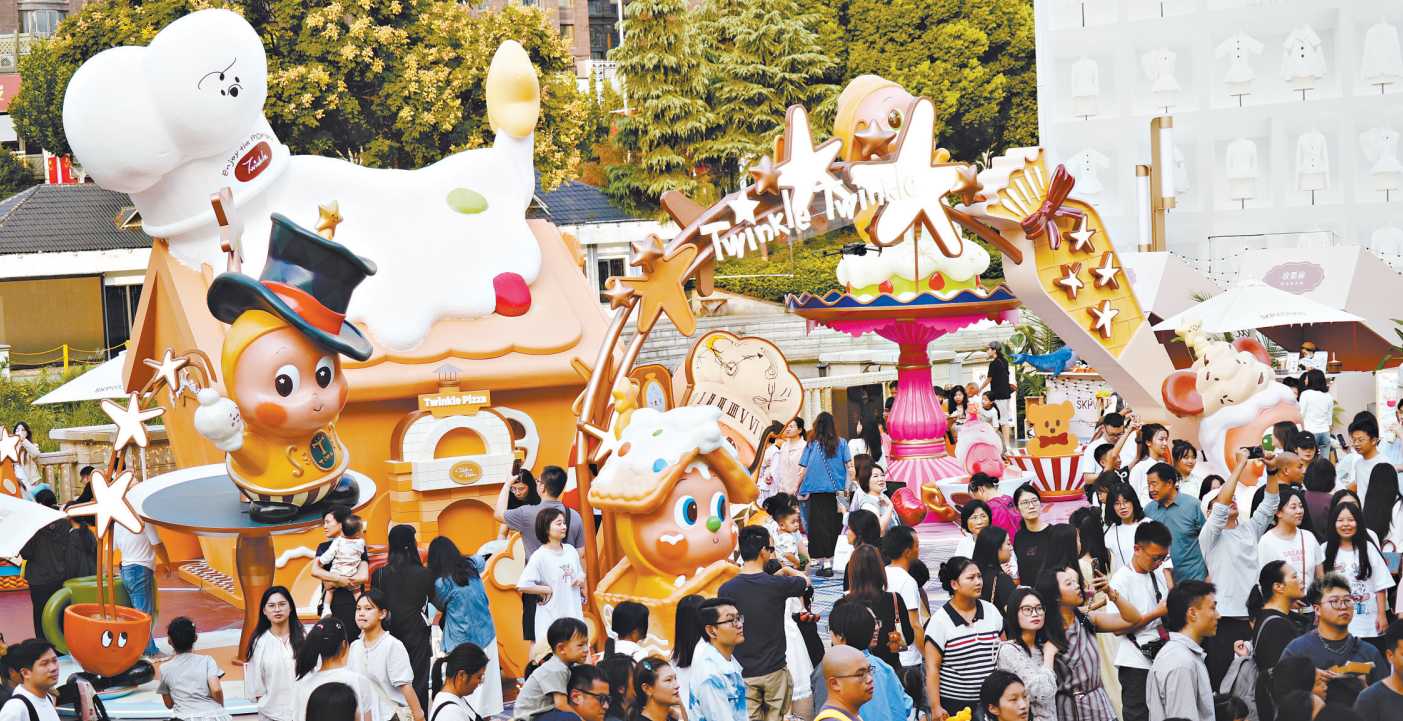
外国客商热追“苏州智造”
Su Zhou Ri Bao· 2025-10-17 00:17
Core Insights - The launch of the U10 water purification machine by Suzhou-based Chasing Technology at the Canton Fair highlights the increasing demand for innovative home appliances that meet consumer expectations for quality, functionality, aesthetics, and convenience [1][2] Product Features - The U10 features a unique 180-degree dual-arm design that separates washing and drinking water, effectively eliminating cross-contamination [1] - One side of the U10 dispenses water for washing fruits and vegetables, while the other provides drinkable mineralized water with real-time quality display on an LCD screen [1] Market Reception - The U10 has garnered significant attention from international buyers, with initial statistics indicating intention orders exceeding one million USD on the first day of the fair, covering regions such as Europe, the Middle East, Southeast Asia, and the Americas [2] - The product's innovative features, such as real-time water quality display and sweet taste, are particularly appealing to markets with specific water quality concerns, like Europe and the Middle East [2]
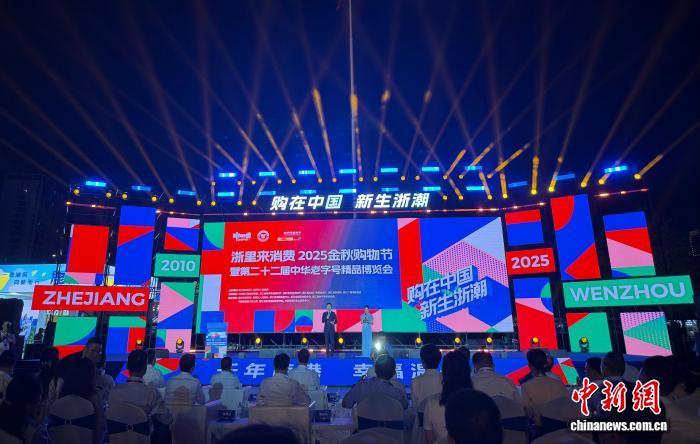
浙江开启2025金秋购物节 全域协同发力共促消费
Zhong Guo Xin Wen Wang· 2025-10-16 18:05
Core Insights - The "2025 Golden Autumn Shopping Festival" and the 22nd China Time-honored Brand Expo were launched in Wenzhou, Zhejiang, with nearly 500 events planned to stimulate consumption through innovation in business models and consumer experiences [1][4] Group 1: Economic Performance - Zhejiang's retail sales of consumer goods increased by 5.1% year-on-year from January to August, surpassing the national average by 0.5 percentage points [2] - The province has organized approximately 2,500 promotional activities and issued over 3 billion yuan in consumption vouchers, alongside more than 28 billion yuan for old-for-new consumption initiatives, benefiting millions of consumers and merchants [2] Group 2: Event Highlights - The shopping festival encompasses various sectors including time-honored brands, digital consumption, and service consumption, emphasizing a blend of traditional and innovative approaches [4] - Wenzhou aims to create a vibrant consumer atmosphere through joint efforts between local governments and businesses, launching numerous promotional activities to enhance consumer experiences [4] Group 3: New Consumption Trends - Zhejiang is focusing on developing high-quality new consumption scenarios, with the launch of 10 provincial-level commercial street renovation cases and 30 provincial-level characteristic commercial street cultivation cases [6] - The province is actively promoting new consumption brands and trends, highlighting technological advancements, cultural elevation, emotional resonance, health leadership, and boundary-less scenarios [6]
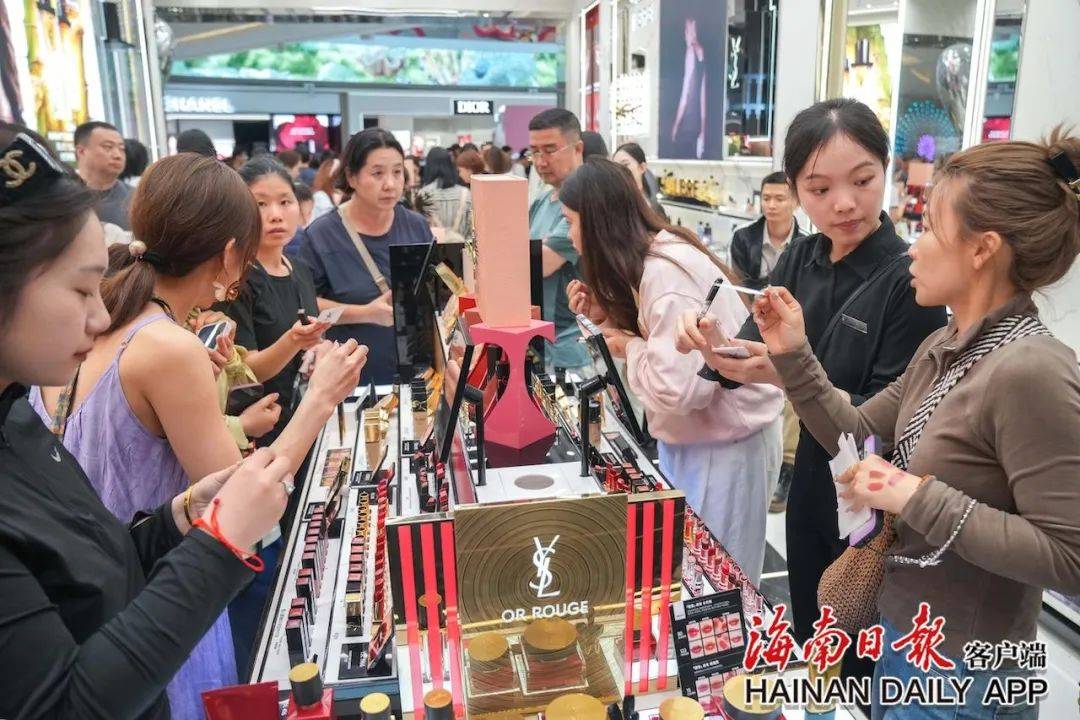
CCTV-2央视财经频道《消费主张》栏目带您探秘:博鳌一龄如何把生命养护做成一种美好体验?
Sou Hu Cai Jing· 2025-10-16 17:43
Core Insights - The trend of consumption upgrading is shifting towards the life and health sector, moving from spontaneous travel to a focus on healing and wellness [1] Group 1: Industry Trends - The CCTV-2 program "Consumer Advocacy" highlighted the emerging trend of integrating healthcare with vacation experiences, particularly through the Boao Yiling Life Care Center in Hainan [3] - The innovative model of "medical + vacation" is reshaping high-end health and wellness experiences, catering to the growing demand for quality health living [3] Group 2: Company Highlights - Boao Yiling Life Care Center has successfully attracted users who have chosen to undergo therapy there 25 times, indicating strong customer loyalty and satisfaction [3] - The center's unique life care philosophy is positioned to meet the aspirations of individuals seeking high-quality health lifestyles, thus leading the new trend in health and wellness tourism [3]

“十五五”规划前瞻:历史篇+内需篇
2025-10-16 15:11
Summary of the Conference Call on the 15th Five-Year Plan Industry or Company Involved - The conference call discusses the upcoming 15th Five-Year Plan (2026-2030) in China, focusing on strategic directions in technology innovation, domestic demand, and emerging industries. Core Points and Arguments 1. **Continuation of Strategic Directions**: The 15th Five-Year Plan will extend and deepen the strategic directions of the 14th Five-Year Plan, particularly in technology innovation and new productive forces, aiming for a target of at least 20% of GDP from strategic emerging industries [1][11]. 2. **Focus on Domestic Demand**: Policies will emphasize consumption upgrades and investment structure optimization, aiming to release consumption potential through improved supply quality and international standards [1][4]. 3. **Support for Emerging Industries**: The plan will promote cluster development in new-generation information technology, high-end equipment, and biotechnology, with special funding and financing channels to support specialized and innovative enterprises [1][12]. 4. **Capacity Governance**: The plan will address overcapacity issues in industries like new energy vehicles and photovoltaics by enforcing strict environmental and energy consumption standards [1][13]. 5. **Public Service and Income Distribution Reform**: The plan aims to equalize basic public services and reform income distribution to reduce preventive savings in education, healthcare, and elderly care, thereby releasing more consumption capacity [1][16]. 6. **Investment Focus**: Short-term policies may lead to sector rotation effects, with funds potentially shifting from infrastructure to tourism and hospitality sectors, while long-term investments will focus on digital economy, high-end manufacturing, new energy, and the silver economy [3][17]. 7. **Challenges in Consumption**: Despite significant progress in cultivating new consumption drivers, consumption contribution to economic growth has weakened, dropping from 80% to 52% by Q2 2025 [3][9]. 8. **Investment Targets**: Most investment indicators are on track, but some energy security and social welfare targets have not met expectations, such as the nuclear power generation capacity completion rate of 68.8% [3][10]. 9. **Technological Innovation and R&D**: The plan will increase the proportion of basic research in R&D funding and enhance support for national laboratories and high-level universities [1][11]. 10. **Quality Supply and Consumption Upgrade**: The plan aims to improve supply quality to meet consumption upgrade demands, establishing a quality grading certification system [1][14]. Other Important but Possibly Overlooked Content 1. **Historical Context of Five-Year Plans**: The evolution of China's Five-Year Plans from 1953 to the present reflects a shift from rapid economic growth to a focus on quality and efficiency [5][6]. 2. **Impact on Capital Markets**: Historical data suggests that while immediate impacts on stock markets may be limited, long-term policy implementations can significantly drive market performance, particularly in technology sectors [8]. 3. **Social Welfare Opportunities**: There are notable opportunities in social welfare sectors, particularly in elderly care and health management, which may see increased investment and development [3][17].
免税经济新战场:谁在定义“购物+旅游”的未来?
Sou Hu Cai Jing· 2025-10-16 12:31
Core Insights - The integration of duty-free economy and cultural tourism is becoming a new driving force for activating consumption potential and promoting industrial upgrades in China [1][2][3] - The shift from policy-driven growth to endogenous growth dynamics is a key challenge for sustainable development in this sector [1] Group 1: Economic Context - The duty-free economy and cultural tourism are deeply intertwined, reflecting a significant trend of consumption upgrade from basic needs to quality, personalized, and emotional consumption [2] - Duty-free shopping is facilitating the return of high-end overseas consumption, while cultural tourism adds new cultural and emotional value to shopping experiences [2] - The experience economy is exemplified by duty-free shopping as a core component of tourism retail complexes, enhancing consumer engagement and extending the consumption chain [2] Group 2: Regional Practices - Hainan serves as a model for the integration of duty-free shopping and tourism, with significant sales growth since the implementation of the new duty-free policy in July 2020 [3][5] - The "duty-free +" model in Hainan incorporates shopping into travel itineraries, transforming the region from a "shopping paradise" to a "tourism consumption destination" [3] Group 3: Urban Development - Major cities like Beijing, Shanghai, and Guangzhou are establishing city-based duty-free stores, which cater to both domestic and international travelers, enhancing urban tourism [5] - The Guangzhou North Station's duty-free complex aims to become a cultural and leisure commercial center, integrating duty-free economy with urban development strategies [5] Group 4: Challenges and Opportunities - The industry faces challenges such as homogenization of products and cultural experiences, leading to superficial engagement from consumers [6] - There is a risk of imbalance between shopping and cultural tourism experiences, with consumers potentially focusing too much on shopping [6] - The reliance on tax incentives poses a challenge for market resilience, necessitating improvements in service quality and supply chain management [6] Group 5: Future Directions - The industry should aim to create a multiplier effect by embedding duty-free shopping within cultural contexts, such as setting up boutique duty-free stores in historical districts [7] - Optimizing product offerings to highlight local characteristics and encouraging domestic brands to enter duty-free channels can enhance the appeal [7] - Policy innovations are needed to promote regional coordination and development, particularly in underrepresented areas [7]
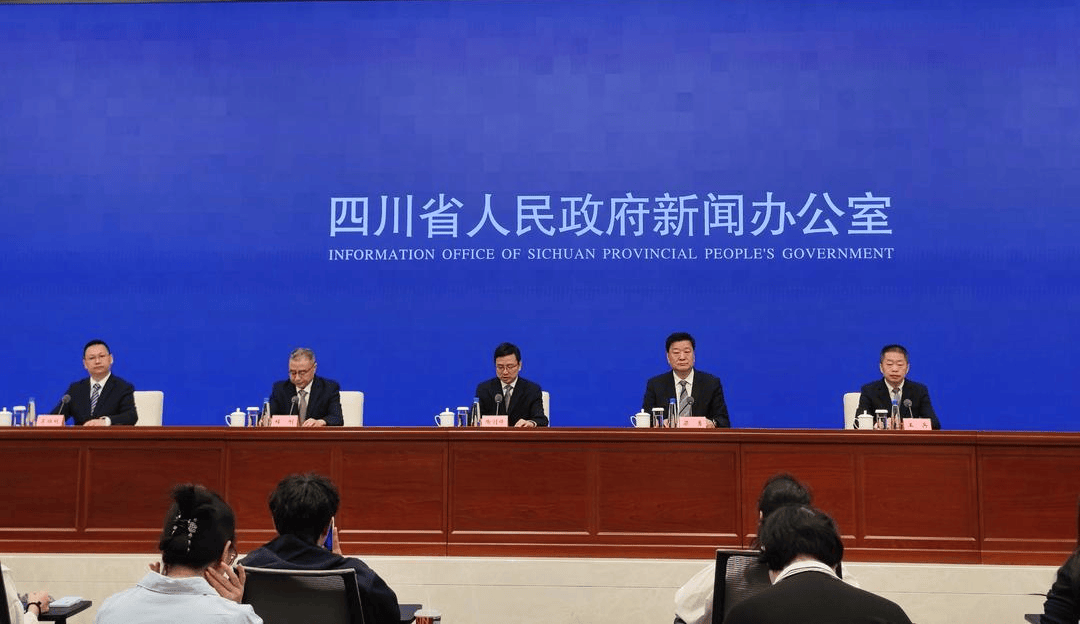
周杰伦、孙燕姿准备要来了?四川这波扩内需成绩单“含金量”爆表
Sou Hu Cai Jing· 2025-10-16 09:18
Core Insights - Sichuan Province is showcasing its achievements in expanding domestic demand during the "14th Five-Year Plan" period, emphasizing tangible benefits for citizens and enhancing their sense of happiness and satisfaction [1] Consumption Upgrade - Sichuan is enhancing its international consumer appeal, with inbound tourists increasing by 32% during the National Day holiday, and Alipay services for foreign consumers reaching over 63,000 users, with a 160% increase in daily transaction volume [3] - The province has established over 600 duty-free shops, ranking third nationally, with duty-free sales and refunds growing by 190% and 210% respectively from January to August [3] - The "Shu Li An Yi" initiative has attracted 27 million visitors and generated over 22 billion yuan in consumption through innovative consumption scenarios [3] Cultural and Tourism Boom - The China (Sichuan) International Panda Consumption Festival has become a significant consumer event, featuring 12 major activities centered around "international, quality, and green" themes [4] - Sichuan's performing arts market is thriving, with 110 large-scale performances attracting over 2.1 million attendees and generating ticket sales of 1.46 billion yuan, driving an additional 10 billion yuan in related consumption [5][6] - High-quality international and domestic performances are set to enrich the cultural offerings in Sichuan, catering to diverse audience preferences [5] Housing Security - Sichuan has constructed 367,000 units of various types of affordable housing during the "14th Five-Year Plan," with 4.2 billion square meters of commercial housing sold and nearly 30,000 old urban communities renovated [7] - The province has established a multi-tiered housing security system, providing rental subsidies to 287,000 households and constructing 355,000 units of affordable rental housing [7] - Innovative housing policies have been implemented, including the removal of restrictions on cross-province public housing fund withdrawals, facilitating 398.3 billion yuan in fund withdrawals for housing consumption [8]
【理响中国·铿锵有理|经济向好有底气】中国消费赶“潮”迎“新”
Sou Hu Cai Jing· 2025-10-16 07:17
Core Insights - The article emphasizes the importance of boosting consumption and improving investment efficiency to expand domestic demand comprehensively, aligning with the goals of the 14th Five-Year Plan and the upcoming 15th Five-Year Plan [1][10] Group 1: Consumption Trends - Over 66 million consumers participated in the "old-for-new" program for 12 categories of home appliances, resulting in the purchase of over 100 million units [5] - The contribution rate of final consumption expenditure to GDP growth reached 52% in the first half of the year, highlighting consumption's role as a key driver of economic growth [5] - The shift in consumer behavior from merely purchasing goods to valuing quality and experience is evident, with service consumption growing faster than goods consumption [6] Group 2: Demographic Shifts - The Z generation has emerged as a major consumer group, focusing on personal value and emotional satisfaction in their purchasing decisions [7] - The elderly population (aged 60 and above) now accounts for 22% of the total population, possessing significant economic resources and a strong desire for knowledge and experiences, thus contributing to market growth [7] - There is a notable demand gap in county-level consumption, driven by rising income levels and the return of populations to rural areas, alongside the increasing interest of urban residents in rural experiences [7] Group 3: Policy Implications - The government aims to enhance consumption and investment efficiency through macroeconomic policies that increase disposable income and reduce financial burdens on consumers [10] - Structural reforms on the supply side are necessary to optimize products and innovate services, thereby meeting and stimulating consumer demand [10]

酒行业周度市场观察-20251016
Ai Rui Zi Xun· 2025-10-16 06:51
Investment Rating - The report does not explicitly state an investment rating for the industry Core Insights - The Chinese liquor industry is undergoing profound changes in 2025, with shifts in consumer habits, channel restructuring, and capital market hesitance leading to both challenges and new opportunities [2] - The emergence of the post-90s generation as a new force in the liquor market is reshaping the industry landscape, emphasizing instant delivery and digital sales channels [4] - The industry is expected to reach a performance bottom in the first half of 2026, with head brands adjusting strategies to stabilize prices and optimize inventory [4][6] Industry Environment - The liquor industry is experiencing significant transformation characterized by consumer habit changes, channel restructuring, and capital market caution, leading to high inventory and performance declines [2] - Regional liquor companies are gaining traction while leading brands face performance pressures, indicating a divergence in market dynamics [2] - The focus on product innovation, particularly in low-alcohol and light bottle liquor, aligns with younger consumer trends [2] - The upcoming 2026 China Liquor Expo is anticipated to be a key platform for industry players to seize new growth opportunities [2] Brand Dynamics - Major liquor brands are adopting innovative marketing strategies to engage consumers, such as Meituan's collaboration with top liquor companies to ensure product authenticity in instant retail [8] - Qingdao Beer is enhancing its brand connection with consumers through cultural events and sponsorships, such as the National Fan Conference [9] - Wuliangye is promoting its internationalization efforts through cultural exchanges and themed events at global exhibitions [10] - The rise of live-streaming sales, particularly among younger entrepreneurs, is significantly impacting the liquor sales landscape [4][12] - Brands like Niulanshan are leveraging emotional marketing strategies to resonate with consumers, enhancing brand loyalty [12] Consumer Trends - Over 70% of consumers prefer classic liquor products, indicating a return to value-driven purchasing during the holiday seasons [7] - The trend towards rational consumption is evident as consumers prioritize quality and value in their purchasing decisions [7] - The focus on health and lower alcohol content is becoming increasingly important among consumers, particularly in the context of new product launches [21]





擦亮自贸港建设的惠民底色
Ren Min Ri Bao· 2025-10-16 03:31
Group 1 - Hainan has launched a series of new initiatives under the "Duty-Free+" concept during the recent National Day and Mid-Autumn Festival holidays, effectively meeting diverse consumer needs and showcasing the achievements of the free trade port construction [1] - The upcoming full island closure of Hainan's free trade port is expected to bring significant changes in customs supervision and tax collection, creating real opportunities and benefits for businesses and the public [1] - The expansion of the "zero tariff" product range to approximately 6,600 tax items is a key feature of the free trade port's operation, which will also include reforms such as overseas certification trials and tax incentives for high-tech industries [1] Group 2 - Systematic improvements in people's livelihoods are fundamentally reliant on development, ensuring that more individuals and businesses benefit from the free trade port's operations [2] - The focus on developing key industries such as seed industry, deep-sea, aerospace, and high-efficiency tropical agriculture will enhance the quality of life for both local residents and incoming talent [2] - The emphasis on creating a market-oriented, legal, and international business environment is crucial for stimulating internal motivation and innovation, particularly with the full island closure as a catalyst [3] Group 3 - The implementation of simplified approval reforms and a unified regulatory service mechanism aims to minimize unnecessary interference and enhance efficiency in business operations [3] - The ongoing reforms in various regions, such as Shanghai and Guangdong, highlight the importance of steady progress in improving public welfare and ensuring sustainable livelihood guarantees [3]