
产业升级

Search documents
中经评论:深海采火照未来
Jing Ji Ri Bao· 2025-11-20 00:20
Core Insights - The main focus of the article is on the significance of methane hydrate, also known as "combustible ice," which was used to ignite the main torch at the 15th National Games, highlighting its potential as a future energy source [1][4]. Group 1: Characteristics of Combustible Ice - Combustible ice is a solid crystalline substance formed from natural gas and water molecules under high pressure and low temperature, capable of releasing a large volume of natural gas when ignited [1][2]. - The energy density of combustible ice is extremely high, with 1 cubic meter capable of releasing approximately 160 to 180 cubic meters of natural gas, equivalent to compressing natural gas over a hundred times [1][2]. Group 2: Resource Potential - Global reserves of combustible ice are estimated to be more than twice the total known reserves of coal, oil, and natural gas combined, indicating a significant opportunity for those who can commercialize its extraction [2][4]. - The combustion of combustible ice produces minimal dust and significantly lower carbon dioxide emissions compared to coal, positioning it as a cleaner fossil fuel alternative [2]. Group 3: Challenges in Extraction - The extraction of combustible ice is challenging due to its location in deep-sea sediments or permafrost, where high pressure and low temperatures pose technical difficulties and risks of destabilizing the geological structure [3]. - High extraction costs and environmental risks, such as potential methane leaks, complicate the path to commercial viability [3][5]. Group 4: Strategic Importance for China - The successful extraction and utilization of combustible ice could enhance China's energy security by reducing dependence on foreign oil and gas, effectively discovering a vast "gas reservoir" in its own territory [4]. - Combustible ice is seen as a crucial bridge in transitioning from traditional to renewable energy sources, providing stable base-load energy to support the grid during periods of low renewable energy generation [4]. - The development of deep-sea combustible ice extraction could lead to the creation of a large high-tech industrial chain, boosting China's marine technology and economic growth [4]. Group 5: Future Outlook - Despite the successful ignition of combustible ice, significant challenges remain in achieving large-scale commercial extraction, requiring ongoing advancements in technology, cost management, and environmental risk assessment [5].
学习贯彻党的二十届四中全会精神丨沃野新程 向强而行——“强省进行时”系列观察报道之一
He Nan Ri Bao· 2025-11-19 23:19
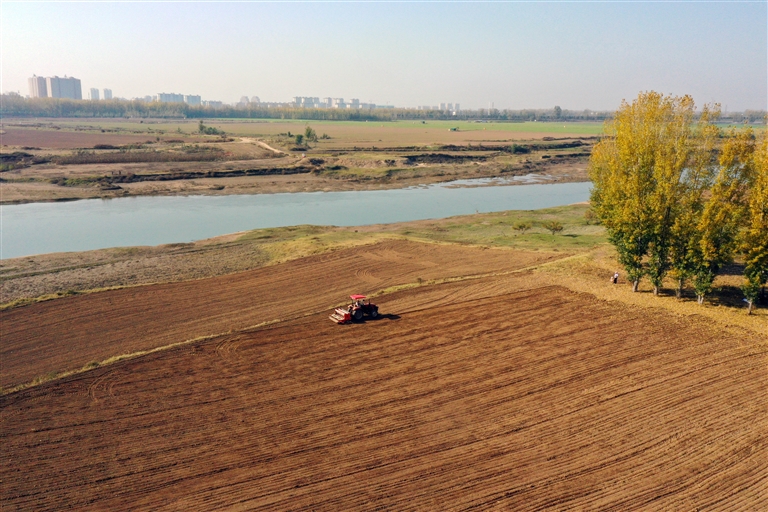
Core Insights - The article emphasizes the importance of agricultural modernization in Henan province as a key component of the broader goal of building a strong province, highlighting the strategic focus on agricultural strength as foundational to national strength [2][8]. Agricultural Strength and Modernization - Henan province has maintained a stable grain production of over 130 billion jin for eight consecutive years, leading the nation in various agricultural outputs, including oilseeds, edible fungi, and pork [2]. - The province has cultivated 11 national seed industry enterprises and established 15 national seed production bases, achieving over 97% coverage of quality seeds for major crops [3]. Technological Innovation - The integration of smart agricultural data management systems has transformed traditional farming practices, allowing for better monitoring and management of large-scale wheat fields [5]. - The establishment of 14 national agricultural innovation platforms has enhanced the resilience of Henan's agriculture through the deep integration of technology and farming practices [5]. Industrial Upgrading - The article discusses the need for industrial upgrading to enhance the economic benefits of high agricultural production, citing the example of the mushroom industry in Xixia County, which has significantly increased product value through processing [6]. - The formation of agricultural product processing clusters is underway, driven by the establishment of the Henan Agricultural Product Processing Industry Alliance [6]. Rural Development and Tourism - The integration of agriculture with cultural and ecological tourism is highlighted, with villages transforming into tourist destinations that attract significant visitor numbers and generate economic benefits [7]. - The implementation of the "Henan Province Rural Prosperity Industry Development Action Plan (2025-2027)" aims to promote diverse agricultural development, including the integration of agriculture with culture and tourism [7]. Open Cooperation - The article underscores the importance of open cooperation in agricultural development, with Henan actively engaging in partnerships with research institutions and international markets to enhance agricultural practices and expand market reach [8]. - Initiatives such as the signing of cooperation agreements with various agricultural research institutions and the establishment of export service platforms are part of Henan's strategy to integrate into the global agricultural landscape [8].

湾里项目冲刺开业 为通州经济注入新动能
Bei Jing Shang Bao· 2025-11-19 13:23
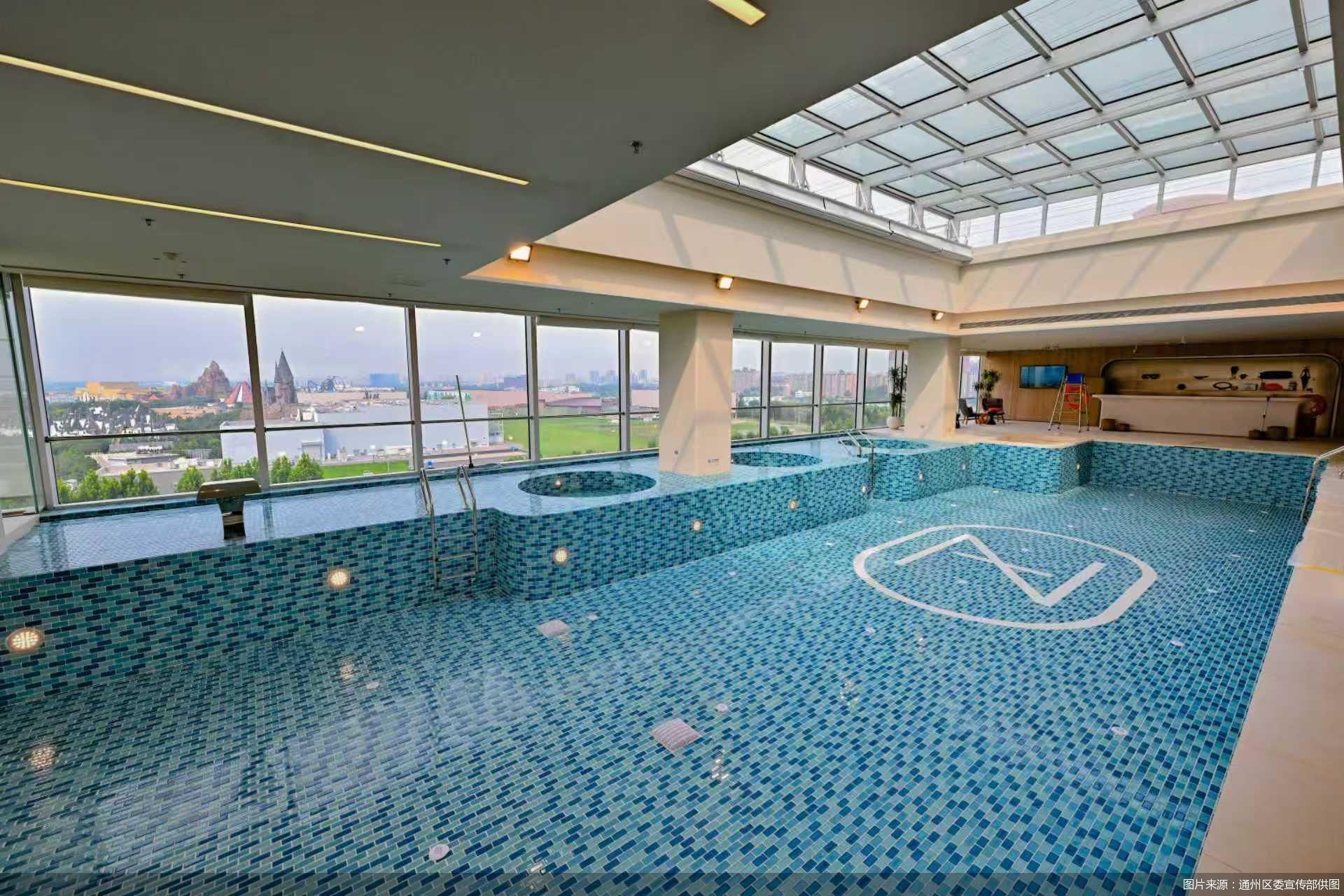
Core Insights - The "Wanli" project, a major international commercial and entertainment complex, is set to officially open by the end of this year, having completed construction and entered trial operations [1][4]. Economic Development - The cultural tourism sector is a key driver for enhancing urban quality and improving residents' well-being, forming a core support for the Beijing urban sub-center's "3+1" main functions [3]. - During the 14th Five-Year Plan period, the region's GDP is expected to grow at an average annual rate exceeding 6%, with a notable 10.9% growth in the first three quarters of this year, ranking second in the city [3]. - Since the construction of the urban sub-center began in 2016, fixed asset investment has exceeded 960 billion yuan, maintaining over 100 billion yuan annually for five consecutive years [3]. Project Details - The "Wanli" project encompasses a total development area of approximately 500,000 square meters, featuring components such as Wangfujing WellTown, NuoLan Hotel, and TingYun Town, all interconnected by a corridor [4][5]. - The project aims to attract over 500 well-known domestic and international brands, with more than 60% being brands entering Tongzhou for the first time, positioning it as the largest outlet complex in North China [4]. Market Potential - The project is expected to attract over 8 million visitors annually, generating more than 5,000 direct jobs and increasing regional tourism revenue by over 15% [5]. - The integration of the "Universal Studios + Grand Canal + Urban Green Heart" tourism matrix is anticipated to enhance the full-chain service of daytime entertainment and nighttime consumption [5].
锂电材料价格持续上涨,化工板块V型反转!化工ETF(516020)摸高1.6%,近5日吸金超3.7亿元!
Xin Lang Ji Jin· 2025-11-19 11:42
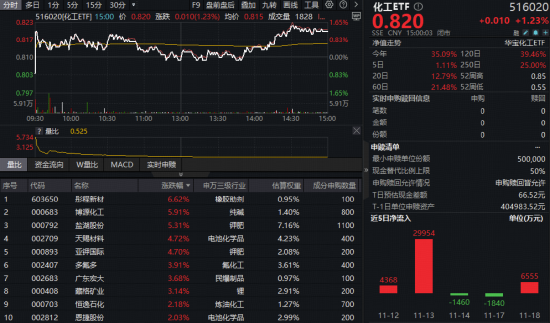
Group 1 - The chemical sector showed a strong rebound on November 19, with the Chemical ETF (516020) experiencing fluctuations, reaching a maximum intraday increase of 1.6% and closing up by 1.23% [1][2] - Key stocks in the sector included rubber additives, soda ash, lithium batteries, and potash fertilizers, with notable gains from Tongcheng New Materials (up 6.62%), Boyuan Chemical, and Salt Lake Co. (both up over 5%) [1][2] - The basic chemical sector attracted significant capital inflow, with a net inflow of 8.675 billion yuan for the day and a total of 24.828 billion yuan over the past five trading days, leading among 30 sectors [1][3] Group 2 - The Chemical ETF (516020) has seen substantial net subscriptions, with over 370 million yuan in net inflows across three of the last five trading days [3][4] - The price of lithium hexafluorophosphate, a key raw material for electrolytes, has surged to 160,000 yuan per ton, more than tripling since the price bottomed out in July 2025 [3][4] - The supply of lithium hexafluorophosphate is expected to remain tight until 2026 due to production constraints among smaller firms, despite leading companies operating at full capacity [4] Group 3 - The chemical sector is anticipated to benefit from a rebound as the industry moves away from a prolonged bottoming phase, with signs of economic improvement reflected in rising PPI and CPI [5] - The chemical expansion cycle is nearing its end, with various industries, including glyphosate and PTA, beginning to experience upward profitability trends [5] - The Chemical ETF (516020) tracks the CSI sub-sector chemical industry index, with nearly 50% of its holdings in large-cap stocks, providing investors with exposure to leading companies in the sector [5]


国务院常务会议提出“增强供需适配性”,提振消费释放新信号
Xin Jing Bao· 2025-11-19 10:58
Core Insights - The State Council's recent meeting emphasized enhancing the adaptability of supply and demand to stimulate consumption, signaling a strategic shift towards innovation and technology integration in key industries [1][2][3] Group 1: Supply and Demand Adaptability - The concept of supply and demand adaptability aims to improve the match between supply and demand, addressing issues of excess low-end supply and insufficient high-quality supply, thereby facilitating economic circulation and unlocking consumption potential [2][3] - The meeting outlined key paths to solve supply-demand adaptability, including accelerating the application of new technologies and models, focusing on developing new products and value-added services in key industries, and expanding new consumption increments [1][3] Group 2: Consumer Trends and Market Dynamics - There is a notable shift in consumer behavior from quantity to quality, with increasing demand for diversified, personalized, and high-quality products, indicating a need for industry and consumption upgrades to create a virtuous cycle between supply and demand [2][4] - The meeting highlighted the importance of fostering new consumption scenarios and business models, enhancing consumer financial products and services, and creating a favorable consumption environment [3][4] Group 3: Policy and Structural Reforms - The government is implementing policies to boost consumption, including promoting income growth and reducing burdens on residents, which are expected to enhance consumer confidence and spending [4][5] - Experts suggest that the potential of a large-scale market as a "demand engine" relies on effectively addressing the issue of "income-supported consumption demand," advocating for reforms in income distribution to strengthen the middle-income group [5]
瞄准创新创业“人”与“法人” 深圳南山双策齐发
2 1 Shi Ji Jing Ji Bao Dao· 2025-11-19 10:04
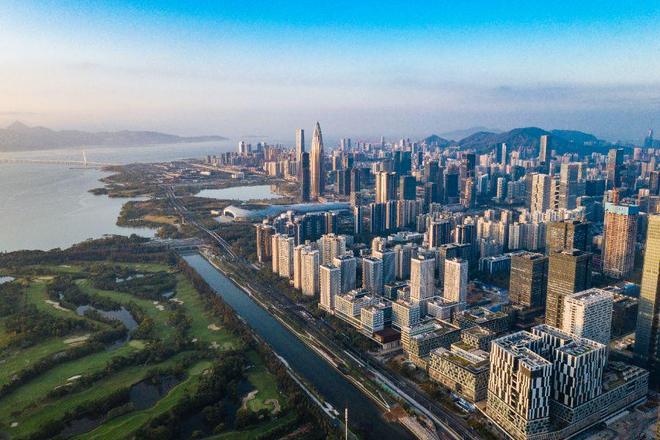
Core Insights - Shenzhen Nanshan District has launched two major policy initiatives aimed at supporting industrial development and innovation entrepreneurship, namely the "Six Coupons" action plan and the "Six Ones" 2.0 action plan [1][3] - The district aims to achieve a GDP of over 950 billion yuan in 2024, having recorded a GDP of 742.812 billion yuan in the first three quarters of this year, reflecting a year-on-year growth of 5.8% [1][3] Group 1: "Six Ones" 2.0 Action Plan - The "Six Ones" 2.0 plan provides tailored support for individuals in innovation and entrepreneurship, focusing on six aspects: one person, one room, one desk, one fund, one scenario, and one-stop service [3] - The plan lowers application thresholds by relaxing age, education, and company establishment requirements for key industry talents and entrepreneurial teams [3] - Since its launch, 13,515 university students have received a 520 yuan experience coupon, and 1,351 graduates have obtained living subsidies of up to 50,000 yuan [3][4] Group 2: "Six Coupons" Policy - The "Six Coupons" initiative offers a comprehensive set of policy tools for corporations, including model coupons, interest subsidies, technology transformation coupons, traffic coupons, insurance coupons, and consumption coupons, targeting six core business areas [4][5] - The model coupon supports AI innovation applications with a subsidy of up to 50% of the actual investment amount, capped at 1 million yuan per quarter for each company [4] - The interest subsidy coupons address financing challenges, offering up to 500,000 yuan for technology companies and 3 million yuan for financing lease businesses annually [5] Group 3: Additional Support Measures - The technology transformation coupon provides support for industrial upgrades or equipment purchases, with a maximum subsidy of 10 million yuan per year for each company [5] - The traffic coupon, a unique initiative, allows eligible companies to receive a rebate of 5% on their previous quarter's advertising spend, with a maximum claim of 3 million yuan per batch [5] - The insurance coupon offers export credit insurance subsidies of up to 300,000 yuan annually for qualifying foreign trade enterprises [5][6]

布局2026:五大具备强逻辑的行业赛道
Di Yi Cai Jing· 2025-11-19 08:44
Core Viewpoint - The global capital markets are undergoing complex changes, with uneven economic recovery, frequent geopolitical disturbances, and an imminent shift in monetary policy, making investment strategies more challenging. Focusing on high-quality sectors characterized by "strong logic, high barriers, and stable demand" is essential for institutional investors to navigate macroeconomic fluctuations [3]. Group 1: Non-ferrous Metals - The Shenwan Non-ferrous Metals Index has increased by 77.71% since 2025, leading all primary industries, driven by a combination of monetary environment, demand structure, and supply rigidity [4]. - The onset of a monetary easing cycle and the deepening trend of de-dollarization are reshaping global asset allocation, with gold's strategic significance as a "anti-dollar" asset becoming more pronounced [5]. - Copper is benefiting from the green transition and digital economy, with a projected global copper supply-demand gap expected to widen from 2025 to 2027 [6]. - Supply rigidity is evident as global mining capital expenditure has lagged behind demand growth, leading to insufficient production capacity [7]. - The non-ferrous metals sector, particularly precious metals, rare earths, and industrial metals, is expected to remain a core investment focus due to sustained demand and constrained supply [8]. Group 2: Power Equipment - The Shenwan Power Equipment Index has risen by 51.14% since 2025, positioning it third among industries, with expectations for a full economic cycle in 2026 driven by the recovery of the energy storage and midstream electric vehicle sectors [10]. - The domestic energy storage market is experiencing significant growth, with a projected 220GWh of new installations in 2026, a year-on-year increase of approximately 47% [11]. - China dominates the global energy storage manufacturing sector, holding over 93% of the market share in energy cells and 76% in systems [12]. - The midstream electric vehicle sector is expected to see a recovery in profitability, with global lithium battery shipments projected to grow by 20%-25% [13]. - Global grid investment is anticipated to reach $390 billion in 2024, with significant growth expected in the Southeast Asia and Middle East regions [14]. Group 3: Aerospace - The aerospace industry is entering a strategic opportunity period driven by domestic demand, foreign trade expansion, and civil-military integration [15]. - Domestic demand is supported by a stable 7.2% growth in defense budgets over three years, focusing on advanced weaponry and AI-enabled systems [16]. - China's special equipment is rapidly expanding into international markets due to significant cost advantages amid rising global military expenditures [17]. - The integration of cutting-edge military technology is creating new growth opportunities, with the commercial aerospace sector entering a phase of rapid application [18]. Group 4: Biopharmaceuticals - The biopharmaceutical sector is expected to present a dual-track investment opportunity in 2026, characterized by innovation-driven internationalization and improved domestic demand [19]. - The internationalization of innovative drugs is accelerating, with a 77% year-on-year increase in License-out transactions in 2025 [20]. - Global pharmaceutical R&D investment is projected to grow at a compound annual growth rate of 9.4%, indicating a recovery in the CXO sector [21]. - The medical device sector is witnessing breakthroughs in brain-computer interfaces and high-end equipment, with domestic companies increasing their market penetration [22]. - Domestic policy optimization and diversified payment structures are providing a safety net for the biopharmaceutical market [23]. Group 5: AI Hardware - The AI hardware industry is entering a new phase of growth driven by the AI computing revolution and terminal innovation [25]. - The demand for AI computing chips is accelerating domestic production, with significant growth in the storage chip sector [26]. - The server market is experiencing explosive growth, with a 10-fold increase in computing power per cabinet driven by large model training [27]. - AI glasses are projected to become a major market highlight, with global shipments expected to exceed 10 million units in 2026 [28]. - The commercialization of L3-level autonomous driving systems is approaching a critical point, with significant advancements in key components [29]. Conclusion - The five highlighted sectors are expected to exhibit clear investment logic in 2026, driven by industrial cycles, policy support, and technological breakthroughs. These sectors not only hold annual allocation value but also represent the core of China's transition from "scale expansion" to "high-quality development" [30][31].

罗普斯金(002333) - 002333罗普斯金投资者关系管理信息20251119
2025-11-19 08:28
Group 1: Company Overview - The company, Zhongyifeng Luopujin Materials Technology Co., Ltd., held an investor relations activity on November 19, 2025, in Suzhou [1][2]. - The event included a site visit led by the company’s board secretary, Yu Jun, showcasing the company’s growth exhibition hall, digital exhibition hall, and product display center [2]. Group 2: Financial Performance - As of Q3 2025, the company reported a revenue of CNY 1.18 billion, a slight decrease from CNY 1.2 billion in the same period last year [3]. - The net profit for the same period was CNY 43.99 million, down from CNY 44.77 million year-on-year, indicating stable overall operational performance [3]. Group 3: Acquisition and Business Strategy - The company recently acquired Zhongcheng Green Pulse, now renamed Zhongyi Wujian, which focuses on special equipment testing, complementing its existing subsidiary, Fangzheng Testing, which specializes in construction engineering testing [3]. - The acquisition aims to enhance the company’s comprehensive layout in the inspection and testing sector, with both subsidiaries having distinct core businesses and market focuses [3]. - Future acquisitions will target strategic fields aligned with the main business, such as new materials and new energy, to strengthen the company's technological attributes and core competitiveness [5].

223类产品“上新” 秦巴小城多元布局助推产业升级
Zhong Guo Xin Wen Wang· 2025-11-19 08:13
Core Viewpoint - The article highlights the recent product launch event in Xunyang, Shaanxi, showcasing 223 new products and emphasizing the city's multi-faceted industrial layout that drives industrial upgrading [2]. Group 1: Product Launch and Economic Impact - The "Technology Empowerment · Industry Prosperity" event attracted investment attention, with 223 new products presented, 5 companies signing industry-academia-research projects, and 10 companies achieving sales orders worth 245 million yuan [2]. - Xunyang has established over 100 enterprises, upgraded more than 100 products, and created 66 patent achievements, with an annual output value exceeding 10 billion yuan [2]. Group 2: Industry Development and Innovation - The plush toy industry in Xunyang has developed since 2018, nurturing 4 headquarters enterprises and establishing 86 branches, employing 3,274 people, and generating an annual output value of over 800 million yuan [4]. - The new product launch covers various fields, including advanced materials, cutting-edge equipment, health-oriented selenium-rich food, leading Qinba medicine, and creative plush cultural products, reflecting the diverse industrial development in Xunyang [4]. Group 3: Collaboration and Research - The new materials industry is particularly prominent, with deep integration of school-enterprise cooperation, forming an industrial cluster with 14 chain enterprises, 12 of which are above-scale industrial enterprises, achieving an annual output value exceeding 1.5 billion yuan [7]. - Companies like Shaanxi Zhongke Nano Materials Co., Ltd. and Xunyang Lingsheng New Materials Technology Co., Ltd. are collaborating with research institutions, achieving significant innovations and patent registrations, contributing to the local economy [7].

午评:资金悄然调仓!这两大主线获重点布局
Sou Hu Cai Jing· 2025-11-19 04:43
今日A股市场呈现典型的结构性分化,三大指数涨跌互现,上证指数微跌0.04%,创业板指微涨0.12%, 市场整体情绪偏于谨慎。值得关注的是,两市成交额维持在1.44万亿元的高位,这清晰地表明,市场的 博弈焦点并非在于"离场"还是"进场",而在于"结构"与"方向"。 本次市场分化的核心特征,是资金从高估值成长板块向低估值资源及防御板块的迁移。从申万一级行业 看,石油石化(+1.22%)、银行(+0.82%)等板块领涨,而医药生物、计算机等则跌幅居前。这一现 象的背后,是三重驱动逻辑在发挥作用: 此外,水产、中船系等主题板块的活跃,揭示了资金在寻找主线之外的α机会。中船系的走强,尤其值 得关注,它可能预示着市场对军工行业的认知,正从早期的主题炒作,转向对"十五五"规划订单实质落 地的预期。 中长期视角下,决定市场走向的仍是经济复苏的强度与产业升级的进程。当前的价值风格占优,是对宏 观环境的阶段性适应。待政策效果进一步显现,经济增长路径更加明确后,符合国家战略方向的科技成 长板块,在经过充分的估值消化后,有望重新引领市场。 投资寄语:市场的短期波动是群体情绪的映射,而长期价值则取决于企业内在的盈利能力。作为一名理 性 ...