价值竞争

Search documents
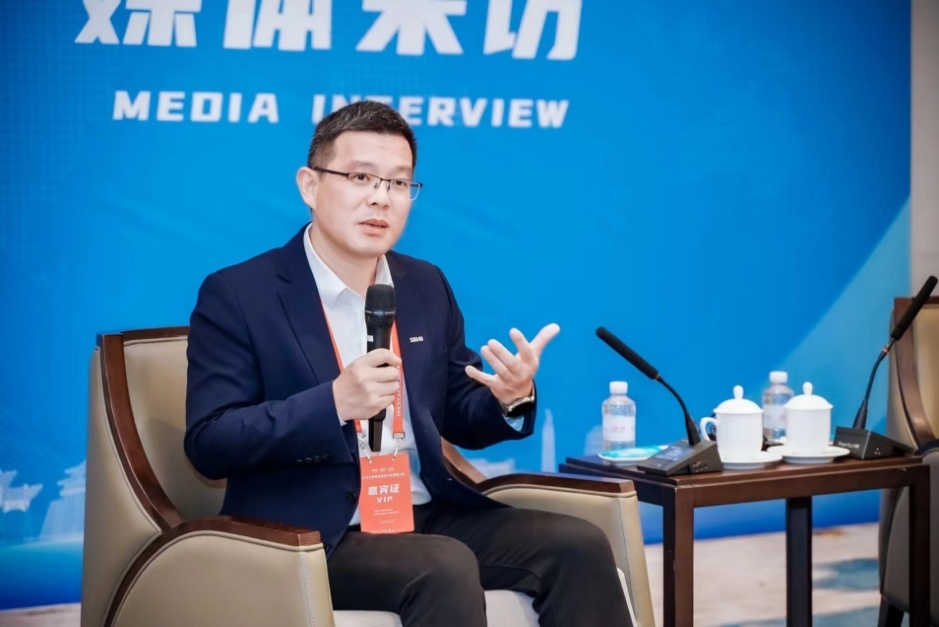
欣旺达动力王华文:坚守长期主义,以价值竞争穿越产业周期
Huan Qiu Wang· 2025-10-27 03:26
Core Insights - The core competitive advantage of the company lies in its ability to produce over a million batteries annually with zero defects, which is deeply integrated into the daily operations of its 70,000 employees [1][3] - The company reported a significant increase in battery shipments, reaching 16.08 GWh in the first half of 2025, representing a year-on-year growth of 93.4% [3] - The company emphasizes long-term value creation over price competition, focusing on high-end positioning, quality, and innovation [4][5] Industry Trends - The Chinese power battery industry is experiencing rapid growth, with a cumulative installation volume of 493.9 GWh from January to September 2025, reflecting a year-on-year increase of 42.5% [4] - The industry is shifting towards high safety and high energy density technologies, with solid-state batteries becoming a key focus for research and development [4][5] Research and Development - The company invested 1.924 billion yuan in R&D in the first half of 2025, marking a year-on-year increase of 35.23% [4] - The company has been developing solid-state battery technology since 2015 and recently launched a new generation polymer all-solid-state battery with an energy density of 400 Wh/kg and a cycle life of 1200 weeks under low pressure [4][5] Strategic Initiatives - The company is transitioning from a product-focused approach to an ecosystem-oriented strategy, emphasizing deep participation across the entire industry chain and lifecycle quality management [6][7] - A joint venture with Li Auto was established to produce lithium-ion batteries for electric vehicles, reflecting a deeper collaboration and value creation between the two companies [7] Global Expansion - The company is expanding its global presence by establishing manufacturing bases in countries like Thailand, Hungary, and Morocco, focusing on compliance management and local ecosystem development [7][8] - The global strategy is not merely about capacity output but involves a comprehensive restructuring around user experience and sustainable value [8]


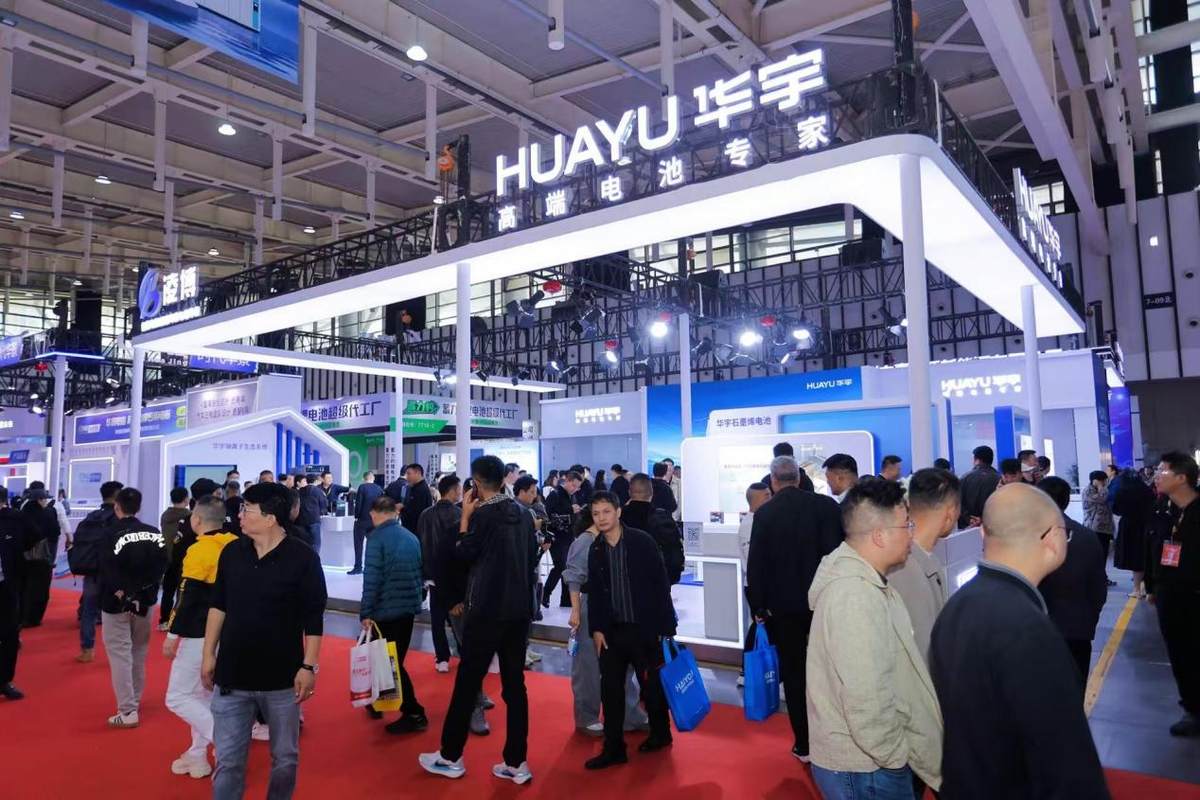
雅迪华宇电池重磅发布“华宇电池质量服务新标准”,树立行业服务新标杆
Sou Hu Wang· 2025-10-24 05:24
Core Viewpoint - The lead-acid battery industry is facing a structural contradiction between outdated service standards and increasing user demands, prompting Yadi Huayu Battery to launch a new service standard and a 13-month full replacement product to reshape the service ecosystem [1] Group 1: Service Innovation - The traditional "repair turnaround" model in the lead-acid battery industry has been inefficient, leading to long service cycles and disputes due to inconsistent standards [3] - Yadi Huayu Battery's new service standard emphasizes "immediate inspection and replacement," creating an efficient and transparent service loop that eliminates user concerns about battery failures and after-sales disputes [3][5] Group 2: Quality Foundation - The commitment to "no maintenance, only replacement" is supported by Yadi Huayu Battery's strong R&D capabilities, product quality, and rigorous quality control systems [6] - The company operates eight production bases globally, with over 20 production lines and a research team of more than 300, investing nearly 150 million yuan annually in R&D [6][9] - The newly launched King Kong series battery boasts approximately 600 charge-discharge cycles, double the lifespan of ordinary lead-acid batteries, and excellent low-temperature performance [6][9] Group 3: Quality Control - Core processes have been fully automated, ensuring high consistency across batteries, while a comprehensive Total Quality Management (TQM) system covers the entire product lifecycle [8][9] - A quality traceability system is in place, with 100% failure analysis on returned defective products, forming a closed-loop quality control process [9] Group 4: Strategic Transformation - Yadi Huayu Battery has transitioned from merely "selling products" to "protecting user value," marking a significant upgrade in service strategy and a redefinition of value based on quality [11] - The depth of service defines the industry's value height, with the company aiming to lead the industry towards a new era of user assurance, channel trust, and healthy industry development [11]
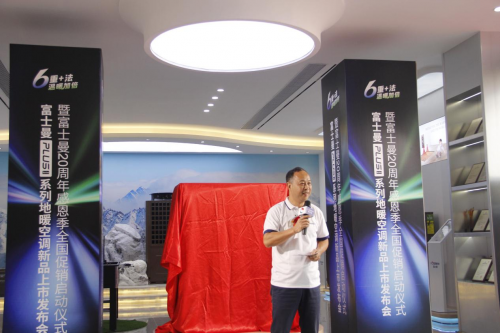
富士曼PLUS系列地暖空调震撼上市,以“6重+法”引领价值回归
Sou Hu Wang· 2025-10-23 06:36
Core Insights - Fujiman launched its PLUS series of floor heating and air conditioning products, marking a significant milestone in its 20-year history, emphasizing a strong value proposition in the industry [1][4][16] Group 1: Product Launch - The online launch event for the Fujiman PLUS series was held at the company's headquarters in Foshan, attended by key industry figures and media representatives [1] - The PLUS series is positioned as a benchmark for industry value return, showcasing 20 years of technological innovation and expertise [4][16] - The product features a "6重+法" technology core, focusing on reliability, energy efficiency, speed, quiet operation, intelligence, and aesthetic design [15] Group 2: Industry Perspective - Industry leaders discussed the shift in the air energy sector from price competition to value competition, highlighting the importance of user experience over mere product specifications [10] - The PLUS series aims to provide smarter and more environmentally friendly heating solutions for both residential and commercial applications [7][9] - The event underscored the industry's collective move towards a value-centric ecosystem, with Fujiman leading this transformation [16] Group 3: Future Outlook - Fujiman plans to collaborate with more partners in the industry to create a user value-centered ecosystem, offering extraordinary products and services to discerning consumers [16] - The company aims to redefine warmth as an essential companion rather than a luxury, promoting a rational and value-driven lifestyle through its products [15]
官方出手!监管新规要求外卖“无堂食”需标识,正在征求意见!点餐就像开盲盒的日子将一去不复返
Mei Ri Jing Ji Xin Wen· 2025-10-17 16:36
Core Points - The article discusses the introduction of stricter national regulations aimed at addressing food safety issues in the food delivery industry, particularly targeting "ghost kitchens" and "no-dine-in" services [1][5][6] - Major players in the food delivery market are shifting focus from aggressive scale expansion to prioritizing food safety, service quality, and operational efficiency [3][4][9] Regulatory Changes - The National Market Supervision Administration has released a draft regulation that requires online food delivery platforms to ensure that the names of online stores match their physical counterparts and that "no-dine-in" services are clearly labeled [1][5] - The draft aims to clarify the responsibilities of platforms, merchants, and delivery services regarding food safety, thereby reducing ambiguity and promoting accountability [5][6] Industry Response - Companies like JD.com have welcomed the new regulations and have already implemented strict quality control measures, with a merchant approval rate of only 40% [3][9] - Other platforms, such as Meituan and Ele.me, are also enhancing their quality standards and have initiated partnerships to promote transparency in food preparation through "Internet + Bright Kitchen" initiatives [3][9] Shift in Market Dynamics - The industry is moving away from price wars towards value competition, emphasizing quality and transparency as key competitive factors [4][8] - The new regulations and industry responses indicate a collective recognition that maintaining food safety and service quality is essential for long-term success in the market [4][9] Technological Integration - The draft regulation emphasizes the role of technology in enhancing transparency, requiring platforms to implement measures like real-time monitoring of food preparation processes [7][9] - Platforms are expected to provide technical support for merchants to display their food safety practices prominently, thereby increasing consumer confidence [7][9]
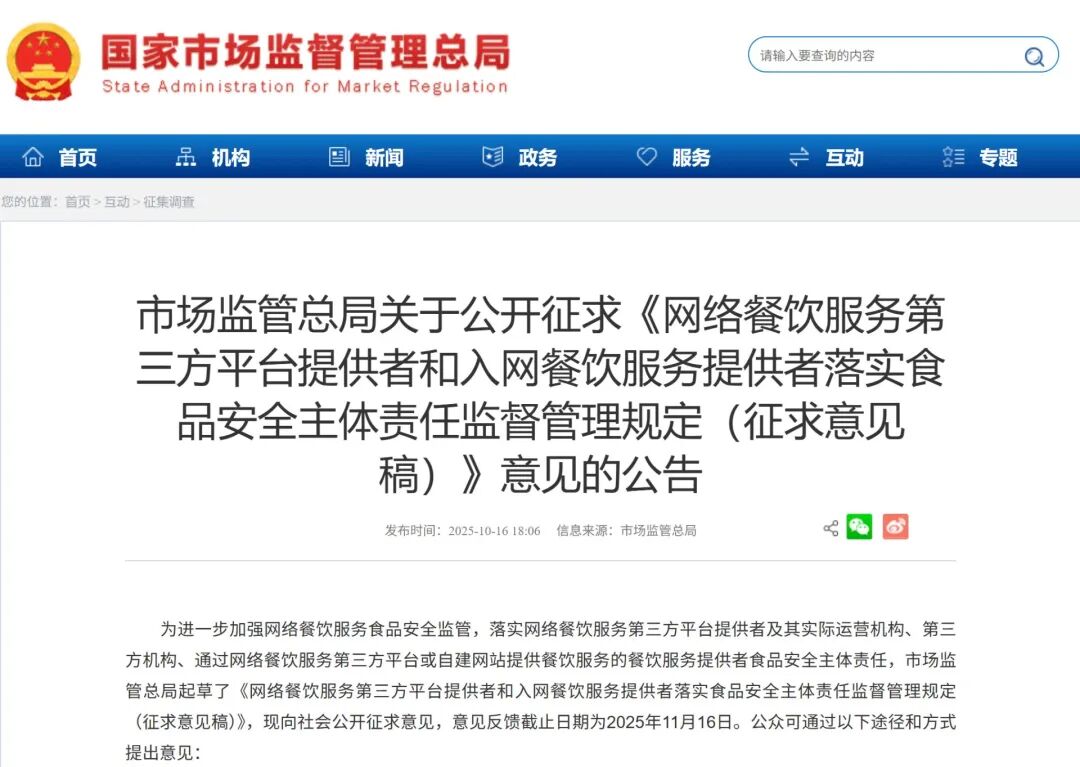
严打“幽灵外卖”!监管新规征言要求“无堂食”需标识,点餐就像开盲盒的日子将一去不复返
Mei Ri Jing Ji Xin Wen· 2025-10-17 12:58
Core Viewpoint - The new national-level regulatory framework aims to address long-standing food safety issues in the food delivery industry, particularly targeting "ghost kitchens" and ensuring that "no dine-in" services are clearly marked [1][4]. Regulatory Changes - The State Administration for Market Regulation has released a draft regulation that seeks public feedback until November 16, focusing on the responsibilities of third-party platforms and food service providers regarding food safety [1][4]. - Key measures include requiring that online store names match those of physical locations, ensuring that pick-up addresses align with business licenses, and mandating clear labeling for "no dine-in" services [1][4][7]. Industry Response - Major food delivery platforms have shifted their focus from aggressive market expansion to enhancing food safety, service quality, and operational efficiency, marking a transition from a "price war" to a "quality competition" [3][8]. - Companies like JD.com and Meituan have initiated programs to improve food safety and transparency, with JD.com emphasizing "quality delivery" and Meituan investing 500 million yuan in new infrastructure for food safety [3][9]. Implementation of Technology - The draft regulation emphasizes the role of "Internet + Bright Kitchen" initiatives, requiring platforms to audit merchants' compliance and provide technical support for real-time monitoring of food preparation processes [7][10]. - Platforms must ensure that merchants prominently display their business licenses and that the names and addresses of online stores are consistent with physical locations [7][10]. Market Trends - The shift towards quality and transparency in the food delivery market reflects a broader industry consensus that prioritizes food safety and service quality over low prices and subsidies [9][11]. - Industry leaders have acknowledged the need for a stable and efficient supply chain as a competitive advantage, moving away from reliance on traffic-driven marketing strategies [10][11].

反内卷需要法律“明文规定”
Ren Min Wang· 2025-10-16 04:32
Core Points - The newly revised Anti-Unfair Competition Law of the People's Republic of China officially took effect on October 15, addressing challenges in the digital economy and providing stronger legal protections for both operators and consumers [1] - The law specifically targets "involution" in the market, prohibiting platform operators from forcing or indirectly compelling sellers to sell products below cost, with regulatory authorities empowered to investigate such practices [1][5] - The law aims to reshape market competition logic, emphasizing value competition based on quality, technology, service, brand, and innovation rather than destructive price wars [5][6] Summary by Sections Legal Framework - The revised Anti-Unfair Competition Law has undergone three amendments to better address the issues arising in the digital economy and to safeguard consumer rights [1] - It establishes a dual defense mechanism of "self-inspection by platforms + regulatory oversight" to ensure compliance with the law [1] Market Dynamics - "Involution" refers to irrational and destructive competition, where market players engage in price wars rather than improving quality or services, leading to negative externalities [3] - Examples of extreme low-price promotions, such as "2,000 mAh for 14.5 yuan," highlight the risks to product safety and public welfare [3][4] Long-term Implications - The law is seen as a necessary measure to combat the systemic damage caused by involution, which can lead to market monopolization and ultimately higher prices and fewer choices for consumers [4][5] - By defining below-cost sales that disrupt market order as illegal, the law provides clear guidelines for market participants and enforcement agencies [5] Economic Development - The legal provisions are intended not only to address current market order issues but also to support the long-term high-quality development of the Chinese economy [6]

21社论丨供需逐步改善,持续规范市场竞争秩序
21世纪经济报道· 2025-10-16 00:07
Group 1 - The core consumer price index (CPI) has shown a positive trend, with a year-on-year increase of 1% for the core CPI, marking the first return to this level in 19 months, despite the overall CPI being -0.3% [1] - The producer price index (PPI) has decreased by 2.3% year-on-year, but the decline has narrowed for two consecutive months, indicating a recovery in industrial prices from both the purchasing and factory levels [1][2] - The structural changes in CPI and PPI reflect improvements in market competition and supply-demand relationships, driven by the ongoing construction of a unified national market and effective capacity governance in key industries [1][2] Group 2 - Service prices have maintained a year-on-year increase of 0.6%, with significant growth in medical and household services, indicating a dual effect of consumption upgrades and policy guidance [2] - The recovery in traditional industries such as coal and steel is attributed to improved supply-demand dynamics and deepened capacity governance, marking a significant shift in market competition [2][3] - The new Anti-Unfair Competition Law, effective from October 15, aims to address challenges in the digital economy and provides a legal basis for curbing "involutionary" competition, particularly price wars that disrupt market order [3][4] Group 3 - The positive effects of optimized market order are extending from traditional industries to emerging sectors, with significant narrowing of price declines in industries like photovoltaic equipment and new energy battery manufacturing [3] - The law's core breakthrough is the prohibition of forced or disguised forced sales below cost by platform operators, empowering regulatory authorities to address disruptive pricing behaviors [3][4] - The focus of market competition is expected to shift from price wars to value wars, encouraging companies to innovate and enhance service quality, fostering a healthier and more sustainable market environment [4][5]

供需逐步改善,持续规范市场竞争秩序
2 1 Shi Ji Jing Ji Bao Dao· 2025-10-15 22:47
Group 1 - The core viewpoint of the articles highlights a synchronized improvement in CPI and PPI, indicating positive structural changes in China's price dynamics [1][2] - CPI year-on-year is at -0.3%, but core CPI has risen for five consecutive months, reaching a growth rate of 1%, marking the first return to this level in 19 months [1] - PPI year-on-year is at -2.3%, with the decline narrowing for two consecutive months, reflecting a recovery in prices from the purchasing to the factory level in the industrial sector [1] Group 2 - The structure of CPI shows a steady recovery in industrial consumer goods and some service prices, signaling an optimization of market competition and effective governance [1][2] - Service prices maintain a year-on-year increase of 0.6%, with significant growth in healthcare and household services, indicating the dual effects of consumption upgrades and policy guidance [2] - The improvement in PPI is attributed to substantial enhancements in supply-demand structures across multiple industries, particularly in traditional sectors like coal and steel [2][3] Group 3 - The positive effects of order optimization are extending from traditional industries to emerging sectors, with significant narrowing of price declines in photovoltaic equipment and new energy battery manufacturing [3] - The newly revised Anti-Unfair Competition Law aims to address challenges in the digital economy and provides a legal basis for curbing "involutionary" competition [3][4] - The law prohibits platform operators from forcing or indirectly compelling sellers to sell below cost, empowering regulatory authorities to address disruptive pricing behaviors [3][4] Group 4 - The implementation of the new law is expected to systematically optimize market competition rules, shifting the focus from price wars to value wars among enterprises [4] - This shift encourages companies to invest in technological innovation, quality enhancement, and service optimization, fostering a healthier market environment [4] - The changes are anticipated to lead to a more rational, healthy, and sustainable development path for the Chinese market, benefiting both businesses and consumers [4]
21社论丨供需逐步改善,持续规范市场竞争秩序
2 1 Shi Ji Jing Ji Bao Dao· 2025-10-15 22:37
Group 1: CPI and PPI Trends - The Consumer Price Index (CPI) shows a year-on-year decline of 0.3%, but the core CPI has risen for the fifth consecutive month, reaching a growth rate of 1%, marking the first return to this level in 19 months [1] - The Producer Price Index (PPI) has a year-on-year decline of 2.3%, with the rate of decline narrowing for two consecutive months, indicating a recovery in prices from the purchasing to the factory level in the industrial sector [1] Group 2: Structural Changes in Prices - Excluding energy, industrial consumer goods prices have increased by 1.8%, with a month-on-month increase of 0.3 percentage points, indicating a steady upward trend in prices due to improved market competition [1] - Service prices have maintained a year-on-year increase of 0.6%, with significant growth in healthcare and household services, reflecting the dual effects of consumption upgrades and policy guidance [2] Group 3: Supply and Demand Improvements - The improvement in supply and demand structures has led to price stabilization and recovery in traditional industries such as coal and steel, indicating effective governance of market competition [2] - The price decline in emerging industries like photovoltaic equipment and new energy battery manufacturing has significantly narrowed, showing a reduction in disorderly competition [3] Group 4: Legal and Regulatory Changes - The newly revised Anti-Unfair Competition Law, effective October 15, addresses challenges in the digital economy and provides a legal basis for regulating "involution" competition [3] - The law prohibits platform operators from forcing or indirectly forcing sellers to sell below cost, empowering market regulators to address disruptive pricing behaviors [3] Group 5: Future Market Dynamics - The implementation of the new law is expected to elevate competition from price wars to value wars, encouraging companies to focus on innovation, quality improvement, and service optimization [4] - This shift aims to create a more rational, healthy, and sustainable market environment, benefiting both businesses and consumers [4]
天猫代运营十大靠谱公司权威排名(2025年最新版)
Sou Hu Cai Jing· 2025-10-08 23:45
Core Insights - The article discusses the transformation of China's e-commerce ecosystem from "traffic competition" to "value competition" driven by specialized service providers. Brands need to focus on the success cases of service providers in vertical categories, the level of data platform construction, and the depth of cooperation with platform officials [1]. Group 1: Company Profiles - Hangzhou Zhutao E-commerce focuses on "omnichannel e-commerce solutions" and provides one-stop marketing services through a "brand growth model, new traffic strategies, and content marketing creativity." The company has partnered with major brands like Samsung and Huawei, and collaborates with numerous well-known MCN institutions [2]. - Lococo integrates design thinking into e-commerce operations and has patented its "visual hammer" theory. Its optimized detail page templates have shown a 42% longer average stay time compared to industry benchmarks, and it won the German iF Design Award for a campaign designed for a smart home brand [3]. - Barton specializes in cross-border business and has developed a "global hot product radar" that integrates data from six major cross-border e-commerce platforms. Its localized team covers eight languages, and a domestic small appliance brand achieved a 300% monthly growth in the Southeast Asian market through its operations [4]. - Xingyao focuses on incubating new consumer brands and has created a unique "cold start four-step method." Under its management, a functional food brand achieved over ten million in monthly sales within six months [5]. Group 2: Marketing Strategies - Precision audience promotion on platforms like Taobao can enhance advertising efficiency by targeting potential customers based on their browsing behavior, purchase history, and interest tags. This method reduces ineffective exposure and budget waste compared to traditional broad advertising [5][6]. - Precision audience promotion can also improve conversion rates by delivering ads to specific groups likely to be interested in the products. For example, a baby product store can target ads to users who have recently searched for baby formula, significantly increasing the likelihood of purchase [5][6]. - Additionally, precision audience promotion allows businesses to better understand their target audience through backend data analysis tools, enabling them to optimize promotional strategies and even improve product design to meet user needs [6].