
双碳

Search documents
金晶科技三季报:产线技改提质增效,TCO玻璃加快市场拓展
Zheng Quan Shi Bao Wang· 2025-11-03 08:22
Core Viewpoint - The recent "14th Five-Year Plan" emphasizes the importance of new energy as a pillar industry, positioning Jinjing Technology (600586.SH) as a leader in ultra-white glass, aligning with national urban renewal and dual carbon goals, and advancing its green building and energy strategies [1] Group 1: Company Performance and Developments - Jinjing Technology reported a revenue of 3.461 billion yuan for the first nine months of 2023 [1] - The company has established TCO glass production lines in Zibo and Tengzhou, with products already applied in leading domestic perovskite battery companies, capturing a significant market share [1] - The company is actively expanding its TCO sales team to enhance domestic and international customer outreach, with expectations for gradual sales growth as the domestic perovskite industry develops [1] Group 2: Market Trends and Projections - The TCO glass market in China is projected to reach 12 billion yuan in 2024 and 18 billion yuan in 2025, with a compound annual growth rate of approximately 16% [2] - The global TCO glass market is expected to grow from 67.6 million USD in 2025 to 208.2 million USD by 2032, with a compound annual growth rate of 17.43% from 2025 to 2032 [2] Group 3: Technological Advancements - Jinjing Technology announced a 495 million yuan investment plan for upgrading TCO coating processes, aiming for an annual production capacity of 20 million square meters of ultra-white TCO coated glass [2] - The company completed a 90-day cold repair and upgrade of its No. 5 ultra-white glass production line, which is the first of its kind in China, enhancing its production capabilities and expected optical transmittance from 91.5% to 92% [2] Group 4: Shareholder Engagement - Jinjing Technology plans to repurchase shares worth 100 million to 200 million yuan, having already repurchased 20.8 million shares, representing 1.47% of its total share capital [3] - The share repurchase reflects the company's confidence in its long-term value and commitment to protecting investor interests [3]

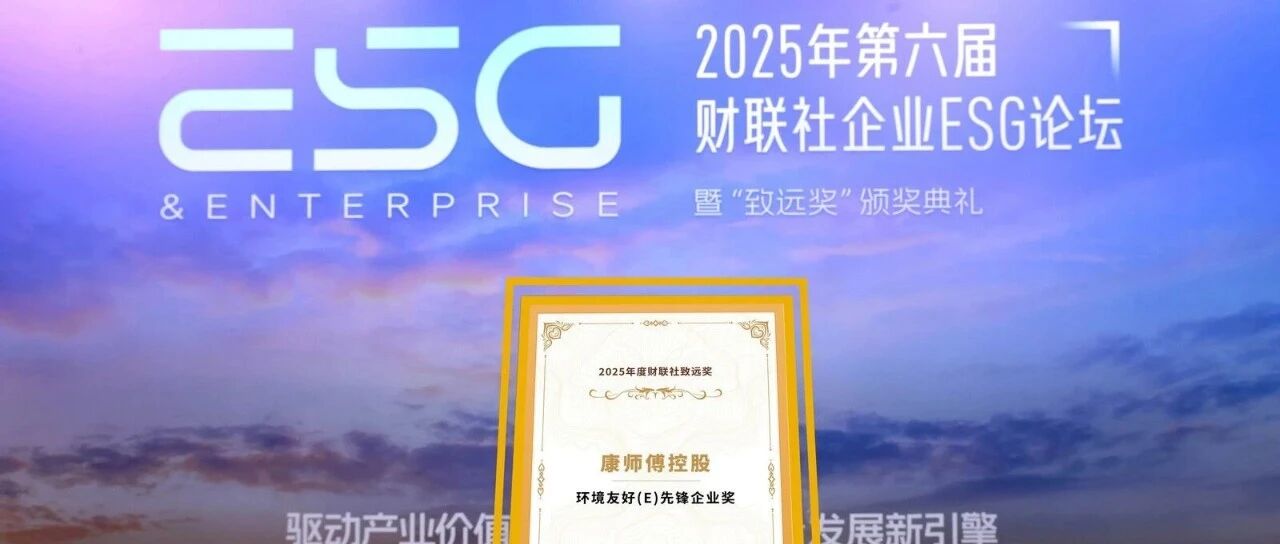
铸就绿色竞争力,康师傅控股斩获环境友好先锋企业奖
财联社· 2025-11-03 08:14
Core Viewpoint - ESG has transitioned from an optional consideration for companies to a critical factor for long-term competitiveness, driving cost reduction, efficiency improvement, and industry upgrades [1][3][4] Group 1: ESG Integration and Corporate Strategy - Companies must deeply integrate ESG into their strategic operations to manage risks and seize transformation opportunities, especially in the context of global supply chain restructuring and industrial upgrades [4][9] - The Chinese government is promoting a green transition driven by the "dual carbon" goals, providing a broader development space for companies that place sustainable development strategies at their core [4][10] Group 2: 康师傅's ESG Practices - 康师傅 has actively implemented ESG principles through energy conservation, resource recycling, and green procurement, aligning with national "dual carbon" goals [1][5] - The company has been recognized for its innovative practices in ESG, receiving the "2025 财联社致远奖·环境友好(E)先锋企业奖" for its contributions to sustainable development [1][5][13] Group 3: Innovative Practices and Consumer Engagement - 康师傅's "食·裳——塑说新生 万象循回" ESG-themed fashion show at Shanghai Fashion Week showcased its commitment to circular economy by transforming product packaging into fashion resources [5][6] - The company is committed to reducing carbon emissions in product development, exemplified by its introduction of non-fried noodles that lower fat content and carbon emissions during production [8][12] Group 4: Systematic Approach to Sustainability - 康师傅 is moving from isolated ESG initiatives to a systematic approach, extending sustainable practices throughout its supply chain [9][10] - The company has signed environmental and social compliance agreements with all suppliers and is implementing green procurement policies, ensuring that all packaging materials come from certified suppliers [10][12] Group 5: Carbon Management and Energy Efficiency - 康师傅 is actively conducting carbon assessments across its value chain, identifying emission hotspots to develop effective reduction strategies [12] - From 2017 to 2024, 康师傅 achieved a 19.04% reduction in energy consumption and a 27.44% decrease in greenhouse gas emissions per million yuan of revenue [12] Group 6: Future Outlook and Industry Leadership - The recognition of 康师傅's ESG efforts reflects its role in leading the industry towards a sustainable future, transforming ESG into a new productive force for corporate development [13]


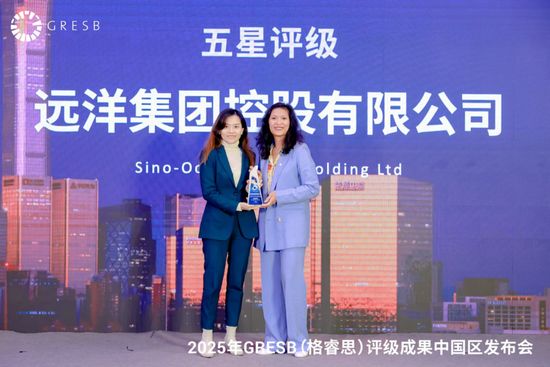
ESG表现再获认可!远洋集团蝉联GRESB五星评级
Xin Lang Zheng Quan· 2025-11-03 05:37
Core Insights - The GRESB rating results for the China region were announced on October 28, with the company receiving a five-star rating for achieving a total score of 98 [1] - The company is committed to the "dual carbon" strategy and aims for "net zero emissions by 2050," with all new projects meeting national green building standards [3] - The company has registered 194 green building projects covering nearly 40 million square meters by the end of 2024 [3] Group 1: Green Building Initiatives - The company’s Z6 project in Beijing's CBD is the first in China to receive "Net Zero Carbon Excellence Certification," integrating advanced low-carbon technologies and a green electricity trading mechanism [5] - The Z6 project aims to set industry standards and contribute to the development of carbon neutrality evaluation norms for commercial buildings by 2025 [5] Group 2: Health and Well-being Standards - The company has developed the "Ocean Health Building System," which focuses on health-oriented building practices across five dimensions, ensuring user health and safety [6] - This health building system has been implemented in over 150 projects across 51 cities, covering more than 27.8 million square meters [7] Group 3: Market Recognition and Performance - The company delivered 41,800 residential units in 2024, maintaining a top 10 position in overall delivery quality within the industry [7] - The company’s commitment to sustainable development has positioned it as a leader in various international ESG ratings, including GRESB, S&P Global, and Morningstar Sustainalytics [7]
“绿能智创 驱动未来”2025第三届零碳技术专精特新创业大赛长三角赛区上海站第二场圆满落幕
势银能链· 2025-11-03 04:10
Core Viewpoint - The article emphasizes the importance of the "Green Energy Intelligent Creation, Driving the Future" theme in promoting the incubation and industrialization of cutting-edge zero-carbon technologies, aiming to discover the most promising zero-carbon technology enterprises and facilitate deep integration of technology, capital, and industry [4][35]. Group 1: Event Overview - The 2025 Third Zero Carbon Technology Specialized and New Entrepreneurship Competition has recruited over 200 projects and held more than 20 related events since its launch in 2023, gathering over 20 leading enterprises, 60 expert judges, and 80 top investment institutions [6][36]. - The competition includes a series of activities such as innovation incubation camps, investment and financing forums, and interviews with industry leaders to accelerate the growth of entrepreneurs and create a green energy innovation ecosystem [6][36]. Group 2: Project Highlights - Seven participating companies presented their projects, covering core zero-carbon technology areas such as hydrogen energy materials, energy storage technology, hydrogen safety management, and green hydrogen supply [12][13]. - Notable projects include: - Zhejiang Haozhen Hydrogen Energy Co., focusing on hydrogen technology with a strong team and dual research background in China and Europe [15]. - Anhui Masui New Energy Technology Co., which developed a 50-micron ultra-thin PEM membrane electrode, reducing costs by 80% and achieving 97% efficiency [19][33]. - Shanghai Yujing Energy Technology Co., which is working on high-efficiency SOEC water electrolysis technology to lower hydrogen production costs [31][33]. Group 3: Future Prospects - The national finals of the competition will be held in late November in Shanghai, with the registration channel for the 2026 competition already open, inviting global zero-carbon technology startups to participate [36]. - The ongoing competition is expected to bring forth more quality projects and talents, injecting new momentum into the development of China's green energy industry and supporting the achievement of the "dual carbon" goals [36][37].

英大证券晨会纪要-20251103
British Securities· 2025-11-03 02:32
Market Overview - The A-share market experienced a collective decline last Friday, with nearly 4,000 stocks rising, indicating a structural adjustment and redistribution of funds among sectors and market capitalizations [2][5][15] - The technology sector showed increased internal differentiation, with previously popular segments like computing hardware and storage chips declining, while AI applications and the new energy sector performed well [2][6][15] Short-term Market Dynamics - The market is expected to oscillate around the 4,000-point mark, reflecting a healthy correction rather than a trend decline, as it digests profit-taking and trapped positions [3][16] - The recent fluctuations are seen as a return to a more balanced market structure rather than a complete shift from growth to value investing [15][16] Investment Strategies - Investors are advised to maintain a cautious and steady approach, focusing on three main investment lines: 1. Technology growth sectors, including AI, semiconductors, and robotics, with an emphasis on stocks supported by actual or future performance [4][17] 2. High-dividend defensive sectors such as banking, utilities, and transportation, which can provide a safety margin during market volatility [4][17] 3. Cyclical sectors like photovoltaics, batteries, and chemicals, which are expected to benefit from policy changes aimed at reducing competition and improving profitability [4][17] Sector Highlights - The pharmaceutical sector is showing signs of strength, with potential for recovery as it has been lagging in the current market cycle [8] - The AI theme remains active, with significant investment opportunities emerging as the industry evolves and matures [9][10] - The new energy sector is also gaining traction, driven by ongoing demand for lithium, photovoltaics, and energy storage solutions, supported by government policies [11][12] Conclusion - The market is currently in a phase of structural adjustment, with a focus on selective investment in sectors that show resilience and growth potential, particularly in technology and new energy [15][17]
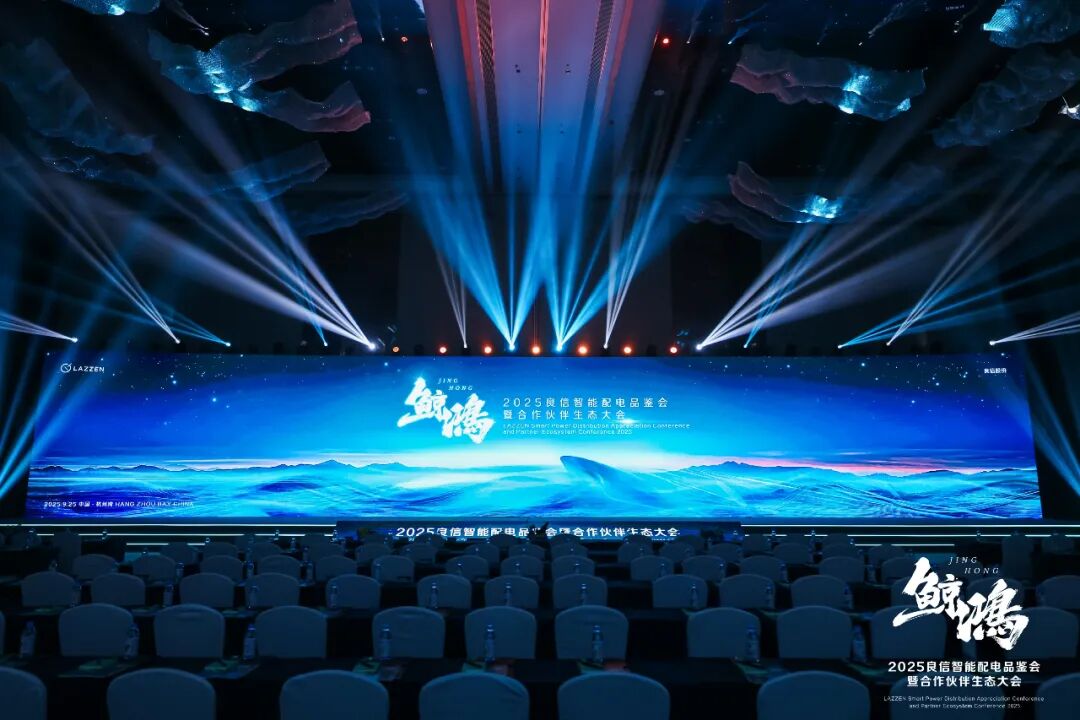
锚定智算市场、产业生态破局,良信股份稳健增长
Guan Cha Zhe Wang· 2025-11-03 02:13
Core Viewpoint - Despite the overall pressure in the low-voltage electrical industry, the company has demonstrated resilience with a revenue of 3.507 billion yuan in the first three quarters of 2025, reflecting a year-on-year growth of 12.23% [1][3]. Group 1: Financial Performance - The company's revenue increased from 3.124 billion yuan in the same period last year, showcasing a steady growth trend [3]. - The net profit attributable to shareholders was 304 million yuan, a slight decrease of 2.08% year-on-year, while maintaining a high gross profit margin of 30.44% [3][5]. Group 2: Strategic Focus - The company has strategically targeted high-potential sectors such as new energy and intelligent computing, aligning with national strategic priorities to offset demand weakness in traditional areas [5]. - The dual focus on "dual carbon" initiatives and computing power upgrades is seen as key to redefining growth logic in the low-voltage electrical industry [5]. Group 3: Market Opportunities - The "dual carbon" sector is projected to release a market space worth hundreds of billions, with the company leveraging its technical expertise in new energy distribution [5]. - The intelligent computing sector is expected to see significant growth, with global data center capacity projected to increase from 82 GW in 2025 to 219 GW, indicating a compound annual growth rate of over 30% [5]. Group 4: Ecosystem Collaboration - The company emphasizes ecosystem cooperation to address the complexities of intelligent distribution systems, advocating for collaboration among component manufacturers, software firms, and design institutes [6][8]. - By fostering partnerships in product development, solutions, and business models, the company aims to enhance service delivery to end customers [7]. Group 5: Competitive Positioning - The company’s strategic layout aligns with the global trend towards AI, with significant opportunities anticipated in the next 5-10 years for the low-voltage electrical industry [11]. - The company is positioned to capitalize on domestic market demands while adhering to international standards, laying the groundwork for global expansion [11].

稳增长:激发市场潜能是关键
Zhong Guo Hua Gong Bao· 2025-11-03 02:01
Group 1: Industry Overview - The Ministry of Industry and Information Technology has released a work plan for the petrochemical industry, emphasizing the need to expand market demand and enhance supply-demand matching [1] - The plan encourages the establishment of long-term stable partnerships between petrochemical product manufacturers and downstream users in traditional sectors like construction and automotive [1] - Emerging industries such as new energy, low-altitude economy, and humanoid robots are highlighted for potential growth, with a focus on applications for new energy battery materials and specialty engineering plastics [1] Group 2: Company Strategies - Jinfa Technology has developed three collaboration models with automotive clients: strategic cooperation, project customization, and joint innovation [2] - The company is focusing on high-end, green, and integrated development in its green petrochemical sector, aiming to enhance product competitiveness by avoiding price competition in generic ABS resins [2] - Jinfa Technology is also investing in original technology research to meet the specific needs of high-value sectors like new energy vehicles and high-end home appliances [2][3] Group 3: Rubber Industry Insights - The rubber industry sees significant growth potential in the automotive sector, with approximately 80% of rubber products used in this industry [3] - The industry is urged to develop tires and rubber components that are more compatible with new energy vehicles, emphasizing the need for long-term partnerships with automotive manufacturers [3][4] - The rubber sector is also exploring opportunities in aerospace and healthcare, with a focus on domestic substitution for imported rubber products [4] Group 4: Coatings Industry Developments - The work plan calls for a transition in the coatings industry towards low or zero VOC content products, aligning with national environmental policies [5] - The coatings sector is expected to focus on high-performance, eco-friendly products, including water-based and powder coatings, to meet evolving market demands [6] - Companies in the coatings industry are encouraged to innovate and provide integrated solutions to enhance competitiveness and adapt to new market opportunities [6]

煤炭:煤价暂稳蓄力,焦炭第三轮提涨开启
Huafu Securities· 2025-11-02 12:03
Investment Rating - The coal industry maintains a rating of "stronger than the market" [7] Core Views - The report emphasizes that stabilizing coal prices is crucial for reversing the Producer Price Index (PPI) decline, which narrowed to a year-on-year decrease of 2.3% in September. The correlation between coal prices and PPI suggests that coal prices need to stabilize, with the lowest point expected to be a policy bottom in 2025. The report anticipates further supply-side policies to emerge as competition is regulated [5][6] - The coal industry is positioned within an energy transformation era, where strict capacity controls and increasing extraction difficulties are expected to limit supply. The report suggests that coal's status as a primary energy source will remain unchanged in the short term, with prices likely to maintain a fluctuating upward trend due to rigid supply and rising costs [5][6] Summary by Sections Coal Price Overview - As of October 31, 2025, the Qinhuangdao 5500K thermal coal price is stable at 770 CNY/ton, with a week-on-week change of 0.0% and a year-on-year decrease of 79 CNY/ton (9.3%) [3][31] - The average daily output of 462 sample coal mines is 5.451 million tons, reflecting a week-on-week decrease of 3.1 thousand tons and a year-on-year decrease of 5.5% [3][39] - The report notes a significant increase in coal inventory at Qinhuangdao port, reaching 590 thousand tons, a week-on-week increase of 37 thousand tons (6.7%) [3][56] Coking Coal Overview - The price of main coking coal at Jingtang port is 1760 CNY/ton, remaining unchanged week-on-week, with a year-on-year increase of 20 CNY/ton (1.1%) [4][72] - The average daily output of 523 sample coking coal mines is 758 thousand tons, showing a week-on-week decrease of 0.3 thousand tons and a year-on-year decrease of 2.7% [4][71] - The report indicates that the coking coal inventory at independent coking plants is 905.7 thousand tons, reflecting a week-on-week increase of 20.1 tons (2.27%) [4][71] Investment Recommendations - The report suggests focusing on companies with strong resource endowments and stable operating performance, such as China Shenhua, China Coal Energy, and Shaanxi Coal and Chemical Industry [6] - Companies with production growth potential benefiting from the coal price cycle, such as Yanzhou Coal Mining, Huayang Co., and Guanghui Energy, are also recommended [6] - The report highlights companies with globally scarce resources, such as Huaibei Mining and Shanxi Coking Coal, as attractive investment targets [6]
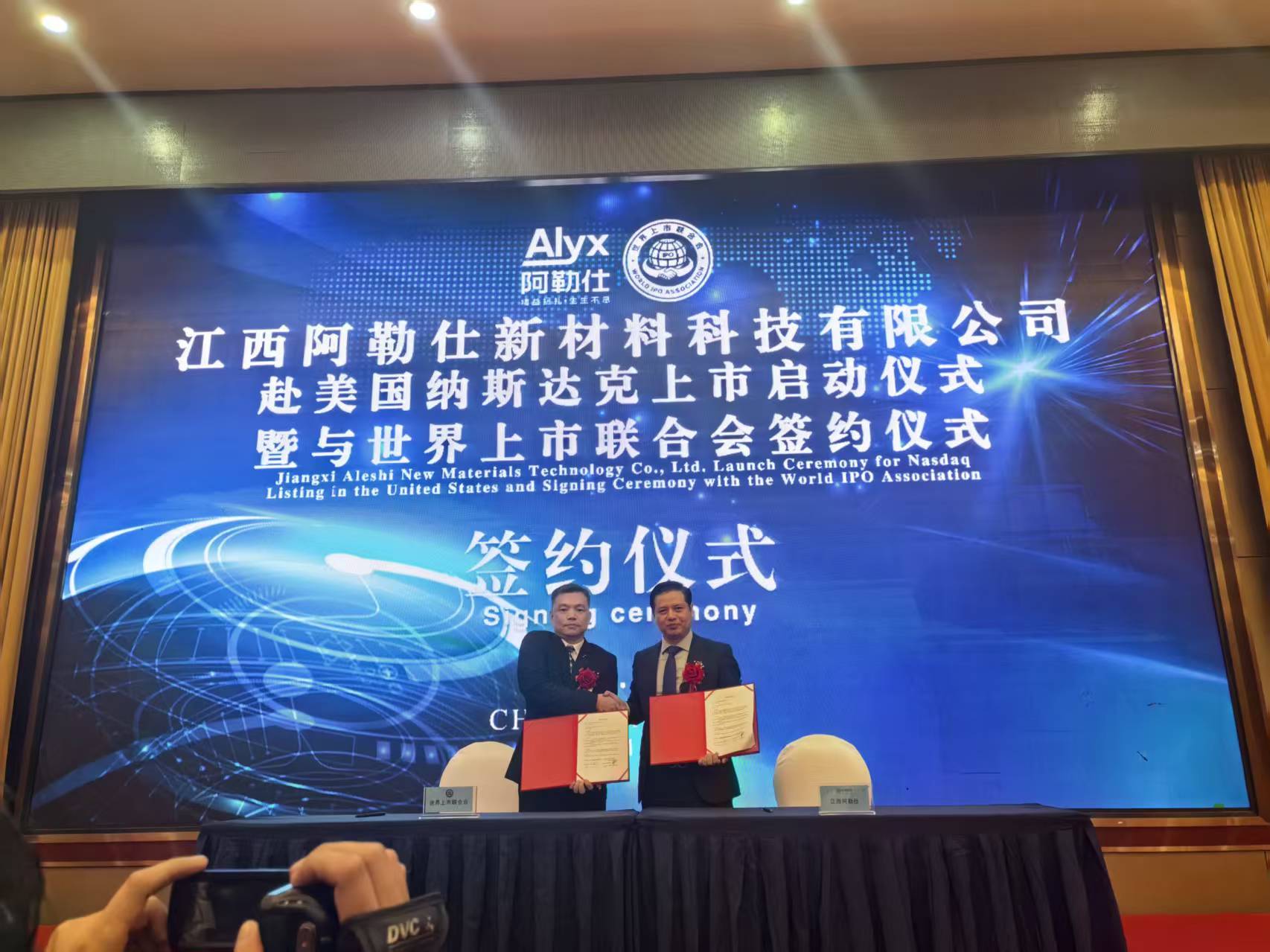
江西鹰潭企业启动美国上市!独家探访工厂实况!
Sou Hu Cai Jing· 2025-11-01 09:22
Core Viewpoint - Jiangxi Alessi New Materials Technology Co., Ltd. has officially launched its listing process on the NASDAQ in the United States, marking a significant milestone for the company and the local economy [1][3]. Group 1: Company Overview - Jiangxi Alessi New Materials Technology Co., Ltd. is a national high-tech enterprise based in the Longgang Industrial Park of Yingtan City, focusing on the research, production, and sales of environmentally friendly PET strapping (plastic steel strapping) [5]. - The company is recognized as a typical representative of circular economy development in Yingtan City, deeply implementing the "dual carbon" concept in its production processes, achieving green production and product recyclability throughout the entire raw material process [5]. Group 2: Market Presence and Applications - The products of Jiangxi Alessi have been widely applied across various industries, including wood, paper, steel, chemical fiber, and aluminum ingots, serving numerous Fortune 500 companies [5]. - The company exports its products to North America, Europe, Southeast Asia, and Africa, establishing a brand image of "high quality and high reliability" in the global environmental packaging sector [5].
国内首个“绿醇—加注—航运”全链示范项目启动
Zhong Guo Neng Yuan Wang· 2025-10-31 13:09
Core Insights - The Lishu Project, a green methanol demonstration project, has been launched in Jilin, marking the first comprehensive chain from green methanol production to fuel injection and ocean shipping in China [1][2] - The project is a collaboration between Jidian Co., COSCO Shipping, and Shanghai Port Group, establishing a new model for state-owned enterprises to build a green liquid fuel industry chain [1][2] - Green methanol is seen as an ideal alternative to traditional marine fuels due to its liquid state at normal temperature and pressure, ease of storage and transportation, and significantly reduced carbon footprint throughout its lifecycle [1][2] Project Details - The Lishu Project aims to produce 197,200 tons of green methanol annually and reduce carbon dioxide emissions by approximately 300,000 tons per year, contributing to the decarbonization of the shipping industry [2] - The project utilizes a coupling technology of wind power hydrogen production and biomass carbon sources, promoting flexible collaboration between new energy and chemical production [2] - The innovative "electric-hydrogen-chemical" integration approach addresses the volatility of renewable energy, enhancing the stability and economic efficiency of the system [2] Strategic Importance - The project represents a significant step in the green liquid fuel sector, leveraging Jilin's abundant wind and biomass resources to produce green methanol for ocean decarbonization [3] - It explores a new path for the synergy between new energy and traditional industries, as well as the role of agricultural resources in energy transition [3]
