
地缘政治博弈

Search documents
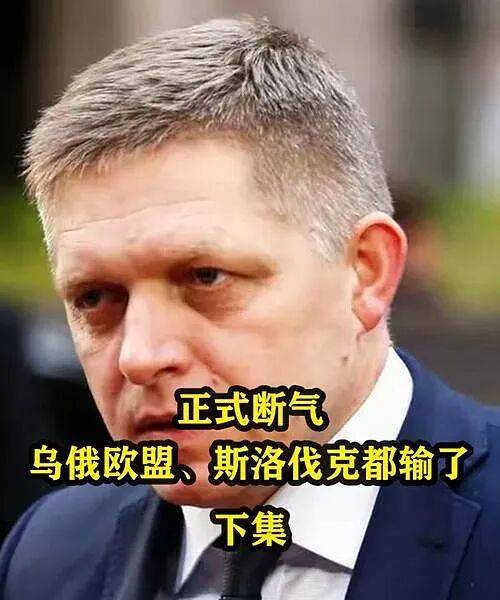
正式断气!乌克兰、俄罗斯、欧盟、斯洛伐克都输了,只有美国赢了
Sou Hu Cai Jing· 2025-08-31 04:48
Group 1 - Ukraine has officially ceased the transit of Russian natural gas, marking the end of a significant energy artery for Europe that has lasted for decades [1][3] - The pipeline previously transported over 40 billion cubic meters of gas annually, accounting for approximately 15% of the EU's total natural gas imports [3] - Ukraine's loss of transit fees, which amounted to over $2 billion annually, poses a significant economic challenge for the already struggling country [3][5] Group 2 - Russia will face increased costs as it seeks alternative routes for the over 30 billion cubic meters of gas that were previously transported through Ukraine [5][6] - The EU is now under pressure due to reduced energy supply, with reliance on more expensive U.S. liquefied natural gas (LNG) to fill the gap, leading to higher energy costs for European businesses [6][8] - Slovakia is particularly affected as it heavily depended on the now-discontinued pipeline for its gas supply [6] Group 3 - The U.S. emerges as the primary beneficiary of this situation, as Europe will need to source LNG from the U.S. to replace the lost Russian gas, despite the higher costs [8][10] - The reduction of Europe's dependency on Russian energy increases its reliance on U.S. energy, aligning with U.S. strategic interests [10][11] - This scenario reflects a deeper geopolitical struggle, with the U.S. successfully severing the energy ties between Europe and Russia, while simultaneously boosting its own energy exports [11][14] Group 4 - The situation underscores the importance of energy security as a component of national security, highlighting the risks of over-reliance on foreign energy sources [14][16] - The event serves as a reminder that international relations are driven by interests rather than permanent alliances, emphasizing the need for self-sufficiency in energy [16]

山东黄金(600547):金价上行+管理优化 看好公司未来业绩弹性
Xin Lang Cai Jing· 2025-08-28 12:29
Core Viewpoint - The company reported strong financial performance in H1 2025, driven by rising gold prices and operational optimizations, with a positive outlook for future growth in gold production and profitability [1][2][3]. Financial Performance - In H1 2025, the company achieved revenue of 56.766 billion yuan, a year-on-year increase of 24.0%, and a net profit attributable to shareholders of 2.808 billion yuan, up 103.0% year-on-year [1]. - In Q2 2025, revenue reached 30.830 billion yuan, reflecting a year-on-year growth of 15.0% and a quarter-on-quarter increase of 18.9%. The net profit for Q2 was 1.782 billion yuan, showing a year-on-year increase of 160.7% and a quarter-on-quarter rise of 73.6% [1]. Gold Price Impact - The significant rise in gold prices has notably contributed to the company's net profit growth, with the spot price of gold closing at 770.2 yuan per gram in Q2 2025, marking a year-on-year increase of 39.4% and a quarter-on-quarter increase of 14.8% [2]. - Factors such as de-dollarization and geopolitical tensions are expected to drive gold prices upward, with central banks increasing gold reserves, indicating a new bullish cycle for gold [2]. Operational Optimization and Production Growth - The company is focusing on optimizing its production system and enhancing mechanization, information technology, automation, and intelligence, leading to a 29.36% year-on-year increase in total mining volume and a 23.36% increase in ore processing volume in H1 2025 [3]. - As of the end of 2024, the company holds gold reserves of 2,058.46 tons (based on equity), with plans to increase production through resource integration and acquisitions [3]. - The company’s new mine in Ghana is expected to start production in November 2024, with an anticipated annual output of 8.5 tons, contributing significantly to performance growth in 2025 [3]. Profit Forecast - The company forecasts net profits attributable to shareholders of 6.926 billion yuan, 8.534 billion yuan, and 9.678 billion yuan for the years 2025 to 2027, with price-to-book ratios of 3.3, 2.8, and 2.4 respectively, maintaining a "buy" rating [3].

山东黄金(600547):金价上行+管理优化,看好公司未来业绩弹性
Western Securities· 2025-08-28 12:27
Investment Rating - The report maintains a "Buy" rating for Shandong Gold [5][10] Core Views - The company's revenue for H1 2025 reached 56.766 billion yuan, a year-on-year increase of 24.0%, while net profit attributable to shareholders was 2.808 billion yuan, up 103.0% year-on-year [1][5] - The significant rise in gold prices has notably driven the company's net profit growth, with the Q2 gold spot closing price at 770.2 yuan per gram, reflecting a year-on-year increase of 39.4% [1][2] - The company is expected to continue benefiting from the upward trend in gold prices due to factors such as de-dollarization and geopolitical tensions, with central banks increasing gold reserves [1][2] Summary by Sections Financial Performance - In Q2 2025, the company achieved revenue of 30.830 billion yuan, a year-on-year increase of 15.0% and a quarter-on-quarter increase of 18.9%, with net profit of 1.782 billion yuan, up 160.7% year-on-year and 73.6% quarter-on-quarter [1][5] - The company forecasts net profits of 6.926 billion yuan, 8.534 billion yuan, and 9.678 billion yuan for 2025, 2026, and 2027 respectively, with corresponding price-to-book ratios of 3.3, 2.8, and 2.4 [3][4] Operational Optimization - The company is enhancing its production system and focusing on mechanization, information technology, automation, and intelligence, leading to a 29.36% year-on-year increase in total mining volume and a 23.36% increase in ore processing volume for H1 2025 [2] - As of the end of 2024, the company holds gold reserves of 2,058.46 tons, with plans to maintain gold production of no less than 50 tons in 2025 [2] Market Outlook - The report highlights a bullish outlook on gold prices, driven by global economic factors and central bank policies, suggesting a new upward cycle for gold [1][2]
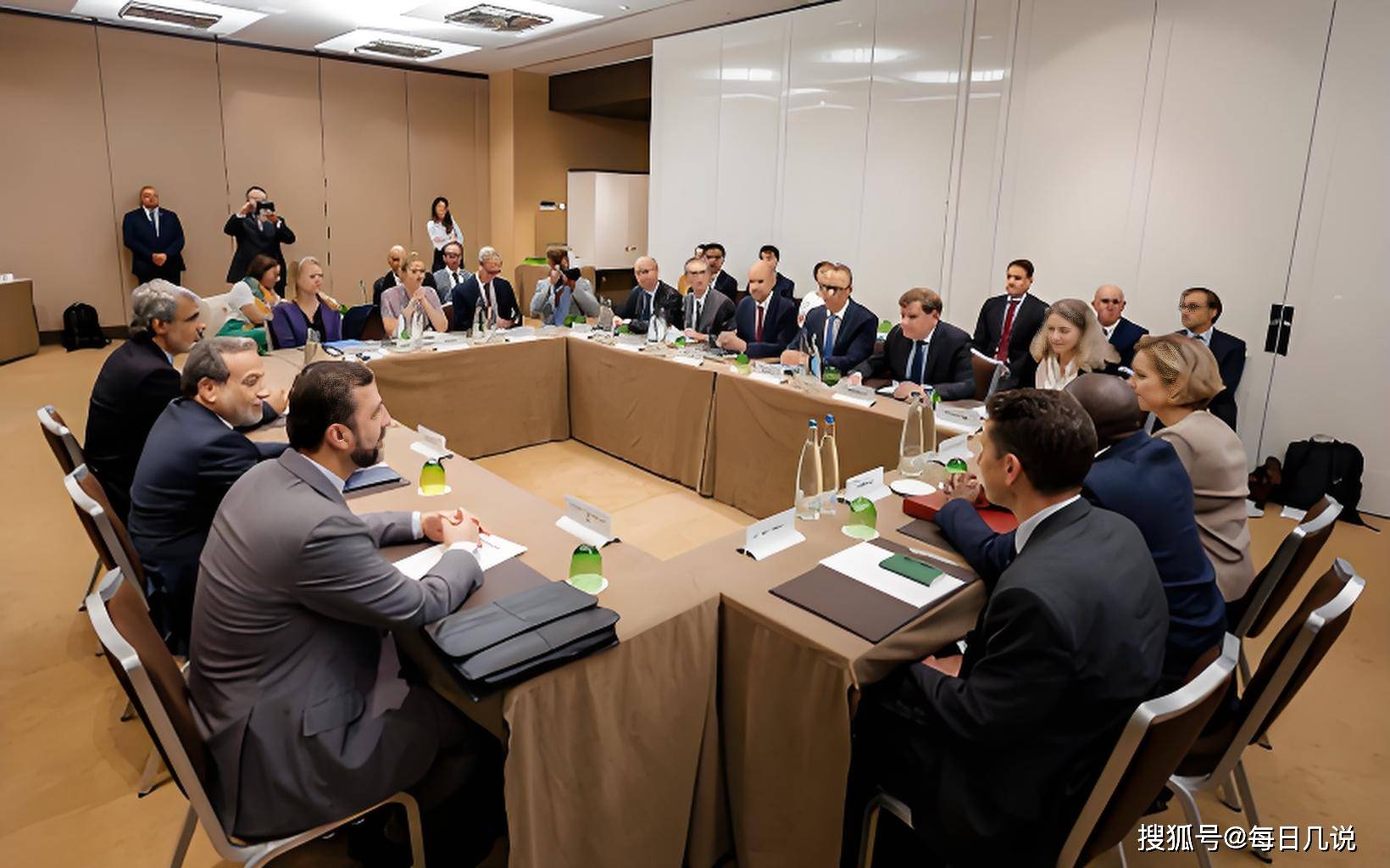
伊核谈判重启?欧洲制裁倒计时博弈?
Sou Hu Cai Jing· 2025-08-27 03:31
Group 1 - The core demand from Iran is the complete lifting of sanctions while retaining the right to enrich uranium for civilian purposes, which aligns with the Iranian Foreign Minister's stance that any agreement cannot strip Iran of its nuclear rights [3][4] - The economic impact of sanctions is significant, with Iranian oil exports dropping by 60% since 2015, and European chemical companies facing rising costs, exemplified by BASF's projected 42% increase in raw material costs if sanctions are reinstated [4][6] - The geopolitical dynamics involve a complex interplay between the U.S., Russia, and Europe, with the U.S. adopting a contradictory approach of offering sanctions relief while demanding zero uranium enrichment from Iran [6][7] Group 2 - The potential reimposition of sanctions could lead to a 5.3% contraction in Iran's GDP and a loss of $18 billion in market share for European exporters, alongside escalating nuclear tensions that could provoke military actions from Israel [8][9] - There exists a slight possibility for progress in negotiations, particularly regarding the supervision of Iran's civilian nuclear program, although domestic political pressures in both Iran and the UK hinder substantial concessions [9][10] - Despite formal negotiations, practical cooperation continues, with ongoing interactions in sectors like oil and medical supplies, indicating that economic interdependence may serve as a buffer against total confrontation [10]
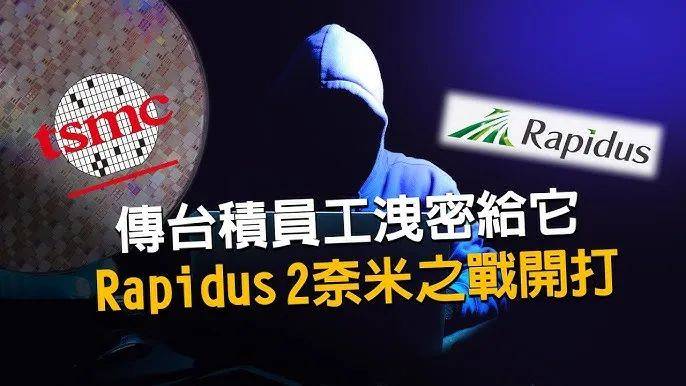
搞了半天,台积电的机密是日本偷的?
Hu Xiu· 2025-08-26 09:50
Core Points - TSMC, the leading global semiconductor foundry, is facing a significant scandal involving the alleged theft of its 2nm process technology, initially suspected to be linked to mainland China, but later investigations revealed connections to Japanese companies [1][3][4] - TSMC holds a market share of 67.6% in the semiconductor industry, with major clients including Apple, NVIDIA, and AMD, making its 2nm technology crucial for future competitiveness in smartphones and AI chips [1][2] Group 1: Incident Overview - TSMC reported unusual file access within its internal monitoring system, leading to a criminal investigation by Taiwan's prosecutors, resulting in the arrest of six individuals, including two current engineers and one former employee [3][4] - The arrested individuals allegedly used company-issued laptops to access confidential data and employed covert methods, such as photographing sensitive documents, to transfer information to Tokyo Electron (TEL) and Rapidus, two Japanese companies [6][4] Group 2: Implications for the Semiconductor Industry - The incident has shifted public perception, highlighting that technology leaks can occur between allies, not just adversaries, and raising concerns about the competitive landscape in the semiconductor sector [8][10] - Rapidus, a company backed by the Japanese government, aims to challenge TSMC and other industry leaders by producing 2nm chips by 2027, making the potential acquisition of TSMC's technology particularly advantageous for its growth [9][10] Group 3: Geopolitical Context - The semiconductor industry is increasingly viewed as a battleground for geopolitical interests, with the U.S. pushing for domestic chip production and Japan seeking to revive its semiconductor sector through initiatives like Rapidus [10][12] - The incident underscores the complexities of trust and competition in the semiconductor field, where even allied nations may engage in espionage to secure technological advantages [12][17]

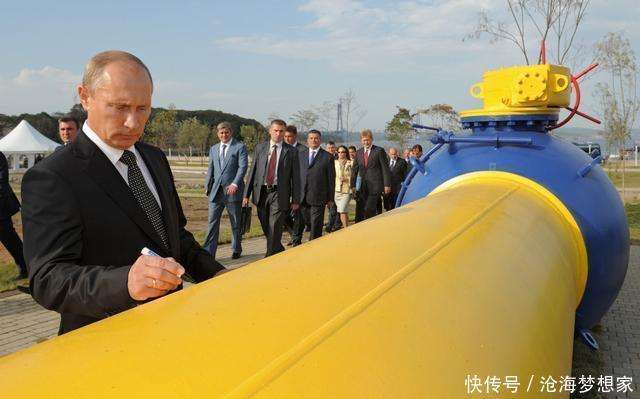
莫迪硬刚特朗普,普京大手一挥再给7%折扣,印度坚决买俄石油
Sou Hu Cai Jing· 2025-08-26 07:10
Core Insights - The global energy market is undergoing a significant transformation due to the complex interactions between India, the US, and Russia, particularly following India's decision to import Russian crude oil [1][15][18] - India's import of Russian oil has surged to an average of 2 million barrels per day, despite the US imposing a 25% additional tariff on Indian imports, raising the total tariff rate to 50% [1][3][12] - Russia has strategically reduced the price of its Ural crude oil to $61.75 per barrel, offering an additional 7% discount to India, making it an attractive option for Indian refineries [8][12] Group 1: India’s Energy Strategy - India has resumed its imports of Russian crude oil, with state-owned refiners like IOC and BPCL starting to procure Ural crude for September and October deliveries, restoring imports to 2 million barrels per day by late August [12][14] - The Indian government has publicly criticized the US tariffs as "unfair and baseless," indicating a strong stance to protect national interests [12][14] - India is projected to gain approximately $16 billion in additional profits from purchasing discounted Russian oil [12][14] Group 2: US Response and Implications - The US government, led by President Trump, has reacted to India's continued oil imports from Russia by imposing significant tariffs, aiming to penalize India for its energy stance [3][14] - The US Treasury Secretary has labeled India's actions as "arbitrage," emphasizing that such policies are unacceptable, which has led to a reassessment of US-India strategic relations [14][17] - The ongoing tariff conflict may jeopardize trade negotiations between the US and India, despite both countries having mutual interests in energy and technology [17][18] Group 3: Russia’s Strategic Positioning - Russia is leveraging significant price discounts to deepen energy cooperation with India, while also expanding its partnerships with other Asian markets like China, Turkey, and the UAE [8][15] - The share of Russian oil exports to Asia has increased dramatically, from less than 20% before the conflict to over 70%, indicating a shift in Russia's energy export strategy [17][18] - Russia's flexible energy export strategy includes creating a "shadow fleet" to navigate around Western sanctions, enhancing its position in the global energy market [8][15] Group 4: Geopolitical Dynamics - The energy triangle involving the US, India, and Russia highlights the emergence of a multipolar world, where even close allies like the US may struggle to exert influence over energy security and economic interests [15][18] - The EU has also responded to the situation by implementing sanctions against Russian oil companies operating in India, adding diplomatic pressure on India [17][18] - The evolving energy dynamics among these nations are likely to reshape global energy trade patterns and accelerate the formation of a multipolar world order [17][18]
另类投资简报 | 卷入“撤资潮”的基金:有的换桌继续,有的下桌出局
彭博Bloomberg· 2025-08-25 06:05
Private Equity Market Review - The Hong Kong Jockey Club is withdrawing up to $1 billion from Blackstone Group and other acquisition firms, selling U.S. assets due to escalating trade tensions since the beginning of Trump's presidency [6] - Other Asian funds and wealthy investors are also reducing investments in the U.S. market, citing concerns over the unpredictability caused by trade conflicts [6] Hedge Fund Market Overview - Bloomberg's preliminary data shows hedge funds rose by 1.2% last month, with the event-driven hedge fund index leading the gains [6] - Year-to-date, hedge funds have increased by 5.3%, with equity funds showing the highest growth at 8.7% [6] - Castle Investment and Dymon Asia Capital are increasing talent acquisition in Asia to expand their operations in the region [6] Fund Performance Data - The Bloomberg All Hedge Fund Index closed on July 31, 2025, with a 1-month return of 1.19%, a 3-month return of 5.95%, and a year-to-date total return of 5.34% [7] - The Bloomberg Equity Hedge Index reported a 1-month return of 1.63% and a year-to-date return of 8.75% [7] - The Bloomberg Event Driven Hedge Index showed a 1-month return of 3.51% and a year-to-date return of 6.16% [7] Industry Developments - New Silk Road Investment Pte, one of Singapore's oldest hedge funds, is set to close due to poor returns and significant asset shrinkage from nearly $2 billion in 2021 to $615 million by the end of last year [6] - The closure reflects the increasing challenges faced by smaller hedge funds amid market volatility and intensified geopolitical competition [6] - Millennium Management has allocated funds to external management companies in South Korea, indicating a trend of diversification in investment strategies [8]

台岛怕什么来什么,特朗普心腹打明牌了,台积电要尽快改姓“美”
Sou Hu Cai Jing· 2025-08-25 02:03
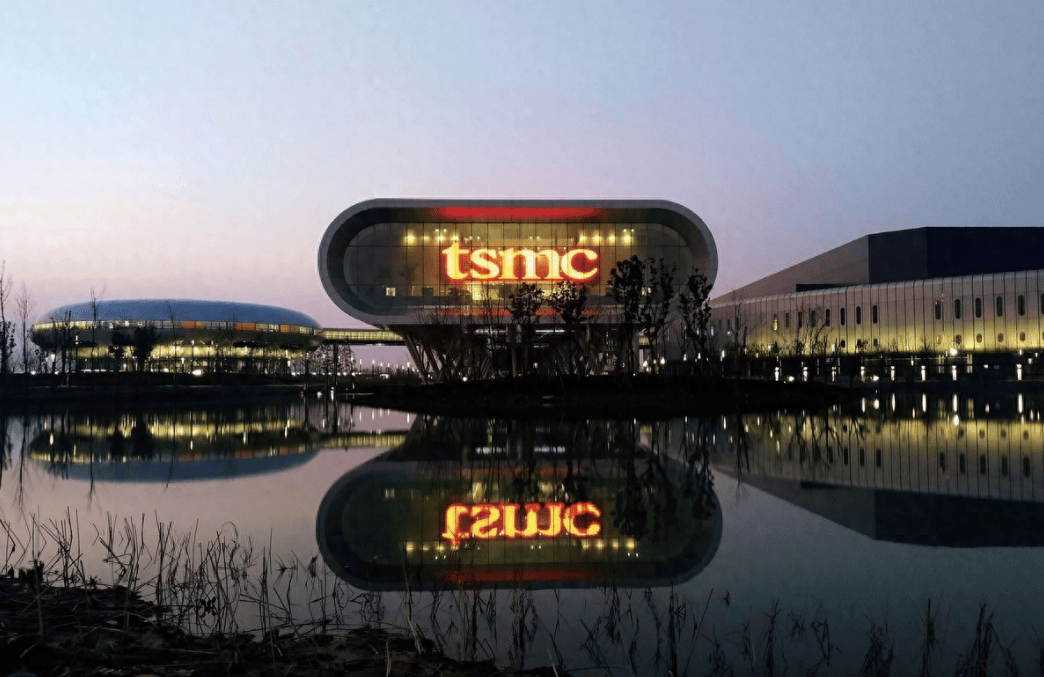
在全球半导体产业界,台湾积体电路制造公司(台积电)无疑扮演着举足轻重的角色,然而,这个被视为技术高地的台湾公司,如今却愈发显露出 其身处的困境。美国的政策转变似乎让台积电面临"掏空"的危机,而这场危机不仅仅关乎一家公司的命运,更是台湾整个经济体制的生存挑战。 自拜登政府上台以来,美国对台积电的态度发生了显著变化:从最初的"胡萝卜与大棒"政策,到如今蓝天白云下的赤裸裸"强抢",可谓是瞬息万变。 在2020年,台积电为了应对美国的压力,不得不宣布赴美投资650亿美元,以建设三座晶圆工厂。然而,时至今日,台积电面临的不止是巨额的投资 压力,还有来自美国政府的高层次干预。 与此同时,舆论的反响也相当激烈,很多台湾民众对政府的顺从表示愤怒与无奈。他们担心,一旦台积电完全被美国掌控,台湾将失去其在全球高 科技领域的核心竞争力。有些人甚至称之为"明抢",认为这无异于将台湾送入"卖国"的深渊。正如网络上的一些评论所云:"硅盾一步一步被拆掉", 台积电想避免被美国完全掏空,恐怕只是一厢情愿的幻想。 再回头看看,美国一方面要求台积电赴美设厂,另一方面又试图通过动用补助转化为股份,显然是要达到"引入技术与控制权"的双赢目的。这一切 ...
白宫狂喜!欧盟向美国全面投降,取消所有工业品关税,拜登赢麻了?
Sou Hu Cai Jing· 2025-08-24 00:26
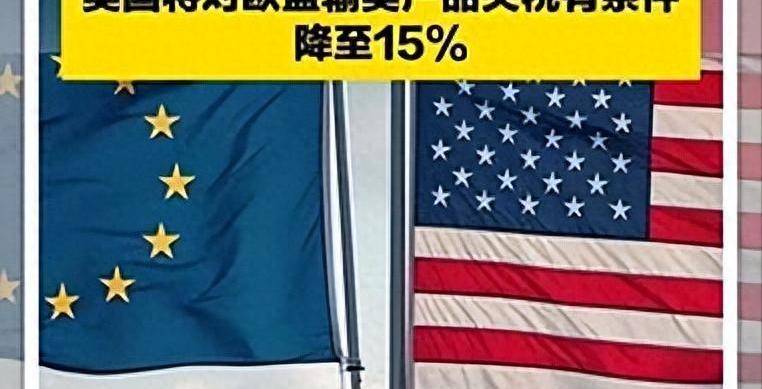
Group 1 - The new framework agreement between the US and EU signifies a potential major shift in global geopolitical dynamics, covering 19 key areas including agriculture, AI chips, and cybersecurity [1] - The EU has made significant concessions by committing to zero tariffs on US industrial goods and providing better market access for US agricultural products [2] - The US response has been cautious, maintaining tariffs on many EU goods at a maximum of 15%, contrasting sharply with the EU's more generous stance [4] Group 2 - The agreement includes a timeline that allows for future negotiations, with the US granting most-favored-nation treatment to EU aviation and pharmaceutical products starting next year, but this will be limited after September 2025 [5] - The automotive sector may benefit from a reduction in tariffs to 15%, but the actual implementation is contingent on complex domestic legislative processes in both regions [6] - The core of the agreement lies in substantial procurement and investment commitments, with the EU pledging to purchase up to $750 billion in US energy products by 2028, enhancing US control over European energy supplies [8] Group 3 - The EU plans to invest $400 billion in US AI chips and an additional $600 billion in strategic sectors within the US, indicating a significant financial commitment to bolster US technological innovation [8] - The agreement also includes increased EU procurement of US military and defense equipment, which strengthens US military dominance in Europe and reduces European defense autonomy [10] - The implications of this agreement extend globally, potentially reshaping supply chains and creating new barriers for non-EU countries seeking access to the US and EU markets [11] Group 4 - The framework may serve as a new model for future international trade negotiations, emphasizing strategic industry protection and cross-sectoral interest bundling, which could lead to imbalances in global economic development [14] - Despite the agreement, sensitive issues remain unresolved, such as tariffs on European wines and spirits, indicating ongoing negotiations and the EU's desire to maintain its economic stability [16] - The agreement reflects the strategic interdependence between the US and EU, highlighting their mutual needs in a complex international environment, with uncertain long-term outcomes for global trade [18]
美好医疗:25H1净利润降32.4%,目标价24.48元
Sou Hu Cai Jing· 2025-08-21 09:22
Group 1 - The core viewpoint of the article highlights that Meihao Medical's H1 2025 net profit attributable to the parent company is 110 million yuan, a year-on-year decrease of 32.4% [1] - The company's core business revenue from home respiratory machine components is 440 million yuan, down 2.8% year-on-year, while revenue from cochlear implant components is 60 million yuan, down 7.5% year-on-year [1] - The underperformance is attributed to geopolitical tensions affecting the construction and production timeline of the company's Malaysian Phase III industrial base, impacting the delivery rhythm of core business orders [1] Group 2 - Despite the short-term challenges, the company has strong respiratory and cochlear implant businesses, with a continuously enriching product pipeline and ongoing development of new businesses and customers, indicating broad long-term potential [1] - Based on comparable companies' average valuation for 2025, the company is given a 36 times price-to-earnings ratio, corresponding to a target price of 24.48 yuan, maintaining a "buy" rating [1]