房地产市场调整

Search documents
曹德旺果然说得没错!我国二三十层电梯房,或将面临同一个结局
Sou Hu Cai Jing· 2025-10-17 05:25
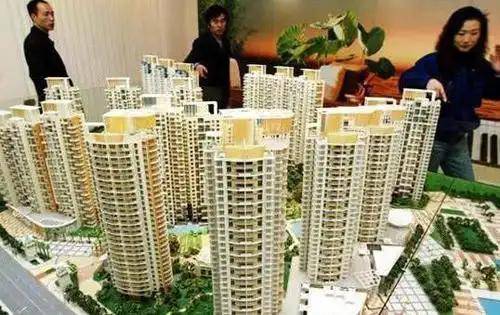
最新数据显示,中指研究院于10月30日发布报告,其监测的28个重点城市在10月份的楼市成交面积同比大幅下跌18.94%,环比也下降了5.7%。与此同时, 全国百城二手住宅价格环比下跌的城市数量高达98个,并且这一趋势已持续五个月之久,超过90个城市深陷二手房市场的深度调整期。 早在几年前,曹德旺就一针见血地指出,房子本质上不过是钢筋混凝土的堆砌,其价值终将贬低。他还曾提出忠告,建议手中握有多套房产的家庭尽快出售 多余房产,否则可能面临有价无市,既卖不出去也租不出去的窘境。 如今,房地产市场的走向似乎验证了他的预言。新房市场销售疲软,二手房挂牌量激增,房屋出售变得日益艰难。尤其值得注意的是,与多层住宅相比,二 三十层的电梯房可能更难逃脱"卖不掉,租不出"的困境,最终沦为"贫民窟"。究其原因,电梯房存在以下几点主要弊端: 楼市寒意渐浓,网红企业家曹德旺多年前的预言似乎正在应验。 高层电梯房的居民出行高度依赖电梯。一旦遭遇地震、火灾等突发状况,电梯往往会停止运行,居民只能通过楼梯逃生。这无疑大大增加了逃生难度,也延 缓了外部救援的速度。相比之下,多层住宅的居民则可以迅速下楼逃生,生存几率更高。 二、公摊面积过大: ...

最近两年不买房,5年后会不会后悔?曹德旺、任正非看法一致
Sou Hu Cai Jing· 2025-10-17 05:25
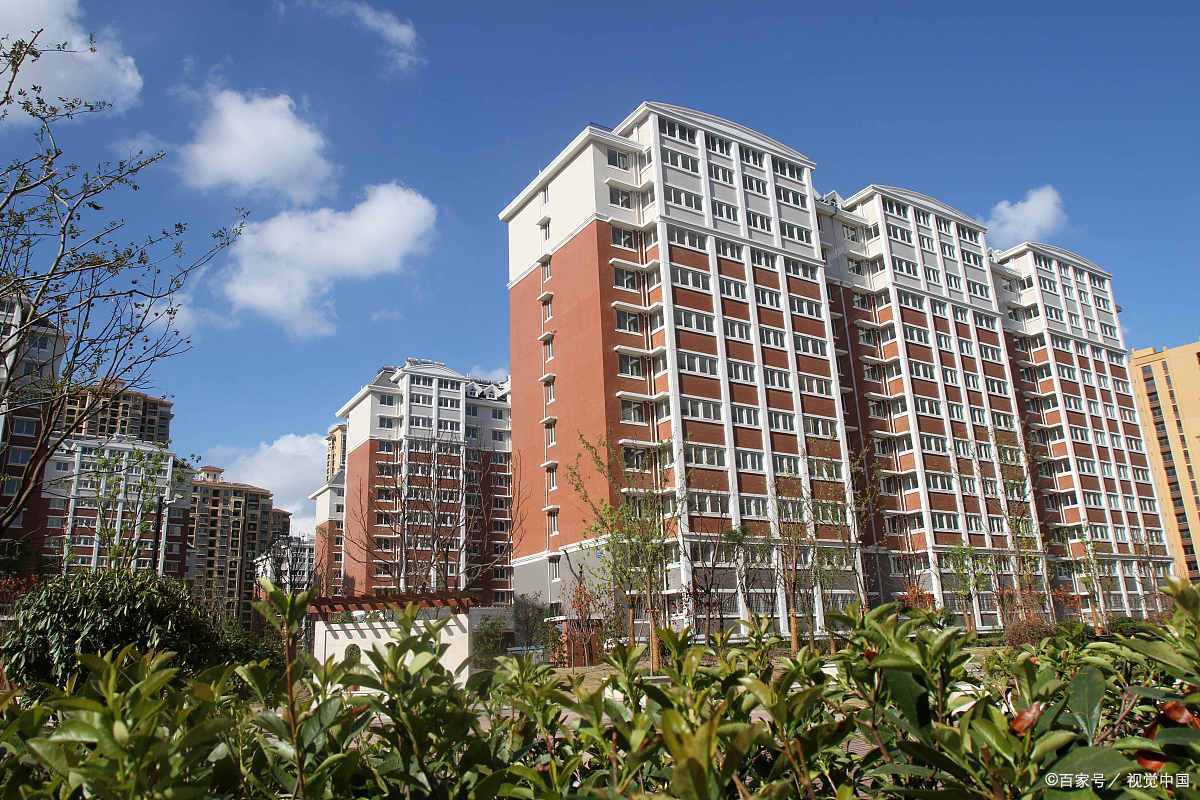
中国房地产市场自2023年三四月份起便步入新一轮的调整期,房价下跌的城市数量不断攀升。国家统计局数据显示,6月份70个大中城市中,新建商品住宅 售价环比下降的城市达到38个,较5月份的24个显著增加14个;二手房市场更为严峻,环比下跌城市数量高达63个,较5月份的55个增加8个。 然而,面对如此密集的利好政策,不少网友却发出疑问:如果今明两年选择观望,五年后会不会后悔?对此,知名企业家曹德旺先生曾犀利指出,房屋不过 是一堆钢筋水泥,随着时间的推移只会越来越贬值,并建议大家尽早出售手中多余的房产。 商界领袖任正非先生也持有类似观点,他认为过高的房价已经严重阻碍了实体经济的发展,大幅增加了企业的运营成本,这种局面难以长期维系。两位商业 大佬的观点不谋而合,都在暗示大家,今明两年不买房,五年后可能不仅不会后悔,反而能够以更优惠的价格购入房产。 那么,凭什么断言今明两年不买房,五年后就能以更低的价格买到房子呢?原因主要有以下几点: 首先,刚性需求正在逐渐萎缩。中国房地产市场经过二十多年的高速发展,许多城市家庭已拥有两套甚至更多的房产。随着中国老龄化程度的加深,越来越 多的城市年轻人可以通过继承长辈的房产来满足居住需求 ...
最近两年买房,是聪明还是糊涂?看看李嘉诚怎么说的
Sou Hu Cai Jing· 2025-10-17 05:09
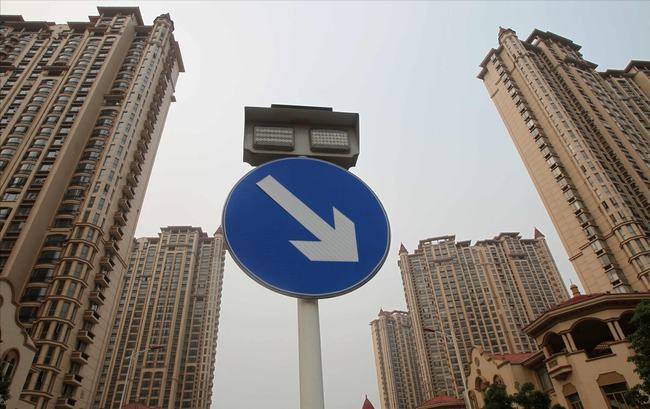
李嘉诚的楼市预言与今明两年购房策略:理性选择还是盲目入局? 面对当前国内房地产市场的迷雾,许多家庭正面临着艰难的抉择:今明两年购房,究竟是审时度势的明智之举,还是可能蒙受损失的糊涂之举?在房价与 2021年高点相比已有所回落的背景下,抄底的诱惑与房价继续下跌的风险并存,让购房者们倍感困惑。 其次,中国社会正步入"老龄化、少子化"时代。国家统计局数据显示,截至2023年底,中国60岁以上老年人口已达2.9亿,而2023年新生儿出生数量仅为902 万,创历史新低。这意味着,大部分老年人已经拥有住房,购房需求相对较低。同时,年轻人结婚意愿下降,婚房需求减少,加上生育二胎、三胎意愿不 强,改善性住房需求也在萎缩。刚需和改善性需求的双重减少,预示着未来房价回归居住属性是大势所趋。 最后,居民收入减少,购房行为更趋理性。疫情前,许多家庭热衷于投资房产,既看重其保值增值功能,也对未来收入增长抱有信心。然而,经历三年疫情 后,许多家庭面临收入下降甚至失业的困境,购房能力受到严重削弱,不少人暂时搁置了购房计划。 回溯李嘉诚的投资轨迹,他早在上世纪50年代就已涉足房地产业,并多次在市场调整前果断离场。2023年8月,媒体报道李嘉 ...

宏观政策效果持续显现,9月PPI同比降幅收窄至2.3%
Xin Lang Cai Jing· 2025-10-15 02:53
Core Insights - The Producer Price Index (PPI) in September decreased by 2.3% year-on-year, with a narrowing decline of 0.6 percentage points compared to the previous month, and remained stable month-on-month for two consecutive months [1] Group 1: PPI Trends - The narrowing year-on-year decline in PPI is attributed to lower comparison bases from the previous year and the ongoing effectiveness of macroeconomic policies [1] - The construction of a unified national market has led to a reduction in the year-on-year price decline in related industries, with significant improvements in market competition and capacity management [1] - Specific industries such as coal processing, black metal smelting, and photovoltaic equipment manufacturing saw their price decline rates narrow by 8.3, 3.4, and 2.4 percentage points respectively, contributing to a reduced downward impact on PPI by approximately 0.34 percentage points [1] Group 2: Industry Performance - Upgrades in industrial structure and the release of consumer potential have resulted in year-on-year price increases in certain sectors, including a 1.4% increase in aircraft manufacturing and a 1.2% increase in electronic materials manufacturing [1] - The overall industrial product market is characterized by a "strong supply and weak demand" situation, with no fundamental changes expected in this trend [2] - Future PPI trends may face downward pressure due to fluctuations in the external economic environment and a steady increase in the PPI comparison base from October onwards, making it challenging for PPI to turn positive by year-end [4][5]
很多人宁愿租房一辈子,也不愿背上房贷!租房和买房究竟谁会赢?
Sou Hu Cai Jing· 2025-10-13 18:42
Core Viewpoint - The article discusses the shifting perspectives among young people regarding housing, with an increasing preference for long-term renting over buying homes, influenced by economic conditions and changing societal values [1][3]. Economic Cost Analysis - Renting appears more financially viable compared to buying, with average rental yields in major cities being relatively low, around 1.5% to 3.2% [3][4]. - A model comparing the costs of buying versus renting over 30 years suggests that if investment returns exceed 3.5%, renting may be more advantageous [3]. - Historical data shows that from 2000 to 2020, housing prices grew at an average annual rate of 8%, outpacing rental growth and inflation [4]. Stability and Psychological Security - Renting poses uncertainties such as lease renewals and potential rent increases, with 66.8% of renters having moved in the past five years [6]. - Homeowners generally report higher community belonging and life satisfaction compared to long-term renters [6]. - The rise of long-term rental apartments is improving stability, with a market share of 32.6% in 2025 [6][7]. Flexibility in Lifestyle - The increasing mobility of young professionals leads to a preference for renting, as 58.3% of respondents prioritize career development over home ownership [8]. - Renting allows for greater flexibility in pursuing job opportunities without being tied down by property ownership [8]. Financial Pressure and Quality of Life - High mortgage payments can significantly reduce overall life satisfaction, with families spending over 50% of their income on housing reporting lower satisfaction levels [10]. - Renting typically allows for more disposable income for education and leisure, enhancing overall quality of life [10]. Personalized Decision-Making - Individuals should assess their career stability and life stage when deciding between renting and buying [11]. - Families with children show a higher inclination to buy homes due to concerns about stability and school districts [12]. - A comprehensive financial analysis considering all costs and potential investment returns is crucial for making informed housing decisions [12]. Value Systems and Preferences - Personal values and lifestyle preferences play a significant role in the decision to rent or buy, with some prioritizing asset accumulation while others value flexibility [13]. - Innovative housing solutions like shared ownership and rental points systems are emerging, providing more options for residents [13].
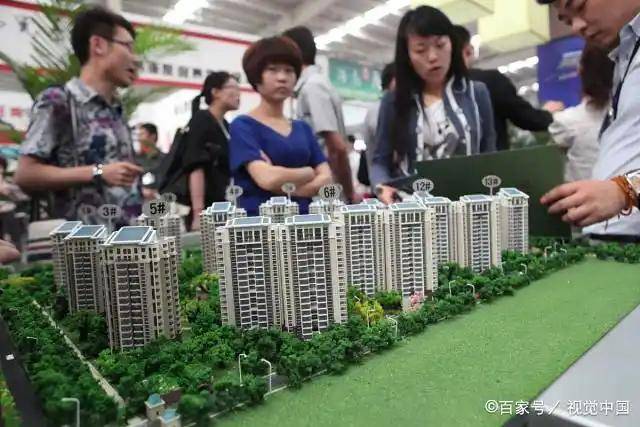
房价还会暴跌吗?别瞎猜了,最新权威报告出炉,答案已经很明确了
Sou Hu Cai Jing· 2025-10-11 19:09
Core Insights - The report indicates that the Chinese real estate market is experiencing a structural adjustment rather than a collapse, with a projected average price decline of 5-10% over the next 2-3 years [6][12]. Market Overview - In the first three quarters of 2025, the average price of new residential properties in 300 cities was 15,632 yuan per square meter, down 3.7% year-on-year, while the average price of second-hand homes was 12,853 yuan per square meter, down 5.2% year-on-year [1]. - The total sales area of commercial housing from January to September 2025 was 935 million square meters, a decrease of 6.8% year-on-year, with sales revenue of 9.27 trillion yuan, down 8.3% year-on-year [3]. Factors Influencing Price Adjustments - Population structure changes are a fundamental factor, with the proportion of the population aged 65 and above reaching 14.9% by 2025, coupled with a historic low birth rate, leading to reduced housing demand [3][4]. - The supply-demand relationship has shifted, with urbanization rates stabilizing and a surplus of housing in many cities due to previous overbuilding [4]. - The inventory of commercial housing reached approximately 483 million square meters by September 2025, resulting in a depletion cycle of 16.5 months, the highest in five years [4]. - Buyer expectations have changed, with only 37% of individuals aged 25-35 considering home buying a necessity, down from 78% in 2015 [4][6]. - Financing conditions have tightened for developers, leading to price reductions to recover funds, while buyers face restrictions on mortgages and declining income expectations [6]. Future Market Predictions - The report predicts a transition from a "high growth period" to a "stable development period," with price differentiation expected across different cities and regions [6][7]. - Core cities and strong second-tier cities are likely to maintain stable prices due to ongoing population inflow and strong industrial support, while third and fourth-tier cities may face greater downward pressure [7]. - The average price of residential properties under 90 square meters fell by 2.1%, while properties over 144 square meters saw a decline of 7.3% in the first nine months of 2025 [7]. - The adjustment period for the real estate market is expected to last 2-3 years, with a low likelihood of drastic price drops due to the sector's significant impact on the national economy [7][12]. Recommendations for Stakeholders - For first-time homebuyers, it is advisable to enter the market if they have stable income and the selected area has reasonable prices [9]. - For those looking to upgrade their homes, utilizing the current market adjustments for better living conditions is recommended [9]. - Investors should be cautious and focus on cities with strong population growth and industrial support, avoiding areas with declining populations [9][10]. - Homeowners should not panic over short-term price fluctuations and consider downsizing if financial pressure arises [9][10]. Conclusion - The report concludes that while the golden era of real estate has passed, there remains significant potential for housing that meets the needs of residents, emphasizing the importance of understanding market dynamics and making informed decisions [12].

房价,跌得有点惨!
Sou Hu Cai Jing· 2025-10-11 17:30
Core Viewpoint - The real estate market in various cities, including Shenzhen and Hangzhou, is experiencing significant price declines, with a lack of recovery despite government measures aimed at stimulating the market [2][3][4] Group 1: Market Conditions - Many cities, including strong second-tier and third-tier cities, report continuous declines in housing prices, with some residents expressing concerns about the lack of a bottom [2] - Shenzhen's recent policy adjustments to support home buying have led to increased transaction volumes, but prices remain stagnant, indicating a trend of "price for volume" [2] - Data from the National Bureau of Statistics shows a sharp decrease in the number of cities with rising new home prices, dropping from nearly 50% in April to single digits by August [2] Group 2: Market Sentiment - The confidence in the real estate market has weakened significantly, shifting from a supply-demand imbalance to an oversupply situation, leading to skepticism about future price increases [3] - Continuous price declines over recent years have eroded market confidence, resulting in a cycle of temporary price spikes followed by further declines [3] - Despite recent support measures from major cities like Beijing, Shanghai, and Shenzhen, the impact on market sentiment has been less effective compared to previous interventions [3] Group 3: Historical Context - Historical trends in global real estate markets indicate that price corrections are normal; however, the prolonged downturn in China's major cities raises concerns about the stability of housing prices [4] - Even in major cities, prices have not stabilized after years of decline, which is a worrying sign for the market [4]
倪鹏飞:房地产必需顺应和引领时代之变
Jing Ji Guan Cha Wang· 2025-10-11 13:13
Core Insights - The real estate market is showing signs of stabilization, with an increase in the number of cities experiencing rising new home prices, indicating a warming market [1][2] - The industry is undergoing a deep adjustment, requiring a shift from a developer-centric model to a customer-centric approach, focusing on high-quality housing supply and innovative operational models [2][12] - The demand for "good houses" is strong, driven by genuine improvement needs, but supply has not kept pace, leading to market differentiation [5][6] Market Trends - In August 2025, the number of cities with rising new home prices increased to 9, up from 6 in July, while first-tier cities saw a slight price decline of 0.1% [1] - Second-tier cities experienced a 0.3% decline, and third-tier cities saw a 0.4% decline, indicating varying levels of market pressure across different city tiers [1] - The adjustment period for real estate has lasted four years, with some structural positive changes emerging in specific regions and housing types [1][2] Demand and Supply Dynamics - The concept of "market stabilization" involves both phase-based and structural recovery, with quality properties in prime locations showing positive growth [3][4] - The reasonable range for the price-to-income ratio internationally is 2-6 times, while first-tier cities in China have seen ratios as high as 40 times, indicating significant room for adjustment [4] - The demand for quality housing is evident, with a notable portion of buyers looking to upgrade their living conditions, particularly in desirable areas [6][12] Future Outlook - The future of the real estate market will depend on macroeconomic improvements and the return of key indicators to reasonable ranges, with opportunities concentrated in high-quality housing and innovative operational models [2][12] - The integration of AI and remote working trends will reshape housing needs, requiring developers to adapt designs and community features to accommodate new living and working arrangements [8][9] - The long-term transformation of the industry is expected to lead to healthier market conditions, with a focus on high-quality development and reduced reliance on traditional growth models [15][16] Company Strategies - Real estate companies must pivot from high turnover to meticulous product development, emphasizing consumer needs and preferences [12][17] - Successful companies in the future will likely be those that maintain financial stability, focus on core competencies, and adapt to emerging trends such as AI and remote work [13][15] - The shift towards non-traditional real estate businesses can be successful if companies remain focused and innovative, creating unique offerings that are difficult to replicate [18]

不出意外,10月份开始,房子、车子、票子或将迎来这些重大改变
Sou Hu Cai Jing· 2025-10-11 07:33
Group 1: Real Estate Market Changes - The real estate market in China has been adjusting since 2022, with a continued decline in housing prices into 2025. As of September, the average price of second-hand residential properties in 100 cities was 13,381 yuan per square meter, down 7.38% year-on-year, marking 41 consecutive months of month-on-month price declines [4] - Starting from October 2025, significant changes are expected in the real estate market, including a slowdown in price declines in cities that previously experienced larger drops, and potential price corrections in first-tier cities [4][5] - The government plans to accelerate the introduction of affordable housing, with a target of providing 6 million units over the next five years, which will likely divert demand from the commercial housing market and increase downward pressure on prices [5] Group 2: Automotive Market Dynamics - A price war has begun in the automotive market, with numerous brands participating. Mid-range domestic cars have seen price reductions of 20,000 to 30,000 yuan, while high-end imported vehicles have dropped by up to 90,000 yuan [7] - The second-hand car market is also experiencing significant price drops, with some models losing 70,000 yuan in value over just over a year [7] - Factors contributing to the ongoing price war include the influx of new energy vehicles, a slowdown in middle-class income growth leading to reduced demand, and the rapid turnover of car models [7] Group 3: Stability of Currency Purchasing Power - Despite concerns about the weakening purchasing power of currency due to excessive money supply, the Consumer Price Index (CPI) remained stable in September, with a year-on-year increase of only 0.4%, indicating a deflationary cycle in the economy [10] - The stability in purchasing power is attributed to the fact that the excess money supply is not circulating into the economy, leading to weak price increases in the goods market [10] - Additionally, the slowdown in household income growth has weakened consumer purchasing power, prompting businesses to reduce prices to clear inventory and attract buyers [10]
楼市再添新变革?新规下,这3类房产或将迎来贬值潮?
Sou Hu Cai Jing· 2025-10-11 04:35
Core Viewpoint - The article discusses the increasing concerns about real estate devaluation in China, highlighting specific types of properties that are more susceptible to depreciation due to market adjustments and demographic changes [1][12]. Group 1: Market Trends - The real estate market in China is experiencing a significant adjustment, with 38 out of 70 major cities reporting a year-on-year decline in second-hand housing prices, with the highest drop reaching 11.2% [1]. - The sales area of commercial residential properties nationwide decreased by 12.3% year-on-year, with first-tier cities down by 5.7%, second-tier cities by 8.9%, and third and fourth-tier cities by 18.6% [1][12]. Group 2: Types of Properties at Risk - **Suburban "Sleep Towns"**: Properties in suburban areas lacking adequate infrastructure and industry support are facing severe challenges, with average transaction cycles reaching 267 days, 2.8 times longer than city center areas [3][4]. - **Old Residential Communities**: Approximately 18.6 million old communities exist, with 25% predicted to face continuous depreciation due to lack of renovation opportunities [7][8]. - **Properties in Overcapacity Regions**: Areas reliant on single industries are experiencing population outflows, leading to reduced housing demand and increased risk of property devaluation [9][11]. Group 3: Factors Contributing to Devaluation - For suburban properties, high commuting costs, inadequate amenities, and population return to urban centers are key factors driving depreciation [4][5]. - Old properties face risks due to aging infrastructure, outdated layouts, and high energy consumption, making them less appealing to modern buyers [7][8]. - In overcapacity regions, reduced job opportunities and declining local government finances diminish the attractiveness of real estate investments [11]. Group 4: Future Outlook - The real estate market is transitioning from an "incremental era" to a "stock era," with a predicted annual housing demand of 8 million units from 2025 to 2035, significantly lower than previous years [12]. - The market is expected to focus more on the living attributes and service functions of properties rather than mere investment appreciation, leading to a clear differentiation between high-quality assets and those lacking competitive advantages [12][16].