资产配置

Search documents
美联储降息,你的钱包是“鼓”还是“瘪”?这几个变化一定要知道
Sou Hu Cai Jing· 2025-09-20 08:05
Group 1: Impact on Housing Market - The Federal Reserve's interest rate cut is expected to reduce mortgage rates in China, benefiting existing homeowners by lowering monthly payments [3] - New homebuyers may also enjoy lower borrowing costs due to a more accommodative monetary environment, leading to decreased home purchase costs [3] Group 2: Investment Market Changes - The decline in interest rates is likely to result in lower yields for fixed-income products such as bank deposits and money market funds, making them less attractive [3][4] - Investors face a dilemma of either accepting lower yields or taking on more risk for higher returns, prompting recommendations for longer investment horizons and diversified asset allocation [4] Group 3: Employment Market Effects - Lower financing costs for businesses may lead to increased investment and hiring, positively impacting the job market, especially in export-related sectors [4] - Growth sectors like technology may also benefit from improved liquidity, potentially expanding their recruitment efforts [4] Group 4: Currency and International Spending - The Fed's rate cut could lead to a depreciation of the dollar, making overseas spending cheaper for consumers, including those studying abroad or shopping online [6] - However, there is a risk of dollar appreciation if the market anticipates overheating in the U.S. economy, suggesting a cautious approach to currency exchange [6] Group 5: Inflation Considerations - While increased liquidity from rate cuts could raise price levels, the current domestic market conditions in China suggest that inflationary pressures remain manageable [8] - The overall price stability is expected to continue, alleviating concerns about significant inflation spikes [8] Group 6: Consumer Strategies - Homeowners should monitor changes in the Loan Prime Rate (LPR) and consider negotiating repayment terms with banks if necessary [10] - Investors are advised to balance risk and return, while job seekers should focus on opportunities in export and growth sectors [10] - Consumers should remain rational in their spending habits and avoid panic buying due to inflation fears [11]


这场圆桌论坛,信息量很大!
中国基金报· 2025-09-20 03:19
Core Viewpoint - The article discusses the transformation of the wealth management industry in China, emphasizing the shift from a product-selling model to a client-centered approach in the era of buyer wealth management [1][4]. Group 1: Buyer Thinking Evaluation Standards - The core evaluation standard for determining whether an institution or advisor possesses buyer thinking is based on the revenue model, specifically focusing on "earning retention fees" rather than "sales commissions" [6][8]. - Institutions must prioritize customer interests and provide value through quality service and stable returns to encourage long-term product holding [8][10]. - The recognition of the buyer fee model by clients is crucial for the transformation process, as many still prefer traditional commission-based structures [10][12]. Group 2: Challenges and Breakthroughs in Transformation - The necessity for transformation is driven by declining commission levels and changing client demands for sustainable returns through professional investment [16][17]. - Institutions must overcome the "license dependency" mindset and create real, sustainable value for clients to gain their trust and loyalty [17][18]. - A successful transformation requires a collaborative approach involving consensus on direction, a buyer-oriented assessment system, and a focus on professional service [18][19]. Group 3: Importance of Asset Allocation Services - Asset allocation is highlighted as a critical component of wealth management, with a focus on long-term returns [20][21]. - Institutions need to enhance their asset allocation capabilities by expanding product offerings, developing core methodologies, and ensuring effective communication of strategies to clients [21][22]. Group 4: Building Differentiated Competitive Advantages - To establish core competitiveness, firms must have clear strategic insights and maintain a long-term commitment to building unique services and brands [23][24]. - Collaboration across departments and a focus on customer needs are essential for creating a service-oriented culture [24][25]. - Transparency and clear communication of product risks and benefits are vital to addressing information asymmetry in the wealth management industry [25].





中国需求井喷!瑞士对华黄金出口激增253% 华尔街大佬一致喊话“买黄金”
Xin Lang Cai Jing· 2025-09-20 03:09
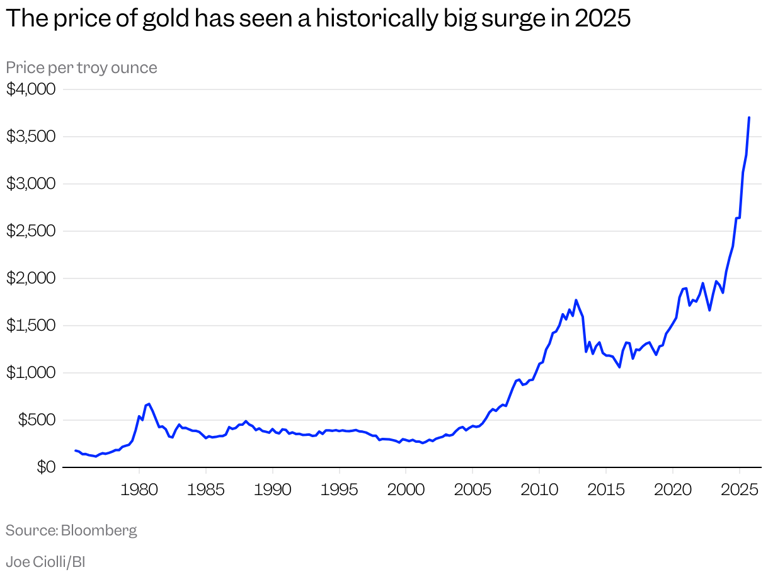
Core Insights - Swiss gold exports to China surged over three times in August 2025, reaching 35 tons, a 253% increase from July, marking the highest level since May 2024 [1] - In contrast, Swiss gold exports to the U.S. plummeted to 0.3 tons, a 99% decrease, highlighting a significant shift in global gold flows [1] - The price of gold has risen 38% this year, driven by demand for safe-haven assets and concerns over debt risks, with several Wall Street investors advocating for increased gold allocations [1][5] Swiss Gold Export Dynamics - Switzerland remains the largest gold refining and trading hub globally, with August data indicating: - Exports to China: 35 tons, up 253% month-on-month - Exports to India: 15.2 tons, up 12.6% month-on-month - Exports to the U.S.: 0.3 tons, down 99% month-on-month [1] - U.S. tariffs on Swiss gold bars, introduced in late July, disrupted the market, contributing to the sharp decline in exports to the U.S. [1] Market Drivers for Gold - The significant rise in gold prices is attributed to: - Persistent global inflation - Unsustainable U.S. debt levels - Long-term expectations of a weaker dollar - Increased demand for safe-haven assets amid geopolitical and financial risks [5] - Prominent Wall Street investors are bullish on gold, with recommendations for substantial allocations in investment portfolios [5] Implications for Chinese Investors - China has emerged as the largest incremental market for Swiss gold exports, enhancing gold's strategic role in domestic investment and wealth management [6] - The People's Bank of China has been consistently increasing its gold reserves, reinforcing confidence in gold as a "hard asset" at the national level [6] - Gold is increasingly viewed as a hedge against currency fluctuations and a means of diversifying assets amid market volatility [7] - The surge in Swiss gold export data aligns with the bullish sentiment from Wall Street, indicating a broader trend of gold re-entering the global asset allocation landscape [7]
2025年9月国内金条价格走势分析:高位震荡原因揭秘
Sou Hu Cai Jing· 2025-09-20 01:14
Core Viewpoint - The recent fluctuations in domestic bank gold bar prices indicate a high-level oscillation, raising concerns among investors about whether this is a stable signal or a prelude to volatility [1][2]. Group 1: Reasons for Price Fluctuations - The stability of international gold prices serves as a crucial support for domestic gold prices, with any changes in the global market directly impacting the local market [2]. - Macroeconomic factors such as fluctuations in the US dollar index, rising global inflation expectations, and stock market volatility continuously influence domestic gold prices [2]. Group 2: Unique Advantages of Gold Bar Investment - Compared to stocks and funds, gold bars present lower risk and are less susceptible to market sentiment fluctuations, making them a reliable investment for those with idle funds [4]. - Gold is recognized as a "hard currency" globally, providing excellent value retention during inflationary periods, thus becoming an essential part of many households' asset allocation [4]. Group 3: Timing and Strategy for Investment - Investors should consider their financial situation and investment horizon when deciding the best time to purchase gold bars, especially during high-level oscillation periods [5]. - It is advised to avoid frequent trading and instead adopt a strategy of holding gold bars for the long term, waiting for price increases or liquidity needs before selling [5]. Group 4: Considerations for Purchasing Gold Bars - When buying gold bars, attention should be paid to the brand and purity, with domestic banks typically offering high-purity gold bars (9999) [6]. - Investors should also consider the weight of the gold bars, as smaller weights offer better liquidity while larger weights may require a higher initial investment [6]. Group 5: Market Volatility Management - Investors should not be overly concerned about the recent price fluctuations between 847 and 855 RMB per gram, as such short-term volatility is normal [8]. - Maintaining a calm approach and focusing on long-term holding can help mitigate risks associated with market fluctuations [8]. Group 6: Importance of Mindset in Gold Investment - A stable mindset is crucial for gold bar investment, avoiding daily monitoring and not being swayed by short-term market news [10]. - Understanding the right timing for purchases and sales, along with a well-planned financial strategy, is essential for maximizing the value of gold investments [10].

特朗普要300基点,美联储只给25!这一次,谁赢了?
Sou Hu Cai Jing· 2025-09-19 21:19
Core Insights - The Federal Reserve's recent 25 basis point rate cut has led to confusion in the market rather than the anticipated excitement, as the stock market showed only a brief bounce before settling into a state of watchful waiting [1][3] - The internal divisions within the Federal Reserve, highlighted by dissenting votes among its members, have contributed to market unease, signaling uncertainty about future policy directions [3][4] Market Reactions - The 25 basis point cut did not meet market expectations, as many traders had anticipated a more aggressive 50 basis point reduction due to weak employment data [3][4] - The stock market's response has been muted, with concerns about the overall economic outlook overshadowing the potential benefits of lower interest rates [6][11] Implications for Stakeholders - For households with mortgages, the rate cut may provide some relief as it could lead to lower mortgage rates, creating a potential window for refinancing [6] - Investors in the stock market may face a complex situation, as historical trends suggest that initial rate cuts typically benefit stocks, particularly in the tech sector, but current economic fears may counteract this effect [6][11] - Savers may need to prepare for declining bank deposit rates, which could erode the purchasing power of their savings [6] Global Impact - The rate cut has begun to affect global markets, with the U.S. dollar index declining, allowing emerging market currencies like the Chinese yuan to appreciate [9] - This shift in capital dynamics suggests a changing landscape for global asset allocation, as international investors seek new opportunities amid reduced attractiveness of dollar-denominated assets [9] Historical Context - The recent rate cut may be seen as a prelude to more significant economic challenges, as the U.S. economy grapples with a weak job market and emerging inflation pressures [11][12] - The interplay between political influences and monetary policy decisions raises questions about the Federal Reserve's independence and its implications for long-term economic stability [11][12]
美联储降息后国际资本流动“再平衡” 人民币资产吸引力提升
2 1 Shi Ji Jing Ji Bao Dao· 2025-09-19 20:06
Core Viewpoint - The Federal Reserve has restarted interest rate cuts after nine months, lowering the federal funds rate target range by 25 basis points to 4.00%-4.25%, marking the first cut since December 2024 and following three previous cuts totaling 100 basis points in 2024 [1][2]. Economic Data and Employment - The slowdown in the U.S. job market has been a significant factor driving the rate cut, with the Bureau of Labor Statistics reporting a downward revision of 911,000 in new jobs over the past year, averaging a decrease of nearly 76,000 jobs per month [2]. - In August 2025, only 22,000 jobs were added, significantly below the expected 75,000, while the unemployment rate rose from 4.2% in July to 4.3% [2]. - Inflation risks remain, with the Personal Consumption Expenditures (PCE) price index rising 2.7% year-over-year as of August 2025, and core PCE rising 2.9%, both exceeding the Fed's 2% target [2]. Federal Reserve's Focus - The Fed's decision reflects a shift in focus towards employment, as consumer spending, which accounts for 68% of GDP growth, is fundamentally linked to job stability [3]. - The decision was influenced by external pressures and internal voting disagreements, with a notable dissenting vote advocating for a more aggressive 50 basis point cut [3]. Future Policy Outlook - Analysts suggest that ongoing fiscal policies, tariff effects, and dollar depreciation may keep core PCE inflation relatively high in 2026, but further deterioration in the labor market could prompt another rate cut in October 2025 [4]. Global Financial Market Reactions - The Fed's rate cut has triggered a chain reaction in global financial markets, affecting the dollar's exchange rate and international capital flows [5]. - The dollar index has shown signs of decline, influenced by concerns over U.S. fiscal sustainability and the Fed's independence, which may further weaken the dollar [5]. Impact on Chinese Economy - The weakening dollar has led to a strengthening of the Chinese yuan against the dollar, with a continuous surplus in bank foreign exchange settlements and a balanced cross-border capital flow [6]. - The International Financial Association reported a significant inflow of foreign investment into emerging markets, particularly China, with net inflows of approximately $39 billion [6]. Monetary Policy in China - In response to the Fed's actions, China's monetary policy may focus more on fiscal measures and reforms rather than direct rate cuts, despite the narrowing interest rate differential providing some room for maneuver [7]. - Experts caution that further rate cuts in China could increase pressure on bank margins and lead to greater volatility in financial markets [7]. Investment Strategies - Investors are advised to adjust asset allocation strategies in light of the Fed's rate cuts, emphasizing diversification across asset classes, sectors, and regions [9]. - Holding high-quality bonds is recommended to prepare for the new rate cut cycle, as the opportunity cost of holding dollar cash assets may rise with declining cash rates [9].
【投顾沙龙·西安站】十年蓄势终破局,季末乘风觅机遇
新财富· 2025-09-19 14:14
Group 1 - The article highlights the breaking of a ten-year stagnation in the Shanghai Composite Index, indicating a shift in the investment landscape as the market experiences new dynamics [1] - The upcoming event in Xi'an on September 25, 2025, aims to gather fund managers and investment advisors to discuss asset allocation strategies and the value of ETF investments [1][2] - The theme of the salon is "Ten Years of Accumulation Finally Breaks Through, Seizing Opportunities at Quarter-End," emphasizing the importance of strategic investment during this transitional period [2] Group 2 - The salon will provide in-depth analysis of current ETF allocation strategies, focusing on essential investment tools [2] - Insights into emerging market opportunities under a weak dollar backdrop will be shared, broadening global investment perspectives [2] - The event will also cover a comprehensive methodology for investment advisory services, supporting professional transformation and growth in the wealth management sector [2][6]

这个多资产基金经理有些“不一样”
Sou Hu Cai Jing· 2025-09-19 12:39
Core Insights - The article highlights the growing preference for low-volatility fixed income plus (multi-asset) funds among investors due to market fluctuations and structural changes [1][3] - Feng Fan, a unique fixed income plus fund manager at Yinhua Fund, has demonstrated a new trend in managing these products through quantitative methods, achieving better performance than the CSI 300 index in most years [3][10] Investment Strategy - Feng Fan's investment strategy is characterized by a top-down approach, emphasizing a comprehensive view of the market and macroeconomic factors [6][10] - Her educational background in international economics and financial mathematics has equipped her with both macro and quantitative analytical skills, forming a robust investment framework [7][8] Tactical Asset Allocation - Feng Fan focuses on matching asset allocation with the current macro environment rather than making predictions about future economic changes [12] - She aims to optimize the risk-return profile of the portfolio by carefully considering the equity exposure and bond duration [13][15] Risk Management - The risk management process is divided into three phases: pre-event, during the event, and post-event, with specific targets for maximum drawdown based on expected annual returns [19][20] - Feng Fan employs a quantitative system to guide the timing of increasing positions after a drawdown, ensuring a disciplined approach to risk control [22]

阿里美团大战,「误伤」理想?
3 6 Ke· 2025-09-19 10:35
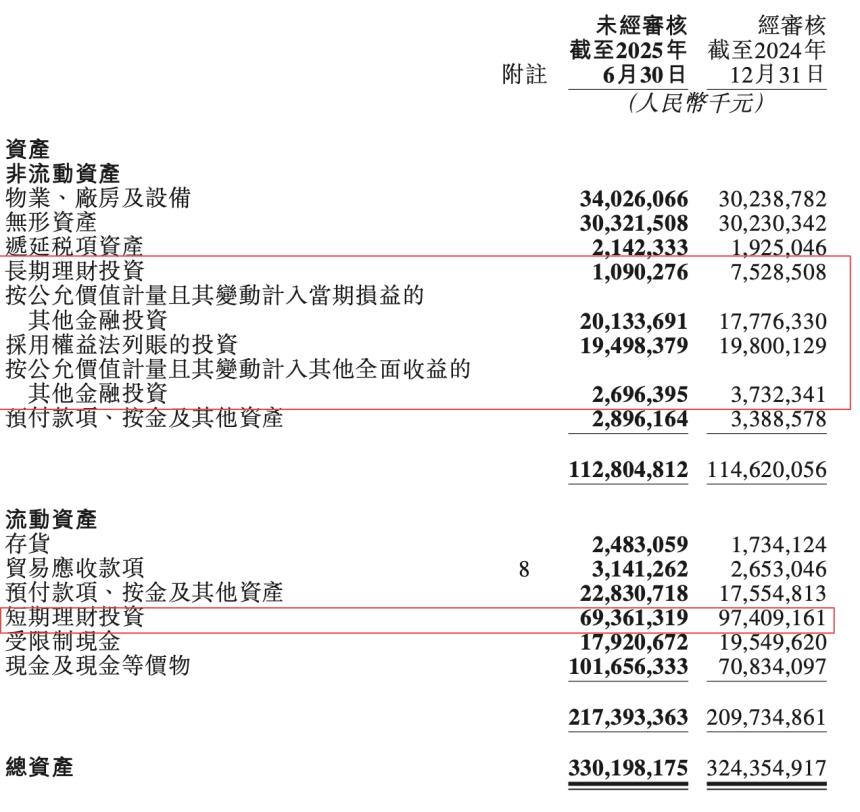
Core Viewpoint - The focus of the market has shifted from basic competition in subsidies and order volume to a comprehensive assessment of the long-term strategic determination and financial strength of companies like Meituan, Alibaba, and JD.com as their financial results are released [1] Financial Performance - Alibaba's free cash flow has shown a significant net outflow due to substantial investments in high-tech areas like cloud services, with a reported free cash flow outflow in Q2 2025 [2] - Meituan's free cash flow is expected to turn into a net outflow as its food delivery business enters the traditional peak season in Q3 2025, potentially increasing subsidy amounts [2][3] Cash Reserves and Liquidity - As of mid-2025, Meituan has a total of approximately 189 billion RMB in cash and cash equivalents, indicating a strong liquidity position [2] - In extreme stress tests, Meituan's monetary assets can cover short-term debts of about 93.5 billion RMB, leaving a cash reserve of approximately 98.6 billion RMB [2][3] Future Cash Flow Projections - Meituan's EBITDA for the full year of 2025 is projected to be -4.5 billion RMB, with a significant outflow of free cash flow expected in the second half of 2025, exceeding 20 billion RMB [2][3] - If subsidies for food delivery and flash purchase businesses cease by the end of 2025, Meituan would still have sufficient cash reserves to manage large cash outflows during peak seasons [3] Competitive Landscape - Taobao Flash Purchase has announced a 50 billion RMB subsidy over the next 12 months, which could intensify competition with Meituan's core business [4] - If competition remains intense in 2026, Meituan may face cash outflows of 10 to 20 billion RMB, potentially reducing its cash reserves to between 50 and 70 billion RMB [4] Asset Structure Optimization - Meituan has shown signs of optimizing its asset structure, with long-term investments totaling 43.4 billion RMB as of mid-2025, down from 48.8 billion RMB at the end of 2024 [5][7] - The company has actively reduced long-term financial investments to increase cash reserves, indicating a strategic shift to support core business development [7] Investment Portfolio - Meituan holds significant stakes in companies like Li Auto and Maoyan Entertainment, with the potential for divesting from Li Auto to generate cash flow [9][10] - The fair value of Meituan's investment in Li Auto is estimated at around 22 billion RMB, indicating a potential floating profit of approximately 8 billion RMB [9][11] Market Impact - Any potential divestment from Li Auto could exert short-term pressure on its stock price, although the long-term value is expected to reflect its fundamentals [12]


三分钟看懂:资产配置的数学原理
天天基金网· 2025-09-19 10:11
Core Concept - The article emphasizes the importance of asset allocation and its mathematical principles to achieve stable investment returns [2][3]. Group 1: Understanding Asset Collaboration - Asset allocation relies on understanding the "collaboration relationship" between assets, defined by their correlation coefficients [3]. - Ideal investment portfolios should consist of assets that work together effectively, akin to a well-functioning team [3][4]. - Different types of asset collaboration include: - Same profession (correlation close to +1): assets move together [4]. - Perfect partners (correlation close to -1): assets move inversely, providing balance [4]. - Each performing their role (correlation close to 0): assets operate independently but contribute to a common goal [4]. Group 2: Mathematical Principles of Asset Allocation - Asset allocation is governed by strict mathematical formulas, not arbitrary distribution [5]. - For perfectly negatively correlated assets, the allocation ratio should be inversely proportional to their volatility [7]. - If two assets have different volatilities, the allocation should favor the asset with lower volatility [7]. - The inclusion of negatively correlated assets can significantly reduce portfolio volatility and achieve stable returns [9]. Group 3: Addressing Concerns About Returns - A common concern is whether diversifying investments will dilute returns; the article argues it will not if the right assets are chosen [16]. - Examples illustrate that combining high-performing assets can maintain returns while reducing volatility [17][19]. - The essence of effective asset allocation is to select high-return assets with low correlation to achieve better overall performance [20]. Group 4: Practical Guidelines for Building a Portfolio - The first step in constructing a portfolio is to diversify across major asset classes [22]. - The second step involves regional and strategy diversification, ensuring exposure to various markets and investment styles [22]. - Regular rebalancing of the portfolio is essential to maintain the desired asset allocation and optimize returns [23]. Group 5: Case Studies and Examples - The article provides examples of asset combinations, such as gold and stocks, which can hedge against market volatility [21]. - It highlights the contrasting behaviors of U.S. stocks and oil prices, suggesting that oil can serve as a hedge against stock market risks [21]. - The article references Bridgewater's approach of finding multiple uncorrelated sources of returns to minimize risk [21]. Group 6: Conclusion - Mastering asset allocation is presented as a crucial skill in navigating the capital markets, emphasizing that there are no free lunches without this knowledge [26].