合作共赢

Search documents
下周英国跟特朗普谈判,要拿中国当筹码?英财相:这蠢死了
Sou Hu Cai Jing· 2025-08-09 12:36
Group 1 - The trade war initiated by Trump has severely impacted the global economy, with China's countermeasures leading to a shift in attitudes among various countries towards the U.S. [1][4][11] - The UK Chancellor, Reeves, has openly rejected U.S. requests to isolate China, labeling such actions as foolish and emphasizing the importance of maintaining contact with China [9][14][22]. - The U.S. has imposed significant tariffs on UK goods, including a 10% baseline tariff and a 25% tariff on UK automotive exports, which constitutes over 10% of the UK's total exports to the U.S. [22][24][26]. Group 2 - The UK's refusal to align with the U.S. against China reflects a broader recognition among nations that isolating a major economy like China is impractical and detrimental to their own interests [7][30][34]. - The response from the UK indicates a potential shift in the dynamics of international relations, where countries are reconsidering their alliances in light of U.S. actions [36][39]. - China's stance remains focused on cooperation and mutual benefit, rejecting the notion of being a pawn in U.S. geopolitical strategies [32][34].


谁都能骑在旅行社的头上?“内卷式”竞争的结局
Sou Hu Cai Jing· 2025-08-07 13:21
Core Insights - The article discusses the negative impact of cutthroat competition in the study tour market, emphasizing the need for collaboration rather than price wars [4][5][8] - It highlights the importance of service quality in the tourism industry, suggesting that poor service leads to a loss of consumer trust and ultimately harms businesses [5][6] Group 1: Industry Competition - The study tour market is experiencing a downturn due to intense competition, which has led to a decline in product quality and consumer trust [4][5] - The article contrasts the current situation in the study tour sector with price wars in other industries, noting that the latter often maintains product quality while the former does not [4] - The ongoing price competition is unsustainable and has resulted in a vicious cycle of negative profits and declining service quality [5][6] Group 2: Collaboration and Strategic Partnerships - The article advocates for a collaborative approach between study tour institutions and travel agencies, highlighting the strengths each can bring to the table [4][8] - Successful partnerships, such as the collaboration between a travel agency and a STEAM education institution, have shown that strategic cooperation can lead to higher profit margins [8] - The concept of "cooperation for mutual benefit" is rooted in ancient wisdom and is presented as a viable solution to current industry challenges [8][9] Group 3: Industry Events - The article mentions the recent travel business study tour summit held on August 28, which aimed to promote the idea of cooperation among industry players [9] - Various exhibitors, including travel agencies and educational institutions, participated in the summit to explore potential partnerships and share insights on the future of study tourism [10][12][16]

“自己搭台、别人唱戏”的启示(评论员观察)
Ren Min Ri Bao· 2025-08-03 22:04
Group 1 - The core idea emphasizes the importance of collaboration among companies in the supply chain to create a win-win situation, moving from competition to cooperation [1][2] - Companies are increasingly showcasing their entire supply chain ecosystem at exhibitions, highlighting partnerships rather than just individual products [1] - The integration of advanced technologies, such as interactive aerial imaging in household appliances, demonstrates how collaboration can drive innovation and transformation in traditional industries [1] Group 2 - The concept of "doing addition" through collaboration allows companies to advance towards higher value in the industry chain, ultimately benefiting consumers with better products and services [2] - The "factory within a factory" model introduced by companies like Seres Group exemplifies localized production and supply chain synergy [2] - The global perspective on supply chains emphasizes the need for cooperation across different economies, highlighting the shared responsibility of companies to create a "win-win chain" [2][3] Group 3 - China's commitment to open cooperation is reflected in its international initiatives, which aim to foster interconnectedness and mutual development among nations [3] - The integration of global supply chains, such as the transport of high-quality Peruvian avocados to China, illustrates the deep economic interdependence that transcends borders [3] - The ongoing trend of economic integration and China's open-door policy will continue to strengthen the interconnectedness of global economies [3]
快速发展的坚蛋运动:创新、共赢与服务的制胜之道
Zhong Guo Chan Ye Jing Ji Xin Xi Wang· 2025-08-01 06:14
Core Insights - The article highlights the success of the fitness brand "JianDan Sports" in achieving stable growth without relying on traditional heavy asset expansion or engaging in price wars, resulting in nearly 400 stores across over 60 cities, making it the second brand in the new fitness sector after "LeKe" [1] Mechanism Innovation - JianDan Sports has restructured its development path using a light asset model, breaking the traditional cycle of high investment and debt in the fitness industry [3] - The brand has managed to reduce initial store investment to one-third or even one-fourth of traditional models by focusing on low-rent areas, increasing automation to reduce labor dependency, and implementing standardized designs [3][5] - A comprehensive standardization system covers all operational processes, ensuring quality during rapid expansion and reducing execution difficulty for partners [5] Win-Win Model - JianDan Sports emphasizes building long-term, high-trust relationships with partners, moving away from the zero-sum game often seen in the industry [6] - The brand offers multiple revenue streams for city partners, including franchise fees, management fees, operational profits, and equity incentives, along with territorial protection to avoid competition among partners [6][8] - The company provides extensive support throughout the franchise process, enabling even those with no industry experience to successfully open stores, fostering a collaborative ecosystem [8] Service Upgrade - The fitness industry faces challenges of homogenization and price wars, leading to a cycle of reduced quality and service [9][11] - JianDan Sports differentiates itself by focusing on user needs rather than merely selling memberships, offering flexible payment options and enhancing user engagement through community activities [11] - The brand's approach includes personalized training recommendations, timely feedback on user demands, and maintaining cleanliness, which collectively help to avoid price competition and improve user retention [11]

在河南 遇见上合丨共建美好家园 共绘上合蓝图——上海合作组织媒体智库峰会全体会议侧记
He Nan Ri Bao· 2025-07-25 23:17
Group 1 - The Shanghai Cooperation Organization (SCO) Media Think Tank Summit was held in Zhengzhou, focusing on international media cooperation and global cultural governance [1][2] - The theme of the summit was "Promoting the Shanghai Spirit to Build a Better Home," emphasizing unity and cooperation in addressing global challenges [2] - Nearly 400 guests from around 200 media, think tanks, and government institutions participated, highlighting the importance of media and think tanks in promoting dialogue and mutual understanding [2][3] Group 2 - The summit featured cultural performances, including Shaolin Kung Fu and traditional Chinese dance, showcasing the unique charm of Chinese civilization [3] - A special exhibition area displayed cultural heritage, such as Jun porcelain and Bian embroidery, facilitating cultural exchange and appreciation [3][4] - The summit resulted in the release of several reports, including the "Zhengzhou Consensus," providing guidelines for future cooperation among SCO member states [4]
21现场|霍尼韦尔余锋:只有供应商持续挣钱,大家才能长久共赢
2 1 Shi Ji Jing Ji Bao Dao· 2025-07-22 07:21
Group 1 - Honeywell views the rapid rise of local enterprises in China as an opportunity for collaboration and mutual benefit, emphasizing the large market size and high customer expectations [2] - The company aims to provide differentiated, value-driven solutions in automation, energy transition, and future aviation to better serve Chinese customers [2] - Honeywell is committed to accelerating innovation across various dimensions, including technology and business models, while focusing on cost reduction and efficiency improvement as key strategies [2] Group 2 - Honeywell plans to deepen collaboration with local partners, including suppliers and channel partners, to better understand and adapt to the Chinese market [2] - The company conducts regular training sessions for suppliers to enhance their manufacturing and management capabilities, aiming for sustainable profitability for all parties involved [2] - The Chinese supply chain is characterized by a complete industrial system, strong resilience, and superior service, making it essential for innovation-driven companies [2][3] Group 3 - Honeywell's operations in China are crucial, with all business groups established locally to create a comprehensive value chain covering innovation, R&D, manufacturing, procurement, sales, and service [3] - The company integrates local innovation with the development needs of Chinese customers, actively participating in China's economic growth [3]

美国也没料到,中方果断接受挑战!中国外长立下大功,当着东盟的面,提出4点建议
Sou Hu Cai Jing· 2025-07-20 13:57
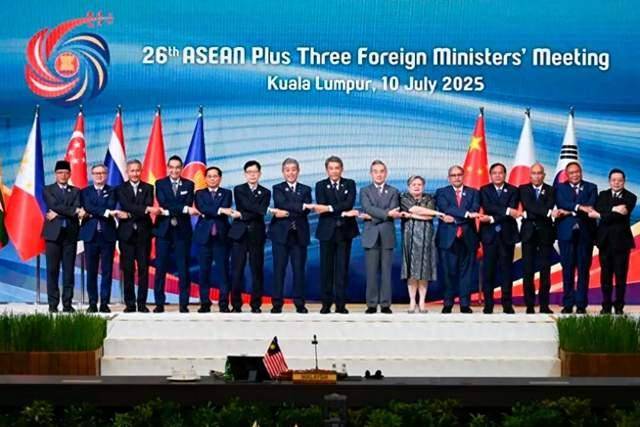
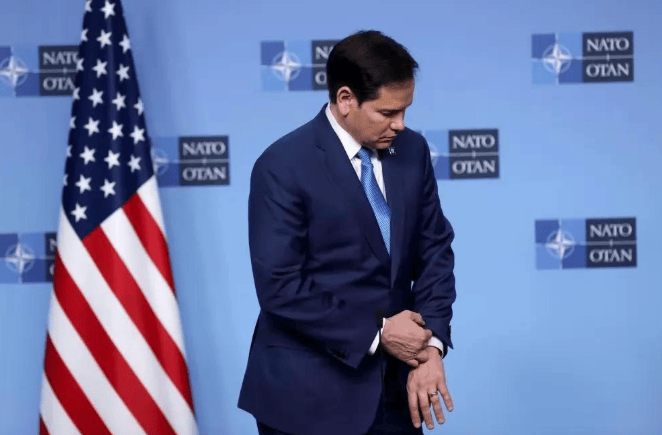
Core Viewpoint - The recent announcement by Trump to impose high tariffs on certain goods starting August 1 has created significant turmoil in the global trade landscape, particularly affecting ASEAN countries closely tied to China [1][3]. Group 1: U.S. Trade Policy and Its Impact - The U.S. Secretary of State, Rubio, aimed to rally ASEAN countries to join the Indo-Pacific Economic Framework, but the U.S. trade policies, including tariffs, have hindered this effort, causing increased costs and lost orders for ASEAN exporters [3][4]. - The new round of tariffs imposed by the U.S. has led to a negative response from ASEAN countries, who are facing economic challenges due to these policies [3][4]. Group 2: China's Approach to ASEAN - China has consistently promoted a principle of equality, mutual benefit, and win-win cooperation with ASEAN countries, as evidenced by the ongoing negotiations for the China-ASEAN Free Trade Area 3.0 [3][4]. - During the ASEAN Foreign Ministers' meeting, China highlighted the successful trade growth between China and ASEAN, with significant contributions from ASEAN products entering the Chinese market [4][5]. Group 3: Future Cooperation Directions - China's foreign minister proposed four cooperation directions, emphasizing the need to oppose trade protectionism and advocate for an open, fair, and inclusive regional economic environment, aligning with ASEAN's needs [5][6]. - China suggested building a regional economic security network to enhance resilience against external risks, which includes financial cooperation and supply chain collaboration [5][6]. Group 4: Practical Actions and Benefits - China is actively implementing initiatives such as the China-Malaysia-Thailand Economic Corridor to improve trade efficiency and reduce logistics costs [7][8]. - Specific measures like zero-tariff treatment for certain ASEAN countries and the implementation of a visa exemption agreement with Malaysia are enhancing bilateral cooperation and benefiting ASEAN nations [7][8]. Group 5: Global Trade Dynamics - The diplomatic competition between China and the U.S. in the ASEAN region reflects a broader struggle over global trade rules and development models, with the U.S. attempting to maintain its economic hegemony through protectionism [10]. - In contrast, China advocates for a new global trade order based on openness and inclusivity, promoting regional cooperation as a means to achieve shared prosperity [10].
新华社经济随笔:以“链”为媒,赴共赢之约
Xin Hua She· 2025-07-20 12:58
Core Insights - The article emphasizes the importance of supply chains in fostering global collaboration and innovation, showcasing how various industries are interconnected and reliant on each other for growth and development [1][2][5] Group 1: Supply Chain Collaboration - The China International Supply Chain Promotion Expo highlights the transformation of raw materials into finished products through global cooperation, exemplified by partnerships between companies like Cargill and New Zealand's dairy industry [2][4] - Major companies such as McDonald's and PwC are demonstrating unique collaborative projects, showcasing the synergy between large "chain leaders" and smaller "chain followers" [2][4] - The expo features participation from 651 enterprises and institutions from 75 countries, with a notable 35% of exhibitors being from overseas, indicating a strong global interest in supply chain collaboration [4] Group 2: Innovation and Technology - The event showcases innovative products and technologies, such as AI-enabled devices and lightweight materials for drones, highlighting the role of innovation in driving supply chain efficiency [3][5] - The integration of research and development with market application is emphasized, demonstrating how laboratory innovations can lead to significant industrial advancements [3] Group 3: Global Economic Cooperation - The expo serves as a platform for countries to explore cooperative opportunities, with notable figures expressing optimism about the potential for shared growth and resource optimization [4][5] - The article underscores the shift from zero-sum competition to collaborative strategies in the global economy, aiming to create a more interconnected and prosperous future [5]
中国商务部数据一公布,美国反而急了,现在知道离不开中国了
Sou Hu Cai Jing· 2025-07-18 10:52
Economic Performance - China's retail sales have shown an average annual growth of 5.5% over the past four years, with expectations to reach 50 trillion yuan by the end of this year, indicating a significant recovery and growth in consumer spending [3] - The actual use of foreign investment in China exceeded 700 billion USD during the "14th Five-Year Plan" period, achieving the target six months ahead of schedule, with major companies like Tesla and Pfizer establishing operations in China [3][7] Trade Relations - China's export and import market shares remain robust at over 14% and 10% respectively, highlighting China's strong position in global trade [3] - Despite a decline in exports to the U.S. in the first half of this year, China is adopting a more open stance to welcome investments from various countries [3][5] U.S.-China Economic Relations - The Chinese Commerce Minister emphasized the importance of cooperation over competition, suggesting that both nations need to engage in dialogue to resolve trade tensions and implement previous agreements [5] - The U.S. has recognized the strength of China's comprehensive national power, leading to a shift in approach towards cooperation rather than confrontation [5][8] Market Dynamics - China's consumer purchasing power is now 1.6 times that of the U.S., with a significant portion of income saved, indicating substantial potential for future consumption growth [5] - American companies operating in China show a strong preference to remain, with 83% of them refusing to relocate due to the inefficiency of alternative supply chains [7]
美国想用关税逼中国孤立,王毅东南亚之行,盟友咋都倒向中国了?
Sou Hu Cai Jing· 2025-07-17 21:30
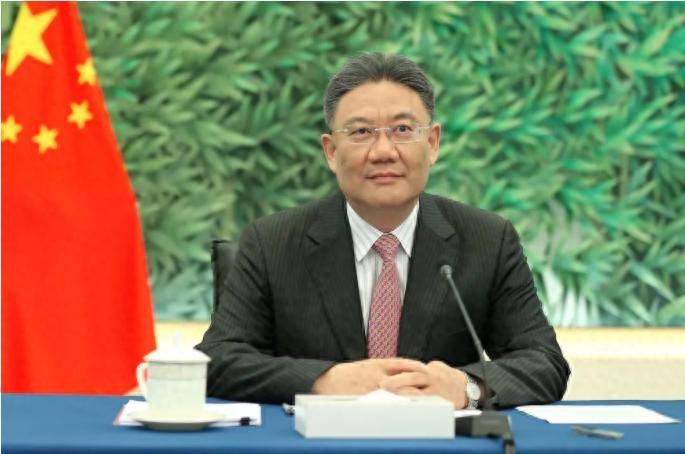
Core Viewpoint - The article discusses how China's recent diplomatic efforts, particularly Wang Yi's visit to Southeast Asia, have countered the United States' attempts to isolate China through tariffs and alliances, resulting in a significant shift in regional dynamics [1][4][25]. Group 1: Diplomatic Breakthroughs - Wang Yi's meetings with foreign ministers from nine countries in Southeast Asia led to three major breakthroughs, including the completion of the China-ASEAN Free Trade Area 3.0 negotiations, allowing over 90% of goods to achieve zero tariffs [4][11]. - The bilateral trade volume between China and ASEAN has reached $912.7 billion, with China being ASEAN's largest trading partner for four consecutive years, indicating deep economic integration that is resistant to U.S. threats [11][26]. Group 2: Regional Reactions - Countries traditionally aligned with the U.S., such as Brazil and Canada, have begun to reassess their positions in light of U.S. tariff policies, with Brazil's President Lula openly threatening retaliation against U.S. tariffs [15][17]. - Japan and South Korea, historically strong U.S. allies, are reconsidering their strategies as they face economic challenges due to U.S. tariffs, with China proposing to restart free trade negotiations [19][25]. Group 3: Strategic Implications - China's diplomatic strategy reflects a shift from isolation to collaboration, utilizing market opportunities and cooperative frameworks to counter U.S. unilateralism [23][30]. - The article emphasizes that the current geopolitical landscape is moving towards multilateral cooperation rather than unilateral dominance, with China positioning itself as a proponent of win-win solutions [30][32].