碳减排

Search documents
兴业银行行长陈信健:我行绿色贷款余额超万亿,不良率0.57%
2 1 Shi Ji Jing Ji Bao Dao· 2025-10-16 12:21
Core Viewpoint - The sustainable finance sector should focus on supporting low-carbon transitions, creating a strong collective effort across society to address climate challenges [1][3]. Group 1: Company Initiatives - Industrial Bank has been a pioneer in sustainable finance in China, launching the first energy efficiency project financing product in the banking sector [1]. - The bank's green financing balance is nearly 2.5 trillion yuan, with green loans exceeding 1 trillion yuan and a non-performing loan rate of only 0.57% [1]. - Green finance has become a crucial asset category for the bank, playing an irreplaceable role in its strategic transformation [1]. Group 2: Industry Recommendations - The industrial sector should actively pursue low-carbon transitions, emphasizing the importance of ESG system construction and the application of new technologies [3][4]. - The financial sector needs to innovate and provide diversified financial services, particularly in green investment, asset management, and insurance, to better support carbon reduction efforts [3][4]. - The carbon market should be more open and inclusive, enhancing resource allocation efficiency and liquidity to support green low-carbon transitions [4]. - Regulatory bodies should encourage and support the sector by increasing funding support for carbon reduction tools and adjusting risk weights for green financing to reflect actual risks more accurately [4].


当升科技(300073.SZ):拟参与设立合资公司负责废旧锂离子动力电池绿色循环利用等业务
Ge Long Hui A P P· 2025-10-16 12:20
Core Viewpoint - The company is actively engaging in the battery recycling sector to align with global carbon reduction trends and meet sustainability regulations for battery products [1] Group 1: Investment and Partnerships - The company signed an investment cooperation agreement on October 16, 2025, with Beijing Beikang Resource Recycling Technology Co., Ltd., Pizhou Circular Economy Industrial Park Development Co., Ltd., and Chengtong Kechuang Investment Fund (Beijing) Partnership (Limited Partnership) to establish a joint venture in Pizhou, Jiangsu Province [1] - The joint venture, named Beikang Resource Recycling Technology (Jiangsu) Co., Ltd., will focus on the green recycling of used lithium-ion power batteries [1] Group 2: Project Details - The joint venture will invest in a "Green Recycling Project for Used Lithium-Ion Power Batteries" located in the Pizhou Economic Development Zone [2] - The project will be constructed in two phases, with the first phase planned to have a battery pack dismantling and crushing capacity of 10,000 tons per year, a processing capacity for ternary black powder of 32,000 tons per year, and a waste catalyst processing capacity of 1,500 tons per year [2] - The first phase aims to produce 11,000 tons per year of ternary precursors and 5,460.50 tons per year of lithium carbonate [2]

气急败坏!特朗普又盯上东大这个,这次全网都笑了
Sou Hu Cai Jing· 2025-10-16 03:03
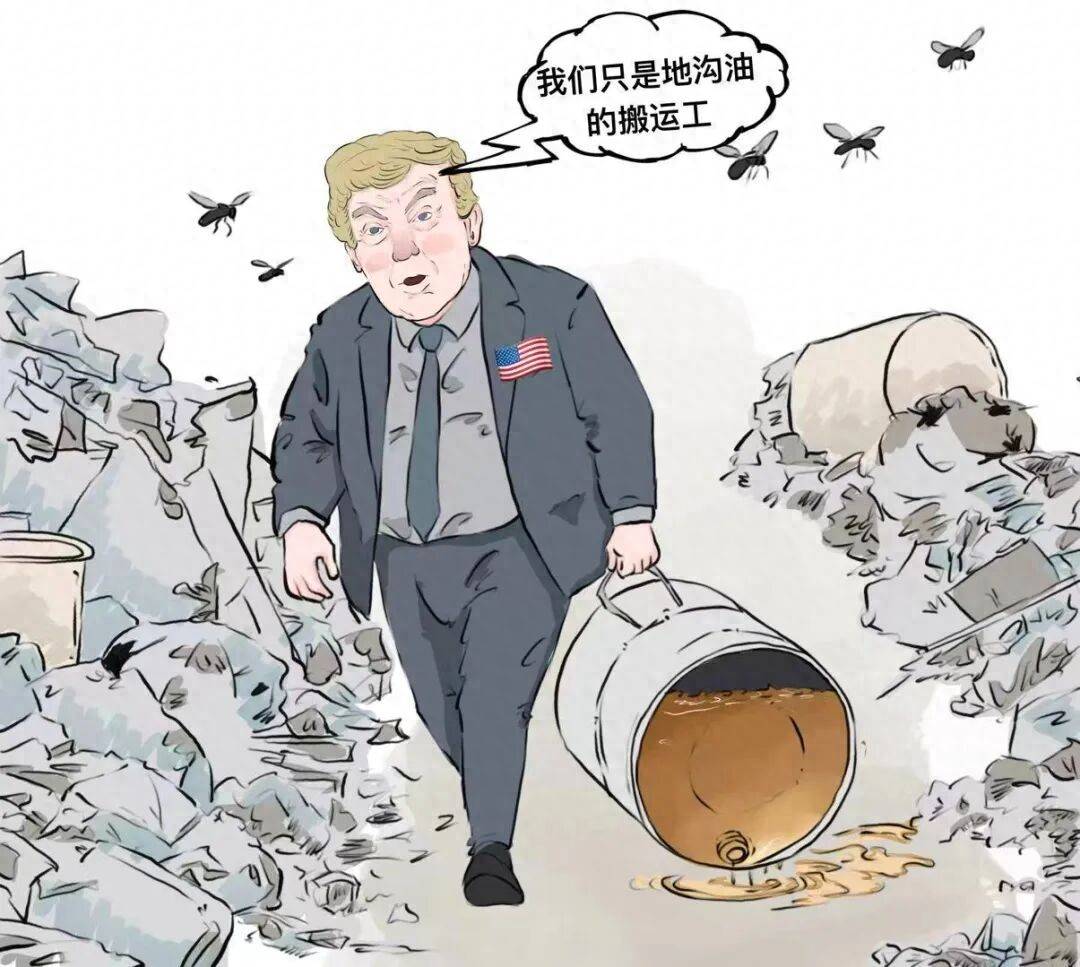
Group 1 - The core argument highlights the potential impact of Trump's proposed trade measures against China on the U.S. biofuel industry, particularly regarding the import of used cooking oil (UCO) [1][3] - In the first eight months of 2024, 384,000 tons of Chinese UCO accounted for 65% of U.S. imports, with an expected total of 1.27 million tons for the year, crucial for 72 U.S. biofuel plants [3] - The U.S. generates approximately 600,000 tons of waste oil annually, which is insufficient to meet domestic demand, emphasizing the reliance on Chinese UCO for achieving carbon reduction targets [3] Group 2 - The global supply chain challenges are exacerbated by the EU's increased demand for UCO, with a gap of 2 million tons due to Indonesia's export restrictions [5] - China's efficient waste oil recovery system can convert 10 million tons of UCO annually, while the U.S. faces higher recovery costs due to its fragmented restaurant structure [5] - The U.S. biofuel industry is struggling to source UCO globally, with significant competition for available supplies [5] Group 3 - Trump's suggestion to replace UCO with soy oil is economically unfeasible, as soy oil production costs are 2.3 times higher than UCO, and the transition would take 18 months [7] - Historical parallels are drawn to the 19th-century British Corn Laws, illustrating the potential economic consequences of protectionist measures on the U.S. sustainable aviation fuel (SAF) industry [8] Group 4 - Workers in Wisconsin's biodiesel plants are expressing concerns over raw material shortages, which have reduced production capacity utilization to 61% [10] - The importance of raw material security in the context of green energy transition is emphasized, with UCO exports from China contributing significantly to carbon reduction efforts [10] Group 5 - The article warns against the dangers of weaponizing energy supply chains, citing historical examples of trade conflicts leading to systemic failures [12] - The U.S. remains heavily reliant on China for soybean purchases, with an expected procurement of 32 million tons in 2024, countering claims of intentional trade disruptions [12]
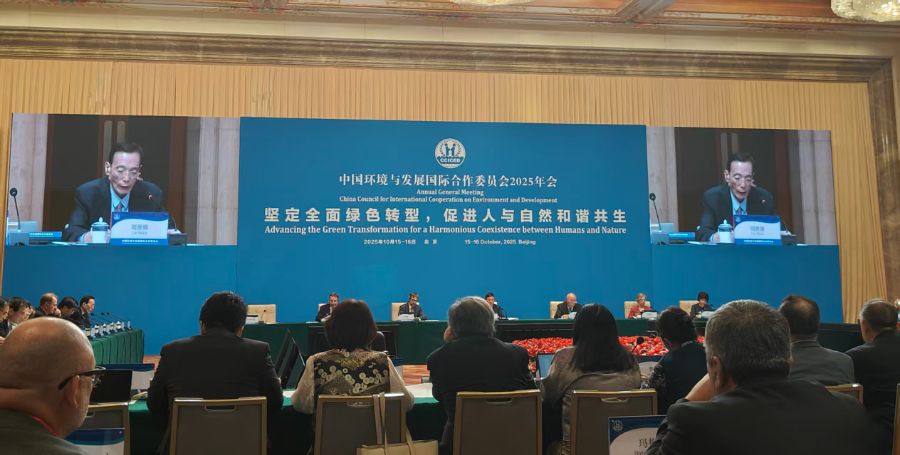
国合会年会提六大政策建议,聚焦绿色需求、绿色消费等
2 1 Shi Ji Jing Ji Bao Dao· 2025-10-15 12:32
Core Viewpoint - The China Environment and Development International Cooperation Committee (CEDD) has proposed 22 specific policy recommendations to the Chinese government, focusing on achieving carbon neutrality and sustainable development during the 14th and 15th Five-Year Plans [1][2]. Group 1: Policy Recommendations Overview - The recommendations are categorized into six areas: green demand, technological support, green consumption, supply chain finance, energy transition justice, and high-level opening-up [2][3]. Group 2: Green Demand - Accelerate the construction of a new power system, aiming to stop new coal power installations and achieve a 33%-38% share of wind and solar power generation by 2030 [3]. - Enhance industrial electrification, targeting an electrification rate of over 34% by the end of the 15th Five-Year Plan [3]. - Establish a comprehensive carbon reduction mechanism and expand the coverage of the carbon market to include industries like chemicals and aviation [3][4]. Group 3: Technological Support - Strengthen the coordination between renewable energy development and ecological protection [5]. - Promote the establishment of a multilateral cooperation mechanism for biodiversity [7]. - Accelerate the development of a sustainable blue economy and integrate it into national and local development plans [8]. Group 4: Circular Economy - Enhance the top-level design of the circular economy, setting specific goals for resource productivity and recycling rates [10]. - Promote solid waste management in conjunction with circular economy initiatives [10]. - Encourage consumer choices towards more circular products through labeling and subsidy mechanisms [10]. Group 5: Supply Chain Finance - Drive green innovation in supply chains through the green demands of leading enterprises [11]. - Encourage financial institutions to incorporate carbon emission indicators into their services [11]. - Promote debt replacement tools linked to the retirement of high-carbon assets [11]. Group 6: Just Transition for Traditional Energy Regions - Develop the coal triangle area into a national low-carbon transition demonstration zone [12]. - Establish zero-carbon trade zones focusing on new energy systems and carbon removal technologies [12]. - Create a diversified funding support system for low-carbon and disruptive technology innovations [12]. Group 7: High-Level Opening-Up - Strengthen international cooperation mechanisms for green development and establish a global green development initiative [13]. - Develop a risk management system for overseas green financing [14]. - Participate in building an international green finance system, increasing climate investment through multilateral banks [14].
美国摩根大通公司宣布1.5万亿美元计划,投资对美国国家经济安全和韧性至关重要的行业
Sou Hu Cai Jing· 2025-10-14 12:47
Group 1: Technology Strategy - JPMorgan Chase announced a $1.5 trillion initiative over ten years to invest in industries critical to U.S. economic security and resilience, focusing on supply chain manufacturing, defense aviation, energy technology, and frontier technology with up to $10 billion in equity and venture capital across 27 sub-sectors [2] Group 2: Information Technology - Microsoft Azure launched the world's first production-grade NVIDIA GB300 NVL72 supercomputer cluster, designed to support OpenAI's high-load AI tasks, featuring over 4,600 NVIDIA Blackwell Ultra GPUs and achieving a bandwidth of 130 TB/s [3] - OpenAI signed a $25 billion cooperation agreement with Sur Energy to initiate the "Stargate Argentina" data center project, which will have a computing capacity of 500 MW, making it one of Argentina's largest tech and energy infrastructure projects [3] - Google introduced a revolutionary "Reasoning Memory" framework aimed at enabling AI agents to achieve self-evolution by accumulating and reusing reasoning experiences [4] Group 3: Health and Safety - The World Health Organization upgraded its public health intelligence system to enhance global health security with the new EIOS 2.0 version, incorporating AI tools for real-time analysis of public information [5] - The Hoover Institution warned of rising biosecurity risks due to emerging technologies and recommended actions to manage biological threats and prevent bioweapons races [6] Group 4: Pharmaceuticals - The U.S. FDA issued a warning letter to Chinese medical device company Kangtai Medical for non-compliance with U.S. regulations, halting its products from entering the U.S. market until improvements are made [7] - Researchers at the University of Massachusetts Amherst developed a next-generation nanoparticle vaccine showing remarkable cancer prevention and immune response in mice [7] Group 5: Energy and Environment - Japan's largest green hydrogen plant commenced operations with an investment of 18.6 billion yen (approximately $122 million), aiming to produce 2,200 tons of hydrogen annually and reduce CO2 emissions by about 16,000 tons [10] - Bloom Energy and Brookfield announced a strategic partnership to invest $5 billion in deploying advanced fuel cell technology globally [11] - Brazil's mining sector aims to reduce carbon emissions by up to 90% by 2050, highlighting its potential to contribute to global decarbonization efforts [12] Group 6: Defense and Aerospace - Japan's Ministry of Defense signed contracts with Mitsubishi Heavy Industries for the mass production of new submarine-launched missiles and improved ship-based missiles, enhancing Japan's long-range strike capabilities [14] - France's naval group began construction of a new generation nuclear-powered aircraft carrier, set to be operational by 2038, featuring advanced technologies for enhanced operational capabilities [15] Group 7: Advanced Manufacturing - The U.S. Army is modifying its prepositioned stock plan to deploy more equipment and supplies to the Indo-Pacific region, enhancing its deterrence capabilities [23] Group 8: New Materials - ReElement Technologies and POSCO signed a memorandum of understanding to explore the establishment of a vertically integrated rare earth and permanent magnet production facility in the U.S. [22]

6项低碳标准发布,助力北京打造国际绿色经济标杆城市
Bei Jing Ri Bao Ke Hu Duan· 2025-10-13 05:40
Group 1 - The Beijing Municipal Market Supervision Administration has released six local standards aimed at promoting green and low-carbon development, focusing on carbon emissions, energy consumption limits, resource recycling, and energy measurement systems [1][2] - The local standard for carbon emissions, effective from January 1, 2026, outlines technical requirements for carbon emission evaluation, accounting, and reduction measures specifically for industrial parks and key industries [2] - The standard encourages the use of renewable energy sources, such as purchased green electricity and non-fossil energy like solar, geothermal, and hydrogen, to achieve carbon reduction [2] Group 2 - The revised energy consumption limits for products include specific thresholds for white liquor and synthetic detergents, categorizing them based on production methods and providing advanced values for energy consumption [3] - The new guidelines for sludge product utilization in mine soil reconstruction aim to facilitate the large-scale application of sludge in mine restoration, addressing the annual production of approximately 2.19 million tons of sludge [3] - The updated design specifications for wastewater source heat pump systems include requirements for planning, multi-energy coupling systems, and monitoring, enhancing the overall management of wastewater resources [3]
广州碳普惠平台全新升级版正式发布
Zhong Guo Xin Wen Wang· 2025-10-10 09:24
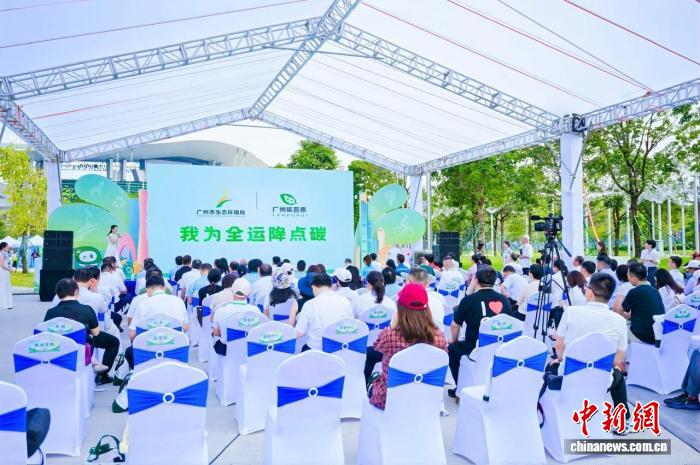
活动现场还举行了碳信用捐赠仪式,来自社会各界的政府部门、企业代表等向十五运会广州赛区捐赠各 类碳信用超22万吨。所捐赠的碳信用类型丰富:既包括企业减碳形成的广东省碳配额、个人减碳形成的 广州市碳普惠自愿减排量,也包括生态环境改善形成的林业碳汇;捐赠主体分布广泛:既包括带头履行 减排责任的央企国企民营企业,也包括积极践行绿色低碳发展方式友好合作城市,充分展示了区域协同 与社会共治的减排合力,彰显了全民参与争做"零碳先锋"、共同行动打造"零碳全运"的热情决心。 活动现场展示了十五运会广州赛区碳中和阶段成果(赛前),直观呈现低碳办赛的"广州进度"。其中, 《广州市大型活动减污降碳协同增效工作指南》出台。该指南按照"全生命周期覆盖、全要素协同"原 则,根据大型活动不同阶段工作特点,针对性提出了23项减污降碳措施和22个重点关注指标,形成了筹 备、实施、收尾阶段环环相扣的行动路径,为十五运会等大型活动量身打造了清晰的"行动指引"和实用 的"操作手册",填补了国内大型活动减污降碳领域的空白。 广州碳普惠平台全新升级版正式发布 中新网广州10月10日电 (记者 王坚)向十五运会广州赛区捐赠碳信用、碳普惠方法学密集发布、为十 ...
威立雅全球CEO埃斯特尔柏莲诺:收购苏伊士是威立雅发展史上的一个关键里程碑
Jing Ji Guan Cha Wang· 2025-10-09 09:50
Core Insights - The visit of Estelle Brachlianoff, CEO of Veolia, to China aims to strengthen communication and collaboration with the Chinese government, clients, and partners [1][2] - The acquisition of Suez by Veolia is highlighted as a significant milestone, leading to positive changes in strategic alignment, technology integration, and financial performance [1] Group 1: Acquisition and Integration - Veolia's acquisition of Suez was completed in 2022, following a gradual purchase of shares starting in 2020 at a price of €20.50 per share [1] - The integration of Suez's global assets has resulted in enhanced technological capabilities and scale effects, contributing to strategic synergies and improved financial returns [1] Group 2: Market Focus and Future Plans - Despite the acquisition, Suez's major operations in China, particularly in water and solid waste management, have not been sold to Veolia [1] - Veolia is actively pursuing business development in China, aligning with the country's carbon reduction and green transition policies, while also enhancing partnerships with key local stakeholders [2]
碳市场是优化资源配置的重要抓手
Zhong Guo Jing Ji Wang· 2025-10-07 01:15
Core Viewpoint - The issuance of the "Opinions on Promoting Green and Low-Carbon Transition and Strengthening National Carbon Market Construction" marks a significant step towards the comprehensive deepening and acceleration of the national carbon market, providing direction for institutional innovation and operational optimization, which is crucial for achieving carbon neutrality goals and enhancing China's carbon governance system [1] Group 1: Carbon Market Structure - The national carbon market consists of a mandatory carbon trading market and a voluntary emission reduction market, which are interconnected through quota clearing and offset mechanisms, each focusing on different aspects while complementing each other [2] - The carbon pricing mechanism is central to the carbon trading market policy, with quota allocation being a key factor influencing carbon pricing [2] Group 2: Quota Allocation and Management - Current quota allocation primarily uses a free distribution method based on carbon emission intensity and actual production volume, avoiding negative impacts on economic growth [2] - As more emission entities are included in the carbon market, the focus will gradually shift from controlling carbon intensity to controlling total carbon emissions, transitioning from free allocation to a mixed approach of "free + paid" allocation [2] Group 3: Monitoring and Verification - A robust monitoring, reporting, and verification (MRV) system is essential for accurately determining historical carbon emissions and their intensity, which supports the effective functioning of the carbon market [3] - Enhancing data quality through comprehensive regulation and automated monitoring is crucial for achieving national emission reduction targets [3] Group 4: Low-Carbon Transition Strategies - Companies can achieve green and low-carbon transformation through energy-saving renovations and clean energy alternatives, fostering a virtuous cycle of emission reduction, revenue generation, and reinvestment in research and development [4] - The development of low-carbon industry clusters, such as clean energy and carbon consulting, can drive industrial structure upgrades and promote economic transition towards a green high-end model [4]
四大水泥龙头这一关键指标均下降 | ESG信披洞察
Xin Lang Cai Jing· 2025-10-06 07:44
Core Viewpoint - China is the largest producer and consumer of building materials globally, with the cement industry being a significant contributor to energy consumption and carbon emissions, accounting for approximately 9% of the country's total carbon emissions [1][2]. Group 1: Industry Overview - The cement industry was officially included in the national carbon market in March this year [1]. - In 2019, global cement production capacity was 3.7 billion tons, with China accounting for about 60% of this capacity [1]. - The top five cement companies in China by comprehensive strength for 2025 are Conch Cement, China National Building Material Group, Huaxin Cement, Tianshan Cement, and China Resources Cement Technology [1]. Group 2: Greenhouse Gas Emissions - Conch Cement reported a total greenhouse gas emission of 182 million tons of CO2, a decrease of 0.88% year-on-year [5]. - China National Building Material reported emissions of 167 million tons of CO2 equivalent, down 15.3% year-on-year [6]. - Huaxin Cement's emissions were 30.62 million tons of CO2 equivalent, a decrease of approximately 12% [6]. - China Resources Cement Technology reported emissions of 4.0347 million tons of CO2 equivalent, down 3.4% year-on-year [7]. Group 3: Hazardous Waste Generation - China National Building Material generated 11,400 tons of hazardous solid waste, an increase of 38.6% year-on-year, attributed to the acquisition of Beixin Jiaboli [10]. - Conch Cement's hazardous waste generation was 7,849 tons, up 48.6% year-on-year [11]. - China Resources Cement Technology and Huaxin Cement reported hazardous waste generation of 418 tons and 197.19 tons, respectively, with decreases of 5% and 9.7% year-on-year [12]. Group 4: Energy Consumption - Conch Cement's energy consumption was 200 million megawatt-hours, down 2% year-on-year [13]. - China National Building Material reported 182 million megawatt-hours, a decrease of 20.4% [13]. - Huaxin Cement's energy consumption was 5.1951 million tons of standard coal, down 3.4% [13]. - China Resources Cement Technology reported 5.222 million tons of standard coal, down 2.8% [13]. Group 5: Environmental Investment - China National Building Material's total environmental investment for 2024 was 1.964 billion yuan, the highest among the four companies [15]. - Conch Cement invested approximately 846 million yuan in 307 environmental technology renovation projects [15]. - Huaxin Cement's environmental technology investment totaled 707 million yuan, while China Resources Cement Technology's was 320 million yuan [15]. Group 6: Carbon Reduction Initiatives - China National Building Material launched green low-carbon building materials, including recycled materials and alternative fuels [15]. - Tianshan Cement established 89 alternative fuel production lines, with a substitution of 767,000 tons of standard coal and a thermal substitution rate of 4.19% [15]. - Conch Cement aims for a 15% share of alternative fuel usage by 2030, achieving 13% progress last year [15]. - Companies are implementing energy-saving and carbon reduction technology renovations, with various projects leading to significant reductions in energy consumption and emissions [16].