绿色金融

Search documents
金融特派员深耕旗县金融服务 助力县域经济高质量发展
Zhong Guo Jin Rong Xin Xi Wang· 2025-11-03 06:44
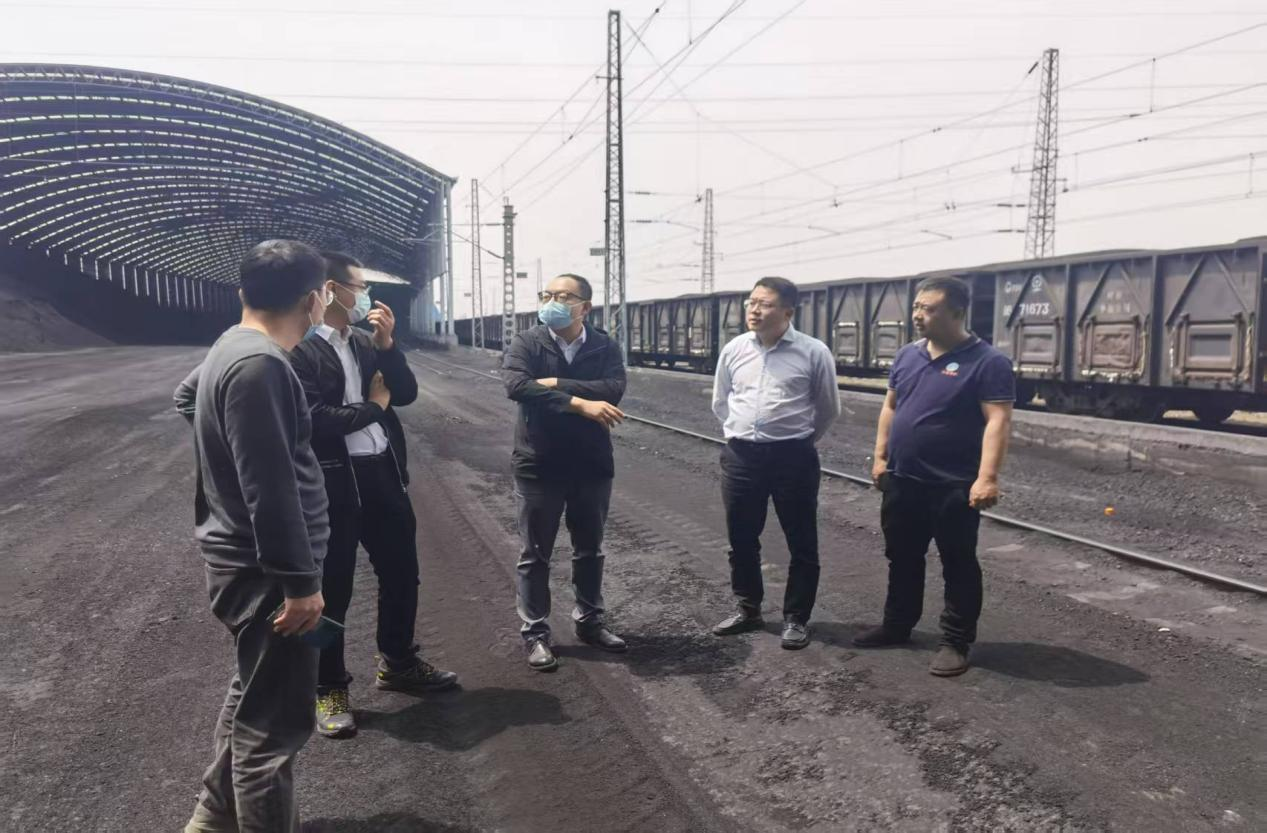
Core Insights - The company actively implements the central government's decisions to promote rural revitalization strategies and deepen county economic development through specific financial support initiatives [1][3] Group 1: Financial Support Initiatives - The company has developed the "One County, One Industry, One Policy" marketing guidelines to support rural revitalization [1] - A special campaign named "Xing Bai County, Prosperous Industries, Benefit Thousands of Enterprises" has been launched to enhance financial services in rural areas [1] Group 2: Local Economic Development - The company has established a branch in the top county, Zhungeer Banner, located in Inner Mongolia, which is rich in coal resources and has developed a robust industrial system centered around coal, electricity, and coal chemical industries [1] - Financial representatives are deployed to engage directly with local enterprises, particularly in industrial parks and coal mining areas, to understand their financing challenges and design tailored financial service solutions [1] Group 3: Green Financing - A financial representative identified a financing need from a local green energy company involved in solid waste treatment related to coal mining, leading to the approval of an 8 million yuan inclusive loan through a green financing channel [1]


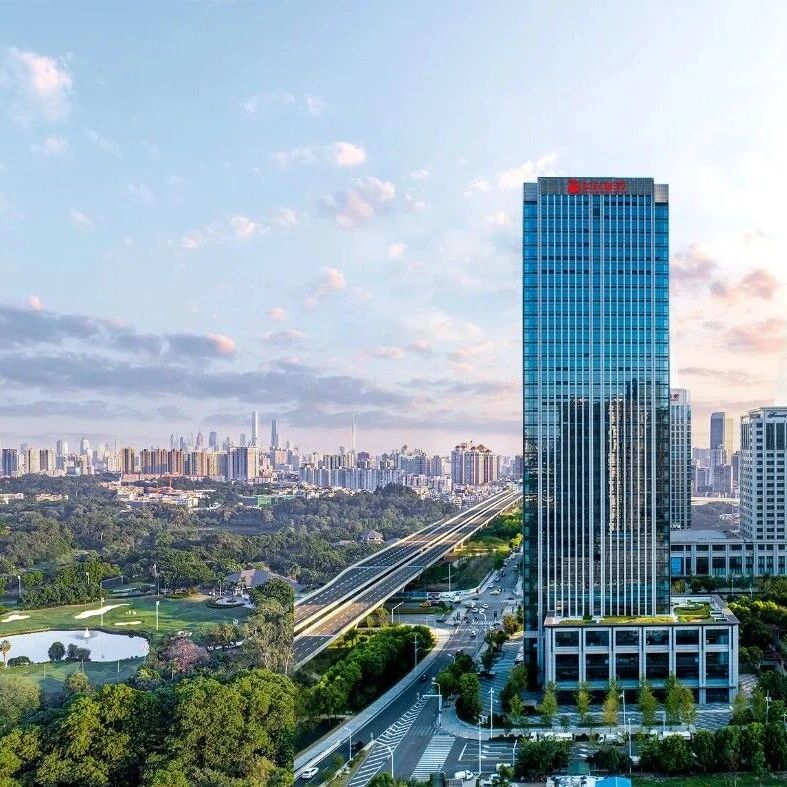
绿色创新提速快进 汇丰大湾区ESG指数三季度同比提升
Xin Hua Cai Jing· 2025-11-03 04:46
Core Insights - The "HSBC Greater Bay Area ESG Index" has shown a slight year-on-year increase, reaching 122.79 in Q3 2025, while the industry sub-index has hit a new high of 250.92, reflecting a 19% year-on-year growth [1] Group 1: ESG Developments in the Greater Bay Area - The Greater Bay Area is advancing in carbon footprint management and green financial innovation, establishing itself as a national hub for green development [1] - The launch of the Guangdong Carbon Label Information Management Platform facilitates digital management of carbon footprints for enterprises and allows consumers to easily check product carbon footprints, marking a significant step in aligning domestic carbon accounting with international standards [1] Group 2: Growth in Green and Sustainable Finance - The scale of GSSS (Green, Social, Sustainable, and Sustainability-Linked) bonds, green loans, and ESG-themed funds has been on the rise, indicating a maturing and multi-layered green financial ecosystem in the Greater Bay Area [1] - The financial sector's ESG performance has steadily improved, with a focus on the issuance of GSSS bonds and enhanced climate information disclosure [2] - Digital innovations in the financial industry, particularly in green finance, are lowering investment barriers and attracting more investors to participate in green investments [2]
浦发银行 不良贷款余额与不良率实现“双降”
Jin Rong Shi Bao· 2025-11-03 03:20
Core Insights - The core viewpoint of the article highlights the financial performance of Shanghai Pudong Development Bank (SPDB) for the third quarter of 2025, showcasing growth in total assets, operating income, and net profit, along with improvements in asset quality metrics [1] Financial Performance - As of the end of the reporting period, SPDB's total assets reached 98,922.14 billion yuan, an increase of 4.55% compared to the end of the previous year [1] - For the first three quarters of this year, SPDB achieved operating income of 132.28 billion yuan, reflecting a year-on-year growth of 1.88% [1] - The bank's net profit attributable to shareholders was 38.82 billion yuan, marking a year-on-year increase of 10.21% [1] Loan Growth and Strategic Focus - In the first three quarters, loans in strategic areas such as technology finance, supply chain finance, and green finance accounted for over 70% of the new loan increments [1] - Loans in key regions including the Yangtze River Delta, Beijing-Tianjin-Hebei, Greater Bay Area, and Yangtze Economic Belt made up over 60% of the total loan portfolio [1] Asset Quality Improvement - By the end of the third quarter, SPDB reported a decrease in both non-performing loan (NPL) balance and NPL ratio, achieving a non-performing loan balance of 72.89 billion yuan, which is a reduction of 26.5 million yuan from the end of the previous year [1] - The NPL ratio stood at 1.29%, down by 0.07 percentage points compared to the end of the previous year [1] - The provision coverage ratio reached 198.04%, an increase of 11.08 percentage points, marking the highest level in nearly 10 years [1]

国泰君安期货商品研究晨报:绿色金融与新能源-20251103
Guo Tai Jun An Qi Huo· 2025-11-03 02:43
2025年11月03日 国泰君安期货商品研究晨报-绿色金融与新能源 | 观点与策略 | | --- | | 镍:冶炼端累库压制,矿端不确定性支撑 | 2 | | --- | --- | | 不锈钢:钢价低位窄幅震荡运行 | 2 | | 碳酸锂:复产预期制约上方空间,区间震荡 | 4 | | 工业硅:仓单去化,底部有支撑 | 6 | | 多晶硅:情绪提振,盘面上涨 | 6 | 国 泰 君 安 期 货 研 究 所 【基本面跟踪】 镍基本面数据 | | | 指标名称 | T | T-1 | T-5 | T-10 | T-22 | T-66 | | --- | --- | --- | --- | --- | --- | --- | --- | --- | | | | 沪镍主力(收盘价) | 120,590 | -390 | -1,560 | -570 | -310 | -1,130 | | 期 | | 不锈钢主力(收盘价) | 12,655 | -70 | -155 | 25 | -75 | -265 | | 货 | | 沪镍主力(成交量) | 98,491 | -622 | -46,712 | 22,156 | - ...
申万宏源张剑:通过资金端与资产端的高效联动 为金融“五篇大文章”相关领域提供稳定资金支持
申万宏源证券上海北京西路营业部· 2025-11-03 02:33
Core Viewpoint - Shenwan Hongyuan Securities emphasizes its commitment to serving the real economy and integrating its development into the broader context of building a financial powerhouse, focusing on the implementation of the "Five Major Articles" in finance [2] Group 1: Financial Performance and Goals - In 2024, Shenwan Hongyuan aims to achieve an underwriting scale of over 930 billion yuan in equity and debt, with an investment balance of approximately 500 billion yuan, providing stable funding support for areas related to the "Five Major Articles" in finance [2] Group 2: Challenges and Solutions - The company identifies common challenges in the industry, such as insufficient coverage of early-stage projects in technology finance and the "last mile" issue in inclusive finance, and proposes several strategies to address these [3][4] - To tackle the issue of insufficient early-stage project coverage in technology and green finance, the company plans to enhance its research, investment, and investment banking capabilities, expand its reserve of hard technology early-stage projects, and seek policy support [3] - For the "last mile" challenge in inclusive finance, Shenwan Hongyuan intends to collaborate with credit agencies and big data service providers to build an evaluation system for small and medium-sized enterprises, thereby reducing direct financing costs [3] Group 3: Pension Finance and Digital Transformation - The company aims to address the limited scale and variety of pension funds managed by securities institutions by increasing the supply of pension financial products and launching innovative products such as target date and target risk funds [4] - Shenwan Hongyuan plans to expand digital financial scenarios by applying big data and artificial intelligence in project discovery, risk assessment, and product creation, thereby enhancing the coverage of digital services across various dimensions [4]

陈茂波:香港经济发展势头良好 预计全年增长目标可以达到
智通财经网· 2025-11-03 01:44
Core Viewpoint - Hong Kong is actively expanding its international connections and market space while consolidating ties with traditional markets, showing positive economic momentum with a projected annual growth target achievable this year [1][7]. Economic Performance - Hong Kong's economy grew by 3.8% in the third quarter, with resilient exports and accelerating local consumption. The number of visitors to Hong Kong continues to show double-digit growth [1][7]. International Cooperation - The Hong Kong government is preparing its second economic and trade office in the Middle East, located in Riyadh, with the Hong Kong Stock Exchange's office in Riyadh now operational. Financial regulatory bodies from both regions have signed a cooperation memorandum [1][5]. Technology and Innovation Collaboration - A delegation from Hong Kong signed multiple agreements in Saudi Arabia covering areas such as artificial intelligence, spatial awareness technology, robotics, and environmental technology, enhancing collaboration in tech applications and business expansion [2][3]. Financial Cooperation Opportunities - There is significant potential for financial cooperation, as Saudi Arabia and other Middle Eastern regions are accelerating large infrastructure projects that require diverse funding sources and innovative financing models. Hong Kong offers a robust financial market, including the largest IPO market globally and Asia's largest green finance market [4][6]. Startup Ecosystem Development - Hong Kong's Science Park has already seen Saudi startups come to Hong Kong following previous cooperation agreements, indicating a growing interest from Saudi partners in Hong Kong's tech and startup ecosystem [6]. Market Expansion Strategies - The delegation emphasized the importance of collaboration between local and mainland enterprises to explore new market opportunities, particularly in the context of Hong Kong's unique position as a dual-platform for mainland and Middle Eastern businesses [6][4].

中国出台绿色贸易领域首个专项政策文件 四方面16项针对性举措促进外贸优化升级
Chang Jiang Shang Bao· 2025-11-02 23:14
Core Viewpoint - The development of green trade is a crucial measure to optimize trade, achieve carbon peak and carbon neutrality goals, and accelerate the construction of a strong trade nation [1][2] Group 1: Policy Implementation - The Ministry of Commerce has released the "Implementation Opinions on Expanding Green Trade," which includes 16 specific measures across four areas to enhance the green and low-carbon development capabilities of foreign trade enterprises [1][2] - The document is the first specialized policy in the field of green trade in China, focusing on weak links in green trade development and proposing targeted measures [1][2] Group 2: Market Trends - China's foreign trade enterprises are increasingly aligning with the global trend of green trade, contributing significantly to climate change mitigation [2][3] - In the first three quarters, exports of high-end equipment related to new production capabilities grew by 22.4%, with green products like wind power generators and electric locomotives also seeing double-digit growth [1][3] Group 3: Future Outlook - The global market for electric vehicles, solar energy, and wind energy is projected to reach $2.1 trillion by 2030, indicating a significant growth opportunity for green products [3] - China aims to continue enhancing its capacity to serve global green trade and share better low-carbon outcomes with the world [4] Group 4: Financial Support - The green finance system in China has been improving, playing a positive role in supporting green trade development through carbon footprint assessments and emerging service industries [6][7] - The People's Bank of China is focusing on supporting green trade through various financial tools, including green credit and bonds, and has included green trade in the scope of green finance support [6][7] Group 5: Information Disclosure and International Cooperation - Financial institutions are encouraged to enhance sustainable information disclosure, particularly for small and medium-sized enterprises, to better address new green trade barriers [7] - The People's Bank of China has collaborated with international entities to promote green trade and related investment financing through a common classification directory [7]
英国专家警告!存款正被偷喂石油?选对金融机构才能避免气候危机
Sou Hu Cai Jing· 2025-11-02 12:47
Core Insights - The article emphasizes the often-overlooked impact of personal savings on climate change, highlighting that deposits in bank accounts can counteract individual efforts to reduce carbon footprints [1][11] - It discusses the significant role of banks in financing both low-carbon and high-carbon projects, with a concerning trend of continued support for fossil fuels despite the growth of green financing [3][5] Group 1: Financial Impact on Climate - Personal savings are not static; in the UK, billions of pounds in private savings enter the financial system monthly, influencing various sectors through loans and investments [3] - The credit decisions made by banks have profound environmental implications, as loans can either support renewable energy projects or contribute to fossil fuel industries, locking in carbon emissions for decades [3][5] - Since the Paris Agreement in 2015, top banks have provided nearly $7 trillion in financing to the fossil fuel industry, with no commitments to cease funding new oil, gas, or coal projects [3][5] Group 2: Green Financing vs. Fossil Fuels - Although green loan volumes have been increasing, with some banks reporting over 20% year-on-year growth, the scale of financing for fossil fuels remains significantly larger [3][5] - Many banks' green commitments are superficial, with 95% of climate action indicators showing no substantial change from previous years, and some banks using vague language to evade accountability [3][5] Group 3: Consumer Behavior and Banking Choices - The preference for traditional banking relationships is driven by psychological factors, with consumers often reluctant to switch banks despite the environmental implications of their choices [5][7] - Changing consumer perceptions about stability and the environmental impact of banking decisions is crucial for promoting responsible financial choices [7][11] Group 4: Climate Risks and Financial Stability - Climate risks are increasingly becoming financial risks, with extreme weather events leading to rising insurance claims and potential instability in the insurance sector [9] - The World Bank's climate funding for FY2024 is only $42.6 billion, while global banks financed fossil fuels with $705.8 billion in 2023, highlighting a significant imbalance that exacerbates climate-related financial risks [9] Group 5: Conclusion and Call to Action - The article concludes that every deposit in a bank represents a vote for the future, urging consumers to consider the environmental impact of their banking choices [11] - It advocates for breaking psychological inertia and understanding bank credit policies to promote environmental change through financial decisions [11]

曾刚:“十五五” 时期我国金融业将迎来转型升级的关键窗口期
Jing Ji Guan Cha Bao· 2025-11-02 05:44
Core Viewpoint - During the "14th Five-Year Plan" period, China's financial industry has achieved significant growth in both scale and quality, establishing a solid foundation for building a financial powerhouse. The focus is now on how to align with the goals of the "15th Five-Year Plan" amidst a rapidly changing global economic landscape and domestic economic transformation [1]. Group 1: Achievements During the "14th Five-Year Plan" - The financial industry has seen a historic leap in scale, with total assets of the banking sector reaching nearly 470 trillion yuan, ranking first globally. The banking and insurance sectors combined have total assets exceeding 500 trillion yuan, with an average annual growth of 9% over five years [2]. - The financial sector has significantly enhanced its function in serving the real economy, providing over 170 trillion yuan in new funds to support high-quality economic development [2]. - The multi-tiered capital market system has improved, with the direct financing role becoming more prominent, including reforms in the Sci-Tech Innovation Board and the establishment of the Beijing Stock Exchange [3]. - China leads globally in financial technology innovation, with significant advancements in digital transformation, enhancing operational efficiency and service quality [4]. - The risk prevention system has been upgraded, with the banking sector's non-performing loan ratio maintained below 2% and a provision coverage ratio of 197.97% [4]. - The level of openness in the financial sector has significantly increased, with foreign investment restrictions being lifted and the international competitiveness of China's financial industry enhanced [4]. Group 2: Innovations in System and Mechanism - The financial regulatory system has undergone significant reforms, establishing a more coordinated and unified regulatory framework, enhancing regulatory efficiency [6]. - The legal framework for finance has been strengthened, with improved consumer protection and increased enforcement against financial violations [6]. - Corporate governance in financial institutions has improved, with better risk management and internal control systems established [6]. Group 3: Focus and Outlook for the "15th Five-Year Plan" - The international economic environment is expected to face multiple challenges, with global GDP growth projected to remain low between 2.4% and 2.9% [8]. - Domestic economic structure is set to continue optimizing, with a deeper integration of the digital economy and traditional industries [8]. - The construction of a financial powerhouse is a core goal of China's financial strategy, with a focus on technological innovation and green finance [9]. Group 4: Key Tasks for the "15th Five-Year Plan" - The financial sector will focus on five major areas, including technology finance, green finance, inclusive finance, pension finance, and digital finance, to support sustainable development and address aging population challenges [14][15]. - Financial institutions are encouraged to enhance their service capabilities to the real economy, particularly in key strategic areas such as manufacturing and green development [11][12]. - The international competitiveness of China's financial institutions is expected to improve, with a focus on supporting outbound investments and enhancing the use of the renminbi in international trade [12][16].
前三季度净利润大增152.76% 长江证券经营情况大幅向好
经济观察报· 2025-11-02 05:08
Core Viewpoint - Changjiang Securities has reported significant improvements in its operational performance for the first three quarters of 2025, achieving record-high figures since its listing and ranking favorably among listed securities firms [2]. Financial Performance - In Q3 2025, Changjiang Securities achieved operating revenue of 3.782 billion yuan, a year-on-year increase of 94.04%, and a net profit attributable to shareholders of 1.636 billion yuan, up 152.76% [2]. - For the first three quarters of 2025, the company reported operating revenue of 8.486 billion yuan, a 76.66% increase year-on-year, and a net profit of 3.373 billion yuan, reflecting a 135.20% growth [2]. - The net asset value reached 41.69 billion yuan in Q3 2025, marking a 10% year-on-year increase, the highest level since the company was listed [2]. Operational Efficiency - The weighted average return on equity for the first three quarters of 2025 ranked first among listed securities firms, increasing by 19 places to 9.23%, with a year-on-year increase of 5.21 percentage points [3]. Business Segments - The brokerage business showed significant revenue contributions, with net income from brokerage fees growing by 59%, ranking 14th among listed securities firms [4]. - The scale of funds lent in credit business ranked 13th among listed firms, improving by 3 places year-on-year [4]. - Investment business revenue surged by 290%, leading the growth among listed securities firms [4]. Strategic Focus - Changjiang Securities has focused on five key areas: financial technology, green finance, inclusive finance, pension finance, and digital finance, aiming to enhance resource efficiency and support the development of the real economy and technological innovation [4].