
产业升级

Search documents
上市公司数量四年增加一半,这个城市产业升级有哪些密码?
Di Yi Cai Jing Zi Xun· 2025-11-02 13:18
Core Viewpoint - Dongguan is transitioning from a traditional manufacturing hub to a more advanced manufacturing and brand-driven economy, with significant growth in various sectors, particularly in the trendy toy industry and high-tech manufacturing [1][2][6]. Group 1: Economic Performance - Dongguan's GDP for the first three quarters of this year reached 931.89 billion, showing a year-on-year growth of 4.5% [1]. - The city's industrial added value for large-scale enterprises grew by 4.4% year-on-year, with notable increases in electronic information manufacturing (8.4%), electrical machinery and equipment manufacturing (8.2%), and chemical manufacturing (11.6%) [2]. Group 2: Industry Transformation - The local manufacturing sector is moving away from traditional OEM models towards high-tech fields and self-owned brands, with a notable increase in the number of listed companies [1][5]. - As of June 2025, Dongguan had 63 listed companies, an increase of nearly 20 from four years ago, with a total market value exceeding 497.1 billion [5]. Group 3: R&D Investment - A significant number of Dongguan's listed companies are increasing their R&D investments, with 27 companies investing over 50 million in R&D in the first half of 2025, accounting for nearly half of all local listed companies [1][10]. - The total R&D expenditure of 64 listed companies in Dongguan reached 3.71 billion in the first half of 2025, reflecting a growth of over 30% compared to the same period in 2023 [10]. Group 4: Brand Development - Companies like Weishi Technology have successfully transitioned from OEM to brand operation, exporting products to over 100 countries, with an export ratio of 35% [11]. - The rise of "Guochao" (national trend) consumerism is driving local companies to adapt quickly to market demands, emphasizing the importance of brand building [2][11]. Group 5: Policy Support - The Dongguan government has implemented favorable policies to support manufacturing upgrades, including the recent initiative to cultivate strategic industrial clusters [12]. - The city has prioritized digital transformation in manufacturing as a strategic goal for three consecutive years, enhancing overall competitiveness [12].

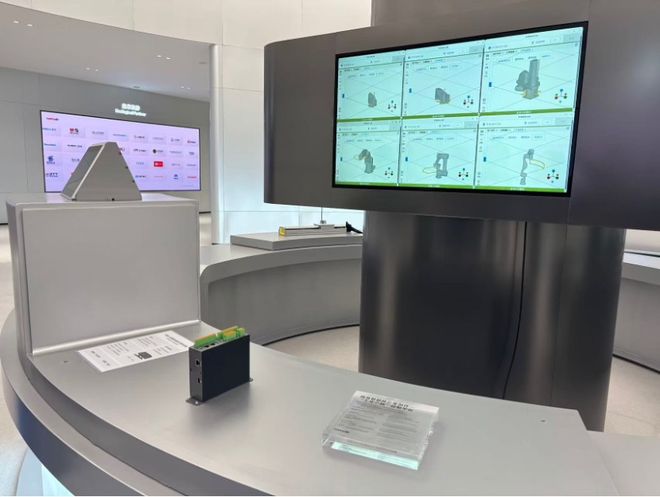
500亿!又一社保科创基金落地
Zheng Quan Shi Bao Wang· 2025-11-02 13:08
Core Insights - The Jiangsu Social Security Science and Technology Innovation Fund was officially signed in Nanjing on October 31, with an initial scale of 50 billion yuan, established by the National Social Security Fund Council in collaboration with the Jiangsu provincial government, Suzhou municipal government, and ICBC Investment [1][2] - The fund aims to support technological innovation and industrial upgrading, focusing on strategic emerging industries such as artificial intelligence, integrated circuits, biomanufacturing, new energy, high-end equipment, and new materials [2][3] - The fund adopts a "mother fund + direct investment" model to integrate resources and professional operations, with Suzhou Innovation Investment Group Co., Ltd. as the fund manager [2][3] Fund Structure and Management - The Jiangsu Social Security Science and Technology Innovation Fund will invest throughout the entire lifecycle of enterprises, targeting high-growth potential projects that enhance regional industrial chain resilience [2] - The establishment of the fund is part of a broader trend, with similar funds being set up in Zhejiang and discussions ongoing in Anhui [1][6] - The fund's management structure includes a partnership with local governments and financial institutions, emphasizing collaboration and resource sharing [4][6] Regional Economic Context - Suzhou, as a significant manufacturing base, has shown strong industrial growth, with a 4% year-on-year increase in industrial output from January to August, and high-tech industries accounting for 56.7% of the total industrial output [3] - The region is home to the highest number of national-level technology enterprise incubators and ranks highly in the number of listed companies and potential unicorns [3] Policy and Strategic Alignment - The establishment of social security innovation funds aligns with national policies encouraging long-term capital investment in technology and innovation sectors [4][5] - Recent policy frameworks have been introduced to facilitate the entry of social security funds into venture capital, enhancing their role in supporting high-quality economic development [4][5] - The National Social Security Fund Council is actively promoting a collaborative model between central and local governments to foster innovation and investment in key industries [7]
上市公司数量四年增加一半,这个城市产业升级有哪些密码?
第一财经· 2025-11-02 09:09
Core Viewpoint - Dongguan is transitioning from a traditional manufacturing hub to a high-tech and self-branded product development center, showcasing significant growth in various industries, particularly in the trendy toy sector and advanced manufacturing [3][4][9]. Economic Performance - Dongguan's GDP for the first three quarters of this year reached 931.89 billion, with a year-on-year growth of 4.5% [3]. - The industrial added value for large-scale enterprises in the city increased by 4.4% year-on-year, with notable growth in electronic information manufacturing (8.4%), electrical machinery (8.2%), and chemical manufacturing (11.6%) [4]. Industry Transformation - The city is witnessing a shift from traditional OEM (Original Equipment Manufacturer) models to self-branded operations, with a rise in companies capable of IP (Intellectual Property) management [3][5]. - As of June 2025, Dongguan has 63 listed companies, an increase of nearly 20 in four years, with almost half of these companies investing over 50 million in R&D [3][7]. Emerging Sectors - The trendy toy industry is rapidly growing, with companies like Pop Mart reporting a 245% year-on-year revenue increase in Q3 [4]. - Dongguan has 87 large-scale enterprises involved in the trendy toy sector, generating an industrial output value of 16.657 billion [4]. R&D Investment - Dongguan's listed companies collectively invested 3.71 billion in R&D in the first half of 2025, a growth of over 30% compared to the same period in 2023 [12]. - Companies like TOSY Robotics have increased their R&D spending significantly, with a rise from 2.6% to 3.8% of revenue between 2022 and 2024 [12]. Brand Development - Companies are increasingly focusing on brand building to break free from value chain constraints, with examples like Weishi Technology transitioning from metal processing to owning a trendy toy brand [15]. - The trend towards younger and more personalized consumer demands is driving manufacturers to adapt and innovate [15]. Policy Support - Dongguan's government has implemented favorable policies to support manufacturing upgrades, including strategic industry cluster development and digital transformation initiatives [16].
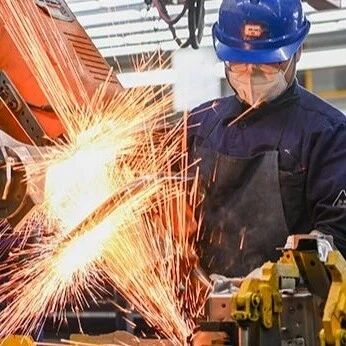
帮主郑重:前三季度存储芯片产业上市公司净利猛增26.44%,AI需求引爆新周期
Sou Hu Cai Jing· 2025-11-02 08:44
Group 1: Storage Chip Industry - The storage chip industry has shown impressive growth with a revenue increase of 16% and a net profit surge of 26%, indicating strong demand driven by AI advancements [1] - The demand for storage chips is primarily fueled by the rapid evolution of AI models, which require vast amounts of data storage, likening the need for storage chips to a "super warehouse" for AI [3] - The current demand for storage chips is expected to rise as various industries undergo digital transformation, making storage chips essential for data management in sectors like smart vehicles and industrial internet [3] Group 2: Solid-State Battery Technology - Breakthroughs in solid-state battery technology are set to enhance the range of electric vehicles, indicating ongoing innovation in the new energy sector despite previous concerns about stagnation [4] - The transition from lithium batteries to solid-state batteries represents a new wave of opportunities within the industry, similar to past technological shifts [4] Group 3: Resource Materials Sector - The resource materials sector, particularly superhard materials and rare earth elements, has seen a revenue growth of 10%, highlighting their strategic importance in high-end manufacturing [5] - These materials are essential for the industrial 4.0 era, akin to how salt is indispensable in cooking, emphasizing their foundational role in advanced manufacturing processes [5] Group 4: Traditional Industries Transformation - Traditional industries such as solar energy and cement are undergoing transformation by focusing on quality over quantity, with companies successfully reducing losses [6] - This shift indicates a maturation in these industries, moving from aggressive expansion to sustainable practices [6] Group 5: Investment Focus Areas - For the storage chip sector, short-term growth is driven by AI demand, while long-term prospects depend on technological advancements, suggesting a focus on companies with core technology capabilities and those that can keep pace with global innovation [7] - In the solid-state battery space, attention should be given to companies with significant R&D investments and early patent acquisitions to avoid being misled by speculative trends [8] - The resource materials sector requires a geopolitical perspective to identify opportunities in critical supply chain segments, akin to strategic chess moves [9] - Identifying companies in traditional industries with strong management and stable cash flows could yield significant returns as the sector undergoes consolidation [10]
11月策略观点与金股推荐:分化收敛,均衡应对-20251102
GOLDEN SUN SECURITIES· 2025-11-02 08:06
Investment Strategy Overview - The report indicates a mid-term upward trend in the market, with potential short-term volatility due to events such as US-China tensions and significant domestic meetings. The performance of the market is expected to be influenced more by the rhythm of events rather than directional changes, maintaining a generally positive outlook [1][10]. - Investment recommendations suggest a balanced approach to navigate short-term fluctuations, focusing on policy and industrial catalysts. The report highlights a shift towards a more oscillating market, with signs of recovery in previously low-performing sectors [1][10]. Asset Allocation Recommendations - For high-positioned asset allocations, it is crucial to emphasize support from verified economic conditions, prioritizing sectors such as non-ferrous metals, lithium batteries, and storage. Conversely, for lower-positioned assets, attention should be given to dividend-yielding assets like coal, telecommunications, and electricity [2][11]. - Trading strategies should revolve around policy expectations and industrial catalysts, with a focus on consumer sectors that are relatively low in allocation, such as food and beverage, and home appliances, as well as sectors like photovoltaics and steel that counteract excessive competition [2][11]. November Stock Recommendations 1. **Coal - China Coal Energy (601898.SH)**: The company has achieved cost reduction and efficiency improvements, with Q3 performance exceeding expectations. The unit sales cost of self-produced coal for the first three quarters of 2025 was 258 RMB/ton, down by 28.9 RMB/ton year-on-year [12][13]. 2. **Steel - Hualing Steel (000932.SZ)**: The company focuses on high-end plate manufacturing, with ongoing optimization of product structure. The proportion of key steel products sold increased by 3.9 percentage points year-on-year [15]. 3. **Chemicals & Communications & Computers & Non-ferrous Metals - Dongyangguang (600673.SH)**: The acquisition of AIDC leader Qinhuai Data is expected to drive growth, with significant potential in liquid cooling and capacitors [18][19]. 4. **Electricity - Tongwei Co., Ltd. (600438.SH)**: The company has seen a significant rebound in silicon material prices, with Q3 revenue reaching 240.91 billion RMB, a decrease of only 1.57% year-on-year [22][23]. 5. **Real Estate - Binhai Group (002244.SZ)**: The company reported a substantial increase in revenue and net profit in the first half of 2025, with a focus on high-quality land reserves in Hangzhou [25][26]. Market Dynamics and Future Outlook - The report notes that the market is entering a performance vacuum period, with pricing likely to be influenced more by policy and industrial catalysts. The focus will be on the implementation of the 14th Five-Year Plan and the dual push for supply and demand [9][10]. - The report anticipates a gradual convergence in market dynamics, with increased demand for capital rotation as the market stabilizes. The extreme differentiation in asset allocation is expected to create opportunities for style rotation [8][10].



四中全会精神在基层 | “三股绳”拧成一道力
Xin Hua She· 2025-11-02 07:48
Core Insights - The article highlights the revitalization of the chili pepper industry in Jiangxi Province, particularly in the town of Shanghu, where innovative agricultural practices and government support have significantly improved production and profitability [1][2][3]. Group 1: Industry Development - The chili pepper industry in Shanghu has been cultivated for over 40 years but faced challenges such as variety degradation and poor market access, leading to low prices for farmers [2]. - The introduction of new chili pepper varieties and modern agricultural techniques has resulted in a significant increase in market prices, with some varieties selling for up to 119 yuan per pound, which is about 50% higher than ordinary peppers [1][2]. - The annual planting area for chili peppers in Shanghu is approximately 15,000 acres, yielding around 60,000 tons, contributing to an average income increase of about 3,000 yuan per acre for participating farmers [3]. Group 2: Technological and Government Support - The establishment of a chili pepper research institute and demonstration base in collaboration with agricultural universities has been crucial for breeding high-quality varieties [2]. - Local government initiatives, including financial support and technical guidance, have played a significant role in enhancing agricultural productivity and quality [6]. - The integration of modern facilities such as smart greenhouses and water-fertilizer integration systems has transformed traditional farming practices, leading to improved efficiency and higher yields [5][6]. Group 3: Economic Impact on Farmers - New farmers, like Gong Wen, have adopted modern practices, leading to increased local employment and income, with some farmers earning over 100,000 yuan annually from chili pepper cultivation [5]. - The collaboration between large-scale farmers and local smallholders has facilitated knowledge transfer and market access, addressing the challenges faced by smaller producers [5][6]. - The overall economic upliftment in the region is evident, with local farmers benefiting directly from the upgraded agricultural practices and increased demand for high-quality produce [3][5].
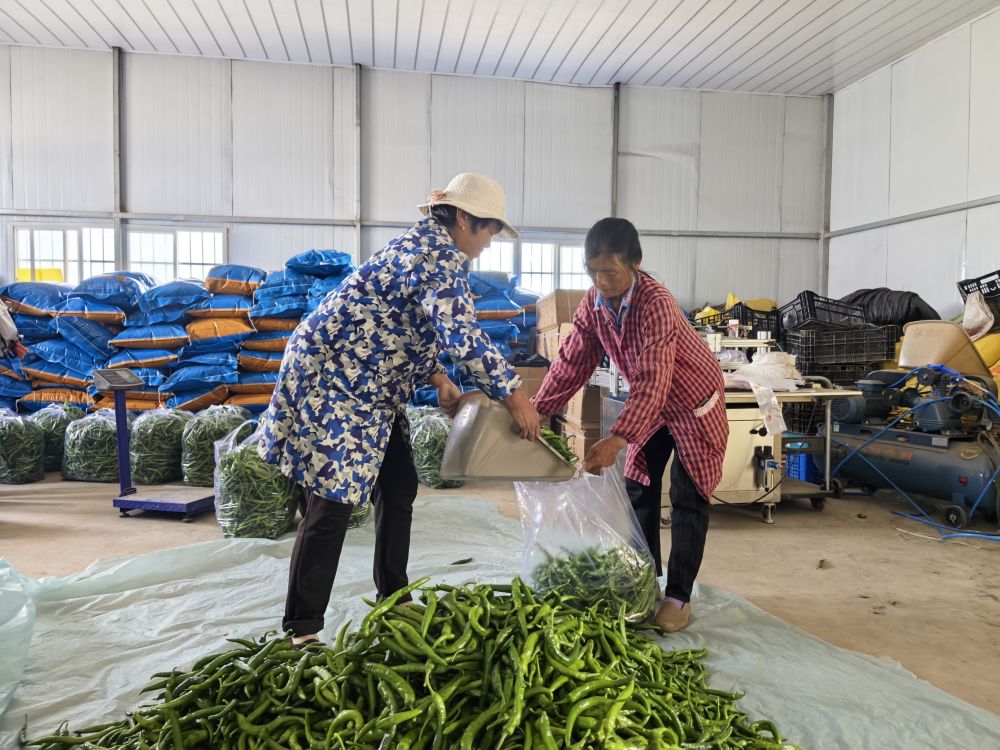
一线观察|上市公司数量四年增加一半,这个城市产业升级有哪些密码?
Di Yi Cai Jing· 2025-11-02 06:01
Core Insights - Dongguan is transitioning from a traditional manufacturing hub to a high-tech manufacturing center, with a focus on self-owned brands and innovation [1][6][10] - The city's GDP reached 931.89 billion yuan in the first three quarters of this year, reflecting a year-on-year growth of 4.5% [1] - The number of listed companies in Dongguan has increased significantly, with 63 companies listed by mid-2025, up from 44 in 2021, and a total market value exceeding 497.1 billion yuan [5][10] Industry Trends - The manufacturing sector in Dongguan is experiencing a shift towards high-value industries, with significant growth in electronic information manufacturing (8.4%), electrical machinery (8.2%), and chemical manufacturing (11.6%) [2] - The rise of the "national trend" in consumer goods is exemplified by companies like Pop Mart, which reported a 245% year-on-year revenue increase in Q3 [2][3] - The toy industry is evolving, with companies moving from simple OEM production to developing their own brands and IPs, as seen with firms like Ha Yi Dai [3][9] R&D and Innovation - Dongguan's listed companies are increasing their R&D investments, with a total of 37.1 billion yuan spent in the first half of 2025, a growth of over 30% from the previous year [8] - Companies like TOSY Robotics are leading the way in innovation, showcasing advanced robotics that can adapt and learn in real-time [8] - The focus on brand development is crucial for companies to break free from low-value manufacturing, as demonstrated by companies like Wei Shi Technology [9] Market Dynamics - The labor market is changing, with younger workers preferring flexible job options over traditional factory work, necessitating a shift towards automation and smart manufacturing [6][10] - Dongguan's manufacturing sector is adapting to fast-changing consumer demands, particularly in the context of the Greater Bay Area's dynamic market [10] - Government policies are supporting this transition, with initiatives aimed at fostering strategic industrial clusters and promoting digital transformation in manufacturing [10]
郑州、洛阳、南阳,稳居全省前三!
Sou Hu Cai Jing· 2025-11-01 12:19
Core Insights - The economic performance of 18 cities in Henan province for the first three quarters has been released, showing a GDP growth of 5.6%, surpassing the national average by 0.4 percentage points [2][4]. Group 1: Economic Growth - Henan's GDP for the first three quarters reached 48,867.57 billion yuan, with a year-on-year growth of 5.6% [2]. - 15 cities in Henan outperformed the national GDP growth rate, with notable performances from cities like Luohe and Xuchang, which recorded growth rates of 7% and 6.6% respectively [2][3]. - 16 cities in Henan achieved GDP growth rates of 5.4% or higher, indicating strong economic momentum [3]. Group 2: Key Cities Performance - Zhengzhou, Luoyang, and Nanyang maintained the top three GDP positions in the province, with Zhengzhou's GDP exceeding 1.1 trillion yuan and a growth rate of 5.4% [4][6]. - Luoyang's GDP growth rate was 5.8%, while Nanyang's growth rate was higher than both Zhengzhou and Luoyang, with all three cities contributing significantly to the provincial economy [5][6]. - Zhengzhou's industrial output increased by 8.8%, with 27 out of 37 industrial sectors showing growth [4][6]. Group 3: Industrial and Consumer Contributions - The industrial sector showed resilience, with 70% of cities in Henan achieving industrial output growth rates above 8% [7]. - Consumer spending also contributed positively, with several cities reporting retail sales growth rates of 7% or higher [7]. - The province's investment growth rates remained robust, with all reported cities showing investment growth rates above 4.4% [7]. Group 4: Future Outlook - The fourth quarter is critical for achieving annual economic targets, with a focus on maintaining stability in employment, enterprises, and market expectations [9]. - Continued efforts in industrial upgrading and service sector development are expected to enhance economic growth structures in key cities like Zhengzhou and Luoyang [9].
河南18城三季报全部揭晓丨极刻
Sou Hu Cai Jing· 2025-11-01 11:47
Core Insights - The economic performance of 18 cities in Henan province for the first three quarters has been released, showing a GDP growth of 5.6%, surpassing the national average by 0.4 percentage points [2][4]. Economic Performance - Henan's GDP for the first three quarters reached 48,867.57 billion yuan, with a year-on-year growth of 5.6% [2]. - 15 cities in Henan outperformed the national GDP growth rate, with notable performances from cities like Luohe and Xuchang, which recorded growth rates of 7% and 6.6% respectively [2][4]. - Zhengzhou, Luoyang, and Nanyang maintained the top three GDP positions in the province, with Zhengzhou's GDP exceeding 1.1 trillion yuan, growing by 5.4% [4][5]. Industrial Performance - Zhengzhou's industrial output value increased by 8.8%, with significant contributions from the automotive and electronic information sectors, which grew by 19.2% and 11.8% respectively [4][6]. - Luoyang's high-tech manufacturing sector saw a remarkable growth of 75.7%, contributing significantly to its industrial growth [4][6]. - Nanyang's industrial sectors also showed strong performance, with 76.9% of its major industries reporting growth [6]. Consumption and Investment - The consumption sector demonstrated resilience, with several cities like Xuchang and Kaifeng achieving retail sales growth rates above 7% [7]. - Investment growth rates across various cities remained robust, with all reported cities showing growth rates above 4.4% [7]. Future Outlook - The fourth quarter is critical for achieving annual economic targets, with a focus on balanced development across investment, exports, and consumption [9]. - Continued efforts in industrial upgrading and service sector development are expected to enhance growth structures in key cities like Zhengzhou and Luoyang [10].
河南获嘉:阀门产业拧开创新“阀门”
Jing Ji Ri Bao· 2025-11-01 02:21
Core Viewpoint - The valve industry in Huojia County, Xinxiang City, is undergoing a transformation from outdated production methods to a modern, high-end, and intelligent manufacturing model, aiming to become a "Chinese high-end valve industry base" [1][5]. Transformation Choices - The introduction of advanced intelligent equipment such as laser cutting machines and robotic arms has significantly improved the precision of component manufacturing in the valve industry [1]. - The valve industry is crucial for fluid control, impacting various sectors from aerospace to household water systems [1]. Challenges and Responses - Prior to 2010, over 90% of the 120 valve enterprises in Huojia were family workshops with outdated equipment, leading to low profit margins and environmental issues [2]. - The need for transformation became critical for survival, as the industry faced the risk of being eliminated from the market [2]. Development Strategies - Huojia County has prioritized "industrial prosperity" and established a valve industry cluster on 179 acres, providing public service platforms to address environmental and quality control challenges [3]. - The establishment of the industrial cluster has led to a 30% increase in average production efficiency and a rise in product qualification rates from 85% to 99.2% [3]. Resource Integration - The county encourages resource integration among valve enterprises and has implemented favorable policies for investment and talent recruitment [3]. - Local entrepreneurs are returning to contribute to the industry, enhancing local employment opportunities [4]. Long-term Development - The valve industry is focusing on technological innovation and collaboration with universities to tackle key challenges in high-temperature and high-pressure valve sealing technology [5]. - The industry aims to create a complete industrial ecosystem, with over 40 valve companies collaborating across various stages from R&D to export [7]. Market Positioning - The transformation has allowed Huojia's valve products to cover over 100 models and be exported to more than 20 countries, with the industry generating a production value of 630 million yuan in the first half of the year [7].