
即时零售

Search documents
即时零售风口,酒业如何“拥抱”?
Sou Hu Cai Jing· 2025-07-27 07:31
Core Insights - The article highlights the explosive growth of instant retail in the Chinese liquor industry, driven by major e-commerce platforms like Meituan, JD, Taobao, and Douyin during the 618 shopping festival [2][3] - The instant retail market for liquor is projected to grow from approximately 200 billion yuan in 2023 to 1 trillion yuan by 2027, with a penetration rate increasing from 1% to 6% [2][3] Group 1: Market Dynamics - The instant retail market for liquor is currently valued at around 200 billion yuan, with a projected growth to 360 billion yuan in 2024 and 1 trillion yuan by 2027 [2] - The penetration rate of instant retail in the liquor market is expected to rise from 1% in 2023 to 6% by 2027 [2] - The shift in consumer demographics, particularly the rise of the 90s and 00s generations, is driving demand for instant retail due to their preference for immediate gratification and online purchasing [3][4] Group 2: Reasons for Growth - The fragmentation of consumption scenarios has led to a shift from planned bulk purchases to spontaneous, smaller gatherings, creating a significant incremental market for instant retail [3] - Traditional e-commerce faces growth challenges, prompting brands to adopt instant retail models that leverage local supply chains and efficient delivery systems [4] - The advancement of digital technology and logistics has enabled the establishment of a "half-hour" economy for liquor, enhancing consumer preferences for convenience and quality [4] Group 3: Business Strategies - Companies can adopt two main strategies to engage with instant retail: building their own front warehouses for rapid delivery or partnering with existing platforms like Meituan and Douyin to reach consumers quickly [6] - The self-built front warehouse model requires significant investment and is suited for larger enterprises, while the platform partnership model is more accessible for smaller businesses and individual retailers [6] - A hybrid approach combining both strategies allows companies to maximize market reach and operational efficiency [6] Group 4: Future Outlook - Industry experts suggest that as "everything to home" becomes the norm, brands and platforms that seize the opportunity in instant retail will define the future of retail [7] - The transformation brought by instant retail is expected to lead to unprecedented value reconstruction and growth opportunities in the liquor industry and beyond [7]

商贸零售行业周报:永辉公布自有品牌规划,美团饿了么有新动向-20250727
SINOLINK SECURITIES· 2025-07-27 07:30
Investment Rating - The industry investment rating is "Buy" (maintained) [1] Core Insights - Yonghui Supermarket announced a detailed private brand plan, aiming to increase the number of private brand products from 60 to 500 and penetration rate from 5% to 40% by 2029 [11][12] - The offline retail sector is seeing steady progress in store renovations, with 143 out of 523 stores (27.34%) already renovated as of July 25 [11] - Online retail competition remains intense, with expectations of subsidy wars continuing until the end of summer, potentially leading to a recovery in order sizes post-subsidy [11][18] Summary by Sections 1. Core Insights and Company Dynamics - Yonghui's private brand plan includes developing 2 products with over 1 billion in sales by 2026 and 15 such products by 2029 [11] - The online retail sector is expected to see a shift in competition dynamics, with Meituan likely regaining market share after the subsidy wars [11][18] 2. Industry Data Tracking - In the second week of July, the overall GMV for Tmall and JD.com decreased by 14.24% year-on-year [20] - The top five categories in terms of growth were toys, consumer electronics, home appliances, maternal and infant products, and pet supplies [20] 3. Market Review - From July 21 to July 25, the Shanghai Composite Index rose by 1.67%, while the retail sector (Shenwan) increased by 2.65%, ranking third among nine major consumption sectors [3][30] - Notable stock performers included Dalian Friendship and Lion Head Shares, with significant gains [3][29] 4. Investment Recommendations - Yonghui Supermarket is recommended for its transformation towards a selective retail model, which is expected to have long-term growth potential in the post-consumption era [32] - Meituan is viewed positively for its established barriers in user perception, rider management, and merchant relationships, despite competitive pressures from JD.com [34]

上半年“消费回暖”,即时零售开战引火商超?
3 6 Ke· 2025-07-26 08:03
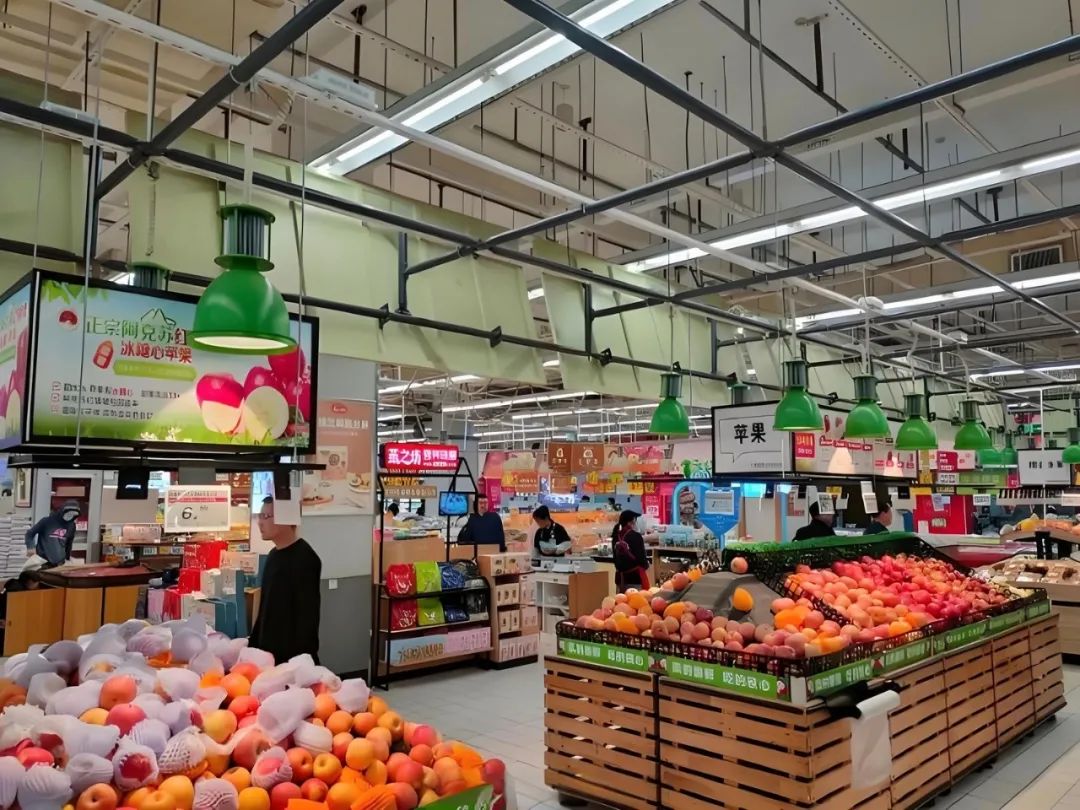
Group 1: Overall Consumption Trends - The overall consumption market shows a gradual recovery, with a year-on-year growth rate of 4.6% in Q1 and 5.4% in Q2, leading to a total retail sales of 24.5 trillion yuan in the first half of the year, contributing 52% to economic growth [1][5] - However, in June, the year-on-year growth rate of retail sales dropped to 4.8%, lower than the GDP growth rate of 5.3%, indicating a more complex reality in the consumption market [1][5] - The decline in June reflects a shift in consumer behavior, with spending moving from high-ticket dining to more affordable options like snacks and fast food [3][5] Group 2: Consumer Behavior and Spending Patterns - In June, restaurant income growth slowed significantly to 0.9% compared to 5.9% in May, with high-end dining establishments experiencing a 0.4% decline in revenue [3][5] - Retail sales of discretionary items such as beverages, tobacco, and cosmetics also saw a year-on-year decline, indicating consumers are more cautious with non-essential spending [3][5] - Households are increasing savings, with new household deposits rising by 10.77 trillion yuan while loans only grew by 1.17 trillion yuan, reflecting a conservative financial strategy [5] Group 3: Impact of E-commerce and Instant Retail - Online retail sales grew by 8.5% year-on-year in the first half of the year, significantly outpacing overall retail sales growth, with online sales accounting for 24.9% of total retail sales [5] - Instant retail is rapidly gaining traction, with major internet platforms enhancing local merchant partnerships and logistics to offer delivery within 30 minutes, posing a significant threat to traditional supermarkets [6][8] - Traditional supermarkets are losing customer appeal as consumer habits shift towards convenience and immediate fulfillment, leading to a decline in foot traffic [6][8] Group 4: Challenges Facing Traditional Supermarkets - Traditional supermarkets are struggling, with limited growth in sales despite efforts to optimize store experiences and product offerings [9][12] - Financial reports indicate significant losses for major supermarket chains, such as Zhongbai Group and Yonghui Supermarket, highlighting the difficulties in reversing declining trends [8][12] - The fundamental issue lies in the mismatch of business models, as instant retail increasingly meets consumer needs more effectively than traditional supermarkets [11][12] Group 5: Price Trends and Economic Pressures - The Consumer Price Index (CPI) showed a year-on-year decline of 0.1% in the first half of 2025, marking the first negative growth for this period in recent years [13][15] - There is a structural divergence in price trends, with commodity prices declining while service prices are rising, creating challenges for traditional retailers [15][17] - Retailers face pressure from falling prices in core categories like fresh produce and daily necessities, which compresses profit margins and intensifies competition [17][19] Group 6: Strategic Recommendations for Retailers - Retailers need to move beyond simple price competition and focus on enhancing supply chain efficiency, developing private labels, and enriching service experiences to create differentiated competitive advantages [20] - The current market environment necessitates a structural approach to building cost and value barriers to better navigate cyclical changes [20]
平台超越外卖,激战即时零售
Jing Ji Guan Cha Bao· 2025-07-25 16:03
Core Insights - The competition among food delivery platforms has intensified, with Alibaba's Taobao Shanguo launching a 500 billion yuan subsidy campaign, leading to market chaos and concerns about contradicting central government principles of "anti-involution" [2] - The State Administration for Market Regulation intervened by discussing with major platforms like Ele.me, Meituan, and JD.com to halt the aggressive competition [2] - The focus of this competition has shifted from food delivery to instant retail, indicating a new market development rather than just price wars [3][4] Instant Retail Market Dynamics - Instant retail is seen as a strategic opportunity for platforms to transform and capture consumer habits, moving beyond short-term traffic to long-term engagement [4] - The instant retail market is experiencing rapid growth, with a compound annual growth rate of 30%, while the food delivery market is nearing saturation [5][10] - Instant retail's model of "online ordering + local supply + instant delivery" caters to the increasing demand for immediate consumption, reflecting a shift in consumer behavior towards convenience and speed [5][6] Market Expansion and Consumer Behavior - Instant retail platforms have seen a significant increase in user loyalty, with loyal users rising from 24% in 2023 to 46% in 2024 [5] - The market for instant retail is expanding beyond traditional categories, with a notable increase in demand for fresh produce, pharmaceuticals, and other immediate needs [8][10] - The coverage area of instant retail platforms has expanded significantly, increasing potential consumer reach and business opportunities [9] Competitive Landscape - The competitive landscape includes both comprehensive platforms (e.g., Taobao Shanguo, JD Instant Delivery) and vertical platforms focusing on specific categories (e.g., Hema for fresh produce) [8] - The current market dynamics indicate a shift towards a more integrated ecosystem where platforms leverage their existing resources to enhance service delivery [3][8] Regulatory and Strategic Recommendations - To foster healthy competition, it is essential to encourage market development while ensuring fair practices and protecting small merchants [11][12] - Subsidy strategies should be transparent and not burden merchants, focusing on enhancing product quality and consumer experience rather than solely competing on price [12][13] - Platforms should prioritize high-quality products and consumer satisfaction to retain users in a low-switching-cost environment [12][13]
不敢不参加!餐饮老板自曝外卖补贴大战的无奈与焦虑
第一财经· 2025-07-25 14:44
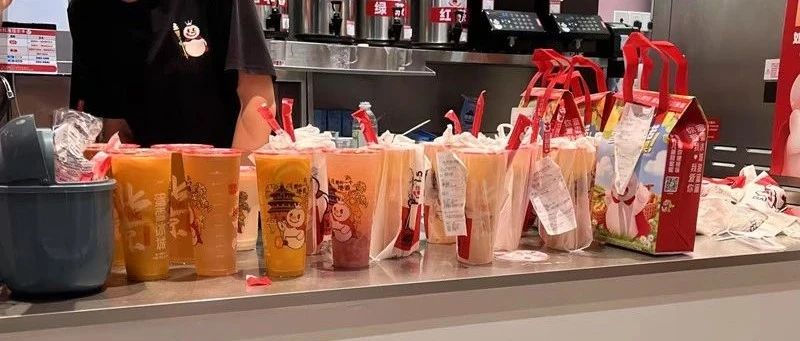
Core Viewpoint - The article discusses the recent surge in competition among food and beverage businesses due to aggressive discounting strategies by major e-commerce platforms, leading to both increased order volumes and challenges for some merchants [1][2]. Group 1: Market Dynamics - Major e-commerce platforms have initiated a "super Saturday" event, resulting in unprecedented levels of subsidies for food delivery services, including promotions like "0 yuan purchase" [1]. - Consumers have benefited from these promotions, enjoying significant discounts, while delivery platforms report record-high order volumes [1]. - Some merchants have experienced a dramatic increase in orders and delivery personnel earnings, but others face declining profits and operational challenges, such as unclaimed "0 yuan purchase" items and slow service [1]. Group 2: Competitive Landscape - The intense competition has led to lower prices and reduced profit margins, compelling many businesses to participate in subsidy wars due to their high dependency on delivery platforms [1]. - Some food and beverage companies have opted out of the subsidy competition, either because they have a lower reliance on delivery services or possess strong direct sales capabilities [1]. - The ongoing delivery wars are also seen as a strategy for instant retail to capture market share, potentially impacting physical retail operations [1]. Group 3: Industry Response - In response to the competitive pressures, local restaurant associations and culinary organizations have begun issuing statements urging delivery platforms to cease "involutionary" competition and promote a healthier, more sustainable development of the food service industry [2].
外卖大战正酣,抖音何故缺席?
3 6 Ke· 2025-07-25 10:12
Core Viewpoint - The takeaway from the article is the ongoing competition in the food delivery sector, particularly focusing on Meituan and Douyin's contrasting strategies in the local lifestyle services market, with Douyin opting for a more cautious approach after previous attempts in food delivery [1][5][10]. Group 1: Competition Dynamics - The food delivery industry has seen intense competition, evolving from a "hundred团大战" to a three-way battle, with Meituan being a long-standing player facing challenges from new entrants like Douyin [1]. - Douyin has previously scaled back its food delivery efforts, indicating a misalignment with its platform's core business model, while continuing to invest in its in-store services [1][5]. - Recent regulatory scrutiny has prompted major food delivery platforms to adhere to legal standards and engage in rational competition [1][5]. Group 2: Douyin's Strategy - Douyin's past attempts to enter the food delivery market included launching the "Xindong Takeaway" mini-program, which was later discontinued due to poor feedback [4][5]. - The platform has shifted its focus to in-store services, leveraging its content-driven approach to attract users and drive sales through group buying [10][12]. - Douyin's "随心团" business model allows users to purchase group coupons that can be redeemed either in-store or for delivery, effectively merging its in-store and delivery services [10][12]. Group 3: Market Positioning - Meituan's food delivery business operates on thin profit margins, with a net profit margin of around 4%, making it less attractive for Douyin, which prefers high-efficiency revenue models [9][10]. - Douyin's user engagement metrics significantly outperform Meituan, with Douyin's monthly active users (MAU) reaching 763 million compared to Meituan's 454 million [9]. - The strategic focus for Douyin remains on enhancing its in-store services, which are more profitable and align better with its operational strengths [10][12]. Group 4: Future Outlook - The competition between Meituan and Douyin is expected to evolve into a more normalized rivalry, with both platforms prioritizing operational efficiency over sheer transaction volume [10][15]. - Douyin is exploring innovative solutions, such as the AI product "探饭," to enhance user experience and streamline its service offerings [13]. - The overall landscape of local lifestyle services is shifting, with Douyin aiming to refine its group buying strategies while maintaining a cautious stance on direct food delivery competition [16][17].
美团宣布:拼好饭推出“百万亮厨”计划,将联合20万商家打造透明开放标杆【附外卖行业市场分析】
Qian Zhan Wang· 2025-07-25 09:33
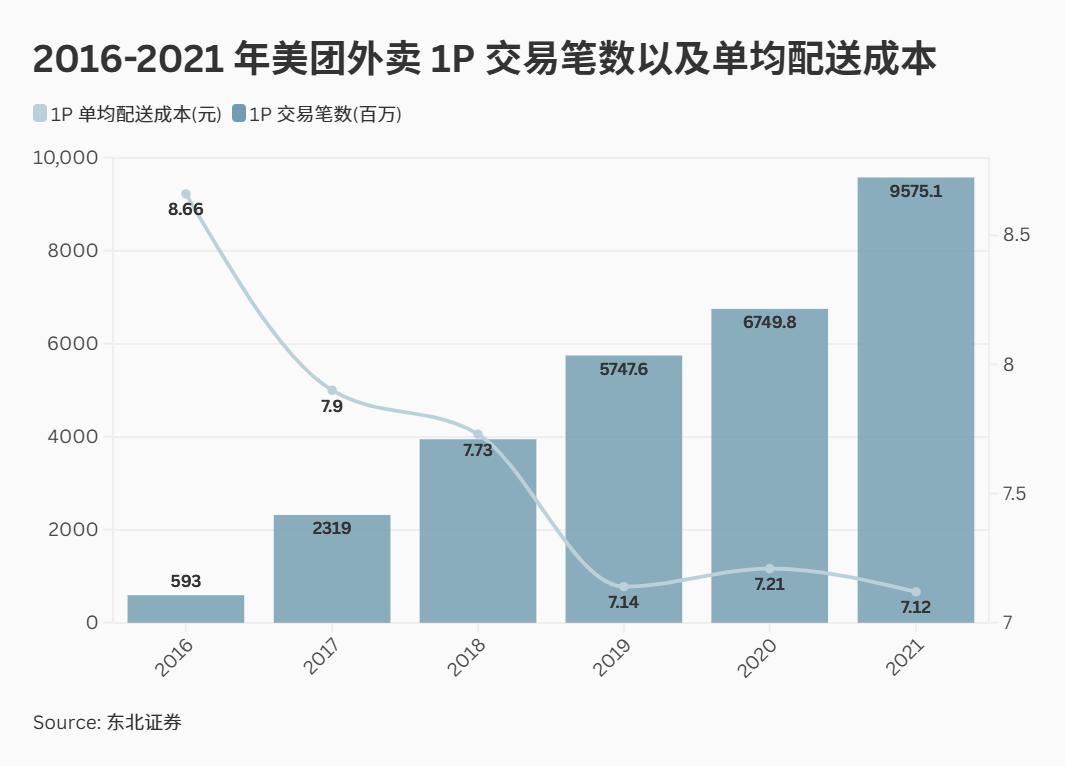
Group 1 - Meituan has launched the "Million Bright Kitchen" initiative to enhance transparency in food delivery by collaborating with 200,000 merchants to showcase real kitchen environments through live videos and images [2] - The initiative aims to upgrade 1 million kitchens to transparent standards, with nearly 300,000 merchants already participating and a target of reaching 1 million by the end of the year [2] - Meituan's operational staff conducts daily inspections of kitchen environments and service standards, focusing on stores with deeper locations, less experience, and higher user complaints [2] Group 2 - The Chinese food delivery market is dominated by Meituan and Ele.me, holding over 90% market share, with Meituan at 68.2% and Ele.me at 25.4% as of mid-2020 [3] - The food delivery market in China reached a scale of 1.1 trillion yuan in 2022, with a compound annual growth rate exceeding 20% from 2018 to 2022 [4] - The number of food delivery users in China grew to 520 million in 2022, a 26.83% increase from 2018 [4] Group 3 - Tsinghua University professor Liu Dacheng suggests that the future of food delivery will integrate into urban infrastructure, leveraging technology to enhance the relationship between people, goods, and locations [5] - Meituan's CEO Wang Xing believes that instant retail will be a key development direction for the food delivery industry, focusing on rapid delivery and convenient shopping to meet consumer demands [8]

美团再造“快乐猴”,线下零售叫板盒马七鲜奥乐齐
3 6 Ke· 2025-07-25 08:29
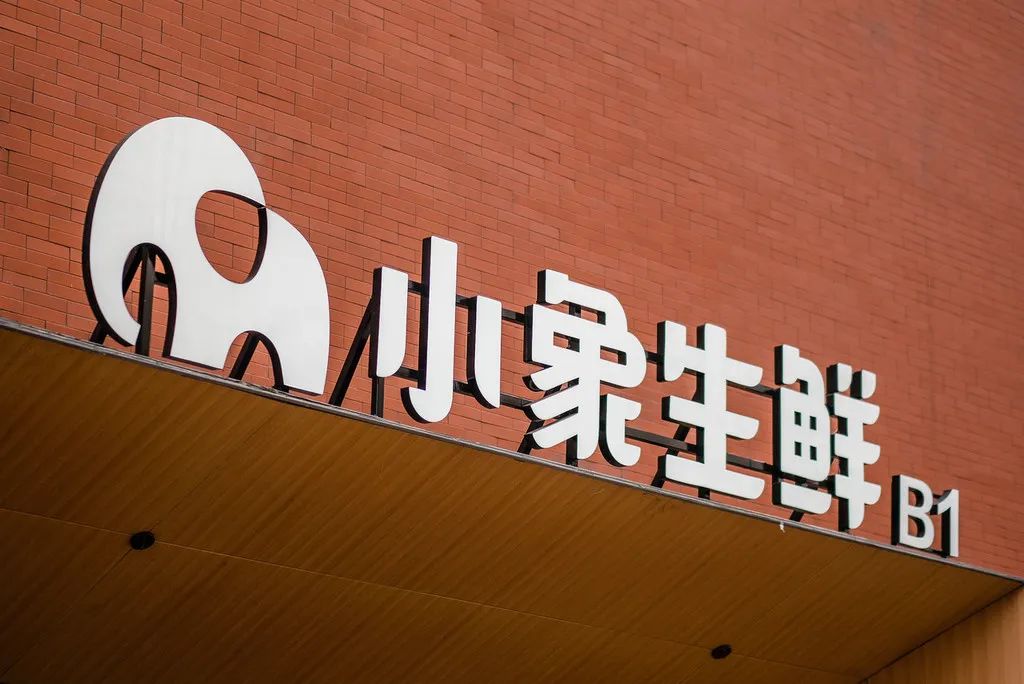
Core Insights - Meituan's first "Happy Monkey" supermarket is set to open in Hangzhou by the end of August, with plans to establish 10 stores by 2025 and a long-term goal of 1,000 stores in major cities like Hangzhou, Shanghai, Beijing, and Guangzhou [1][3] - The supermarket will focus on "hard discount retail," positioning itself against competitors like Hema NB, with initial store sizes ranging from 800 to 1,000 square meters [1][3] - This marks Meituan's renewed attempt in offline retail after the failure of its previous venture, Xiaoxiang Fresh, which closed all stores in 2020 due to poor site selection and cost control [1][3] Business Strategy - The leadership of Happy Monkey includes experienced personnel from Meituan's previous retail initiatives, ensuring a strong operational foundation [4] - The hard discount model emphasizes high self-owned brand sales, potentially exceeding 50%, which enhances market pricing power and profit margins [5][6] - Happy Monkey aims to leverage Meituan's supply chain advantages, focusing on direct sourcing from farms to offer competitive pricing on fresh produce [10][11] Market Positioning - Happy Monkey differentiates itself by offering a streamlined selection of around 1,200 SKUs, focusing on high-frequency essential items, which allows for cost reduction through centralized purchasing [10][13] - The supermarket targets the lower-tier markets in first and second-tier cities, avoiding high-end shopping districts, thus creating a competitive edge against Hema and Aldi [13][16] - The pricing strategy aims to provide 15%-30% lower prices on fresh products compared to other retail brands, appealing to price-sensitive consumers [10][13] Competitive Landscape - Happy Monkey's entry poses a threat to established players like Hema and Aldi, prompting them to adjust their promotional strategies in response [13][16] - Meituan's extensive delivery network of 8 million riders positions Happy Monkey to offer rapid delivery services, enhancing its competitive advantage in the instant retail space [19][21] - The supermarket's model is designed to complement Meituan's existing online services, creating a dual-channel approach that integrates online and offline retail [17][23] Future Outlook - The success of Happy Monkey will depend on its ability to maintain low prices while ensuring quality, which is critical for capturing market share in the competitive hard discount sector [23] - Meituan's strategy to utilize its existing resources and infrastructure aims to fill gaps in its offline retail presence, potentially reshaping the traditional retail landscape [23]
为什么我说外卖大战是三输局?
3 6 Ke· 2025-07-25 03:25
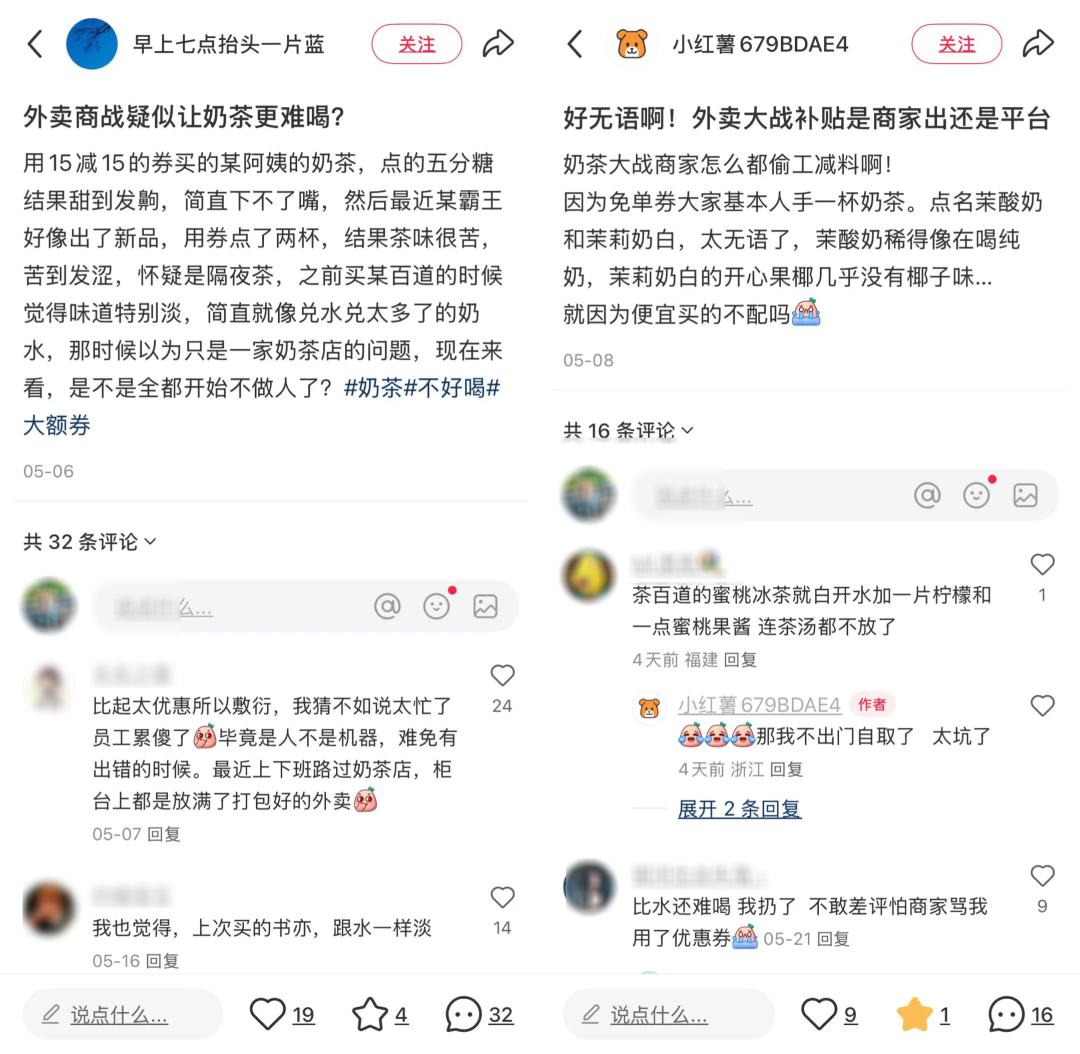
即时零售,本应该是当下消费的新趋势,给消费者带来便利,给商家带来红利,现在却被卷成了暴力。各个平台都在盯着局部最优解,结果反倒让全局更 差了。 任何事要是急功近利,总想靠资本推着超它本来的速度走,最终只会变形扭曲。就像现在的外卖大战,平台们为了抢市场疯狂补贴,逼着商家破价、让实 体承压,结果只会是消费者用的吃的质量越来越差。 我们应该让消费回归它原有的本质和速度! 外卖大战这几周,我的心情从一开始的兴奋,到现在陷入了极度的焦虑和担心。 杀红了眼的平台们,今天你给五百亿,明天我给 0 元购,仿佛把我带回到了十五年前的电商、十年前的 O2O、共享经济。靠疯狂烧钱补贴拉用户,经历 短暂的集体狂欢后,大批项目消失,幸存者寥寥。 历史无数次证明,只靠烧钱加速市场膨胀,会把本来健康的生态妖魔化。果不其然,上周三家平台就被约去喝茶了。 其实外卖本身不是一个赚钱的生意,刘强东说自己做外卖利润率不能超过 5%,王莆中都"笑"了,美团自己常年运营利润率也只有三点几。既然难赚钱, 为什么还要补贴,大家都在争什么呢? 争的是即时零售这个万亿市场,大家打这么厉害,是因为在传统电商增长率只有 6-8 个点的现在,即时零售能保持 20% ...
即时零售平台拆解及对比解读
2025-07-25 00:52
Summary of Instant Retail Industry Conference Call Industry Overview - Instant retail has significantly impacted traditional offline supermarkets, particularly large chains like Yonghui and RT-Mart, through store digitization, consumer mindset cultivation, and logistics system development [3][1] - The industry is characterized by two main business models: platform business and self-operated business, with platforms like Meituan, Alibaba's Ele.me, and JD Daojia focusing on information matching and traffic operation, while self-operated businesses emphasize supply chain management [2][12] Key Players and Their Strategies Meituan - Meituan holds a competitive advantage in instant retail due to its extensive coverage of small and medium-sized merchants and a high penetration rate among takeaway users [4][1] - The company enhances its supply chain capabilities through self-operated businesses like Xiaoxiang Supermarket and Happy Monkey Discount Store [4][1] Alibaba - Alibaba expands its reach in instant retail through Ele.me for takeaway services and Taobao Flash Purchase for non-food categories [5][1] - Despite rapid growth through subsidies, Alibaba faces challenges due to differences in consumer mindsets between Taobao users and takeaway users [5][1] JD Daojia - JD Daojia has partnered with regional supermarkets like RT-Mart and Sam's Club, but the decline of some traditional supermarkets has affected its profitability [6][1] - The company maintains market share through 3C electronics and fast-moving consumer goods [6][1] Differences Between Instant Retail and Traditional E-commerce - Instant retail differs from traditional e-commerce in consumer mindset, fulfillment costs, and supply logic, relying more on localized supply and rapid fulfillment rather than scale effects and unlimited SKUs [7][1] - Instant retail emphasizes quick fulfillment and quality assurance over price advantages or product variety [7][1] Future Outlook - The growth of instant retail depends on consumer habit formation, supply fulfillment efficiency improvements, and category expansion, with collaboration with upstream brand manufacturers being crucial [8][1] - The industry is expected to see a compound annual growth rate exceeding 20%, but caution is advised regarding specific data [10][1] E-commerce Platforms' Retail Strategies - E-commerce platforms are entering the retail space to expand market share, primarily targeting urban users with services similar to takeaway, focusing on fewer SKUs and popular products [11][1] - Retail is viewed as a common denominator for all local life categories, with varying penetration depths based on immediacy and emergency needs [11][1] Delivery and Fulfillment Competitiveness - Competition in delivery and fulfillment efficiency among platforms is driven by order density and the number of delivery personnel, influenced by consumer mindset [13][1] - Meituan Flash Purchase enhances its growth through lightning warehouses and franchise models to meet 24-hour convenience demands [13][1]

