体验经济

Search documents
业态焕新 空间重构 活动赋能 镇江润州区以年轻姿态迎来消费焕新
Xin Hua Ri Bao· 2025-09-27 00:08
9月19日—21日,"润州明月夜"第三期解压集市在镇江京畿路热力启幕,30余个青年摊位沿街铺 展,创意手作、沉浸式互动、旗袍秀等交织成青春派对,与9月20日"苏超"镇江最后一场主场赛事联 动,结结实实"火了一把"。 有着"江河交汇、城市山林"禀赋的镇江润州区,以年轻姿态迎来消费焕新。日前,该区获评江苏省 文化和旅游产业融合发展示范区。润州区委书记徐心田表示,要精准发力、系统突破,以更实举措推动 文商旅融合发展,聚焦项目攻坚,夯实产业根基,以大项目带动文旅产业能级跃升,以新业态塑造文旅 特色品牌,以全域旅游促进文旅产业"全面开花"。今年1—8月,该区社会消费品零售总额增长达6.5%, 位列全市第一。 业态焕新,从"传统买卖"到"体验经济" "镇江进球了!"上海游客陈女士在京畿路露天观赛区鼓掌喝彩,"以前来润州就是'爬山逛庙',现在 能听音乐会、看比赛、打卡新店,值得反复来!" 润州文旅产业占GDP比重超10%,成为现代服务业五大主导产业之一。该区打破传统文旅边界,让 传统消费提质升级,新型消费蓬勃生长。 "没想到在老街能尝到这么正宗的法式菜品!"在京畿路"吉庆里壹号"餐厅,顾客李女士感慨。创始 人汤燕玲曾长期从 ...
抖音“心动榜”双榜齐发,内容驱动何以促进线下消费
Sou Hu Cai Jing· 2025-09-26 10:52
Core Insights - The "Heartfelt List" launched by Douyin Life Services aims to connect offline businesses with diverse consumer needs by focusing on user preferences and experiences rather than traditional metrics like taste or facilities [3][6][7] Group 1: Heartfelt List Overview - The "Heartfelt List" is based on user interactions such as likes, shares, and reviews, creating a "Heartfelt Index" that reflects real consumer preferences [3][6] - The list covers 101 cities and includes 3,300 restaurants, while the hotel list features 443 lifestyle hotels across 39 cities, highlighting contemporary consumption trends [1][3] - The initiative emphasizes understanding consumer needs to enhance visibility and connection for quality businesses [7][10] Group 2: Impact on Consumer Behavior - Consumers benefit from the list by alleviating the "choice dilemma," allowing them to select experiences based on preferred themes like "Eastern Aesthetics" or "Cultural Exploration" [3][4] - The emotional experience is becoming a new currency in physical commerce, with 76% of consumers willing to pay a premium for emotional satisfaction [8] - The average transaction growth for businesses on the list is reported at 30%, indicating a significant impact on foot traffic and sales [8] Group 3: Broader Industry Implications - The list serves as a reflection of consumer upgrades, cultural innovation, and the social responsibility of platform economies [6][9] - It effectively mitigates the downsides of pure online recommendations and traditional evaluations, balancing technical and value rationality [7] - The initiative is seen as a new growth engine for offline businesses, driving engagement through content and emotional resonance [4][10]


打造世界级“湖泊+”旅游目的地 浙江千岛湖求变
Zhong Guo Xin Wen Wang· 2025-09-24 19:37
Core Viewpoint - Qiandao Lake is undergoing transformation to become a world-class "lake+" tourism destination, focusing on product innovation, scene creation, and business model restructuring to achieve high-quality development [1][2]. Group 1: Current Challenges - The tourism industry in Qiandao Lake faces significant challenges, including poor product experience and service quality, with outdated offerings and a lack of new attractions [2]. - Competition from nearby regions, such as themed parks and leisure resorts in Hangzhou and other cities, intensifies the pressure on Qiandao Lake to innovate and adapt [2]. - The changing demands and consumption patterns of tourists necessitate a proactive transformation to avoid market obsolescence [2]. Group 2: Future Development Strategy - Qiandao Lake's strategy for becoming a world-class destination is based on three main pillars: ecological protection, a systematic innovation blueprint, and a shift from ticket-based revenue to experience-based consumption [3][4][5]. - The recently released implementation plan aims to integrate management, resources, and branding while promoting a diverse range of tourism experiences, including sightseeing, leisure, and wellness [4]. - The initiative includes the "Eight Warm Services" aimed at enhancing visitor experience, such as transparent pricing in dining and accommodations, reduced parking fees, and efficient complaint handling [5].
十一假期还没到,4个反常现象出现,消费风向彻底变了
Sou Hu Cai Jing· 2025-09-22 13:42
Core Insights - The article highlights a significant shift in consumer spending from traditional retail to experiential purchases, indicating a growing preference for experiences over material goods [1][3][11] Consumer Behavior - In major shopping centers, traditional retail areas are experiencing a decline in foot traffic, with some areas seeing a nearly 40% drop in customer visits, while entertainment venues are thriving [3][5] - The overall retail sales growth rate for social consumer goods in the first eight months of the year is only 3.4%, contrasting sharply with the booming cultural and entertainment market [3][5] - Consumers, particularly younger individuals, are increasingly valuing experiences, such as attending concerts or participating in immersive activities, over purchasing physical items [5][7][11] Experience Economy - The rise of the "experience economy" is evident, as businesses adapt to consumer preferences by offering lifestyle-oriented services rather than just products [11][12] - Retailers are transforming their spaces to create comfortable environments that encourage longer visits, which can lead to increased sales [12][14] - Technological advancements, such as AR fitting rooms and mobile payments, are enhancing the experience economy, making it easier for consumers to engage and purchase [14][16] Economic Impact - The experience economy is not only revitalizing local economies but also creating new job opportunities in sectors like tourism, culture, and entertainment, with a reported 21% increase in employment in these areas compared to the previous year [16][18] - Innovative roles, such as immersive experience designers, are emerging as businesses focus on creating engaging and interactive consumer experiences [18] Government Initiatives - Governments are recognizing the importance of the experience economy and are implementing policies to encourage spending on experiences, such as paid leave and cultural consumption vouchers [18][20] - The article discusses the potential for experience-based spending to serve as a new economic driver, emphasizing the need for creativity and engagement in consumer offerings [18][20]

河南文旅爆火
21世纪经济报道· 2025-09-20 15:07
Core Viewpoint - The article highlights the remarkable growth of Henan's cultural tourism industry, attributing its success to the effective transformation of historical and cultural resources into modern tourism experiences, innovative market strategies, and strong government support [1][12]. Group 1: Cultural and Historical Resources - Henan is home to four of China's eight ancient capitals and boasts five UNESCO World Heritage sites, 420 national key cultural heritage sites, and over 65,000 immovable cultural relics, making it a treasure trove of historical resources [5][14]. - The province has effectively utilized new technologies and modern experiences to activate its rich cultural heritage, transforming it into engaging and shareable tourism resources [4][5]. - The demand for deep cultural experiences aligns with consumer interests, as visitors seek to explore Chinese culture and the Yellow River civilization [5][10]. Group 2: Market Innovation and Experience Economy - The success of Henan's cultural tourism is largely driven by private enterprises, showcasing a vibrant market environment that emphasizes creativity and experiential offerings [8][9]. - Unique attractions like the Kaifeng Wansui Mountain Martial Arts City offer immersive experiences where visitors can interact with characters and engage in story-driven activities, leading to significant revenue generation [8][9]. - The province's tourism projects focus on integrated experiences that combine dining, accommodation, and entertainment, enhancing visitor engagement and increasing spending [9][10]. Group 3: Government Support and Policy - The government plays a crucial role in fostering a supportive environment for the tourism industry through effective policies and long-term strategies, rather than short-term financial incentives [12][13]. - Initiatives such as subsidies for travel agencies and promotional campaigns have been implemented to stimulate tourism and enhance the province's visibility [12][13]. - The government's efforts have resulted in a significant increase in tourism, with projections of 1.03 trillion yuan in tourism revenue and 10.65 billion visitors by 2024 [14].

河南文旅爆红密码:市场破局、政府护航,千年文明跑出经济加速度
2 1 Shi Ji Jing Ji Bao Dao· 2025-09-20 05:24
Core Viewpoint - The article highlights the rapid growth of the cultural tourism industry in Henan, driven by a combination of rich historical resources, innovative market strategies, and supportive government policies, transforming the region's cultural heritage into a vibrant economic engine [1][2]. Group 1: Cultural Heritage and Resources - Henan is home to four of China's eight ancient capitals and boasts five UNESCO World Heritage sites, 420 national key cultural relic protection units, and over 65,000 immovable cultural relics, making it a treasure trove of historical resources [3][4]. - The province's cultural tourism has shifted from merely showcasing history to actively engaging visitors through modern technology and immersive experiences, allowing tourists to connect with history in a meaningful way [4][5]. Group 2: Market Innovation and Consumer Engagement - The cultural tourism sector in Henan is characterized by a strong market presence, with many successful products led by private enterprises, emphasizing the importance of creativity in a highly market-driven industry [6][7]. - The focus on experiential economy is evident, with attractions like the Kaifeng Wansui Mountain Martial Arts City offering interactive experiences that keep visitors engaged, resulting in significant revenue generation [6][7]. - The "Only Henan: Drama Fantasy City" has achieved profitability since its launch, attracting over 50 million visitors, with 80% coming from outside Henan, indicating a successful appeal to a broader audience [7]. Group 3: Government Support and Policy Framework - The success of Henan's cultural tourism is attributed to effective government policies that foster a supportive environment for market players, focusing on long-term mechanisms rather than short-term incentives [9][10]. - The government has implemented various initiatives to promote tourism, including financial incentives for travel agencies and cultural enterprises, which have significantly boosted visitor numbers and economic impact [9][10]. - By integrating cultural resources and promoting regional collaboration, Henan has developed a comprehensive tourism ecosystem, with projections of 1.03 trillion yuan in tourism revenue by 2024 [11].
国信证券:出行链结构性景气 双节叠加政策红利提振预期
Zhi Tong Cai Jing· 2025-09-18 02:16
Core Viewpoint - The travel chain is showing structural highlights, particularly among strong channel and brand companies, with expectations for improvement driven by the National Day holiday and policy support [1][8]. Industry Review and Outlook - The experience economy and value-for-money consumption coexist, with service consumption policies being strengthened, AI iteration, and expansion into overseas and lower-tier markets creating growth opportunities [2]. - Four key characteristics of the travel chain: 1) Overall stable consumer market with a rising share of service consumption and a trend towards rational spending [2]. 2) Strong brands and channels are gaining market share, with online penetration in the hotel sector outpacing the industry [2]. 3) Clear differentiation among platforms, with leading companies focusing on building a closed-loop traffic ecosystem and improving monetization [2]. 4) Leading OTA and hotel companies are emphasizing increased cash dividends [2]. Segment Summary - The travel chain's overall revenue in Q2 2025 increased by 9% year-on-year, while net profit attributable to shareholders decreased by 65% [3]. - OTA and ride-hailing sectors are performing well, with stable market conditions leading to strong revenue realization [3]. - The hotel sector is showing improved performance, particularly for strong brand companies like Atour, with expectations for gradual stabilization in supply and demand [6]. Company Performance - Ctrip's Q2 revenue exceeded expectations, driven by growth in domestic hotel nights, while international business also saw over 16% growth for two consecutive quarters [4]. - Tongcheng's domestic hotel and flight business is expanding steadily, benefiting from outbound travel [4]. - The ride-hailing industry is experiencing improved profitability, with companies like Cao Cao Travel leveraging their own vehicle fleets for efficiency [5]. Investment Recommendations - The travel chain presents structural highlights, with strong channel and brand companies expected to benefit from upcoming holidays and policy support [8]. - Recommended companies for investment include Ctrip Group-S, Atour, and Tongcheng Travel among others [8].

从一杯咖啡到第三空间,星巴克如何用数智化赋能咖啡体验?
3 6 Ke· 2025-09-17 13:55
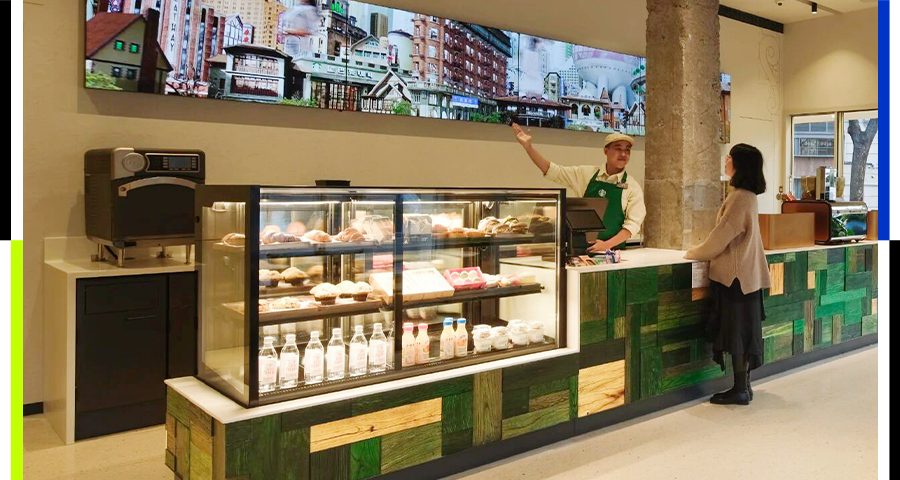
Core Insights - Technology is transforming consumer logic, shifting from mere transactions to building long-term relationships between brands and consumers [4][5][6] - Starbucks' innovation through its Shenzhen Innovation Technology Center (SITC) exemplifies the integration of technology and consumer experience, enhancing its competitive edge in the Chinese market [6][9][32] Technology and Consumer Experience - The evolution of consumer expectations highlights the demand for personalized interactions, with 71% of consumers wanting brands to provide tailored experiences [5] - The concept of "third space" at Starbucks has evolved to encompass not just coffee consumption but also social and emotional connections, supported by technological advancements [11][13][22] Starbucks' Digital Transformation - SITC's mission is to empower partners through technology, allowing them to focus on customer engagement rather than operational tasks [23][29] - The implementation of automated inventory management and AI tools has streamlined operations, enabling partners to enhance customer interactions [24][25][26] Product Innovation and Personalization - Starbucks leverages data-driven insights to innovate its product offerings, exemplified by the recent breakfast project in Shenzhen, which aligns with local consumer habits [17][19] - The "True Taste No Sugar" initiative showcases how technology enables customization across various beverage categories, providing consumers with unique experiences [19][21] Balancing Scale and Personalization - SITC addresses the inherent conflict between brand scalability and consumer personalization, creating a framework that allows for efficient operations while delivering tailored experiences [21][32] - The integration of technology not only enhances operational efficiency but also enriches the emotional value of consumer interactions, moving from a one-size-fits-all approach to a more individualized service [21][32] Commitment to Innovation - Starbucks has committed approximately 1.5 billion RMB to SITC over the next three years, aiming to attract talent and resources for ongoing innovation [32] - The establishment of SITC represents Starbucks' long-term investment in the Chinese market, positioning it as a model for digital transformation in the retail and coffee industry [32]

从一杯咖啡到第三空间,星巴克如何用数智化赋能咖啡体验?
36氪· 2025-09-17 13:30
Core Viewpoint - Technology is transforming consumer logic, shifting from transactional purchases to experiential relationships, where brands connect with consumers on a deeper emotional level [3][4][5]. Group 1: Technology and Consumer Experience - The evolution of consumer behavior is evident as technology enhances the shopping experience, making it more about personal style exploration and emotional connection rather than mere transactions [3][4]. - A McKinsey study indicates that 71% of consumers expect personalized interactions from brands, while 76% feel frustrated without it, highlighting the importance of being understood in brand relationships [5]. - PwC's research shows that 73% of consumers consider experience a key factor in purchasing decisions, emphasizing the shift towards interaction and emotional recognition as core elements of consumer choice [5]. Group 2: Starbucks' Digital Transformation - Starbucks' Innovation Technology Center (SITC) represents the company's commitment to digital transformation, focusing on enhancing customer experience through technology integration [6][9]. - The SITC aims to empower Starbucks to become a fully digital experience-driven coffee company, leveraging AI and data to create unique value for customers [9][12]. - The concept of the "third space" is redefined through SITC's innovations, where the coffee experience transcends basic consumption to become a cultural and social engagement platform [16][19]. Group 3: Personalized Customer Engagement - SITC's initiatives include deploying electronic menu boards that not only display products but also share stories about coffee origins, enhancing customer engagement [17]. - The use of AI-driven tools allows for personalized recommendations based on customer preferences and time of day, creating a tailored experience for each visit [19][20]. - The "interest social space" initiative helps customers find stores that match their interests, further personalizing the Starbucks experience [20]. Group 4: Empowering Partners through Technology - Starbucks emphasizes a partner culture, where technology is used to alleviate operational burdens, allowing partners to focus on customer interaction and coffee craftsmanship [28][30]. - Automation in inventory management and AI tools for scheduling enable partners to spend more time engaging with customers rather than managing logistics [29][31]. - The implementation of smart IoT systems across stores has led to significant energy savings and improved operational efficiency, enhancing the overall customer experience [34]. Group 5: Strategic Investment in Digital Innovation - Starbucks plans to invest approximately 1.5 billion RMB in SITC over the next three years, aiming to attract talent in AI, big data, and IoT to drive innovation [42]. - SITC serves as a model for digital transformation in the retail and coffee industry, showcasing how technology and human elements can coexist to create unique consumer experiences [42].
2025年下半场,如何重新理解中国广告营销市场?
3 6 Ke· 2025-09-15 10:34
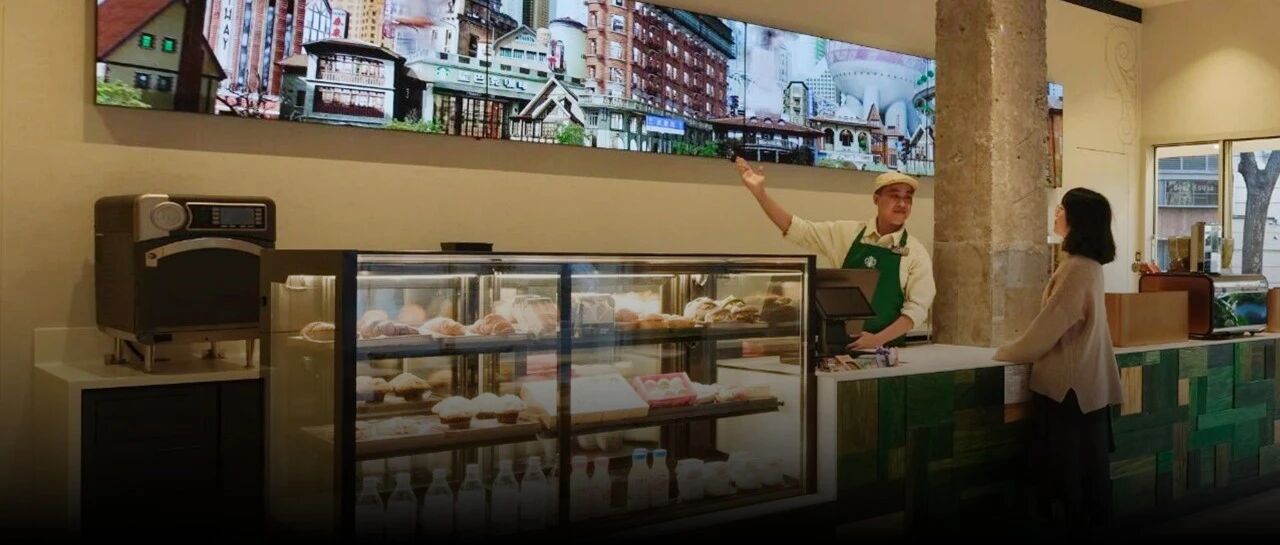
Group 1 - The core viewpoint of the article highlights that the Chinese advertising market is experiencing structural growth driven by multiple factors, with significant increases in advertising spending across various sectors such as entertainment, telecommunications, and personal care products [1][3] - Categories like personal health care, educational supplies, and leisure services have shown over 100% growth in advertising expenditure from January to July 2025, indicating strong market opportunities [3] - Advertisers are increasingly allocating budget towards new product promotions, with expectations that these expenses will account for 35% of overall marketing budgets in 2025, up 3 percentage points from 2024 [5] Group 2 - The rise of AI is significantly impacting consumer behavior and advertising strategies, with AI-related advertising spending increasing by 442.8% year-on-year in the first half of 2025, and 77% of consumers expressing a preference for brands that incorporate AI elements [6][10] - The shift towards an experience economy is prompting brands to evolve from merely functional advertising to creating immersive experiences that foster emotional connections with consumers [7][8] - Brands are increasingly utilizing authoritative perspectives in their marketing strategies, such as live-streaming factory processes to enhance credibility and trust among consumers [8] Group 3 - Brand value construction is becoming central to marketing strategies, with consumers prioritizing brand factors in their purchasing decisions, leading to a rise in advertisers focusing on brand value over immediate effectiveness [14][16] - Recent government policies are encouraging a focus on brand value enhancement, with initiatives from the State-owned Assets Supervision and Administration Commission aimed at guiding central enterprises in brand building [16] - The article suggests three key directions for the market: creating multi-dimensional experiential expressions, embracing AI while maintaining a human-centric approach, and returning to brand value construction as a core strategy for sustainable growth [17][18][20]