预制菜

Search documents
神农集团涨2.02%,成交额2982.41万元,主力资金净流入307.77万元
Xin Lang Cai Jing· 2025-12-29 02:09
Core Viewpoint - Shennong Group's stock has shown a modest increase, with a current price of 28.72 CNY per share and a market capitalization of 15.071 billion CNY, despite a slight decline in revenue and net profit year-on-year [1][2]. Group 1: Stock Performance - On December 29, Shennong Group's stock rose by 2.02%, with a trading volume of 29.8241 million CNY and a turnover rate of 0.20% [1]. - The stock has increased by 5.16% year-to-date, with a 1.38% rise over the last five trading days and a 1.88% increase over the last twenty days, but has decreased by 5.34% over the last sixty days [1]. Group 2: Financial Performance - For the period from January to September 2025, Shennong Group reported a revenue of 3.923 billion CNY, a year-on-year decrease of 3.79%, and a net profit attributable to shareholders of 462 million CNY, down 3.89% year-on-year [2]. - The company has distributed a total of 536 million CNY in dividends since its A-share listing, with 336 million CNY distributed over the past three years [3]. Group 3: Shareholder Information - As of December 20, the number of shareholders in Shennong Group increased to 19,200, with an average of 27,031 circulating shares per shareholder, a slight decrease of 0.14% [2]. - Notable changes in institutional holdings include an increase in shares held by Yinhua Agricultural Industry Stock Fund and a decrease in shares held by Hong Kong Central Clearing Limited [3].

贾国龙后悔晚了吗
3 6 Ke· 2025-12-28 05:39
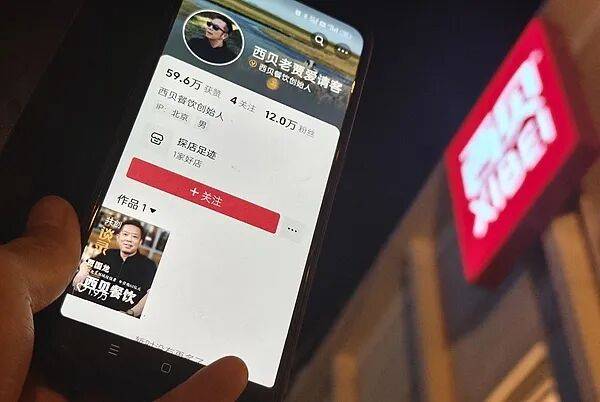
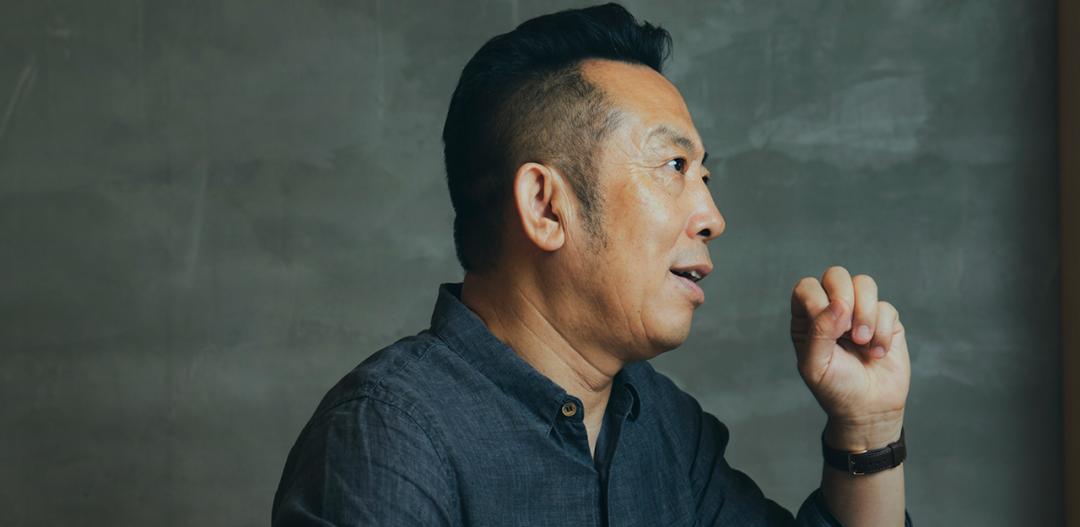
文/王慧莹 编辑/子夜 这三个月,西贝创始人贾国龙没睡过几个好觉。 连续40天吃安眠药入睡,每天有处理不完的事,还憋了一肚子的心里话。 这一切,都源于9月份那场贾国龙与罗永浩的公开叫板。这场关于预制菜的硬刚,贾国龙原本信心满满,没想到却将自己和西贝推至风暴中心。 为了证明西贝不是预制菜,贾国龙向社会开放西贝门店后厨参观。也是这一举动,让西贝从"自证"演变成"自杀"。由于对于预制菜概念理解的不同,贾国 龙经历了创业以来最大的危机。 "如果能重来,绝对不硬刚"。12月21日,贾国龙收起往日锋芒,在接受媒体采访时诚恳认错。这距离他高调硬刚罗永浩刚好过去了100天。 西贝创始人贾国龙,图源西贝官网 这100天里,贾国龙不再情绪上头,西贝也不再门庭若市。调改菜品、调整价格、发放优惠券……西贝默默整改,但每一步都异常艰难。 本质上,这场由预制菜引发的信任危机,早已超出"道歉就能解决"的范畴。降价、优惠虽然能短暂地吸引住客流,但在竞争愈加激烈的餐饮淘汰赛中,这 场风波暴露了西贝模式的缺陷。 随着消费者对锅气、性价比的期待越来越高,作为正餐连锁品牌,西贝那套规模至上的快餐逻辑也应该换种打法,亟需一场彻底的转型。 图源西贝微信 ...

寿司郎怎么这么狂?
半佛仙人· 2025-12-28 03:40
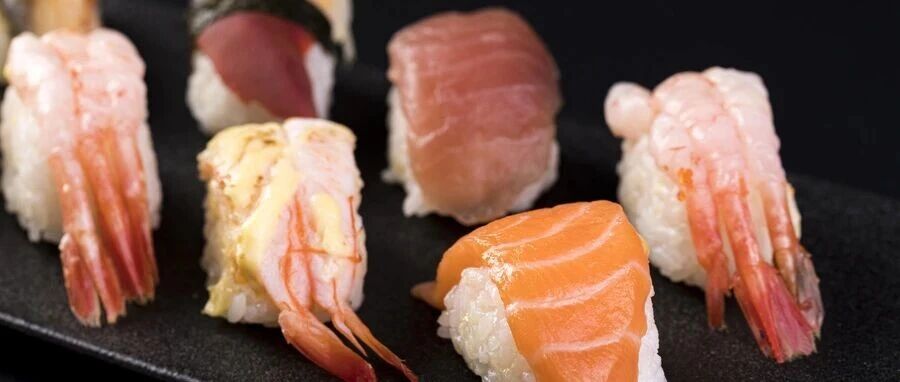
Core Viewpoint - The article discusses the unique market position of Sushi Lang, highlighting its ability to attract long queues even during weekdays in a competitive city like Hangzhou, suggesting a strong consumer demand for its offerings [2][3]. Group 1: Market Position and Consumer Perception - Sushi Lang is perceived as a value-for-money option in the sushi market, with an average spending of around 100 yuan per person, which is considered reasonable compared to other Japanese restaurants that lack distinctive features [2][3]. - The restaurant's pricing strategy is effective, as it contrasts favorably with other less reputable Japanese dining options, leading consumers to feel they have previously overpaid for inferior quality [3][5]. Group 2: Product and Supply Chain - Sushi is less affected by the pre-prepared food trend, as consumers do not typically question whether sushi is pre-made, similar to how they perceive hot pot [5][6]. - The supply chain for sushi, particularly seafood, is advantageous for Sushi Lang due to its numerous outlets, allowing for cost-sharing and access to quality ingredients [5][6]. Group 3: Industry Dynamics - The sushi industry has a low technical barrier, with standardization being key; Sushi Lang has embraced this by utilizing machines for sushi preparation, which sets it apart from competitors who still rely on traditional methods [6][9]. - The article suggests that Sushi Lang has transcended the traditional sushi business model by focusing on efficiency and cost-effectiveness, while competitors continue to maintain a façade of artisanal preparation [6][9].
贾国龙的反思与百日风波后的西贝
Di Yi Cai Jing Zi Xun· 2025-12-26 01:40
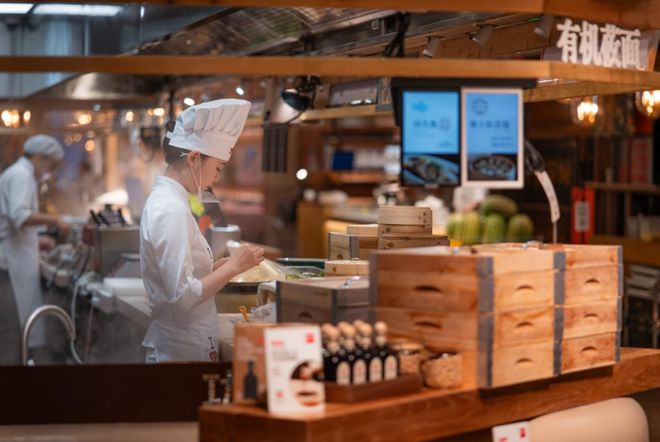
Core Insights - The crisis faced by Xibei, triggered by a public criticism from entrepreneur Luo Yonghao, has been described as the biggest challenge in its 37-year history, leading to a significant decline in customer traffic and revenue [1][2] - Xibei has initiated a comprehensive self-rescue plan, including product adjustments, price reductions, and enhanced food safety measures, to regain customer trust and stabilize operations [3][4][6] Company Response - Xibei's initial response involved a thorough review of its food preparation processes, leading to changes such as on-site cooking and improved food temperature management [1][2] - The company implemented a significant price reduction strategy, with an average decrease of approximately 20% on over 30 menu items, including core dishes like beef bones and lamb skewers [2][3] - A "sunshine kitchen" initiative was launched to enhance food safety, ensuring transparency in food preparation and allowing customers to observe the cooking process [3][4] - Xibei introduced various customer engagement strategies, including promotional offers and discounts, to attract customers back to its restaurants [4][6] - Employee compensation was increased, with a monthly allowance of 500 yuan for frontline staff, reflecting a commitment to staff welfare during the crisis [4][6] Industry Context - The challenges faced by Xibei are indicative of broader issues within the Chinese dining industry, including market demand fluctuations, rising costs, and intensified competition [11][12] - The crisis highlights a shift in consumer expectations towards fresh, made-to-order meals, contrasting with the previous focus on standardization and efficiency [9][10] - The industry is grappling with the balance between maintaining quality and managing costs, particularly as consumer spending becomes more cautious [9][10] - The need for a supportive business environment is emphasized, as a stable regulatory framework is crucial for the long-term health of the restaurant sector [11][12][13]
贾国龙首次回应西贝预制菜风波 已降价的菜品不会再涨价
Bei Jing Shang Bao· 2025-12-25 13:30
Core Insights - The founder of Xibei, Jia Guolong, has publicly acknowledged mistakes made during a recent controversy, emphasizing the need for better communication with customers and staff [1][2] - Xibei has implemented several measures in response to customer feedback, including adjustments to their central kitchen operations and menu items [1] - The company has reduced prices on over 30 menu items by nearly 20%, lowering the average customer spending from 92 yuan to 75 yuan, while committing to maintaining quality and not becoming a low-cost brand [2] Group 1 - Jia Guolong expressed regret for not listening to customer feedback and stated that the company will prioritize customer opinions moving forward [1] - Xibei has made operational changes, such as modifying the central kitchen to allow stores to handle more food preparation, while acknowledging the challenges of completely eliminating central kitchen reliance [1] - The company has introduced a "sunshine kitchen" initiative and increased salaries for frontline staff by an average of 500 yuan [2] Group 2 - The price reduction is described as a long-term strategy, with assurances that previously reduced items will not see price increases [2] - Xibei aims to enhance customer experience by developing new dishes and providing better additional services [2] - Jia Guolong noted that labor costs have risen during the controversy, but the company plans to continue increasing wages and benefits for employees [2]
“西贝风波”100天后,贾国龙首次发声:靠吃安眠药入睡,不应该和顾客硬刚,已降价的菜品不会再涨价
新华网财经· 2025-12-25 10:54
采访中,他表达对这次风波的深刻反思。贾国龙表示当时不应该选择硬刚,未来会耐心听每位顾客的意见。"我认错,向顾客认错,向员工 认错,也向我自己认错"。贾国龙坦言,自己不应该和顾客硬刚,人都是吃一堑长一智,未来不能再独断专行,并表示自己"长期忽视了顾 客的声音""未来要耐心听每位顾客的意见" 。 贾国龙称, 风波开始至今,西贝全国门店接受了各级政府监管部门的八十多次检查,没有一起违法违规处罚。 回应 之前称西贝没有全部预制的菜品, 贾国龙表示,除 了馒头等主食以外,西贝确实没有完全炒好的、煮熟的菜品直接送到门店,只是 许多菜品需要清洗、切配等前期预加工,最后环节都是在门店完成。比如说馒头花卷这些在中央厨房是做熟了的,因为它必须经过长时间 面团发酵,门店很难做统一的品控,出品会很不稳定,所以就只在门店做最后的加热。 他称,按国家之前公布的定义,中央厨房预加工食品、主食、原材料预加工都不算预制菜,那么西贝门店里的都不算预制菜,但是,我确 实不该用这一定义去对抗公众认知。 针对降价举措, 贾国龙明确已降价的菜品不会再涨价,是长期的。同时,未来也会提供更好的附加服务,比如积极研发新菜,打造欢乐温 馨的就餐体验。 西贝风波 ...
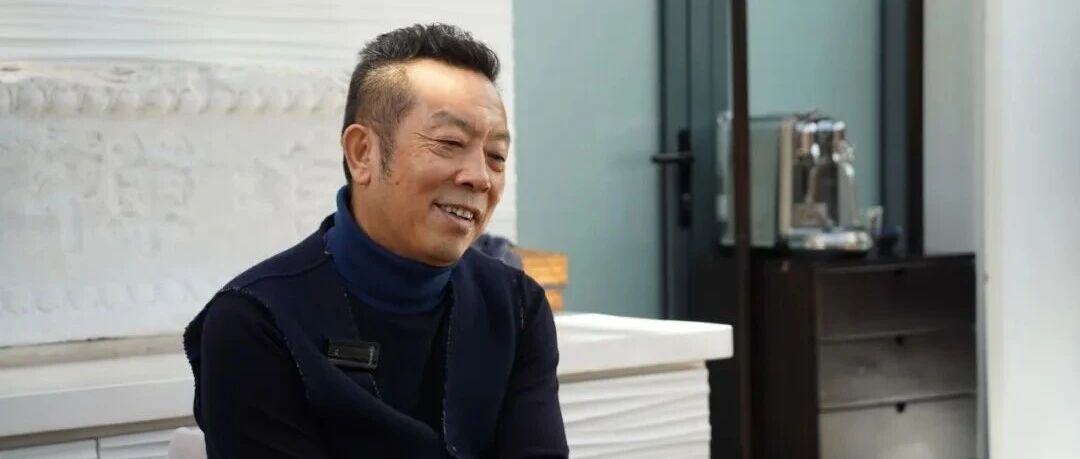
“预制菜风波”后贾国龙首发声:都是因为冲动,不该硬刚罗永浩
Xin Lang Cai Jing· 2025-12-25 09:34
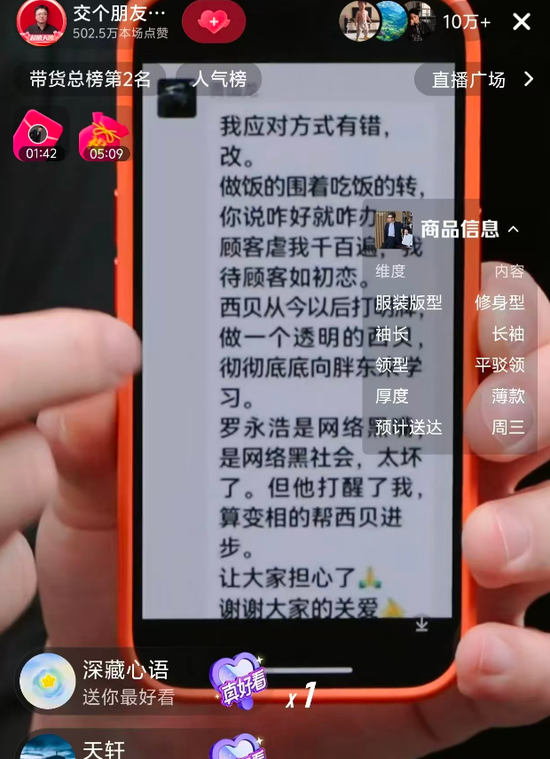
Core Viewpoint - The founder of Xibei, Jia Guolong, acknowledged that the recent controversy surrounding pre-made dishes has had a more significant impact on the company than any previous operational crisis, leading to personal stress and sleeplessness [1][10]. Group 1: Mistakes Acknowledged - Jia identified three major mistakes made during the controversy: 1. Choosing to confront the issue head-on and stating he would rather not do business than not clarify the truth, including a decision to sue Luo Yonghao [2][10]. 2. Opening the kitchen to the public [2][10]. 3. Using the term "internet black society" in a WeChat group chat to respond to industry peers [2][10]. - He emphasized that these errors stemmed from impulsiveness and a long-term neglect of customer feedback [3][11]. Group 2: Customer Engagement and Pricing Strategy - Jia expressed a commitment to listening to customer opinions moving forward, stating that if given a second chance, he would avoid confrontational approaches [7][15]. - Following the controversy, Xibei has reduced its average customer spending to approximately 75 yuan, a decrease of 20% from previous levels, with assurances that prices for already discounted dishes will not increase [7][15]. - The company aims to maintain a balance between cost and quality, positioning itself neither as a low-cost nor a high-end brand, while ensuring customers feel secure and receive value for their money [7][15]. Group 3: Future Plans and Aspirations - Jia indicated that if Xibei cannot survive this crisis, he would not pursue entrepreneurship again, preferring a simpler life [7][15]. - However, if the company overcomes the current challenges, he plans to increase manpower in stores and aims to expand internationally, aspiring to make Xibei a globally influential Chinese restaurant brand [7][15].
贾国龙认错了,西贝还能翻盘吗?
Sou Hu Cai Jing· 2025-12-25 09:32
Core Insights - The article discusses the downfall of a prominent figure in the restaurant industry, highlighting the impact of arrogance and public backlash on business performance [1] - The company, 西贝 (Xibei), has faced significant challenges, including a drastic drop in daily revenue and negative public perception due to mismanagement and failure to listen to customer feedback [1] Company Performance - Daily revenue has reportedly dropped by millions, indicating a severe financial impact from recent controversies [1] - The company had invested 5 billion in its fast-food dream over eight years, which has now seemingly collapsed [1] Management Response - The leader, 贾国龙 (Jia Guolong), has publicly acknowledged mistakes, stating that he should not have engaged in confrontations and should have prioritized customer feedback [1] - Future strategies include reducing customer prices by 20% and hiring more staff to enhance customer experience, indicating a shift in management approach [1] Operational Changes - The company admits to using a central kitchen for food preparation but insists that it does not equate to using pre-prepared meals, which may confuse customers [1] - Despite acknowledging rising labor costs by 5%, customer traffic has not yet rebounded, raising questions about the effectiveness of the new strategies [1] Future Outlook - The leader expressed a willingness to return to simpler business practices, suggesting a potential pivot back to traditional cooking methods [1] - There is skepticism about whether these changes are genuine or merely a temporary measure to appease public sentiment [1]
贾国龙认错了,西贝还能翻盘吗?|深一度
Sou Hu Cai Jing· 2025-12-25 09:22
Core Viewpoint - The article discusses the downfall of Jia Guolong, the founder of Xibei, highlighting his pride and missteps that led to a significant decline in daily revenue and public backlash [1] Group 1: Company Challenges - Jia Guolong experienced a drastic drop in daily revenue by millions due to public criticism and backlash from customers [1] - The company faced scrutiny after Jia claimed that Xibei did not use pre-prepared dishes, only to be caught using two-year-old broccoli [1] - A large-scale meeting intended to boost morale backfired when customers shared negative experiences online, leading to further ridicule [1] Group 2: Leadership Response - Jia admitted his mistakes, acknowledging that he should not have engaged in public disputes and should have listened to customer feedback [1] - He announced a strategy shift, including a 20% reduction in customer prices and hiring more staff to enhance customer experience [1] - Despite admitting to using a central kitchen for food preparation, he insisted that it does not equate to using pre-prepared dishes, raising questions about the sincerity of his commitment to change [1] Group 3: Future Outlook - Jia expressed a willingness to step back from personal branding and focus on improving the quality of food and service [1] - He mentioned that if Xibei fails, he would return to his roots in Inner Mongolia, indicating the seriousness of the situation [1] - The article questions whether customers will give Xibei another chance, emphasizing that they seek genuine dining experiences rather than apologies [1]
贾国龙首次回应西贝预制菜风波:不应该硬刚
Sou Hu Cai Jing· 2025-12-25 08:00
Core Viewpoint - The founder of Xibei, Jia Guolong, acknowledged the impact of the pre-prepared food controversy and expressed a commitment to listening to customer feedback in the future [2] Group 1: Company Response to Controversy - Xibei faced significant backlash after a social media post by Luo Yonghao questioned its use of pre-prepared dishes, leading to a public relations crisis [2] - Jia Guolong admitted that the company's response was inadequate, stating that he should not have taken a confrontational approach and should have been more receptive to customer opinions [2] - The company has made changes to its menu, including transitioning over ten dishes to be made fresh in-store, while acknowledging the challenges of completely eliminating central kitchen operations [3] Group 2: Pricing and Promotions - Xibei has implemented a nationwide price reduction on over 40 dishes, with an average decrease of nearly 20%, resulting in a current average customer spending of around 75 yuan [3] - To regain customer trust, Xibei launched a promotional campaign offering 100 yuan vouchers to customers who dine in, which has been followed by additional promotional activities [3][4] Group 3: Operational Adjustments - The company held an employee meeting to reassure staff about job security and provided a special bonus of 500 yuan to frontline employees [3] - Xibei has undergone over 80 inspections by government regulatory bodies since the controversy began, with no violations reported [4] Group 4: Future Strategy - The company aims to transform into a family-friendly dining experience, focusing on children's meals and introducing new themes in its restaurants [4] - Jia Guolong stated that if the company cannot survive this crisis, he would not pursue entrepreneurship again, indicating a cautious approach to future expansion [4]