
人民币国际化

Search documents
中国银行泰安分行:参加泰安精准采购贸易对接会 宣讲跨境人民币政策
Qi Lu Wan Bao Wang· 2025-09-22 09:04
Core Viewpoint - The event "2025 'Ten Thousand Enterprises Going Global' Precision Procurement Trade Matching Conference" was successfully held in Tai'an, with the participation of the Bank of China Tai'an Branch providing financial support to over 100 exhibiting enterprises, facilitating their international expansion [1] Group 1: Event Overview - The trade matching segment of the conference had a lively atmosphere, showcasing the Bank of China's commitment to supporting enterprises in their overseas ventures [1] - The Bank of China Tai'an Branch utilized various promotional methods, including banners and brochures, to educate participating companies about cross-border RMB policies [1] Group 2: Company Initiatives - The bank actively addressed companies' concerns regarding cross-border settlement efficiency and the facilitation of RMB transactions for quality enterprises, providing detailed explanations on standards and measures [1] - The promotional activity reached over a hundred participants, offering policy support for enterprises looking to expand internationally [1] Group 3: Future Plans - The Bank of China Tai'an Branch plans to continue promoting the implementation and refinement of cross-border RMB policies, aiming for maximum outreach and effectiveness in policy promotion [1] - The bank's efforts are aligned with government initiatives to support the internationalization of the RMB and contribute to the high-quality development of Tai'an's foreign-related economy [1]

美国打响"降息内战",50年美元霸权恐崩塌!你的钱袋子还安全吗?
Sou Hu Cai Jing· 2025-09-22 07:43
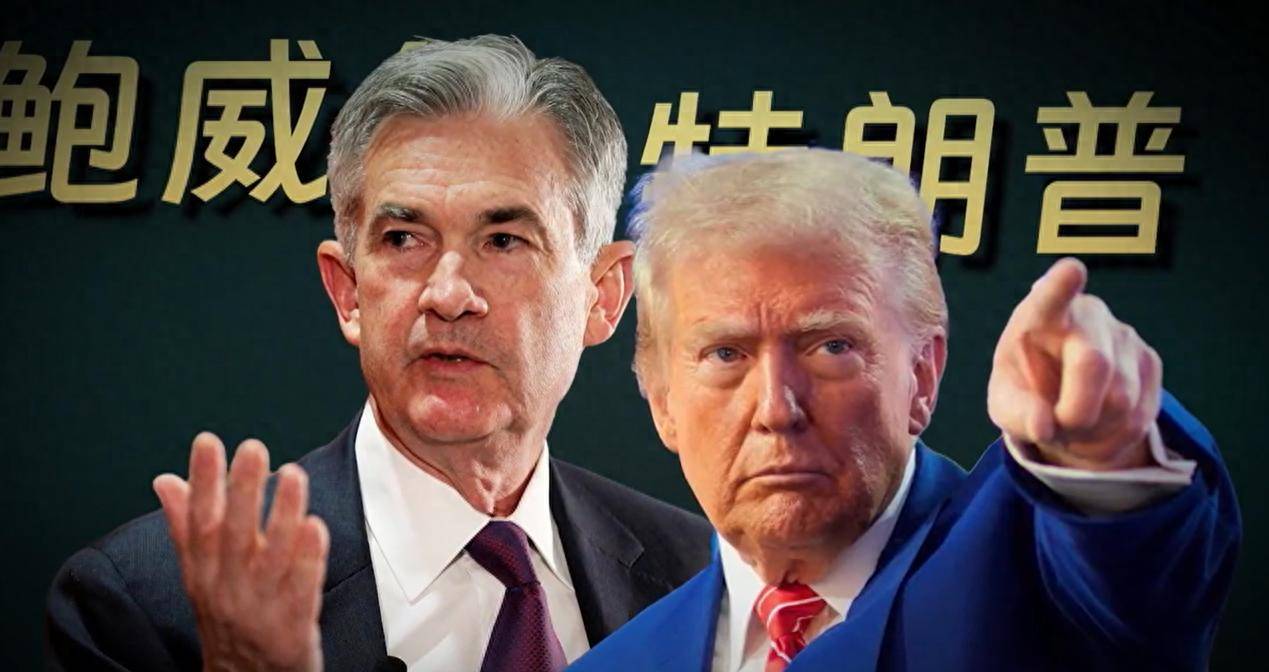
这是真正影响全球80亿人生计的大事件! 美联储时隔9个月终于宣布降息,直降25个基点。此刻,全球资本巨头、华尔街大佬以及无数人的心跳,都因这一数字彻底改变。全球经济、你我手中的存 款、股票、未来的物价、油价,甚至未来世纪的趋势,都因美联储此次降息发生巨变。 这次美联储降息与以往大不相同——美国正因降息爆发近50年来最大规模的"天王山之战",特朗普对阵鲍威尔,美联储对阵最高领袖。 美联储的独立性正面临有史以来最强大的挑战——特朗普。延续50年霸权的美元货币体系,可能在特朗普的"励精图治"下被推向深渊。 这场降息究竟是好是坏?它会带来什么影响?房子能买了吗?股票会涨吗?手中纸币的购买力会大幅贬值吗?这场降息为何成为美国的"天王山之战"? 要回答这些问题,需从最基础的问题入手:被传得神乎其神的美联储究竟是什么? 美联储全称美国联邦储备系统,通俗来说就是美国版的央行,负责发行和管理美元、维护美国金融稳定。它是全球金融体系中为数不多带有半私有化特征的 巨型机构。 不少博主称"美联储被神秘大佬操控,是世界主宰",但这种说法很片面——经过上百年演化,美联储早已摆脱资本大佬的直接控制。 看美联储的架构便知:其银行实体由12家 ...

凝聚行业共识 激活开放动能——人民币债券担保品跨境应用倡议重磅发布
Xin Hua Cai Jing· 2025-09-22 07:11
Core Viewpoint - The "Cross-Border Application Initiative for RMB Bond Collateral" was launched by the Central Clearing Company in collaboration with 16 financial institutions, aiming to promote the use of RMB bonds as qualified collateral in the global financial system [1][2]. Group 1: Initiative Overview - The initiative emphasizes four principles: mutual benefit, mutual trust, interconnectedness, and mutual learning, calling for collective efforts to enhance the cross-border use of RMB bonds [1]. - The initiative has gained widespread recognition from both domestic and international financial institutions, signaling China's commitment to an open and inclusive bond market [2]. Group 2: Institutional Responses - Euroclear Bank highlighted the initiative as a clear signal of China's bond market openness and expressed interest in collaborating with the Central Clearing Company to explore cross-border collateral cooperation [2]. - Ming Hsin Bank noted that the initiative responds to the global demand for high-quality liquid assets (HQLA), providing international investors with more diverse options [2]. - Industrial and Commercial Bank of China (ICBC) emphasized the initiative's role in promoting RMB internationalization and the opening of the bond market, planning to leverage its international operations to enhance the application of RMB bonds in cross-border scenarios [2][3]. Group 3: Market Impact - Bank of China stated that the initiative provides direction for RMB bonds to "go global," aiming to make them widely accepted as qualified collateral in international markets [3]. - HSBC recognized the initiative as a reflection of the Central Clearing Company's expertise in collateral management and expressed commitment to enhancing services to increase global investor willingness to use RMB bonds [3]. - Shanghai Pudong Development Bank mentioned that the initiative could extend the established collateral management services to overseas markets, aligning with the expectations of domestic financial institutions [3][4]. Group 4: Future Prospects - The initiative is seen as timely and significant, with the potential to enhance the role of RMB bonds in the international financial arena, contributing to global financial stability and growth [4].


四大证券报精华摘要:9月22日
Xin Hua Cai Jing· 2025-09-22 00:31
Group 1 - The Chinese government has launched a comprehensive set of policies aimed at stabilizing growth, markets, and expectations, signaling strong financial support for high-quality economic development [1] - The A-share market has seen significant trading activity, with daily transaction volumes reaching over 3 trillion yuan and margin financing balances exceeding 2.4 trillion yuan [1] - Market participants anticipate further reforms and opening-up measures in the capital market to enhance its attractiveness and stability [1] Group 2 - Approximately 87% of ESG-themed funds have reported positive returns this year, with the highest return exceeding 65% [2] - In August, six new ESG-themed funds were launched, with one fund achieving a record issuance scale of 960 million yuan, marking the largest ever for a public ESG index fund in China [2] Group 3 - The embodied intelligence industry is experiencing rapid development in both hardware and software, with human-like robots expected to reshape industrial ecosystems over the next 5 to 10 years [3] - Domestic companies are accelerating their product layouts in embodied intelligence, addressing gaps in specific application scenarios [3] Group 4 - The A-share market has shown mixed performance, with the Shanghai Composite Index declining by 1.30% while the ChiNext Index rose by 2.34% [4] - Analysts predict that the market may continue to experience fluctuations in the short term but expect improved risk appetite after the National Day holiday [4] Group 5 - Following a 25 basis point rate cut by the Federal Reserve, many domestic and foreign institutions view the external environment for Chinese assets as increasingly favorable [5] - There is an expectation of further rate cuts by the Federal Reserve, which could enhance the attractiveness of non-U.S. markets, particularly China [5] Group 6 - The stock price of Sunflower surged nearly 30% in the seven trading days leading up to its suspension, raising questions about preemptive buying ahead of its acquisition announcements [6][7] Group 7 - The gaming industry in China is experiencing a resurgence, with significant growth in both product performance and stock prices, driven by continuous issuance of licenses and successful new game launches [8] Group 8 - The number of securities analysts in China has surpassed 6,000, marking a historical high, while the market faces challenges due to declining commission revenues [9] Group 9 - The Hong Kong government is optimizing regulations to facilitate the return of Chinese concept stocks, enhancing the attractiveness and liquidity of the Hong Kong market [10] Group 10 - Foreign institutions are increasingly confident in the Chinese market, with significant net inflows of cross-border capital and heightened research activities on A-share companies [11] Group 11 - Huawei announced that the number of HarmonyOS 5 devices has surpassed 17 million and launched the "Tian Gong Plan" to invest 1 billion yuan in supporting the Harmony AI ecosystem [12][13]
中金:“十五五”的潜在政策动态
中金点睛· 2025-09-21 23:54
Core Viewpoint - The "14th Five-Year Plan" marks a critical period for China's financial cycle and economic transformation, shifting from reliance on real estate and traditional infrastructure to a new economic development model focused on innovation, green development, coordination, openness, and sharing [2][4]. Economic Transformation - The economic development model is transitioning to rely more on new economies, with a notable decline in housing prices and a slowdown in credit growth, leading to increased downward pressure on economic growth [2][4]. - The "14th Five-Year Plan" has seen most major indicators completed ahead of schedule, including GDP growth and labor productivity [6][9]. Innovation and Technology - R&D investment has significantly increased, with total R&D expenditure reaching 3.6 trillion yuan in 2024, up 1.2 trillion yuan from the end of the "13th Five-Year Plan" [10]. - The complexity of China's economy has risen, with advancements in key technologies such as integrated circuits and artificial intelligence [12][21]. Green Development - China has made significant strides in green development, with forest coverage exceeding 25% and a notable reduction in PM2.5 levels [21][22]. - The energy structure is rapidly transforming, with non-fossil energy consumption expected to reach around 20% by 2025 [22]. Regional and Urban-Rural Coordination - The "14th Five-Year Plan" emphasizes balanced development between urban and rural areas, with significant improvements in agricultural infrastructure and rural self-development capabilities [27][28]. - Urbanization rates have increased, with the urbanization rate reaching 67% by 2024, ahead of the planned target [28][45]. High-Level Opening Up - China's exports showed resilience, with total exports reaching 3.58 trillion USD in 2024, an increase of nearly 1 trillion USD from the end of the "13th Five-Year Plan" [30][34]. - The negative list for foreign investment has been continuously reduced, with all restrictions in the manufacturing sector eliminated [38][40]. Shared Development - The "14th Five-Year Plan" prioritizes people's well-being, with a focus on reducing income and public service disparities [43][44]. - The average disposable income per capita increased from 32,200 yuan in 2020 to 41,300 yuan in 2024, reflecting a growth rate of approximately 5.8% [44][46].

一场AI与离岸人民币的“双向奔赴” 科技巨头扎堆发行点心债
Shang Hai Zheng Quan Bao· 2025-09-21 18:07
Core Viewpoint - The issuance of dim sum bonds (offshore RMB bonds) by technology giants is becoming a significant financing option for domestic companies, particularly in the context of AI and cloud computing capital expenditures, thereby revitalizing the offshore RMB market [1][2]. Group 1: Financing Trends - Since 2025, the issuance of US dollar bonds by Chinese tech companies has been zero, contrasting with the rapid rise of dim sum bonds and convertible bonds as key fundraising tools [2]. - Baidu successfully issued two tranches of dim sum bonds in March, raising 10 billion RMB at a low interest rate of 2.7% for 5 years and 3% for 10 years [2]. - Tencent issued a total of 8 billion RMB in offshore RMB bonds, aligning with the recent growth of the dim sum bond market [2]. Group 2: Factors Driving Financing Shift - The shift in financing methods is driven by macroeconomic conditions and the capital needs of enterprises, particularly due to intensified AI competition and cloud infrastructure expansion [4]. - Major internet companies are expected to increase their annual capital expenditures to at least 34 billion USD from 2025 to 2026, focusing on AI capabilities, cloud infrastructure, and international market expansion [4]. - Despite having substantial cash reserves, companies require foreign currency for overseas expansion and technology investments, necessitating a readily available offshore funding pool [4]. Group 3: Market Dynamics - The attractiveness of dim sum bonds is enhanced by the low interest rates of RMB assets and the expansion of the Bond Connect "southbound" mechanism, which broadens the investor base for offshore RMB bonds [5][6]. - The cost of dollar financing remains high, making the offshore RMB market an appealing option for companies seeking cost-effective financing solutions [6]. - The choice between dollar bonds and dim sum bonds is influenced by factors such as financing costs, exchange rate risks, and the investor base [6]. Group 4: Implications for RMB Internationalization - The entry of tech giants into the dim sum bond market is expected to create a stable long-term financing channel and promote the internationalization of the RMB [7]. - The issuance of dim sum bonds by companies like Tencent and Baidu enriches the offshore RMB product offerings, providing more options for international investors [7]. - Investors find dim sum bonds attractive due to their relatively low risk exposure and higher static coupon rates compared to domestic bonds, especially given the quality of issuers like Tencent and Baidu [7][8]. Group 5: Future Outlook - The dim sum bond market is anticipated to have significant growth potential, becoming a stable long-term financing source for tech companies [8]. - Companies with strong operating cash flows and low debt levels are well-positioned to manage their leverage while benefiting from bond issuance [8].




信用卡外币交易结算调整 人民币直接入账时代来临
Sou Hu Cai Jing· 2025-09-21 16:42
Core Insights - The central theme of the news is the significant changes in credit card foreign currency transaction settlement methods by major banks in China, specifically Ping An Bank and China Merchants Bank, aimed at enhancing payment experiences and addressing the challenges in the shrinking credit card market [1][2][5]. Group 1: Credit Card Market Trends - As of the second quarter of 2025, the total number of credit cards and combined lending cards in use in China is 715 million, reflecting a decrease of 6 million cards from the previous quarter, marking the 11th consecutive quarter of decline [1][5]. - Over the past three years, the total number of credit cards has decreased by more than 92 million, indicating a significant contraction in the market [5]. - Major banks have reported declines in credit card transaction volumes, with Citic Bank down 12.54%, Industrial Bank down 11.27%, and China Merchants Bank down 8.54% in the first half of 2025 [5]. Group 2: Changes in Transaction Settlement - China Merchants Bank announced that starting October 28, 2025, certain Mastercard credit card cross-border transactions will switch from USD to RMB, simplifying the transaction process [1][2]. - Ping An Bank also implemented a similar change on September 25, 2025, allowing customers to choose RMB or USD for foreign currency transactions, which reduces the transaction conversion steps from two to one [2]. - This adjustment is seen as a response to the competitive landscape, where banks are seeking new growth points and differentiating their services amid declining credit card usage [5][6]. Group 3: Strategic Implications for Card Organizations - The changes in currency settlement are part of Mastercard's broader localization strategy in China, aiming to enhance its competitive position against UnionPay, which has a more favorable cross-border transaction model [3][6]. - The shift to RMB settlement is expected to reduce currency conversion fees and improve the payment experience for consumers, although the actual economic impact on consumers may be limited [2][6]. - The collaboration between banks and card organizations reflects a systemic adjustment in the industry, with a focus on retaining high-value customers and attracting new users through improved service offerings [6].
外资机构频繁调研加速入市
Zheng Quan Ri Bao· 2025-09-21 15:41
Group 1 - Foreign investment institutions have shown confidence in the Chinese market, with a net inflow of $3.2 billion in cross-border funds in August [1] - In August, foreign investors contributed nearly $45 billion to emerging market stocks and bonds, with a significant portion directed towards the Chinese market [1] - Major international institutions like Goldman Sachs and UBS have expressed positive views on Chinese assets, driven by factors such as the acceleration of RMB internationalization and recovering corporate profits [1][2] Group 2 - The frequency of foreign institution research has increased, with 729 foreign institutions conducting 6,923 A-share company surveys this year, and over 400 surveys conducted in September alone [2] - Notable institutions such as Point72 Asset Management and Goldman Sachs have been leading in research frequency, focusing on AI applications, humanoid robots, and technology advancements [2] Group 3 - Foreign institutions have actively invested in the Chinese capital market, with a net inflow of 1.1 billion yuan from active foreign investors over four consecutive weeks [3] - The investment strategy has shifted from defensive to offensive, focusing on high-growth technology, high-dividend assets, and advanced manufacturing [3] Group 4 - Interest from overseas investors in the Chinese stock market has increased significantly compared to previous years, with AI, humanoid robots, and biotechnology being key areas of focus [4] - The improvement in market liquidity and supportive policies are expected to sustain market momentum [4] Group 5 - The A-share market has shown strong performance this year, with major indices steadily rising and active trading, supported by both domestic and foreign institutional investors [5] - Global hedge funds recorded the largest single-month net inflow into A-shares in August in recent years [5] Group 6 - Goldman Sachs maintains an overweight rating on A-shares and H-shares, noting a more balanced participation structure in the current market rally [6][7] - The firm emphasizes that corporate earnings are essential for market sustainability, while liquidity is necessary for a bull market [7] Group 7 - There is potential for significant incremental capital in the market, with domestic institutional ownership currently at 14%, which could rise to 50% or 59% in emerging and developed markets, respectively [7] - This could lead to a potential buying scale of 32 trillion yuan or 40 trillion yuan [7] Group 8 - Global investors have ample room to increase their positions in A-shares, driven by the recovery of the Chinese economy and innovation in enterprises [8] - High-quality companies are expected to stand out and achieve higher valuations, with technological innovation being a core competitive advantage for Chinese firms [8]
信用卡外币交易结算调整,人民币直接入账时代来临
Di Yi Cai Jing· 2025-09-21 13:10
Core Viewpoint - The recent adjustments by banks like Ping An Bank and China Merchants Bank to allow credit card foreign currency transactions to be settled directly in RMB represent a significant shift in the credit card settlement process, aiming to enhance payment experiences and find new growth opportunities amid a contracting credit card market [1][2][6]. Group 1: Changes in Credit Card Settlement - China Merchants Bank announced that starting October 28, some Mastercard cross-border transactions will be settled in RMB instead of USD, simplifying the conversion process [2]. - Ping An Bank also implemented a similar change on September 25, allowing customers to choose RMB or USD for foreign currency transactions, with a broader range of card types included [2][3]. - The new process reduces the transaction conversion steps from two (local currency to USD to RMB) to one (local currency to RMB), potentially lowering exchange losses and currency conversion fees for consumers [2][3]. Group 2: Market Context and Strategic Implications - The credit card market is experiencing a slowdown, with a reported decline in the total number of credit cards in circulation for 11 consecutive quarters, totaling a decrease of over 92 million cards in the past three years [6]. - Major banks have reported declines in credit card transaction volumes, with some banks seeing reductions in credit card consumption amounts by over 12% [6]. - The adjustments in currency settlement are viewed as a strategic move by banks to attract high-value customers and respond to the need for differentiation in a competitive market [6][7]. Group 3: Localization Strategy of Card Organizations - The changes are part of a broader localization strategy by card organizations like Mastercard, aiming to enhance their competitive position against UnionPay, which has advantages in direct RMB settlements for overseas transactions [3][4]. - The shift is seen as a systematic adjustment between card organizations and banks, with the ultimate goal of improving the payment experience for consumers while facilitating a business migration for card organizations in the Chinese market [3][4]. Group 4: Future Trends - Industry experts anticipate that more banks will follow suit in adjusting their currency settlement methods, although the pace will depend on collaboration with card organizations and regulatory guidance on RMB cross-border settlement policies [5]. - There are differing opinions on the future of credit card competition, with some suggesting a focus on "exchange rate competition" while others view these changes as part of the broader trend of RMB internationalization in payment settlements [7].
美国债市崩塌,中国A股崛起,减持1829亿美债正悄悄流入这些板块?
Xin Lang Cai Jing· 2025-09-21 09:07
Core Insights - China has sold over $25.7 billion in U.S. Treasury bonds within a month, reducing its holdings to the lowest level since 2009, while simultaneously increasing its gold reserves for the tenth consecutive month, now totaling 74.02 million ounces [1][2]. Group 1: U.S. Treasury Bond Reduction - The reduction in U.S. Treasury bonds is a strategic move by China, reflecting a long-term approach to diversify foreign exchange reserves in response to the increasing debt levels in the U.S., which has surpassed $36 trillion, with a GDP ratio of 123% [1]. - The anticipated federal interest expenditure is projected to reach $928 billion by 2025, raising concerns about the credit risk associated with U.S. debt, as highlighted by Moody's downgrade of the U.S. sovereign rating [1]. Group 2: Gold Reserve Increase - The continuous increase in gold reserves by the People's Bank of China signifies a preference for non-sovereign credit reserve assets, which can effectively hedge against single currency risks [2]. - China's gold reserves currently account for only 7.64% of its total reserves, significantly lower than the global average of around 15%, and much less than the U.S. (72.8%) and Germany (70%) [2]. Group 3: Impact on A-Share Market - The overall impact of these operations on the A-share market is expected to be positive, enhancing international confidence in the renminbi and potentially increasing market valuations [3]. - The repatriation of funds from the sale of U.S. bonds may lead to increased liquidity in the domestic market, positively influencing market expectations [3]. Group 4: Sector Opportunities and Risks - Gold-related stocks are likely to benefit directly from the central bank's ongoing gold purchases, indicating a long-term bullish outlook on gold [4]. - Other resource-related stocks may also see positive effects, as the preference for physical assets could extend to other resource classes [4]. - Companies heavily reliant on foreign exchange, particularly those with significant exports to the U.S., may face risks from currency fluctuations as the renminbi's exchange rate becomes more market-driven [4]. Group 5: Investor Strategies - Investors are advised to focus on gold and precious metals sectors, as well as resource stocks, including non-ferrous metals and rare earths, due to the central bank's ongoing gold accumulation [5]. - There is also an opportunity for revaluation of renminbi-denominated assets as the internationalization of the renminbi progresses, potentially leading to premium pricing [5].