即时零售

Search documents
酒旅三国杀,同程往哪走?
Hu Xiu· 2025-07-16 00:00
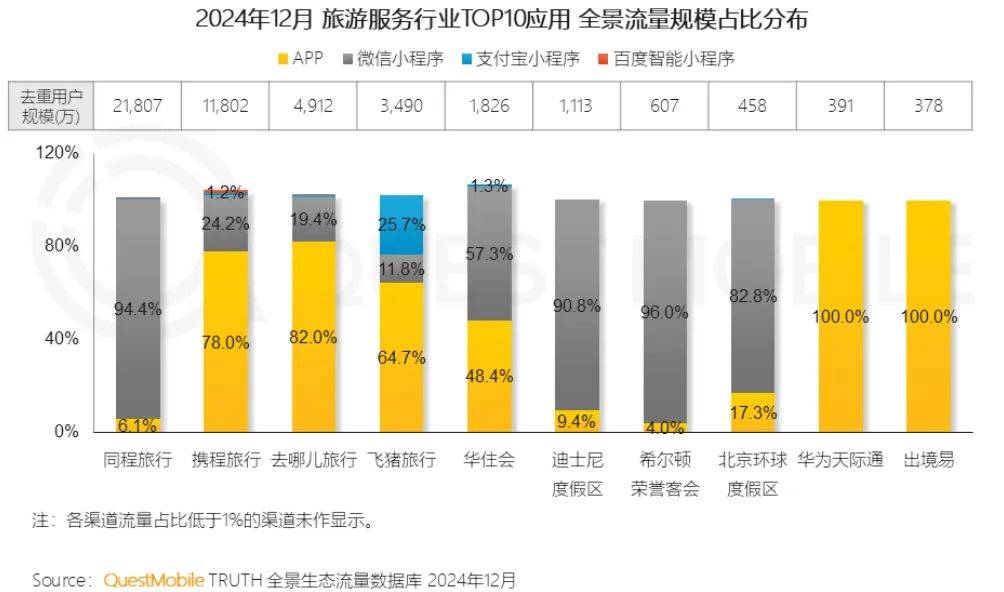
Core Insights - The competition in the local lifestyle service sector, particularly in the instant retail and travel industry, is intensifying among major players like JD, Alibaba, and Meituan, each adopting aggressive strategies to capture market share [2][6][36]. Group 1: Instant Retail and Order Volume - Taobao Flash Sale and Ele.me announced that their daily order volume for instant retail has surpassed 80 million as of July 14, while Meituan reported 150 million orders on July 12, and JD exceeded 25 million in June [1]. Group 2: Local Lifestyle Services - The local lifestyle service sector encompasses a wide range of services beyond food delivery, including travel and accommodation, with Meituan leading in this space [2]. - Meituan's core local business includes food delivery, in-store services, and travel, indicating a comprehensive approach to local services [2]. Group 3: JD's Entry into Travel - JD launched a "JD Hotel PLUS Membership Plan" on June 18, 2025, offering up to three years of zero commission, marking a significant push into the travel sector [4]. - Following JD's move, Alibaba integrated Ele.me and Fliggy into its China e-commerce group, showcasing its ambitions in the travel sector [5]. Group 4: Competition Dynamics - The competition among JD, Alibaba, and Meituan is reshaping the landscape of the local lifestyle service sector, particularly in travel [6]. - The online travel agency (OTA) market is witnessing strategic shifts, with players like Tongcheng Travel maintaining growth despite fierce competition [8][11]. Group 5: Tongcheng Travel's Market Position - Tongcheng Travel has shown impressive growth, with a market share of 15% in the OTA sector, trailing behind Ctrip [8]. - As of December 2024, Tongcheng's user base reached 218 million, significantly outpacing competitors like Ctrip and Fliggy [8]. Group 6: Financial Performance - Tongcheng reported a revenue of 43.77 billion yuan in Q1 2025, a 13.2% increase year-on-year, with adjusted net profit rising by 41.1% [21]. - The company's revenue primarily comes from transportation ticket bookings, with accommodation bookings contributing 27.1% of total revenue [21]. Group 7: Supply Chain and Partnerships - Tongcheng's supply chain is partially shared with Ctrip, allowing it to enhance its product offerings and competitiveness [22][24]. - The partnership with Tencent has provided Tongcheng with a significant advantage in user acquisition through WeChat [12][17]. Group 8: Market Challenges - The OTA market is facing increased competition, with hotels seeking to reduce reliance on platforms by building direct sales channels [40]. - The rise of self-operated channels among hotels poses a long-term challenge to OTA platforms like Tongcheng [40]. Group 9: Future Outlook - The domestic tourism industry is recovering, with projections indicating a rise in tourist numbers and spending [35]. - However, the competitive landscape is evolving, with established players like Meituan and emerging platforms like Douyin intensifying their focus on the travel sector [39][43].

阿里巴巴-W(09988.HK):闪购投入致利润承压 云收入继续加速
Ge Long Hui· 2025-07-15 18:17
Core Viewpoint - Alibaba is expected to report a revenue growth of 2% year-on-year for Q1 FY26, with an adjusted EBITA margin of 16% [2][3] Revenue and Growth Projections - The anticipated revenue for Q1 FY26 is 247.8 billion, reflecting a 2% year-on-year increase, with growth rates for various segments as follows: Taotian at 9%, International Digital Commerce at 19%, Cloud Intelligence Group at 22%, Local Life at 10%, Cainiao at -5%, and Big Entertainment at 5% [2][3] - The slowdown in revenue growth is primarily attributed to the divestiture of Gaoxin Retail and Intime [3] Segment Analysis - Taotian Group is projected to achieve a GMV growth of 6% year-on-year, with a CMR increase of 11%, driven by site-wide promotions and a 0.6% contribution from technology service fees [2] - The Cloud segment is expected to accelerate with a revenue growth of 22% year-on-year, supported by increasing AI demand [2] - AIDC is forecasted to grow by 19% year-on-year, with a decrease in adjusted EBITA margin by 6%, but a significant reduction in losses [2] Profitability and Investment Impact - The adjusted EBITA for Q1 FY26 is estimated at 39.2 billion, reflecting a year-on-year decrease of 13% and a margin decline of 3 percentage points [3][4] - Increased investment in instant retail is expected to pressure short-term profits but may enhance user engagement and purchase frequency in the long term [4] Future Revenue and Profit Adjustments - Revenue forecasts for FY2026 to FY2028 have been slightly adjusted to 1,062.3 billion, 1,149.0 billion, and 1,217.4 billion respectively, with adjustments of +1.0%, +2.2%, and +0.8% [4] - Net profit forecasts for FY2026 to FY2028 have been revised to 138.8 billion, 171.8 billion, and 195.4 billion respectively, with adjustments of -16.8%, -5.7%, and -2.9% [4] Valuation - The company is currently valued at a PE ratio of 13 times for FY2026, maintaining an "outperform" rating [4]

快乐猴超市进击硬折扣,美团放不下“大超市”的梦想
Sou Hu Cai Jing· 2025-07-15 18:10
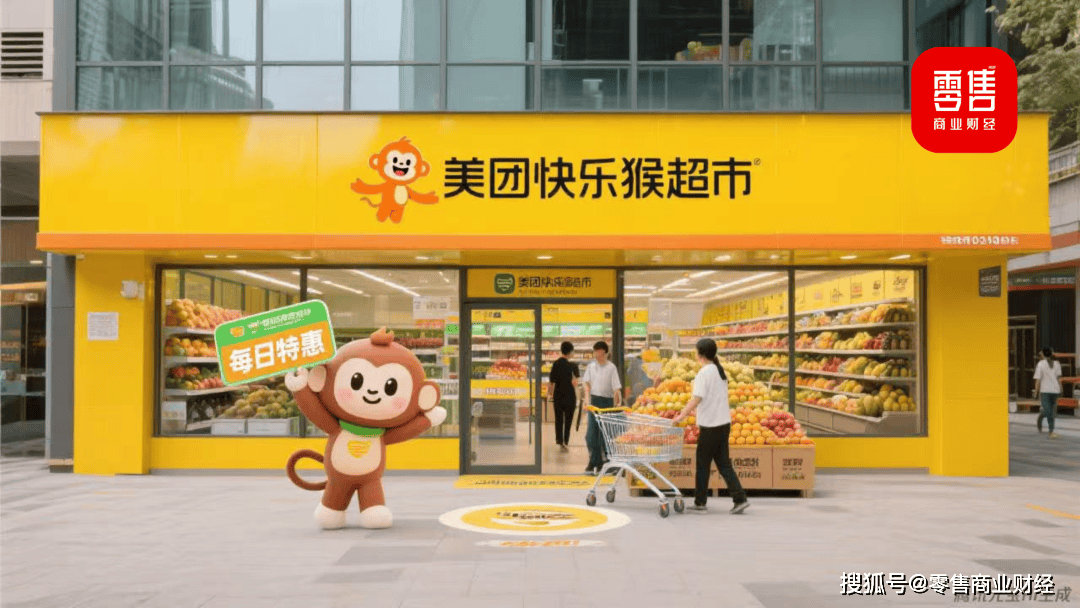
Core Viewpoint - Meituan is set to re-enter the offline retail market with its hard discount supermarket project "Happy Monkey," aligning with its long-term strategy in grocery retail [2][22]. Group 1: Project Launch and Background - The "Happy Monkey" supermarkets will officially open by the end of August, with initial locations in Beijing and Hangzhou, and plans for nationwide expansion [2][4]. - This marks Meituan's return to physical stores after shutting down its previous fresh food chain, Xiaoxiang, five years ago [2][12]. - The project has been in preparation since March, with recruitment for various managerial positions in major cities [2][4]. Group 2: Market Positioning and Strategy - "Happy Monkey" aims to compete in the hard discount retail sector, targeting high cost-performance products through optimized supply chains and reduced operational costs [8][14]. - The supermarket will focus on self-operated products, which are crucial for maintaining competitive pricing and quality [15][17]. - The hard discount retail market in China is rapidly growing, with a market size of approximately 1.79 trillion yuan, accounting for 3.8% of total social retail sales in 2023 [11][12]. Group 3: Competitive Landscape - Competitors like Aoleqi and Hema NB have successfully established themselves in the hard discount space, with Aoleqi reporting over 500 low-priced products and significant sales on opening days [9][11]. - Meituan's strategy includes leveraging its existing logistics and supply chain capabilities to enhance its offline retail presence [13][20]. Group 4: Synergy with Existing Operations - The launch of "Happy Monkey" is expected to create synergies with Meituan's existing instant retail operations, enhancing local supply and demand connections [19][22]. - Meituan's instant retail business has a peak daily order volume of 150 million, supported by a vast network of local merchants and delivery personnel [20][22]. - The integration of "Happy Monkey" with Meituan's other retail initiatives aims to provide a comprehensive local retail solution, addressing diverse consumer needs [21][22].

外卖大战喧嚣之外,中国最大便利店加码美团闪购!
Sou Hu Cai Jing· 2025-07-15 15:10
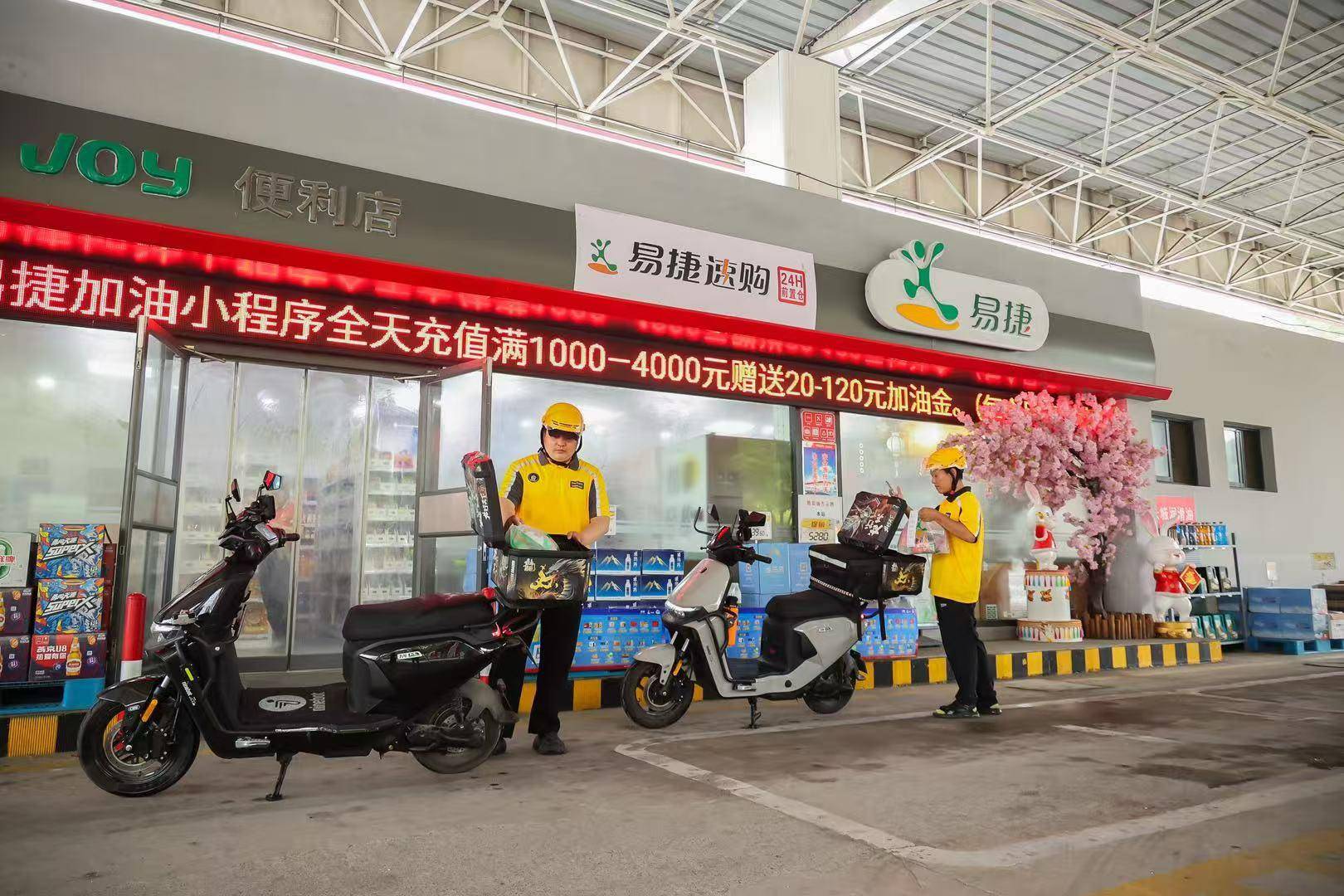
Core Insights - The article discusses the competitive landscape of the instant retail market, particularly focusing on Meituan's flash purchase service and its strategic partnership with Sinopec's Easy Joy convenience stores, highlighting the differentiation of "flash warehouses" as a competitive advantage [1][3][11] Group 1: Market Dynamics - The instant retail market is experiencing significant growth, with Meituan's flash purchase service achieving over 5 billion cumulative transaction users and a record order volume of 1.5 billion in July [14][15] - The market size of China's instant retail sector reached 650 billion yuan in 2023, reflecting a year-on-year growth of 28.89%, outpacing the overall online retail growth [14][15] - The competition is intensifying as major players like Alibaba and JD.com increase their investments in instant retail, which may benefit Meituan by accelerating market growth [15][17] Group 2: Strategic Partnerships - Meituan's collaboration with Sinopec's Easy Joy aims to expand the "Easy Joy Speed Purchase" brand and enhance the flash warehouse model, which is seen as a key differentiator in the instant retail space [1][3][6] - The partnership allows Easy Joy to leverage its extensive network of over 28,600 convenience stores to reach a broader customer base beyond just fuel station drivers [9][13] Group 3: Operational Efficiency - The flash warehouse model enables retailers to optimize their operations by expanding their business radius and extending operating hours, thus attracting new customer segments [7][9] - Meituan's flash warehouses can offer a significantly higher number of SKUs compared to traditional stores, enhancing product variety and meeting diverse consumer needs [8][9] - The operational efficiency of flash warehouses is improved through lower labor requirements and better inventory management, allowing for quicker product turnover and reduced customer acquisition costs [9][10] Group 4: Future Outlook - The article suggests that the instant retail sector is poised for further growth, with projections indicating that the market could exceed 2 trillion yuan by 2030 [14] - Meituan aims to expand its flash warehouse network to over 100,000 locations by 2027, indicating a strong commitment to scaling its instant retail operations [11][14] - The evolving consumer behavior towards instant retail is expected to solidify its position as a mainstream shopping model, driven by the demand for convenience and immediacy [16][18]
在哪些指标上,淘宝闪购已经逼近美团?
虎嗅APP· 2025-07-15 14:45
Core Viewpoint - The competition in the instant retail sector is intensifying, with major players like Taobao Flash Sale, Meituan, and JD.com rapidly increasing their daily order volumes, indicating a shift in consumer behavior towards "instant gratification" and "on-demand" shopping experiences [1][2][10]. Group 1: Market Dynamics - Taobao Flash Sale and Ele.me reported daily orders exceeding 80 million, a significant increase in response to Meituan's reported daily orders of 150 million [1][3]. - The competition is no longer limited to traditional meal delivery but has expanded to include a variety of products, indicating a broader market for instant retail [1][4]. - The rise of instant retail is reshaping consumer decision-making, moving from planned purchases to spontaneous, low-barrier buying decisions [2][11]. Group 2: Competitive Strategies - Different platforms are adopting varied strategies; JD.com focuses on quality and brand partnerships, while Taobao Flash Sale integrates with Alibaba's broader ecosystem for rapid growth [7][9]. - Meituan's strategy relies heavily on aggressive discounting and promotional offers, including zero-cost orders, to drive order volume [7][8]. - Taobao Flash Sale emphasizes a category-driven approach, leveraging existing consumer habits to accelerate the shift towards instant consumption [9][12]. Group 3: Supply Chain and Fulfillment - The competition is not just about order volume but also about building efficient supply chains and fulfillment systems to meet the demands of instant retail [4][15]. - Meituan has the largest delivery network, with 7.45 million registered couriers, ensuring a competitive edge in delivery speed and reliability [13][14]. - Taobao Flash Sale is restructuring its delivery paths to enhance efficiency, focusing on higher-value non-food items and optimizing rider incentives [14][15]. Group 4: Consumer Behavior and Merchant Impact - Instant retail is changing consumer habits, creating a new norm of "no-preference, spontaneous purchasing" that is difficult to reverse [11][12]. - The influx of subsidies and promotional strategies is altering the merchant landscape, with a notable increase in new merchants joining platforms like Taobao Flash Sale [12][13]. - The impact of price wars is particularly challenging for food service merchants, leading to concerns about profitability amidst rising order volumes [13][15].


“即看即饮”需求增长 即时零售能否成为突围“解药”
Bei Jing Shang Bao· 2025-07-15 14:02
Core Insights - The rapid evolution of consumer habits, the decline of e-commerce benefits, and the efficiency upgrades in offline channels are driving liquor companies to accelerate their entry into the instant retail sector [1][4] - The liquor industry is witnessing a shift towards instant retail, with companies like 1919 Group and Luzhou Laojiao launching innovative models to meet the immediate needs of younger consumers [3][5] Group 1: Industry Trends - Instant retail is reshaping the retail landscape, with companies integrating "instant retail" and "scene experience" to create new consumption ecosystems [3][4] - The online penetration rate for liquor channels has reached 35%, with the market size for instant retail in the liquor sector expected to exceed 100 billion yuan by 2025 [5][6] Group 2: Company Strategies - 1919 Group is undergoing its fourth strategic transformation, focusing on creating a "1919 liquor lifestyle museum" that combines liquor sales with dining and social experiences [3][4] - Luzhou Laojiao has launched the "Xiaoshida" service on Douyin, enabling immediate delivery upon order, while Guizhou Maotai plans to establish a "30-minute rapid delivery" network [4][5] Group 3: Market Dynamics - The instant retail model is gaining traction as it addresses the "last mile" delivery challenge, although it poses significant logistical demands due to the fragile nature of liquor products [7][8] - The growth of instant retail is driven by the need for immediate consumption, with consumers increasingly opting for online purchases during social gatherings [5][6] Group 4: Challenges and Considerations - Liquor companies face challenges in balancing logistics costs with product profitability, as well as ensuring product authenticity in the instant retail space [7][8] - The industry must navigate the complexities of integrating instant retail with traditional distribution channels while maintaining consumer trust in product quality [8][9]




即时零售如何实现长期发展 专家建议应从“平台流量收割”转变为“用户价值深耕”
Zhong Guo Zhi Liang Xin Wen Wang· 2025-07-15 11:03
Core Insights - The instant retail market is experiencing rapid growth, with major platforms like Meituan, Taobao Flash (Ele.me), and JD Delivery reporting record order volumes of 120 million, 80 million, and 25 million respectively [1] - In 2024, the overall daily order volume in the delivery industry is expected to be around 100 million, with Meituan accounting for over 70 million and Taobao Flash (Ele.me) for over 20 million [1] - To adapt to the evolving market, Taobao Flash has launched a 12-month subsidy plan totaling 50 billion yuan, which is nearly 40% of Alibaba Group's annual net profit [1] - Meituan plans to invest 100 billion yuan in the instant retail market over the next three years, while JD Delivery's cumulative investment has exceeded 10 billion yuan [1] - The instant retail market is projected to surpass 2 trillion yuan in scale [1] Market Dynamics - The subsidy strategies are aimed at stimulating both consumer and merchant demand, with a shift from consumer-focused subsidies to include merchant-side incentives [2] - The competitive landscape is characterized by Meituan's defensive strategy leveraging its leading position, Taobao Flash's aggressive market capture through subsidies, and JD Delivery's focus on quality dining and merchant attraction [3] - The surge in order volume indicates a growing consumer demand for instant and personalized services, presenting both opportunities and challenges for platforms [3] Challenges and Recommendations - The high proportion of "bargain hunters" among users poses a risk of inflated order volumes, necessitating platforms to enhance service experience and user loyalty beyond price incentives [3] - Issues such as system crashes, delivery delays, and increased workload for delivery personnel highlight the need for improved technical capabilities and service quality [3] - Recommendations include leveraging technology to enhance fulfillment efficiency, optimizing supply chain management, and balancing consumer rights, merchant profits, and delivery personnel welfare [4]
中国连锁经营协会倡议:规范即时零售市场秩序 联合抵制价格补贴“内卷式”竞争
news flash· 2025-07-15 10:50
中国连锁经营协会倡议:规范即时零售市场秩序 联合抵制价格补贴"内卷式"竞争 智通财经7月15日电,中国连锁经营协会7月15日面向全体会员及相关企业发布倡议书。倡议书指出,近期,部分平台发起的即时零售价格补贴大战愈演愈 烈,依赖资本力量的低价竞争不仅扰乱市场公平竞争秩序,更导致实体商家正常经营受挑战、商品品质缩水、服务标准下降、商家利润承压等连锁反应,严 重威胁行业可持续发展根基。为守护市场公平、保障消费权益、推动行业回归价值竞争本源,中国连锁经营协会特向全体会员及相关企业发出如下倡议:规 范低价补贴竞争行为,维护市场公平秩序;坚守经营底线,保障消费权益;构建多元竞争体系,树立长期经营理念;加强主动自律,强化合规管理;践行社 会责任,守护行业生态。 降、服务缩水。不得通过先涨价后补贴、虚构原价等方式误导消费 韶低价为噱头捆绑消费或隐藏附加费用。 主动远离"价格比拼""补贴换流量""赔本赚吆喝"等短视行为 同抵制价格战损害行业信誉的行为;坚守商业本质,强化品牌建设 务,明确商品或服务的合理利润率区间,避免陷入"利润为负-品质 恶性循环。 三、构建多元竞争体系,树立长期经营理念 运用大数据、数字化、Al等先进技术赋 ...
人民日报点赞!马云刘强东回归督战,外卖战场变民生竞技场
Sou Hu Cai Jing· 2025-07-15 10:17
Core Insights - The recent surge in subsidies from major players like Meituan, JD, and Taobao has ignited a fierce competition in the instant retail market, characterized by aggressive discounting strategies and promotional offers [1][3][9] - This subsidy wave is not a temporary phenomenon but may become a new industry norm, with Alibaba planning to invest 50 billion yuan over the next year and Meituan committing to a 100 billion yuan investment over three years [3][11] - The competition is driven by the pursuit of a trillion-yuan instant retail market, indicating a shift in the internet industry towards consumer welfare and protection of rights for consumers, merchants, and delivery personnel [3][11] Market Dynamics - The instant retail market in China is projected to reach 3 trillion yuan by 2025, with an annual growth rate exceeding 30% [5] - Taobao's recent subsidy campaign resulted in over 60 million orders in a single day, while JD delivered over 25 million orders, showcasing the explosive growth in order volume [5][9] - The new competitive landscape is characterized by platforms investing their own funds for subsidies, aiming to balance the interests of platforms, merchants, delivery personnel, and consumers [11] Leadership Influence - The return of founders Jack Ma and Liu Qiangdong to the public eye has reinvigorated their companies, with Ma focusing on agriculture and rural products, while Liu has emphasized worker welfare and direct engagement with delivery personnel [7][13] - Their leadership styles reflect a shift from previous market dominance strategies to a more community-oriented approach, aligning with the current societal emphasis on shared prosperity [13][15] Regulatory Environment - The recent competitive dynamics have attracted the attention of regulatory bodies, which are urging platforms to ensure fair competition and prevent chaotic capital expansion [15] - This shift in focus from aggressive market capture to consumer benefit marks a significant transformation in the Chinese internet industry, moving away from a growth-at-all-costs mentality [15]
“外卖大战”,最大的受害者出现了?
华尔街见闻· 2025-07-15 10:16
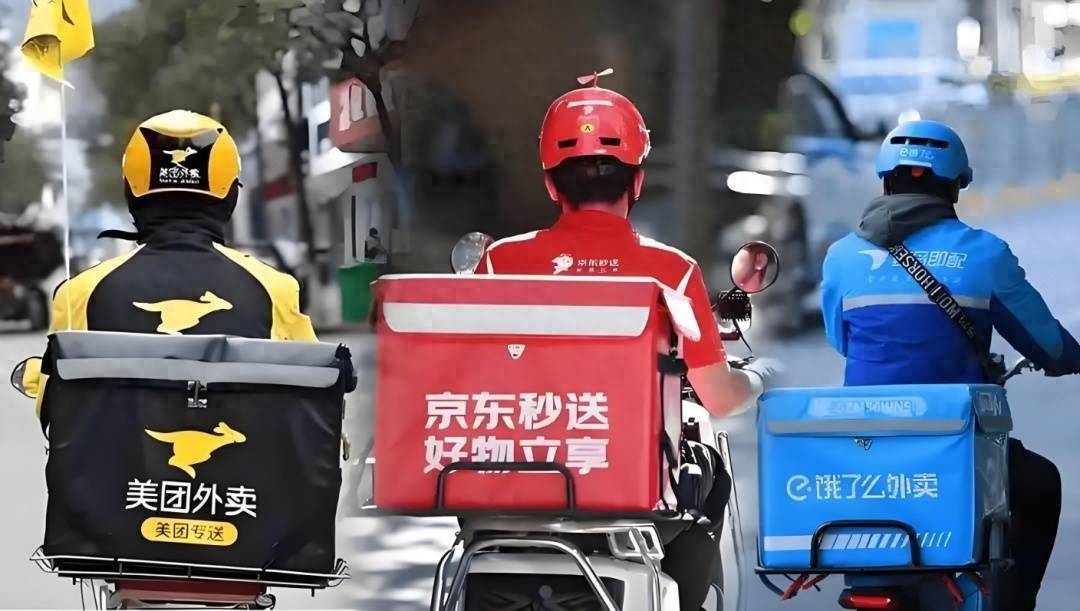
Core Viewpoint - The article discusses the ongoing competition among major food delivery platforms, highlighting record-breaking order volumes and aggressive subsidy strategies to capture market share in the instant retail sector. Group 1: Record Performance - Meituan reported a record high of 150 million orders on July 12, with over 50 million for "Shenqiangshou" and over 35 million for "Pinghaofan" [1] - Taobao Flash Sale and Ele.me announced a daily order volume exceeding 80 million, with a 15% increase in daily active users, reaching over 200 million [1][12] - The overall market capacity has expanded due to increased consumer willingness and participation, driven by substantial investments from the platforms [12] Group 2: Subsidy Strategies - Meituan and Taobao Flash Sale continued their weekend subsidy campaigns, with Meituan offering various discount vouchers and Taobao providing a 188 yuan coupon package [3][5] - The competition has led to a significant increase in order volumes, with Taobao Flash Sale capturing 60% of the incremental market share [21] - JD.com has shifted to a more refined subsidy strategy, launching a "Double Hundred Plan" to support quality dining merchants, with over 200 brands achieving over 1 million orders [13][14] Group 3: Financial Implications - Despite impressive order growth, the intense subsidy competition is straining the platforms financially, with projected losses of 410 billion yuan for Alibaba and 260 billion yuan for JD.com in the upcoming year [15][18] - The total annual investment in this competition is expected to reach around 100 billion yuan, raising concerns about the sustainability of such aggressive spending [18][20] - The stock prices of Meituan, Alibaba, and JD.com have all seen declines of over 3% since July [19] Group 4: Market Dynamics - The subsidy war is expected to continue, with platforms signaling their commitment to maintaining high levels of investment to deter new entrants [20][16] - The competition has evolved into a weekly and potentially monthly occurrence, with platforms aiming to create a new promotional holiday [11][16] - The rapid growth in order volumes raises questions about the long-term viability of such strategies, as the sustainability of consumer demand remains uncertain [23][24]